Blood Draw
A small sample is drawn from your arm, the way any blood test is done.
Your own blood, spun down to its platelets, sent back into your scalp. No implants, no foreign material, no surgery. Hair Loss Treatment at Goals.
From $1,200

Overview
A small pull of blood is spun until the platelets settle out. That concentrate goes back into your scalp. PRP hair restoration works because platelets carry the growth factors your body uses to heal itself.
How it works
A small sample is drawn from your arm, the way any blood test is done.
The sample is spun until the platelets pack down.
The concentrate goes into the thinning zones with a fine needle. Numbing first. You leave straight after.
Candidacy
PRP treatment for thinning hair works on follicles that are fading, not ones already closed. Caught early, results are the strongest of anything we offer without a scalpel.
Density is dropping but the hair is still there.
A receding hairline or a crown starting to open.
Guarding grafts and the native hair around them.
Works for both, diffuse female thinning included.
No blood disorder or condition to rule it out.
Conditions we treat
PRP hair growth treatment suits living follicles that are fading.
A receding hairline and thinning crown driven by hormones and genes.
The part slowly widens while the hairline itself holds its ground.
Density fades across the whole top of the scalp with no single bald patch.
Guarding new grafts and the hair still growing around them.
Heavy loss after illness, childbirth, stress, or a crash diet.
Patchy autoimmune loss, where response varies and we will level.
Results vary with your skin, your starting point and how many sessions you have. Your consultation covers what is realistic for you, before you commit to anything.
Prefer to talk now?(833) 462-5769
Clinics
We have a few clinics in these cities.
A hair transplant prp pairing is common: grafts fill what is gone, injections guard what is left.
PRP Hair Restoration near you
Explore Goals
Non-surgical options
Injections hit hardest, but they are not the only route, and they pair well with the rest.
Your own platelet-rich plasma injected into the scalp to strengthen follicles and slow shedding.
Clinical-strength laser light that wakes follicles and firms up the hair you still have.
Micro-injections of vitamins, minerals, and amino acids sent straight into the scalp.
High-frequency current that lifts scalp circulation and nutrient uptake.
This is the one treatment where cutting corners is truly dangerous. Your blood is drawn, spun, and injected back into you. Every step is a place a cheap clinic can hurt you, and price is all you get to see.
| Buying Blood Injections Abroad | Platelet-Rich Plasma in the United States |
|---|---|
| Buying Blood Injections AbroadYou choose a clinic on price, send a deposit, and book flights around the session. | Platelet-Rich Plasma in the United StatesA licensed clinician reads your scalp, your history, and your bloodwork before drawing anything. |
| Buying Blood Injections AbroadNobody examines your scalp. Nobody asks about your bloodwork or health history. | Platelet-Rich Plasma in the United StatesThe draw, the spin, and the injection all happen in one accredited clinic under sterile control. |
| Buying Blood Injections AbroadYou never see the centrifuge, the tubes, or the protocol. Prep quality decides whether this works at all. | Platelet-Rich Plasma in the United StatesPrep follows a set protocol, because how the platelets are spun decides how well this works. |
| Buying Blood Injections AbroadSterility cannot be checked. Your own blood, handled badly, is not safe by default. | Platelet-Rich Plasma in the United StatesNumbing first, then a short session. You drive home yourself and go back to work the same day. |
| Buying Blood Injections AbroadA course runs over months. You either fly back again and again or drop it halfway and lose the gain entirely. | Platelet-Rich Plasma in the United StatesThe course is booked locally from day one, so it actually gets finished rather than dropped. |
| Buying Blood Injections AbroadIf your scalp reacts, the people who drew your blood are a continent away and cannot help. | Platelet-Rich Plasma in the United StatesIf anything reacts, you reach the same team that treated you, and we see you in person. |
| Factor | Overseas Package | Goals U.S. Clinic |
|---|---|---|
| Total cost (real) | Cheap sticker price, then flights and repeat trips per session. | Whole course quoted up front, no surprise bills later. |
| Blood handling | Cannot be checked. Your own blood, handled badly, is not safe. | Drawn, spun, and injected in one sterile facility. |
| Preparation | Unknown spin protocol, which decides if it works at all. | Set protocol, so the platelet concentrate stays consistent. |
| Who treats you | Credentials hard to check; often a technician. | Licensed providers you meet before and after each session. |
| Screening | No bloodwork, no history, no scalp check. | Scalp, history, and bloodwork checked beforehand. |
| Continuity | Sessions months apart. Most people quit midway. | Booked locally, so the course gets completed. |
| Follow-up | Remote messages only when the scalp reacts. | In-person checkups, with progress photos. |
| Legal protections | Little recourse once you have flown home. | Backed by United States patient safety laws. |
How it works
Six steps to fuller hair.
A clinician reads your scalp, your history, and whether the follicles are still viable.
We confirm nothing in your blood rules this out before we book you in.
Density photos, so change gets measured rather than imagined.
Draw, spin, inject. Numbing first. Mild soreness for a day after.
Repeat sessions. Shedding usually eases before regrowth shows.
Hair thickens slowly, and we compare it against your baseline.
Safety
The material is your own blood, so rejection is not the risk. The risk is how that blood is handled between your arm and your scalp.
Nothing foreign goes in, so there is nothing for the body to reject.
Drawn, spun, and injected inside one accredited clinic.
Steady preparation, because the spin decides the result.
We check that nothing in your blood rules it out.
Reach the team that treated you if anything reacts.
Our surgeons
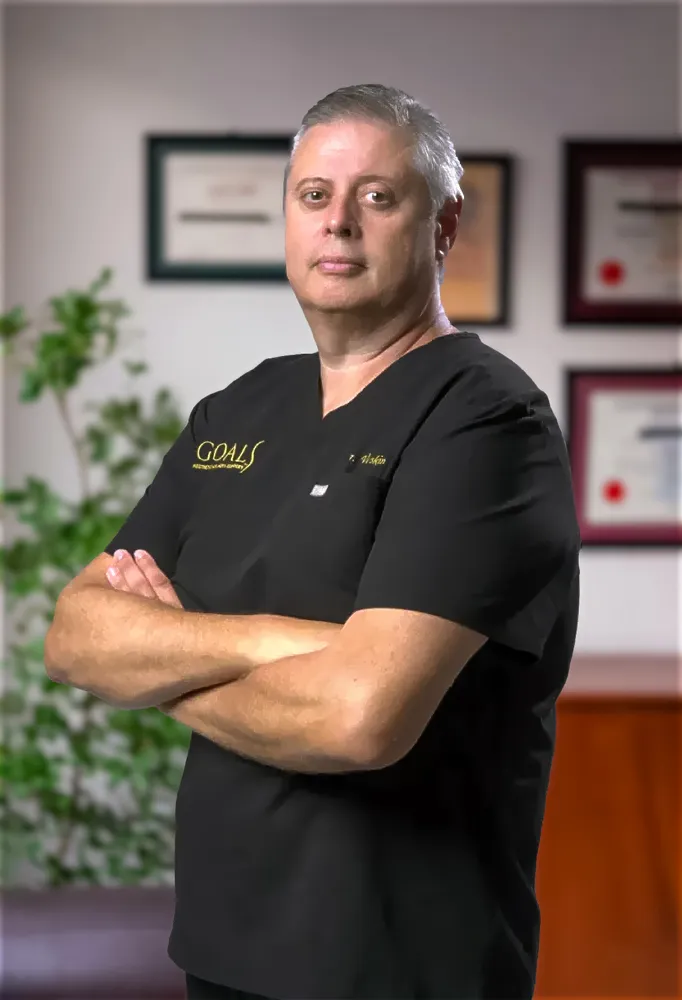
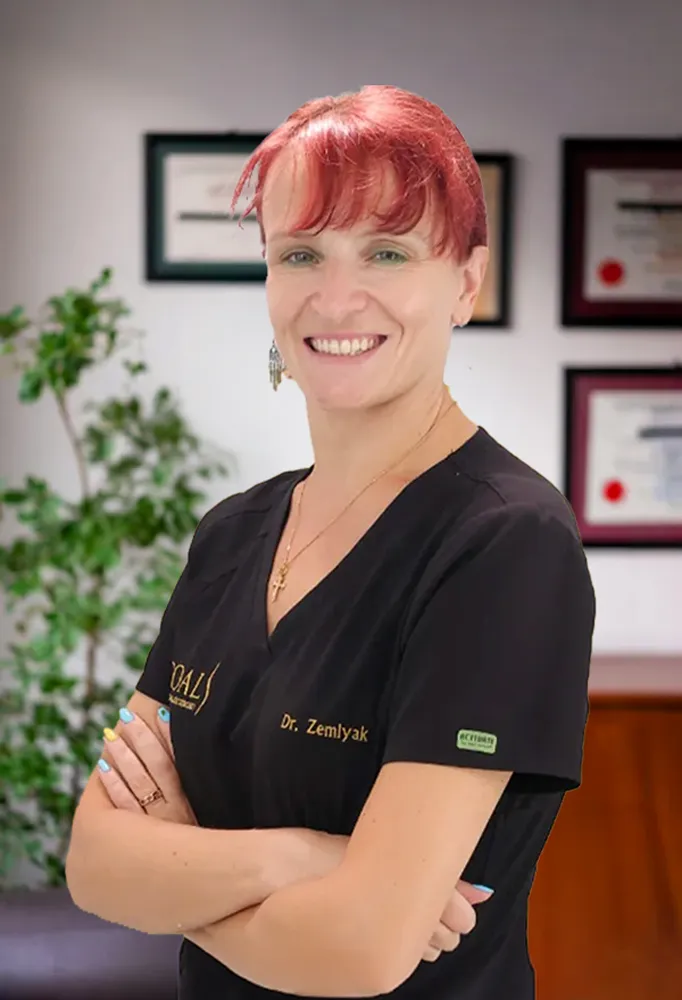
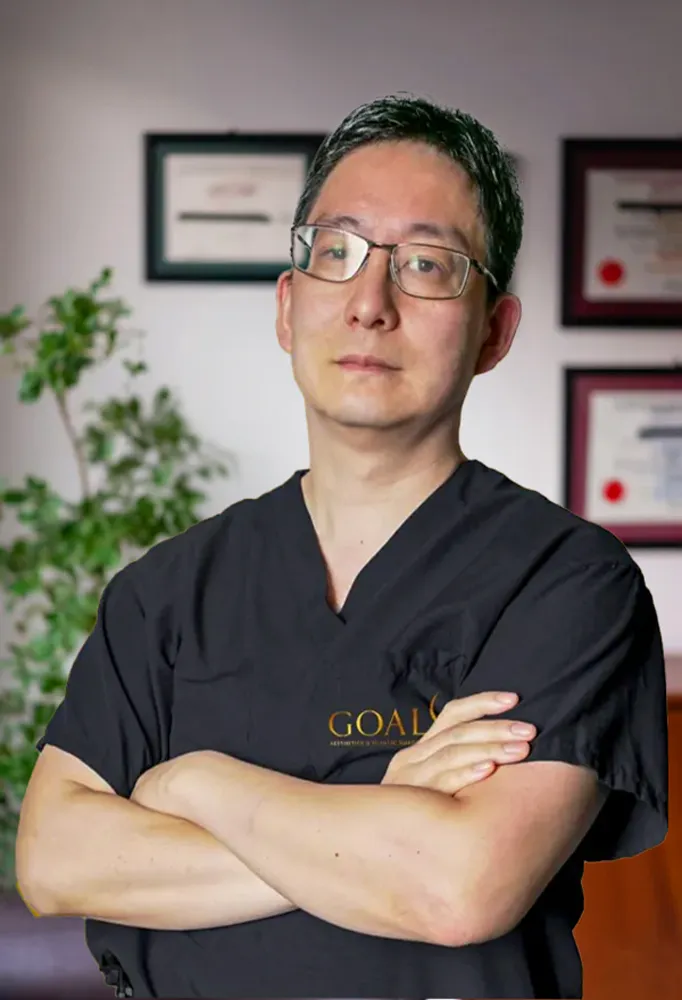
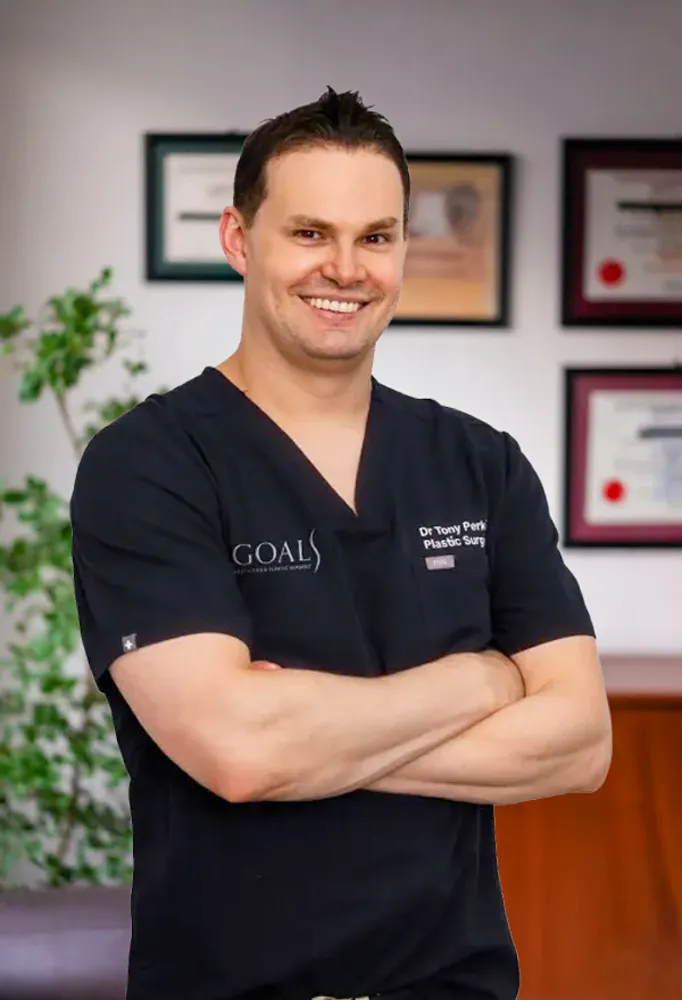
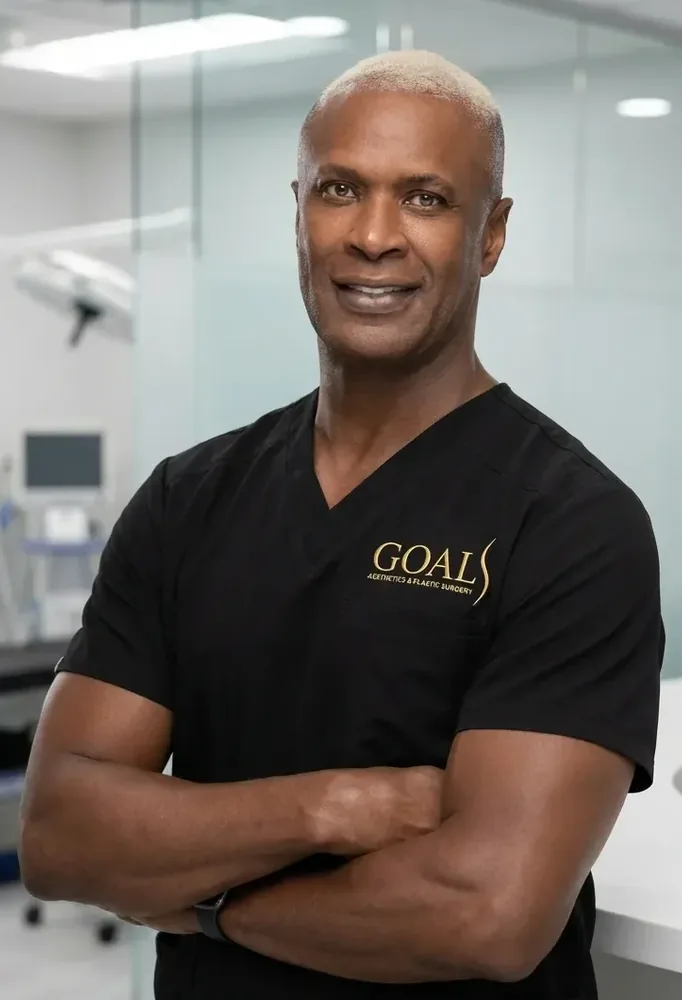
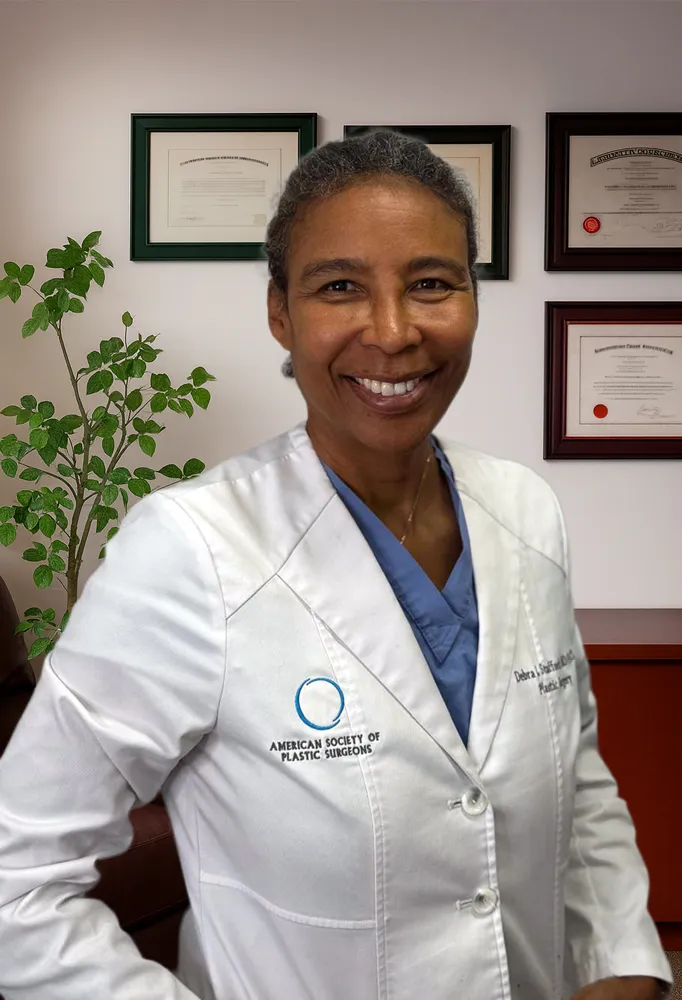
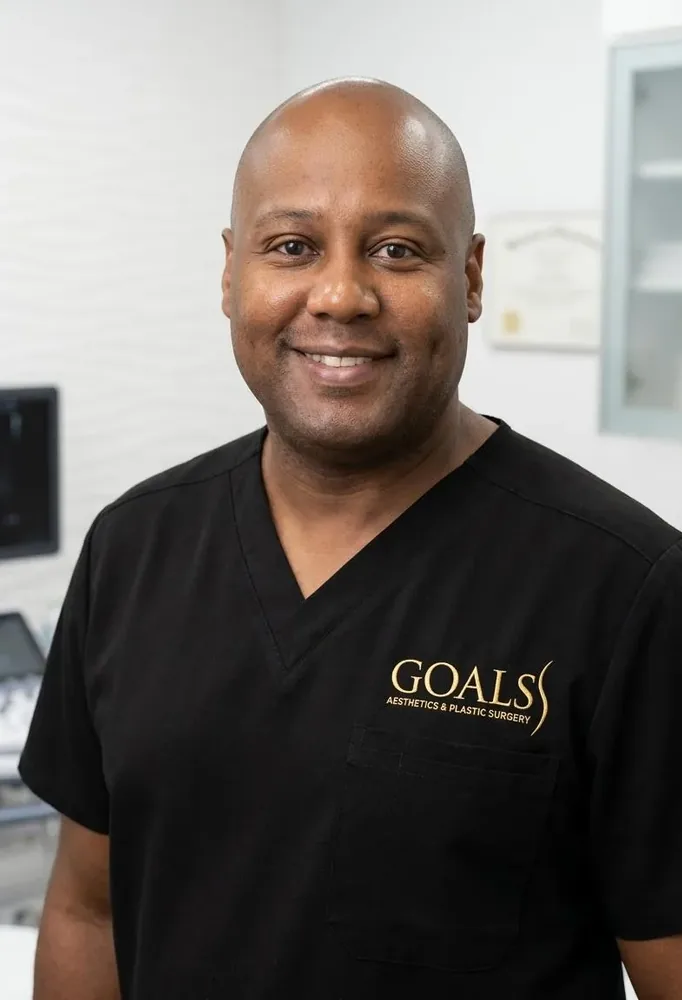
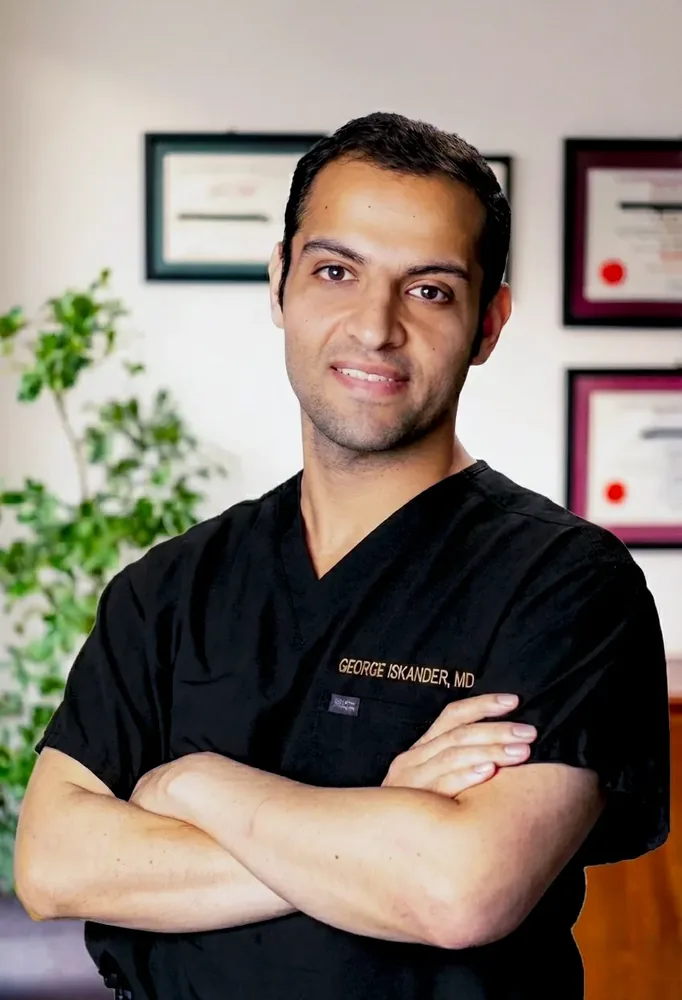
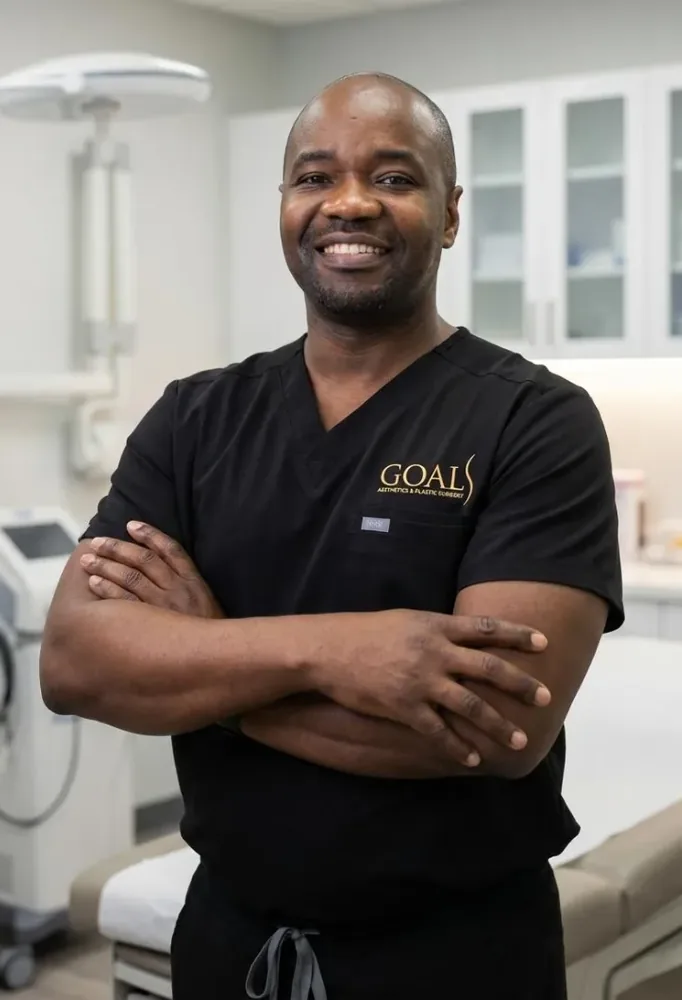
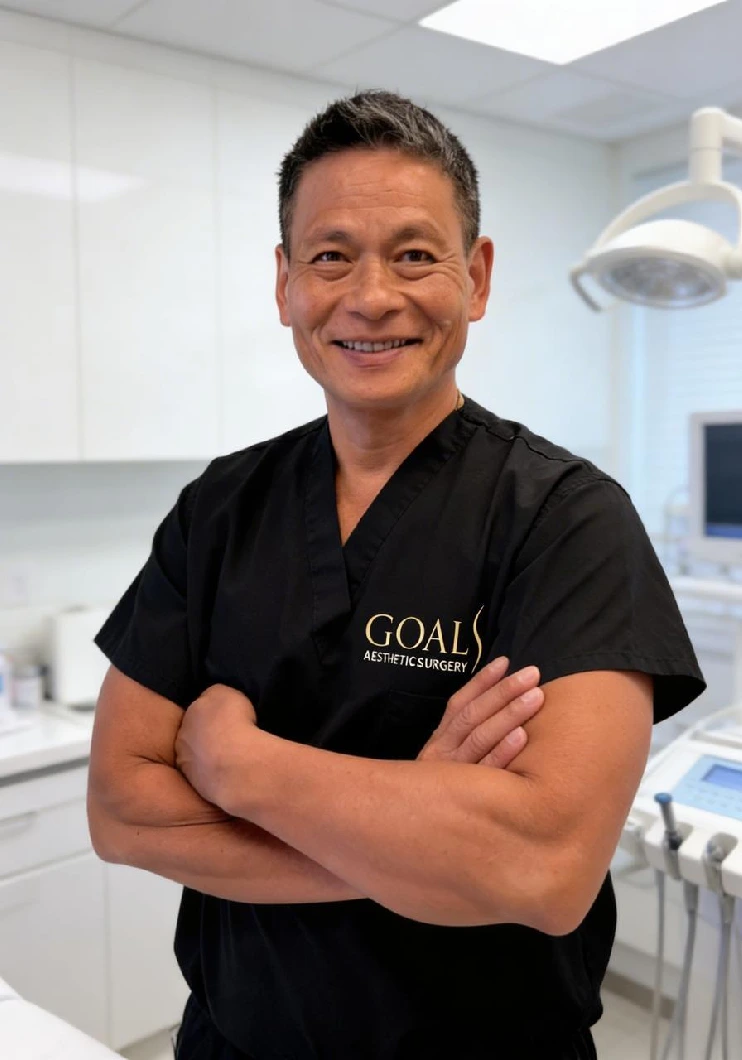
Experienced surgeons skilled in hair restoration.
Each surgeon’s training and licenses are listed on their own page.
Pricing
Anyone weighing the prp hair loss treatment cost wants one number, and there is not one. The prp hair treatment cost turns on how many sessions your scalp needs. The course is quoted before session one.
You see the full course cost before session one, not after the third.
Non-surgical, so it runs a fraction of what grafting costs.
Monthly plans that spread a full course over time.
Draw, spin, and aftercare all sit in the quote. Nothing billed later.
Prices shown are starting prices and depend on the number of areas treated. Final pricing is confirmed at your consultation. Cosmetic procedures are not covered by insurance.
Try it
Pick a procedure to see an estimate. Your numbers stay on your device. We do not see or save them.
This is an estimate, not a quote. It splits the starting price over the months you pick, with no interest. Lenders set your real rate and terms. Your price is confirmed at your consultation.
FAQ
They are the signal, not the fuel. Your platelets carry proteins like PDGF and IGF-1 that push a follicle into its growth phase, and VEGF that builds blood supply. Injected into a weak follicle, they do roughly what they do at a healing wound: wake and feed it.
Hugely. The whole product is the concentrate, and how the blood is spun, at what speed and how long, sets how rich in platelets it is. A careless spin injects perfectly and still does nothing, because little was in the syringe.
Promising, but honest people call it mixed. Reviews show PRP tends to lift density in pattern loss, yet trial quality is uneven and protocols vary. We rate it the best-evidenced needle-free option, but no guarantee.
Not right away. Shedding eases first, then thickening follows once the follicles finish a growth cycle, usually near three months. We photograph density at the start so hair prp results are measured, not recalled.
It is your own blood, so nothing foreign goes in, but that alone does not make it safe. The draw, tubes, spin, and injection are each a point sterility can fail, and a prp for hair loss cost quoted with no exam behind it is a red flag.
Both use your own blood. PRF for hair loss is spun slower and without an anticoagulant, forming a fibrin scaffold that releases growth factors over days. PRP gives a faster, stronger hit. Your clinician says which your scalp suits.
Often, yes, and it is one of the smartest pairings there is. Grafts fill the bare zones; injections defend the native hair around them so it does not thin and strand your new hairline over the years that follow.
PRP Hair Restoration near you
Explore Goals
Learn more
Of everything you can do about hair loss without a scalpel, this is the one with the most evidence behind it. Platelet rich plasma hair restoration borrows nothing from a pharmacy and puts nothing synthetic into you. It draws a little of your own blood, concentrates the platelets from it, and returns them to your scalp, where the growth factors those platelets carry set to work on follicles that are fading but not yet dead.
Goals frames it as a non-invasive way to use your blood's own platelets to spur growth, for people who want to push back on thinning without surgery. That is accurate, and two facts are worth carrying in before you book: it rewards coming early far more than most treatments, and what happens to the blood between your arm and your scalp decides whether any of it works.
Blood is not one thing. Spin it fast and it splits into bands, and one band is packed with platelets. Platelets are the first responders your body rushes to any wound, and they are stuffed with growth factors, the messenger proteins that order nearby tissue to rebuild. Two of them matter most for hair: PDGF and IGF-1 drive a follicle back into its active growth phase, while VEGF grows fresh blood vessels around it so the follicle is better fed. It is a small chemical toolkit, aimed at exactly the problem a thinning follicle has.
PRP hair restoration therapy draws off that platelet-rich band and places it into the scalp at the depth the follicles live. What follows is basically wound healing pointed at a follicle instead of a cut: blood supply rises, dormant cells switch back on, and the follicle is nudged out of its resting slump into active growth. A follicle that had been turning out a thinner, weaker strand each cycle starts pushing a fuller one again.
Come early. That is the entire answer, and it outweighs anything else on this page. PRP hair loss treatment has the most to work with while hair is still there and the follicles are alive but flagging. Early pattern loss, a softening hairline, a crown starting to open, a part that has begun to widen: these can respond, sometimes strikingly.
PRP treatment for thinning hair works for women as much as men, worth stating because the industry so often markets as if only men thin. The diffuse female pattern, where density drops across the top while the front holds, is a strong fit precisely because those follicles are usually still alive under the surface.
Shedding after childbirth, illness, hard stress, or a crash diet also tends to answer well, since those follicles are usually intact and merely thrown off their rhythm. And a hair transplant prp pairing is one of the smartest moves in the field: grafts fill the bare zones, while injections guard the native hair around them, which would otherwise thin on and leave a crisp hairline stranded ahead of a fading crown.
The wrong candidate is someone with an already bald scalp hoping this stands in for surgery. It does not. Goals runs a full hair restoration programme so the clinician reading your scalp can steer you to what will actually work, not to what is easy to sell.
Low-Level Laser Therapy swaps needles for clinical-strength light. It is gentler and easier to keep up for years, but slower to act. Injections hit harder; light is the one you will still be doing next year without dreading it. Side by side, they cover each other's gaps.
Mesotherapy Hair Restoration injects a blend of vitamins, minerals, and amino acids instead of your own blood. Where platelets tell the follicle to switch on, mesotherapy feeds it. It suits run-down scalps and brittle hair, and the two pair naturally.
Darsonval Hair Restoration runs a high-frequency current to lift scalp circulation and uptake. It works on the environment around the follicle rather than the follicle itself, so it backs a plan rather than leading one.
Set against all of these, platelet rich plasma hair therapy carries the strongest evidence for pattern hair loss, which is why it is usually first on the table when the loss is clearly hormonal.
PRF for hair loss comes up constantly and deserves a plain answer. Platelet-Rich Fibrin is a close cousin of PRP. The blood is spun more gently and with no anticoagulant, which lets a fibrin scaffold form and trap the platelets. That mesh then leaks its growth factors out slowly over days instead of all in one burst.
Neither simply wins. PRP hands over a stronger, faster signal; PRF gives a softer, slower one and carries more white blood cells. Which fits you turns on your scalp and your bloodwork, and it is a talk to have with a clinician rather than a call to make off a search result.
A little blood is taken from your arm, the same draw as any routine blood test. It goes into a centrifuge and spins until the platelets pack down into a concentrate. While that runs, the scalp is numbed. Then the concentrate is placed across the thinning zones with a fine needle, at a set depth, along a mapped grid.
Most patients say the blood draw is the worst bit, which tells you plenty about the injections themselves. You feel pressure more than pain. Afterwards the scalp is tender and a touch sore for a day. You drive yourself home, and downtime is nil in any real sense, with people back at work the same afternoon.
Shedding eases first, and it is easy to overlook unless you are watching the drain and the pillow. That is the first honest signal, and it usually turns up before the mirror shows anything at all.
Visible thickening lands later, because a follicle has to finish a growth cycle before a fuller shaft breaks the surface, which is why most people notice it around the three-month mark. That is why baseline photos matter so much. Goals shoots them on day one, so the later conversation is about PRP therapy for hair results you can actually measure, rather than whether the hair looks better under a kind light on a good morning.
The most-searched question here is the price, and every clinic gives a slippery answer. Here is the honest one. It is sold as a course, because a lone session does little. What moves the figure is how many sessions your scalp needs and whether the injections run beside laser or a transplant. Anyone naming a firm number before looking at your scalp is naming one they plan to change.
What Goals will put in writing is the whole course quoted before the first session, draw, spin, injections, and aftercare all in, so the total does not creep up visit by visit. Financing is available and can cover a full course or a staged plan. Staging is often the smarter path: start, look at the density photos, and step it up only if the scalp is not answering.
It is easy to assume that because the material is your own blood, the treatment must be safe and any clinic will do. Both halves of that are wrong.
Your own blood, handled badly, is not safe by default. The draw, the tubes, the centrifuge, and the injection are each a spot where sterility can slip. And the spin itself, its speed, its time, how cleanly it separates, sets how concentrated the platelets end up. A weak preparation can be injected flawlessly and still do nothing, because there was barely anything in it to begin with. None of this is visible from the patient's chair. You are trusting the clinic with all of it, which is exactly why the bargain overseas version is a poor gamble rather than a saving.
At Goals the blood is drawn, spun, and injected in one accredited clinic under a fixed protocol, your bloodwork and history are checked before anything is drawn, and the surgeons and clinicians treating you are licensed and reachable after. Sessions run locally across our locations, which is the unglamorous reason courses actually get finished here rather than dropped halfway.
Where a follicle has closed, growth factors have nothing left to act on. The only way to put hair where it no longer grows is to move it from where it still does. Follicular Unit Extraction lifts individual follicular units from the donor area and sets them one by one. Follicular Unit Transplantation uses a strip method when a high graft count is called for. Crown Hair Transplant rebuilds the vertex specifically.
Injections still earn a place afterwards, guarding the hair the surgery did not replace. Our gallery shows surgical and non-surgical outcomes side by side, the fairest way to judge what each one really does.
PRP hair restoration treatment is the best-evidenced needle-free option for pattern hair loss, though the honest word on that evidence is promising rather than proven. It uses your own blood, adds nothing foreign, and needs no downtime. It works on follicles that are alive and flagging, which is why coming early beats anything else you will read here. It will not regrow a bald scalp. And because you cannot watch how your blood is drawn or spun, where you have it done matters far more than the fact that it is yours. Book a scalp assessment, learn whether your follicles can still be reached, and get a straight answer.
The mechanism sets its own ceiling: a signal only works on something still able to answer it. A follicle that has shrunk, closed, and scarred over is not weak, it is gone, and no growth factor brings back what is not there. That one limit is the source of nearly every disappointed review the treatment gets.
Get started
Starting a course of injections, pairing them with laser, or weighing up a transplant? We will tell you first whether your follicles can still be reached.
Prefer to talk now? (833) 462-5769
Free · No obligation
Tell us how to reach you. A patient coordinator calls you back — usually the same day.
Free · No obligation
Ask me anything. I usually reply straight away.
If you share your number, a Goals coordinator may call or text you about your consultation. Message and data rates may apply.
Nora is an automated chat. She cannot give medical advice or say whether a procedure suits you.