Follicle Extraction
A micro punch eases each follicle from the donor band at the back and sides of the scalp.
Follicles moved one at a time. No linear scar, no stitches, and you head home the same evening under local anesthesia.
From $5,000
Overview
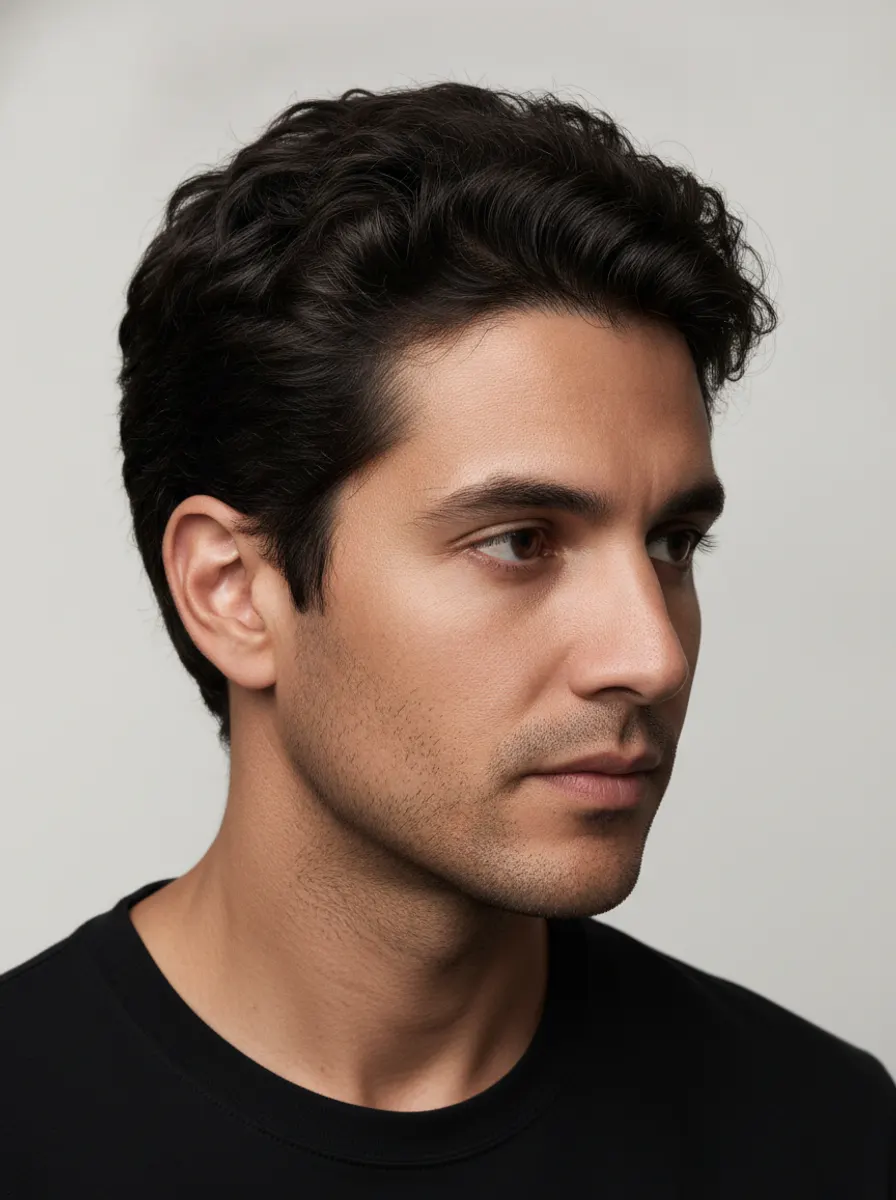
FUE takes follicles out one at a time with a micro punch, then sets them where hair has thinned. No strip is cut, so there is no linear scar, only tiny dots that fade as the donor area heals over.
How it works
A micro punch eases each follicle from the donor band at the back and sides of the scalp.
Grafts are checked, sorted by hair count, and held ready.
The surgeon sets each graft on its natural angle and direction to rebuild the hairline and crown, all under local anesthesia in a single session.
Candidacy
Receding hairline, thinning crown, scalp peeking through on top: most men with those patterns qualify. So do patients who want density back without a strip scar left in the donor area.
Loss you can plainly see in photos or the mirror.
Loss has held steady or slowed for a year or two.
No linear scar, so you can buzz the sides without hiding a line.
Enough healthy hair at the back and sides to draw on.
Ready to follow the washing and aftercare routine.
Conditions we treat
FUE hair grafts work across the scalp, the beard line, and the brows too.
"M-shaped" hairline pattern, temple recession, and frontal baldness (Norwood Type II-IV).
Thinning at the crown that widens into a visible bald spot (Norwood Type III to V).
Lower density across the whole top of the scalp, with no one defined bald patch.
Thin or hollow temples filled back in to balance out the front hairline.
Patchy facial hair filled in with grafts for an even beard and moustache line.
Thin or over-plucked brows rebuilt with permanent, natural-looking hair.
See what 1,500 to 2,500 grafts actually looks like a year out.
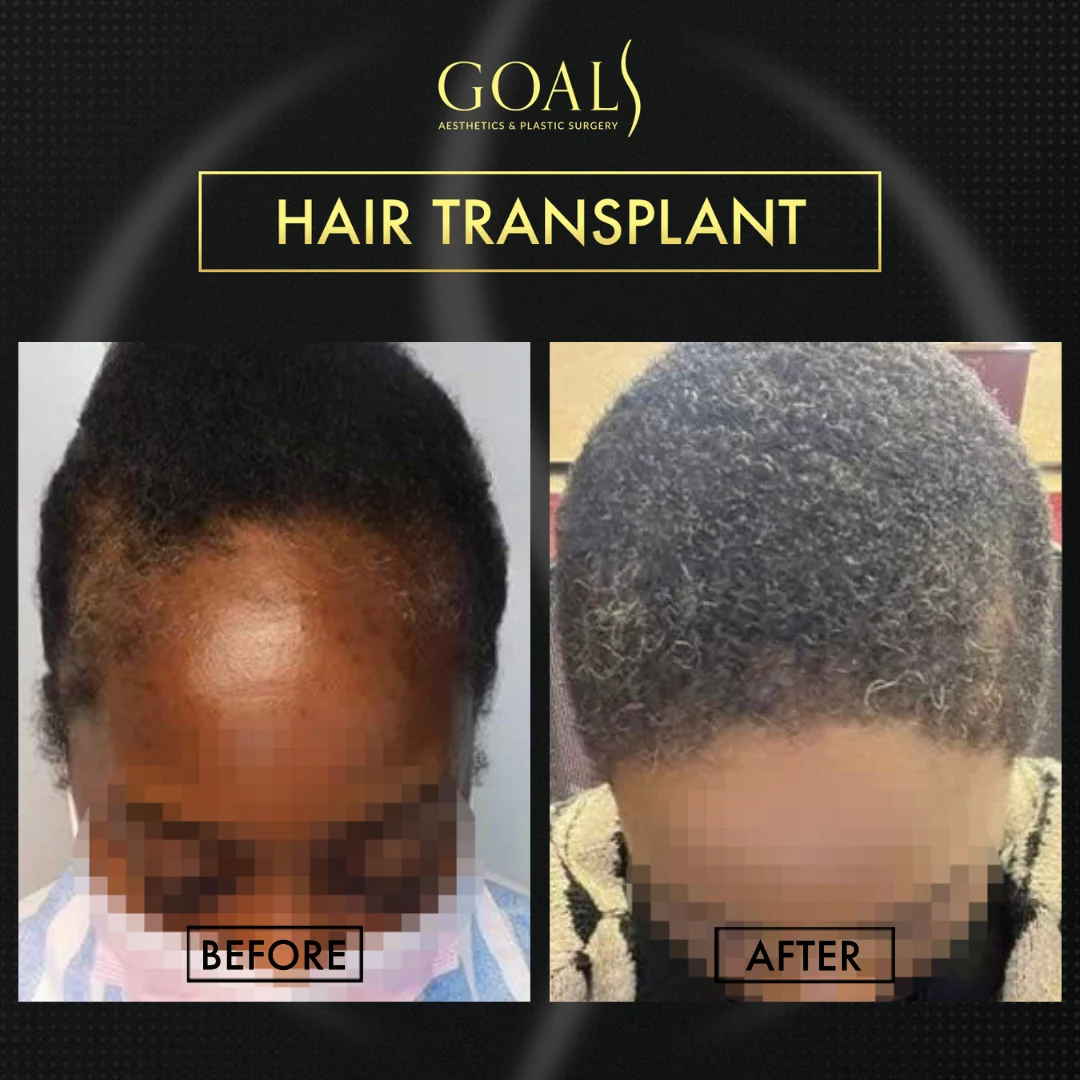
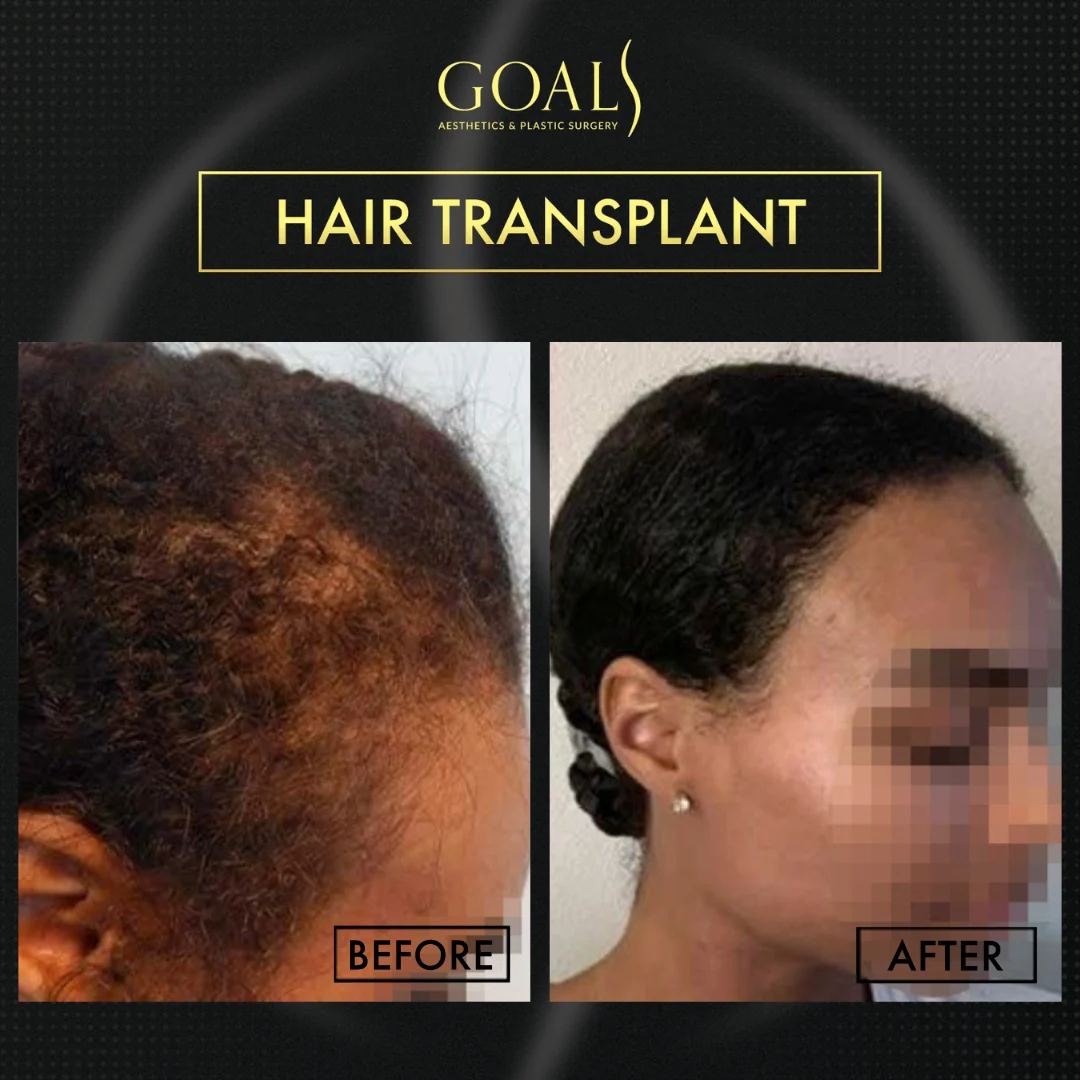
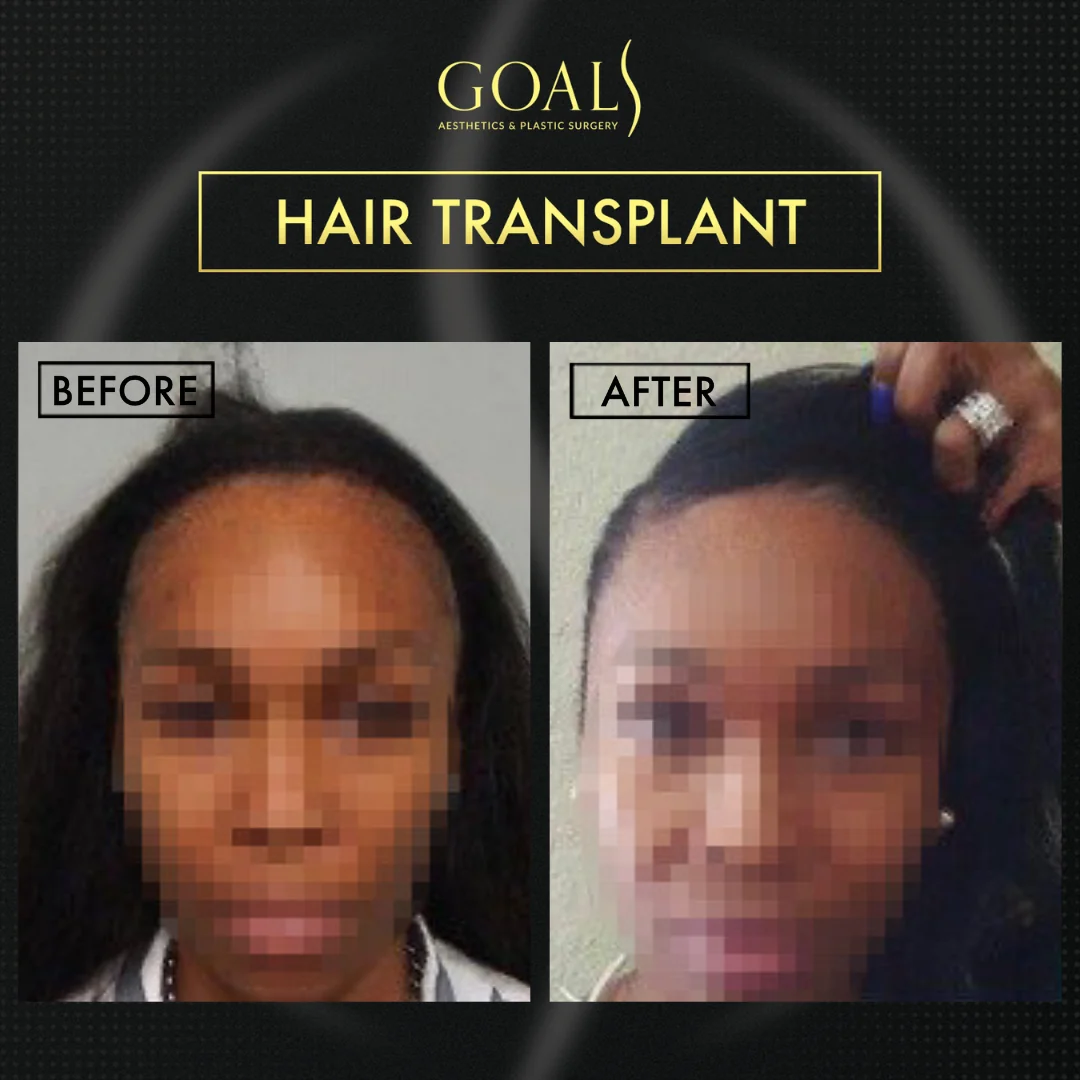
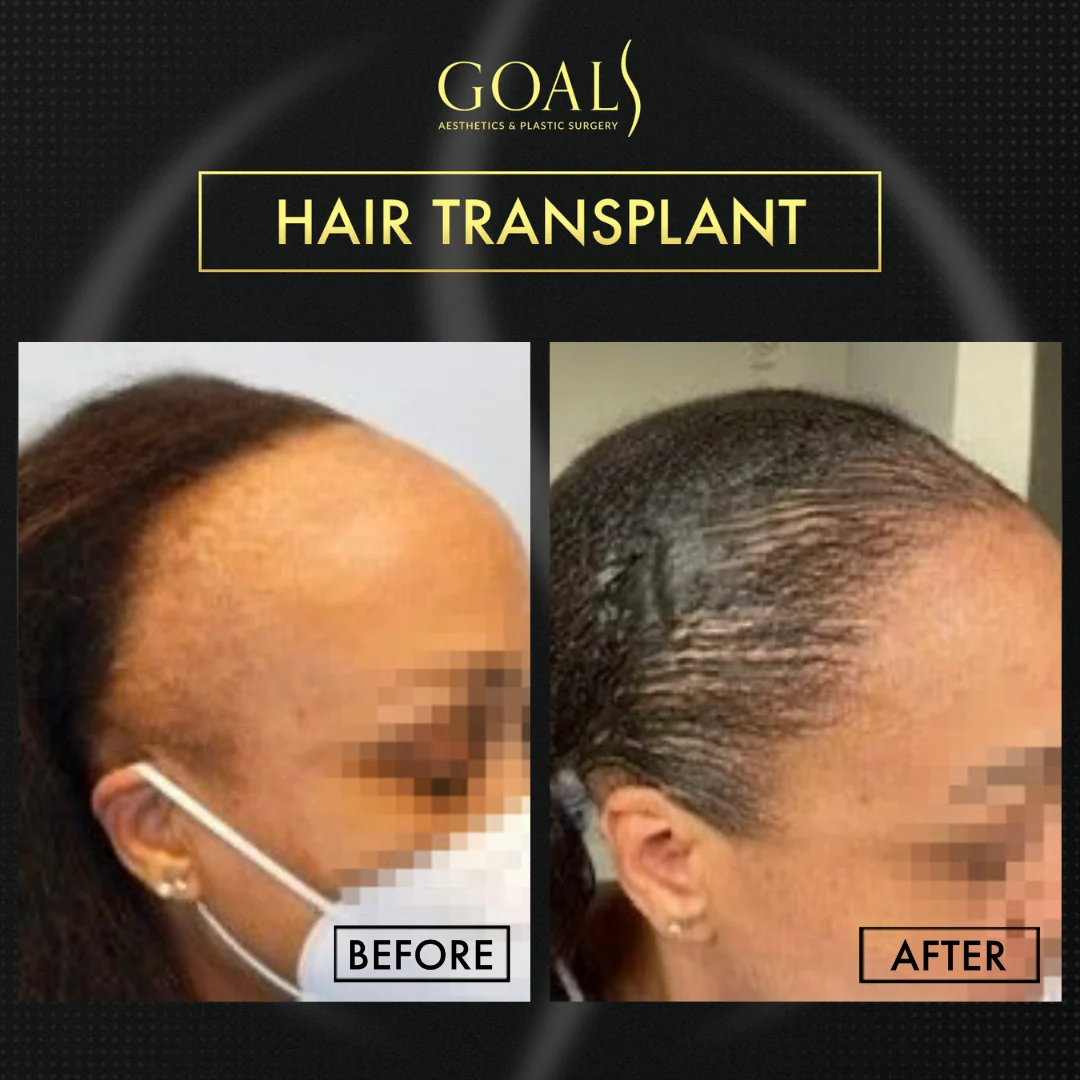
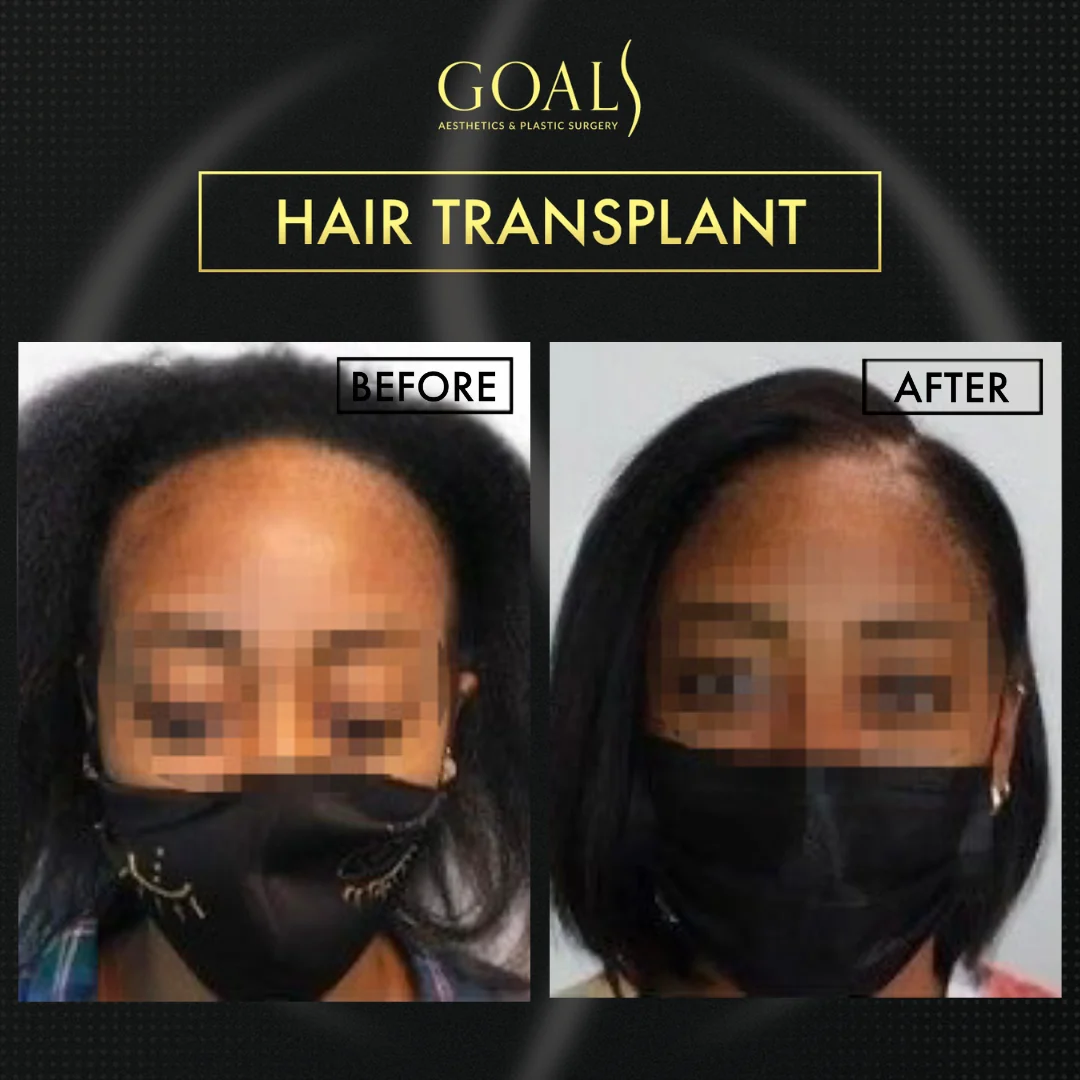
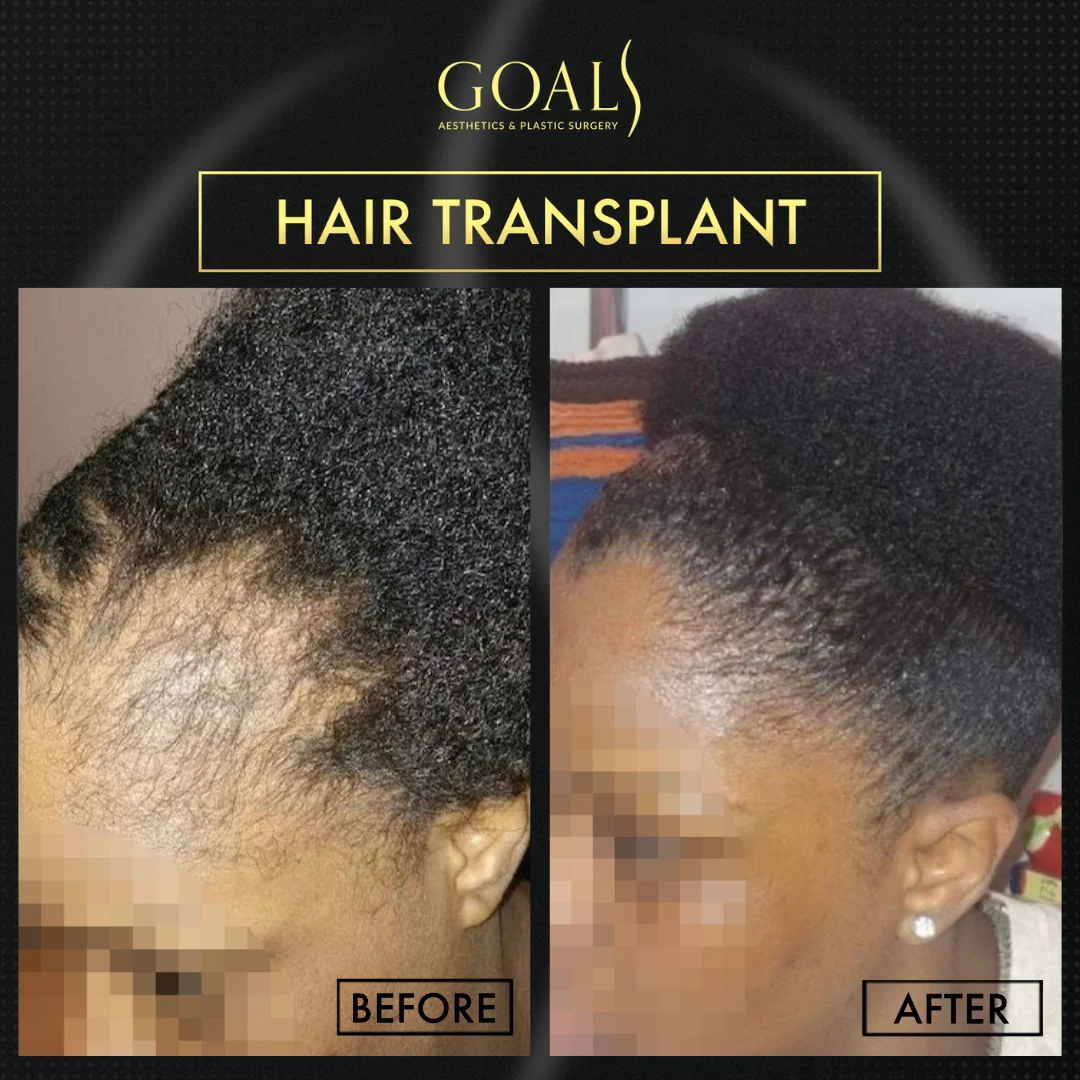
Real patients, published with written consent. Photographs are not retouched or AI-generated. Individual results vary — these images show outcomes for these patients and are not a guarantee of your own.
Try it
Type your height and weight. Your numbers stay on your device. We do not see or save them.
BMI is just one number. Your surgeon also looks at your health and your goals. BMI alone does not decide if you can have surgery.
Clinics
We have a few clinics in these cities.
FUE is one route. Depending on your graft count and how you wear your hair, another method might fit you better.
FUE Hair Transplant near you
Non-surgical options
Grafts are permanent, but the hair around them can keep thinning. These treatments guard what you still have.
Clinical-grade light therapy that rouses dormant follicles and supports the density you have left.
Micro-injections of vitamins and growth factors sent straight into the scalp for nourishment.
Gentle micro-current treatment that improves scalp circulation and supports follicle health.
Overseas "cheap hair transplant packages" are tempting, and the graft price does look lower. What the quote leaves out is who holds the punch, how many patients are booked that day, and who sees you if it goes wrong.
| Flying Abroad for a Hair Transplant | Getting Your FUE Hair Transplant in the U.S. With Goals |
|---|---|
| Flying Abroad for a Hair TransplantYou spend weeks comparing clinics online, wiring money overseas, and booking flights and hotels. | Getting Your FUE Hair Transplant in the U.S. With GoalsYou come in (or connect online) for a full consultation with a U.S.-licensed hair restoration surgeon who examines your scalp and medical history. |
| Flying Abroad for a Hair TransplantYou land in a country where you don't fully speak the language; your consultation is rushed and done day-of surgery. | Getting Your FUE Hair Transplant in the U.S. With GoalsAll pre-op testing, consent forms, and planning are done in advance - in your language, under U.S. medical standards. |
| Flying Abroad for a Hair TransplantExtraction may be delegated to technicians you never met, in a facility you have not seen, with several patients booked that day. | Getting Your FUE Hair Transplant in the U.S. With GoalsOn procedure day, you arrive at an accredited clinic where everything is performed in a sterile operating room under local anesthesia. |
| Flying Abroad for a Hair TransplantYou fly home tired and swollen. A week later, your scalp becomes red, swollen, and starts to ooze - you're not sure if it's normal. | Getting Your FUE Hair Transplant in the U.S. With GoalsExtraction and placement run 4 to 8 hours depending on graft count. You take breaks, and go home the same evening. |
| Flying Abroad for a Hair TransplantYour only option is the local ER or urgent care, where doctors did not perform your surgery and may have no details on what was done. | Getting Your FUE Hair Transplant in the U.S. With GoalsIf anything feels off during recovery, you contact the same local team that treated you - we see you in person, adjust medications, and manage any issues. |
| Flying Abroad for a Hair TransplantYou lose more time and money on emergency visits and prescriptions, and the overseas clinic can only "support" you over WhatsApp. | Getting Your FUE Hair Transplant in the U.S. With GoalsFollow-up visits and progress checks happen in the same clinic, with the same medical team, until your final results grow in. |
| Factor | Overseas Package | Goals U.S. Clinic |
|---|---|---|
| Total cost (real) | Base price + flights, hotels, extra days off, possible ER bills back home. | Similar once you include all care; transparent pricing, no surprise bills. |
| Travel & time off work | Long flights, jet lag, multiple days away from work and family. | Same-day local procedure, minimal travel, faster return to normal life. |
| Safety & sterility | Variable; you rely on foreign regulations and limited on-site time. | Accredited U.S. clinic, strict infection control, known standards. |
| Who extracts | Punch work often delegated; surgeon may not be seen again. | U.S.-licensed surgeons you meet before, during, and after the session. |
| Emergency backup | No local clinic; ER doctors must guess what was done overseas. | In-person follow-up and local urgent support if any complication appears. |
| Follow-up care | Remote messages only; difficult to get hands-on help. | Scheduled in-person checkups, progress photos, medication adjustments. |
| Communication | Language barriers, time zones, inconsistent responses. | Native-language team, clear written instructions, 24/7 phone line. |
| Legal protections | Limited recourse if something goes wrong after you return. | Covered by U.S. patient safety laws and standards. |
Your journey
6 steps to your new hairline.
Meet a specialist who checks your donor density, maps the loss pattern, and confirms FUE fits.
Your hairline is drawn on and a graft count set against what your donor area can give.
Bloodwork, photos, and prep instructions. We tell you what to stop taking and when.
4 to 8 hours under local anesthesia, with breaks for food, and you leave the same evening.
Scabs and swelling settle. The donor punch sites close over in about 7 to 10 days.
New hair appears at month three, thickens by nine, fills out by month twelve.
Safety
Graft survival depends on how long a follicle sits outside the body and how it is handled while it waits. We keep that window short and the room sterile.
Fully equipped, sterile procedure rooms in U.S. accredited facilities.
Small-diameter punches limit trauma and keep dot scars barely visible.
Local anesthesia, which can help lower some of the risks of going under general.
You can reach your surgeon and the medical team with questions.
Clear instructions, medication, and a follow-up schedule to stop infection.
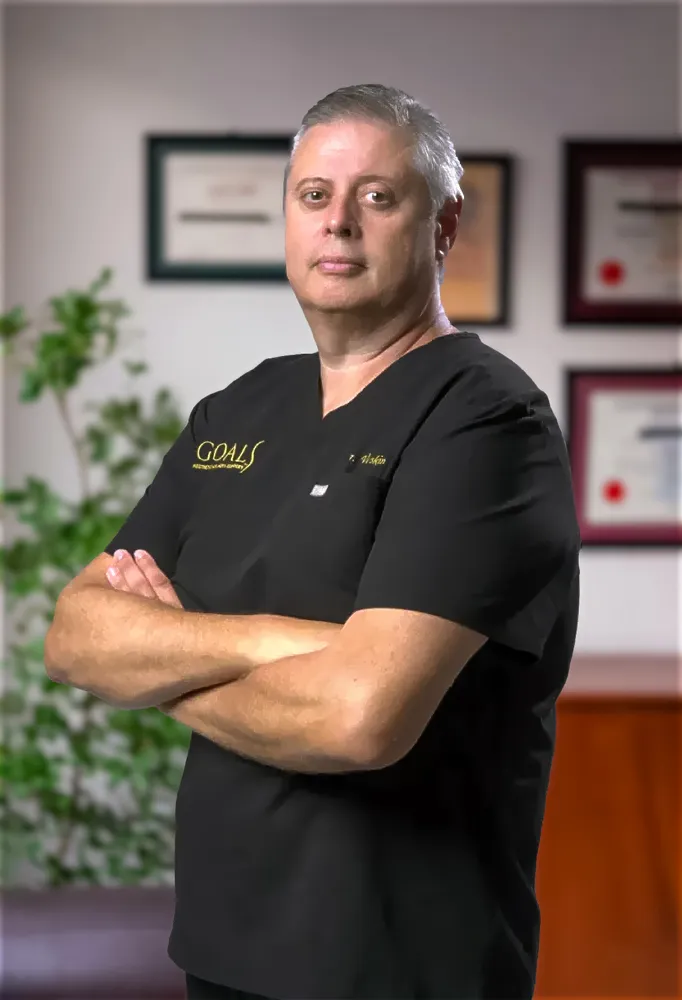
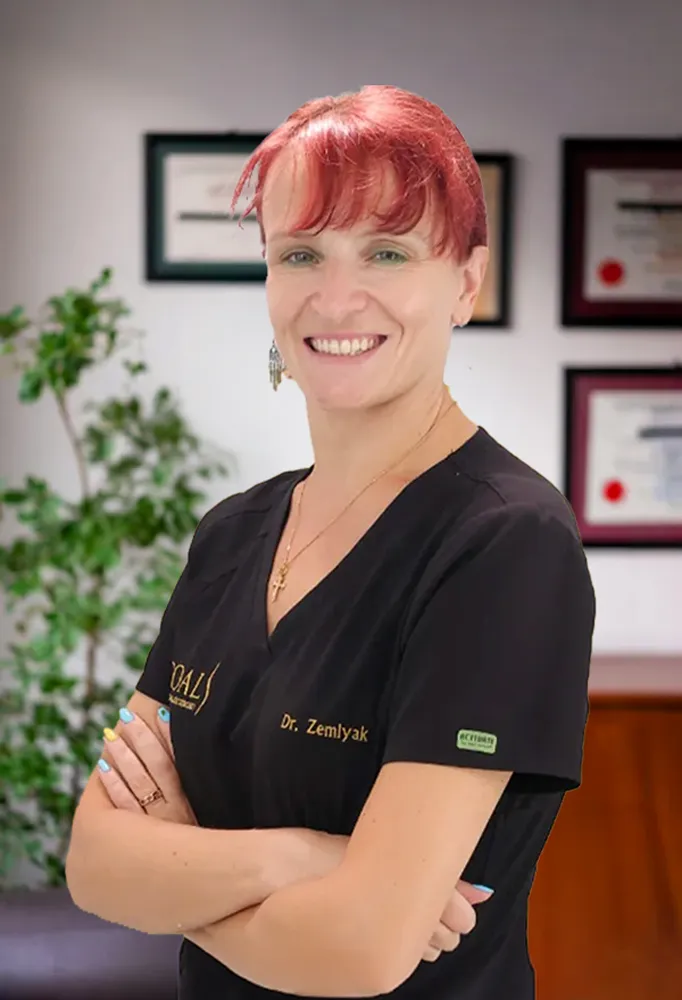
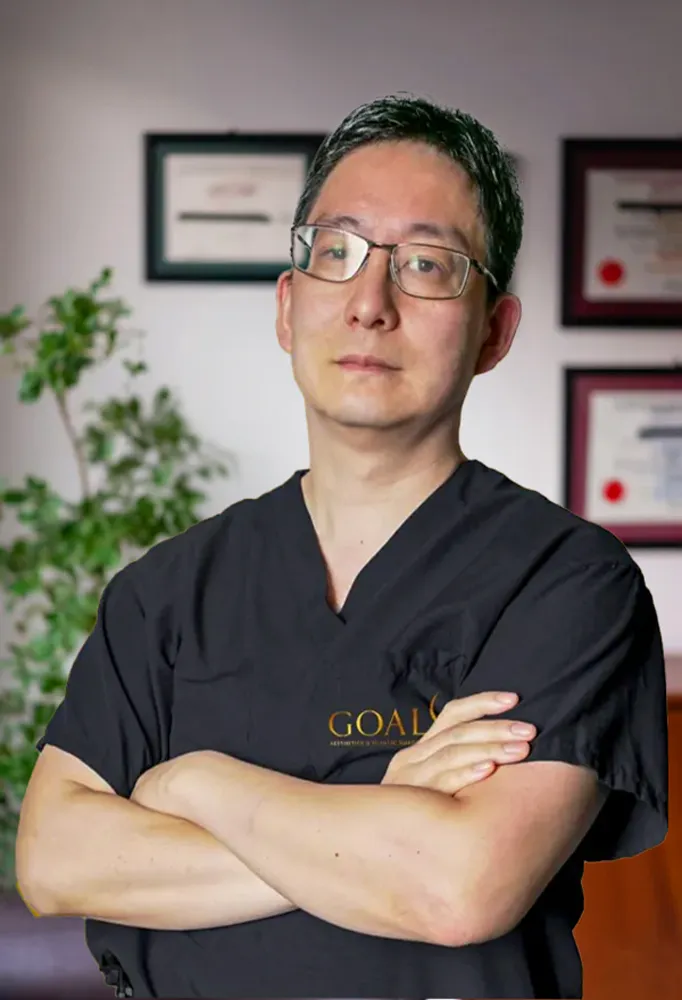
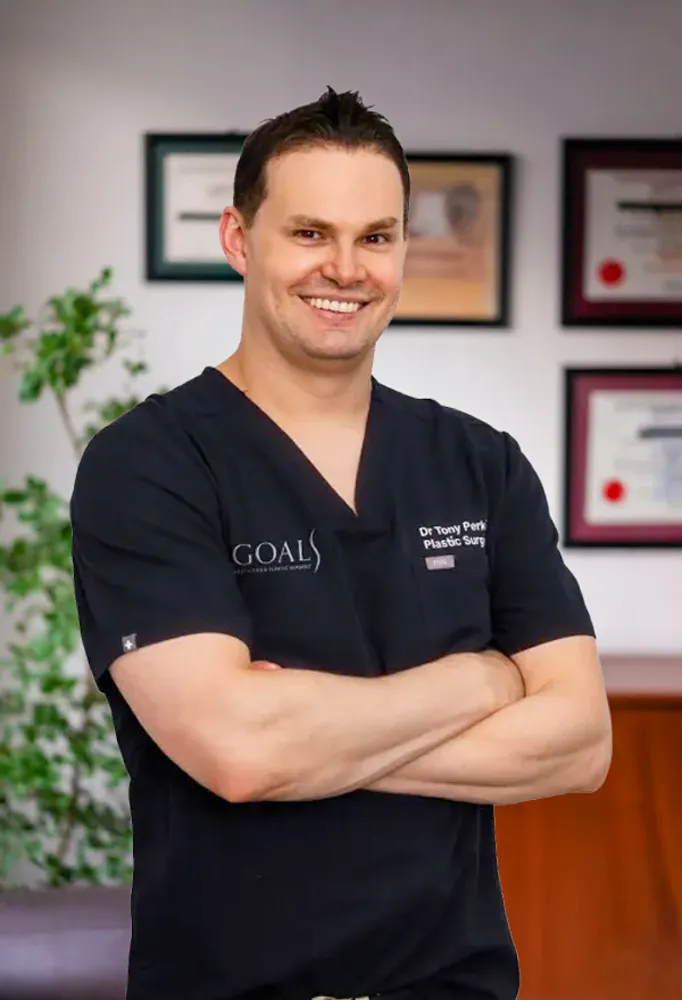
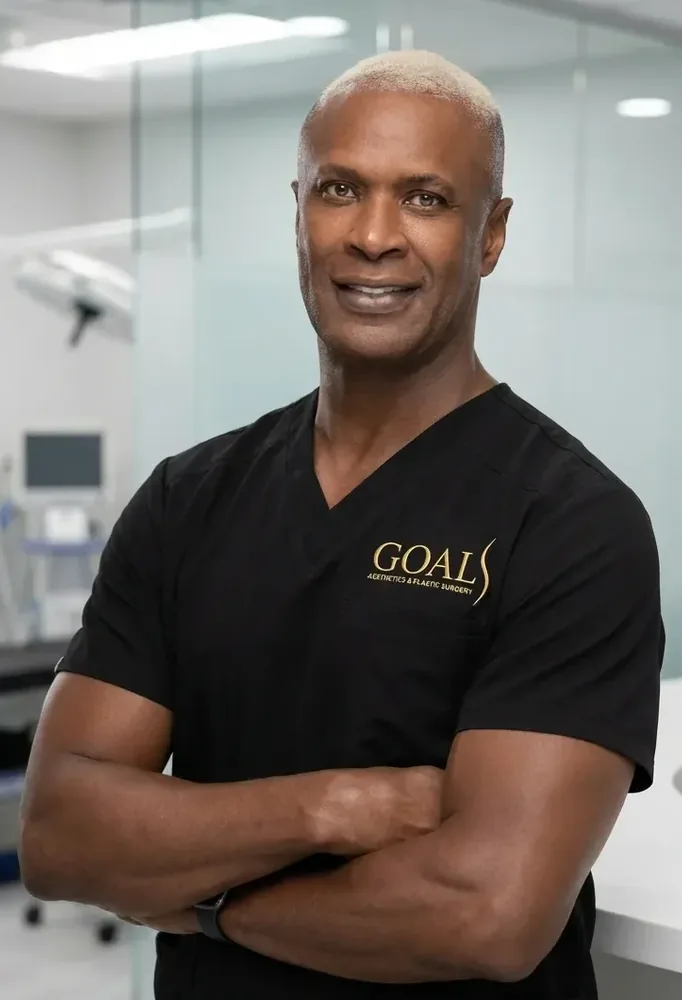
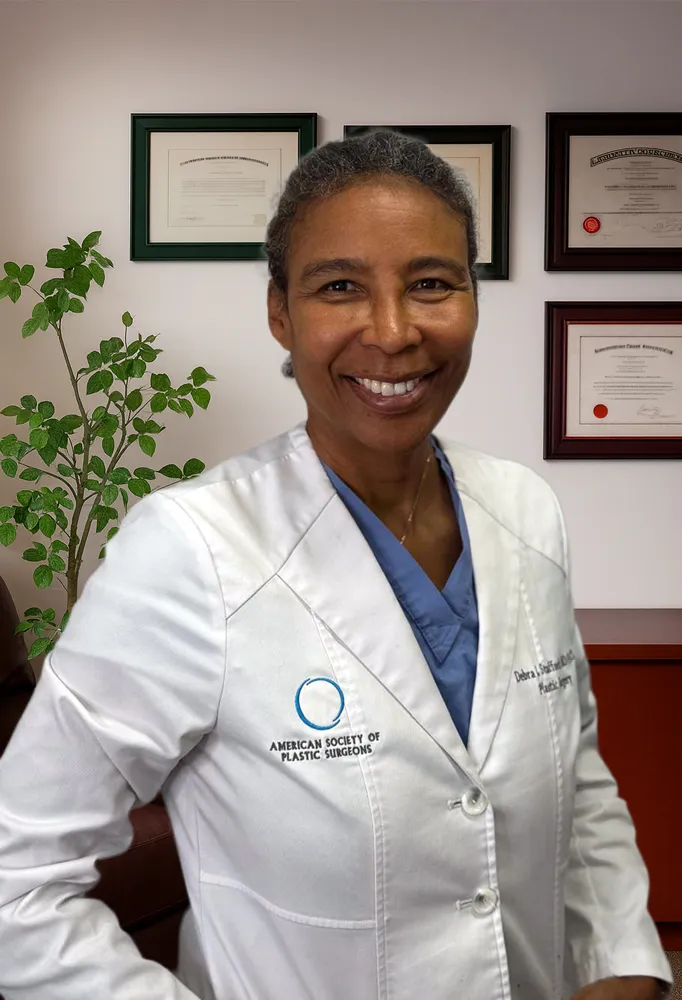
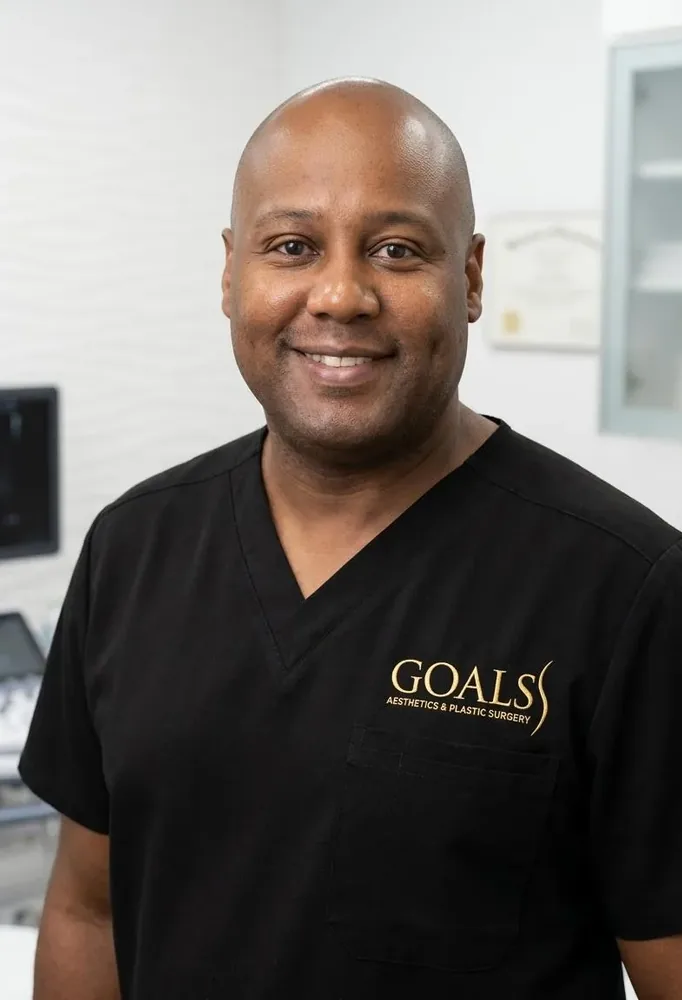
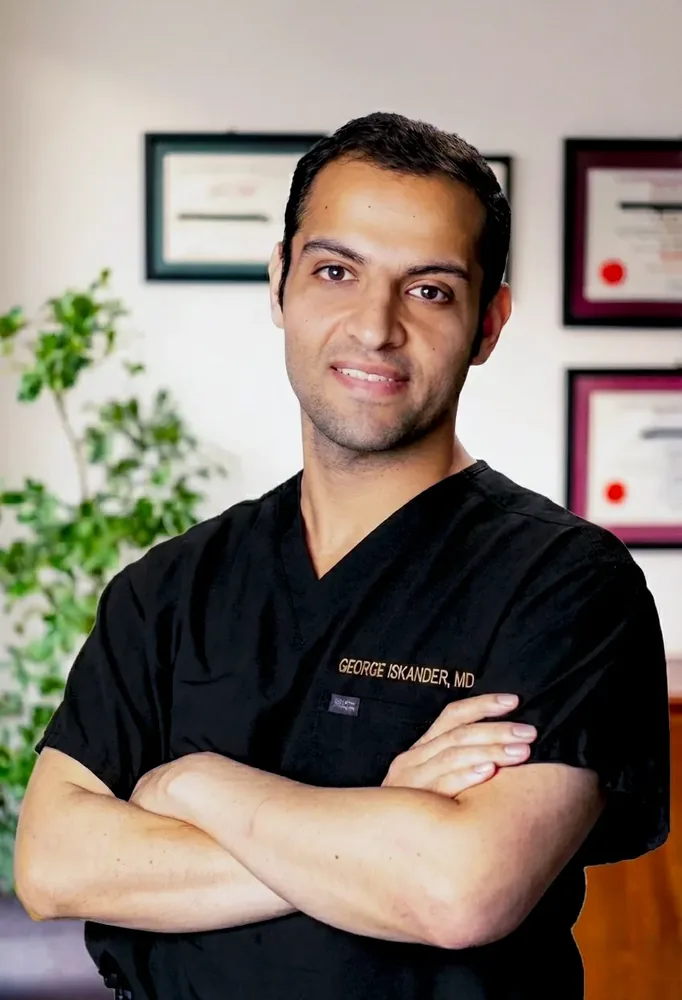
Our surgeons
Experienced surgeons skilled in hair restoration.
Each surgeon’s training and licenses are listed on their own page.
Pricing
Price follows graft count, and a hairline needs fewer grafts than a hairline-and-edges rebuild. You get an exact quote once a surgeon has seen your donor area. Overseas deals land close once you add flights, hotels, and the days you lose.
You know the number before you book. No hidden fees, no surprises after.
Split the work across sessions, or pair grafts with non-surgical therapy in between.
Monthly payment plans so the graft count you need is not set by what you have today.
Facility and anesthesia sit inside the quote. Nothing arrives after the fact.
Prices shown are starting prices and depend on the number of areas treated. Final pricing is confirmed at your consultation. Cosmetic procedures are not covered by insurance.
Try it
Pick a procedure to see an estimate. Your numbers stay on your device. We do not see or save them.
This is an estimate, not a quote. It splits the starting price over the months you pick, with no interest. Lenders set your real rate and terms. Your price is confirmed at your consultation.
FAQ
It scores a tiny circle, about 0.7 to 1.2 millimetres wide, around a single follicular unit so it lifts out whole. The punch may spin or oscillate, and its depth is set so it frees your graft without cutting the follicles sitting right beside it.
It is when the punch slices a follicle instead of freeing it cleanly. A transected graft often will not grow, so a low transection rate is one of the clearest marks of a surgeon who has done a great deal of FUE work.
Yes, and this is the real limit. Your safe donor zone at the back and sides holds a finite, DHT-resistant supply. Take too much chasing a big graft count and it thins visibly, the moth-eaten look, and that does not grow back.
Barely. A sapphire blade makes a slightly cleaner recipient site and a robot helps aim the punch, but neither decides your result. The surgeon choosing the hairline shape, the density, and the angle of every graft is what does.
The honest choice is donor-led. FUE takes follicles one by one and leaves no line, so it suits short hair. FUT lifts a strip, yields more grafts at once, and hides a thin scar under length. Donor density decides more than taste.
Ask, because it varies. At high-volume clinics abroad, technicians often do the punching and placing while the surgeon signs off between rooms. At Goals the surgeon who plans your case does the work you paid for.
More than people think. An FUE graft carries little protective tissue, so it dries out and dies if it sits outside the body too long. That is why booking fewer patients a day, and never rushing, quietly decides how much of it grows.
FUE Hair Transplant near you
Learn more
An FUE hair transplant moves your own hair from the back and sides of your head to wherever it has stopped growing. The follicles come out one at a time, through a punch about a millimetre wide, and go back in at the angle your hair already grows. Nothing synthetic is added. Nothing is taken from anyone else. The hair that grows in is the hair you were already carrying around, just relocated to where you actually want it. This page covers what the session involves, what it costs at Goals, how FUE differs from the alternatives, and what the twelve months after look like.
FUE stands for follicular unit extraction. The name is literal: follicular units, which are the natural clumps of one to four hairs your scalp grows in, are extracted individually rather than cut out in a strip. A surgeon scores around each unit with a micro punch, lifts it free, and sets it aside in a holding solution. That extraction step is repeated hundreds or thousands of times depending on the plan, and it is the part that takes the hours.
The follicles that get harvested are not random. Hair at the back and sides of the head is genetically resistant to DHT, the hormone that shrinks follicles in male pattern baldness. That resistance travels with the follicle. Move it to the crown, and it keeps behaving like donor hair - which is why the result is permanent, and why a man who is bald on top still has a full band of hair around the sides to work with.
You arrive in the morning. The donor area is trimmed, the hairline is drawn on and agreed with you while you are still looking in a mirror, and local anesthesia goes in. From there you are numb but awake. Most men bring headphones. Extraction runs first and is the long stretch. Then the grafts are sorted by hair count - singles for the front edge, threes and fours for density behind - and placed.
At Goals it runs 4 to 8 hours, set almost entirely by graft count. You break to eat and to use the bathroom. Big cases are sometimes spread over two back-to-back days rather than forced through in one punishing marathon, because the longer grafts sit outside the body the fewer of them survive, and a rushed session quietly costs you yield. You go home the same evening. That is worth saying flatly, because people brace for an overnight stay and there is not one.
FUT lifts a strip of scalp from the back and dissects the grafts out of it under a microscope. Per graft it is faster, it can bank very high counts in a single sitting, and it leaves a thin horizontal line where the strip was closed. Under hair of any real length that line hides completely. Buzz the back down to a number two, and it does not.
FUE leaves no line at all. It leaves a scatter of millimetre dots that melt into the surrounding hair within weeks. The price is time and yield: pulling follicles one at a time is slower, and stripping a donor too hard to hit a big number leaves it visibly see-through. So the real question is not which technique wins but which fits your donor density, your target count, and how short you like the sides. That gets settled at a consultation, not on a web page.
The same extraction works anywhere hair is thin and skin will accept a graft. A beard transplant fills patchy cheeks and a thin moustache line. An eyebrow transplant rebuilds brows thinned by years of over-plucking or a scar. The crown is its own puzzle, since hair there spirals out of a whorl and every graft has to chase that swirl or the whole thing looks planted.
Hairline work is the most requested job and the most unforgiving. A natural hairline is never a straight ruled line. It is ragged and soft at the front, single-hair grafts leading the edge and giving way to fuller units behind. Botch that gradient and the eye clocks it at once, even when the raw density is right. This is exactly where a surgeon's judgment counts for more than any gadget on the tray.
Goals prices FUE by what is being rebuilt, so a hairline, a set of edges and eyebrows, a full hairline-and-edges package, or eyelash work each carry their own quote set against the graft count involved. You get the number at consultation, once a surgeon has measured your donor area, not from a web page. A recovery pack with the saline spray, mild post-surgical shampoo, and anti-swelling medication is available on top.
Whatever the quote comes to, it is the whole figure. Facility fee and anesthesia sit inside it, not tacked on afterward. If the total is more than you want to pay in one go, financing spreads it into monthly payments, and staging the work across sessions is a fair option rather than a booby prize. What you should not do is let the budget quietly trim your graft count below what the pattern needs, because the under-grafted result is the one people end up regretting.
The per-graft price in Istanbul really is lower, and pretending otherwise insults your intelligence. What the package never itemises is whose hands are on the punch. In high-volume clinics abroad, the extracting and placing is often handed to technicians while the surgeon signs off between rooms, and the number of patients booked that day decides how long your grafts wait outside the body. Graft survival is not a brochure line. It is the whole result.
Add the flights, the hotel, and the extra days off work, and the gap shrinks further. Then add the scene nobody plans for: the scalp turns red and starts weeping in week two, you are eight time zones from the clinic, and the local ER doctor has no record of what was done to you. At a U.S. clinic, the same team that operated sees you in person. That is what the price gap is actually buying.
Clinics push hardware hard, because a gadget is easier to sell than judgment. Sapphire blades open recipient sites with a sapphire tip instead of steel, which does leave a slightly cleaner cut. Robotic rigs help aim the punch during extraction. Both are real and both are fine, and neither is the thing that decides your outcome. That thing is the surgeon settling the hairline shape, the spread of grafts, and the angle of every single implant, and no machine on the market makes those calls yet.
Be wary of any clinic whose pitch opens with equipment names and never says who is actually doing the extraction. The tool is not running the operation. Ask instead how many patients share your day, whether the surgeon or a technician works the punch, and how long grafts usually wait outside the body before they go back in. Those three answers forecast your result far better than the brand stamped on the blade.
Days one through three are the puffy ones. The forehead swells, sometimes down toward the eyes, and then it settles. Scabs crust around each planted graft and hang on for about a week to ten days, roughly the same time the donor punch sites need to seal. You wash on a set routine, gently, with the shampoo we hand you, no scrubbing and no picking, because knocking a graft loose in that first week is the one genuinely avoidable way to lose it.
Two or three days off covers most desk jobs. Physical work, or any job where you would rather nobody noticed, makes the case for a week. By the end of the first month the transplanted hairs will drop out, and this is where people lose their nerve. That shedding is just the follicle going dormant before it restarts. It is expected, it is normal, and the follicle has not gone anywhere.
For about three months, nothing shows. Then new growth breaks through, fine and wispy at first, and by month six there is real coverage. Between months six and nine it thickens noticeably, and by the twelfth month you are at the density the surgeon planned for. Some men keep gaining into month eighteen, especially in the crown, which is always the last area to fill.
The transplanted hair is permanent. The hair next to it may not be. Pattern loss keeps grinding away at the follicles that were never moved, which is why a transplant is sometimes paired with non-surgical treatment, like laser therapy, or mesotherapy, to hold the native hair around the grafts. Skip that and you can wind up with a sharp new hairline sitting in front of a crown that kept on thinning.
Stable loss, enough donor density, and honest expectations. That is the whole list. Stable means the pattern has held steady for a year or two, because chasing loss that is still galloping gives you a result you will have to redo. Enough donor density is something a surgeon measures under magnification, not something eyeballed. Honest expectations means grasping that a transplant moves hair around, it does not make more, so your donor supply is the hard ceiling.
There is no firm age cutoff at either end. A twenty-two-year-old with a fast-receding hairline may be told to wait, not because he is too young to operate on but because nobody can yet tell where the loss will stop, and a line drawn for a twenty-two-year-old looks odd on that same man at forty. A sixty-five-year-old with solid donor density and a settled pattern is often the easier case of the two. It is the pattern that matters, not the birthday.
The first is that a transplant grows new hair. It does not. It shifts hair you already have from where it grows to where it does not, and that donor supply is finite. A man with a Norwood VI pattern and a thin donor band cannot be handed a twenty-year-old's density, and any clinic promising it is either over-harvesting the donor or lying to him. The realistic aim is usually a strong frontal frame around the face, with the crown taken on second if the supply stretches that far.
The second is that FUE hair implants are somehow synthetic or foreign. They are your own follicles, and nothing is manufactured. The third is that the day has to be an ordeal. It is long, it is tedious, and you will be bored, but you are numb, you are awake, and you are watching something on your phone, and men keep saying the dread beforehand beat the day itself. The fourth is that results come fast. They do not, and the week-four shed convinces plenty of patients the whole thing flopped, weeks before it actually starts working.
The first appointment is a diagnosis, not a sales desk. A surgeon reads your donor density under magnification, maps how the loss is spreading, asks about family history and how fast it has moved, and gives you a graft count. Sometimes the verdict is that FUE is not the right method for you and FUT would serve you better, or that you should wait and manage the loss medically for a year first. That is a perfectly legitimate result of a consultation.
Goals runs the procedure out of accredited U.S. clinics, with the same surgeon seeing you before and after. Meet the surgeons who would actually do the work, browse the before and after gallery to see what a given graft count really produces on a head like yours, or read up on the full range of hair transplant options before you decide. Those beat any wall of text, this page included.
Get started
Bring your questions about graft counts, donor density, or whether FUE is the right method for your pattern. You will get a straight answer, not a sales pitch.
Prefer to talk now? (833) 462-5769
Free · No obligation
Tell us how to reach you. A patient coordinator calls you back — usually the same day.
Free · No obligation
Ask me anything. I usually reply straight away.
If you share your number, a Goals coordinator may call or text you about your consultation. Message and data rates may apply.
Nora is an automated chat. She cannot give medical advice or say whether a procedure suits you.