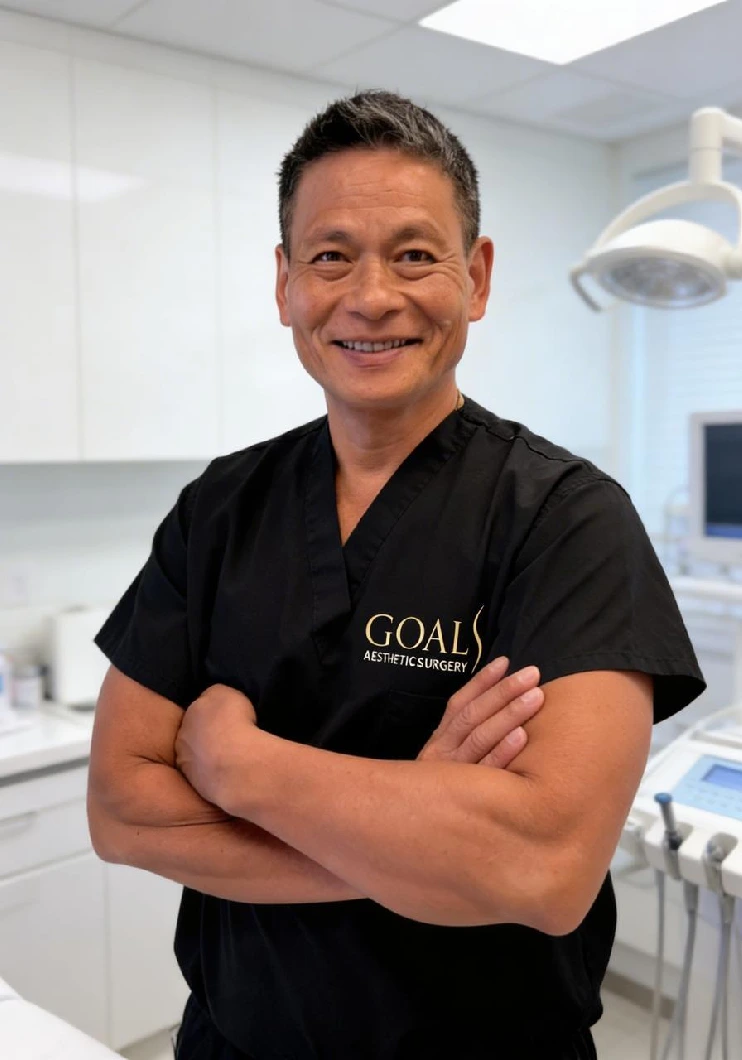
Scalp Assessment
We read follicle density, scalp condition, and shedding pattern before anything is mixed.
Micro-injections that feed fading follicles a mix of vitamins, minerals, and amino acids. No surgery, no downtime, no shaving.
From $1,200
Overview
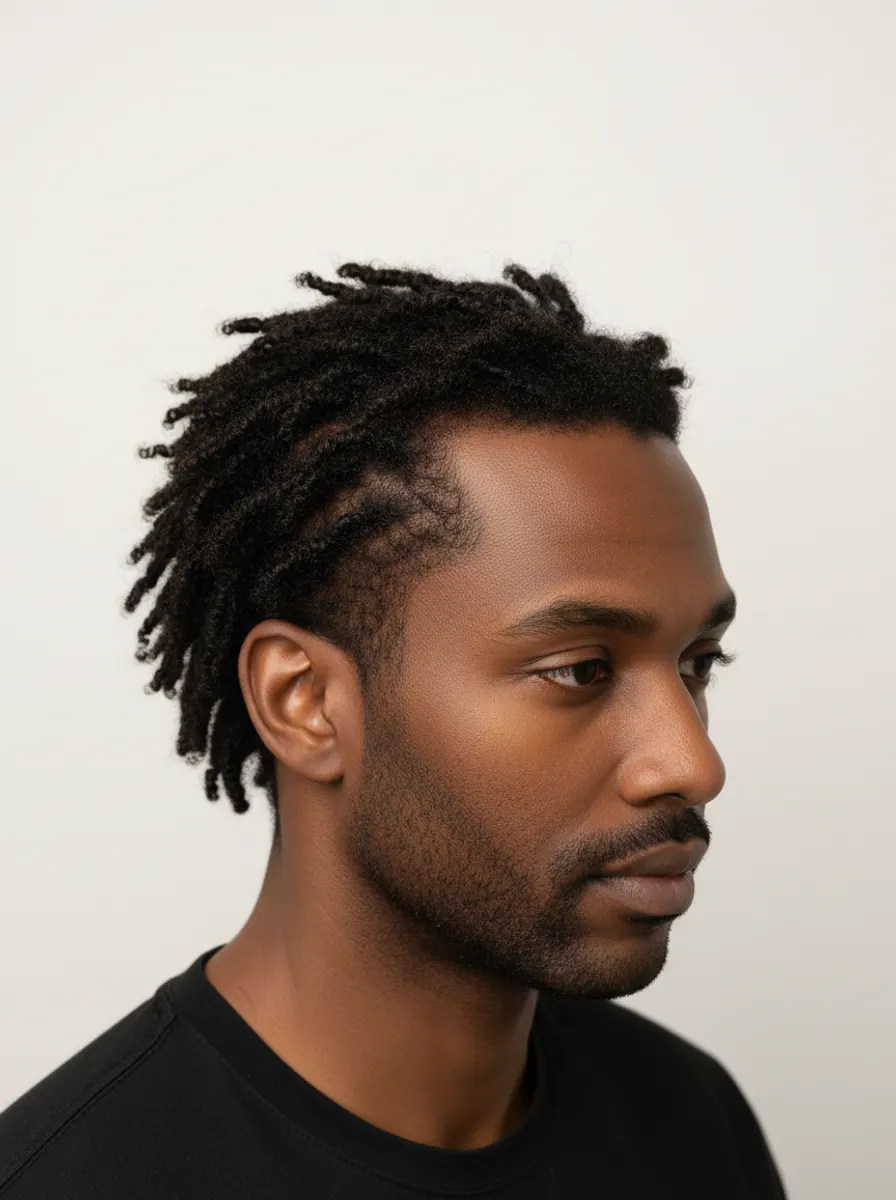
Mesotherapy sends a blend of vitamins, minerals, and amino acids into the mesoderm of the scalp with very fine needles. The nutrients reach the follicle directly instead of thinning out through the bloodstream.
How it works
We read follicle density, scalp condition, and shedding pattern before anything is mixed.
Your vitamin and mineral blend is made fresh on site.
A fine needle drops small doses across the thinning zones. Topical numbing only, and you leave straight after the session.
Candidacy
Best suited to early or moderate thinning, where follicles are weak but still alive. It will not regrow a fully bald scalp, and we say so at consultation, not after you have paid.
Hair snaps easily and has lost its body.
More hair in the drain and on the pillow than usual.
You would rather try a non-surgical route before surgery.
A dry, flaky, or oily scalp holding growth back now.
Guarding grafts and native hair after surgery.
Conditions we treat
Mesotherapy works on the follicle environment. These are the cases where it does most.
Density fades across the whole top of the scalp with no single bald patch.
The hairline softens and the crown thins, but the follicles are still open.
The part slowly widens while the hairline itself holds its ground.
Heavy shedding after pregnancy as hormones reset over the months.
Shedding after illness, crash dieting, or long runs of poor sleep.
Irritation, flaking, or excess oil that holds the follicles back.
Results vary with your skin, your starting point and how many sessions you have. Your consultation covers what is realistic for you, before you commit to anything.
Prefer to talk now?(833) 462-5769
Clinics
We have a few clinics in these cities.
If thinning has run past what injections can fix, a transplant moves your own follicles into the bare areas.
Mesotherapy Hair Restoration near you
Non-surgical options
Mesotherapy is often run beside these. Pairing two of them usually beats leaning on one alone.
Clinical-strength laser light that wakes follicles and firms up the hair you still have.
Micro-injections of vitamins, minerals, and amino acids delivered directly into the scalp.
High-frequency current that lifts scalp circulation and nutrient uptake.
Overseas mesotherapy packages and mail-order vitamin kits look cheap on the page. What you cannot see is what is in the syringe, who mixed it, and who answers when your scalp flares badly two days later.
| Buying Mesotherapy Abroad or Online | Getting Mesotherapy in the United States With Goals |
|---|---|
| Buying Mesotherapy Abroad or OnlineYou compare clinics on price, wire money abroad, and book flights around an unseen schedule. | Getting Mesotherapy in the United States With GoalsYou start with a scalp assessment by a licensed clinician who reads your follicles, medical history, and shedding pattern first. |
| Buying Mesotherapy Abroad or OnlineNobody examines your scalp first. One blend goes into every patient that week, whatever the diagnosis. | Getting Mesotherapy in the United States With GoalsThe blend is picked for your diagnosis and mixed on site. You are told what is going into your scalp and why. |
| Buying Mesotherapy Abroad or OnlineThe formula stays hidden. You cannot check the concentrations, the sterility of the mix, or where the vials were stored. | Getting Mesotherapy in the United States With GoalsInjections go in at an accredited clinic under sterile conditions, at a set depth across a mapped grid. |
| Buying Mesotherapy Abroad or OnlineInjections are rushed in minutes. Depth and spacing wander, so some zones get nothing at all. | Getting Mesotherapy in the United States With GoalsA session is short and uses topical numbing. You drive home yourself and go back to work the same afternoon. |
| Buying Mesotherapy Abroad or OnlineYou fly home. The scalp turns itchy, bumpy, or inflamed, and the one person who knows what went in is abroad. | Getting Mesotherapy in the United States With GoalsIf the scalp reacts, you reach the same team that treated you. We see you in person and adjust the plan. |
| Buying Mesotherapy Abroad or OnlineA course needs several sessions weeks apart. You either fly back over and over or drop it halfway and lose the gain. | Getting Mesotherapy in the United States With GoalsYour full course is booked locally from day one, with progress photos each visit so we can tell if it is working. |
| Factor | Overseas Package | Goals U.S. Clinic |
|---|---|---|
| Total cost (real) | Cheap sticker price, then flights, hotels, and repeat trips. | Clear per-course quoting with no surprise bills. |
| What is injected | Hidden blend, used on every patient alike. | Blend built for your scalp diagnosis and mixed on site. |
| Safety & sterility | Variable; you lean on foreign rules and unseen storage. | Accredited clinic, tight infection control, known standards. |
| Who treats you | Credentials hard to check; often a technician, not a clinician. | Licensed providers you meet before and after each session. |
| Emergency backup | No local clinic; nobody near you knows what was injected. | Local in-person support if the scalp reacts badly. |
| Follow-up care | Remote messages only; help is hard to get. | In-person checkups, progress photos, plan changes. |
| Communication | Language gaps, time zones, patchy replies. | Same-language team and clear written aftercare. |
| Legal protections | Little recourse if something goes wrong. | Backed by United States patient safety laws. |
How it works
Six steps to a better scalp.
A clinician reads your scalp, reviews your history, and decides whether injections will actually help.
Your vitamin and mineral blend is set, along with session count and spacing.
Density photos are taken so any change gets measured honestly.
A short visit with topical numbing. Mild redness fades quickly.
Repeat visits. Shedding usually eases first, before any regrowth.
New growth thickens, and we compare it against your baseline photos.
Safety
The risk in mesotherapy is rarely the needle. It is what goes in it and who mixed it. Both controlled here, in an accredited clinic, by licensed staff.
Blends made on site under sterile conditions before each session.
You are told what is in the syringe, and at what strength.
Injections mapped across a grid at a steady depth.
Quick access to the team that treated you if anything reacts.
Sensitivities checked before any ingredient nears your scalp.
Our surgeons
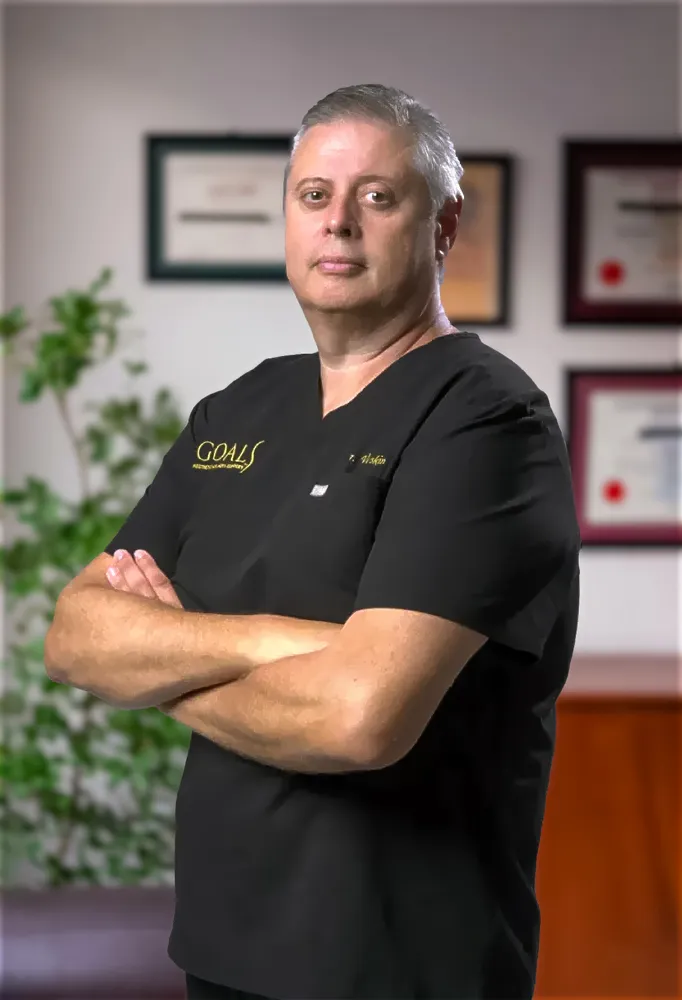
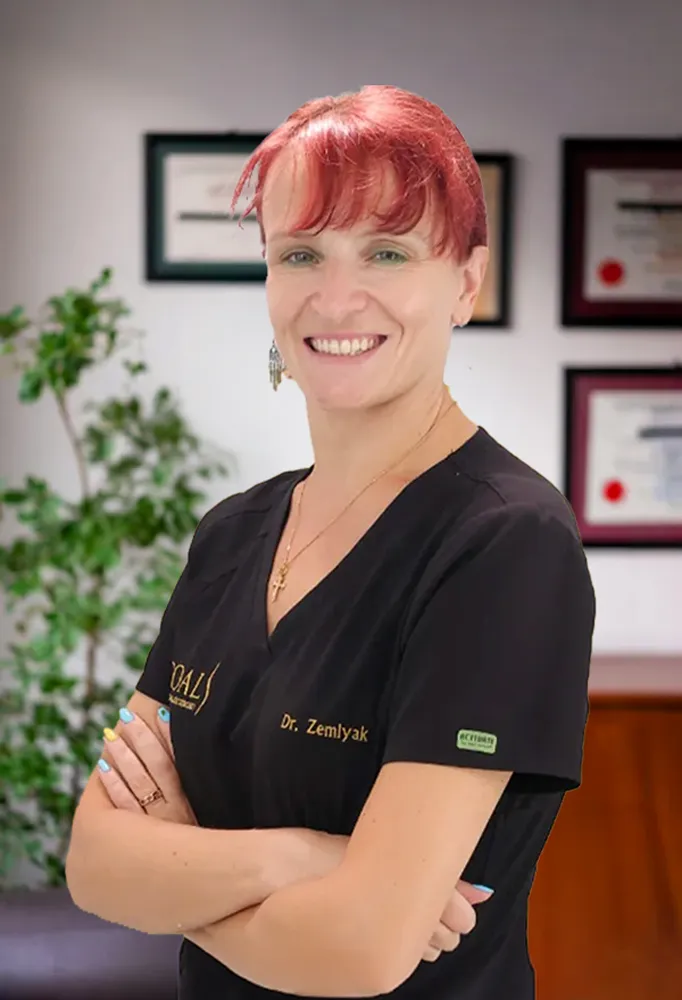
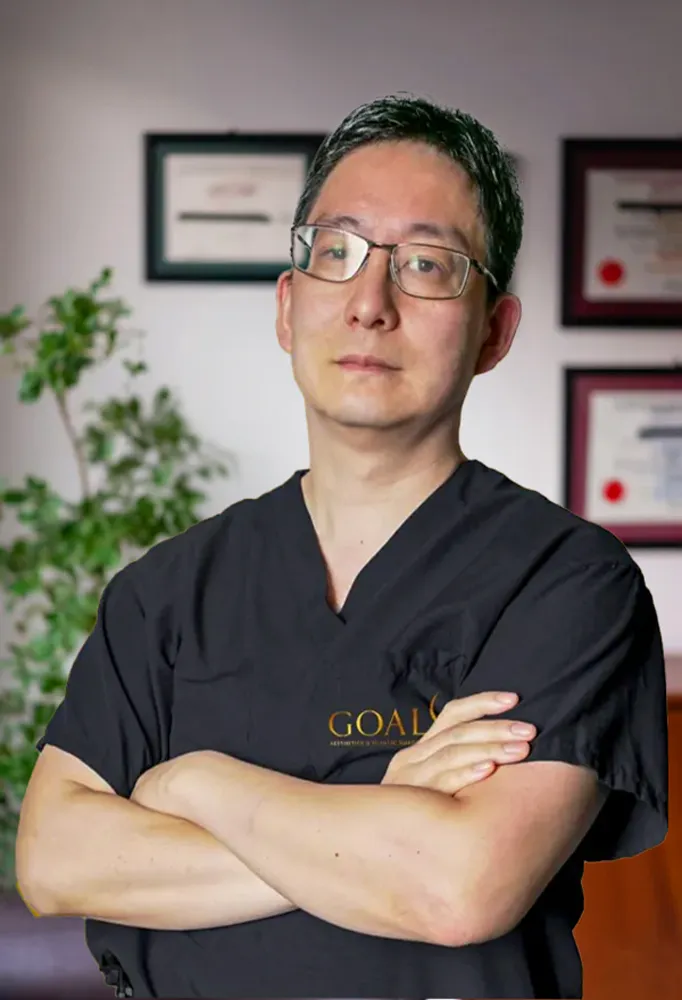
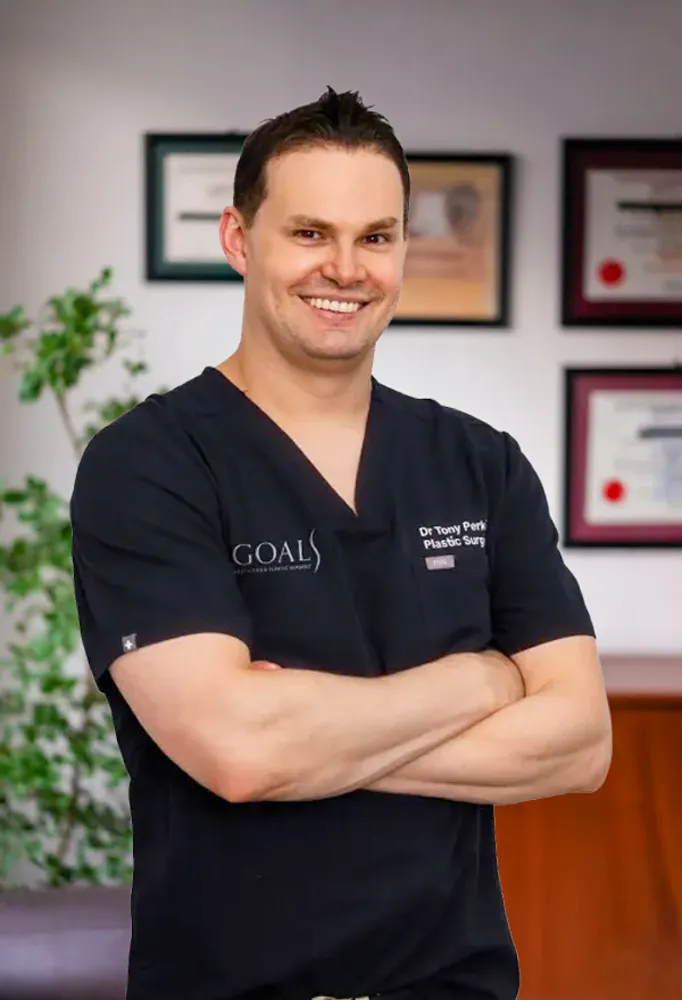
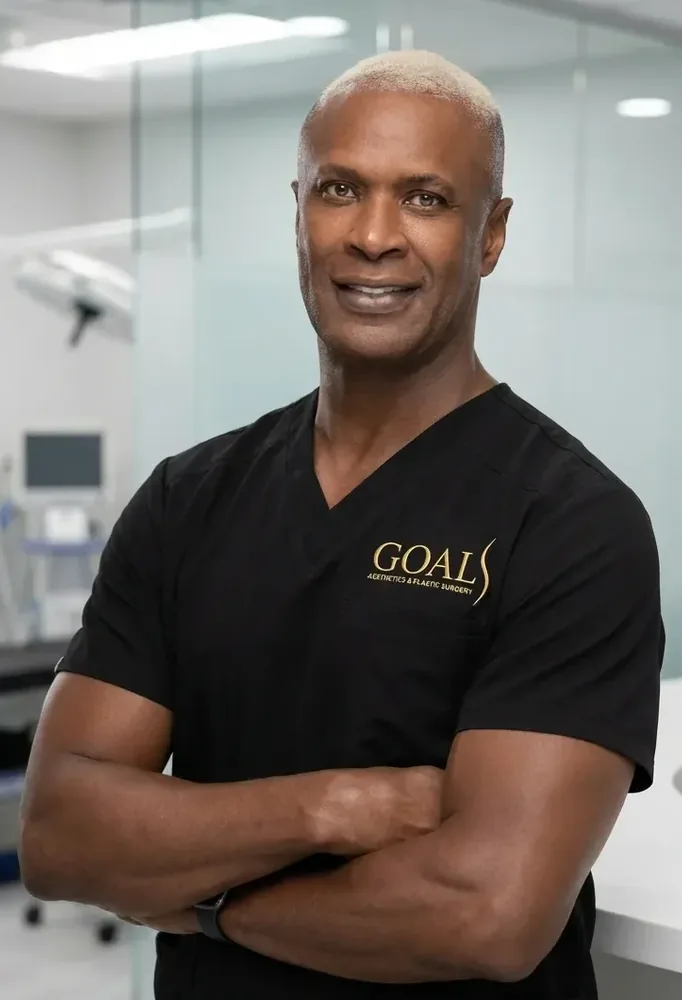
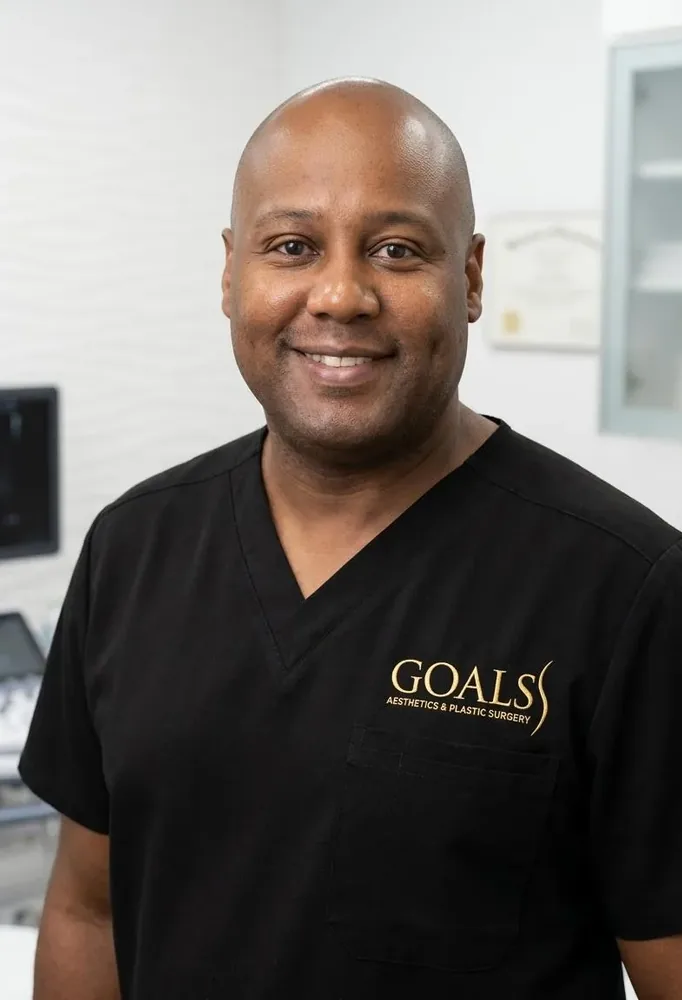
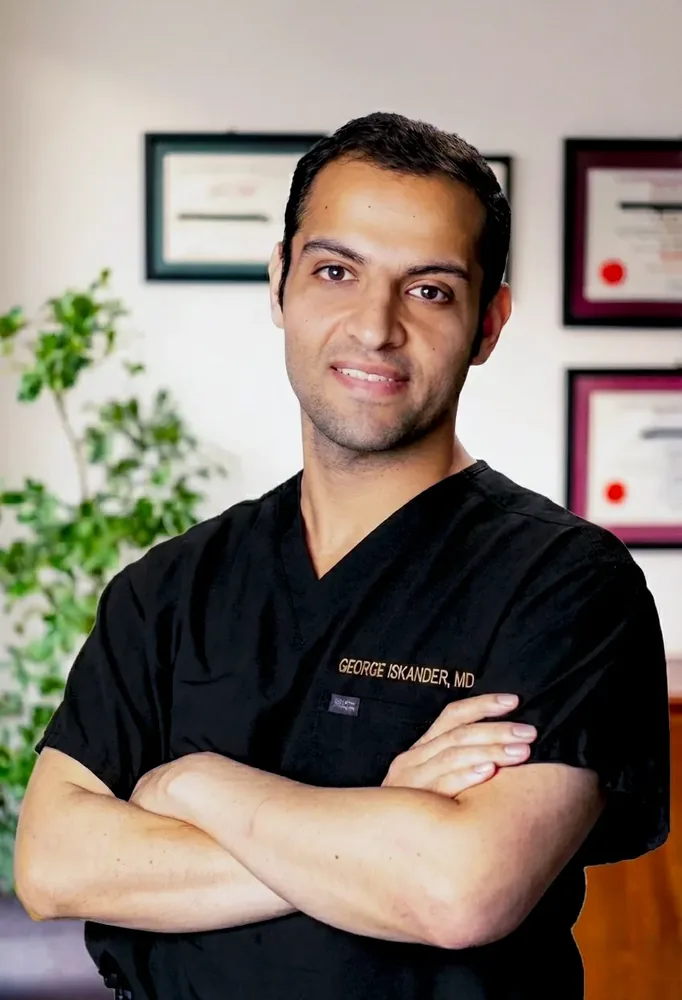
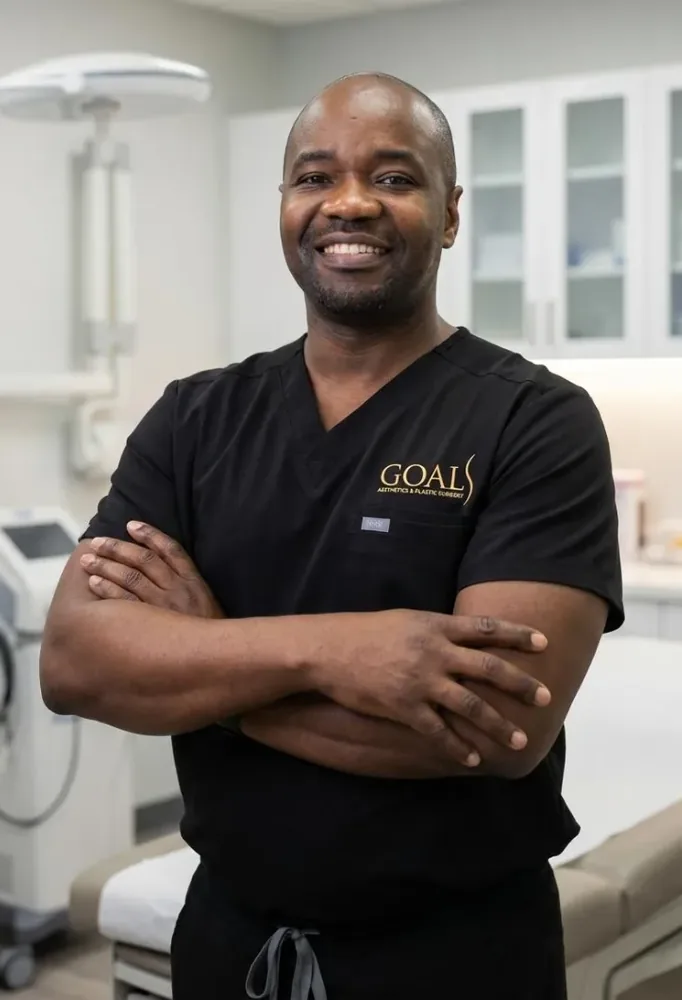
Experienced surgeons skilled in hair restoration.
Each surgeon’s training and licenses are listed on their own page.
Pricing
Price rides on how many sessions your scalp needs and what goes into the blend. Mesotherapy is quoted as a full course rather than session by session, so the total is agreed before you start and does not creep up.
You see the full course cost before session one, not after the third.
Stack treatments or stage them, whichever your scalp responds to best.
Monthly plans that spread a full course over time.
Consultation, mixing, and aftercare sit in the quote. Nothing billed later.
Prices shown are starting prices and depend on the number of areas treated. Final pricing is confirmed at your consultation. Cosmetic procedures are not covered by insurance.
Try it
Pick a procedure to see an estimate. Your numbers stay on your device. We do not see or save them.
This is an estimate, not a quote. It splits the starting price over the months you pick, with no interest. Lenders set your real rate and terms. Your price is confirmed at your consultation.
FAQ
Not much. A numbing cream goes on first, then the injections land as quick, shallow pinpricks across the thinning zones. The anticipation is usually worse than the thing itself. Nothing is shaved or cut, and the brief redness after fades within a day.
Slower than you'd like. The first sign is less shedding, easy to miss unless you watch the drain, and it shows early. Real thickening waits for a growth cycle, so judge it near the end of the course against your baseline photos.
Yes, and women are a big share of who books it. Postpartum shedding and a widening part respond well when the follicle is intact and just underfed. We screen for allergies and check your scalp first, tuning the mix to you.
It varies with your scalp, but plan for a course over weeks with maintenance after, not one visit. A single session does little you'd notice. We set the number at your assessment and quote it up front so it can't creep.
Mostly yes, with a gap. Leave the scalp alone the day of a session, no washing, heat, or product, then you're back to normal. For colour or a harsh chemical service, space it a few days from an injection day.
The baseline photos show it, which is why we take them. If density hasn't moved, we don't keep selling sessions; we look at why, and often that means a transplant, not more nutrients. An honest no is built into the review.
You can, but gains fade if the loss is ongoing. Mesotherapy feeds follicles; it doesn't stop what thinned them. Most people move to lighter maintenance rather than quit cold, and we'll tell you which camp you're in.
Mesotherapy Hair Restoration near you
Learn more
Ask a hair surgeon whether scalp injections actually work and you'll get a careful pause, because the honest answer has conditions attached. Mesotherapy hair restoration isn't a miracle and it isn't a scam; it's a delivery method with a narrow, real job. It carries nutrients straight to a follicle that's still alive but underfed, at the stage where your hair is thinning rather than gone.
Whether it helps you specifically depends on one thing a web page can't tell you: are your follicles still in the game. This guide is written for the skeptic, the person who wants to know where it works, where it doesn't, and how to avoid the versions of it that deserve their bad reputation.
Everything about this treatment hinges on whether the follicle is still there to feed. A follicle that has miniaturised and shut down is not hungry, it's gone, and no amount of vitamins reopens it. A follicle that is thin, sluggish, and producing a weaker shaft each cycle is a different story. That one is starving, not dead, and starving is a problem you can sometimes feed your way out of. The whole treatment lives or dies on that distinction, which is why a scalp assessment comes before any talk of a plan.
So how does anyone tell the difference? Under magnification, a clinician looks at shaft thickness, how many hairs are still coming out of each follicular unit, and whether the scalp shows active miniaturisation or flat, shiny bald skin. The drain test you do at home is a crude version of the same read: hair that sheds but keeps growing back thinner is a candidate; areas that have been smooth for years are not. Get told which you are before you spend a cent, because that answer is the entire value of the consult.
This is also where most complaints about mesotherapy come from, and they're usually misattributed. The treatment didn't fail; it was aimed at dead tissue by someone who either couldn't tell the difference or didn't want to. A clinic that offers injections to a fully bald crown is not offering you medicine, it's offering you a bill. Knowing this one thing arms you better than any list of ingredients could.
Not all thinning is the same problem, and mesotherapy is fussy about which one it's facing. It does its best work when the follicle is intact but the environment around it has gone wrong. Think of a scalp that's chronically dry, inflamed, or oily, where the follicle is trying to grow in bad soil. Think of hair that's snapping mid-shaft, or a part line that's widened over a year while the hairline itself held. These are supply problems, and supply is exactly what an injected nutrient blend addresses.
Some of the strongest cases have an obvious trigger behind them. Shedding that kicked off after a pregnancy, a serious illness, a stressful stretch, or a crash diet tends to involve follicles that are fundamentally fine and simply got starved for a season. Feed them and support the growth cycle and many recover. The same logic makes it a sensible maintenance tool after a transplant, protecting both the fresh grafts and the native hair that's still yours to lose.
Where it struggles is hormonal, advanced, or scarred loss. A receded temple with years of smooth skin, a large bald zone, or scarring alopecia won't answer to nutrients because the follicle isn't the thing that's hungry. In those cases the straight answer is surgical, and Goals runs a full hair restoration programme specifically so the person reading your scalp can send you toward the treatment that fits rather than the one on today's promotion. A clinic that says yes to everyone is telling you something about the clinic.
People treat these as rivals and pick one like a team. That's the wrong frame. They're different instruments that happen to share a waiting room, and the best results usually come from playing two of them together rather than crowning a winner.
Mesotherapy plays a different position. Instead of your blood, it delivers a blend tuned to what your scalp specifically lacks, which means it can be dialled for inflammation, oiliness, or a plain nutritional gap in a way a platelet spin can't. That adjustability is its edge. It's the treatment you reach for when the problem is the scalp environment as much as the follicle, and it pairs naturally with the platelet approach rather than competing with it.
Then there's Low-Level Laser Therapy, the no-needle member of the family. Clinical-strength light nudges follicles along and firms up what you've still got. It's the gentlest option and the easiest to sustain for the long haul, which is also the catch: it works slowly and rewards patience more than drama.
Off to the side sits Darsonval Therapy, a high-frequency current that lifts scalp circulation and helps the tissue take up what you feed it. It's rarely the headline act; it earns its keep as support, often after a procedure, keeping the scalp in good order while the real work happens elsewhere.
The thing most people quietly worry about is the pain, and the honest report is that it's minor. The scalp gets cleaned, a topical numbing cream goes on, and the clinician maps a grid across the thinning zones. The injections themselves land as quick, shallow pinpricks rather than anything you'd call painful, and there's no shaving and nothing cut. A session is short. Most people are surprised by how anticlimactic it is.
Afterward the scalp looks a little red and slightly bumpy, and that settles inside a day. You're told to leave your hair unwashed for the rest of the day, skip the gym and sauna until tomorrow, and otherwise not fuss with it. Then you go back to your life. There's no meaningful downtime here; people routinely head straight back to work from the chair. The recovery is so light it's easy to underestimate the treatment because of it, which is a mistake in the other direction.
Visible thickening comes later, because a follicle has to finish a growth cycle before a stronger shaft pushes through. That lag is why honest measurement matters more than the mirror. Goals takes baseline density photographs at the start, so the follow-up conversation is about what actually changed under standard conditions rather than whether your hair happens to catch the light well that afternoon. If a clinic isn't photographing your baseline, ask how they plan to prove anything at all.
The number that matters is the course, not the session, and any quote framed the other way is set up to mislead you. Because mesotherapy only works cumulatively, a low per-session sticker with an unspecified number of sessions is a bill with the total hidden. What actually drives the cost is how many sessions your scalp needs and what goes into your blend. Goals quotes the whole course up front, with the consultation, mixing, and aftercare already inside it, so the figure doesn't climb visit by visit while you're committed.
If paying the course in one go doesn't suit you, financing can spread it over time, and it slots neatly into a staged plan. Staging is often the smarter route anyway: start with injections, review the density photos, and only escalate or add a second therapy if the scalp isn't responding. You spend against evidence rather than against a package you agreed to before anyone knew how you'd react.
Here's the part the glossy ads skip. With most treatments you can judge the work by looking at it. With mesotherapy you can't, because the entire treatment is invisible the moment it's under your skin. You cannot see the concentration, you cannot verify the sterility of the mix, and you have no way to know how the vials were stored before they reached your scalp. You are trusting the clinic completely, and that trust is the actual product you're buying.
That's exactly why the discount overseas and mail-order versions are a genuinely bad bet, in a way a cheap haircut never is. An undisclosed blend, injected under the skin by someone whose credentials you can't check, with nobody nearby when your scalp reacts two days later, isn't a saving. It's a gamble where the downside lands on your head, literally. The low price is buying away the one thing that makes the treatment safe: accountability you can reach.
At Goals the formula is disclosed, the mix is prepared on site, and the injections happen in an accredited facility. The surgeons and clinicians who treat you are licensed and still there afterward, and because your course is scheduled locally across our locations, it actually gets finished instead of abandoned halfway when the next flight turns out to cost more than the discount saved.
There's a point where more nutrients is just spending, and a good clinician will tell you you've reached it. Once the follicles in an area are truly gone, the only way to put hair there is to move it from somewhere it still grows. Follicular Unit Extraction lifts individual follicular units from the donor zone and places them one at a time, Follicular Unit Transplantation uses a strip method when a high graft count is needed, and Crown Hair Transplant targets density at the vertex specifically. That's a different category of solution for a different stage of loss.
Even then, mesotherapy doesn't leave the picture. Run alongside a transplant, it protects the native hair that wasn't replaced, the hair that will otherwise keep thinning around your new grafts and leave you with a sharp hairline in front of a fading crown. That combination, surgery for what's gone and nutrients for what's fading, is usually the durable plan. Our gallery shows both surgical and non-surgical outcomes side by side, which is the fairest way to calibrate what any of this can realistically do for you.
If you take one thing from all this, make it the checklist for the room. Ask whether your follicles are actually viable, and expect a real answer backed by a magnified look, not a reflexive yes. Ask what's going in the blend and why it's built for your scalp rather than the last patient's. Ask for baseline photographs so the result can be measured instead of admired. Ask what the full course costs, not the session. And listen for the word no, because a clinic willing to tell you mesotherapy isn't right for you is the same clinic you can trust when it says it is. Book the scalp assessment, get the viability answer, and decide from there.
The practical takeaway is unglamorous but true: the pairing beats the pick. Nutrients with light, nutrients with platelets, whatever your scalp actually calls for after someone has looked at it. Anyone selling you a single-treatment package before examining you is selling convenience, not care.
Set the expectation now: this is a course, not a visit. Sessions run a few weeks apart with maintenance afterward, and a single standalone session does almost nothing you'd notice. Any clinic pitching one-and-done is being loose with the truth. The first real signal isn't regrowth at all, it's that the shedding quietens, and it's subtle enough that you'll miss it unless you'd been noticing the drain to begin with.
Get started
Starting a course of scalp injections, pairing therapies, or weighing up a transplant? We will tell you first what your follicles can realistically do.
Prefer to talk now? (833) 462-5769
Free · No obligation
Tell us how to reach you. A patient coordinator calls you back — usually the same day.
Free · No obligation
Ask me anything. I usually reply straight away.
If you share your number, a Goals coordinator may call or text you about your consultation. Message and data rates may apply.
Nora is an automated chat. She cannot give medical advice or say whether a procedure suits you.