
Thin or Sparse Brows
Patchy or thin brows from genetics or plucking.
Restore full, natural eyebrows with your own hair in a single session.
An eyebrow hair transplant moves healthy follicles from your scalp to thin, sparse, or scarred brows. Each hair goes in by angle and direction for a soft, natural shape that grows like your own, because it is.
From $5,000
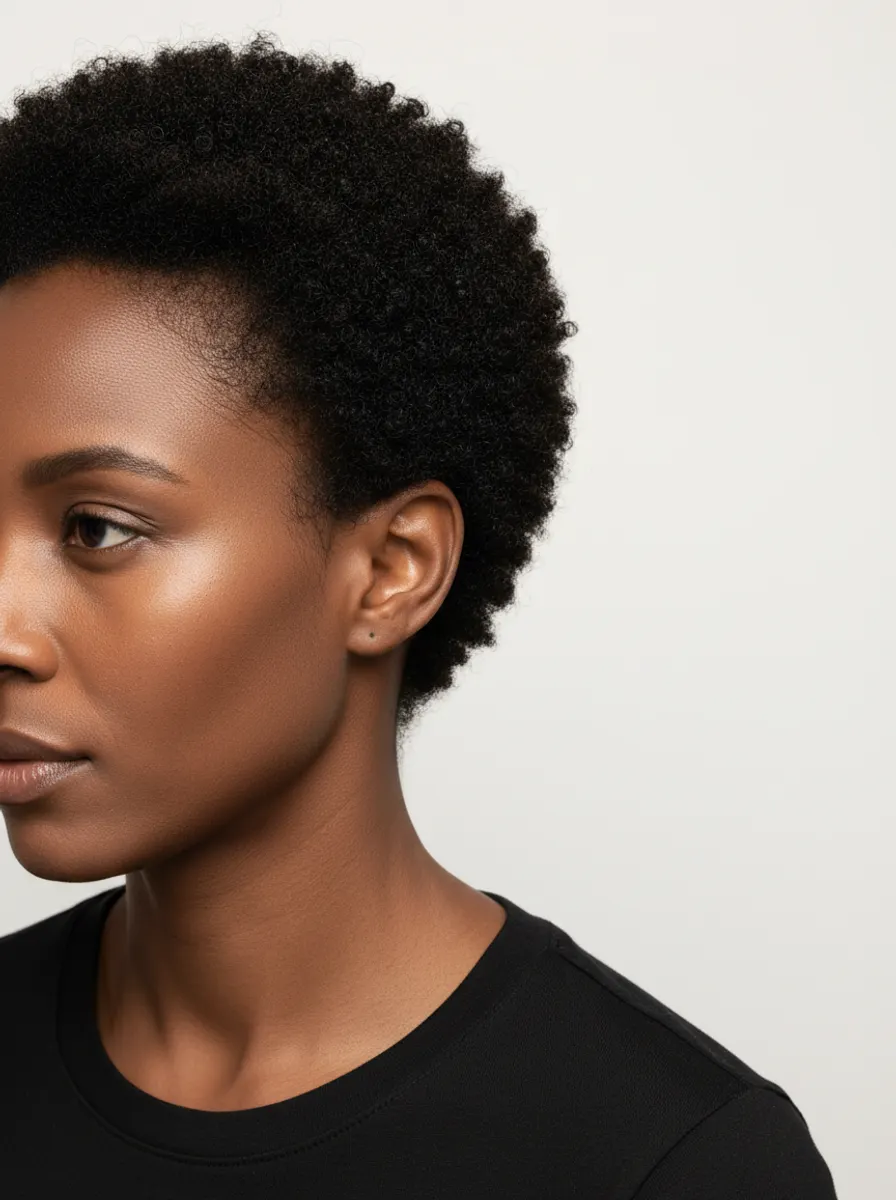
Overview
An eyebrow transplant is surgery that relocates living hair follicles from your scalp to your brow area. A surgeon places each graft by angle and direction, so new hair fills gaps, thickens sparse brows, and grows in the shape you want.
How it works
Follicles are taken one by one from the back of the scalp with the FUE method.
Each follicle is checked, sorted, and kept ready.
The surgeon implants each hair by angle and curve to match natural brow flow, under local anesthesia for an easy, same-day recovery.
Results
See real before & after eyebrow work.
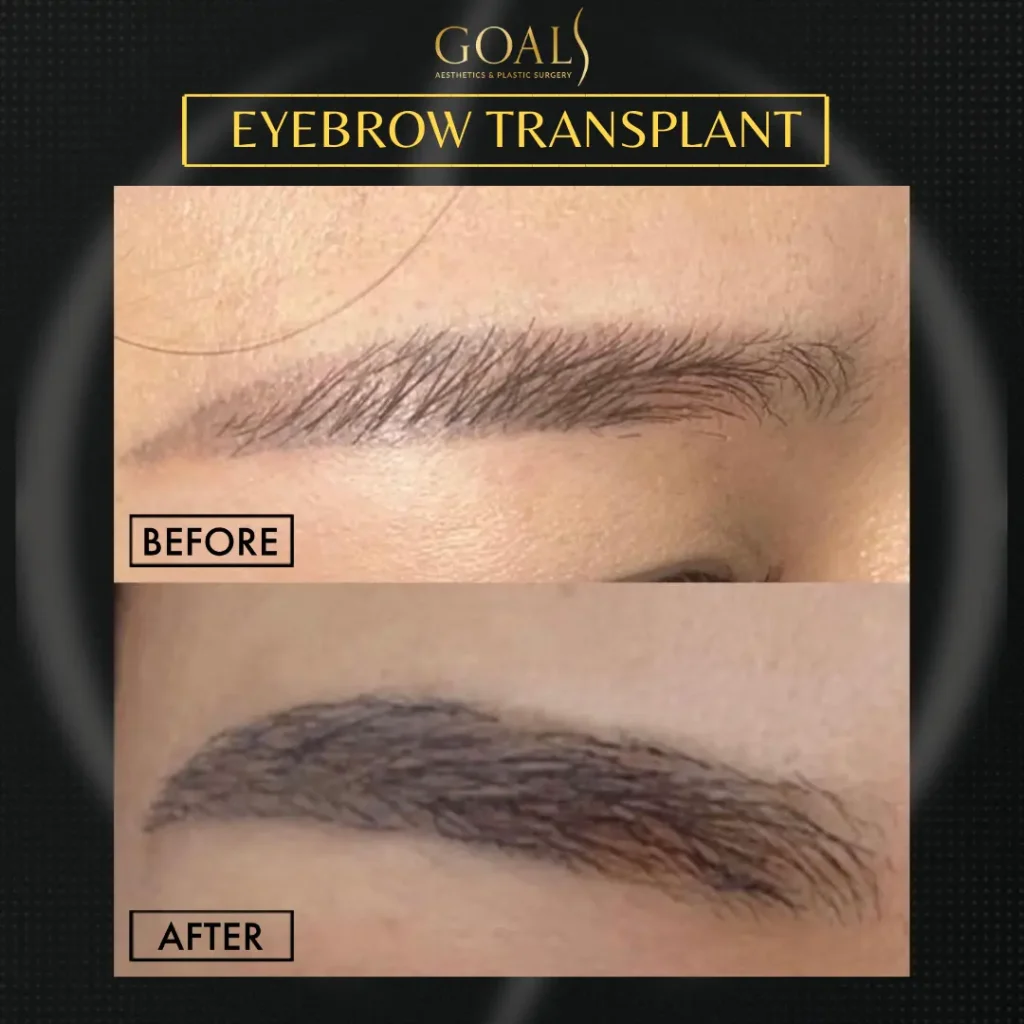
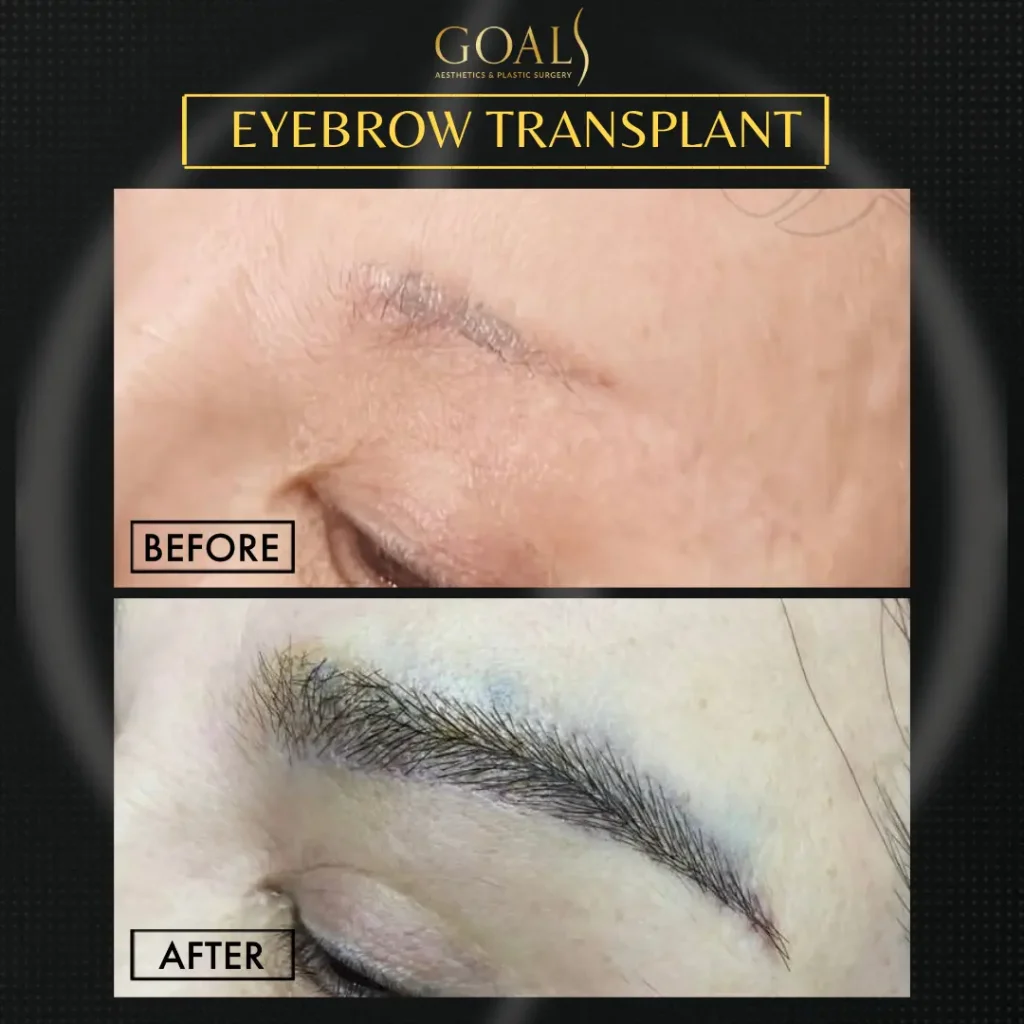
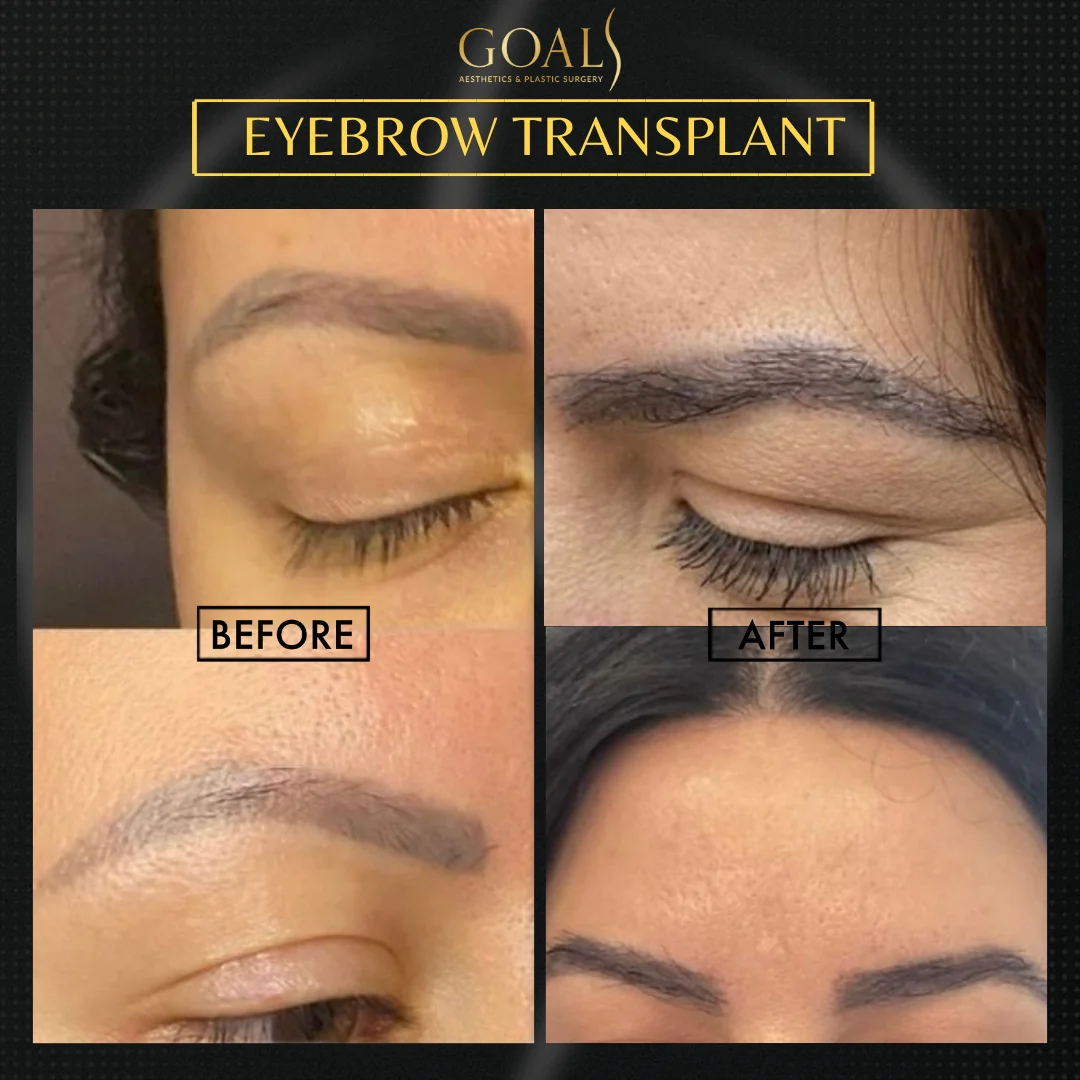
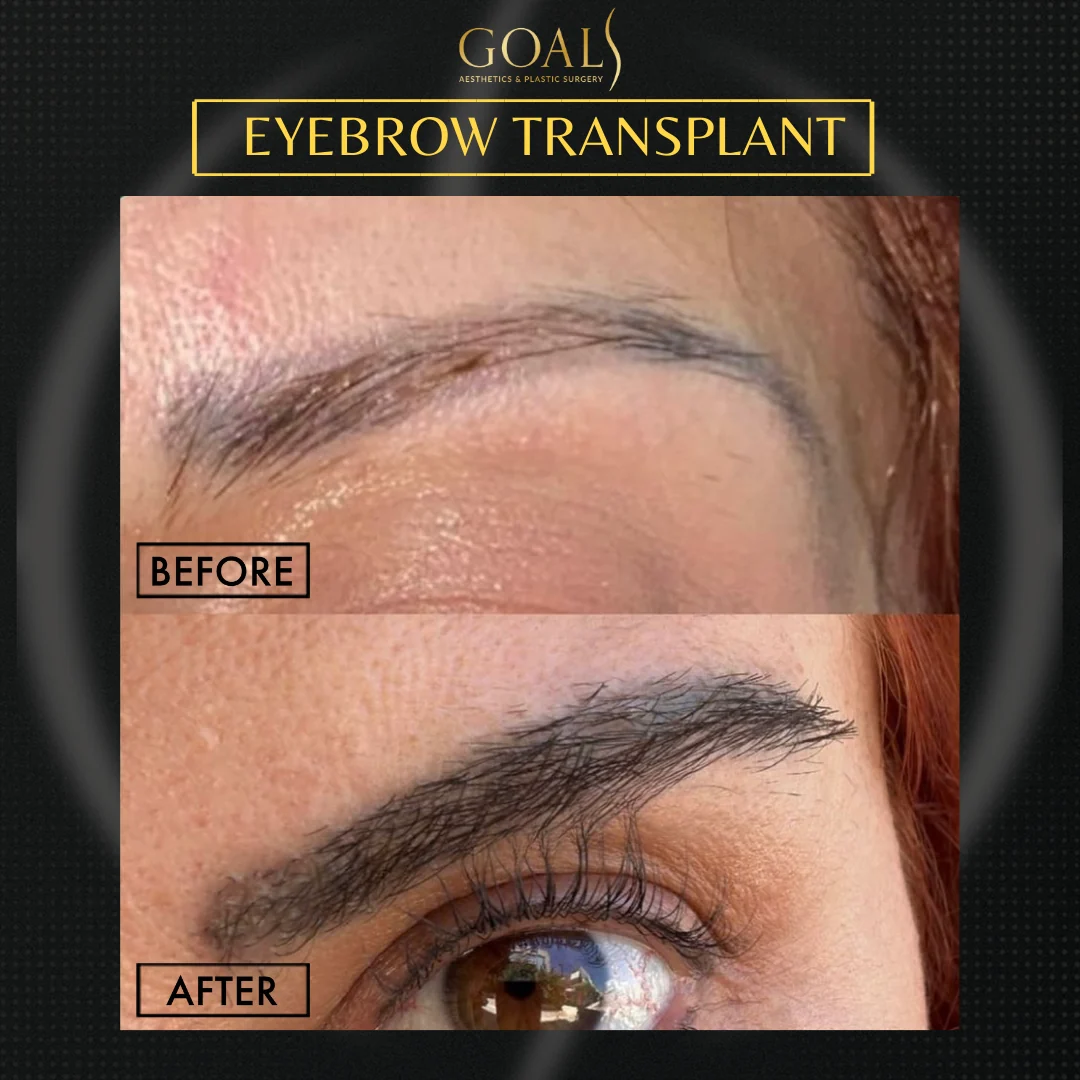
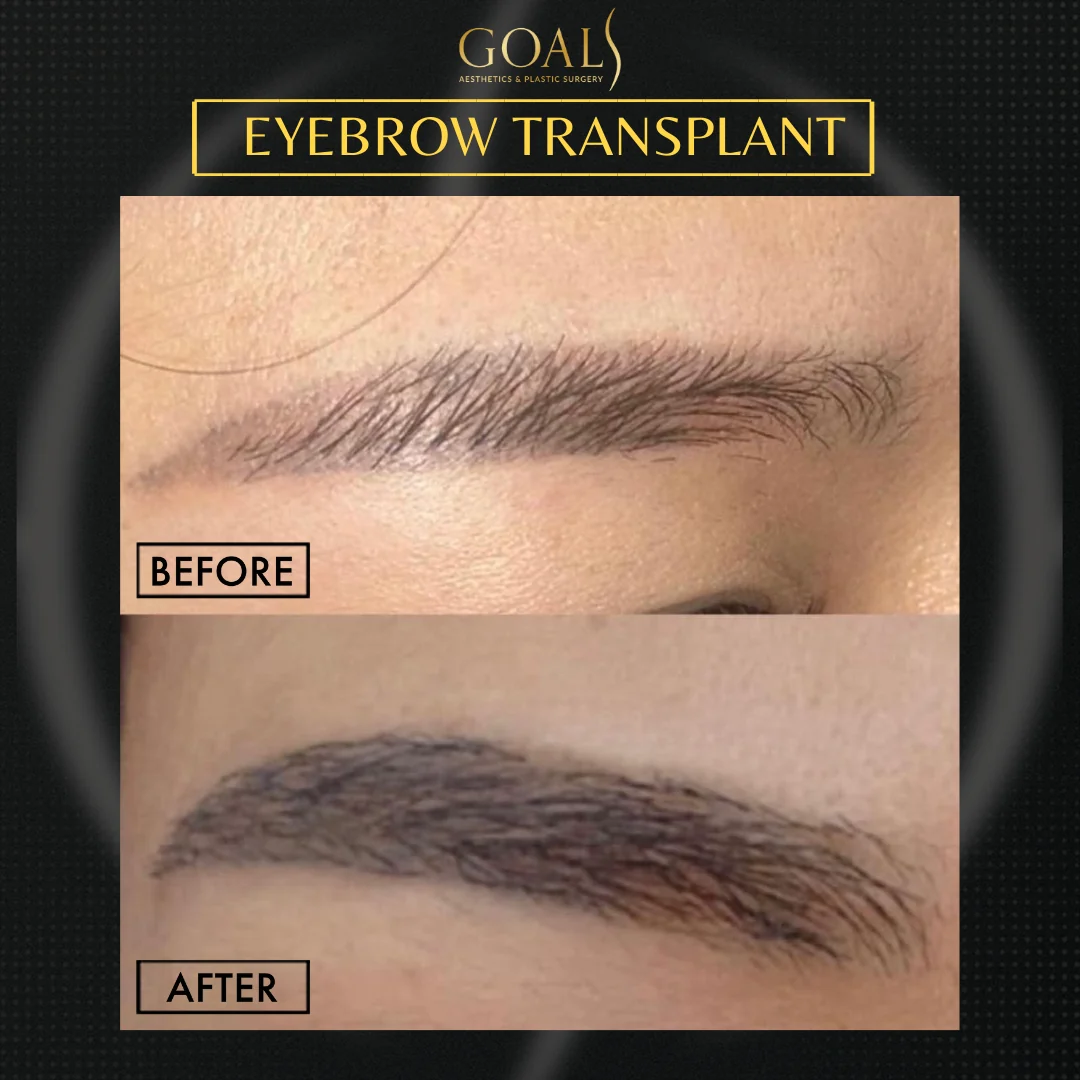
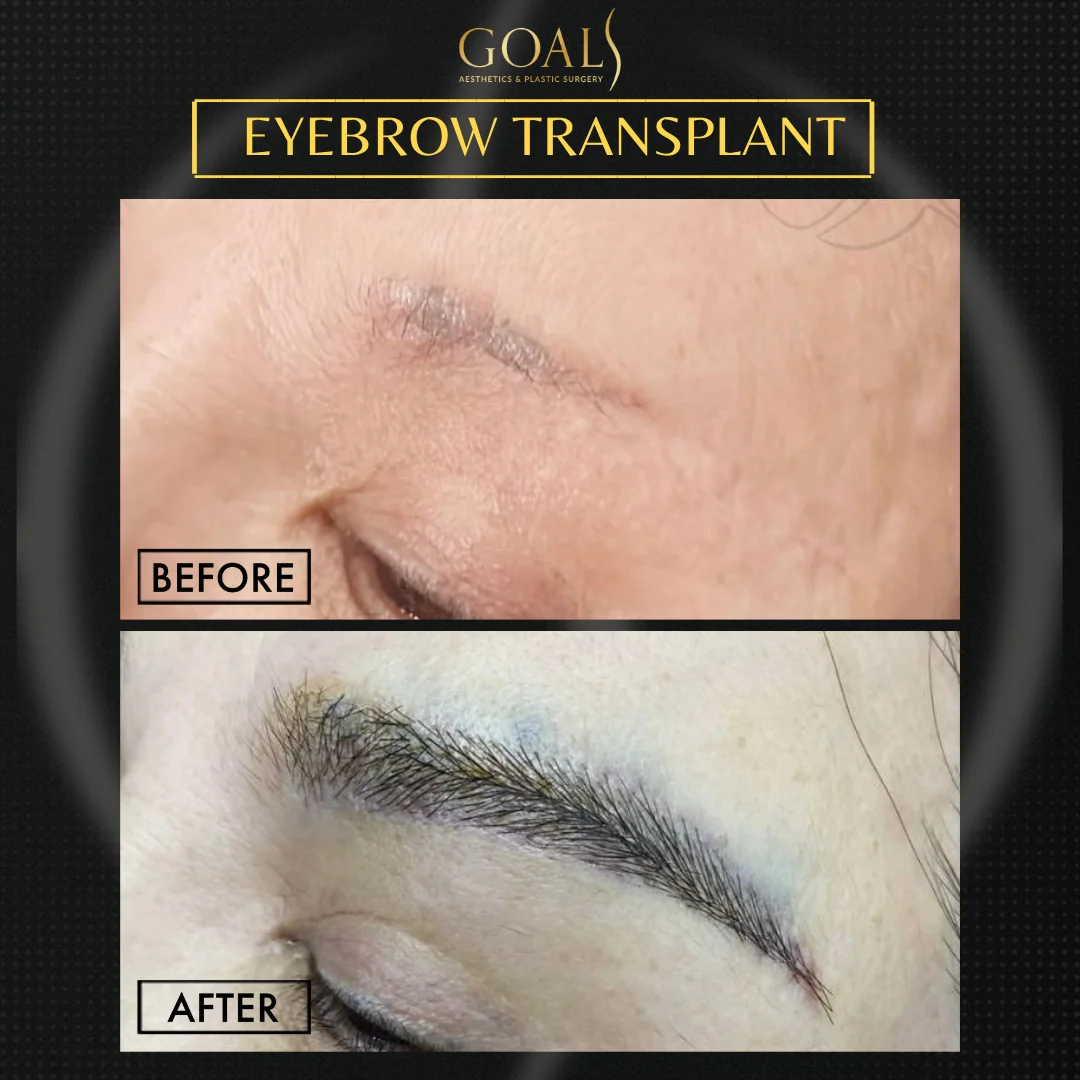
Real patients, published with written consent. Photographs are not retouched or AI-generated. Individual results vary — these images show outcomes for these patients and are not a guarantee of your own.
Try it
Type your height and weight. Your numbers stay on your device. We do not see or save them.
BMI is just one number. Your surgeon also looks at your health and your goals. BMI alone does not decide if you can have surgery.
Candidacy
An eyebrow transplant is for people who want fuller brows that look and grow naturally, whatever the cause: genetics, over-plucking, age, scarring, or a condition.
Patchy or thin brows from genetics or plucking.
Bare spots from old scars, piercings, burns, or injury where hair no longer grows on its own anymore.
Brow loss linked to alopecia, thyroid issues, or other conditions, once stable.
You want to skip pencil, powder, and microblading touch-ups for hair that is yours.
Permanence, look, upkeep, cost. Knowing how a transplant compares to microblading on each helps you pick the option that fits your brows and your routine.
| What It Uses | Your own living hair follicles. | Pigment placed into the skin layer. |
|---|---|---|
| How It Looks | Real 3D hairs you can brush. | Flat strokes drawn on skin. |
| How Long | Permanent; the hair keeps growing. | Not permanent. |
| Upkeep | Occasional trimming; no pigment refills needed. | Refills keep it visible. |
| Cost Over Time | One-time cost for a lasting result. | Lower upfront, then recurs. |
The transplant gives you brows made of real, growing hair instead of pigment that fades. Microblading costs less at first, but the refills add up. A transplant is a single investment in a result that looks natural and stays.
Your journey
6 steps to fuller brows.
Meet our team to talk through your goals, go over your brow history, and see if a transplant fits.
We map your new brow shape with you, agree on density, and lock in a procedure date with clear pre-op steps.
Finish a short health screening so the team can confirm you're ready, then get simple steps to follow before your visit.
Healthy follicles are gently removed from the back of your scalp with the FUE method, then sorted and prepped for placement.
The surgeon implants each graft by angle and direction, building the brow shape you agreed on at design.
Follow your aftercare plan and come to the check-ins, so the team can track healing and new growth.
An eyebrow transplant rebuilds thin or scarred brows with your own hair. You get a fuller, defined shape that grows naturally and frees you from daily makeup.
Even, defined brows with no patchy or bare spots.
Brows you can brush, trim, and shape yourself.
New growth that hides old scars, piercing marks, and bare spots from plucking.
Follicles keep growing for the long term.
Safety
We screen every patient, plan the brow design in detail, and use the minimally invasive FUE method under local anesthesia to keep the procedure safe and recovery short.
Done awake under local anesthesia, avoiding general anesthesia risks.
FUE removes follicles one by one, with no linear scar.
Support before and after: clear instructions and easy team access.
Pricing
Eyebrow transplant prices start from $5,000. Final cost depends on graft count and brow goals, set at consultation and fixed at booking.
Flexible financing / payment plans
Your price is locked in at booking, after consultation.
Clear pricing, no hidden fees. Everything is spelled out in the contract.
Prices shown are starting prices and depend on the number of areas treated. Final pricing is confirmed at your consultation. Cosmetic procedures are not covered by insurance.
Try it
Pick a procedure to see an estimate. Your numbers stay on your device. We do not see or save them.
This is an estimate, not a quote. It splits the starting price over the months you pick, with no interest. Lenders set your real rate and terms. Your price is confirmed at your consultation.
Eyebrow Hair Transplant near you
Clinics
FAQ
Microblading draws pigment into the skin, so it sits flat and fades within a few years. An eyebrow transplant moves your own living hair follicles into the brow, where they grow as real 3D hairs you can brush and trim. The transplant is permanent, while microblading needs regular refills to stay visible over time.
Most people are back to normal activity within a day or two. Tiny scabs form around each graft and fall off on their own within about a week. The donor area on the scalp heals quickly with no linear scar. The transplanted hairs shed after a few weeks, then regrow steadily, with the full brow shape in at several months.
Yes, when the brow is designed and placed well. Your surgeon maps the shape with you before the procedure, then implants each follicle by angle and direction so the hair follows the natural flow of a brow. Because the grafts are your own hair, the result blends in, grows like normal brow hair, and is easy to groom.
An eyebrow transplant is permanent. The follicles come from the back of the scalp, an area that resists the hair loss affecting brows, so once they settle they keep growing for the long term. Because the hair starts out as scalp hair, it grows slightly faster than original brow hair and needs occasional trimming.
Yes. Eyebrow transplants are common for men who want to rebuild thin, patchy, or scarred brows. The surgeon designs a shape and density that suits a masculine brow rather than a sculpted arch. The procedure, recovery, and natural-growth result are the same; only the brow design changes to fit each patient's face.
Learn more
An eyebrow transplant is one of the most reliable ways to rebuild brows that have grown thin, patchy, or uneven over the years. Whether the cause is genetics, decades of plucking, scarring, or a medical condition, the procedure restores the brow with your own living hair, so the result looks and grows naturally. This guide covers what eyebrow hair surgery involves, who it suits, how much it costs, and what recovery actually looks like, so you can decide whether it's the right choice for you. It's written to answer the questions people ask most before booking, in plain language and without the marketing gloss.
At its core, an eyebrow hair transplant relocates healthy hair follicles from one part of your body to your brows. The donor hair almost always comes from the back of the scalp, where follicles are dense, healthy, and resistant to the kind of thinning that affects brow hair. A surgeon removes these follicles individually and places them into the brow area, building density where it's missing and reshaping the brow line where it has lost definition.
Because the transplanted hair is your own, it behaves like real brow hair once it settles. You can brush it, trim it, and shape it. There's no pigment to fade and no flat drawn-on look. People searching for eyebrow implants sometimes expect a synthetic product, but a true transplant uses no artificial material at all. Every hair in the finished brow is living tissue that grows from your own follicles.
One thing worth setting straight early: a transplant is a permanent solution, not a temporary cosmetic fix. Once the follicles take, they stay. That permanence is the main reason people choose it over makeup or semi-permanent options, and it's also why the planning stage matters so much. If you want to see how results develop over time, our before & after gallery shows real patient outcomes at different stages of healing.
The reasons people look into eyebrow restoration vary, but a few patterns come up again and again. The most common is over-plucking. Brows that were thinned out in earlier years often don't grow back fully, and no amount of waiting brings the hair back. A transplant is the only way to replace follicles that simply aren't there anymore.
Scarring is another frequent reason. Old piercings, accidents, burns, and surgical scars can leave bare patches in the brow where hair won't regrow on its own. Transplanting follicles directly into and around the scar tissue covers these gaps. Medical hair loss brings patients in too: conditions like alopecia and thyroid disorders can thin the brows considerably. In these cases the underlying condition needs to be stable before surgery, and the team reviews that during your consultation.
Age plays a part too. Brow hair naturally thins as people get older, and for some that loss is enough to change how the whole face reads. And many patients are simply tired of daily makeup and microblading touch-ups and want brows that are genuinely their own. If you're weighing your options, our hair transplant overview explains how brow work fits within the wider field of hair restoration.
Most modern eyebrow procedures use Follicular Unit Extraction, and an eyebrow transplant fue approach has become the standard for good reason. With fue eyebrow hair transplant technique, the surgeon removes follicles one at a time using a small punch tool, rather than cutting out a strip of scalp. This leaves no linear scar in the donor area, only tiny dot-like marks that fade and hide easily under surrounding hair.
Eyebrows are particularly demanding to transplant, because brow hair grows at a sharp, flat angle and changes direction across the brow. Near the inner corner the hairs point upward. Across the body of the brow they sweep outward. Toward the tail they angle down. A surgeon recreating a natural brow has to place every single graft at the correct angle and curve.
This is slow, detailed work, and it's the part of the procedure that most determines whether the final result looks real. A graft placed at the wrong angle stands out immediately, which is why brow transplants are among the most technically precise procedures in hair restoration. Our FUE method is explained further on our FUE hair transplant page, which covers the same extraction approach used for the scalp.
Before any follicle is moved, the brow has to be designed. This happens at a dedicated planning visit where the surgeon maps the new brow shape directly onto your face. You'll discuss where the brow should start, where it should peak, how thick it should be, and how it frames the rest of your features. Good design accounts for your bone structure, your facial proportions, and the look you actually want, not a generic template.
Design also differs between patients. An eyebrow transplant male patient usually wants a flatter, fuller brow with a straighter line, while many female patients prefer a defined arch. There's no single correct brow, and the planning stage exists so you and your surgeon agree on the shape before surgery day.
Getting this right matters more than almost anything else, because the transplant is permanent and the shape is what people notice first. A well-designed brow looks like it always belonged on your face. A poorly designed one looks added on, even if every graft survives. Take the design appointment seriously, ask questions, and don't be afraid to adjust the mapped outline until it feels right.
The procedure itself is done awake under local anesthesia and usually takes a few hours, depending on how many grafts are needed. Most eyebrow cases use somewhere between 100 and 400 grafts in total, split across both brows. You'll be comfortable throughout and can listen to music or talk with the team.
The session has two main phases. First, the surgeon harvests follicles from the donor area at the back of the scalp. Then comes placement: each graft is implanted into the brow following the design mapped out earlier, one hair at a time, at the correct angle and direction. Because brow placement is so precise, this stage is unhurried.
When the session ends you go home the same day. There's no general anesthesia to recover from, which is one reason many patients find the experience easier than they expected. You'll leave with small, neat work on both brows and clear written aftercare instructions. You can read more about how we keep procedures safe on our about page.
Recovery after an eyebrow transplant is mild compared with most surgical procedures. In the first few days, tiny scabs form around each implanted graft. These are normal and fall away on their own within roughly a week. The donor area on the scalp heals quickly and is hidden by surrounding hair almost immediately. Most people are back to everyday activity within a day or two, though the team will give you specific guidance on washing, touching, and protecting the brows.
The part that surprises many patients is shedding. A few weeks after surgery, the transplanted hairs fall out. This is expected and doesn't mean the procedure failed. The follicle stays in place beneath the skin and enters a resting phase.
New hair then begins to grow, and over the following months the brow gradually fills in. Most patients see a well-formed brow by three to four months, with the final result settling around six to nine months. Patience through the shedding phase is the key thing to understand before you start, because the brows can look thinner before they look fuller.
Aftercare during this period is simple but important. You'll be advised to keep the area clean, avoid picking at the scabs, skip heavy sweating and direct sun for a short while, and hold off on makeup over the brows until the team clears it. Following these steps closely protects the grafts while they secure themselves and gives the new hair the best chance to grow in evenly.
Cost is one of the most searched topics around this procedure, and eyebrow transplant prices vary based on a few clear factors. The biggest is graft count: a brow that needs heavy rebuilding takes more grafts and more surgeon time than one that needs only light filling. The complexity of the design and whether one or both brows are treated also play a role.
At Goals, eyebrow implants cost starts from $5,000, with the exact figure confirmed at your consultation once the surgeon has assessed your brows and agreed on a plan. The price is then fixed at booking, with no hidden fees added later. If you'd like to spread the cost, financing and payment plans are available, and you can review the details on our financing page.
When comparing the cost of eyebrow hair transplant with microblading, remember that microblading is cheaper upfront but needs repeat refills indefinitely, while a transplant is a one-time investment in a permanent result. Over five or ten years, the running cost of refills often closes the gap entirely.
Microblading is the option most often compared with a transplant. It deposits pigment into the upper layer of skin to mimic brow hairs. It's quicker and cheaper at first, but the pigment fades within one to three years and needs ongoing touch-ups. It also sits flat on the skin, so it reads as makeup rather than hair under close inspection.
A transplant works differently. It gives you real, three-dimensional hair that grows, can be brushed, and lasts. There's no fading and no recurring color appointments. The trade-off is that a transplant is a surgical procedure with a healing period and a higher upfront cost.
For people who want a genuinely permanent, natural result, that trade is usually worth it. For those who like to change their brow shape often, a non-permanent option may suit better. There's no universally right answer. The right choice depends on your goals, your budget over time, and how much upkeep you're willing to do. Our specialists can talk you through both honestly during a consultation.
Eyebrow transplants are precision work, and surgeon skill is the single biggest factor in how natural the result looks. When choosing a clinic, look for licensed U.S. surgeons with specific experience in brow procedures, clear before-and-after evidence, and a planning process that includes a proper brow design stage. You can review our full team on the surgeons page.
Be wary of clinics that quote a price before assessing your brows, or that skip the design conversation. A good surgeon will tell you honestly if your expectations need adjusting, and will explain how many grafts your case realistically needs.
Every eyebrow transplant at Goals begins with a consultation, online or in person. The surgeon assesses your brows, discusses what's realistic, maps a shape, and gives you an honest answer on graft count and cost. There's no pressure to proceed.
If you've been considering brow restoration, booking that first consultation is the simplest way to get clear, specific answers about your own brows. You'll leave knowing what your case involves, what it costs, and what your brows could look like, with no obligation. For many patients, that single conversation is what finally turns years of pencil and powder into a permanent result they no longer have to think about each morning.
Eyebrow Hair Transplant near you
Get started
Book your free consultation today. Tell us what you want to change, and our surgeons will map out the procedure—or combination—that gets you there.
Prefer to talk now? (833) 462-5769
Free · No obligation
Tell us how to reach you. A patient coordinator calls you back — usually the same day.
Free · No obligation
Ask me anything. I usually reply straight away.
If you share your number, a Goals coordinator may call or text you about your consultation. Message and data rates may apply.
Nora is an automated chat. She cannot give medical advice or say whether a procedure suits you.