Scalp Mapping
We map where density has dropped and which zones the light has to cover.
Clinical-strength light that wakes tired follicles. Painless, no needles, no downtime, real science behind LLLT hair growth.
From $800
Overview
Laser light is taken in by the follicle, tipping cells that went quiet back into a growth phase. That is the basis of LLLT hair growth: no heat, no cutting, no needles. You sit under the device and scroll your phone.
How it works
We map where density has dropped and which zones the light has to cover.
The laser cap or panel is set over the scalp.
You sit under the light. It does not heat, sting, or register as much of anything. Then you get up and carry on with your day.
Candidacy
As an lllt hair loss treatment this works best while there is still hair to save. Thinning caught early responds. A scalp already gone bare will not, and we will tell you so.
Density is dropping but the hair is still there.
You want change without injections or surgery.
Guarding grafts and the native hair around them.
Works for both, diffuse female thinning included.
You will actually stick with the sessions.
Conditions we treat
Low level light therapy for hair loss suits living but fading follicles.
Density fades across the whole top of the scalp with no single bald patch.
The hairline softens and the crown thins, but the follicles are still open.
The part slowly widens while the hairline itself holds its ground.
Guarding new grafts and the hair still growing around them.
Heavy loss after illness, stress, or a rough run of poor sleep.
Hair that comes in thin and flat with no obvious bald patch.

Results vary with your skin, your starting point and how many sessions you have. Your consultation covers what is realistic for you, before you commit to anything.
Prefer to talk now?(833) 462-5769
Clinics
We have a few clinics in these cities.
Light cannot revive a follicle that has shut. Where hair is gone, a transplant moves your own across.
LLLT Hair Restoration near you
Non-surgical options
Laser pairs well with the injectables. One wakes the follicle; the other feeds it.
Clinical-strength laser light that wakes follicles and firms up the hair you still have.
Micro-injections of vitamins, minerals, and amino acids sent straight into the scalp.
High-frequency current that lifts scalp circulation and nutrient uptake.
Look up low laser therapy for hair loss and you will find caps and combs at every price, most of them useless. The technology is real, but half the devices sold cannot put out enough power to do a thing.
| Buying a Laser Cap Online | Laser Therapy in the United States With Goals |
|---|---|
| Buying a Laser Cap OnlineYou grab the cheapest cap with good reviews and hope the reviews are real. | Laser Therapy in the United States With GoalsA licensed clinician checks whether your follicles are still viable before selling you a thing. |
| Buying a Laser Cap OnlineNobody checks whether your follicles are still alive. Light does nothing for a shut follicle. | Laser Therapy in the United States With GoalsIf the hair is already gone, we say so, and point you to a transplant instead of a light. |
| Buying a Laser Cap OnlinePower output is unverified. Plenty of cheap devices are too weak to move anything at all. | Laser Therapy in the United States With GoalsClinical-strength devices with verified output, not a shop gadget of unknown power. |
| Buying a Laser Cap OnlineWavelength and dose are guesswork. Too little does nothing, and the wrong spec is just a warm hat. | Laser Therapy in the United States With GoalsSessions are scheduled and tracked, so the dose is steady instead of whenever you remember. |
| Buying a Laser Cap OnlineYou use it faithfully for a month, see nothing, and quietly stop. It ends up in a drawer. | Laser Therapy in the United States With GoalsLight is paired with injectables where that makes sense, rather than sold as a standalone miracle. |
| Buying a Laser Cap OnlineYou decide laser therapy is a scam, having never once received a proper dose of it. | Laser Therapy in the United States With GoalsProgress is photographed each visit, so we can tell if it is working rather than guessing. |
| Factor | Overseas Package | Goals U.S. Clinic |
|---|---|---|
| Total cost (real) | Cheap device, then months lost getting no real dose. | Assessed first, so you pay for something that can help. |
| Device power | Unverified output. Plenty are too weak to matter. | Clinical-strength equipment with measured output. |
| Diagnosis | None. Nobody checked if the follicles are still alive. | Scalp examined before anything gets switched on. |
| Who treats you | You, off an instruction leaflet. | Licensed providers you meet before and after each session. |
| Dosing | Whenever you remember. Most people quietly quit. | Sessions scheduled and tracked, so the dose is real and steady. |
| Paired with | Nothing. Sold as a solo fix. | Paired with injectables where that helps. |
| Measurement | You squint in the mirror and cross your fingers. | Photographed each visit, so change is measurable. |
| Legal protections | None worth the name if your scalp reacts. | Backed by United States patient safety laws. |
How it works
Six steps to fuller hair.
A clinician checks whether your follicles are still viable and whether light can reach them.
We set the session rhythm, along with anything the light will be paired with.
Density photos, so change gets measured rather than imagined.
You sit under the light. It is painless, with no downtime after.
Repeat visits. Shedding usually eases well before regrowth shows.
Hair thickens slowly, and we compare it against your baseline.
Safety
Light is about as safe as hair treatment gets. It does not heat or break skin. The real risk is a weak device and months of nothing.
Clinical-strength devices with known, measured output.
The light does not burn, break skin, or hurt.
We say when your follicles are past what light reaches.
Sessions logged, so you get a real dose, not a random one.
Reach the team that treated you if anything changes.
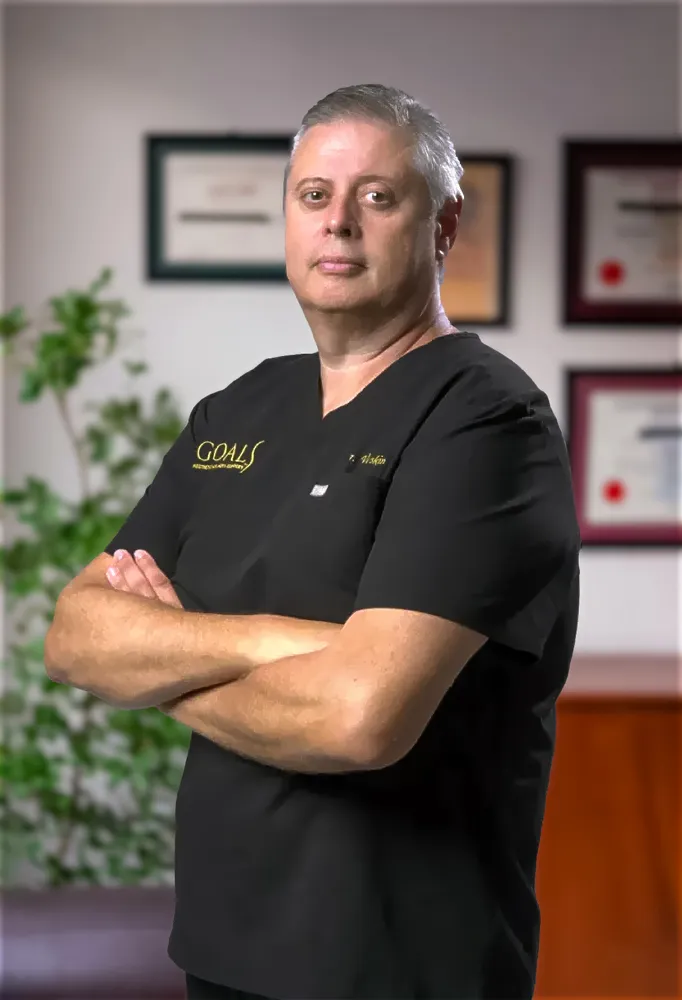
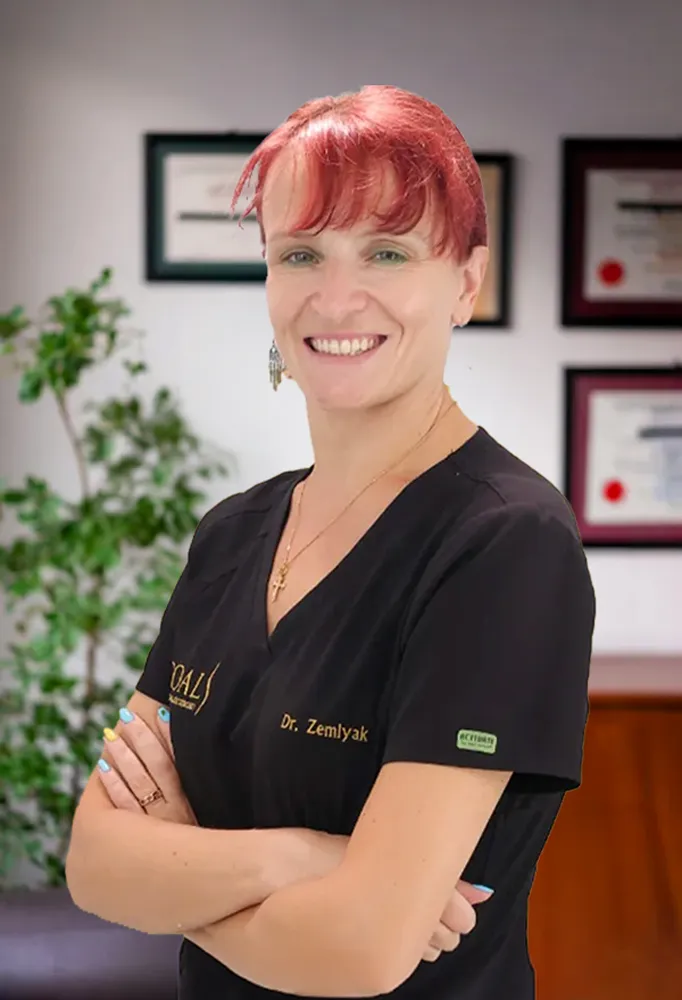
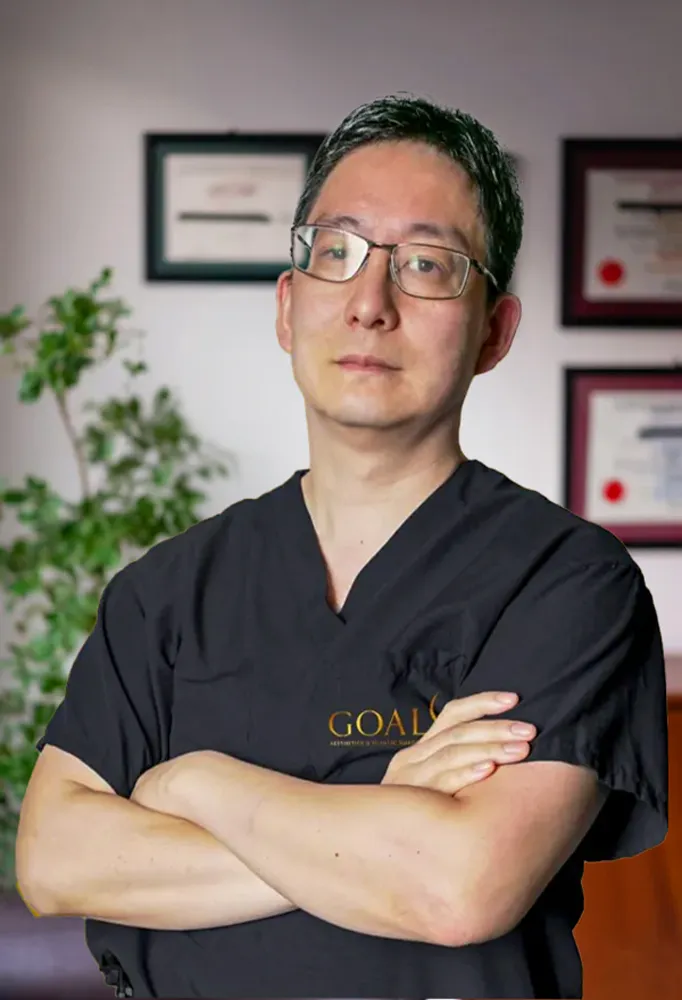
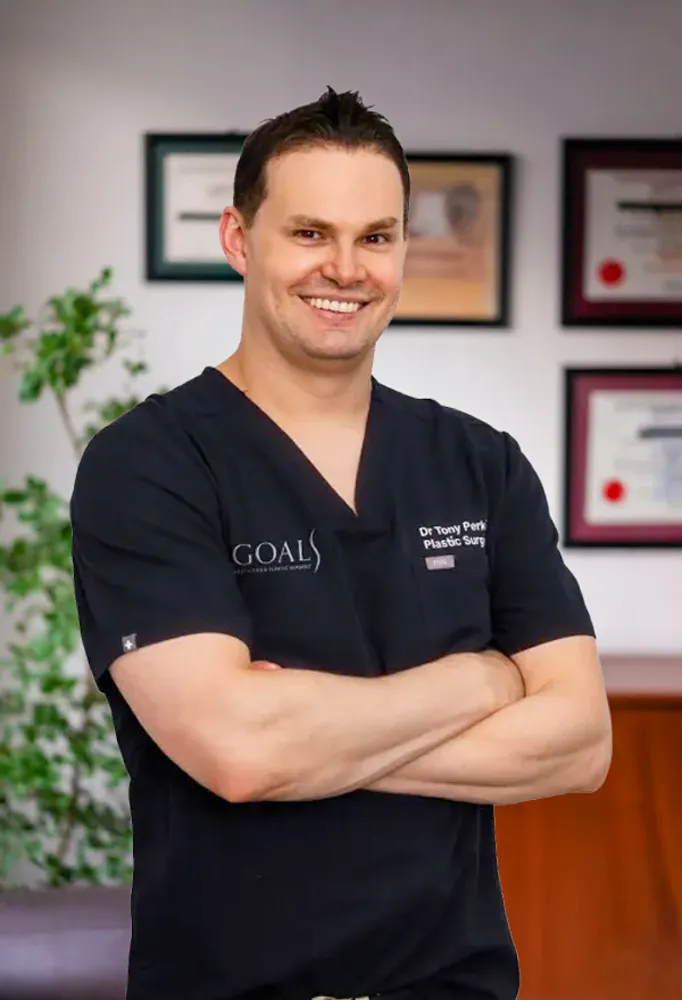
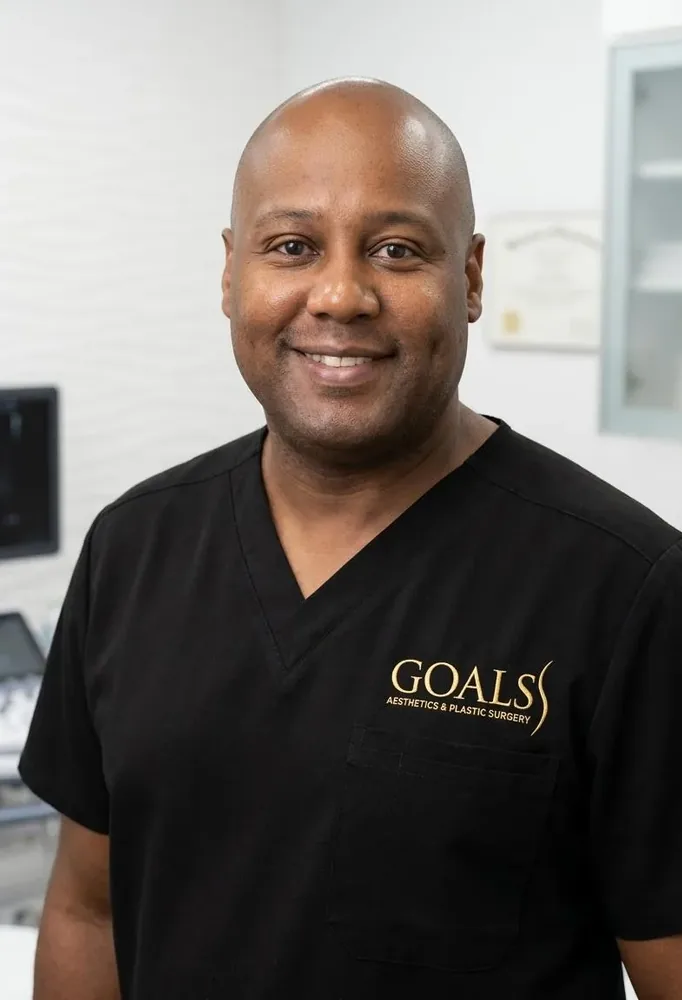
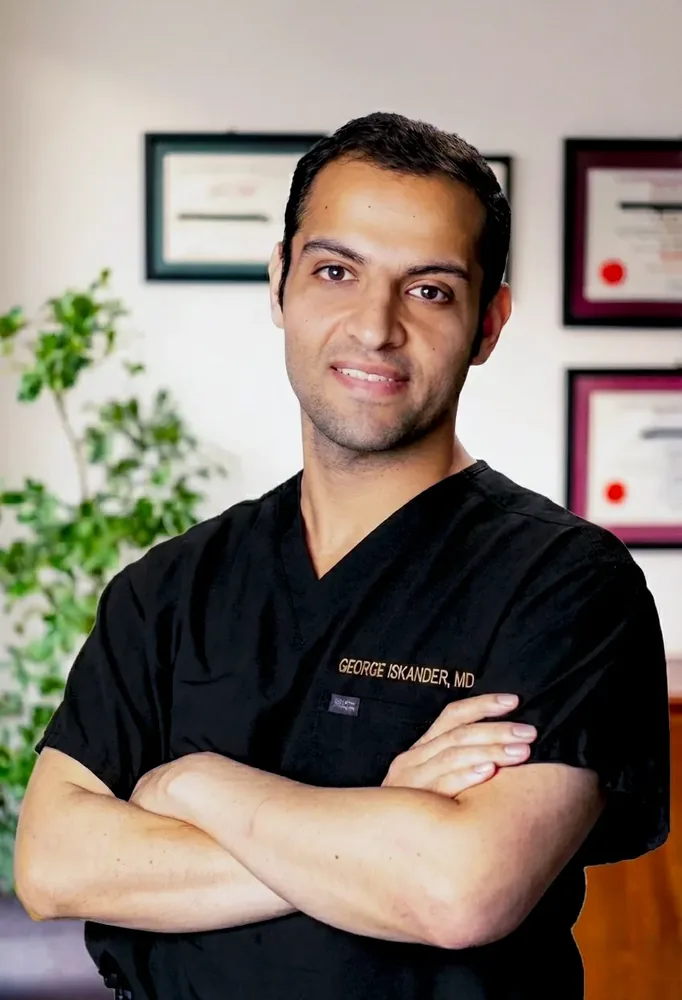
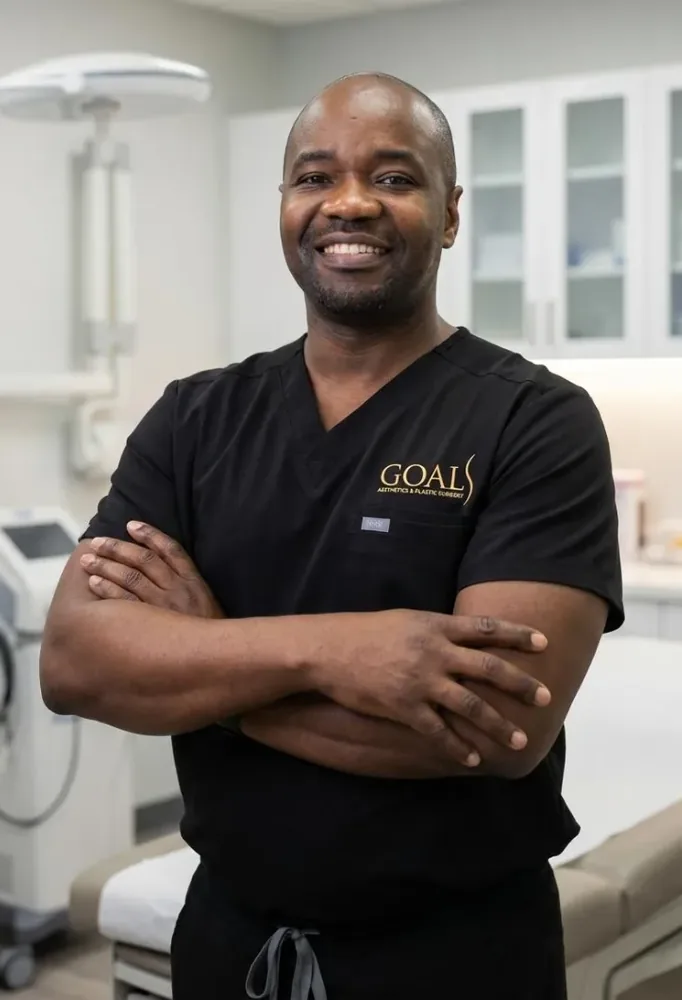
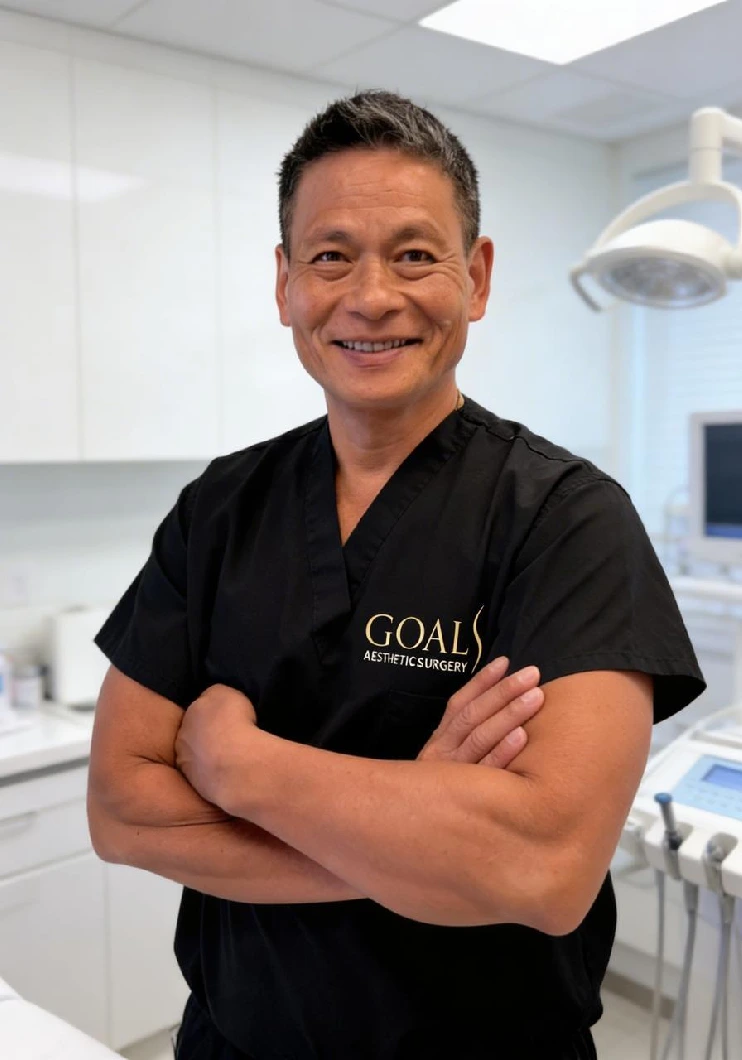
Our surgeons
Experienced surgeons skilled in hair restoration.
Each surgeon’s training and licenses are listed on their own page.
Pricing
Light is priced as a course, because one session on its own is meaningless. What drives the number is how many sessions your scalp needs and whether light runs alongside another treatment. Quoted before you start.
You see the full course cost before session one, not after the third.
Non-surgical, so it runs a fraction of what grafting costs.
Monthly plans that spread a full course over time.
Consultation and aftercare sit in the quote. Nothing billed later.
Prices shown are starting prices and depend on the number of areas treated. Final pricing is confirmed at your consultation. Cosmetic procedures are not covered by insurance.
Try it
Pick a procedure to see an estimate. Your numbers stay on your device. We do not see or save them.
This is an estimate, not a quote. It splits the starting price over the months you pick, with no interest. Lenders set your real rate and terms. Your price is confirmed at your consultation.
FAQ
Red light near 650 nanometres sinks into the scalp and is absorbed by the tiny energy factories inside your follicle cells. That lifts the cell's output and coaxes a resting follicle back toward growth. It is light doing chemistry, not heat, so you feel nothing.
No, and this surprises people. Light works on a curve: too little does nothing, the right dose helps, and piling on more can stall it. Hitting that middle band is what a measured clinical device does and a random cap does not.
Low level laser therapy hair loss runs as a course, not a one-off. Short sittings a few times a week, over months. The steady rhythm is the point, which is why a tracked clinic schedule beats a cap you use when you remember.
Not really. Light is absorbed by follicle cells whatever the shaft colour, so grey, blonde, or dark all respond. What matters is whether the follicle is alive. We track lllt hair regrowth against photos, not memory.
Because a follicle cannot upgrade a hair without dropping the old one. Light nudges resting follicles into a growth phase, and the weak strand sheds so a stronger one replaces it. A brief early rise in shedding is often a good sign.
The gains ease off. Light keeps weak follicles active while you use it but does not permanently rewire them, so lllt hair growth fades over months once you stop. Most people taper to a maintenance rhythm instead.
LLLT Hair Restoration near you
Learn more
Of all the non-surgical hair treatments, this is the one with the strangest reputation. Low level laser therapy hair loss sits in a strange spot: the biology is some of the best-studied in all of non-surgical hair care, and yet the treatment carries a reputation as snake oil. The gap between those two things is not a science problem. It is a hardware problem. Shelves and search results groan with caps and combs that simply do not put out enough light to move a follicle.
Someone buys one, wears it for months, sees nothing, and decides the whole idea is a con, when really they were treating their scalp with a warm hat. This page is about the difference between the science and the gadgets: how the light actually works, where it helps and where it cannot, and why a scalp exam and a known dose are the two things a box on a shelf can never sell you.
The mechanism has a clumsy name, photobiomodulation, but a tidy logic. Red light in a narrow band, roughly 650 nanometres, is the one colour that penetrates scalp tissue to the depth a follicle sits at. Down there it is absorbed by an enzyme in the cell's mitochondria, its little power plants. That enzyme has been sitting half-throttled by a molecule of nitric oxide; the light knocks the nitric oxide loose, the power plant spins back up, and the cell's energy supply jumps. Given that energy, a follicle idling in its resting phase can shift back into an active growth phase and start pushing out a thicker shaft.
There is one catch built into the biology, and it is the thing cheap devices get wrong. The follicle responds on a dose curve, not a straight line. Too little light and nothing happens. The right amount, delivered often enough, wakes the follicle. Pile on more, and the benefit does not climb, it flattens or reverses. So the whole game is landing in that middle band: the correct wavelength, at real power, for the right length of time. Nothing is cut, nothing is heated, and there is no recovery. You sit under the device and then walk out. But a session only counts if the dose was actually there.
That same mechanism draws a hard line under low level laser therapy for hair growth. Light only has something to act on while the follicle is alive. Where it has already closed and scarred over, there is no power plant left to restart, and no dose reaches it. That single distinction, alive or gone, is the first thing an exam settles.
The best results go to people who arrive while there is still something to save. Visible thinning that has not tipped into bald skin, a part that keeps widening, a crown going soft, hair coming in finer each year: those are struggling but living follicles, exactly the ones light can still reach. Low level light therapy for hair growth has the most to work with while the follicles are only weakening, not gone.
It works for women as much as men, worth saying because so much of this industry markets as if women do not lose hair. The diffuse female pattern, where the part widens but the front holds, responds well to light, precisely because those follicles are usually still alive under the skin, just underpowered.
It also suits anyone who wants to act but cannot stomach needles. Light is the softest way into hair restoration there is. And it earns real keep after a transplant, where the job is to guard the fresh grafts and slow the loss of the native hair around them, which otherwise keeps retreating while a costly new hairline sits out in front of it.
The wrong candidate is someone with an already bald scalp hoping light alone will fix it. It will not. Goals runs a full hair restoration programme so the clinician reading your scalp can steer you to what will actually work, not to whatever is easiest to sell. A clinic that says yes to every walk-in is telling on itself.
This earns its own heading, because it is the number one reason the treatment gets called a scam.
Type low laser therapy for hair loss into a shopping site and hundreds of caps, helmets, and combs appear. A few are real. Most are not. The number that decides everything is how much light actually lands on the scalp, and it is the one figure listings bury or fudge. A device can bristle with diodes, photograph well, collect five-star reviews, and still put out a dose too weak to register. Count of diodes is marketing. Wavelength, power at the scalp, and minutes under it are the physics.
The outcome writes itself. Someone buys the bargain cap, wears it daily for three months, and sees nothing, because nothing could. They quit, warn their friends off the whole idea, and never try a real dose. The science did not let them down. The gadget did.
A clinic fixes this in the dullest way imaginable: with machines whose output is measured and known, on a schedule someone actually keeps, so the dose is real and repeated rather than delivered whenever you happened to remember the hat.
Mesotherapy Hair Restoration delivers vitamins, minerals, and amino acids into the layer where the follicle lives. It suits brittle hair and run-down scalps. Light wakes the follicle; mesotherapy feeds it, which is exactly why they pair well.
Darsonval Hair Restoration runs a high-frequency current to lift scalp circulation and help the skin take up nutrients. It works on the ground the follicle grows in, not the follicle itself, so it backs up a plan rather than leading one.
Next to all of them, light is the one nobody dreads, and that quietly decides outcomes. Most hair plans fail from being abandoned, not from being weak. A gentler treatment you are still doing next winter beats a stronger one you drop by spring, because a follicle only keeps its gains while the input keeps coming.
There is almost nothing to narrate. We map the scalp so the light covers the zones that need it, position the device, and you sit under it for around twenty minutes. You feel nothing: no warmth, no tingle, no pressure. Then you go. No aftercare, no washing rules, no redness, no trace it happened.
The timeline behaves like any follicle-based treatment rather than a transplant, and it can unsettle people who are not warned. Early on, shedding may briefly rise as woken follicles drop their weak strands to make room, then it settles. Real thickening lags behind, because a follicle must finish a full growth cycle before a stronger shaft clears the skin. That is why we photograph density on day one, so month six is a comparison of measurable change, not a guess about whether the bathroom light is kinder today.
Light is priced as a course, because one session on its own does nothing. What moves the figure is how many sittings your scalp needs and whether light runs beside injections. Being non-surgical, it costs a fraction of grafting, and Goals quotes the whole course up front instead of letting it creep visit by visit. The exact number comes at consultation, once someone has actually looked at your scalp.
Financing is available and can be spread across a full course or a staged plan. Staging usually beats committing to everything at once: start with light, look at the density photos, and step it up only if the scalp is not answering.
The device is the cheap part. The hard part is knowing whether light suits your scalp at all, which no cap can judge and no product page will ask. It is confirming your follicles are still alive before you spend a year aiming photons at scar tissue. It is delivering a checked dose over and over instead of hoping. And it is knowing what to run it alongside.
At Goals the scalp is examined before anything is switched on, the equipment is clinical rather than off-the-shelf, and the surgeons and clinicians treating you are licensed and reachable after. Sessions run locally across our locations, which is the dull reason courses actually get finished here instead of dropped.
Once a follicle has closed, light has nothing left to switch on. The only way to put hair where it no longer grows is to move it from where it still does. Follicular Unit Extraction lifts individual follicular units from the donor area and sets them one by one. Follicular Unit Transplantation uses a strip method when a high graft count is called for. Crown Hair Transplant handles the vertex specifically.
Light still earns a place afterwards. New grafts are permanent, but the native hair around them is not, and it keeps thinning if nothing holds it. That is how people end up with a sharp hairline sitting in front of a fading crown. Our gallery shows both surgical and non-surgical results side by side, which is the fairest way to judge what each one can really do.
Lllt hair loss treatment is one of the rare non-surgical options with real clinical backing. It is painless, has zero downtime, works for men and women, and suits early to moderate thinning where the follicles are still alive. It will not regrow a bald scalp. The cheap cap online is almost certainly too weak to matter, and that, not the science, is why the treatment gets doubted. Book a scalp assessment, learn whether your follicles can still be reached, and get a real dose from a real machine.
Get started
Starting light therapy, pairing it with injections, or weighing a transplant? We will tell you first whether your follicles can still be reached.
Prefer to talk now? (833) 462-5769
Free · No obligation
Tell us how to reach you. A patient coordinator calls you back — usually the same day.
Free · No obligation
Ask me anything. I usually reply straight away.
If you share your number, a Goals coordinator may call or text you about your consultation. Message and data rates may apply.
Nora is an automated chat. She cannot give medical advice or say whether a procedure suits you.