Persistent Fullness
Enlarged or puffy chest tissue that sticks around no matter how you train.
A flatter, firmer chest by removing excess male breast tissue.
Gynecomastia surgery takes out the glandular tissue and fat behind enlarged male breasts, leaving a flatter, more masculine chest. At Goals we do men's gynecomastia surgery under local anesthesia, which makes for a faster recovery.
From $6,000
Overview
Gynecomastia surgery treats enlarged male breasts, which come from excess glandular tissue and fat. It pairs liposuction with direct removal of the gland to flatten the chest, giving a firmer, masculine contour that exercise on its own never could.
How it works
Extra fat comes off the chest and sides through tiny incisions.
The firm glandular tissue is cut out by hand.
The surgeon shapes the chest into a flat, even contour, then closes with fine sutures set to keep scarring discreet.
Results
Take a look at real before and after photos from patients.
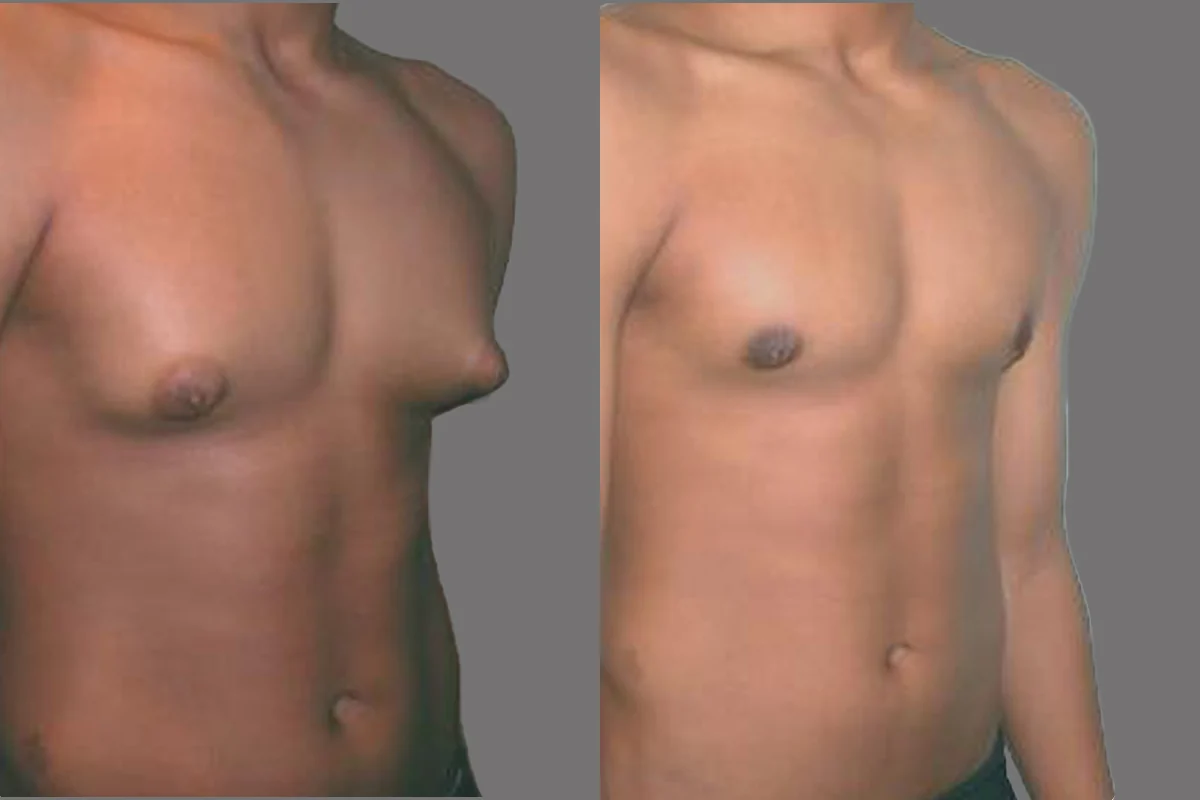
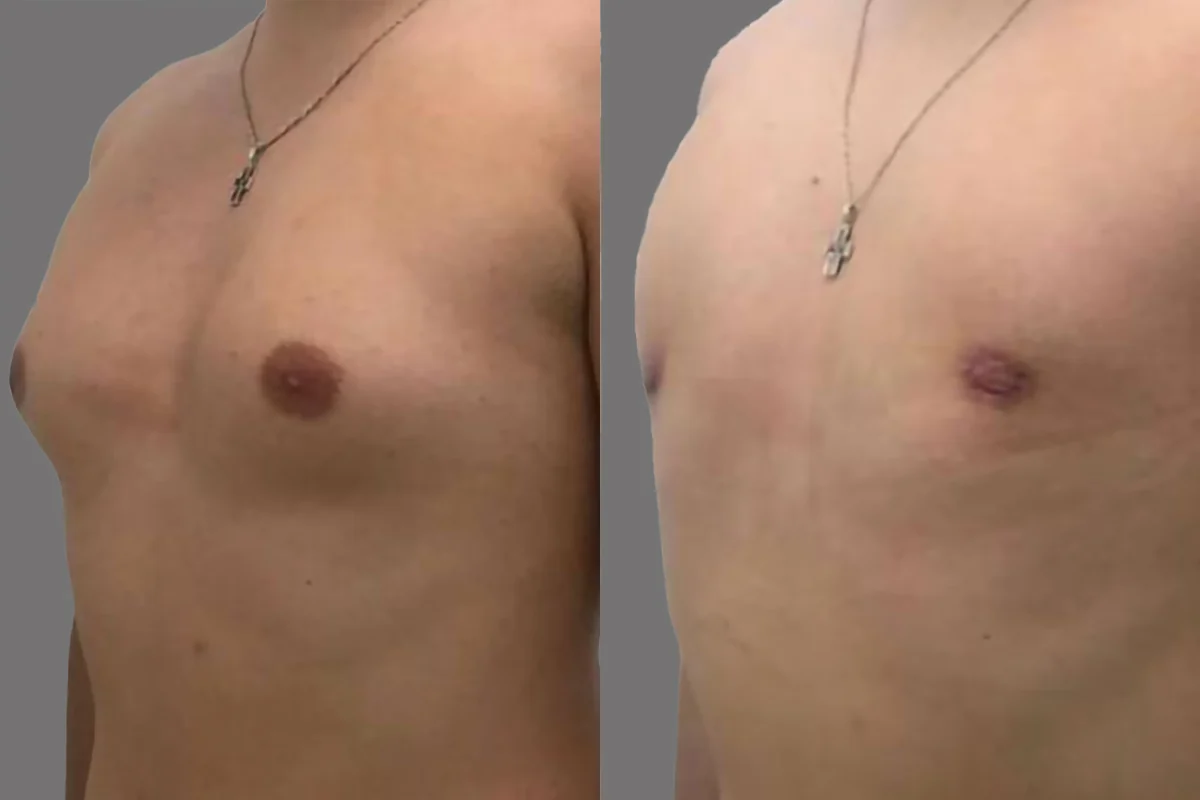
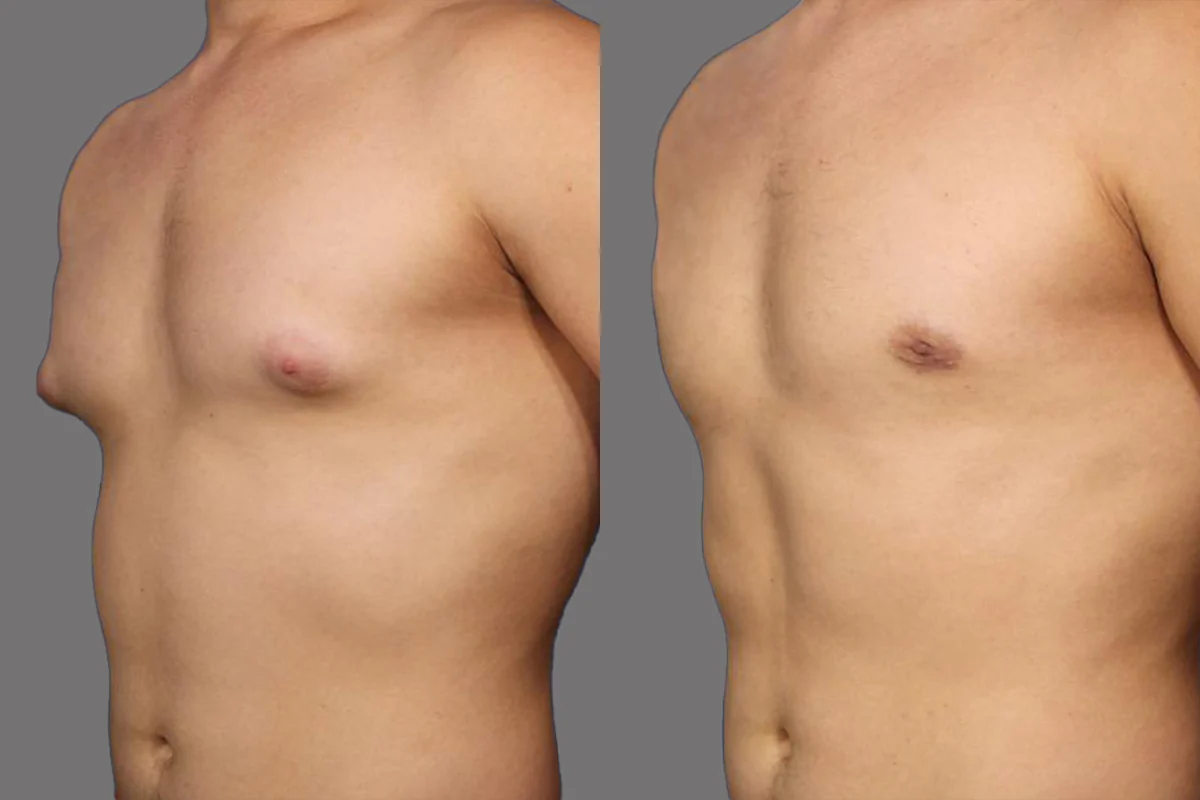
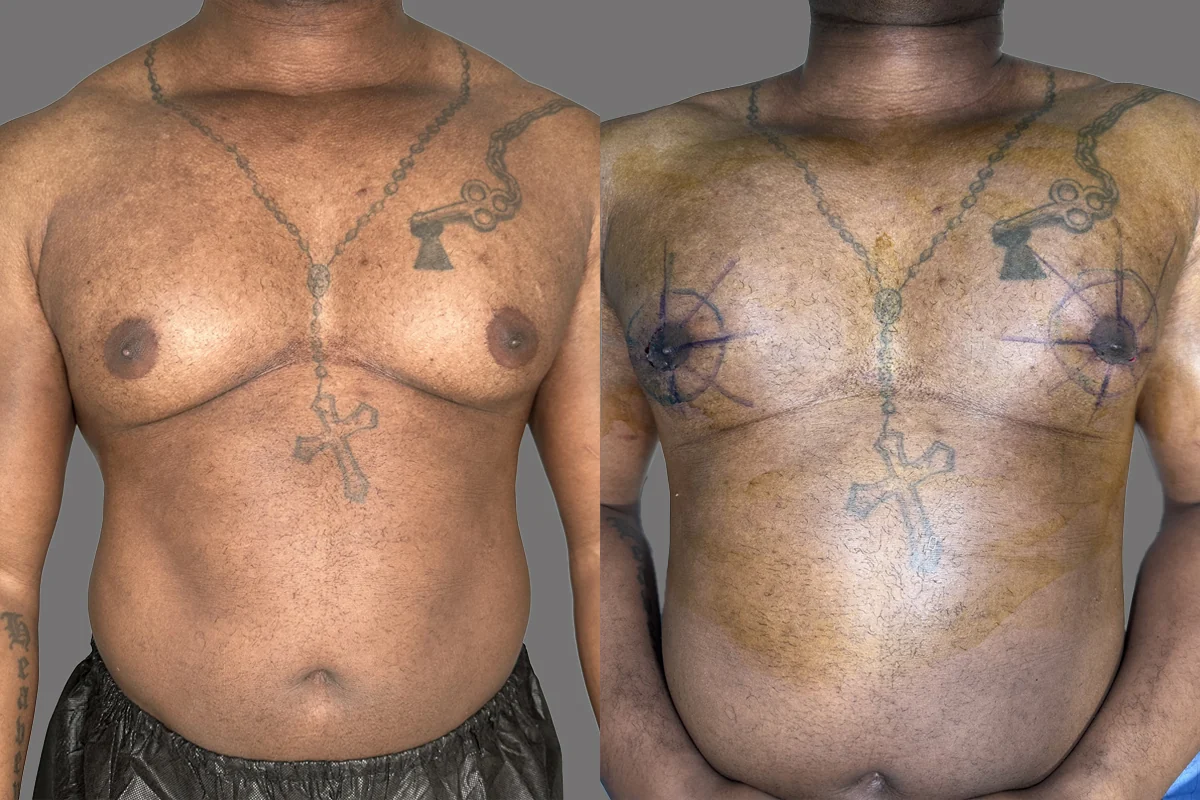
Real patients, published with written consent. Photographs are not retouched or AI-generated. Individual results vary — these images show outcomes for these patients and are not a guarantee of your own.
Try it
Type your height and weight. Your numbers stay on your device. We do not see or save them.
BMI is just one number. Your surgeon also looks at your health and your goals. BMI alone does not decide if you can have surgery.
Candidacy
Gynecomastia plastic surgery is for men whose enlarged breast tissue hasn't budged with diet or exercise and who want a permanent, flatter, more masculine chest.
Enlarged or puffy chest tissue that sticks around no matter how you train.
You've tried treating gynecomastia without surgery, but the firm gland won't shrink, because it isn't fat.
You steer clear of fitted shirts, swimming, or the gym because of your chest.
You're in good health, at a steady weight, and ready to follow the recovery steps.
Seeing how our awake, local-anesthesia approach lines up against standard gynecomastia surgery on anesthesia, safety, and recovery helps you choose with your eyes open.
| Technique | Liposuction plus targeted gland removal. | Often gland excision through wider cuts. |
|---|---|---|
| Anesthesia | Local anesthesia, and you stay awake. | Most often general anesthesia. |
| Scarring | Small, discreetly placed incisions. | Can be longer. |
| Safety | Can help lower some risks that come with general anesthesia. | Higher anesthesia risk. |
| Recovery | Faster, with less fatigue afterward. | Longer and harder to get through. |
Your journey
6 Steps to a Flat Chest.
Meet the surgical team, talk through your goals, and get an honest read on whether gyno surgery suits you.
Book your procedure and get clear pre-op instructions so you turn up fully ready on the day.
Work through the medical checks that confirm you're a safe candidate, with our team walking you through each one.
Under local anesthesia, the surgeon clears excess chest fat through small incisions while you stay comfortably awake.
The firm glandular tissue comes out and the chest is refined into a flat, even, masculine shape.
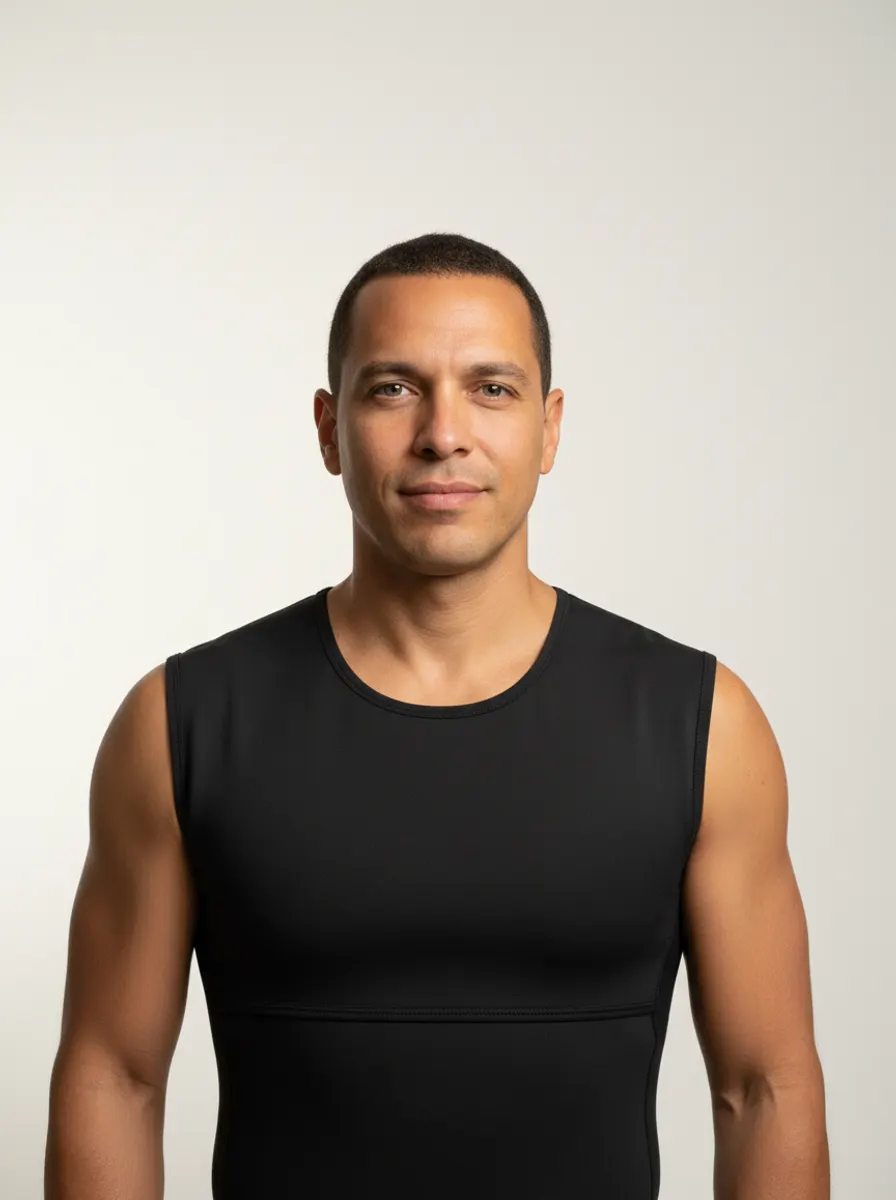
Wear your compression vest as advised and come to your scheduled follow-ups so we can keep an eye on your healing.
Gynecomastia surgery gives men a permanent, flatter chest. The excess gland and fat are gone, the contour is firmer, and fitted clothing stops being something to dread.
A firmer, flatter chest with the puffiness gone.
Once the glandular tissue is out, it doesn't come back.
Fitted shirts, swimwear, and the gym feel fine again.
Small incisions, placed to keep any scarring subtle.
Safety
Full medical screening, careful surgical technique, and local anesthesia keep gynecomastia surgery safe, with a recovery most men find quicker and easier.
Local anesthesia sidesteps the blood-clot risks and other complications tied to general anesthesia.
A thorough medical evaluation confirms you're a safe candidate.
Support before and after: clear instructions, follow-up visits, and easy access to the team.
Our surgeons
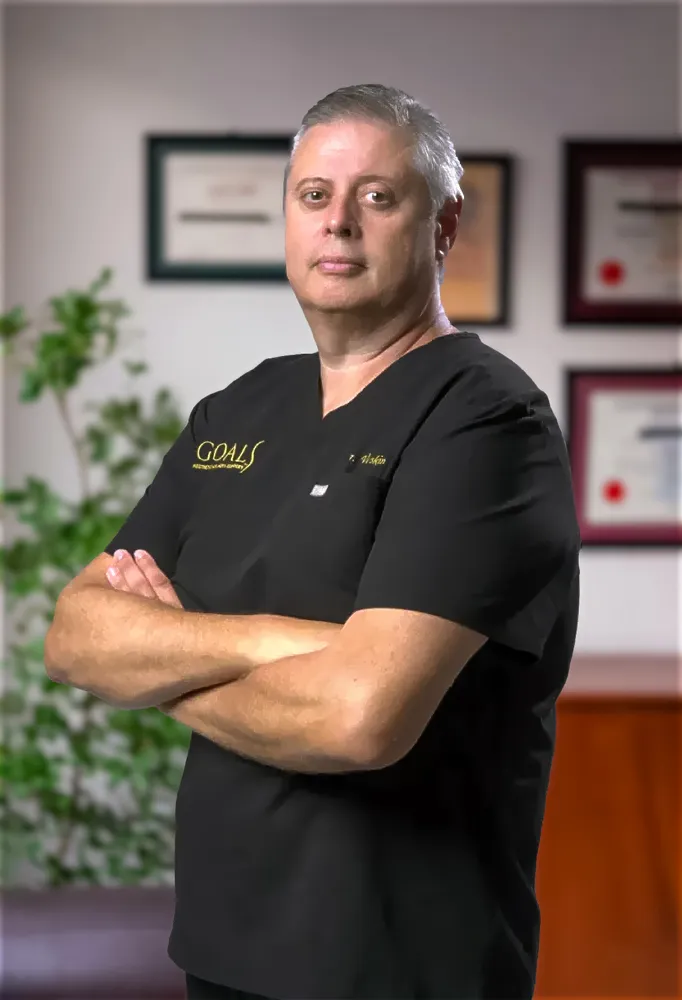
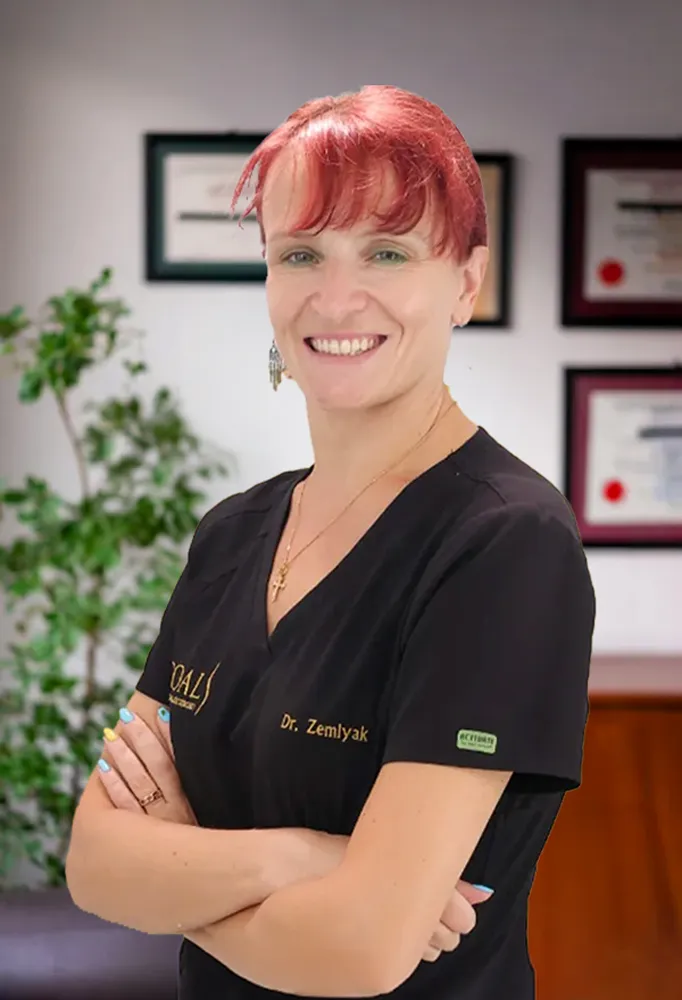
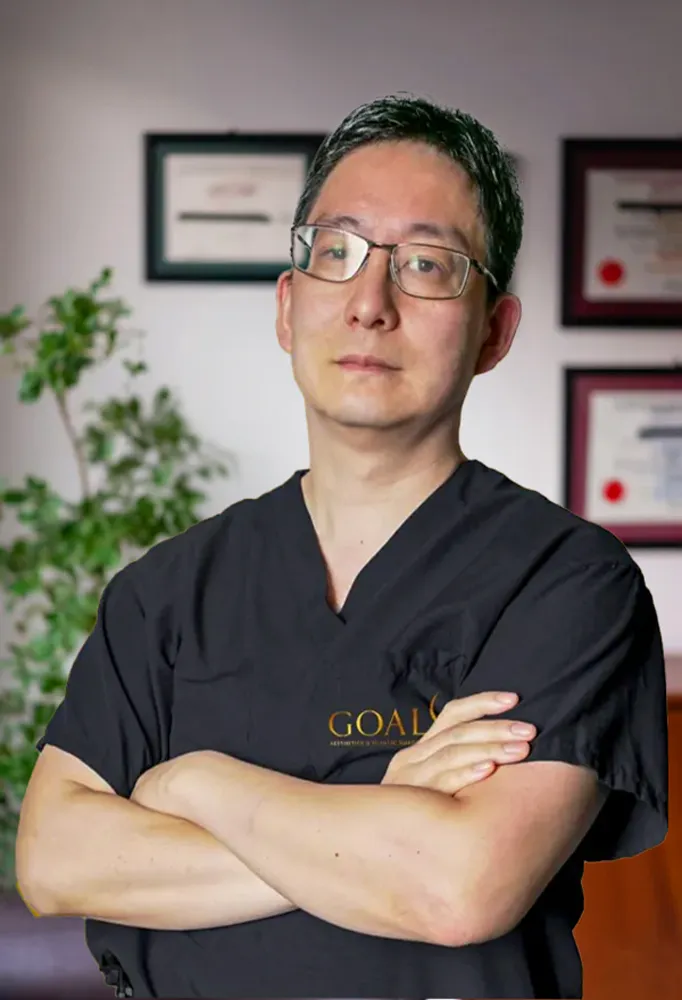
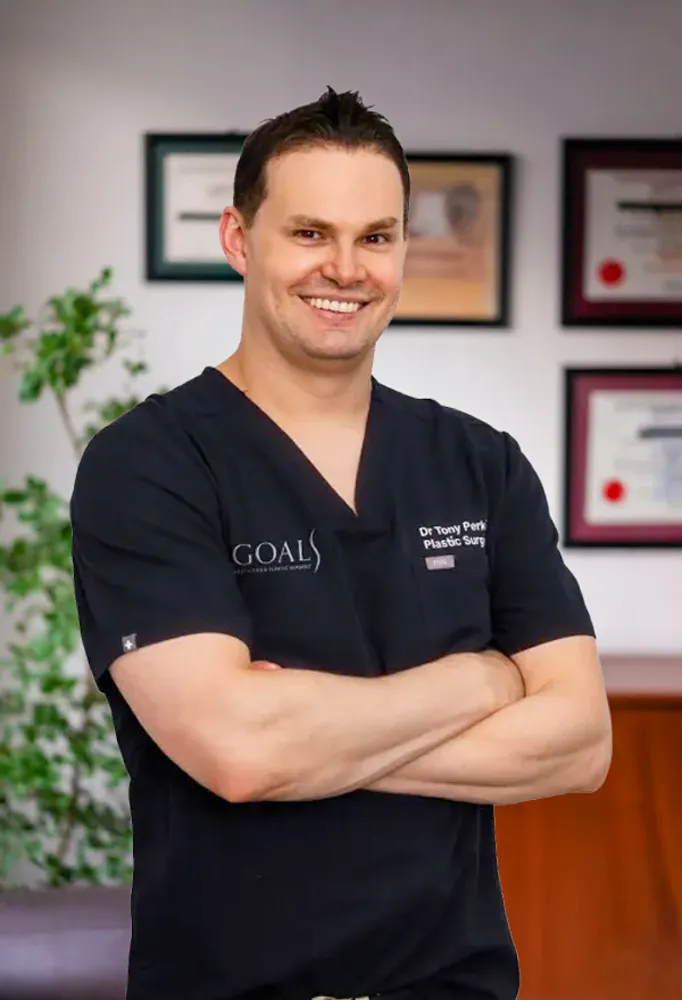
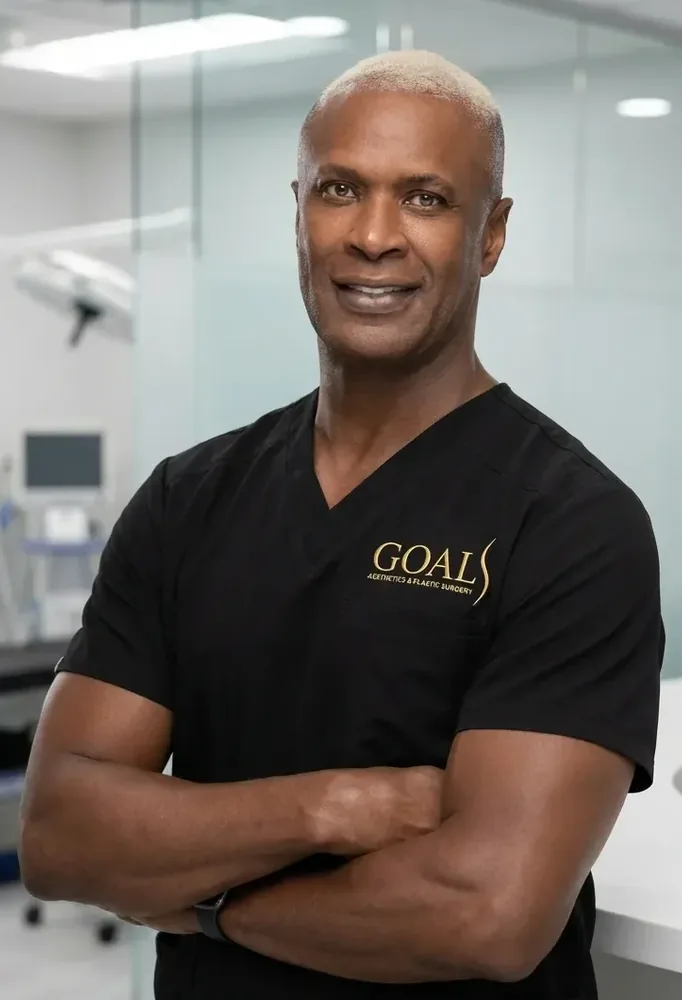
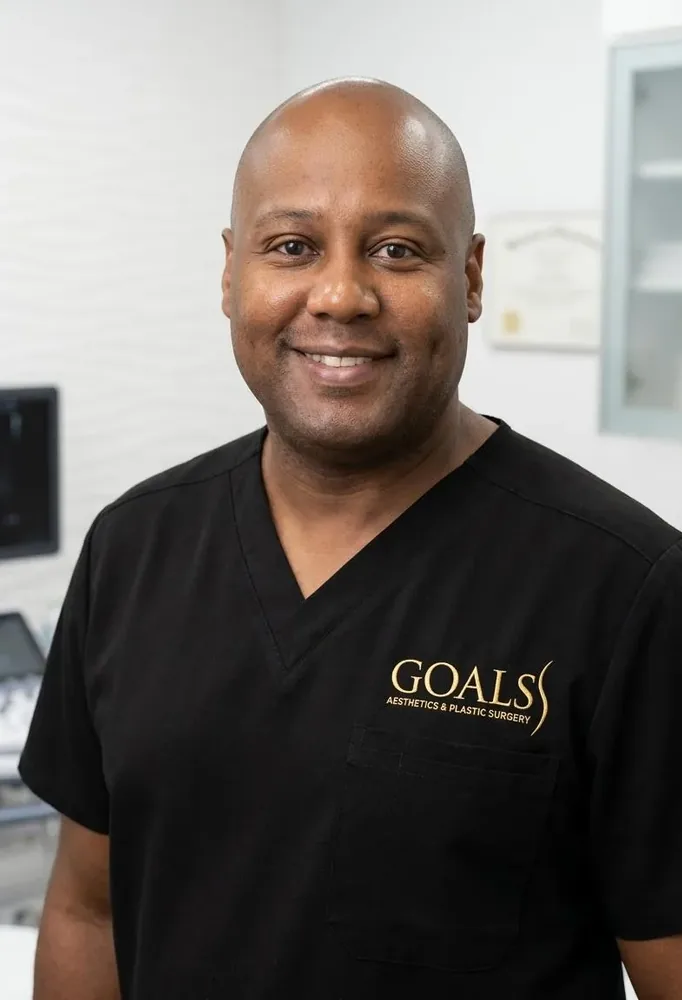
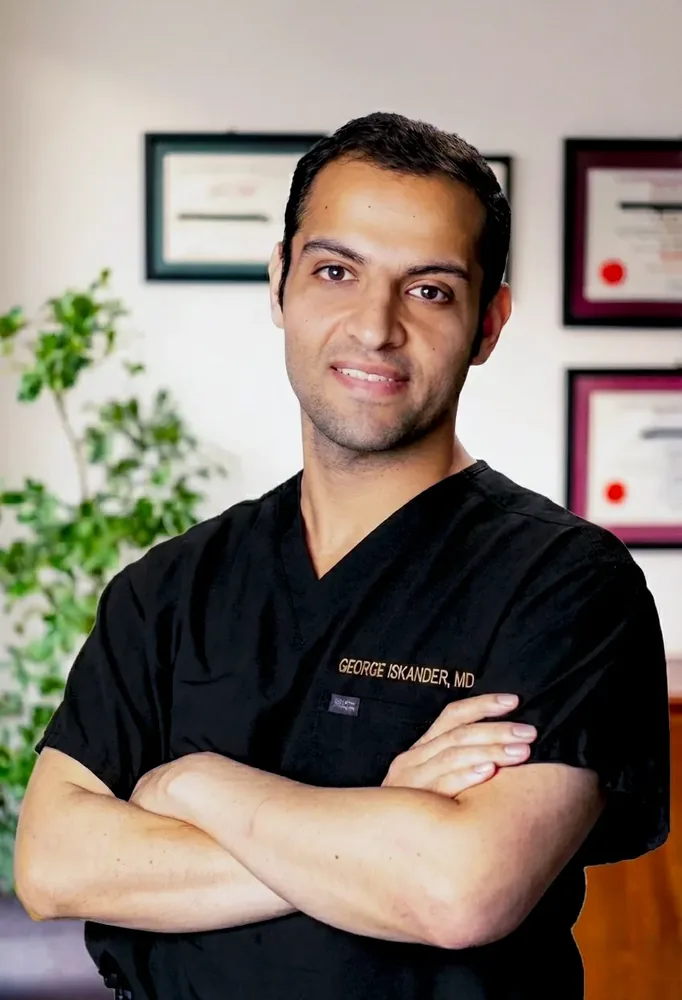
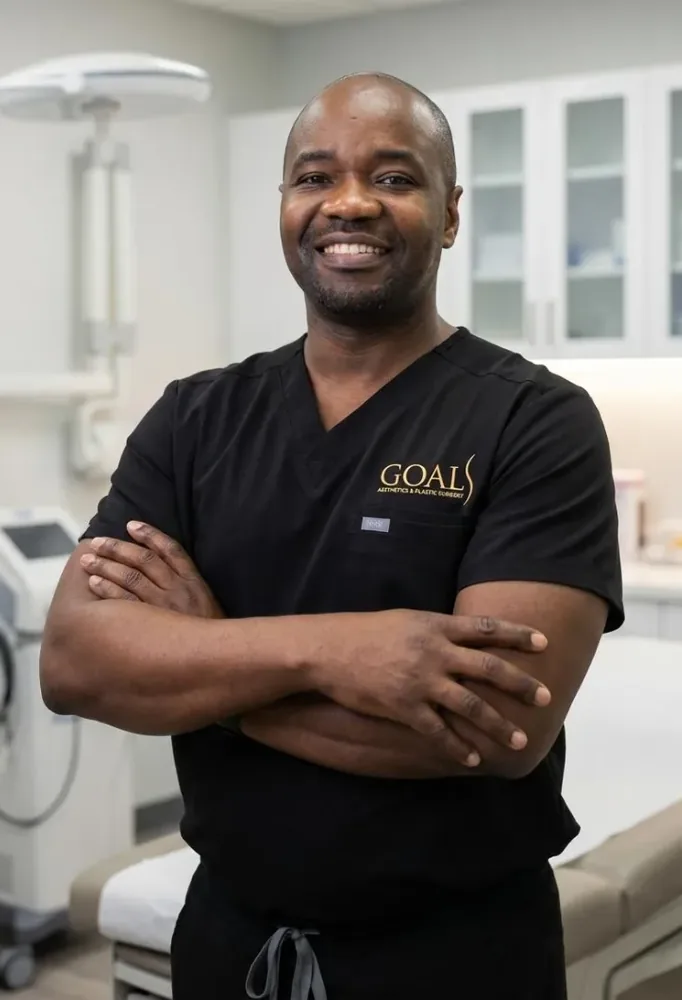
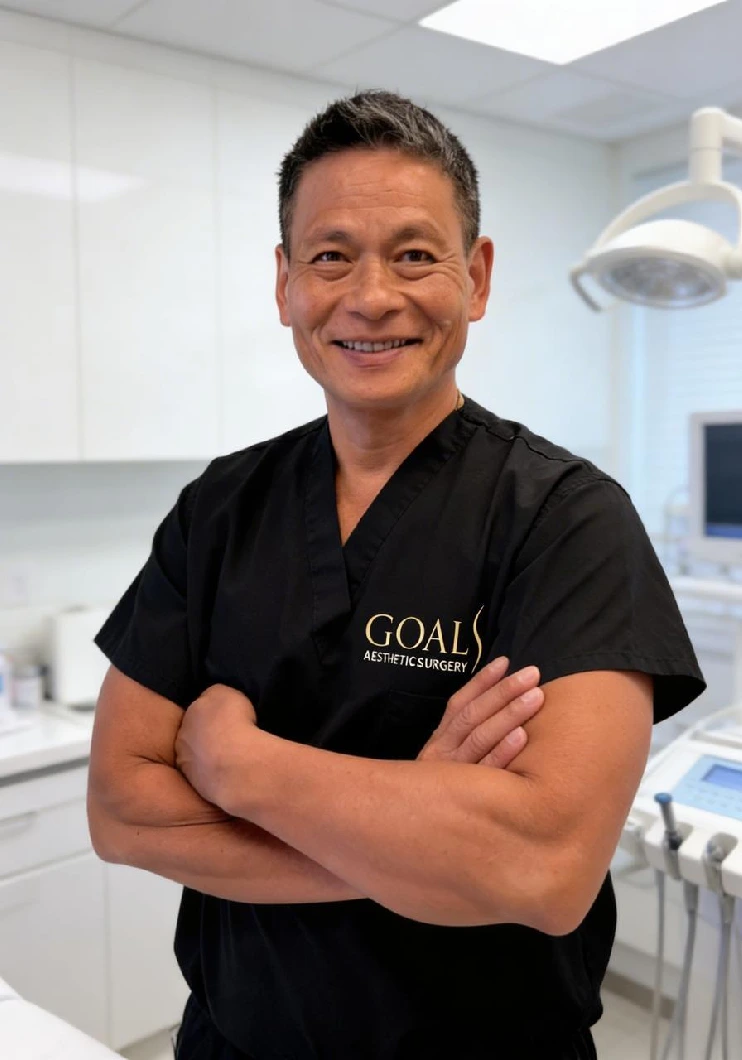
A licensed U.S. male chest team — surgeons.
Each surgeon’s training and licenses are listed on their own page.
Pricing
Gynecomastia surgery at Goals starts from $6,000. The final price depends on tissue volume and chest size, confirmed at the consult and locked in when you book.
Flexible financing, payment plans
Your price locks in at booking, after the consult.
Clear pricing: no hidden fees, every cost spelled out in your contract.
Prices shown are starting prices and depend on the number of areas treated. Final pricing is confirmed at your consultation. Cosmetic procedures are not covered by insurance.
Try it
Pick a procedure to see an estimate. Your numbers stay on your device. We do not see or save them.
This is an estimate, not a quote. It splits the starting price over the months you pick, with no interest. Lenders set your real rate and terms. Your price is confirmed at your consultation.
Gynecomastia Surgery near you
Clinics
FAQ
Gynecomastia surgery at Goals starts from $6,000. The final price hangs on how much glandular tissue and fat have to come out and the size of your chest, so it differs from man to man. You'll get an exact, fixed quote at your consult, and the price locks in when you book.
Whether insurance covers gynecomastia surgery comes down to your plan and whether the condition counts as medically necessary, say if it's causing pain. A lot of cosmetic cases aren't covered. We can go over your situation at the consult and lay out financing options if insurance won't apply.
If the fullness is just excess fat, weight loss and exercise can help. But true gynecomastia is firm glandular tissue, and no amount of dieting or training shrinks that. In that case surgery is the only dependable way to remove it. A consult can tell you which one you've got.
Most men are back at a desk in about a week and to full activity in four to six weeks, wearing a compression vest as advised. Scarring stays minimal: the incisions are small and tucked away, often near the edge of the nipple, and they fade a lot over the months after.
Once the glandular tissue is surgically removed, it doesn't grow back under normal circumstances, so the results count as permanent. Gynecomastia can come back if a big weight gain, certain medications, or steroids drive it. Holding a steady weight and steering clear of those triggers protects your result.
Learn more
Gynecomastia is the medical name for enlarged breast tissue in men. It's common and shows up at every age, from teenagers to older adults. It can be excess glandular tissue, excess fat, or some of both. In most cases there's no serious health risk, but it can really weigh on confidence, on what a man feels comfortable wearing, and on whether he'll join in on things like swimming or the gym.
It helps to separate true gynecomastia from pseudogynecomastia. True gynecomastia is firm glandular tissue under the nipple. Pseudogynecomastia is chest fullness that's mostly fat. The difference matters because it changes how you treat it. Gynecomastia plastic surgery targets the glandular part that diet and exercise can't shift.
The causes run all over the place. Hormone shifts during puberty set it off often, and in plenty of teenagers it settles on its own within a couple of years. In adults, the usual suspects are certain medications, anabolic steroids, a big weight change, and the natural hormonal shifts of getting older. A lot of the time you can't pin it on any one thing. Whatever started it, the practical question is the same for most men: it hasn't gone away by itself, and they want to know what can be done.
Plenty of men spend years trying to treat gynecomastia without surgery through training and weight loss. When the fullness is fat, that can genuinely help. But true gynecomastia is glandular tissue, firm and fibrous, and it doesn't melt away with fat loss the way regular body fat does.
This is where a lot of frustration comes from. A man can get very lean and still have a visibly puffy or prominent chest, because the gland is still there. Figuring this out early saves time: a consult can tell you whether your fullness is fat, gland, or both, and so whether surgery is really the route to what you want.
No medication or supplement has been reliably shown to clear established glandular tissue in adults. If a hormone imbalance or a particular drug turns out to be the cause, dealing with that can help in some cases, especially early. But once the gland is well set, it tends to stay put. That's not a man failing to try hard enough; it's just the biology of the tissue. For someone in that spot, surgery is the direct, dependable fix, and realizing that often comes as a relief after years of trying everything else.
Men gynecomastia surgery at Goals uses two techniques together. Liposuction clears excess fat from the chest and the area around it through small incisions. Then direct excision takes out the firm gland that liposuction can't, usually through a small cut at the edge of the areola, where any scar hides best.
Using both is what gets you a genuinely flat, masculine contour. Liposuction on its own leaves the gland behind; excision on its own ignores the surrounding fat. The surgeon shapes the chest so the line from chest to sides looks natural, then closes with fine sutures placed to keep scarring discreet.
Paying attention to the natural shape of the male chest is what separates a good result from a merely smaller one. The surgeon doesn't just remove tissue; they sculpt, blending the treated area into the surrounding chest and flank so there are no flat patches or hard edges. A little fat is often left on purpose, so the contour looks natural rather than hollow. The goal is a chest that looks like it was always that way, not one that looks operated on. The nipple and areola get looked at too, since taking down the gland beneath them can change how they sit, and a balanced result accounts for that instead of chasing volume alone.
At Goals, gynecomastia surgery is done under local anesthesia, with you awake. That's a real departure from standard surgery, which usually leans on general anesthesia. Skipping the general can help lower some of the risks that come with it, and it can spare you the long grogginess some patients deal with afterward.
Being awake also tends to make the recovery feel easier. Men routinely report less fatigue afterward and a faster return to normal life. It isn't right for absolutely everyone, which is why a medical screening is built into the process, but for most candidates it's the safer, more comfortable way to go.
Being awake for surgery makes some men nervous, which is fair enough. In practice the area is fully numbed, so what you feel is movement and pressure, not pain, and the team talks you through it as they go. A lot of men say it was far less daunting than they'd pictured. No general anesthesia also means no breathing tube and no separate anesthesia recovery, so you're alert, able to eat, and ready to head home not long after it's over.
Good candidates for gynecomastia men surgery are usually in good overall health, at a fairly stable weight, with chest enlargement that's hung on despite diet and exercise. Realistic expectations matter: the goal is a flatter, more masculine chest, and that's something we can reliably deliver.
If the enlargement is recent, or you're very young, you may be told to wait, since gynecomastia that shows up in adolescence sometimes clears on its own. A lot of ongoing weight swing is worth steadying first too. The consult is the place to nail down timing, because operating at the right moment is what protects the result.
It also helps to be a non-smoker, or to quit well before and after, since smoking gets in the way of healing. You should be ready to wear a compression vest for several weeks and to take things a little easy while you recover. None of that is unusual, and most men clear it without trouble. The consult just confirms the timing and the circumstances are right, so the surgery gets done once and done well.
It starts with a consultation, online or in clinic, where the team looks over your chest and confirms whether surgery makes sense. If you go ahead, you book a date and get clear pre-op instructions. A medical screening then confirms you're a safe candidate.
On the day, the liposuction and gland removal happen under local anesthesia. It usually takes a couple of hours, and because you're awake, there's no general-anesthesia recovery to get through. You head home the same day with a compression vest and detailed aftercare instructions.
Aftercare doesn't stop at the day itself. You'll have follow-up contact with the team to check healing is on track, and a chance to bring up anything that comes up. Knowing the whole path ahead of time, from that first consult to the final follow-up, takes a lot of the uncertainty out of the decision. Most men find the process simpler and better supported than they'd expected when they first started looking.
Recovery is usually quicker than men expect. Most are back at desk work in about a week and to full activity, exercise included, in four to six weeks. You wear a compression vest for a set stretch to support healing and help the skin settle smoothly against the new contour.
Worry about a scar gynecomastia surgery might leave behind is common and fair. In practice the incisions are small and tucked away, often at the edge of the areola. They're usually red at first and fade a lot over the following months. Following the aftercare, sun protection included, helps the scars mature well.
Some swelling and bruising in the first weeks is normal and says nothing about the final result. The chest keeps refining as the swelling goes down, and the true contour shows itself over a few months. Patience through this stretch pays off. The compression vest does real work here, helping the tissue heal evenly, so wearing it as told is one of the easiest ways to protect the result you had the surgery for.
Gland tissue that has been taken out does not regrow in the ordinary course of things, which is why the result holds rather than needing topping up. That is the reason most men choose surgery over repeating a non-surgical treatment indefinitely.
A few exceptions are worth knowing. A big weight gain can put fat back on the chest, and certain medications or anabolic steroids can kick off new glandular growth. Holding a steady weight and avoiding those triggers protects the outcome. For most men who keep an eye on those things, the result lasts indefinitely.
That permanence is a real edge over non-surgical approaches, which at best manage the look for a while and at worst do nothing for true glandular tissue. For a man who's lived with this for years, knowing one well-done procedure can settle it for good is often what tips the decision. The honest expectation is simple: keep your weight reasonably steady and avoid the known triggers, and the chest you see once you've healed is the chest you keep. That durability also makes the cost easier to weigh, since it's a one-time outlay rather than a running expense.
The gynecomastia surgery cost at Goals starts from $6,000. The final figure depends on how much glandular tissue and fat have to come out and the size of your chest, so we confirm it individually at the consult and lock it in when you book. You get a clear, itemized quote with no hidden fees.
A common question is whether surgery for gynecomastia is covered by insurance. It depends on your particular plan and whether the condition is judged medically necessary, for instance if it causes pain. A lot of cosmetic cases aren't covered. Financing and payment plans are available through our Financing page if insurance won't apply.
When you compare quotes from different providers, make sure you're comparing like with like. A complete price should cover the surgeon's fee, the facility, anesthesia, the compression vest, and follow-up care. A number that looks low may leave a few of those out, so the real total lands higher. Goals gives you the full, itemized cost up front and fixed at booking, so you can decide on accurate numbers instead of an estimate that drifts later.
Some men handle the chest as part of a bigger body-contouring plan. FlexSculpt liposuction can slim the flanks and abdomen so the upper body looks balanced, and a Tummy Tuck can tighten the midsection for men who also carry loose belly skin. Each one is its own decision, with its own cost and recovery.
If enlarged breast tissue has chipped away at your confidence, the most useful next move is a consultation. The team will examine your chest, tell you whether the fullness is fat, gland, or both, and give you an honest read with a clear price. You can also read up on our surgeons on the All Surgeons page before you decide.
There's no pressure to decide on the spot. A good consultation hands you the information, the price, and a clear picture of recovery, then leaves the call to you. A lot of men describe plain relief at finally getting a straight answer after years of not knowing. Whether you go ahead now, later, or not at all, getting a proper handle on your options is worth doing, and it costs nothing to ask.
Get started
Take the first step toward your goals. Book your free consultation today and discover how Goals can transform your confidence.
Prefer to talk now? (833) 462-5769
Free · No obligation
Tell us how to reach you. A patient coordinator calls you back — usually the same day.
Free · No obligation
Ask me anything. I usually reply straight away.
If you share your number, a Goals coordinator may call or text you about your consultation. Message and data rates may apply.
Nora is an automated chat. She cannot give medical advice or say whether a procedure suits you.