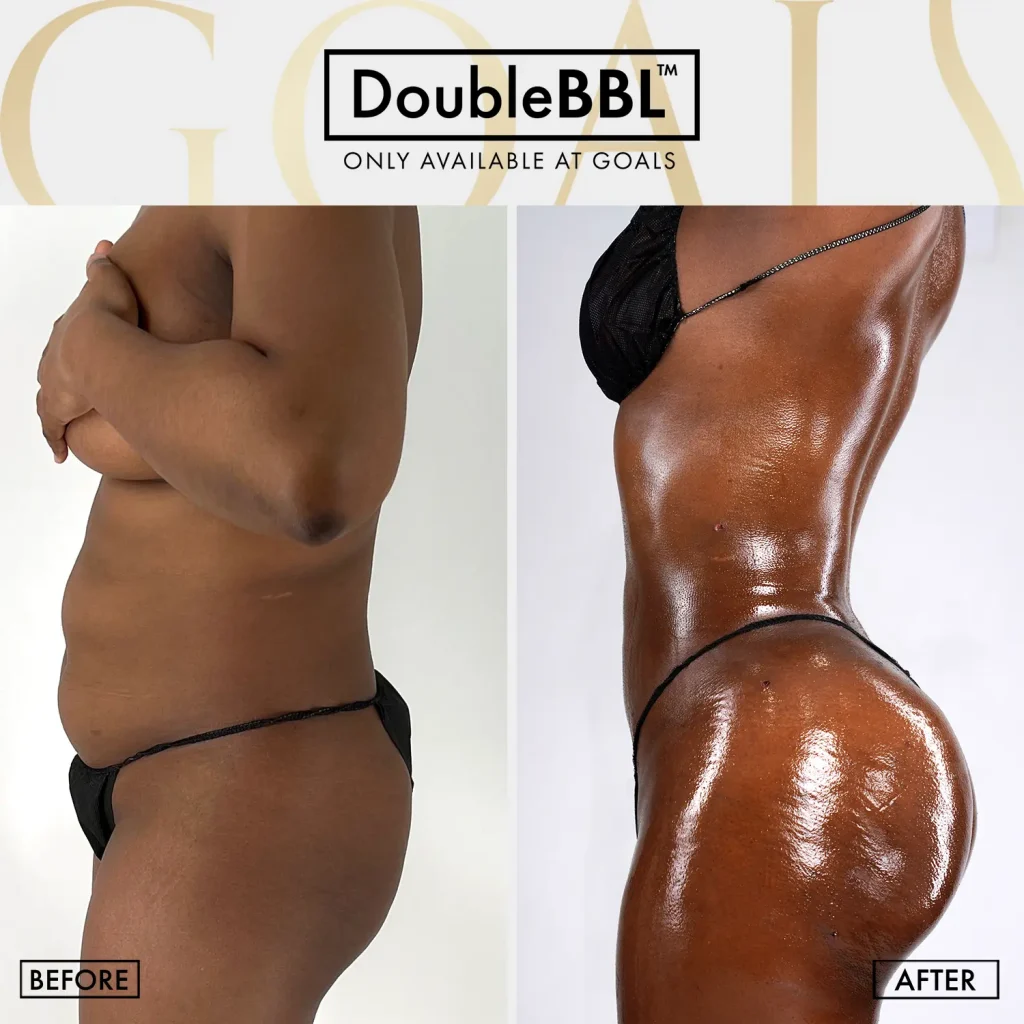
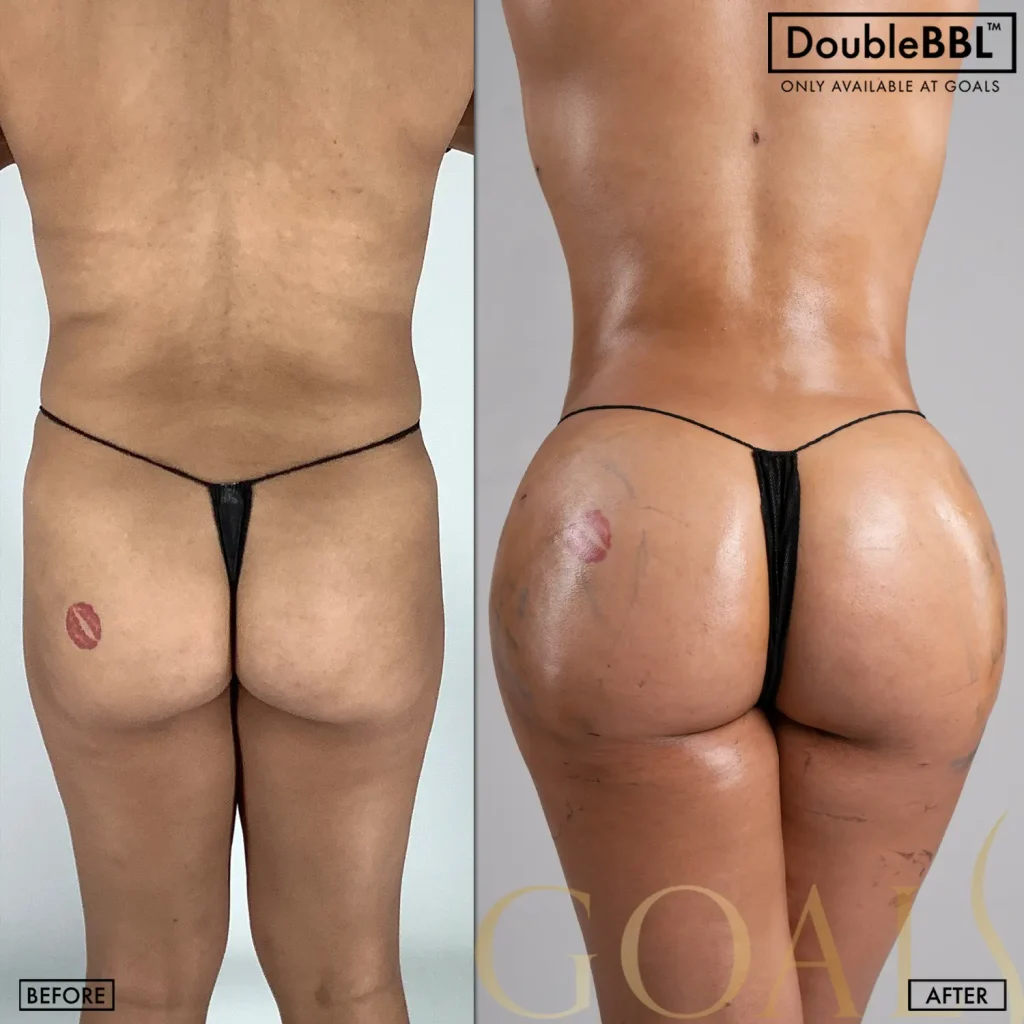
Body Contouring & BBL
Brazilian Butt Lift, BBL, fat transfer contouring.
Goals Aesthetics
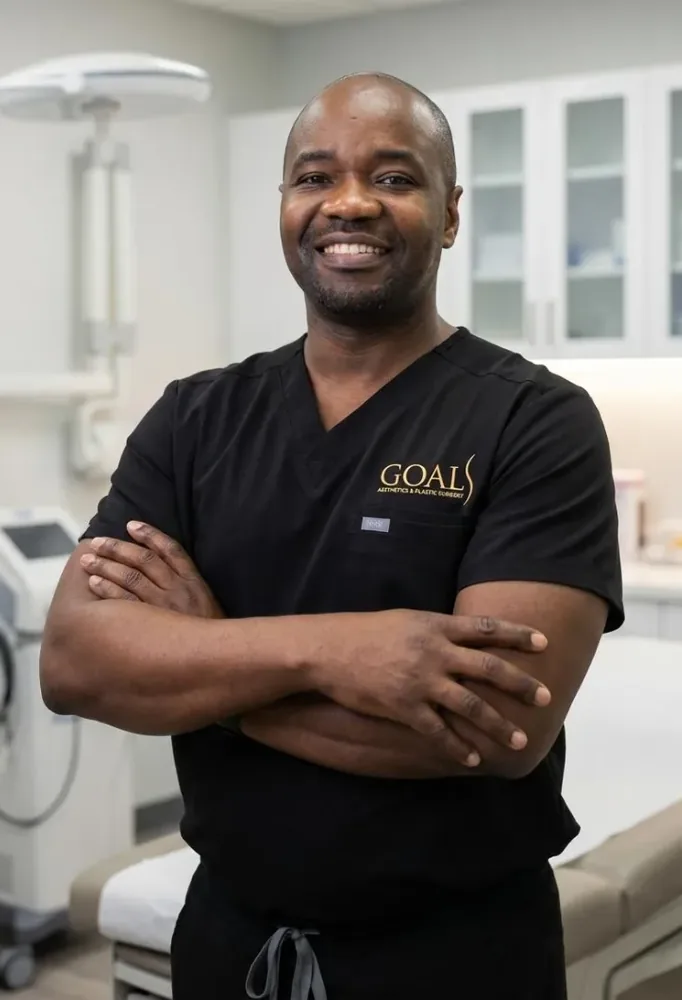
Dr. Patrick Narh-Martey trained at Dartmouth Hitchcock and helped bring robotic surgery to his part of Georgia. General and aesthetic work, and a bedside manner his patients write about.
15+
Years in practice
2011
Qualified since
Atlanta, Georgia
Goals locations
Dr. Patrick Narh-Martey earned his medical degree from Northeast Ohio University College of Medicine and completed his surgical residency at Dartmouth Hitchcock Medical Center. He is certified in general surgery and a Fellow of the American College of Surgeons, with fifteen years in practice and a record of introducing robotic surgery in Georgia. He works across general and aesthetic procedures.
Brazilian Butt Lift, BBL, fat transfer contouring.
FlexSculpt and Lipo 360, minimally invasive and under local anesthesia.
Chin and neck contouring, jawline definition.
Augmentation, lift.
Gynecomastia Surgery.
Tummy Tuck and FlexTuck.
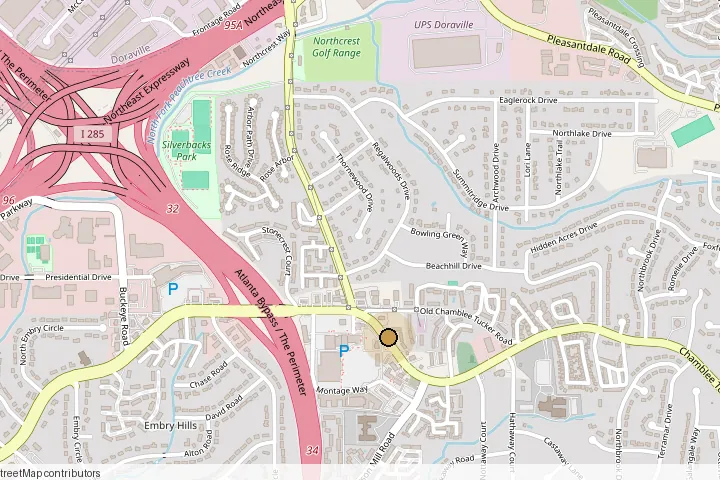
Dr. Patrick Narh-Martey consults and operates at both Goals clinics in Atlanta.
Open in Maps3576 Chamblee Tucker Rd, Atlanta, GA
Open in Maps83 Walton St NW, Atlanta, GA 30303
Dr. Patrick Narh-Martey is certified in general surgery, holds a Georgia license, and is a Fellow of the American College of Surgeons.
Licensed in Georgia, where he operates for Goals. The licence is public record and verifiable through the state medical board.
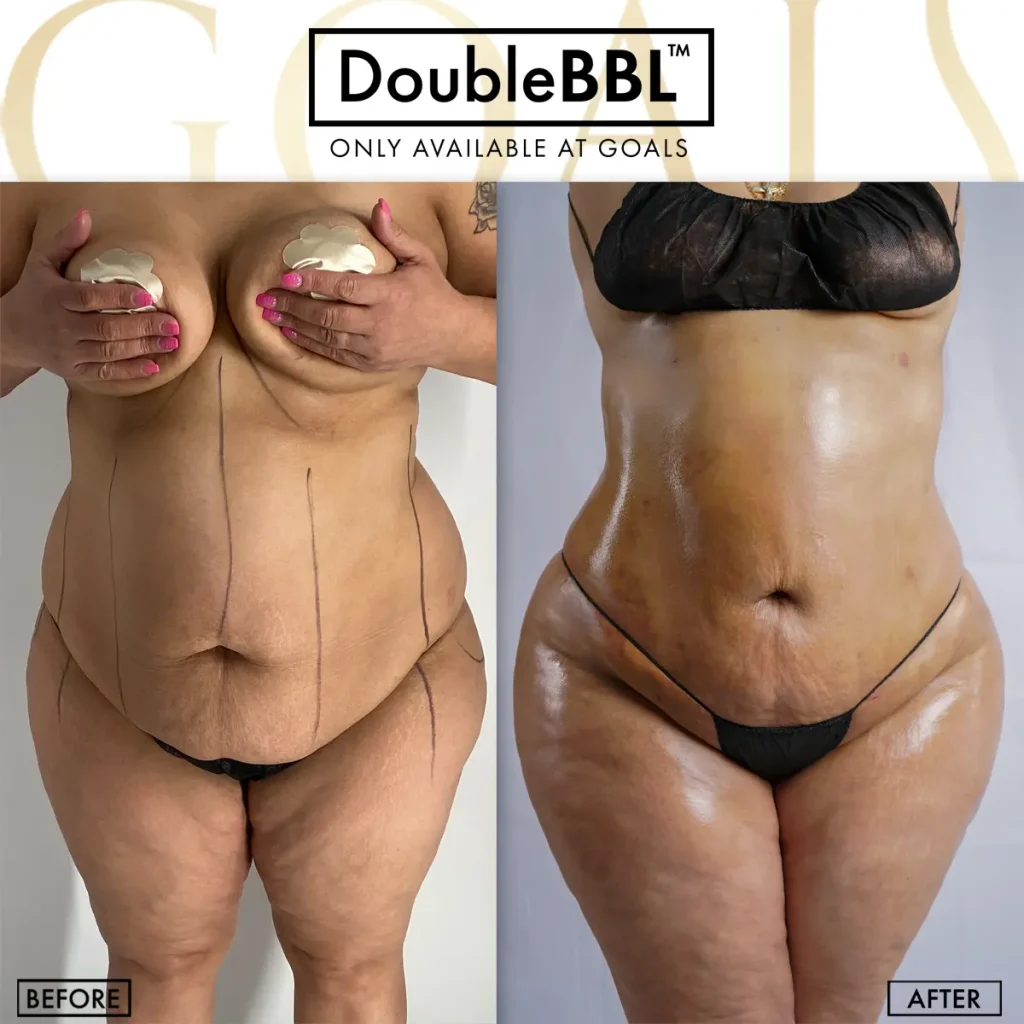
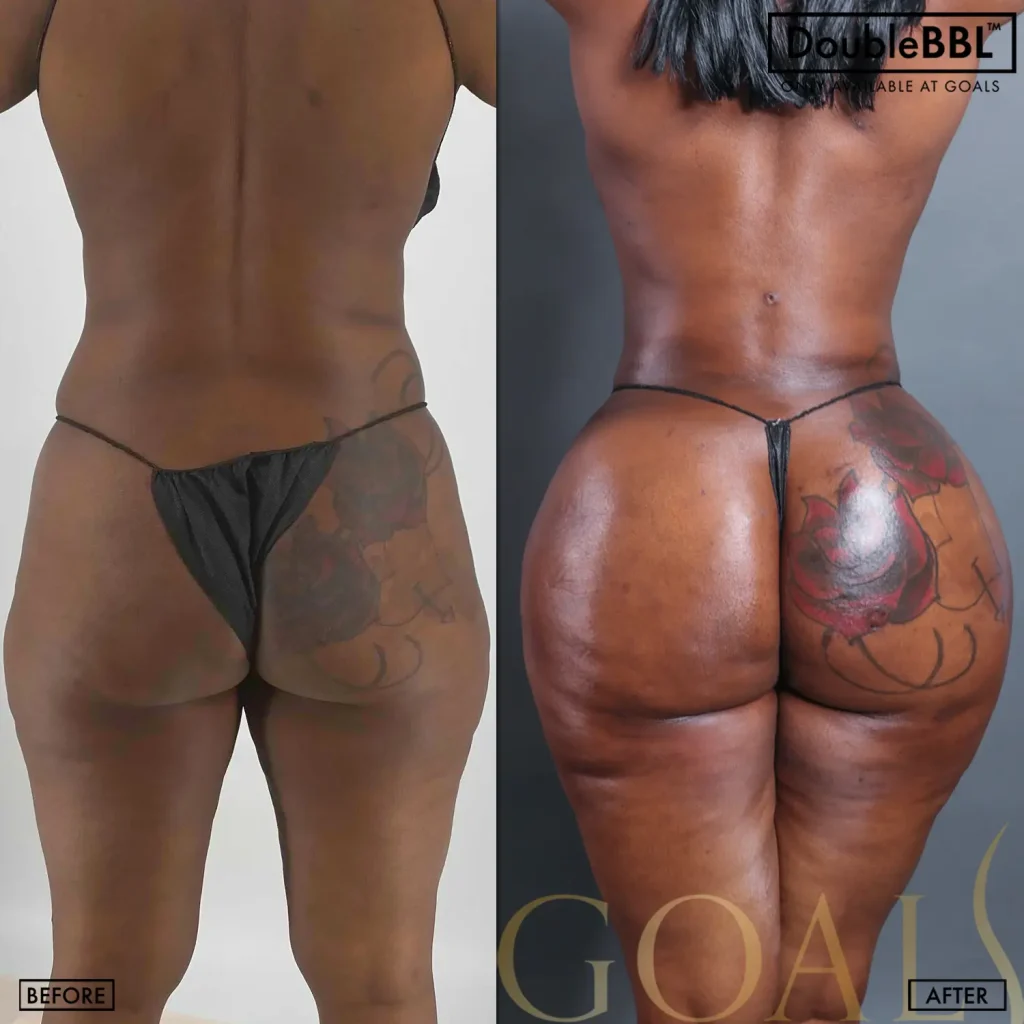
Real Goals patients treated by Dr. Narh-Martey.


Real patients of Goals, published with written consent. Photographs are not retouched or AI-generated. Individual results vary — these images show outcomes for these patients and are not a guarantee of your own.
Work it out
Runs in your browser. Nothing is sent to us and nothing is saved — a height and a weight are your business.
BMI is one measure among several and it says nothing about how you are built. Surgeons weigh it alongside your health and your goals; it does not decide anything on its own.
“He explained the whole thing until I actually understood it, not until he had finished saying it. I have seen a lot of doctors and almost none of them do that. Kindest man I have dealt with.”
“I had Lipo 360 with a BBL. He was patient with every question and appropriately funny at the right moments, which sounds like nothing and made the whole day much easier.”
“I woke up with far less pain than I had braced for. He had told me beforehand that the technique was chosen for exactly that reason, and it turned out to be true.”
“He came to see me before surgery to check for last questions, and my husband got the post-op instructions properly rather than a leaflet. Small things, done right.”
Testimonials reflect individual experiences. Results vary by patient.
Goals describes him as working across both general and aesthetic procedures. On the aesthetic side that means body contouring, the BBL and breast work. Confirm his full list at your consultation.
Fifteen years of deciding who is fit for an operation, including emergencies. None of that reflex retires because an operation is optional, and it shows up in how thoroughly you get worked up first.
Medical degree from Northeast Ohio University College of Medicine, then surgical residency training at Dartmouth Hitchcock Medical Center and at Western Reserve in Ohio.
Smaller access means less tissue disturbed, less pain and a faster return to normal. He helped introduce robotic surgery in his part of Georgia, so the principle is not new to him.
Often yes. Contouring with a BBL is the obvious pairing, since one supplies the fat the other places. Sign-off follows a check of your anatomy against the length of the combined case.
Unhurried, by the account of his patients. The theme running through his reviews is that he explains things until you have understood them, and answers questions rather than deflecting them.
Dr. Patrick Narh-Martey qualified in 2011, trained at Dartmouth Hitchcock, and spent his career in general surgery in Georgia before adding aesthetic work. He helped bring robotic surgery to his part of the state, and his patients write about him in terms most surgeons never earn. He operates at both Goals clinics in Atlanta. What follows is the practical detail people ask before booking.
Dr. Patrick Narh-Martey earned his medical degree from Northeast Ohio University College of Medicine and completed his surgical residency training at Dartmouth Hitchcock Medical Center and at Western Reserve. He is certified in general surgery and a Fellow of the American College of Surgeons, and he has been in practice since 2011.
Most of that career has been general surgery in Georgia, with hospital staff appointments across the state. General surgery is the specialty that handles the abdomen, the hernias, the gallbladders and the emergencies, and it is where surgeons learn to judge who can safely be operated on and who cannot.
He has also been part of introducing robotic surgery in his region. His patients describe robotic hernia repairs, and the appeal of the approach is the same one that underpins the work Goals does: smaller access, less tissue disturbed, less pain, faster return to normal life.
The thing that stands out most in his record, though, is not technical. Across several independent review sites his patients use the same words, kind, patient, caring and trustworthy, and describe him explaining a diagnosis until they had genuinely understood it. That is unusually consistent feedback, and for a surgery you are choosing rather than needing, it matters. He sees Goals patients at both Atlanta clinics.
One practical note worth raising at your consultation: his established general surgery practice is in Middle Georgia rather than in Atlanta itself. Ask which clinic he operates from on which days, and where your follow-up appointments will be, so the year after surgery is planned rather than improvised.
His certification is in general surgery and he is a Fellow of the American College of Surgeons. Both are checkable and both mean something specific. General surgery certification covers the abdomen, the soft tissues and the emergency work that sits behind them, which is the foundation most body contouring is built on rather than a substitute for it.
Licensure is separate and quicker to confirm. Every state board runs a public register listing whether a licence is current, who issued it and any public action on record. Do it yourself for any surgeon on your shortlist rather than taking a website's word. His entry sits alongside the surgical team.
Then ask the question that credentials do not answer. How many of your specific procedure did he do in the past year? A number is the answer you want. An adjective is not a number.
Raise revisions while the question is still hypothetical, including who would carry one out. When, how, at whose expense, and by whom. It is a fair thing to ask and the answer takes a surgeon about a minute.
One more thing his record supports and most do not. He has held hospital staff appointments across Middle Georgia, which means committees other than a certifying board have reviewed his work and granted him privileges. That is a separate organisation checking the same surgeon for its own reasons, and it is worth asking which hospitals if the question interests you.
FlexSculpt and Lipo 360 cover abdomen, flanks and back in one pass instead of zone by zone. Treat them separately and the join shows. A good deal of it happens awake on local anesthesia, which cuts recovery and takes out a whole category of anesthetic risk.
The Brazilian Butt Lift sets its grafts in layers at different depths, which is why the projection outlasts and outsizes a standard BBL. Its material is whatever the contouring side of the same operation removes. Two areas altered on one anesthetic and one recovery.
No graft is retained in full. Some is reabsorbed over the opening months, and whatever lives through that is what your result settles at. Ask for that proportion as a range beforehand rather than hearing it afterwards.
Have him mark you up at a mirror before you agree to anything. A pen on skin communicates more than a figure in litres, and it shows you the areas he intends to leave alone.
For the breast he does augmentation, lift and reduction, along with fat transfer augmentation for anybody wanting a modest increase with no implant involved.
Gynecomastia surgery is chest contouring rather than simple excision, and it rewards a surgeon who treats it that way. Men who have postponed the procedure for years generally want it handled matter-of-factly rather than sympathetically, which suits a general surgeon's manner.
Two abdominal routes exist. The tummy tuck is the operation for pronounced laxity or a separated muscle wall, while FlexTuck where a shorter incision will do. A mommy makeover handles abdomen and breast at one sitting where the clock permits. Separately, arm contouring is there when the arms alone are the concern.
Talk about scarring specifically, whichever route you take. He should show you where the incisions land and describe how they typically look at twelve months. Siting and closure cap how obvious a scar gets, though your genetics and your aftercare carry weight too.
The safe ceiling on operating time is clinical, not a diary preference. Past that ceiling the work is staged across two operations. Have that conversation at the consultation, not on the morning of surgery.
Read enough patient accounts of a surgeon and a pattern usually shows up. His is unusually consistent, and it is not about technique. It is that people leave understanding what is wrong with them and what he intends to do about it.
That sounds soft and it is not. A patient who has genuinely understood the plan follows the aftercare properly, spots a problem early because they know what a problem looks like, and arrives at the six-week appointment with realistic expectations rather than disappointed ones. Comprehension is a clinical variable, and it is one of the few that a surgeon can move.
It also explains what to bring. Come with the question you are embarrassed to ask, because that is usually the one that matters, and expect it to be answered without a fuss being made of it.
There is a test you can run at the end of any consultation, and it costs nothing. Repeat the plan back in your own phrasing and watch whether he agrees with your version of it. If they correct you, you have just found the gap between what was said and what you heard, which is exactly the gap that ruins recoveries. If they cannot be bothered, that tells you something too.
On matching goal to practice, his Goals work is contouring, breast and gynecomastia, at the two Atlanta clinics. A goal beyond that ought to be named in the room, together with a colleague who handles it regularly.
None of this makes him right for every goal. But if you have left medical appointments before unsure what you were actually told, that is the specific problem his patients say they did not have here.
He helped bring robotic surgery to Houston County, Georgia, and his patients describe robotic hernia repairs among the operations he did there. That is worth translating, because the phrase gets used loosely.
Robotic and laparoscopic surgery means reaching the operative site through several short incisions with instruments rather than opening the area. The point is not the machine. It is that less tissue gets cut through to get where the surgeon is going, and tissue not cut through is tissue that does not bleed, does not get infected and does not need to heal. Everything good about minimally invasive technique follows from that single fact.
Goals body work runs on the same principle: awake procedures under local where a case permits, which removes a category of anesthetic risk before anything starts, and ultrasound guidance during fat transfer keeping grafts above the muscle.
Nothing gets a date before screening is back. Bloods, cardiac risk, medications, how you live. A result outside safe limits holds the booking until it is resolved. Every procedure is done inside an accredited U.S. facility, which means an inspector has checked the sterilisation, the emergency equipment, the staffing ratios and the anesthesia monitoring rather than the clinic simply claiming them.
Extra weight makes candidacy a numbers question rather than an opinion. The workup decides whether it is safe now or whether two shorter operations carry less risk than one long one.
The first appointment is an examination and an explanation, in that order. He looks at the area, reads the skin and the donor fat, and sets out what your build will and will not do, usually with the before & after gallery open so the outcome sits on a comparable frame rather than in the abstract. You go home with a written plan and no date attached.
Write down what he tells you about your own anatomy, not just the plan. People remember the procedure and forget the caveats, and the caveats are what explain the result twelve months later.
Then the fortnight that decides most of it. Garments, how you position yourself, activity limits, drainage work, each carrying a physiological reason rather than being ritual. Where a BBL is involved, position determines how much graft survives, which is why it outranks everything else on the list.
Follow-up runs across the first year because contouring keeps settling for months. Swelling leaves unevenly, so an outline that reads crooked at six weeks is commonly level by six months, and nothing gets acted on until the tissue has stopped moving.
Further out the result follows your body rather than staying where surgery left it. A graft carries on behaving like wherever it was lifted from, so a genuine weight swing drags the outcome with it in one direction or the other.
You should see all of it before committing: what the surgeon charges, what the facility, the anesthesia, the garments, and each follow-up visit. Nothing ought to reach an invoice that was absent from that list. No two operations take the same time or carry the same complexity, so the number is assembled for you rather than copied off a card.
Ask what a revision would cost and whose budget it comes from. That line goes missing from quotes more dependably than any other, and it is the one that matters if the situation ever arrives.
Monthly instalments are available through financing partners on a range of terms, and decisions usually come back the same day. Read the contract itself, not the page summarising it. Whatever is currently offered sits on the financing page.
Then price the months rather than the morning: working days lost, the garments, every appointment afterwards, and usually another adult at home through the first week.
And ask the cost questions in the room rather than by email afterwards. On this page more than most, the point is that you leave understanding all of it, and money is part of the plan rather than separate from it.
The training record: a medical degree from Northeast Ohio, a residency at Dartmouth Hitchcock, a second residency at Western Reserve, qualification in 2011, and hospital staff appointments across Middle Georgia. Institutions and dates either survive a search or they do not, and these do.
Three conditions govern candidacy: usable donor fat, skin that behaves once volume goes, and a stable weight. Liposuction is a shape operation. It leaves your weight untouched and will not do the work of losing any. Skin is the variable that decides most cases: fat can be removed, but skin either retracts or it does not. Marked laxity points elsewhere: J-Plasma or an excisional procedure serves better.
Contouring, a BBL, something on the breast. Dr. Narh-Martey will work through your questions until you have the answers. Both Atlanta clinics, no obligation.
Prefer to talk now? (833) 462-5769
Free · No obligation
Tell us how to reach you. A patient coordinator calls you back — usually the same day.