Meet the Surgeons Who Operate on You
at Goals Aesthetics & Plastic Surgery
Licensed surgeons, safety-first from the first screening to the last check-up. More than 100,000 procedures sit behind the hands doing yours.
- Licensed surgeons operating only in accredited U.S. sites.
- 100,000+ cosmetic procedures behind our network.
- Strong in body contouring, breast work and hair restoration.
Cosmetic & Plastic Surgeons People Trust Nationwide
12
Locations Across the U.S.
100,000+
Cosmetic procedures done across our network
10+
Years shaping bodies and faces
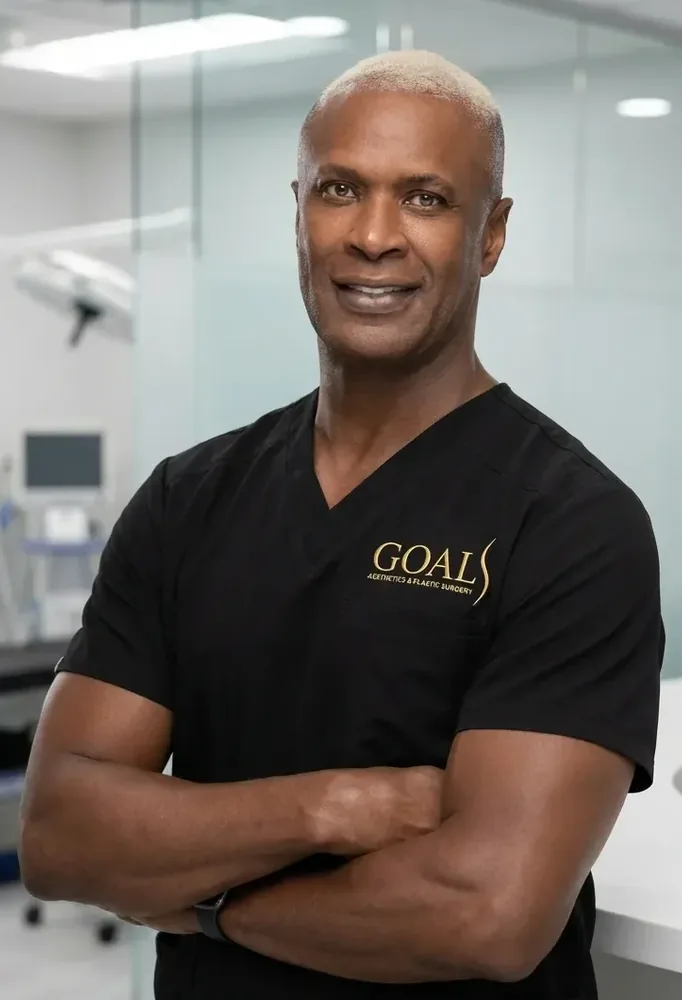
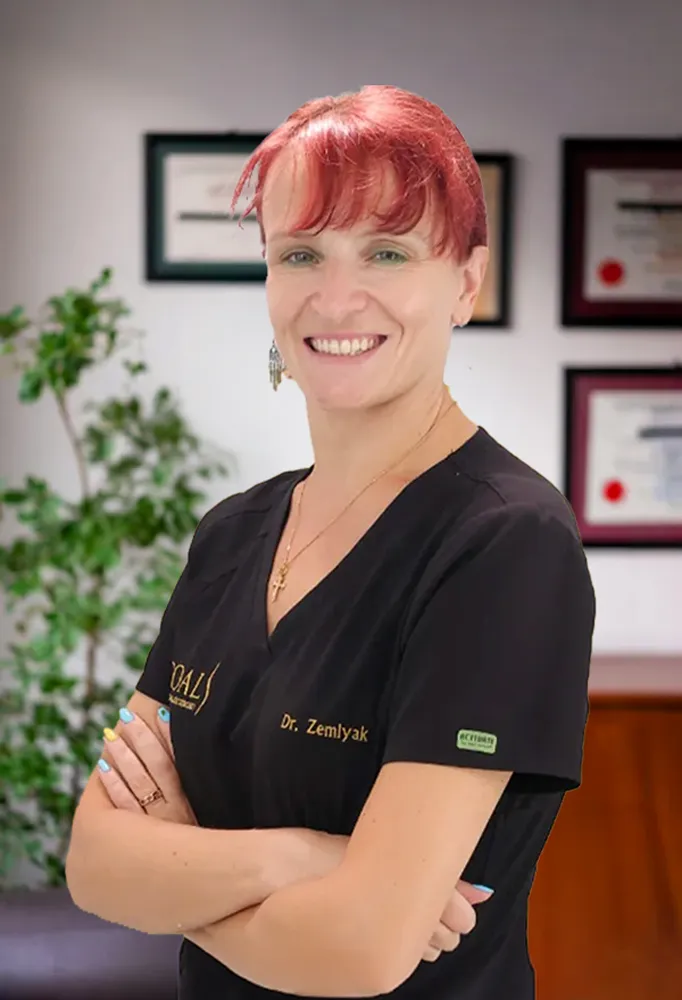
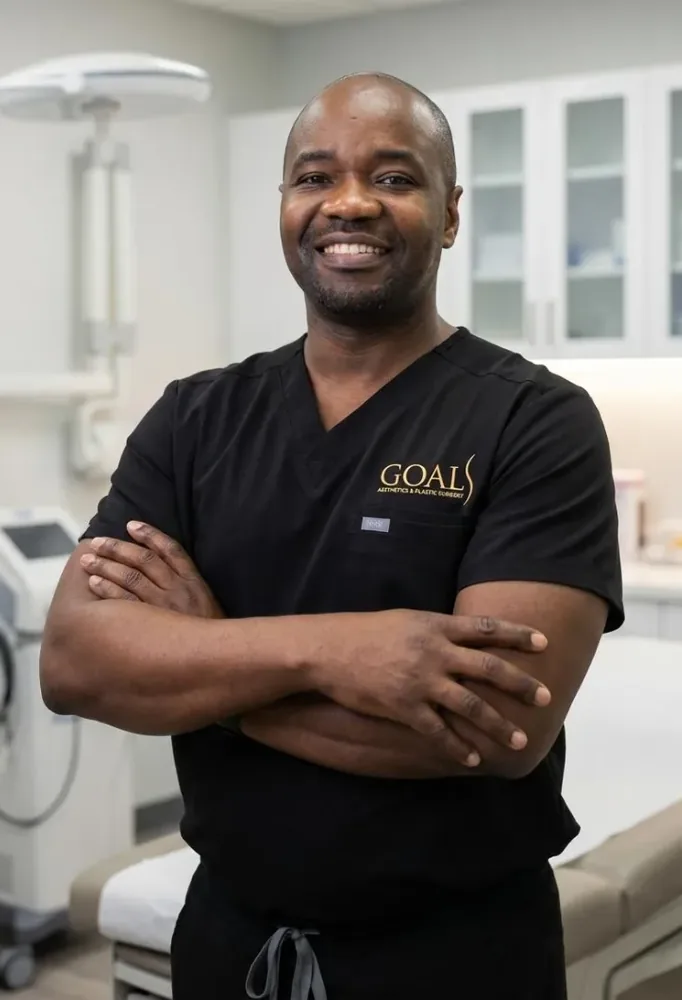
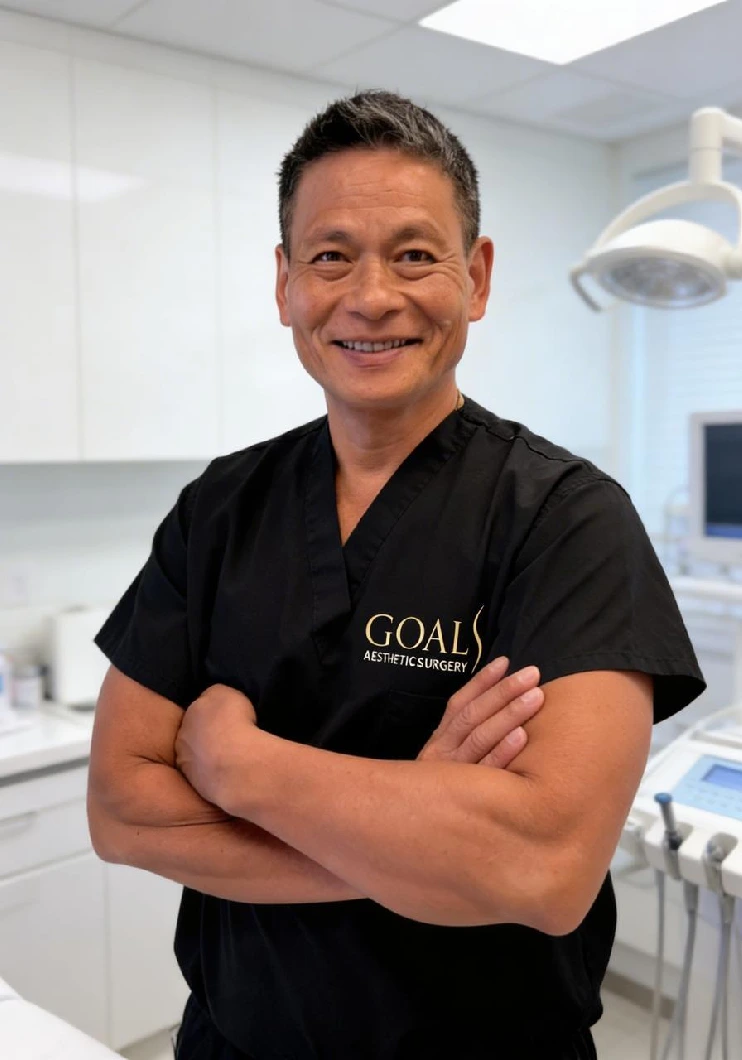
The People Who'll Be Doing Your Surgery
Every case is handled by licensed, credentialed cosmetic and plastic surgeons who work at high volume and follow evidence-based safety steps on all of them.

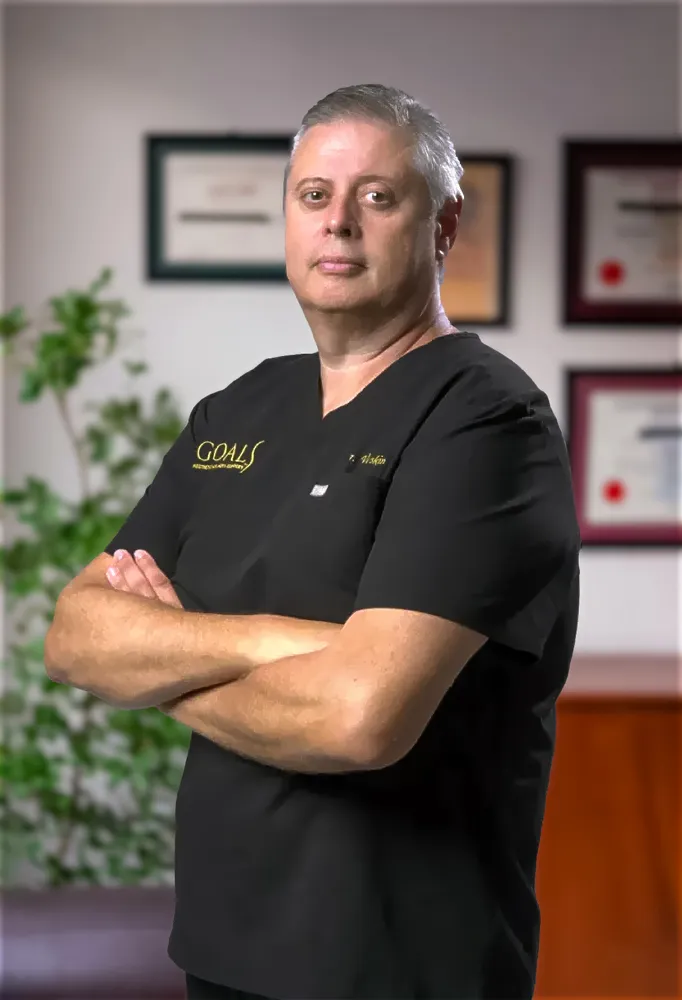
Dr. Sergey Voskin, MD
Founder & Lead Cosmetic Surgeon

Dr. Alla Zemlyak, MD
Licensed & Credentialed Surgeon

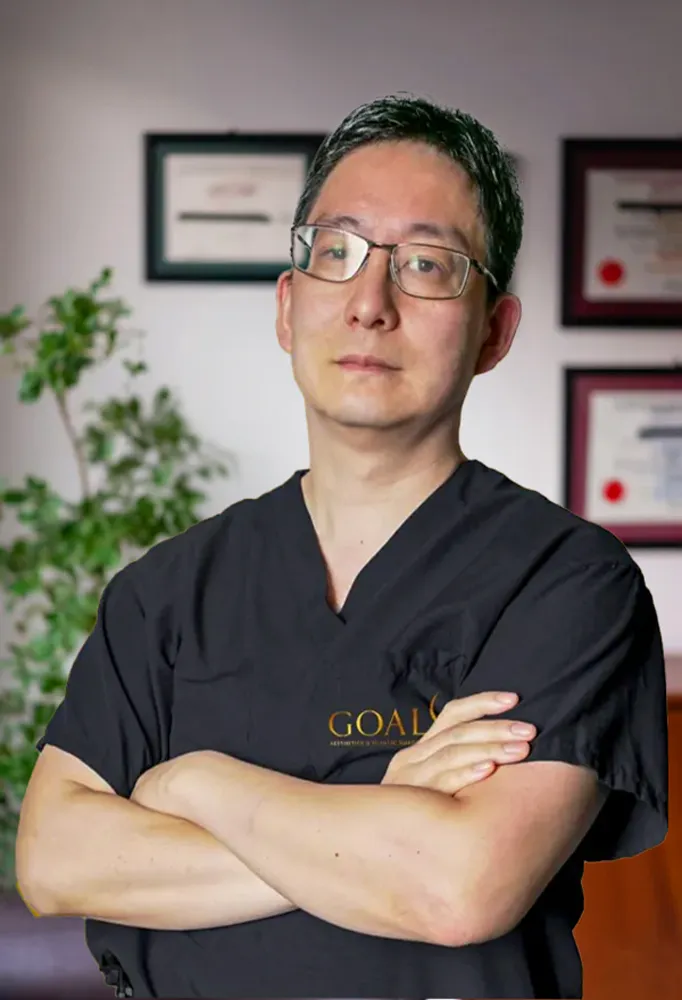
Dr. Andrew Hsu, MD
Credentialed Cosmetic Surgeon

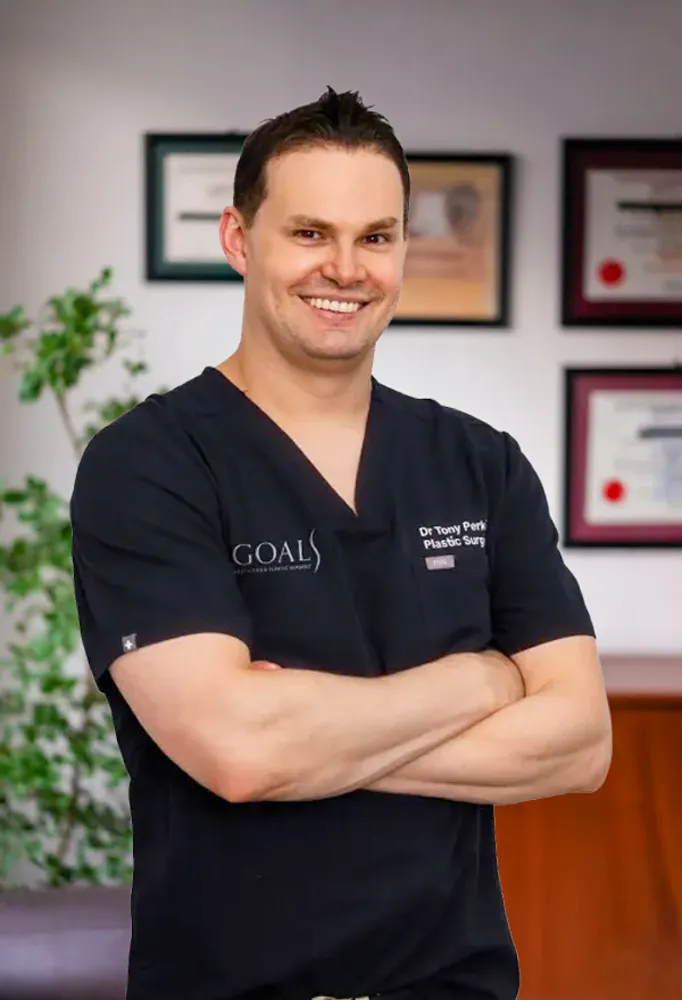
Dr. Anthony Perkins, MD
Fellowship-Trained Cosmetic Surgeon

Dr. Christopher Johnson, MD
Credentialed Cosmetic Surgeon

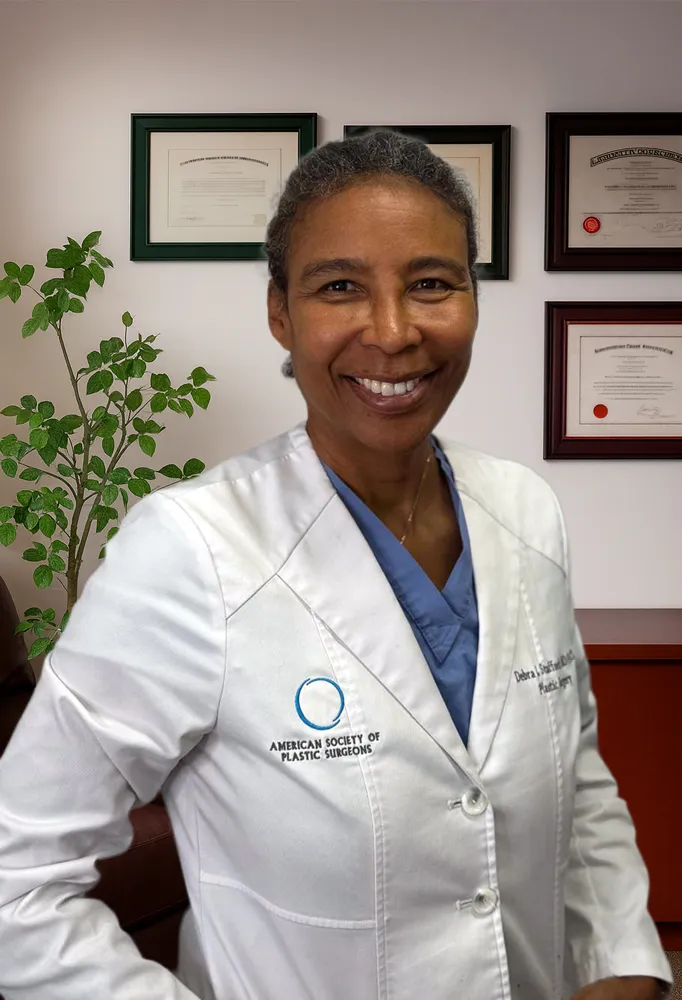
Dr. Debra L. Stafford, MD
Certified in Two Surgical Specialties

Dr. Erwin Douyon, MD
Credentialed Cosmetic Surgeon

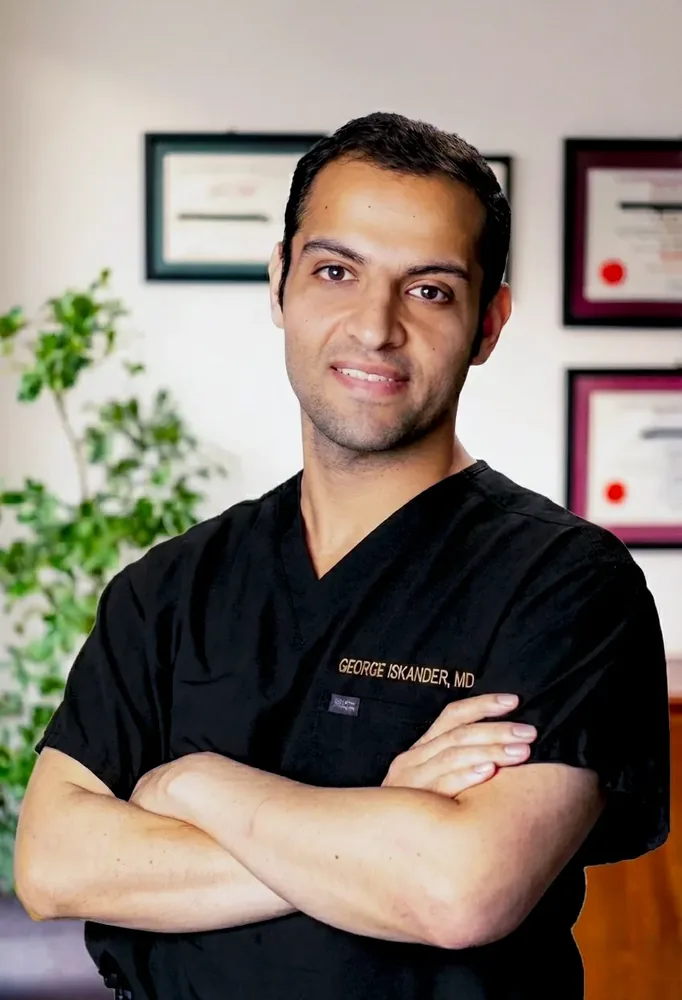
Dr. George Iskander, MD
Skilled Cosmetic Surgeon

Dr. Gregory Morrow, MD
Medical Director & Cosmetic Surgeon

Dr. Patrick Narh-Martey, MD
Credentialed Cosmetic Surgeon

Dr. Phuong X. Nguyen, MD
Credentialed Cosmetic Surgeon
Credentials differ by surgeon and are listed in full on each surgeon's page.
Results Our Surgeons Have Done
Browse real before-and-afters from Goals Aesthetics patients, each one the work of our surgical team.
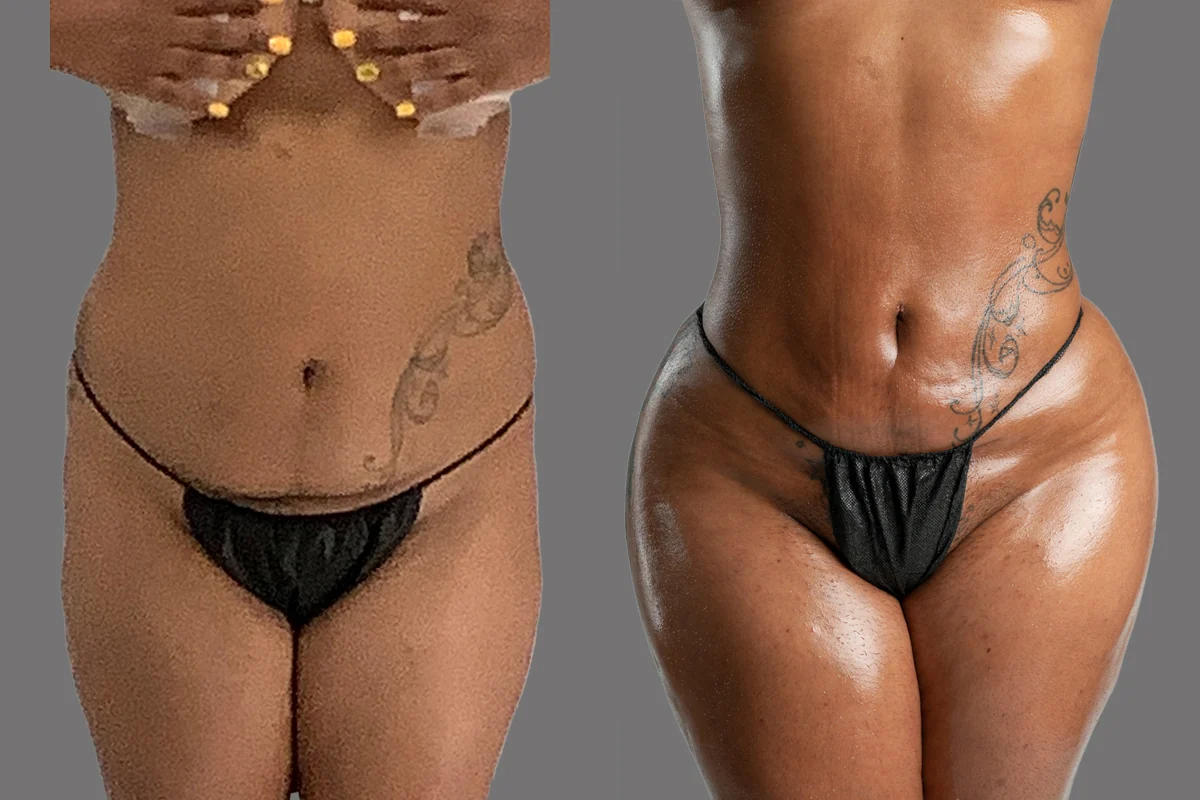
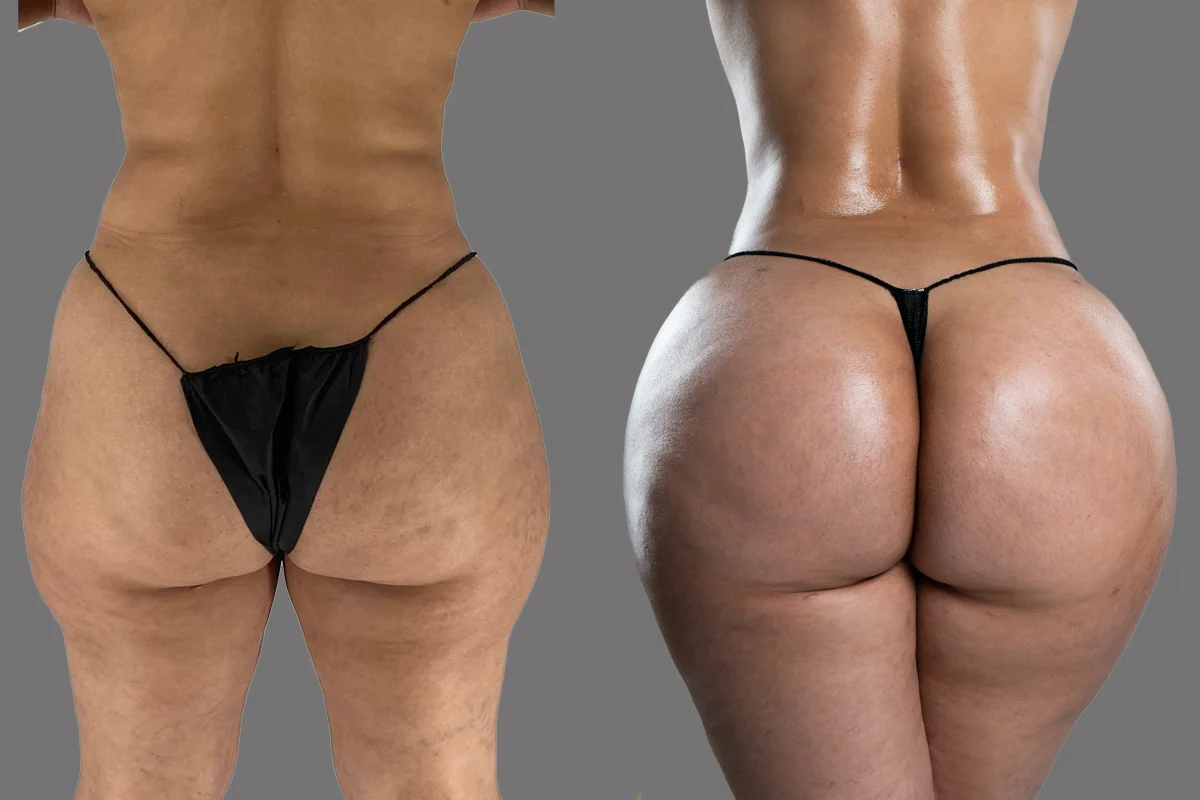
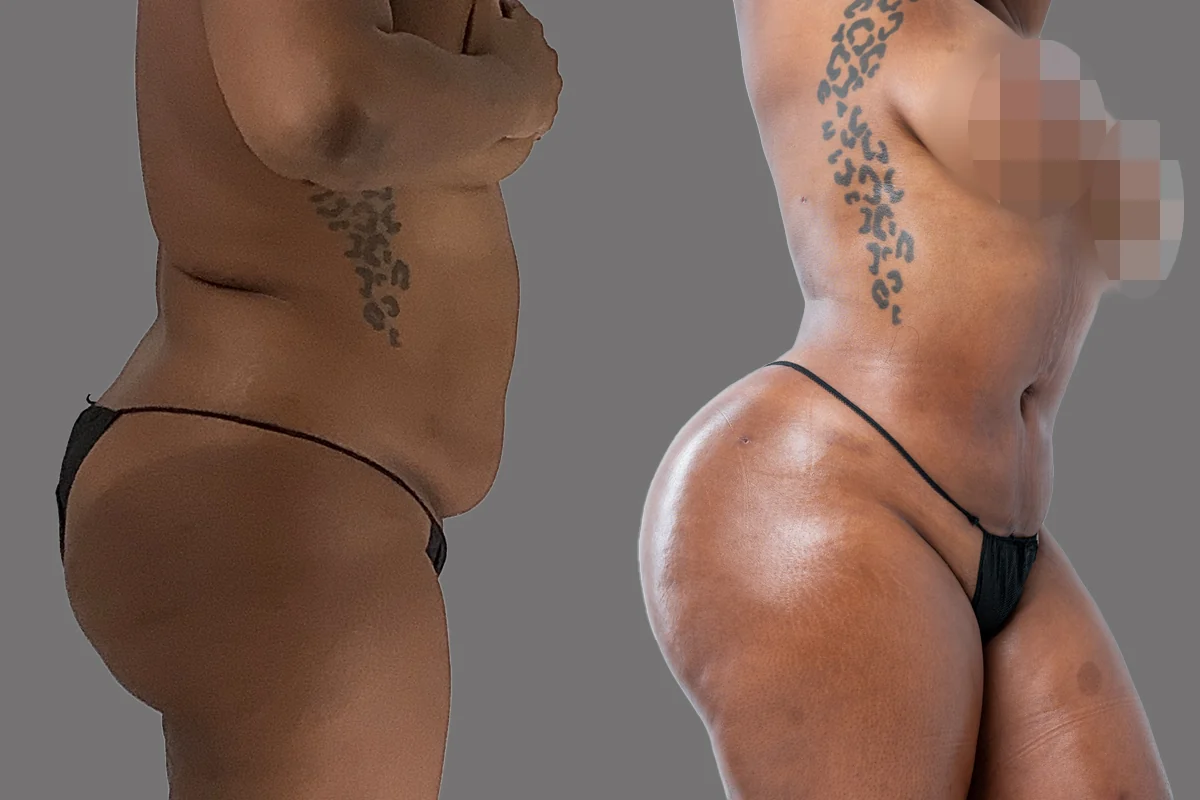
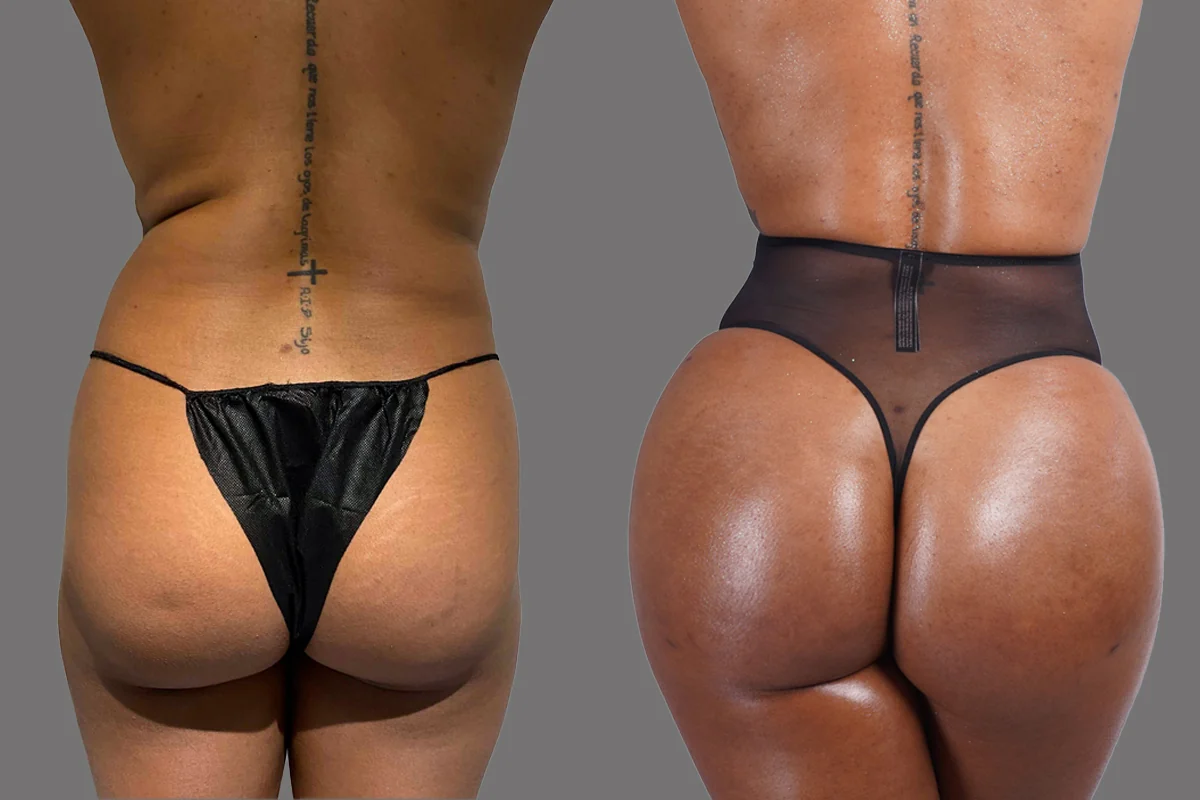
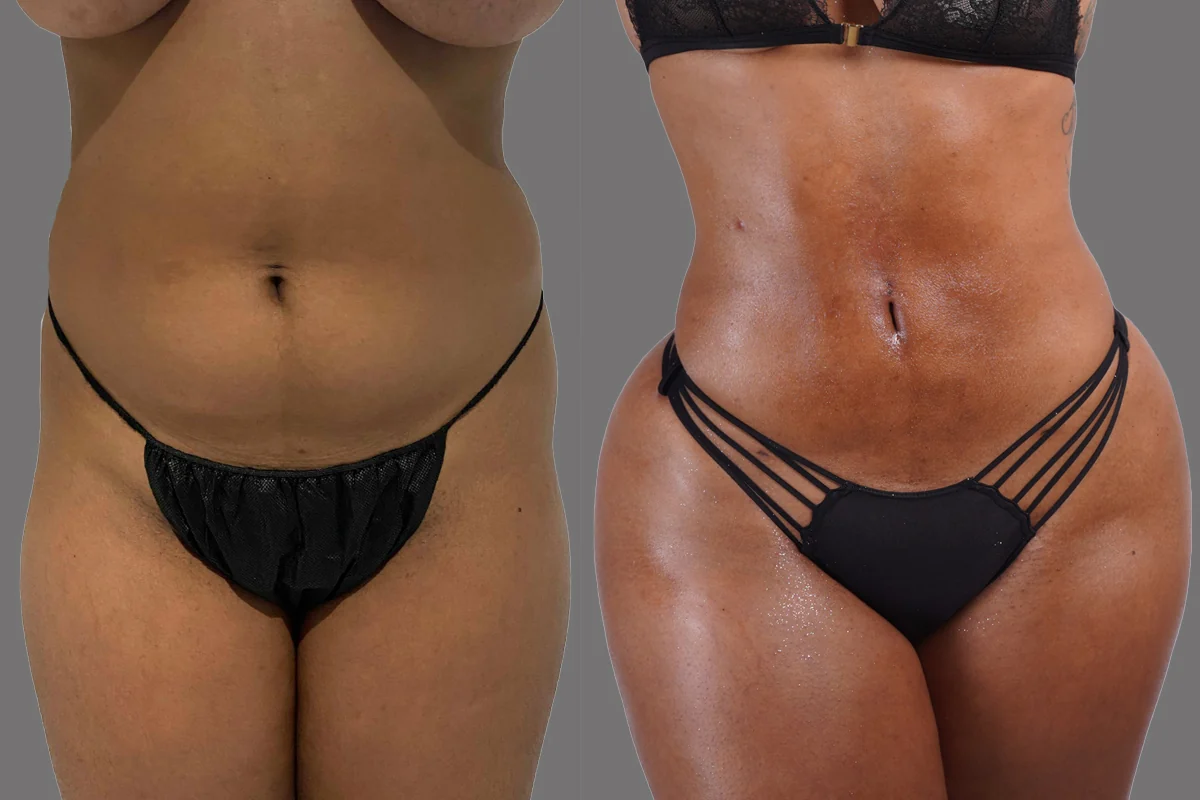
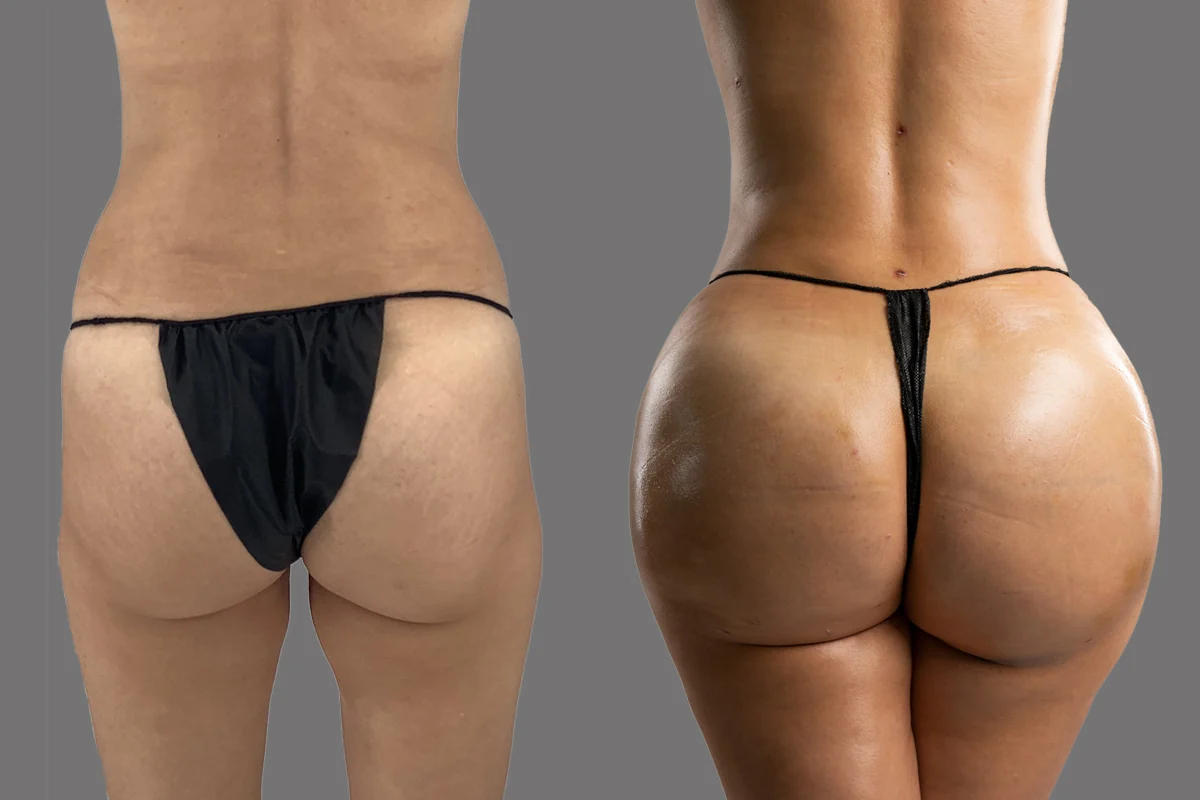
Real patients of Goals, published with written consent. Photographs are not retouched or AI-generated. Individual results vary — these images show outcomes for these patients and are not a guarantee of your own.
Work it out
Where you are starting
Runs in your browser. Nothing is sent to us and nothing is saved — a height and a weight are your business.
BMI is one measure among several and it says nothing about how you are built. Surgeons weigh it alongside your health and your goals; it does not decide anything on its own.
Working With a Goals Surgeon
- 01
First Visit
Sit down with a surgeon, talk through what you want, and hear what your body allows.
- 02
A Plan Built for You
The surgeon fits the procedure to your anatomy, routine and the look you want.
- 03
Health Check
Screenings and bloodwork confirm surgery is safe before a date goes on the book.
- 04
Prepping for Surgery
You get clear, specific instructions to ready your body in the days beforehand.
- 05
Operation
Surgery happens in an accredited Goals clinic, with careful protocols the whole way through.
- 06
Healing & Check-Ins
Aftercare and follow-ups keep healing on track and protect how the result settles later.
What Patients Say About Our Surgeons
"A first BBL elsewhere left me wary, so a Brazilian Butt Lift with Dr. Voskin felt risky. Being awake scared me. It stayed calm throughout, and half a year on it holds."
"Dr. Morrow did awake lipo on my belly and flanks. Knowing he had decades of general surgery behind him calmed me down. Back on my feet fast."
"Two kids later, I went to Dr. Perkins for a tummy tuck. He marked the incision on me and called where it would sit at a year. He was basically spot on."
"Sat on gynecomastia surgery for ages, too embarrassed to book. Dr. Douyon treated it like the routine thing it is for him, which was just what I needed."
Testimonials reflect individual experiences. Results vary by patient.
Common Questions About Our Surgeons
We look at the result you want and point you to the surgeon whose day-to-day work centers on it. You can also read each profile and ask for someone by name. Nobody gets assigned at random.
An active medical license, accredited residency training, and a track record we check before they operate here. We keep watching complication rates afterward too. It confirms real training, not marketing.
Yes. The surgeon cards above show who operates in New York, Atlanta and Los Angeles, so you can request one close to home when you book.
Your surgeon decides, based on your health and the procedure. Many of our body contouring cases run awake, which cuts risk and speeds recovery. Bigger combinations sometimes need general.
Ask about it up front. Revisions are uncommon but they happen, and the same surgeon who did your case handles them. Knowing the timeline and cost early takes a worry off your recovery.
Plenty of patients do. Your file, imaging and notes live in one system across our network, so a surgeon in another city can pick up your care without starting over. We plan around travel.
Choosing a Cosmetic or Plastic Surgeon at Goals: A Buyer's Guide
Picking a surgeon is the part of this that actually matters, more than the clinic name or the technique on the brochure. Goals runs on awake-anesthesia body contouring, which keeps the patient comfortable, trims the risk that comes with going fully under, and gets people back to normal life sooner. This page is here to help you judge a surgeon well: what the credentials mean, how to read case volume, what a good consultation feels like, and where the real safety lines are drawn.
A single-surgeon office lives or dies on one person's calendar, one person's habits, one person's blind spots. Goals is built the other way. Across our locations in New York, Atlanta and Los Angeles, patients who show up searching for cosmetic surgeons near me tap a whole bench of specialists instead of a single name. When one surgeon works out a cleaner way to do a procedure, it doesn't stay locked in their room. It moves to the rest of the group, so the technique you get isn't limited to whoever you happened to book.
There's a consistency payoff too. Book in Los Angeles and the intake, the screening, the planning all run the same way they would in Atlanta, and the standard on the table doesn't move with the zip code. With more than 100,000 procedures behind the group, the cases that come up over and over have been done, reviewed and tightened many times, not puzzled out fresh every time someone new walks in.
Numbers are the quiet advantage. Do a procedure a few hundred times across three cities and you start seeing what a solo office never will: who bounces back quickest, which combinations get dicey, where the extra half hour of care actually changes the result. That feedback goes back into how everyone plans. The upshot is a little strange but real: your care improves because of patients you'll never meet, operated on by surgeons you'll never book, whose results shaped the playbook.
It also spares you a headache nobody thinks about until it hits: moving mid-recovery. Start in Atlanta, get a job in New York, and you are not stuck explaining your own surgery to a stranger. Your file, imaging and operative notes travel inside the same system. That continuity counts when a contouring recovery stretches across most of a year and you would rather not restart halfway through.
Start with the floor. Every surgeon here has an active license and finished accredited residency training in plastic or cosmetic surgery. That's the non-negotiable part. But we don't stop at the license photo. Before anyone touches a Goals patient, we go through their operative history, their complication numbers and their past hospital privileges, and those figures stay under review once they're operating.
The roster runs from twelve-year surgeons to thirty-year veterans, and case counts from a few hundred to several thousand. That range is on purpose, and it's why people comparing top plastic surgeons see both fresh and seasoned names on one page. Newer surgeons work inside the procedures their training covers most deeply. The long-timers take the revisions and the stacked combination cases, the ones where having seen a thousand variations genuinely changes the call they make.
Here is the part the glossy sites skip: a credential proves training happened, not that this surgeon is right for your procedure. Two licensed surgeons can be miles apart on a facelift if one does faces weekly and the other lives in the abdomen. We keep reviewing outcomes as we go, and when a pattern shows in someone's results, it gets handled through case review, not a title.
So read titles for what they are. Certification, fellowship training and years in practice describe overlapping but different things, and a longer string of letters doesn't promise a better outcome for the thing you actually want done. Treat the credential as the entry ticket. The real signal sits one level down, in how much of this exact procedure the surgeon does and how their patients tend to heal. That's the number worth chasing.
Body contouring surgery is the core of the work here, and our BBL surgeons and liposuction doctors are in these cases constantly. The menu runs from awake liposuction and tummy tuck to arm and thigh lifts, gynecomastia correction, and the fat transfer procedures that reshape the buttocks and hips. A good share of these run under local anesthesia with you awake and comfortable, which shortens recovery and drops the risks that ride along with going fully under.
Some of what we do you will not find down the street. Brazilian Butt Lift layers fat transfer for projection that holds longer. FlexSculpt folds skin tightening into the contouring in one sitting. FlexTuck gets abdominal definition through a smaller incision than a full tummy tuck. Which one, and who does it, comes down to volume, and finding the best BBL surgeon means matching the technique to the person who does it most.
Faces are their own world. Facial contouring, J-Plasma skin tightening and hair restoration call for instincts that abdominal and buttock work don't build, and the surgeons who do them mostly do only them. If your goal is facial, the specialty line on the surgeon card is where to look, because body volume tells you nothing useful here.
Typing best cosmetic surgeon near me is a reasonable start, but distance matters more than people expect. The first months bring a run of follow-ups, and being twenty minutes from your surgeon beats a slightly better wait time two states over. When two nearby surgeons both do your procedure, let the consultation break the tie, that's your read on the person you'll be talking to for the better part of a year. A surgeon who rushes it, or won't say no to anything, is showing you a red flag.
Read volume and specialty together, never apart. Twenty-five years tells you about range. Three thousand of one specific procedure tells you about depth in the thing you're actually having done. Both sit on every surgeon card, and together they say far more than either does alone. A big round number next to the wrong specialty is not the reassurance it looks like.
Every procedure runs in an accredited facility inside the United States, which buys you oversight that a cheap trip abroad simply can't. Accreditation means sterilization, emergency gear, staffing levels and anesthesia monitoring get inspected by someone outside the building, not just promised on a website.
For fat transfer, our surgeons place fat in the subcutaneous layer only and watch cannula position with ultrasound the entire time. It's the single biggest safety step in modern BBL surgery, and it's not one we skip on a busy day. Pre-op screening covers bloodwork, cardiac risk and a full medication review, and anyone whose numbers land outside safe range gets optimized first or told, plainly, that the procedure isn't a good idea right now.
Facility standards earn their keep in the moment you are praying never comes. Accredited centers keep emergency airway equipment, monitored recovery bays and staff drilled in advanced cardiac response, and they rehearse the bad scenarios. A surgeon inside that setup has a full team and real infrastructure behind them if something slips off-script. That backup is what the discount overseas package quietly leaves out.
Screening is the least glamorous safety step and close to the most important. Bloodwork, a cardiac look, a medication review and a straight conversation about smoking and supplements all happen before a date is locked. If something flags elevated risk, the case waits until it's sorted, and no surgeon in the group is pushed to cut that corner to hit a calendar. Slower and safe beats fast and sorry every time here.
Treat the first appointment as your interview, not their sales pitch. For a tummy tuck operation or a stacked case, the surgeon looks at the area, tells you straight what your anatomy will and won't give, and reads you a realistic outcome instead of a dream one. Photos of comparable cases from our before & after gallery are there to line up what you're picturing with what's actually on the table.
Come prepared. Bring your medical history, a current medications list and your questions written down so you don't forget the important one. Recovery time, scar placement, activity limits, the odds of a revision, all fair game, and a solid consultation covers them whether you ask or not. You should leave with a written plan, a real timeline and zero pressure to book on the spot.
A good consultation sometimes ends in no. Maybe the goal isn't safe at your current weight, maybe a different procedure suits you better than the one you walked in asking for, maybe it's smarter to wait until after a planned pregnancy. A surgeon willing to say that is doing you a favor, not losing a sale. We'd rather push a case back than hand you a result you'll regret and have to fix.
Bring the photos you have been saving, and brace for an honest reading. A lot of what circulates online belongs to a different body, different bone structure, different skin, and part of what a consultation is worth is a surgeon walking you through which bits of that reference are reachable for you and which are not. Ten minutes of that prevents the most common post-surgery regret.
The clock starts the second you're out, and those first two weeks shape the final result more than almost anything you do later. Compression garments, the positions you're told to hold, the lymphatic drainage covered on our blog, none of it is busywork. It manages the swelling and steers how the tissue decides to settle. Follow it closely and you're already ahead.
Follow-up visits get spaced through the first year on purpose, because contouring keeps refining for months after you leave the room. Swelling fades unevenly, and what looks lopsided at six weeks has usually evened out by six months on its own. Your surgeon tracks that and only steps in once the tissue has genuinely stopped shifting.
The long game is on you, in the nicest way. Fat moved during contouring behaves like the tissue it came from, so a big weight swing in either direction will move your result with it. Hold your weight steady, keep active, keep your expectations honest, and the outcome your surgeon built tends to stay built. Worth talking through before surgery, not discovering the hard way a year out when the jeans stop fitting.
Scars deserve their own honest talk. Every operation leaves a mark, and while where the surgeon places the incision and how they close it shape the outcome, your genetics and your aftercare pull real weight too. Your surgeon will show you where the line falls, how it usually matures over that first year, and the plain things that help it fade, sun protection, silicone therapy and a lot of patience.
Know the number before you commit, not after. For a plan like mommy makeover plastic surgery, your consultation comes with a full breakdown, surgeon's fee, facility fee, anesthesia, garments, follow-ups, so nothing shows up later as a surprise. Quotes are procedure-specific because operating time and complexity swing a lot from one patient to the next.
Financing partners run monthly plans across a range of terms, and most applications get a same-day answer. Our coordinators walk you through the choices, spell out what each one locks you into, and help you compare them without spin. Current options live on our financing page.
Budget for the whole timeline, not the surgery date alone. Recovery means time off work, garments, follow-up trips, and sometimes a hand at home that first week. Patients who plan for those alongside the surgical fee tend to have a smoother run than the ones who only counted the operation, and our coordinators will lay the full picture out with you before anything is booked. Fewer surprises, calmer recovery.
Ask how revisions work before you'd ever need one. They're uncommon but not unheard of, and knowing in advance how your surgeon handles them, what the timeline looks like, what it costs, pulls one source of stress out of the recovery months. A straight answer at the planning stage is a fair thing to expect, and any surgeon worth booking should give it without flinching.
The honest part: not everyone fits every technique, and a good surgeon will say so before you're on a table. Awake procedures suit people who can lie still and stay comfortable for the stretch. Big combination cases sometimes want a traditional route instead. That decision rides on your body and your health, not on what's easiest to upsell, and if a different approach gets you a better result, that's the one you should be hearing about.
The green flag you want most: their busiest procedure is the one you're booking. Someone doing faces several times a week brings different hands to a facelift than an abdomen specialist, even though both are fully qualified. The specialty line on each surgeon card is the fastest way to sort the list before you ever pick up the phone.
One more green flag: welcoming a second opinion. Sitting with two surgeons in the network, or one outside it, costs you a little time and buys a much clearer read on what's realistic. A surgeon who gets prickly at the idea is telling you something worth hearing. Ours will send you to the colleague they think fits better if that's where an honest look leads.
Where our surgeons operate
Ready to Talk to a Surgeon?
Whether you are meeting a body contouring surgeon for the first time or planning a combination case, our team will build you a safe, realistic plan around the result you want.
- Licensed U.S. Surgeons
- Thousands of transformations across the country
- Safety-First Protocols
Prefer to talk now? (833) 462-5769