Body Contouring & BBL
Brazilian Butt Lift, BBL, fat transfer contouring.
Goals Aesthetics
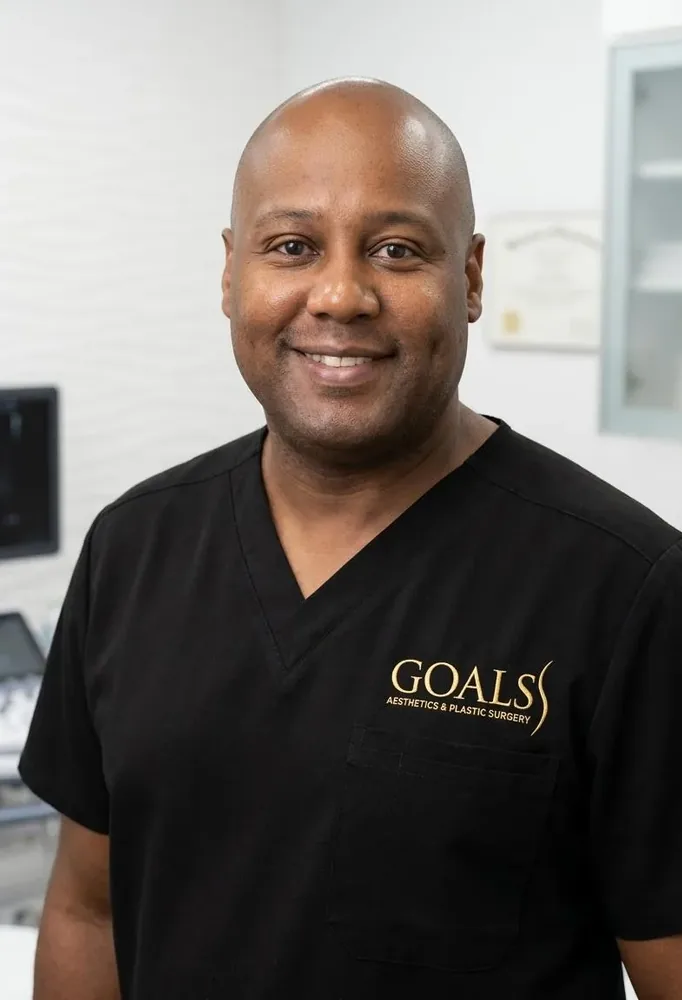
Dr. Erwin Douyon qualified at Georgetown in 1999 and trained in surgical critical care, the discipline of keeping patients safe when things go wrong. He operates in New Jersey and the Bronx.
25+
Years in practice
1999
Qualified since
New Jersey, Bronx
Goals locations
Dr. Erwin Douyon earned his medical degree at Georgetown University School of Medicine in 1999 and completed surgical residencies at MedStar Georgetown in Baltimore and at Wright State, followed by a fellowship in surgical critical care in Chicago. He has spent more than twenty-five years in surgery, much of it caring for patients in intensive care. He sees Goals patients in New Jersey and the Bronx.
Brazilian Butt Lift, BBL, fat transfer contouring.
FlexSculpt and Lipo 360 across the abdomen, flanks, back and limbs.
Chin and neck contouring, jawline definition.
Augmentation, lift.
Tummy Tuck, FlexTuck.
Gynecomastia Surgery, chest contouring.
Dr. Erwin Douyon consults and operates at these Goals Aesthetics clinics.
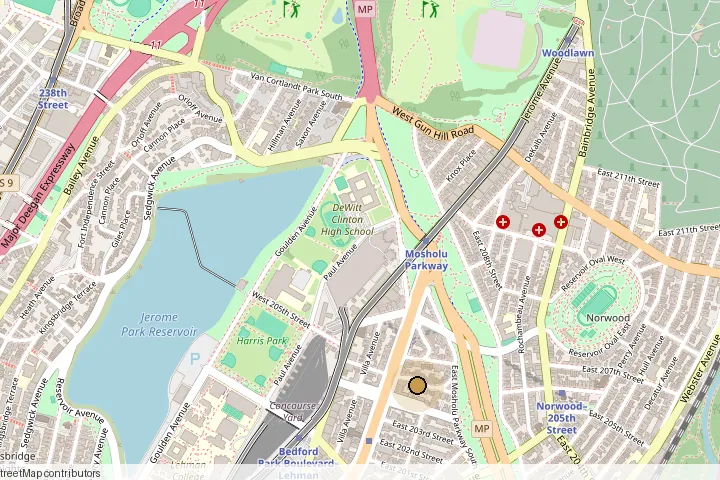
Open in Maps174 E 205th St, Bronx, NY 10458
Open in Maps15-01 Broadway #20, Fair Lawn, NJ 07410
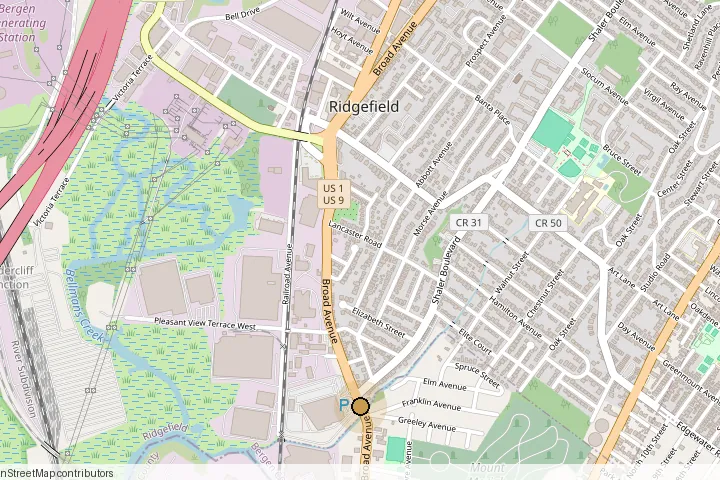
Open in Maps605 Broad Ave, Ridgefield, NJ 07657
Dr. Erwin Douyon holds active credentials and state medical licenses, with a surgical critical care fellowship alongside his surgical training.
Open in Maps
Open in MapsLicensed in New Jersey and New York, the two states holding the clinics he operates from. Each is board-verifiable.
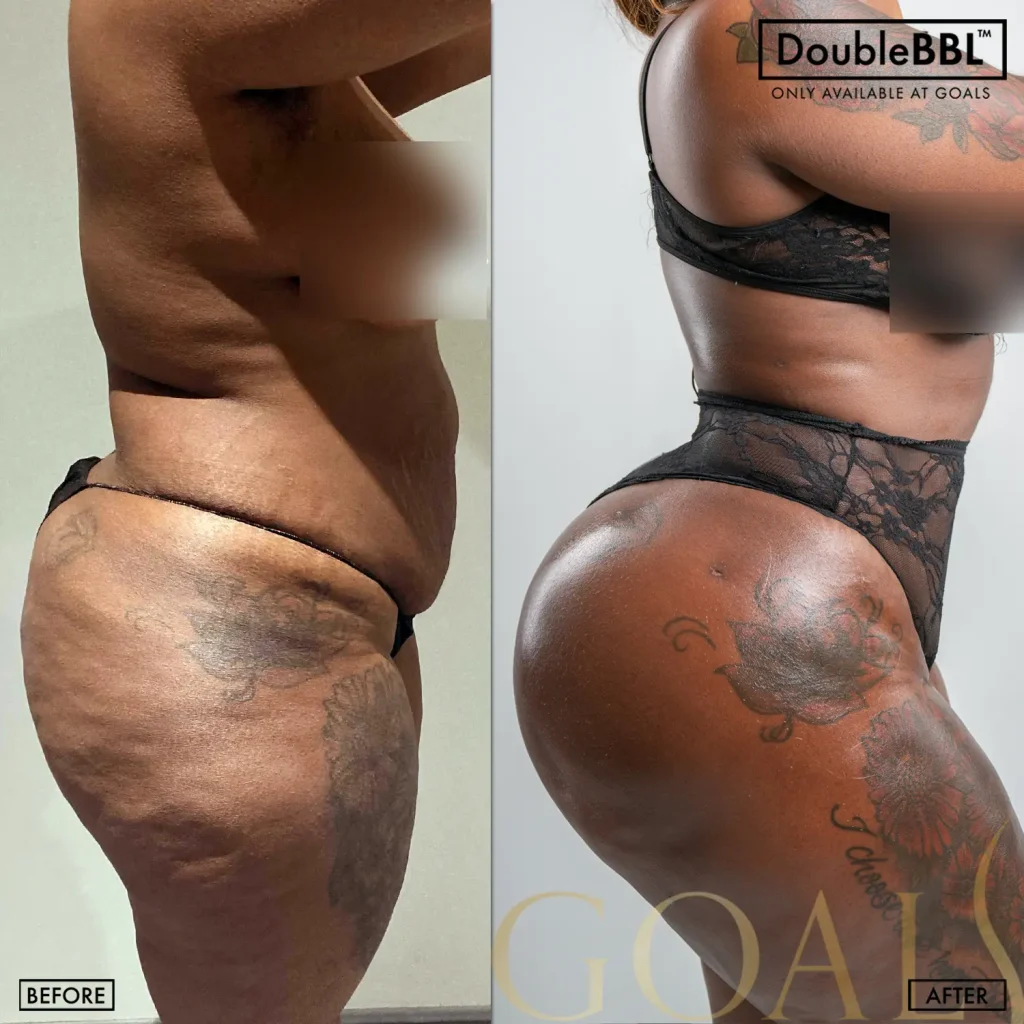
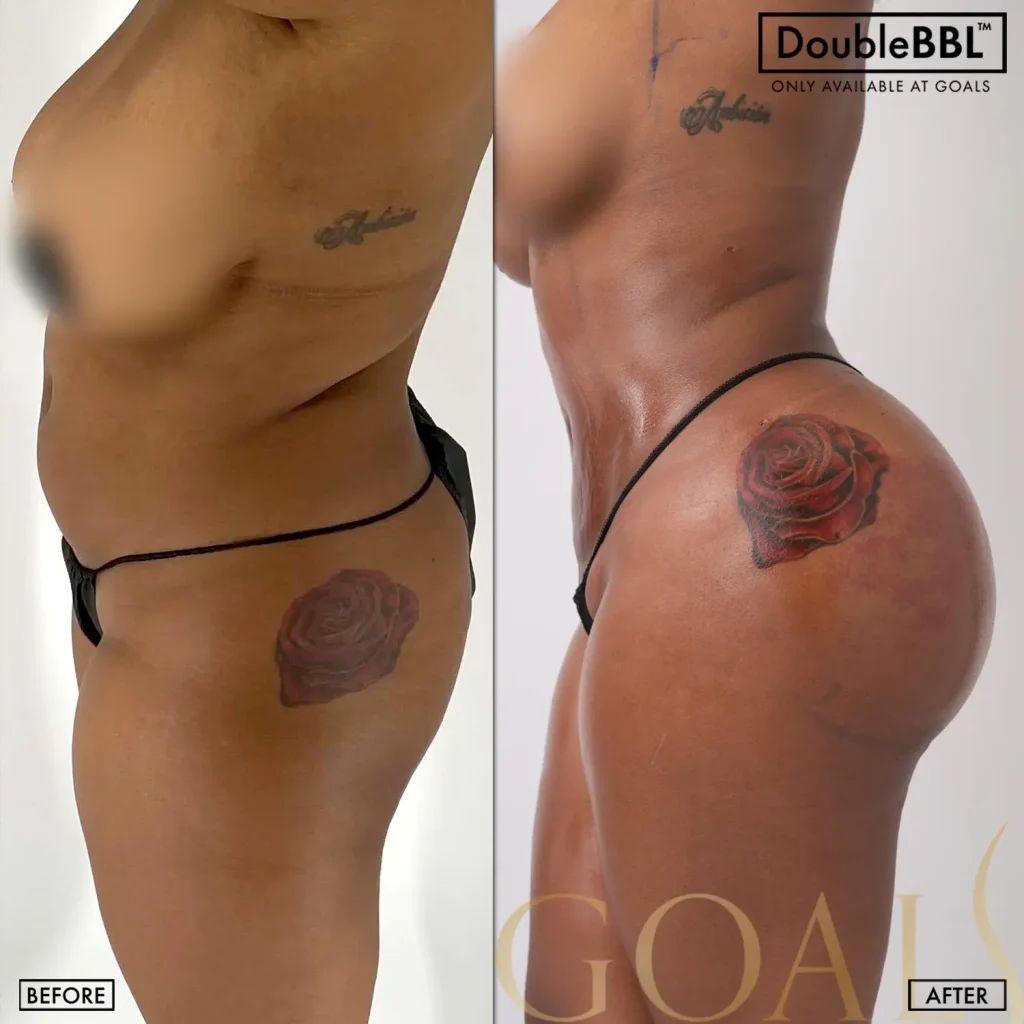
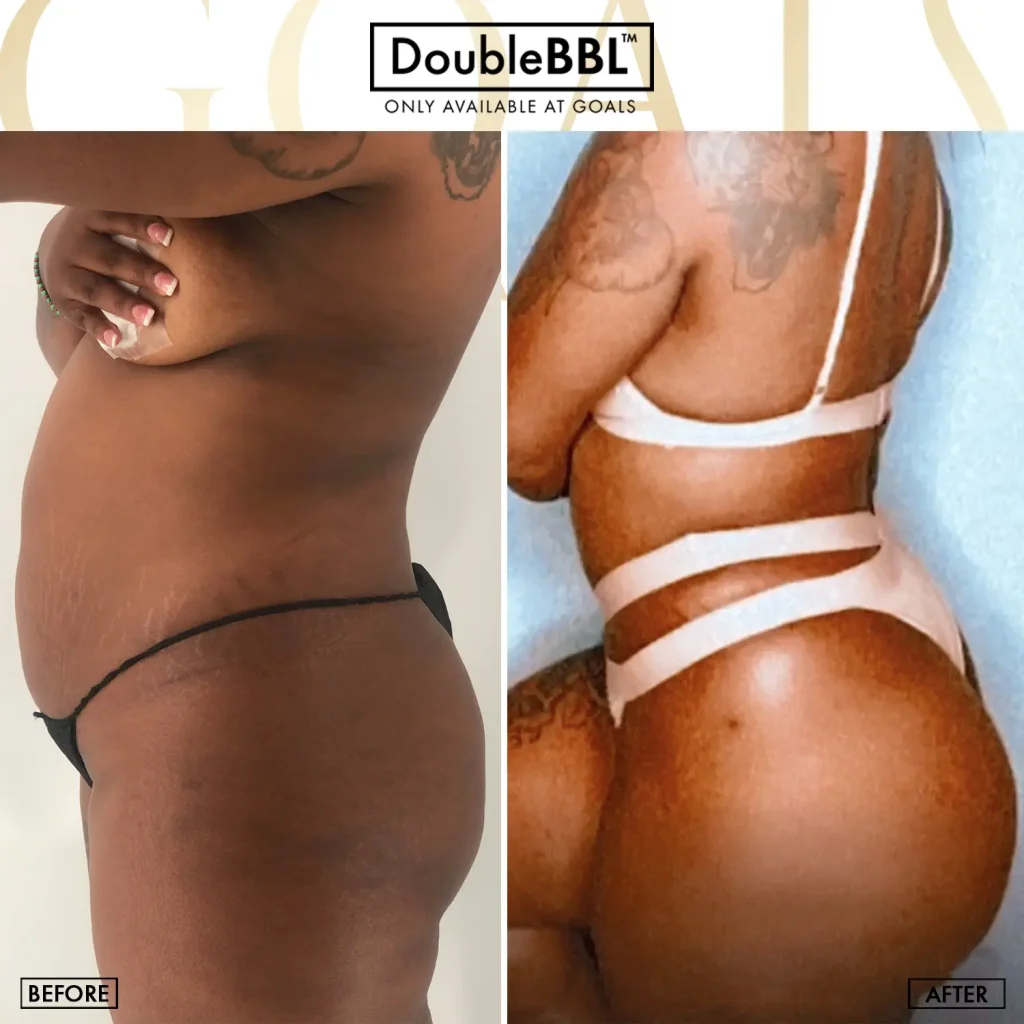
Real Goals patients treated by Dr. Erwin Douyon.


Real patients of Goals, published with written consent. Photographs are not retouched or AI-generated. Individual results vary — these images show outcomes for these patients and are not a guarantee of your own.
Work it out
Runs in your browser. Nothing is sent to us and nothing is saved — a height and a weight are your business.
BMI is one measure among several and it says nothing about how you are built. Surgeons weigh it alongside your health and your goals; it does not decide anything on its own.
“He spent the first half of the consultation on my medical history rather than on what I wanted done. I understood why afterwards. He wanted to know I was safe before talking about the result.”
“Lipo 360 and a BBL. My blood work came back off and he moved the date rather than working around it. Annoying at the time. Completely the right call, in hindsight.”
“Being able to do the consultation in Ridgefield and the follow-ups closer to home made the whole thing manageable around work. That mattered as much as anything.”
“Gynecomastia surgery, which I had been putting off for about eight years. He was completely matter of fact about it, and that was exactly what I needed him to be.”
Testimonials reflect individual experiences. Results vary by patient.
Body contouring leads his list. Liposuction, Lipo 360 and the BBL, with breast procedures and gynecomastia surgery alongside. Combination cases make up a good part of the week.
The surgical subspecialty concerned with patients whose physiology has gone wrong. It is exactly the expertise you want standing behind an elective case, even if you never need it.
He operates at the Goals clinics in Fair Lawn, Ridgefield and the Bronx, which covers a lot of the metro area. Travel dates come first; the consultation and the follow-ups are fitted to them.
Often yes. Contouring with a BBL is the natural pairing, since one supplies the fat the other places. Agreement follows a look at your anatomy and at how long the combined case would run.
Because deciding who is fit for an operation is what his training is built on. Expect a longer conversation about your health than most cosmetic consultations involve, and expect it first.
The date moves. No surgery is scheduled until screening comes back, and a result outside safe parameters the case waits until it is addressed rather than being worked around.
Dr. Erwin Douyon qualified at Georgetown in 1999, completed two surgical residencies and a fellowship in surgical critical care, and has spent more than twenty-five years in surgery. He now sees Goals patients across New Jersey and the Bronx. The critical care background is the thing worth understanding about him, because it changes what a consultation looks like. What follows is the practical detail patients ask before booking.
Dr. Erwin Douyon earned his medical degree from Georgetown University School of Medicine in 1999. He completed a surgical residency at MedStar Georgetown in Baltimore, a second surgical residency at Wright State, and then a fellowship in surgical critical care at the University of Illinois College of Medicine in Chicago.
That last qualification is the one to pay attention to. Surgical critical care is the subspecialty for patients whose bodies are failing. Intensive care, post-operative complications, trauma physiology. It is not a cosmetic credential and it is not marketed as one, but on a page about elective surgery it is arguably worth more than one.
The reason is simple. Nobody chooses a surgeon for what happens when a case goes wrong, because nobody expects their case to go wrong. But the skill of recognising early that something is not right, and knowing what to do about it, is learned in intensive care rather than in an operating theatre. A surgeon who has spent years doing that brings something to an elective list that is invisible until the day it matters.
In practice patients notice it as thoroughness. The consultation spends real time on health history before it spends any on the result, and dates move when screening results are not right. He sees Goals patients at clinics in the Bronx and across New Jersey.
The three-clinic spread is worth knowing about before you book. Contouring recovery runs across months of appointments rather than weeks, and being able to do follow-ups at whichever location is nearest to home or work removes a real obstacle from the year after surgery.
Surgical critical care is a subspecialty with its own fellowship and its own examination. It is what an intensive care unit runs on. The training is a year or more spent almost entirely with patients whose organ systems are failing or about to.
Worth being precise about what that does and does not certify. It is a general surgery credential with a critical care subspecialty. It is not a plastic surgery certification and this page does not present it as one. What it certifies is the management of a body in trouble, which is a different and narrower thing than aesthetic judgment.
Licences are the quick check and worth doing yourself for anybody you are considering. State boards publish a searchable register: status, issuing state, any public action recorded. Two minutes. His entry sits with the rest of the surgical team.
Ask about revisions while the question is still theoretical. When one could happen, what it would involve, who carries the cost, and whose hands it would be in. Somebody who has thought it through answers without hedging.
Body contouring is the centre of his cosmetic list. FlexSculpt and Lipo 360 handle abdomen, flanks and back as one continuous field instead of three isolated jobs, which stops an edge appearing where treatment ended.
Grafts are never fully retained. The opening months reabsorb some of what was placed, and the remainder is your settled result, so ask what proportion typically survives and get it as a range.
Get him to draw the plan on you at a mirror before you agree to it. Seeing the pen move tells you more than any figure in litres, and it also reveals what he is leaving alone.
Gynecomastia surgery is a regular part of the list. It goes better with a surgeon who approaches it as chest contouring rather than straight excision. Men who have put it off for a decade generally want it dealt with plainly, not sympathetically.
Two abdominal routes exist. The tummy tuck is the answer to pronounced laxity or a separated muscle wall, while FlexTuck handles what a smaller incision can reach. A mommy makeover puts both under one anesthetic where the clock permits, and arm contouring addresses the arms specifically.
Ask about the scar early, whatever you choose. You should see the incision map and hear how it typically looks a year on, and how much of that is the first year. Where a scar sits and how it was closed set the ceiling. Your own healing and a year of looking after it decide the rest.
Safe total operating time is a real limit rather than a scheduling preference. A plan that overruns it should be divided over two sittings, and that conversation belongs at the consultation rather than on the morning of surgery.
Most patients choose a surgeon on the strength of the result they want. That is reasonable, and for a straightforward case it is enough. There is a smaller group for whom it is not.
If your medical history has anything on it, a heart or lung condition, diabetes, a clotting problem, sleep apnoea, a reaction to anesthesia in the past, or if you are asking for a long combination case, then the question stops being who produces the nicest contour and becomes who is best equipped if your physiology misbehaves. That is precisely what an intensive care fellowship trains for.
It also explains why the consultation asks more about your health than about your goals, and why some patients are told the plan should be smaller or split across two dates. That is not caution for its own sake. It is somebody who has managed the version of the day that goes wrong deciding they would rather not meet it here.
For contouring, a BBL, gynecomastia or breast work with no complications on the horizon, he is a capable choice like several colleagues. Where his background genuinely changes the odds is the case with something else going on underneath.
So bring the medical history in full, including the parts you think are settled or embarrassing. On this page more than most, that information is the thing being assessed. Three sites also means a choice: the Fair Lawn clinic, Ridgefield or the Bronx, so ask at booking which one your surgery and your follow-ups will each be at.
Almost everything that goes seriously wrong in elective surgery goes wrong afterwards rather than during. A bleed that starts slowly. A clot. Fluid balance drifting. Oxygen saturation sliding over an hour in a way nobody notices until it has slid a long way.
Recognising that early is the whole of an intensivist's training. It is pattern recognition built over years of watching numbers move on people who were already unwell, and it does not stop applying because the patient walked in healthy and chose to be there.
In practice it shows up before the operation as much as after. Nothing is dated until the screening is back: bloods, cardiac risk, medications, how you actually live. Anything outside safe limits holds the date rather than being worked around, and a plan that runs too long gets split rather than compressed.
Every procedure is done in an accredited U.S. facility, meaning an inspector signed off the sterilisation, the emergency kit, the staffing ratios and the anesthesia monitoring instead of the clinic simply claiming them. Accredited centres also keep airway equipment and monitored recovery bays, and drill their staff on the response. For fat transfer, grafts stay above the muscle with ultrasound following the cannula throughout.
None of this is exotic. It is worth asking about anyway, because the gap between a clinic that meets these standards and one that merely cites them is where the bad days live.
Appointment one exists to assess you. He looks over the area, weighs the donor fat and the skin, says what your build permits and describes the likely outcome without decoration. The before & after gallery is open beside him for that, putting the outcome on a body like yours. The plan goes home with you written down, with nothing in the diary.
Then the part this page has been building toward. Ask, before you book, what the discharge criteria are and how you reach a clinician overnight in the first week. Ask which symptoms mean call us now rather than mention it at your follow-up. Those questions get a better answer here than they do in most consulting rooms, and they are the ones worth having answered.
The opening fortnight outweighs everything after it: garments, how you position yourself, drainage work, activity limits, each with a physiological reason underneath. Where a BBL is involved, position decides how much graft survives.
Appointments run right through year one, since contouring is still adjusting for months afterwards. Swelling leaves unevenly, so an outline looking crooked at week six is commonly straight by month six. Nothing gets acted on until tissue has stopped shifting.
Further out, the result tracks your body rather than staying put. Transferred fat keeps the habits of the tissue it came from, so a real change in weight moves the outcome with it.
Everything should be itemised before you commit: the surgeon, the facility, the anesthesia, the garments, every follow-up visit. If it was not on that list it should not appear on an invoice afterwards. Operating time and difficulty differ from patient to patient, so the number is built around your case rather than read off a rate card.
Ask what a revision would cost and who absorbs it. That line is absent from more quotes than it appears in, and it becomes the only relevant number on the rare occasion it applies.
There is a second question specific to this practice. If your plan gets split across two dates on safety grounds, ask what that does to the total before you agree to the first one. Two operations is not simply twice one, and you want the arithmetic in front of you while it is still a decision.
Payment can be spread monthly through financing partners over a range of terms, with most applications answered inside the day. Read the agreement rather than the summary. Current options are on the financing page.
Then budget the recovery alongside the operation: working days lost, garments, the appointments, and often another adult at home through the first week.
His route there was longer than most: Georgetown in 1999, a surgical residency at MedStar Georgetown in Baltimore, a second surgical residency at Wright State, then the critical care fellowship at the University of Illinois in Chicago. Two residencies is unusual and it is checkable, as is every institution named.
The double bbl is distinguished by layering: grafts set at several depths, giving projection that is fuller and holds longer. What it works with is precisely the fat the contouring half takes out. A single anesthetic and a single recovery covering two areas, which makes it one operation seen from both ends rather than two sold together.
Candidacy needs all three present together: enough donor fat to work with, cooperative skin once the volume goes, and a weight that has held. Liposuction changes shape rather than weight and is not a substitute for losing it. It is skin rather than fat that settles most of these cases. Removing fat is routine. Whether the skin above it pulls back is the uncertain half, governed by your age, by what you inherited, and by the stretching that skin has already taken. Where laxity is significant, J-Plasma or an excisional procedure is the better answer.
For the breast: augmentation and lift, and fat transfer augmentation is the option for volume without an implant, and it pairs with his contouring, since one session can lift fat from one place and set it in another.
Whether it is contouring, a BBL or a breast procedure, Dr. Douyon will go through your medical history first and the result second. Three clinics, New Jersey and the Bronx.
Prefer to talk now? (833) 462-5769
Free · No obligation
Tell us how to reach you. A patient coordinator calls you back — usually the same day.