
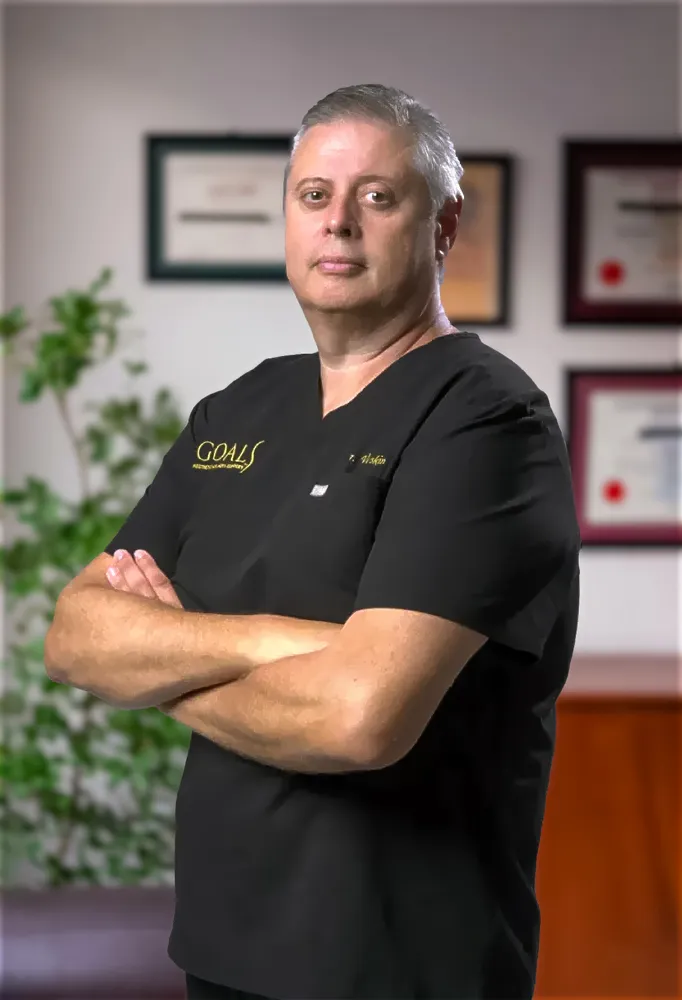
Licensed Surgical Suite
A dedicated operating room, on site, for every case.
Hair restoration on Central Park South. Local anesthetic, natural density, follow-up care that lasts.
Location & hours
116 Central Park S, New York, NY 10019. Mon–Sat, 10:00–19:00 local time.
Goals Aesthetics & Plastic Surgery – Central Park
116 Central Park SMon–Sat, 10:00–19:00 local time
Surgeon: Dr. Sergey Voskin
Procedures
 FUE Hair Transplantfrom $5,000Central Park FUE Hair Transplant
 FUT Hair Transplantfrom $5,000FUT Hair Transplant — Central ParkEyebrow Hair Transplantfrom $5,000Eyebrow Hair Transplant near Central Park
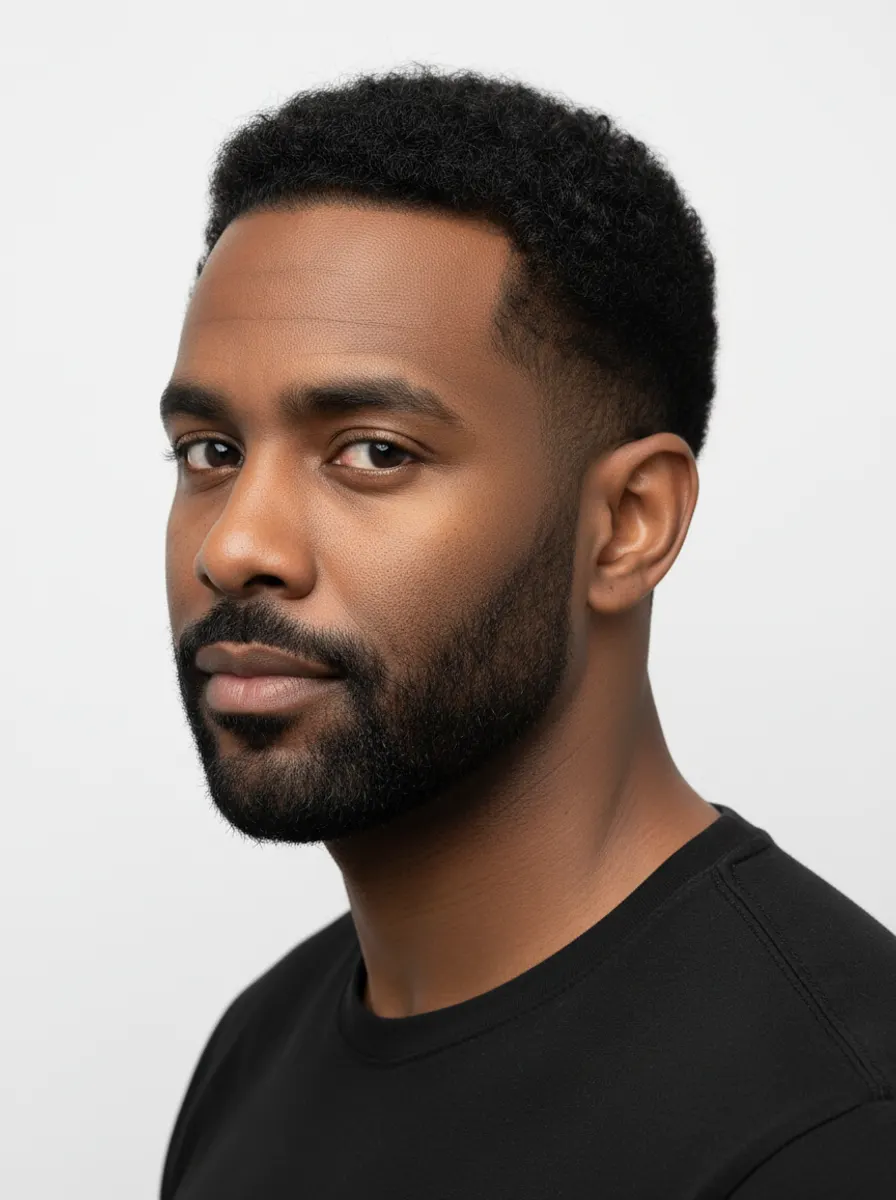 Men's Hair Transplantfrom $5,000Men's Hair Transplant in Central Park
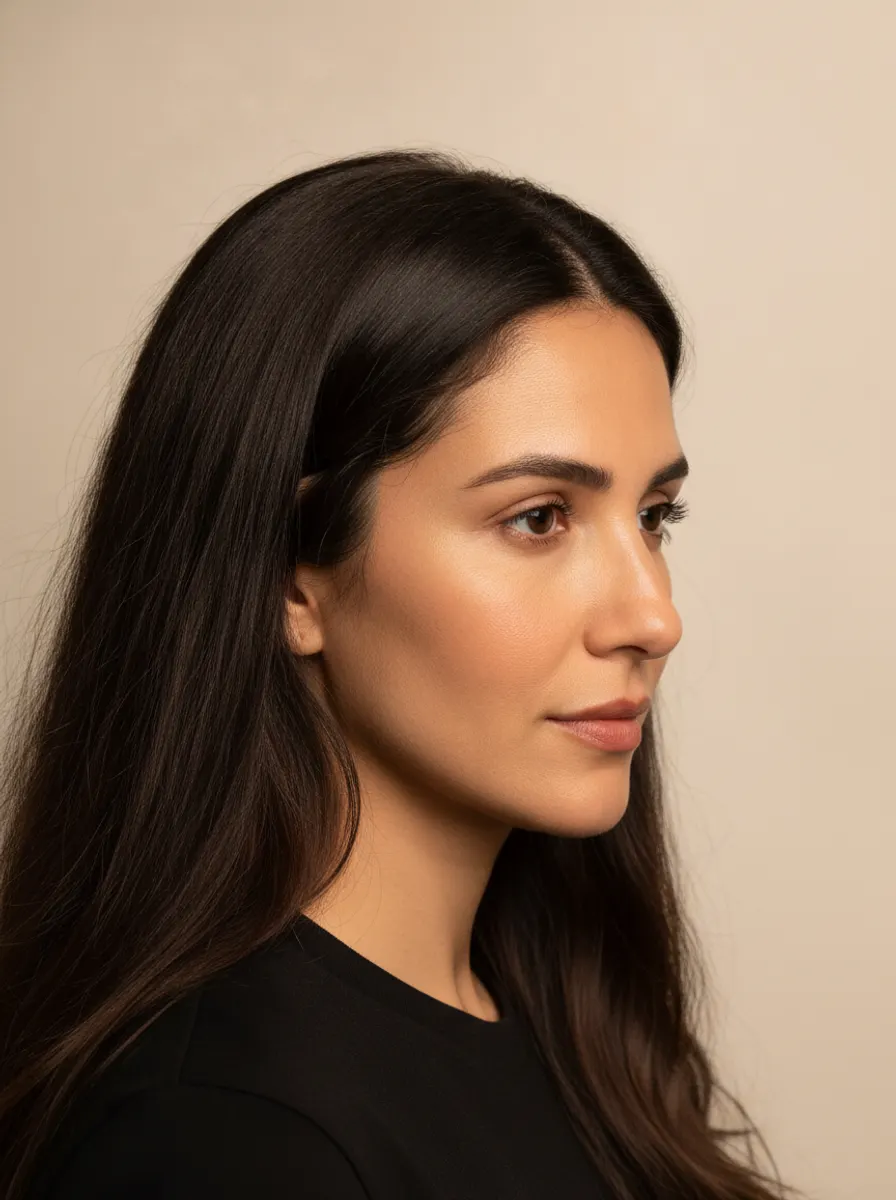 Women's Hair Transplantfrom $5,000Women's Hair Transplant at our Central Park clinicBeard & Facial Hair Transplantfrom $5,000Central Park Beard & Facial Hair TransplantEyelash Hair Transplantfrom $5,000Eyelash Hair Transplant — Central ParkAfro Hair Transplantfrom $5,000Afro Hair Transplant near Central ParkLLLT Hair Restorationfrom $800LLLT Hair Restoration in Central ParkDarsonval Hair Restorationfrom $800Darsonval Hair Restoration at our Central Park clinic
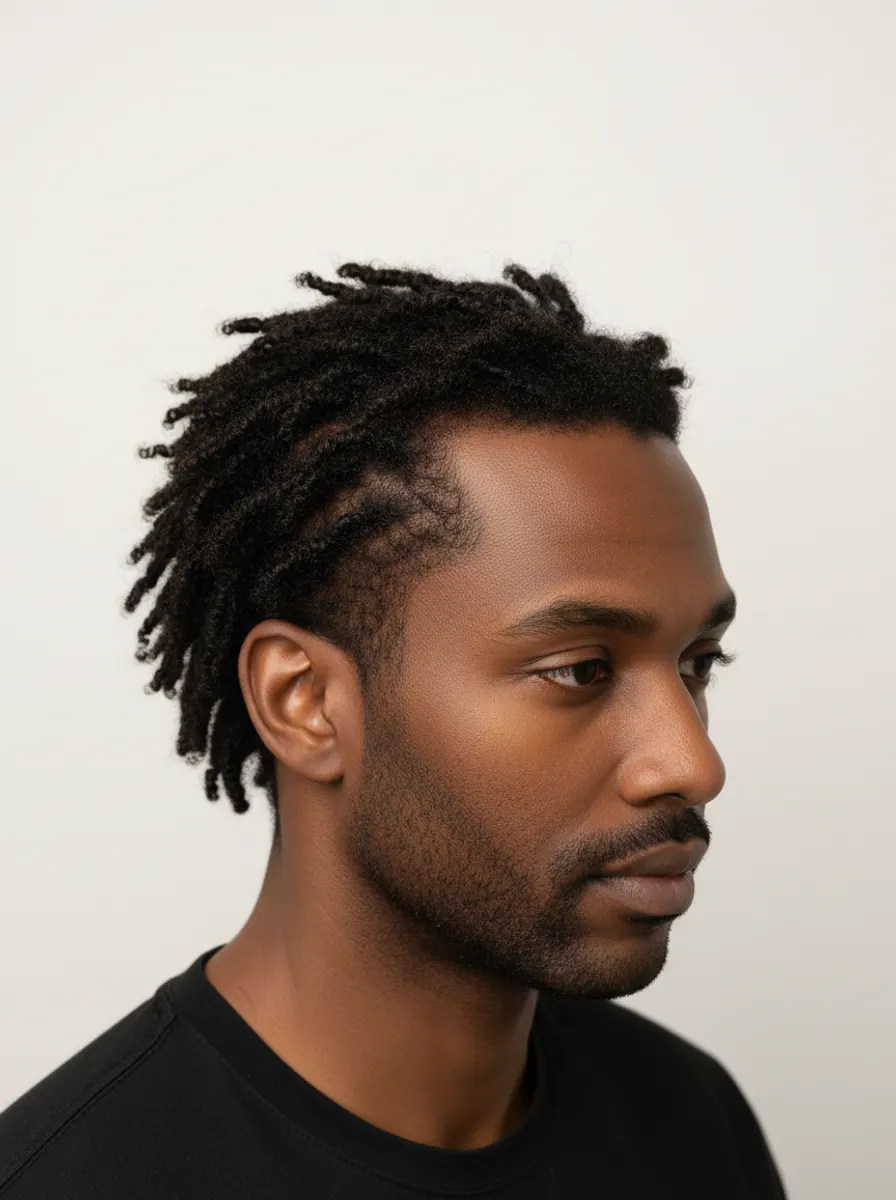 Mesotherapy Hair Restorationfrom $1,200Central Park Mesotherapy Hair Restoration
 Skin Tags Removalfrom $30Skin Tags Removal — Central Park
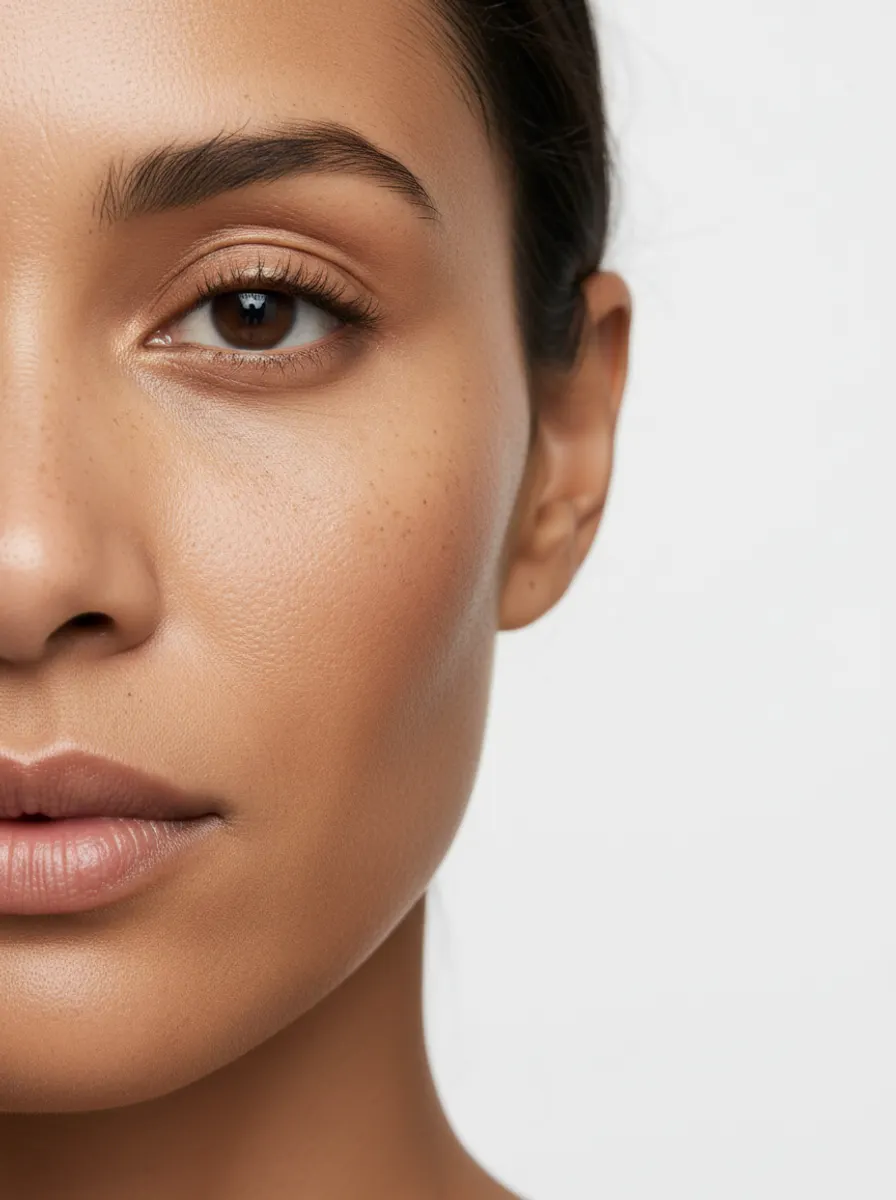 Microdermabrasionfrom $800Microdermabrasion near Central Park
 Votiva Vaginal Rejuvenationfrom $4,499Votiva Vaginal Rejuvenation in Central Park
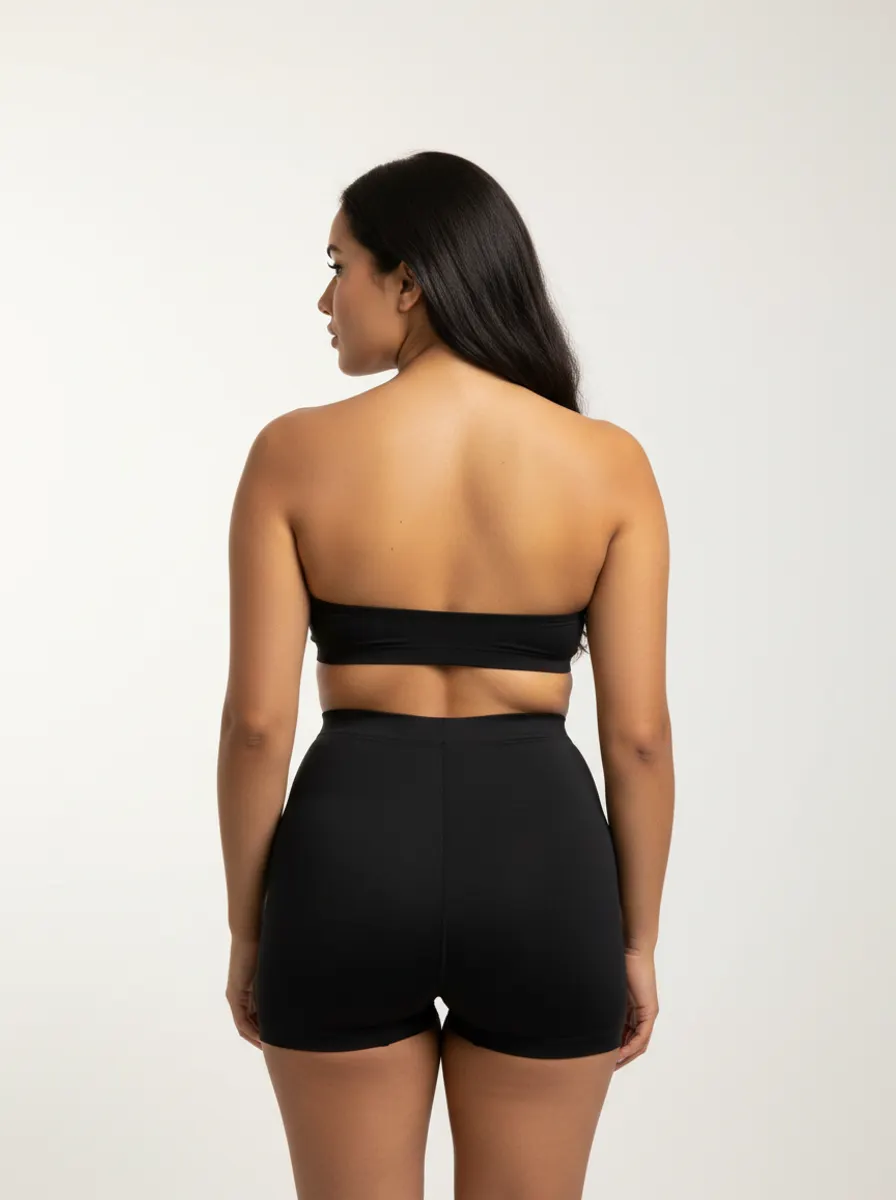 Instant BBL with Radiessefrom $4,999Instant BBL with Radiesse at our Central Park clinic
 Botoxfrom $800Central Park Botox
 Dermal Fillersfrom $1,200Dermal Fillers — Central Park
17 procedures offered at our Central Park clinic. Prices are starting prices and depend on the number of areas treated.
Results
See what actual patients look like after.
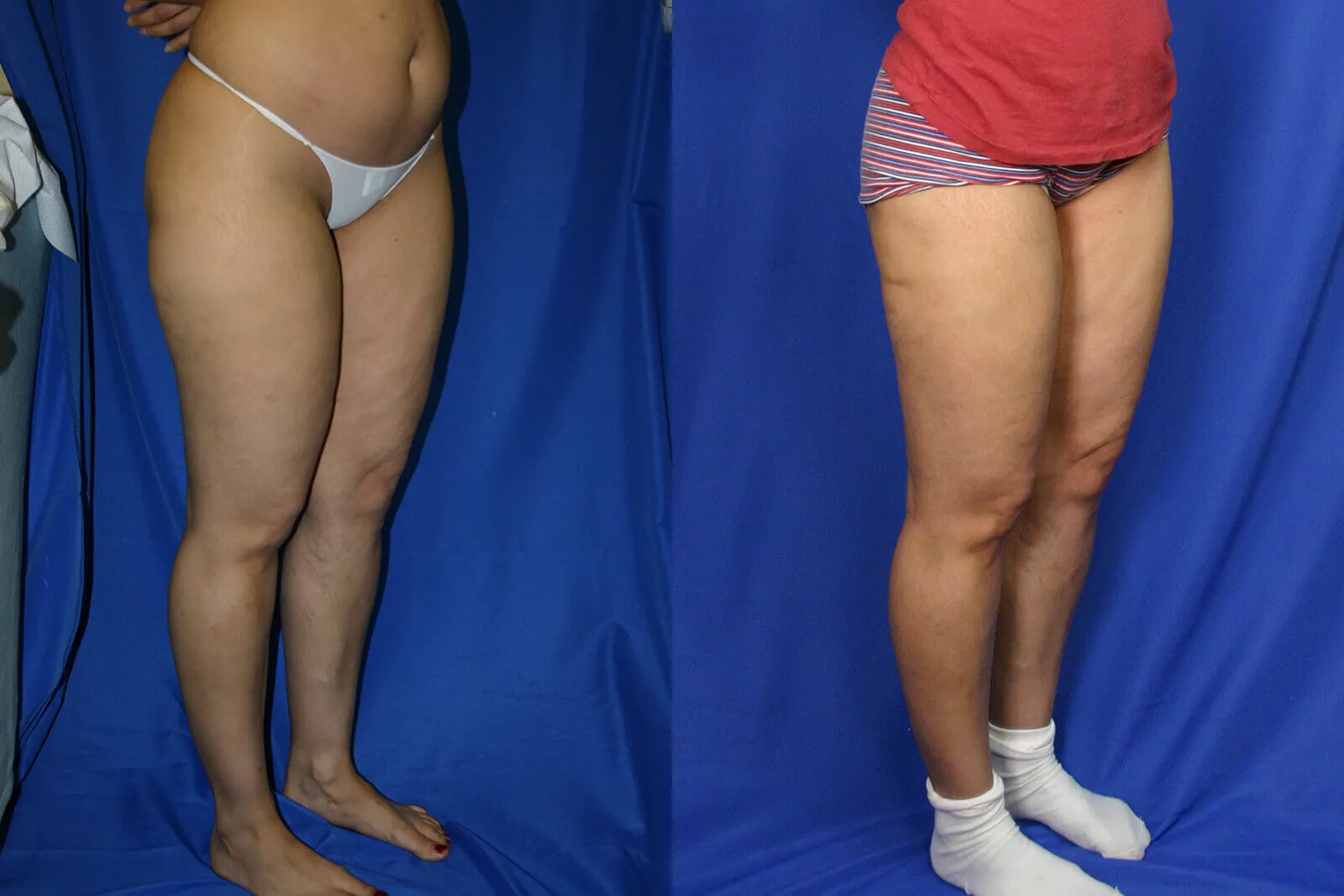
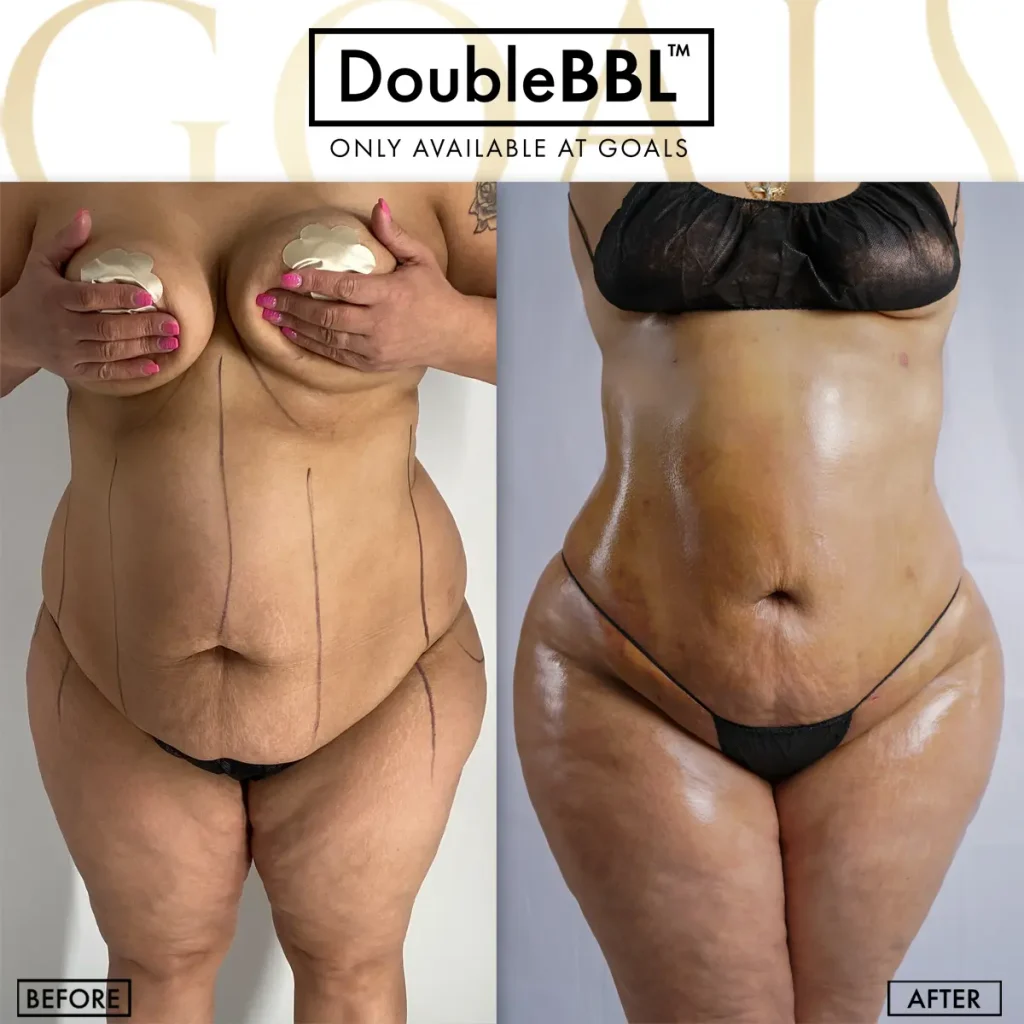
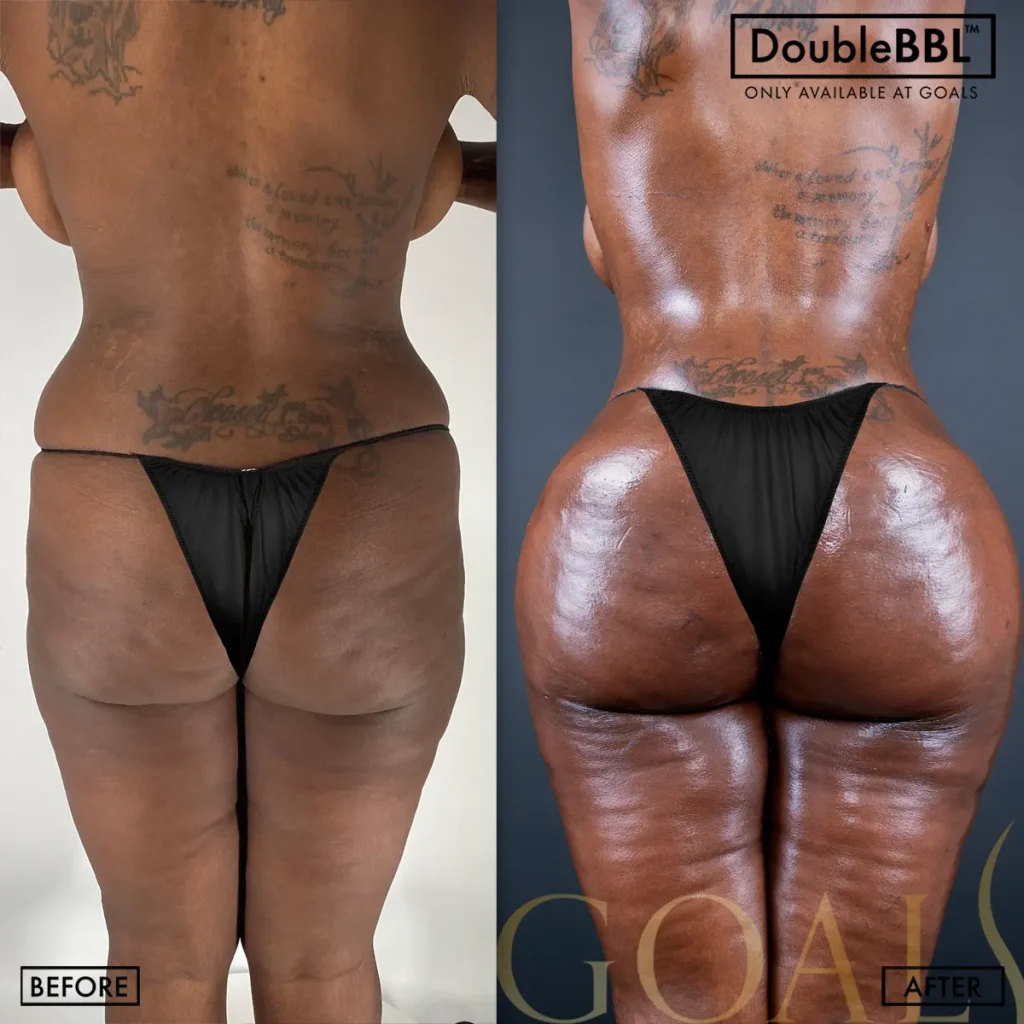
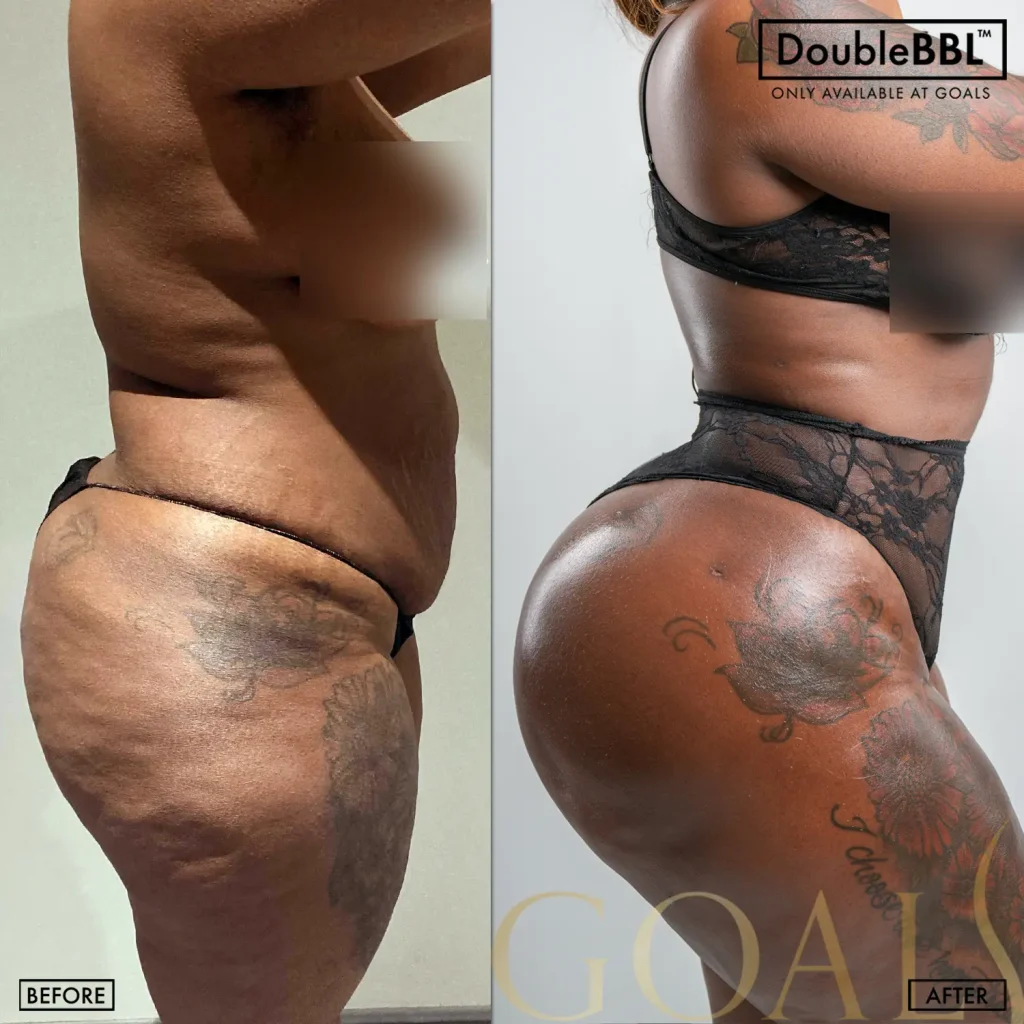

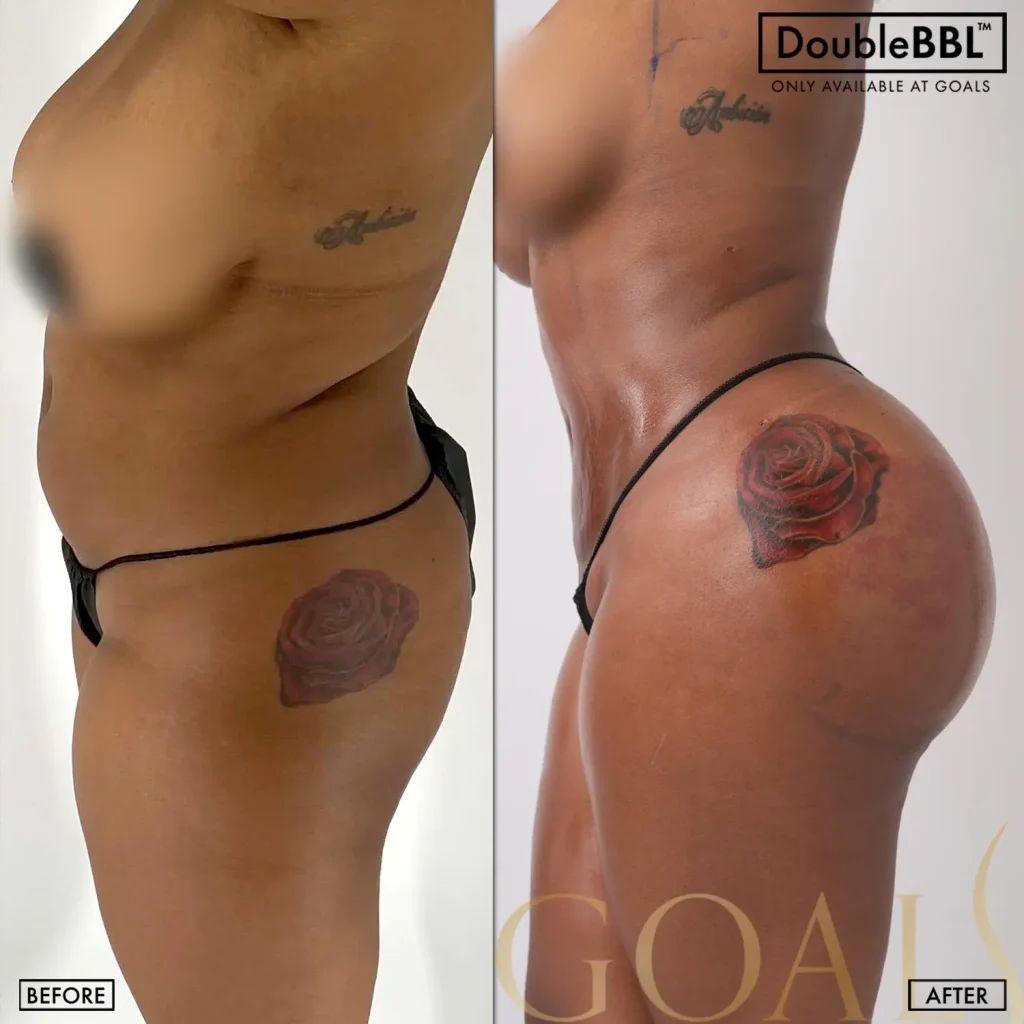
Real patients, published with written consent. Photographs are not retouched or AI-generated. Individual results vary — these images show outcomes for these patients and are not a guarantee of your own.
Try it
Type your height and weight. Your numbers stay on your device. We do not see or save them.
BMI is just one number. Your surgeon also looks at your health and your goals. BMI alone does not decide if you can have surgery.
Our surgeons
A licensed U.S. surgeon places every graft, never a technician. You meet whoever operates before you book.
Each surgeon’s training and licenses are listed on their own page.
Safety
We work to U.S. healthcare regulation and infection control rules.
A dedicated operating room, on site, for every case.
Bloodwork and a scalp assessment before we confirm.
An active New York medical license for every surgeon.
This clinic is AAAHC-accredited.
Why Goals
Steps from the N, R and W at 57th St. Garages on West 58th if you drive.
Wash guidance, a recovery pack, in-person checks. Same clinic.
Many procedures use local or tumescent anesthesia, which can help lower some risks.
A team of licensed surgeons at Goals clinics across the U.S.
FAQ
Nobody can tell you over the phone, and be wary of anyone who tries. The number comes from measuring your donor density against the area you want covered. A hairline touch-up might sit around 1,500. Advanced loss can run past 4,000. You get a real figure at the consultation, once someone has looked at your scalp under magnification.
For the first ten days or so, yes, if they are looking. Small scabs sit where each graft went in and the area looks pink. A lot of patients book around a long weekend or take the week. After the scabs clear and the transplanted hairs shed, most people go back to normal without anyone commenting.
Women are treated here regularly. The pattern is usually different, more diffuse thinning across the top rather than a receding hairline, which changes how the case is planned and sometimes points toward non-surgical treatment first. Bloodwork matters more too, since thyroid issues and iron levels drive a lot of female hair loss.
Not always. The donor area at the back usually gets trimmed short so the surgeon can extract cleanly, but the hair above it covers that within a couple of weeks. Full shaves are sometimes needed for very large sessions. Raise it at consultation, because it is often possible to work around and people rarely think to ask.
Depends on your pattern and how much donor hair you have. Many people are done in one. Others plan a second session a year later, either because the area was too large for a single day or because native hair kept thinning behind the grafts. Pattern loss carries on regardless of surgery, and any honest consultation says so up front.
Something to keep you occupied, mainly. A session runs six to eight hours and you are awake for all of it, so download films, bring headphones, load a podcast queue. Wear a button shirt so nothing goes over your head afterwards. Eat breakfast. Skip alcohol the night before, and check with us about any blood thinners you take.
Clinics
Learn more
Hair restoration is measured in months, not appointments. That is the part nobody tells you at the start, and it changes how you should think about the whole thing. The surgery is one long day. What surrounds it runs closer to eighteen. Goals operates a clinic at 116 Central Park S in Midtown Manhattan, handling surgical transplants alongside the treatments that slow loss down. What follows is laid out in the order you will live it, from the first phone call through to the point twelve to eighteen months later when what you see in the mirror stops changing.
Everything hinges on donor supply, and this is worth understanding before you speak to anyone. A transplant relocates hair. It does not manufacture it. The whole question is whether the back and sides of your scalp carry enough healthy follicles to cover what needs covering while still looking full themselves. A surgeon measures that density directly, reads the stage and pattern of your loss, and works out how many grafts genuinely exist to work with. That number is the ceiling on everything that follows, and no technique raises it.
Donor hair is worth relocating because it resists the hormone driving pattern loss. Move it forward and it keeps that resistance, which is why the transplant is permanent. The native hair sitting between the grafts carries no such protection and continues thinning on its own timetable, which matters a great deal later on.
Age complicates the picture more than people expect. Pattern loss progresses, and a hairline designed for a man of twenty-five looks wrong on the same man at forty once the hair behind it has gone. Surgeons here design conservatively for younger patients, holding donor grafts in reserve for whatever the pattern does over the following decades. Someone in their late twenties with mild recession is frequently better served by two years of maintenance than by an early transplant, because operating too soon means chasing a hairline that keeps retreating behind the new grafts.
Many people open with a video call and photographs of the thinning area. That settles broad suitability and gets the options discussed without anyone crossing Manhattan. Expect questions about family history, thyroid function, medication and any sharp recent weight loss, because every one of those moves hair. Women are consulted here regularly and planned differently, since diffuse thinning across the top behaves unlike a receding hairline and often points toward non-surgical treatment first.
Bloodwork happens before you are confirmed. Expect a graft number that may land under what you hoped, because a surgeon promising coverage the donor area cannot fund is building toward a result nobody ends up happy with. A hairline touch-up might sit near 1,500. Advanced loss runs past 4,000.
This is also where the method gets decided. FUE, follicular unit extraction, takes units one at a time using a punch under a millimetre wide, leaving no linear scar and small points that fade within weeks. It suits anyone who wears their hair short. FUT removes a narrow strip from the back, dissects it into grafts under magnification, and closes with sutures, leaving a fine line that longer hair covers. FUT usually yields more grafts in one session, so for advanced loss it can do in a day what would otherwise take two.
You are assessed in person that morning, whatever happened on the video call. Donor density gets measured directly and the hairline is designed on your actual head, with you holding a mirror and agreeing to it before anything begins. This is the last easy moment to move it, and people do.
Local anesthetic throughout, which is the safer choice rather than a compromise. General anesthesia brings risk climbing with age and existing conditions, and demands an anesthesiologist, a recovery bay and a long discharge. For work on the surface of the scalp none of that earns its place. The anesthetic goes in stages, and those first injections are the only genuinely unpleasant minutes of the day.
After that the scalp stays numb, topped up as the session runs by the team watching you. You and the surgeon talk throughout. Something pinches, you say so, rather than finding out afterwards. People watch films, take calls, eat lunch. Bring headphones and something downloaded, wear a button shirt so nothing goes over your head afterwards, and eat breakfast beforehand. Skip alcohol the night before, and check with us about blood thinners, anti-inflammatories and supplements like fish oil, which usually pause for a week or two.
Beard and facial hair transplants for patchy growth, eyebrow restoration, and lash work follow the same shape of day, usually shorter. Men and women get planned differently, because the pattern of loss differs and the hairline has to be drawn for the face in front of you. Angle is what makes a transplant read as hair rather than as a transplant.
The first few days are fiddly rather than painful. The transplanted area is tender and carries small scabs where each graft sits. You go home with a recovery pack and precise washing instructions, starting gently around day three with saline spray and mild shampoo.
Sleep propped up for the first several nights. Swelling sometimes slides down toward the forehead around day two or three, looks alarming, and settles on its own. Scabs clear in roughly ten days, which is also roughly how long it takes before a colleague would stop noticing anything.
Recovery is quicker than people plan for. No fog, no nausea from an anesthetic wearing off, no rule about arranging a driver. Most patients walk out and carry on with their evening, gently.
A lot of people book this around a long weekend or take the week. If your job involves hard hats, swimming pools or heavy dust, allow longer and say so at consultation so the date gets planned properly. Nobody should be finding out about a four-week restriction the morning after surgery.
Then comes the part that panics anyone who was not warned. The transplanted hairs fall out. All of them, more or less, somewhere in the first month. This is the plan rather than a failure.
The follicle stays exactly where it was placed and drops into a resting phase before growing a fresh shaft. Nothing was lost. What you are watching is the old shaft being discarded while the machinery underneath resets, and every transplant that has ever worked went through this stage.
Two to three months of almost nothing visible follows, and it is the hardest stretch psychologically of the entire process. People who were warned handle it. People who were not tend to spend that period convinced they wasted their money, which is precisely why any consultation worth having covers it in advance. If the clinic you are considering has not mentioned the shed, ask why.
This is also the window where non-surgical treatment starts earning its place. Low-level laser therapy lifts cellular activity painlessly. Mesotherapy delivers vitamins and amino acids directly. None of these grow hair on a bald scalp, and anyone claiming otherwise wants your money, but they hold the surrounding ground while the grafts wake up.
Growth shows around month four. It thickens through months six to nine. The final picture settles somewhere between twelve and eighteen months, and firmness or unevenness before that point is not the result.
The back of the scalp reliably trails the hairline. One area filling more slowly than another is the normal order of things rather than a fault, and patients who do not know this often start worrying at exactly the moment there is nothing to worry about. Some people need a second session a year on, either because the area was too large for one day or because native hair kept thinning behind the grafts. Pattern loss continues regardless of surgery, and an honest consultation says so up front.
Follow-ups here track the whole run, and having the clinic in Midtown rather than another country is exactly why something unusual gets looked at the week it appears instead of photographed and emailed to someone who cannot examine you. Stage by stage results sit in our before and after gallery.
Most hair restoration is priced by graft count, so what you pay follows the size of the job rather than a flat sticker. A small hairline touch-up and a full rebuild are different undertakings and get quoted as such. The structure is laid out at consultation once the surgeon knows what your case calls for. Anything quoted before that is invention.
Financing options exist and the time to discuss them is early, not at the end. Payment spread across months changes what is realistic for a lot of people, and raising it before a plan is settled means the plan gets built around what you can carry rather than trimmed back afterwards.
Budget for the maintenance too, not only the surgery. Transplanted follicles are permanent. The native hair around them keeps thinning, and patients who look after that surrounding hair hold a fuller result for years longer, because the grafts are not left stranded in a patch that carried on receding.
The overseas comparison comes up in every other consultation. What those advertised figures leave out is aftercare, recourse when something goes wrong, and sitting in front of the person who operated on you. Add flights, a hotel, time off, and a return trip if a second session proves necessary. Revision work on a badly executed transplant is harder than doing it properly once, and a damaged donor area does not grow back. No surprises is what we hold ourselves to.
The most useful question is who physically places the grafts. At some clinics the surgeon draws the hairline and technicians handle everything after that, and patients learn this only in hindsight. Here, licensed and skilled U.S. providers do the procedure, and your surgeon plans your case before you commit to anything. Their backgrounds are published, not gestured at vaguely.
Ask to see results from people whose loss pattern and hair type look like yours. Afro-textured hair needs a different extraction technique because the follicle curves under the skin, and a clinic without that experience damages grafts. A gallery showing one hair type only tells you which hair type that practice is comfortable with. Ask what the revision terms say in writing too, and who pays for a second session if one turns out to be needed.
Weigh what a surgeon turns down. A practice saying yes to everyone, operating on patients visibly too young, promising coverage no donor area could fund, is running a booking operation. The consultation telling you to wait two years, or that your realistic result comes out thinner than the photo you brought in, is the one to trust. The full range is on our services, or find another clinic on our locations page.
Get started
Full hairline rebuild, a beard transplant, or non-surgical work. Our team tells you straight what your donor area can support.
Prefer to talk now? (833) 462-5769
Free · No obligation
Tell us how to reach you. A patient coordinator calls you back — usually the same day.
Free · No obligation
Ask me anything. I usually reply straight away.
If you share your number, a Goals coordinator may call or text you about your consultation. Message and data rates may apply.
Nora is an automated chat. She cannot give medical advice or say whether a procedure suits you.