Dull, Rough Texture
Skin that reads tired and feels grainy under your fingers.
Half an hour of exfoliation that clears the dull top layer.
A diamond tip or fine crystals buff off the dead surface layer while suction pulls the debris away. Texture softens, pores read smaller, makeup goes on flatter. No needles, no peeling, and you head straight back to work.
From $800
Overview
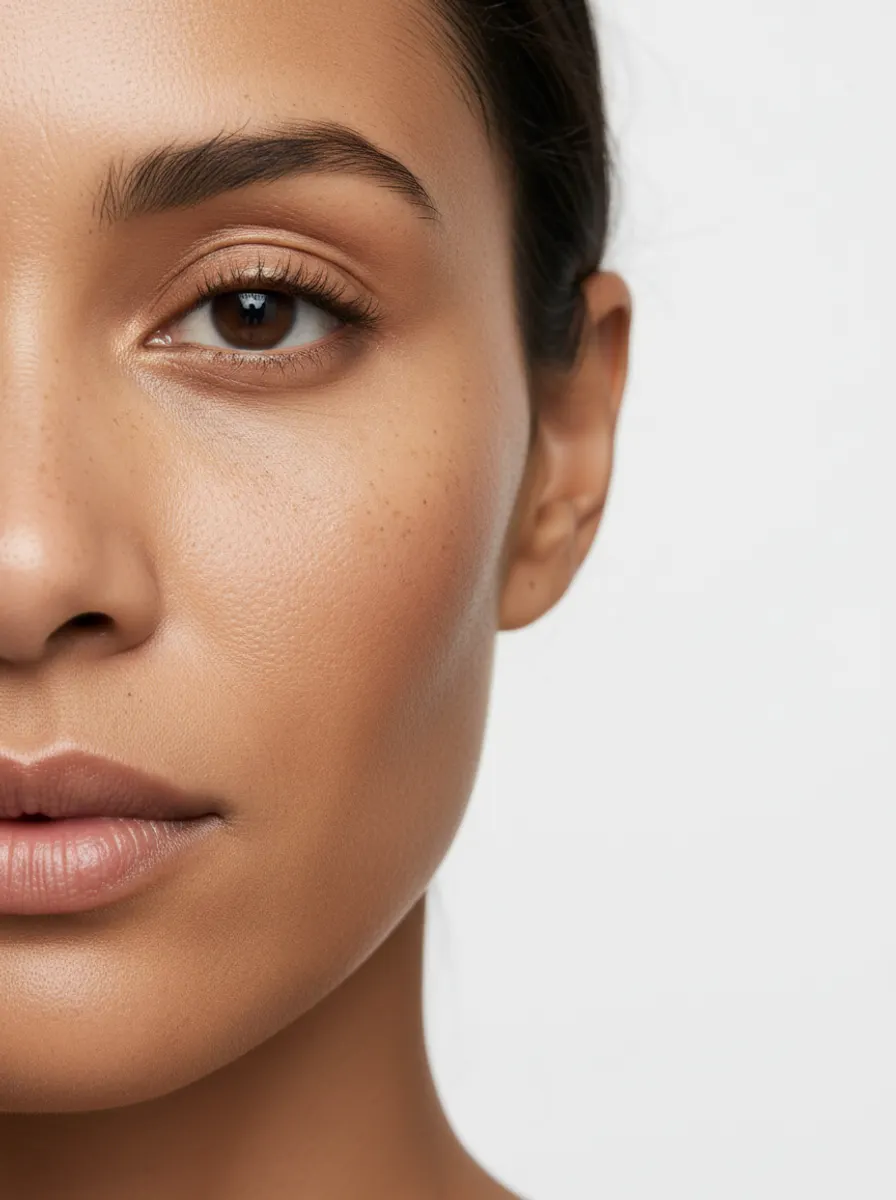
So how does microdermabrasion work? A handpiece runs across the face, buffing off the dead outer layer with a diamond tip or crystals while suction clears it. Nothing gets injected, nothing gets cut. Skin looks brighter that same day.
How it works
Makeup and oil come off so the tip works on bare skin.
The tip works each area while suction clears debris.
Serum, moisturiser and sunscreen close things out. Skin may look flushed for an hour or two, then it calms down.

Results vary with your skin, your starting point and how many sessions you have. Your consultation covers what is realistic for you, before you commit to anything.
Prefer to talk now?(833) 462-5769
Candidacy
When skin looks flat and feels rough, or old marks are crawling along, microdermabrasion for dull skin is one of the gentler places to start.
Skin that reads tired and feels grainy under your fingers.
Microdermabrasion for acne marks targets the flat brown ones left behind, not live breakouts.
Blackheads on the nose and chin, or little white bumps that stay put.
You want your skin at its best for a date on the calendar, no downtime attached.
People searching micro needling vs microdermabrasion really want two numbers: how deep it goes, and how much of the week it takes.
| Depth | Surface layer only, no punctures. | Down into the dermis, or a burn. |
|---|---|---|
| Downtime | An hour of pink, then done. | Days of redness and flaking. |
| Sensation | A scratchy tug. | Sharp, or hot. |
| Sessions | A course, then upkeep every four to six weeks. | Fewer visits, spread out. |
| Best for | Dullness, texture, clogged pores. | Scars and deep lines. |
How it works
6 Steps, Half an Hour.
A provider reads your skin, asks what bugs you most, and tells you how many sessions it takes.
Pick a clinic date. You get a short list: pause retinoids and acids first, skip waxing that week.
Makeup comes off and your skin gets a second look. Active breakouts, cold sores or fresh sunburn push it back.
The handpiece travels each zone in overlapping strokes, suction eased up or down along the way. Scratchy, not painful.
With the top layer gone, blackheads sit closer to the surface, so anything stubborn gets cleared here.
Serum, moisturiser, sunscreen, plus a short list to skip for two days. You walk out a little flushed.
One session brightens. Only a course really moves texture and marks. Microderm results come in slowly, which is the part most people don't hear up front.
The dull surface lifts and colour looks fresher.
Rough patches ease and makeup stops dragging.
Blackheads come out easier and pores look tighter.
Microdermabrasion and wrinkles: the fine ones soften.
Safety
Is microdermabrasion safe? For most skin, yes, since it never leaves the surface. What counts is who reads your skin first and how the settings get picked.
Active acne, rosacea flares, cold sores or recent sunburn all mean we hold off, not treat.
Suction and abrasion get set to your skin, not a preset.
Written aftercare, a number to call, and a check-in if your skin reacts more than expected.
Our surgeons
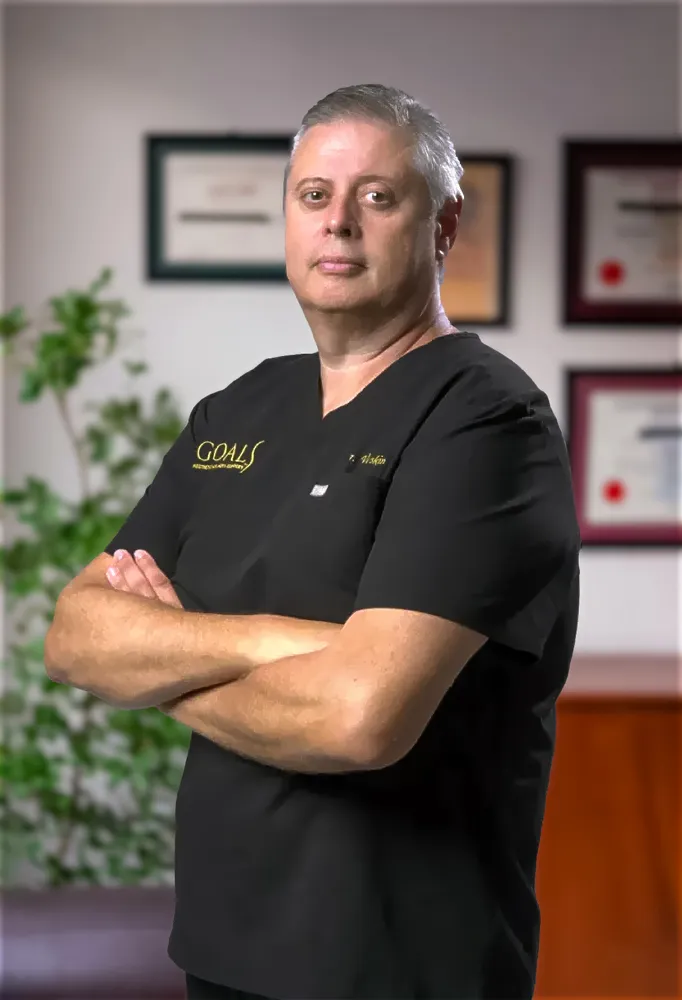
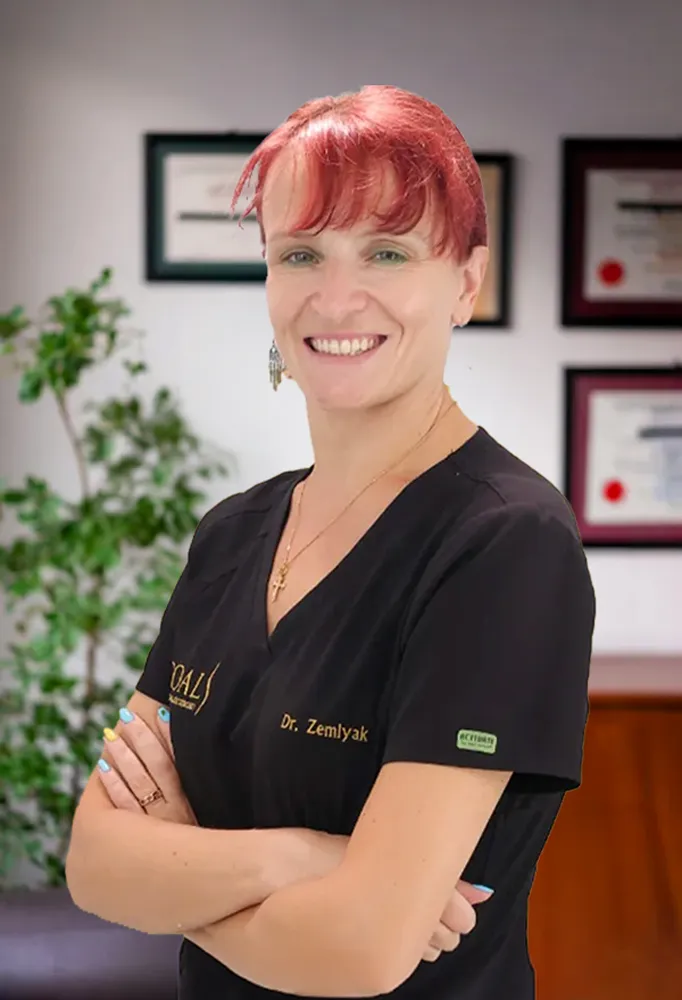
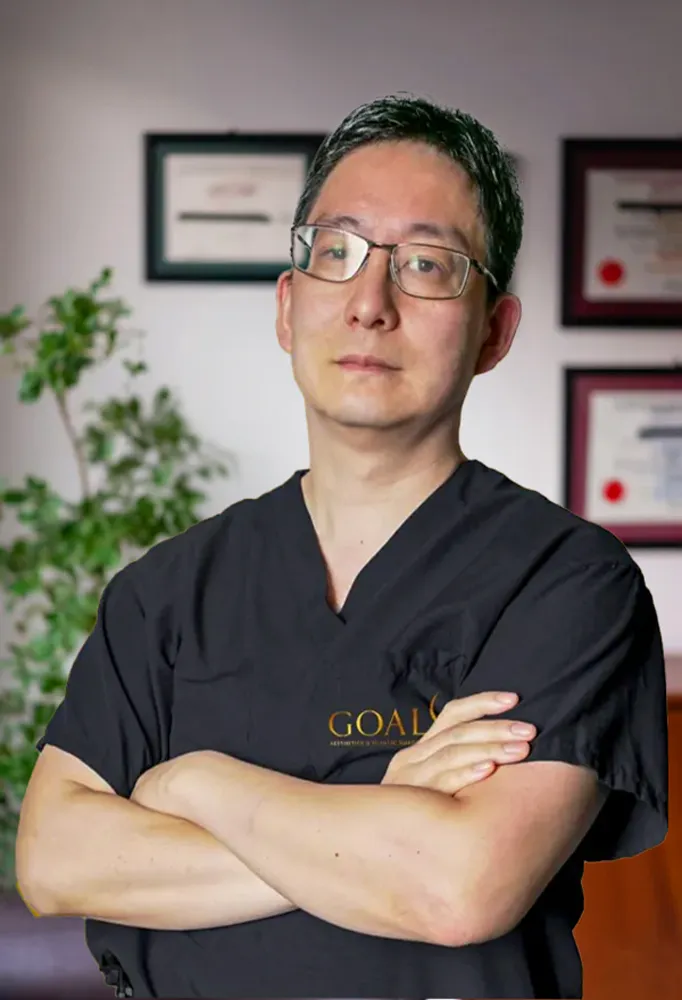
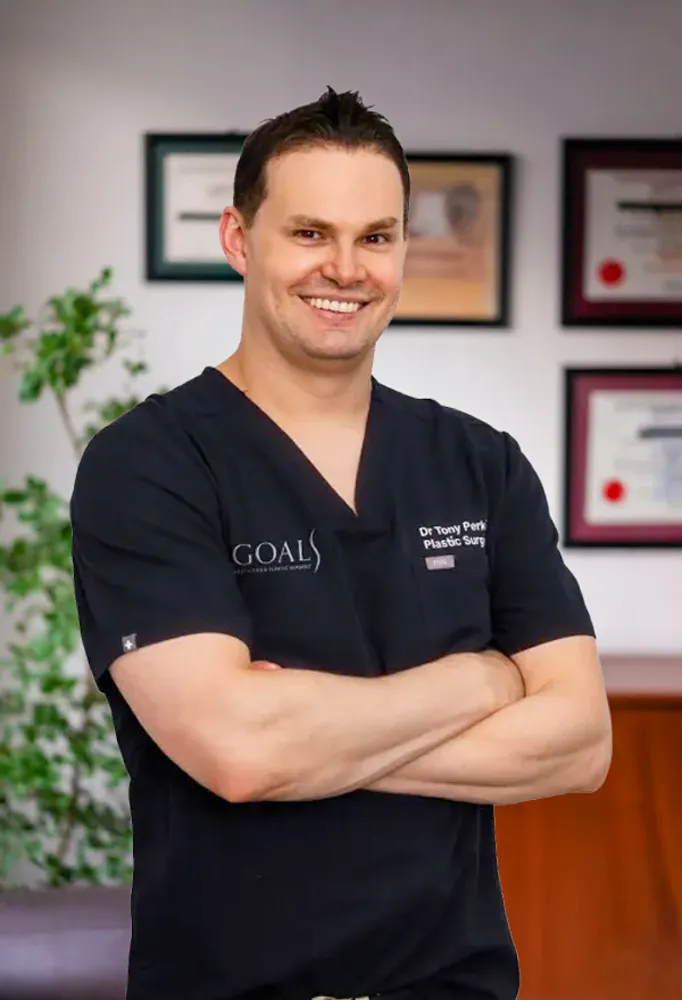
Every specialist on our team holds a U.S. license and works in aesthetics, skin resurfacing, or both. Yours reviews your case and your plan before the day.
Each surgeon’s training and licenses are listed on their own page.
Pricing
Microderm cost depends on how many sessions your skin needs and whether you stack it with anything else. You leave the consult with a written quote, before you book.
Financing options and plans
Your quote locks at booking, once the consult is done.
Course pricing is on paper before the first session.
Prices shown are starting prices and depend on the number of areas treated. Final pricing is confirmed at your consultation. Cosmetic procedures are not covered by insurance.
Try it
Pick a procedure to see an estimate. Your numbers stay on your device. We do not see or save them.
This is an estimate, not a quote. It splits the starting price over the months you pick, with no interest. Lenders set your real rate and terms. Your price is confirmed at your consultation.
Clinics
New York
FAQ
Four to six weeks apart is the norm, and it lines up with how long your skin needs to renew itself. A starter course usually stacks five or six visits a bit closer, then eases into maintenance. Going faster buys you nothing and mostly leaves skin raw and touchy, so there is no prize for rushing it.
Depends entirely on the target. Dullness, gritty texture, clogged pores: money well spent. Deep acne scars, sagging jaw, lines you can see when your face is still: it will let you down, and your budget belongs elsewhere. A decent provider sorts you into the right bucket before you ever pay for a course.
Basically zero. You are pink for somewhere between half an hour and an hour and a half, then a touch tight for the rest of the day. A little flaking on day two or three is expected. Makeup is fine by the next morning, and loads of people slot a session into lunch and head back to their desk.
A single session gives you two to four weeks of glow. The deeper wins on texture and marks stick around longer, but only if the whole course backs them up. None of it is forever, because your skin never stops making that same dead surface layer. Treat it as upkeep, not a one-and-done.
Sunscreen every single morning, no debate, because freshly buffed skin burns in a hurry. Park the retinoids, acids, scrubs and hot yoga for a couple of days. No waxing or laser on the spot for a week. Keep things plain and boring until the tightness lifts, then pick your usual routine back up.
For the flat brown or red marks a breakout leaves behind, yes, given a full course. For pitted or rolling scars, no, since those live deeper than the surface layer this can touch. Microneedling or a resurfacing treatment is the straight answer there, and we will say so instead of selling you sessions.
Learn more
Microdermabrasion has been kicking around clinics for thirty years, so it has picked up more than its share of tall tales. It is not a face lift, it does not wipe out scars, and one session will not change your skin for good. What it does is lift off the dead surface layer that leaves skin looking flat, grey and rough, in roughly half an hour, with nothing to recover from afterward. Below: what really happens in the room at our clinics, who it fits, who should hold off, and how it stacks up against the treatments it usually gets compared to.
Ask what is microdermabrasion and the honest answer is controlled sanding. The very top of the epidermis, the stratum corneum, is a layer of cells your body is already done with. They fall away on their own, only unevenly and slower as the years add up. That leftover build-up scatters light and leaves skin looking dull.
A handpiece scuffs that layer while a vacuum draws the loosened cells off. The depth stays shallow on purpose. Nothing pierces living tissue, no wound opens, no bleeding. That shallowness is the entire point, and it is also why the payoff stacks up over time instead of arriving all at once.
Two tools do the same job. A diamond tip microdermabrasion facial runs a wand coated in industrial diamond grit across the skin while suction draws the debris into a filter. It is precise, simple to steer around the nose and eyes, and leaves no loose particles behind.
A crystal microdermabrasion facial sprays fine aluminium oxide or salt crystals at the skin and vacuums them right back out. It is the older approach and still works well, though the loose grit keeps it away from the eyes. Neither wins outright. Your provider chooses on your skin and the area in question.
Most people tense up for something rougher than it is. It feels like a firm, scratchy drag with a strong tug from the suction, closest to a cat's tongue. The bonier spots near the jaw and forehead read sharper. No numbing cream needed, and you can chat the whole way through.
A full face runs twenty to thirty minutes; the neck and chest can be added. Afterward the skin sits pink, warm and a little tight, like after a windy walk. For most that settles within an hour or two.
Extractions usually come after the passes, while the plugs are loose and lift with barely any pressure. A soothing serum and moisturiser go on to close, then sunscreen if you are stepping back outside. Some places tack on a mask, which is nice but not the point. Nothing in the finishing stage moves the result, so do not choose a provider over it.
The usual reason people book has nothing to do with one flaw. The skin just looks worn out. Foundation grabs at dry patches, the surface feels gritty, and nothing on the bathroom shelf is moving the needle.
That is exactly where this treatment pays off. Clearing the dead layer lets light bounce back evenly, which the eye reads as brightness, and it lets serums and moisturisers sink in instead of parking on dead cells. If you have ever wondered what does microdermabrasion do in plain words, that is it: it resets the surface so the rest of your routine lands.
The flat brown or pink marks a breakout leaves fade nicely over a course, since that pigment sits in the upper layers this can reach. Look for gradual lightening across five or six visits, not a vanishing act.
For microdermabrasion for pimples themselves the story needs more care. Clearing congestion can head off new ones, but dragging an abrasive tip across inflamed, pus-filled acne moves bacteria around and aggravates skin that is already fired up. Active breakouts mean postpone. Chest and back congestion works too, and microdermabrasion bacne sessions run the same way over a bigger area.
Blackheads are just oxidised plugs parked in the pore opening. Buffing off the layer over them loosens the plug, which is why extractions go far easier right after a pass than they do cold. Steady sessions keep the nose and chin clearer than any amount of home scrubbing.
Microdermabrasion milia, those firm white bumps under the eyes and across the cheeks, gets searched a lot for good reason. Milia are keratin sealed under a thin lid of skin, and wearing that lid down over sessions helps them clear or makes them easy to release. One visit rarely does it.
Microdermabrasion for fine lines helps with the shallowest ones, mostly the crepey texture around the eyes and mouth that comes from dryness and surface build-up rather than lost volume. Once skin bounces light back evenly, those lines read softer.
Deeper lines, folds around the nose and mouth, and any slack along the jaw are not surface problems, and no amount of exfoliation touches them. If that is your real concern, J-Plasma Skin Tightening is the straighter conversation to have.
Microdermabrasion hyperpigmentation cuts both ways, and it hinges on what caused the pigment. Sun-driven patches sitting high in the skin lighten slowly. Melasma, hormone-driven and deeper down, can flare up under aggressive treatment and needs a completely different plan.
On deeper skin tones the thing to watch is post-inflammatory pigmentation: push the skin too hard and it answers by making more pigment, not less. The fix is lower suction, fewer passes and a slower course. That is a settings conversation, not a reason to skip the treatment.
Most plans open with five or six sessions two to three weeks apart, then settle into maintenance every four to six weeks. That gap tracks skin cell turnover, which slows as you age. Asking how often can you do microdermabrasion more often than that usually earns a no.
Over-treating is a genuine trap. Skin buffed too often turns sensitive, shiny in that tight way, and snappy about products it used to shrug off. More passes do not add up to faster progress. A provider slotting you in weekly for months is not doing you any favours.
Timing of year counts more than people think. Courses go easier through autumn and winter, when sun is simpler to dodge and the daily sunscreen habit is less likely to lapse. Booking that first session three or four weeks ahead of an event, not three days before, is smart too, since it leaves room for a second visit if your skin asks for one.
Skin immediately after microdermabrasion looks flushed and feels tight, a bit like mild windburn. For some it lasts hours, for others most of the evening. A little flaking on day two or three is normal, the loosened layer on its way out.
Makeup is fine by the next morning. Heavy sweating, steam rooms and hot showers are best parked for a day, since heat keeps the redness going. If your skin is truly sore or blotchy past the two-day mark, make the call rather than sit on it.
Post microdermabrasion care really boils down to two things: sun and self-control. Freshly buffed skin burns quicker and pigments faster, so daily sunscreen is non-negotiable the week after, and worth keeping across the course.
Park the retinoids, glycolic and salicylic acids, scrubs and any home gadgets for two days. No waxing or laser on the treated area for a week. Keep everything dull and gentle while the skin settles, then pick your usual routine back up. Loading actives onto a just-resurfaced face is the number one way people flip a good result into irritation.
Searches for microdermabrasion gone wrong nearly always circle the same short list: treating over active acne or rosacea, suction cranked too high, visits packed too close together, or skin still healing from isotretinoin. None of it is a mystery.
Push it back if you have a cold sore, fresh sunburn, an open lesion, eczema on the spot, or if you took isotretinoin in the last six months. Flag blood thinners and any recent laser or peel work to your provider. The check at the start of the visit is there for exactly this.
Pregnancy on its own is not a dealbreaker, since nothing gets absorbed and no chemicals are in play, though hormonal skin can be moody and many providers dial the settings down. The other group to flag is very thin, over-exfoliated skin from years of scrubbing: it usually needs rest and a rebuilt barrier before any device comes near it.
Microderm vs hydrafacial gets asked nonstop. A hydrafacial pairs water and suction to exfoliate and push serums in at once, which is gentler and better suited to dehydrated or sensitive skin. Microdermabrasion hits harder and does more for real roughness and thickened surface texture.
Chemical peel vs microdermabrasion is a different bargain. A peel chemically dissolves the bonds between cells and can go much deeper, which buys stronger results in exchange for visible flaking and real downtime. Microdermabrasion is mechanical, shallow and predictable. If you can't afford to look peeled for a week, that gap settles it.
People also ask is microdermabrasion the same as microneedling, and the answer is no on every count that matters. Microneedling drives hundreds of controlled punctures to kick off healing and collagen. This sweeps dead cells off the top and kicks off nothing. One works on scarring and structure; the other on how the surface looks and feels.
Sessions tend to slot into a bigger plan rather than stand alone. Patients working on lesions rather than texture often tack on Skin Tags Removal on the same visit.
Order matters more than piling things on. Exfoliation ahead of an injectable or a laser is usually spread out, not crammed into one day. The full menu offered locally lives under Cosmetic Procedures, and the plan gets built at the consultation instead of ordered off a list.
There is no one figure, and anyone rattling one off over the phone before seeing your skin is guessing. The price for microdermabrasion rides on how many sessions the course holds, whether the neck and chest come along, and whether it runs beside anything else. You get a written quote at the consultation, itemised and locked before the first appointment.
Courses usually get paid across the whole plan rather than one session at a time, and payment options are laid out on the financing page. If you want a look at the kind of change a full course brings before you commit, the gallery tells you more than any stock photo.
Goals runs microdermabrasion across its U.S. locations, so book at whichever clinic works for you. The appointments are short enough to fit a lunch break, and nothing in the aftercare keeps you from heading back to work.
Consultations can start online if you would rather send photos first, and providers are listed on the surgeons page. The whole spread of skin services lives under cosmetic procedures. Turn up with the one thing that actually nags at you in the mirror; that shapes the plan faster than any list of treatments.
Get started
Book your free consultation and see what a microdermabrasion course can do for your skin's tone and texture.
Prefer to talk now? (833) 462-5769
Free · No obligation
Tell us how to reach you. A patient coordinator calls you back — usually the same day.
Free · No obligation
Ask me anything. I usually reply straight away.
If you share your number, a Goals coordinator may call or text you about your consultation. Message and data rates may apply.
Nora is an automated chat. She cannot give medical advice or say whether a procedure suits you.