(833) 462-5769 ES

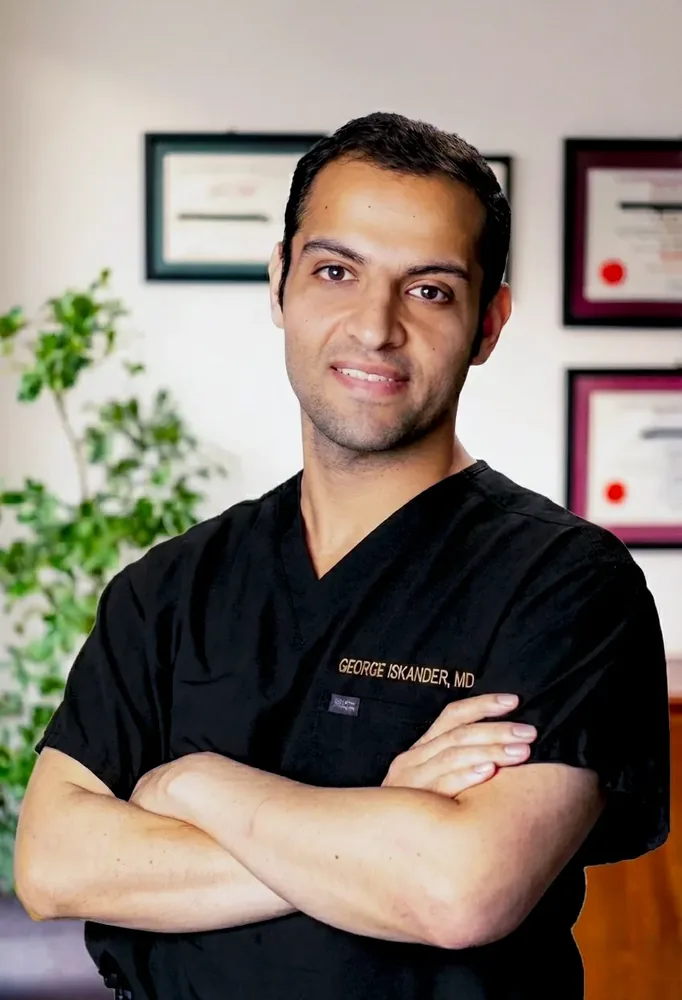
Dr. George Iskander, MD

Goals Aesthetics

Dr. George Iskander trained in Egypt and at SUNY Downstate, and built his surgical practice on minimally invasive and robotic technique. He operates at Goals in Maryland and speaks Arabic.

  • Licensed and residency-trained surgeon.
  • Minimally invasive technique, intimate procedures and body contouring.
A model in a compression garment, photographed for Goals

19+

Years in practice

2007

Qualified since

Gaithersburg, Maryland

Goals location

About Dr. George Iskander

Dr. George Iskander earned his medical degree from the University of Assiut School of Medicine in Egypt in 2007 and completed a general surgery residency at SUNY Downstate Medical Center in Brooklyn. His surgical practice is built on minimally invasive and robotic technique, chosen to replace open procedures wherever possible. He works from the Goals clinic in Maryland and is fluent in Arabic and Spanish.

Key specialties

Intimate Procedures

Labiaplasty and Votiva vaginal rejuvenation.

Awake Liposuction

FlexSculpt and Lipo 360, minimally invasive and under local anesthesia.

Face & Neck

Chin and neck contouring, jawline definition.

Breast Procedures

Augmentation, lift.

Body Contouring & BBL

Brazilian Butt Lift, FlexTuck.

Non-Surgical Enhancements

J-Plasma, injectables, skin tightening.

Where You Can See Dr. George Iskander

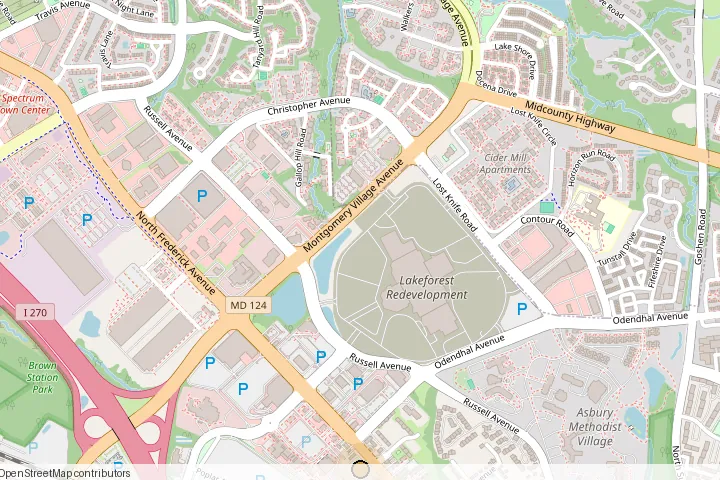
Dr. George Iskander consults and operates at the Goals Aesthetics clinic in Maryland.

Map showing the Goals clinic in Gaithersburg, MDOpen in Maps

Gaithersburg, MD

438 N Frederick Ave, Gaithersburg, MD 20877

438 N Frederick Ave, Gaithersburg, MD 20877

Licenses, Certification, and Professional Memberships

Dr. George Iskander holds active credentials and state medical licenses, with a general surgery residency completed at SUNY Downstate in Brooklyn.

Certification & Credentials

State Medical Licenses

Virginia

Licensed in Maryland, where he operates for Goals, and in Virginia. Each licence is verifiable through that state's medical board.

Professional Societies

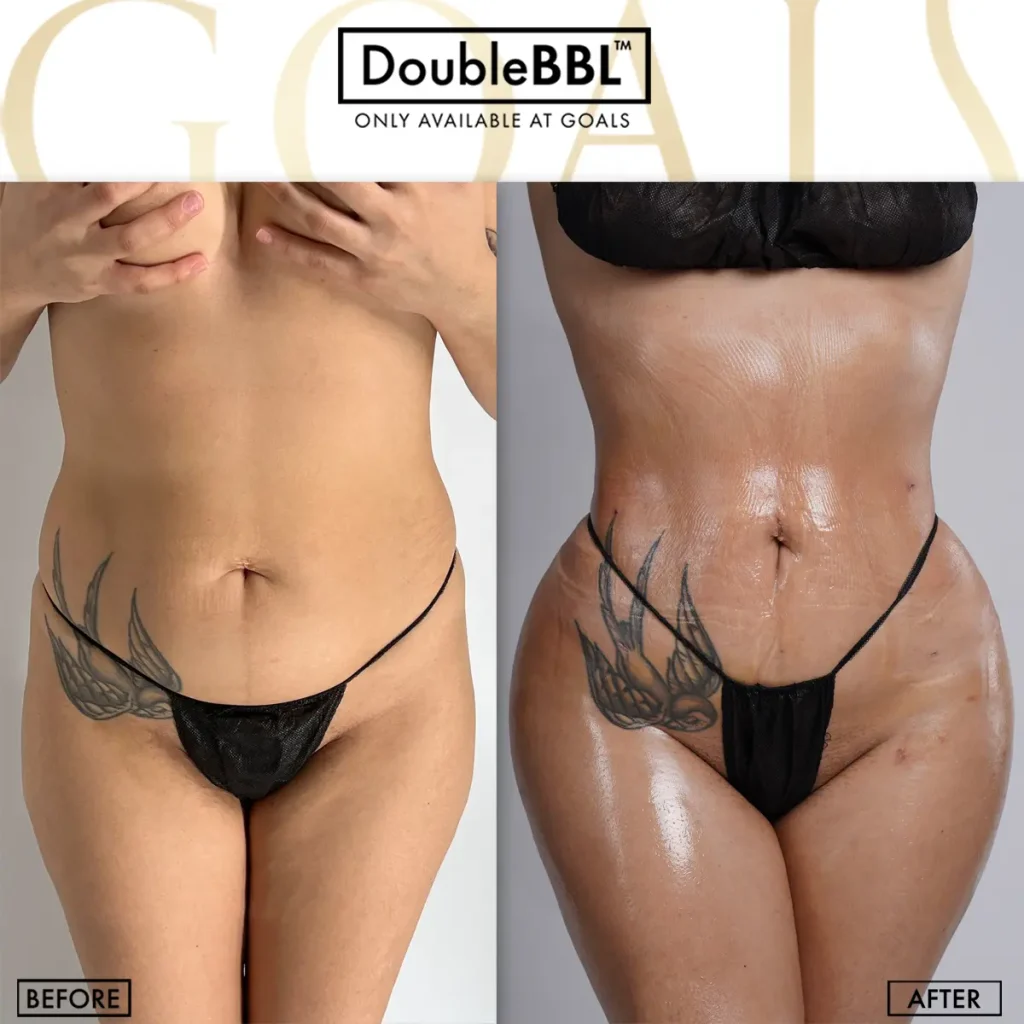
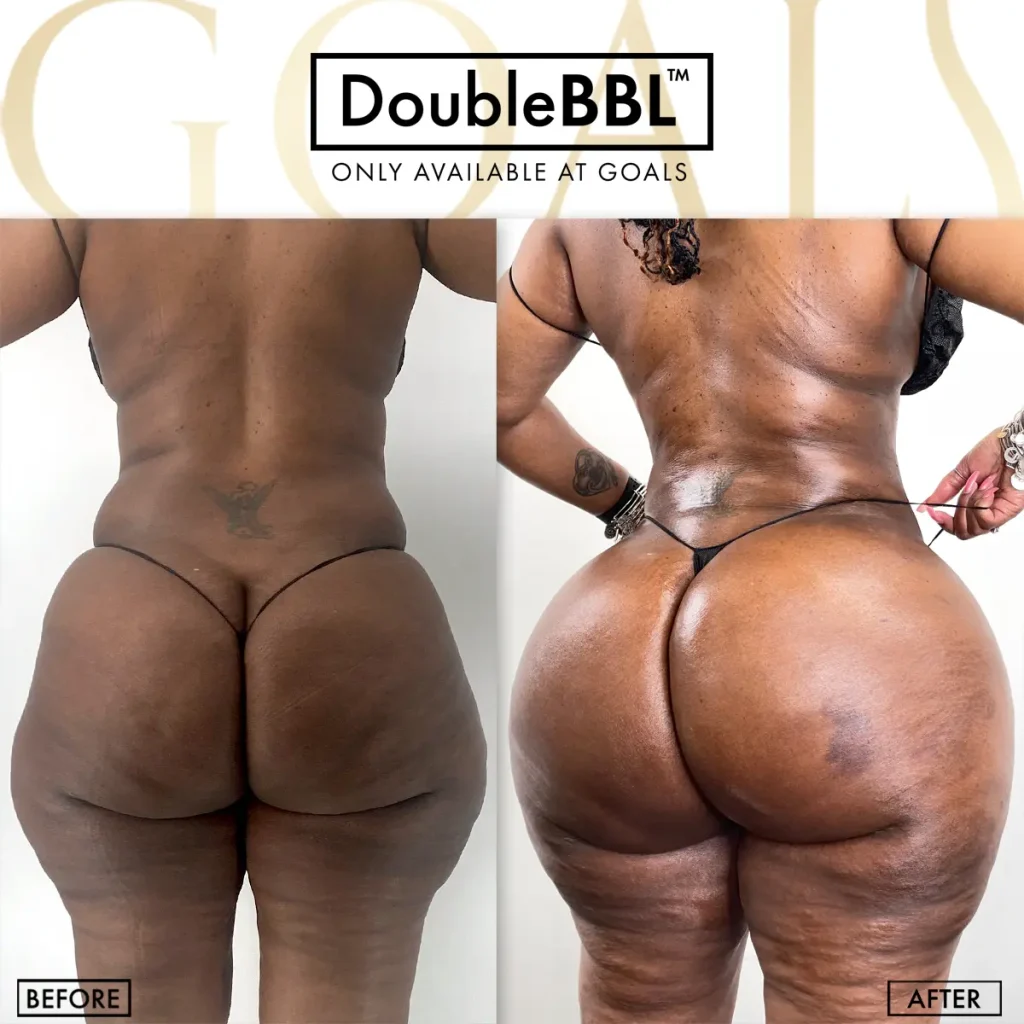
Before & After Results With Dr. George Iskander

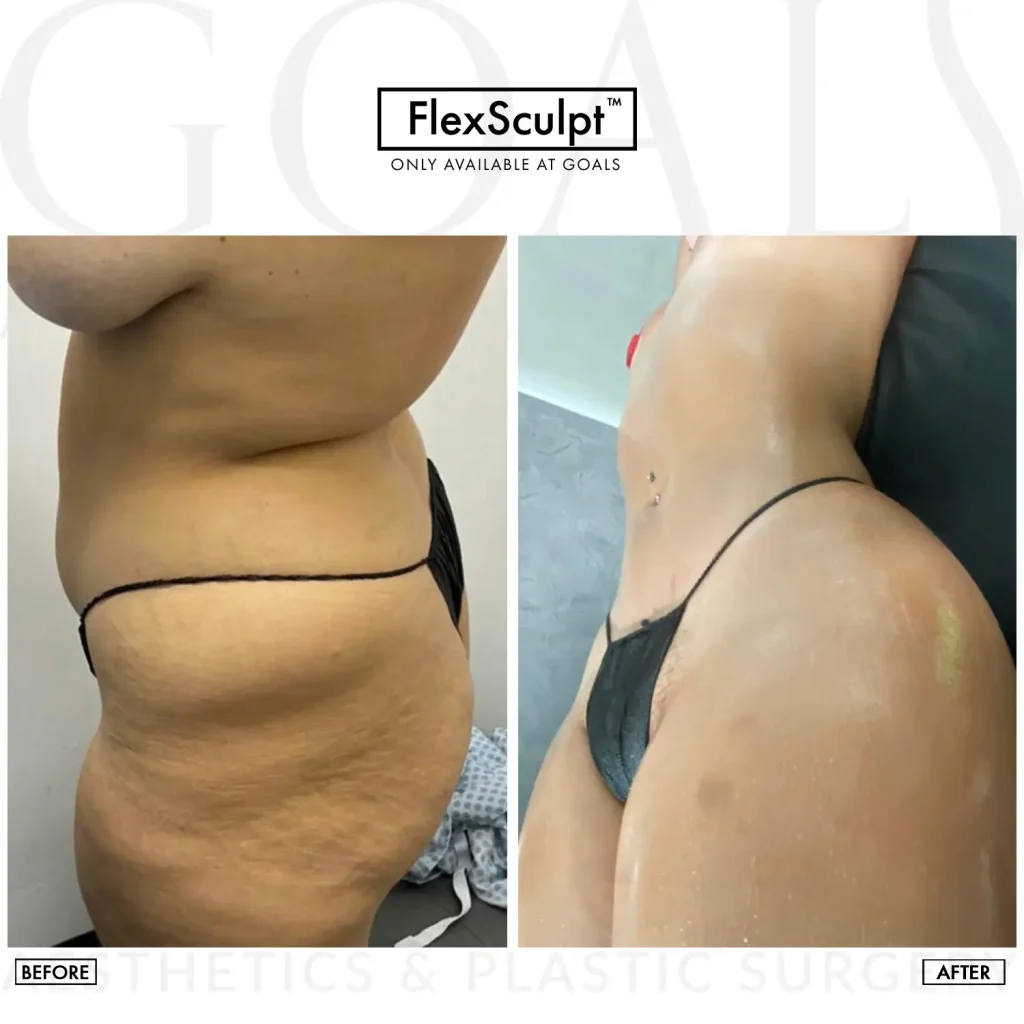
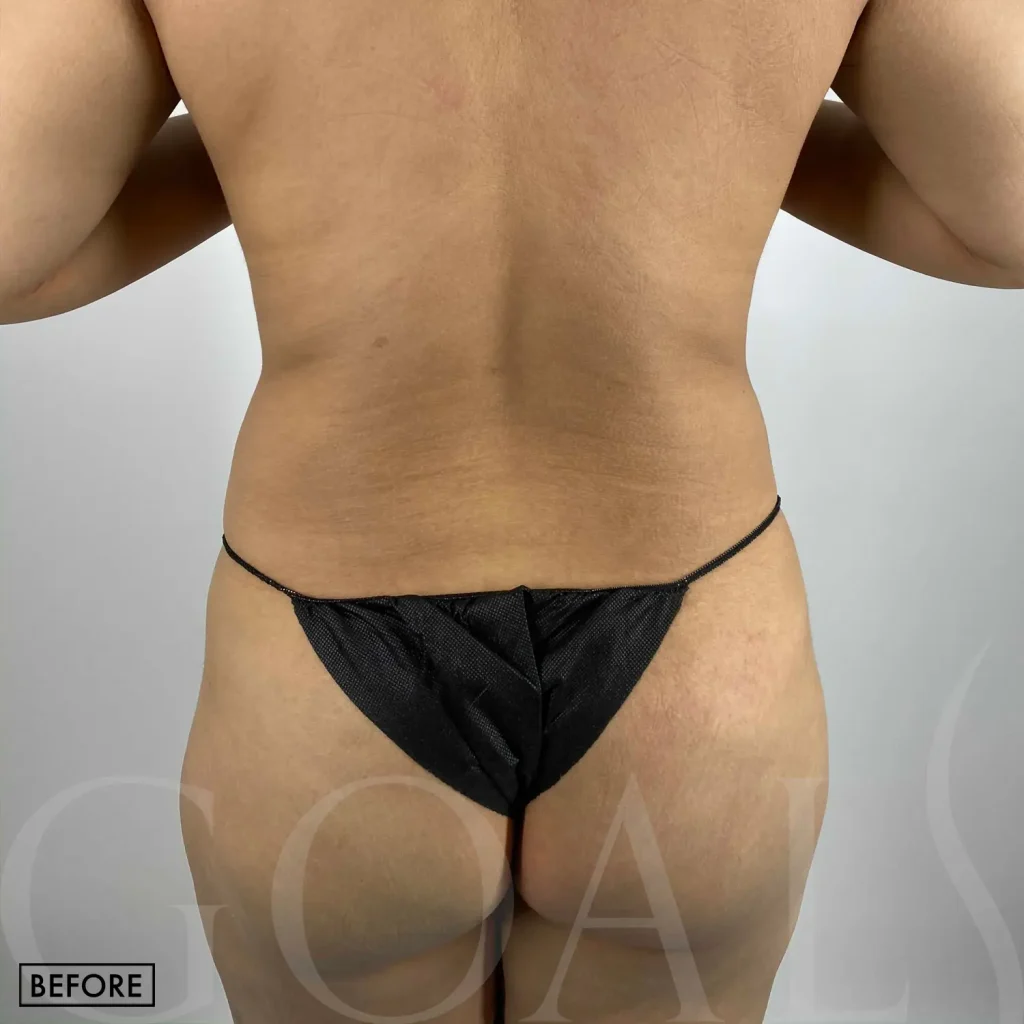
Real Goals patients treated by Dr. George Iskander.

See All Results
Before and after, patient 1
Before and after, patient 2
Before and after, patient 3
Before and after, patient 4
Before and after, patient 5
Before and after, patient 6

Real patients of Goals, published with written consent. Photographs are not retouched or AI-generated. Individual results vary — these images show outcomes for these patients and are not a guarantee of your own.

Work it out

Where you are starting

Runs in your browser. Nothing is sent to us and nothing is saved — a height and a weight are your business.

BMI

BMI is one measure among several and it says nothing about how you are built. Surgeons weigh it alongside your health and your goals; it does not decide anything on its own.

What Patients Say About Dr. George Iskander

“He went through the screening properly before we discussed anything else, and told me what would happen if my results came back wrong. I appreciated knowing that in advance rather than later.”
36 years, Maryland
“We did the whole consultation in Arabic. My English is fine but this was surgery, and being able to ask the awkward questions properly made all the difference to me.”
42, Gaithersburg
“Having somewhere close to home for all the follow-ups made a real difference. I did not have to take a day off work for a twenty-minute appointment.”
48 years, Rockville
“He answered the questions I was too embarrassed to ask by asking them himself first. That is a small thing and it changed the whole consultation for me.”
33 years, Maryland

Testimonials reflect individual experiences. Results vary by patient.

Frequently Asked Questions About Dr. George Iskander

His surgical background is in minimally invasive and robotic technique, and gynaecologic surgery specifically, so intimate procedures map most directly onto it. Confirm his full list at consultation.

At the Goals clinic in Gaithersburg, Maryland, the network's only Maryland location. It covers the Washington and Baltimore corridor, and coordinators build follow-up visits around your travel.

He earned his medical degree at the University of Assiut School of Medicine in Egypt in 2007, then completed a general surgery residency at SUNY Downstate Medical Center in Brooklyn, New York.

Often yes. A BBL alongside contouring is the obvious pairing, one supplying what the other places. He agrees once your anatomy and the length of the case have been weighed.

Screening completed before a date is offered, accredited facilities only, and a willingness to move a date when results are not right. Ask what would cause yours to move.

Yes to both. Say so when you book. A consultation is where you find out what is achievable and what the risks are, and understanding it in the language you think in is not a small thing.

Cosmetic and Plastic Surgery with Dr. George Iskander – Everything You Need to Know

Dr. George Iskander qualified in Egypt in 2007, completed his general surgery residency at SUNY Downstate in Brooklyn, and built a practice on minimally invasive and robotic technique. He sees Goals patients at the Gaithersburg clinic, the network's only Maryland location, and consults in Arabic and Spanish. Below is what patients want settled before booking, and the way to verify any surgeon's credentials for yourself.

Dr. George Iskander earned his medical degree from the University of Assiut School of Medicine in Egypt in 2007 and came to the United States for his surgical training, completing a general surgery residency at SUNY Downstate Medical Center in Brooklyn. He has been in practice for nineteen years.

His surgical work is built on minimally invasive and robotic technique, with laparoscopic and robotic approaches chosen to replace open surgery wherever the case allows it, on the grounds that smaller access means less pain and faster recovery. That principle is the through-line between his background and the work Goals does, since awake and minimally invasive procedures rest on exactly the same reasoning.

Goals describes his approach as precise, natural-looking results with a strong focus on patient safety. That emphasis is testable rather than decorative: a surgeon who means it will tell you what their screening involves, what would cause your date to move, and what happens if a result comes back outside safe parameters.

He is fluent in Arabic and Spanish, and has spoken publicly about providing culturally sensitive care to Arabic-speaking patients. He is also involved in community and global health outreach. He works from a single clinic in Gaithersburg, which is worth knowing as a practical matter: contouring recovery runs across months of follow-up rather than weeks, and seeing the same surgeon in the same place throughout is easier than coordinating across sites.

Be clear on this before anything else, because it is the thing worth knowing. His certification is in obstetrics and gynaecology. He is not certified in plastic surgery and this page does not suggest otherwise. Goals describes him as a surgical specialist and that is the accurate term.

What the certification does cover is nineteen years of operating, a qualification from Assiut in 2007, and an active gynaecologic practice in Northern Virginia built on laparoscopic and robotic technique. Gynaecologic surgery is where minimally invasive approaches were proved out earliest and most thoroughly, and that is directly relevant to how body work is done here.

Ask him about it at the consultation rather than working around it. A surgeon who has spent two decades replacing open operations with small-access ones has a specific technical argument, and it is a better conversation than a credential comparison.

The licence is the fast check and worth running yourself for anybody. State medical boards publish a searchable register giving the status, the issuing state and any public action recorded. Two minutes. His entry sits with the surgical team.

Ask about revisions early, before there is any reason to: when one could happen, what it involves, and who pays which part. The hesitation there is worth noticing.

One more thing worth asking about, because it is unusual. He runs an active gynaecologic practice in Northern Virginia alongside the Goals work. Ask how his week divides between the two and how many cosmetic cases he takes. Not because the answer disqualifies anybody, but because a surgeon's instincts follow whatever they do most, and knowing the split tells you which set of instincts you are getting.

FlexSculpt and Lipo 360 read the abdomen, flanks and back as a single running surface rather than as separate areas, which is what stops a result looking like one section was addressed and the rest ignored. Much of this work is performed awake, under local anesthesia, which shortens recovery and removes a whole category of anesthetic risk.

The Brazilian Butt Lift works by layering, setting grafts at several depths so the projection comes out fuller and holds longer. Its raw material is the fat the contouring half takes out. Two areas altered under one anesthetic, with one recovery to get through.

Not all transferred fat survives. A proportion is reabsorbed across the first months, and the surviving amount is what your result settles at. That figure should be given to you as a range before surgery rather than after.

Have him draw it on you at a mirror before you agree. A pen on skin communicates more than a volume in litres, and it reveals the areas he plans not to touch.

His breast list at Goals holds augmentation, lift and reduction, along with fat transfer augmentation, which is the route for a modest increase with no implant involved. It suits his contouring, since a single session can lift fat from one area and build in another.

Two abdominal routes exist. The tummy tuck is what pronounced laxity or a separated muscle wall calls for. FlexTuck where a shorter incision will do. A mommy makeover puts abdominal and breast work under a single anesthetic where the operating time allows it, and arm contouring addresses the arms specifically.

Which of these Dr. Iskander performs most often is worth asking directly at the consultation, because a surgeon's instincts follow their volume. His own training points most directly at the intimate procedures, labiaplasty and Votiva vaginal rejuvenation, where a gynaecologic surgical background applies without translation.

Raise the scar question whatever you pick. How visible a scar ends up is capped by where it sits and how it was closed. Your healing and twelve months of care decide the rest. You should see where the incisions go and hear how they typically look a year on, so nothing about the healed result arrives as a surprise.

Most surgeon pages tell you to match the procedure to the practice. That is sound but it skips a question that matters just as much, which is how the operation will be done rather than which operation it is.

Two surgeons can agree on the same procedure and reach it by very different routes. Larger access or smaller. Open technique or instruments through a few short incisions. General anesthesia or local. Those choices decide how much tissue gets disturbed, and tissue disturbance is what sets your recovery, your pain and a fair amount of your risk. They rarely come up unless a patient raises them.

So ask. What size are the incisions, where do they sit, why that approach rather than a smaller one, and what would make you choose differently. Somebody whose career has been spent narrowing access will have a considered answer, and any competent surgeon should.

On the ordinary matching question, his Goals work is contouring, breast and the gynaecologic procedures. Anything outside that ought to be said plainly, with a colleague named who does it weekly.

He operates from the Gaithersburg clinic, which is the only Maryland site, so travel and follow-up are simple to plan. Ask at booking how many appointments the first year holds.

A second question in the same family goes equally unasked. What if the plan has to change once you are on the table? Anatomy does not always match what an examination suggested, and a surgeon should be able to say in advance which alterations they would simply make and which would mean stopping.

The case for minimally invasive surgery is not comfort. It is arithmetic. Every additional centimetre of incision and every extra gram of tissue disturbed adds bleeding risk, infection risk and healing time, and subtracting those is what smaller access buys.

That is the principle his gynaecologic practice runs on and the same one Goals applies to body work. Awake procedures under local remove a whole class of anesthetic risk before the operation starts. Ultrasound guidance during fat transfer keeps grafts above the muscle, which is the single measure that matters most in modern BBL safety.

No date exists until the screening is back. Bloods, cardiac risk, medications, how you actually live. Anything reading outside safe limits holds the booking until it is resolved rather than being routed around it.

Every procedure falls under that. Accredited status puts an inspector through the sterilisation, the emergency kit, the ratio of staff to patients and the anesthesia monitoring, rather than the clinic asserting them. Those centres also stock airway equipment and monitored recovery bays and drill their staff on the response.

Carrying extra weight turns candidacy into a numbers question. The workup decides whether it is safe as things stand, or whether splitting the work across two shorter operations is the safer arithmetic.

He consults in Arabic and Spanish as well as English, and his own profile describes a commitment to culturally sensitive care for Arabic-speaking patients. Say which language you would rather use when you book, not on the day.

That matters more than it sounds. A consultation is where risk gets explained and where you decide what you are consenting to. Taking that in through a second language costs you something, and it costs more again if you want a parent or a spouse in the room who has only the first.

Check too that the plan, the consent form and the aftercare sheet come in that language and not just the conversation. Paperwork tends to stay in English by default, and consent you have not fully read is not really consent.

The appointment itself is an assessment. He examines the area, judges skin and donor fat, states what your build permits and describes the likely outcome, with the before & after gallery open beside him. The plan goes home with you in writing, with nothing in the diary.

Afterwards, the opening fortnight outweighs the rest: garments, positioning, drainage, activity limits, each with a physiological reason. Follow-up carries on for a year because contouring keeps settling, swelling clears in patches, and an outline that looks wrong at week six is usually level by month six.

Bring somebody with you to that appointment if the language question applies to you at all. Two people retain more of an hour than one, and if the second person speaks the language you are consulting in, they will catch what you nod past.

Get the whole figure before you commit, itemised: the surgeon, the facility, anesthesia, garments, every follow-up visit. Nothing should reach an invoice that was absent from that list. Length and difficulty differ from one case to the next, so the figure gets worked out for you specifically.

Financing partners spread payment monthly across a choice of terms, with most applications answered inside the day. Read the contract and not the one-page summary of it, and request it in Arabic or Spanish if that is easier. Current options sit on the financing page.

One further question specific to a single-site surgeon. Ask what happens if you need to be seen urgently and Gaithersburg is a long drive on the day. Whether another Goals clinic can take you, whether a video call is possible, and who covers the practice when he is not in. Rare situations, easy answers, and much better asked in advance than looked up at eleven at night.

Three conditions decide candidacy: usable donor fat, skin that behaves once the volume goes, and a stable weight. What liposuction alters is shape. Weight is left where it was, and it will not stand in for losing any. It is skin that settles these cases rather than fat. Taking the fat out is routine. Whether the skin draws back afterwards is not, and that turns on age, on inherited elasticity, and on the stretching it has already done. Pronounced laxity points elsewhere: J-Plasma or an excisional procedure will serve you better.

Higher up: chin and neck contouring, and where the issue is skin quality rather than structure, J-Plasma.

Put the revision question directly: the figure, and whose budget it comes from. Nothing disappears from a quote more dependably, and nothing else matters if the situation ever arrives.

Then price the weeks after: days not worked, the garments, each appointment, and usually another adult in the house through week one.

Ready to Take the Next Step Toward Your Goals?

Contouring, a BBL, a breast procedure. A consultation with Dr. Iskander in Gaithersburg will tell you what your build allows, and how he would get there, before anything is booked.

  • Licensed U.S. Surgeons
  • Thousands of successful transformations nationwide
  • Safety-First Protocols

Prefer to talk now? (833) 462-5769

Free consultation · No obligation · Answer in under 60 seconds