Hairline Design
The line is drawn for the man you will be at fifty, not only the one booking today.
A male hair transplant moves hair that will not fall out into the spots that already have. One day, local anesthetic, permanent.
From $5,000

Overview
The hair at the back of your head ignores the hormone thinning the top. Moved forward, it keeps ignoring it. Men still dread hair plugs for men, but plugs died decades back. This is one follicle at a time.
How it works
The line is drawn for the man you will be at fifty, not only the one booking today.
Follicles lifted from the back, where hair does not thin.
Each follicle set at the angle your hair already grows. Local anesthetic, one day, and you drive home yourself.
Candidacy
The hair at the back of your head is the whole budget you will ever get. Spend it at twenty-five and none is left at fifty, once the loss has finished moving. Timing is most of the decision.
The corners have been creeping back for years.
The pattern has shown itself and slowed.
Thick hair at the back and sides to draw on.
The patch at the back you only see in photos.
Curly follicles need a surgeon used to them.
Conditions we treat
A hair transplant for male pattern baldness follows a familiar map.
The corners pull back first, and the forehead gains a size.
A circle opening at the back that only photos give away.
The middle holds while the sides retreat around it.
Density leaking off the whole top with no clear edge.
Injury, burns, or a botched transplant done somewhere else.
Patchy autoimmune loss, where we will level with you.
Each men's hair transplant before and after here is a real man.
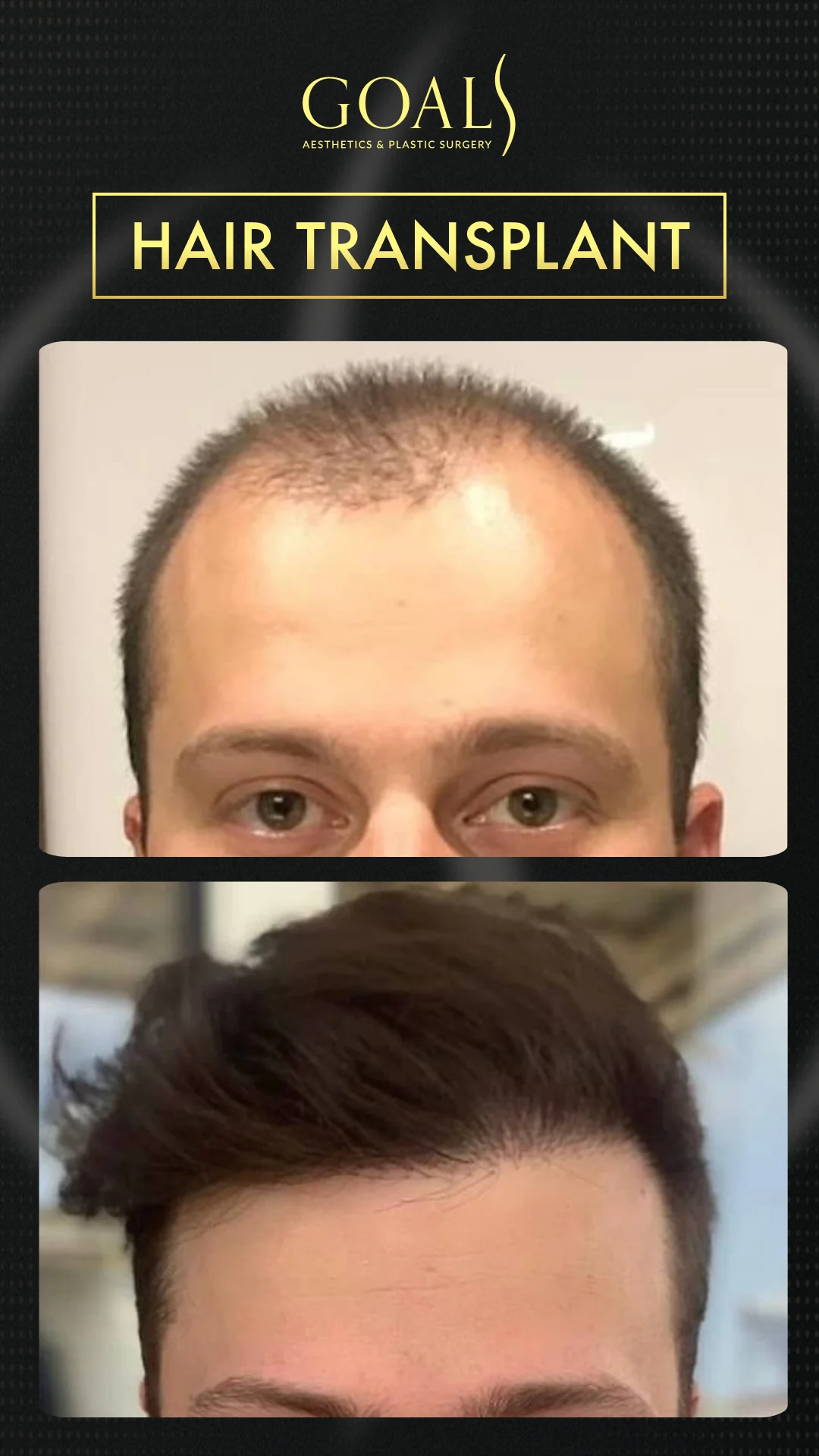
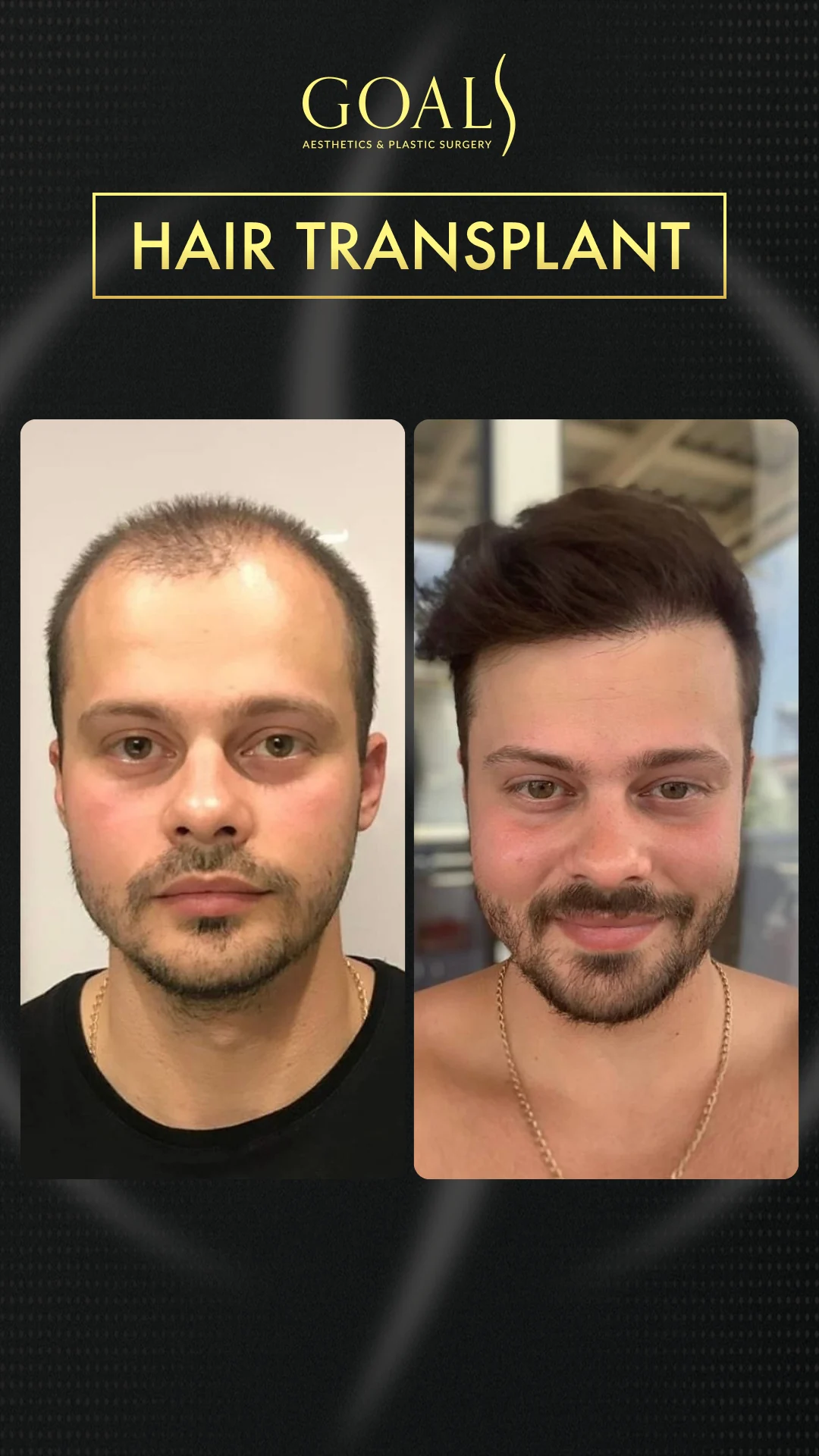
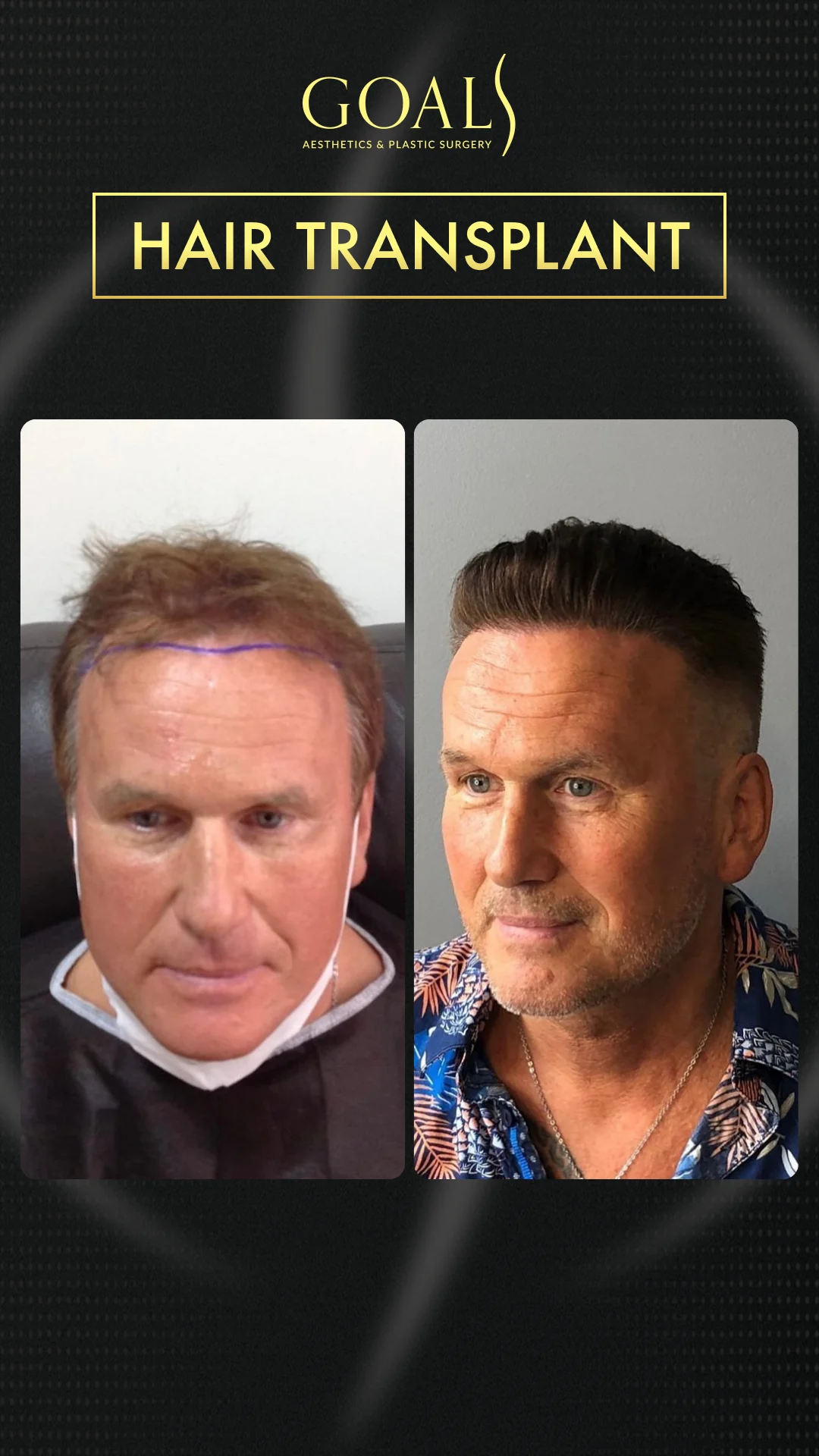
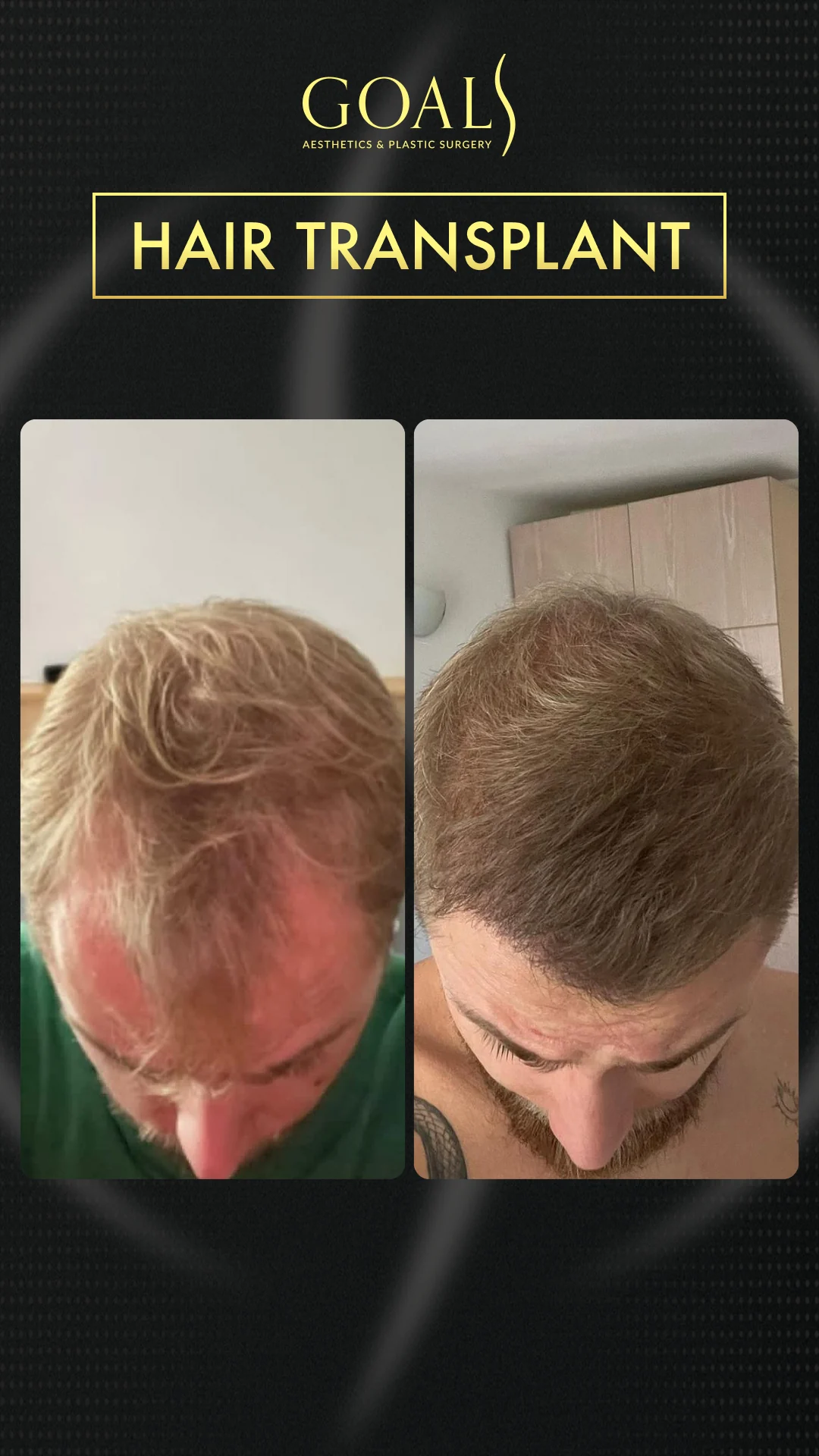
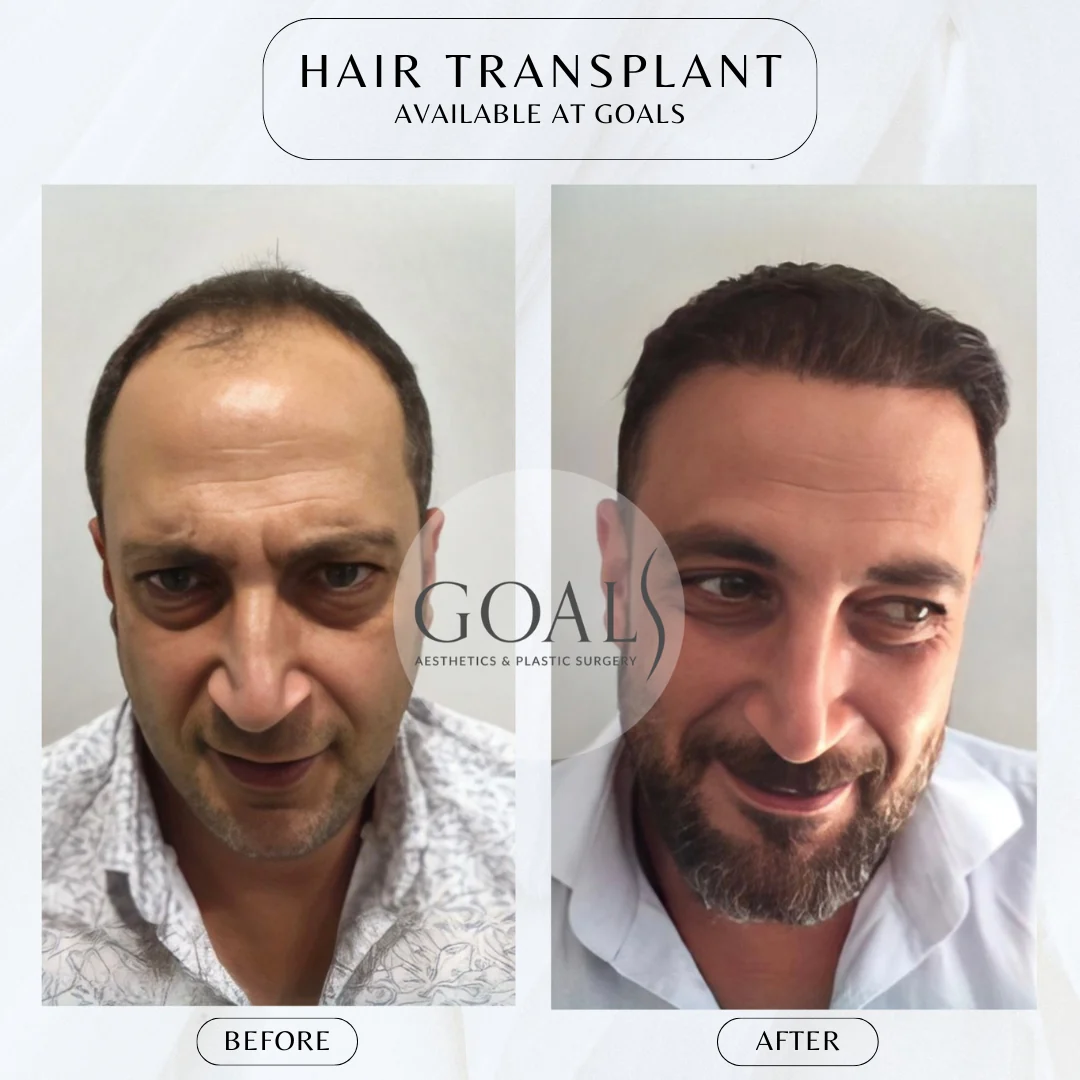
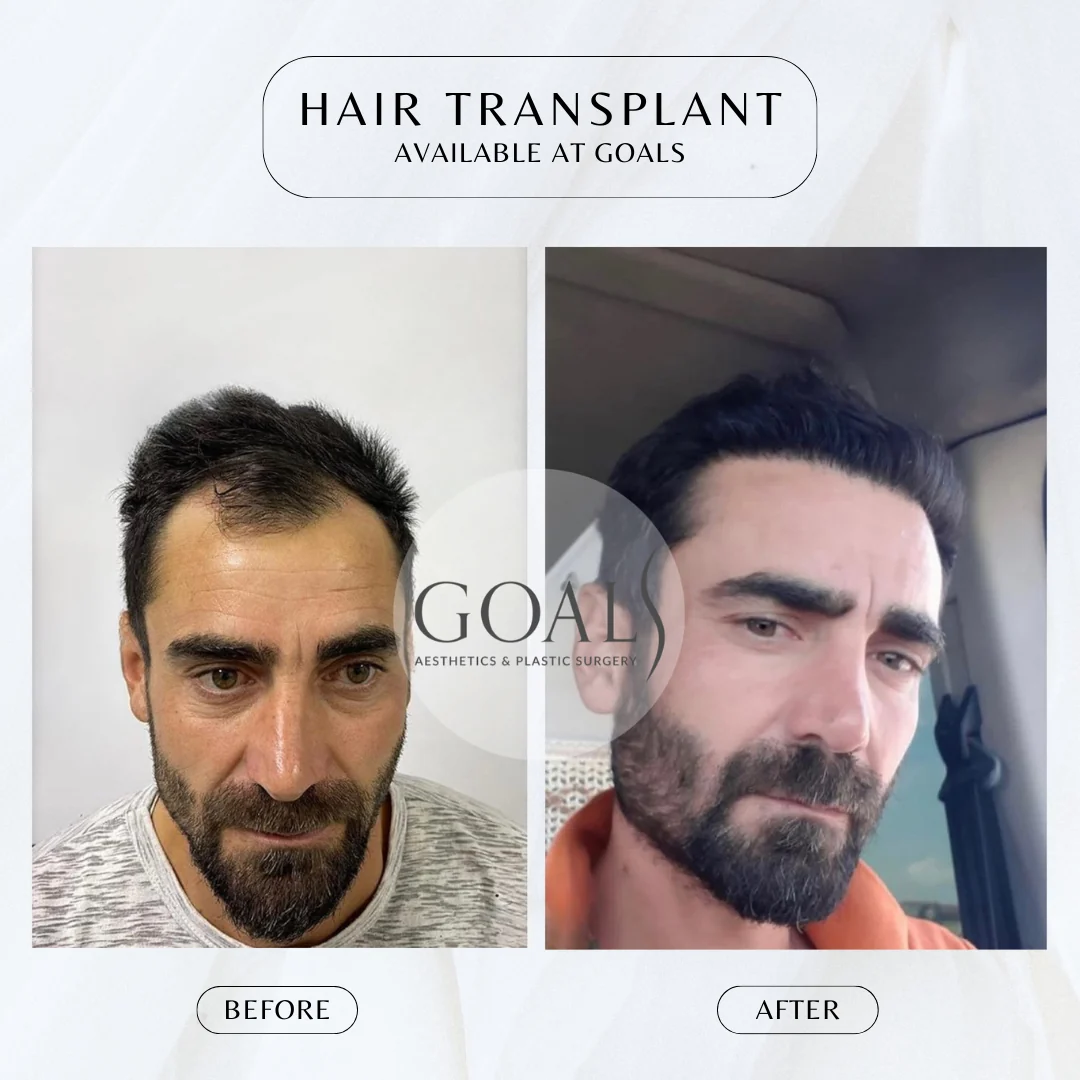
Real patients, published with written consent. Photographs are not retouched or AI-generated. Individual results vary — these images show outcomes for these patients and are not a guarantee of your own.
Try it
Type your height and weight. Your numbers stay on your device. We do not see or save them.
BMI is just one number. Your surgeon also looks at your health and your goals. BMI alone does not decide if you can have surgery.
Clinics
We have a few clinics in these cities.
The same technique, wherever the hair went.
Men's Hair Transplant near you
Non-surgical options
Surgery moves hair. It will not stop you losing more. These hold the ground around your grafts.
Clinical-strength laser light that wakes follicles and firms up the hair you still have.
Micro-injections of vitamins, minerals, and amino acids sent straight into the scalp.
High-frequency current that lifts scalp circulation and nutrient uptake.
The graft count is the sales pitch, and it is exactly the wrong thing to buy on. Donor hair is finite, it will not grow back, and a clinic paid by the graft has every reason to take more of it than you can afford to lose.
| Getting It Done Abroad | Men's Surgery in the United States |
|---|---|
| Getting It Done AbroadYou get quoted a graft count off a photograph, before anyone has seen your head. | Men's Surgery in the United StatesA licensed surgeon reads your scalp and your donor area before quoting a thing. |
| Getting It Done AbroadNobody asks your age or how far the loss will run. The plan stops at the surgery date. | Men's Surgery in the United StatesThe plan reckons with where your loss is heading, not just where it is now. |
| Getting It Done AbroadA low hairline is drawn to please you today. At fifty it reads like a wig. | Men's Surgery in the United StatesThe hairline is built to suit you at fifty, which means it sits higher than you want. |
| Getting It Done AbroadThe donor area is stripped too hard, which is permanent, and you will want it later. | Men's Surgery in the United StatesDonor hair is spent sparingly, because there is no getting any more of it. |
| Getting It Done AbroadNobody sets you up to protect the hair around the grafts, so it keeps going. | Men's Surgery in the United StatesA plan to protect the native hair around your grafts, so the result actually lasts. |
| Getting It Done AbroadYou fly home. The shedding, the swelling, and the year of waiting all happen alone. | Men's Surgery in the United StatesYou are seen locally through the shedding and the long wait for growth. |
| Factor | Overseas Package | Goals U.S. Clinic |
|---|---|---|
| Total cost (real) | Cheap sticker price, then flights, hotels, and a redo. | Whole procedure quoted up front, no surprise bills later. |
| Hairline design | Drawn low to please you. It ages badly. | Built for the man you will be in twenty years. |
| Donor supply | Stripped too hard. That damage cannot be undone. | Spent sparingly. You only get one donor area. |
| Future loss | Ignored. The plan stops on the surgery date. | Planned for, because the loss is not done. |
| Graft angle | Rushed by technicians paid by the graft. | Angled to match the hair you already have. |
| Native hair | Nothing offered. Native hair keeps going. | A plan to protect native hair so the grafts do not strand. |
| Textured hair | Curly follicles handled by someone learning. | Surgeons who know your hair type. |
| Legal protections | Little recourse once you have flown home. | Backed by United States patient safety laws. |
How it works
Six steps, then a long year.
A surgeon reads your donor area, your age, and where the loss is still going.
The line is drawn and agreed. Expect it higher than you wanted.
Follicles lifted from the back and sides, under local anesthetic.
Each graft angled to match your own growth. Home same day.
The grafts shed within weeks. That is normal. The follicles stay.
It comes back slowly, and keeps thickening for a year.
Safety
The risk that ruins men is not infection. It is a surgeon who takes too much donor hair, or sets a hairline too low, and neither one can be undone.
Spent sparingly. You never get more of it.
Built for fifty, not for the mirror today.
Accredited clinic, local anesthetic, tight infection control.
We assume the loss keeps going, because it will.
Seen in person through the shedding and the long wait.
Our surgeons
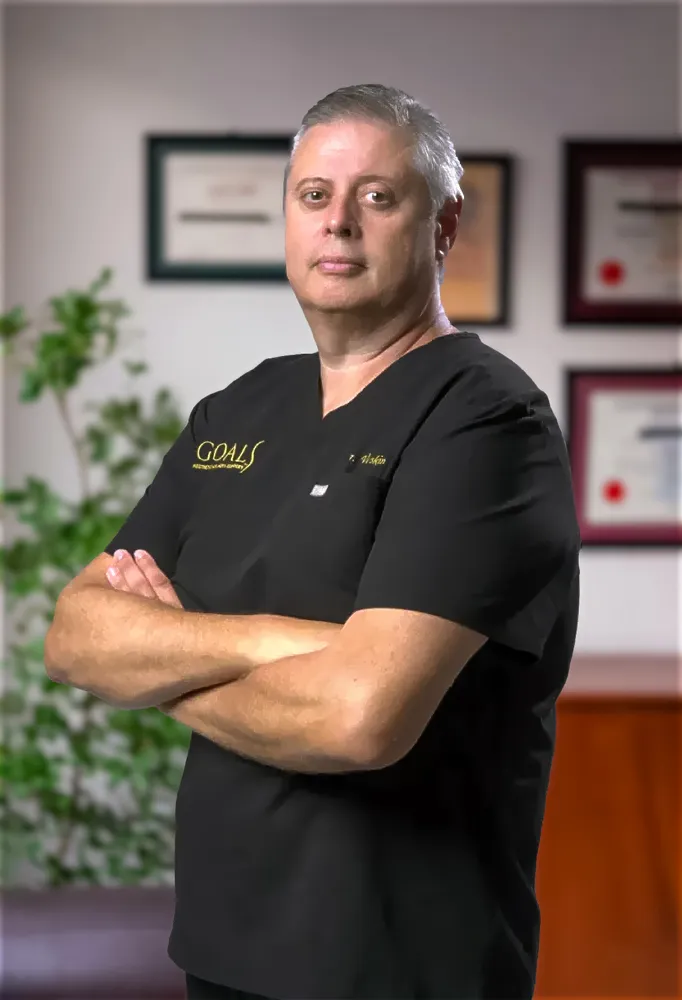
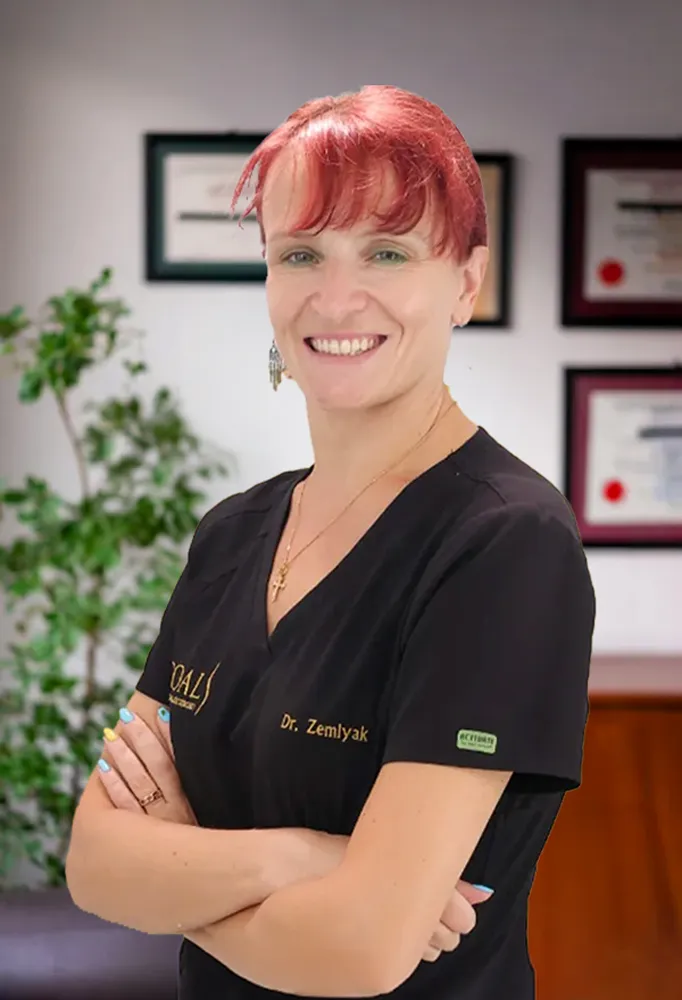
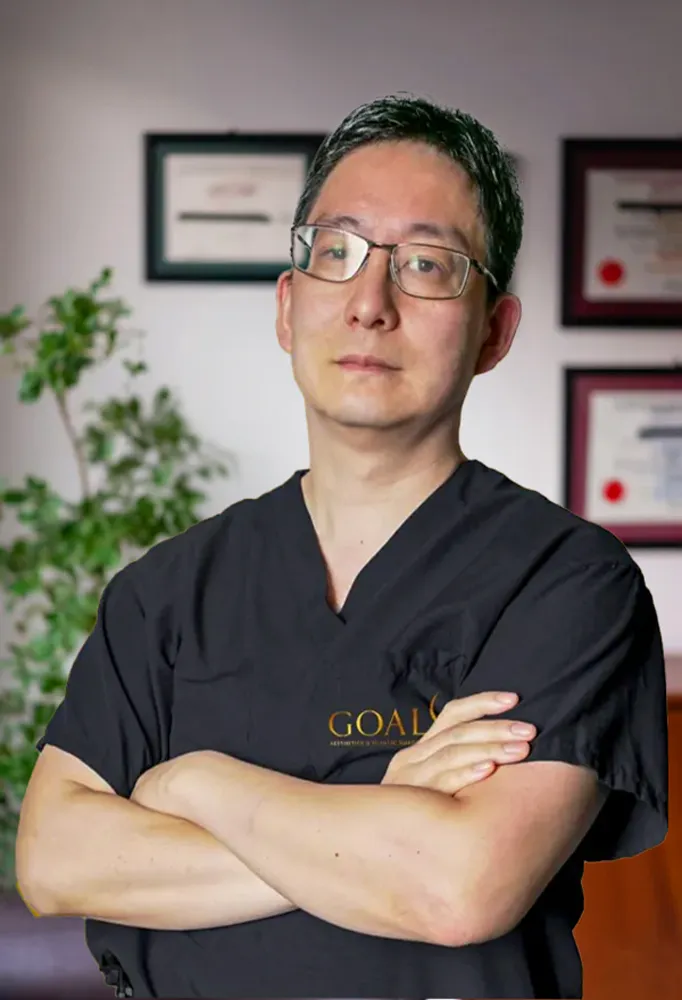
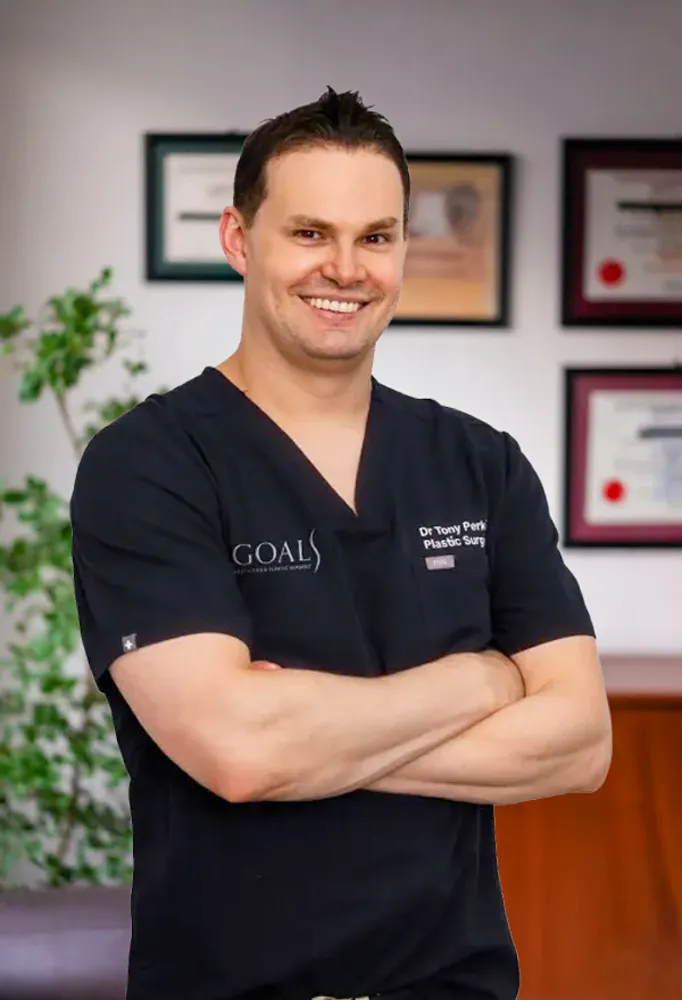
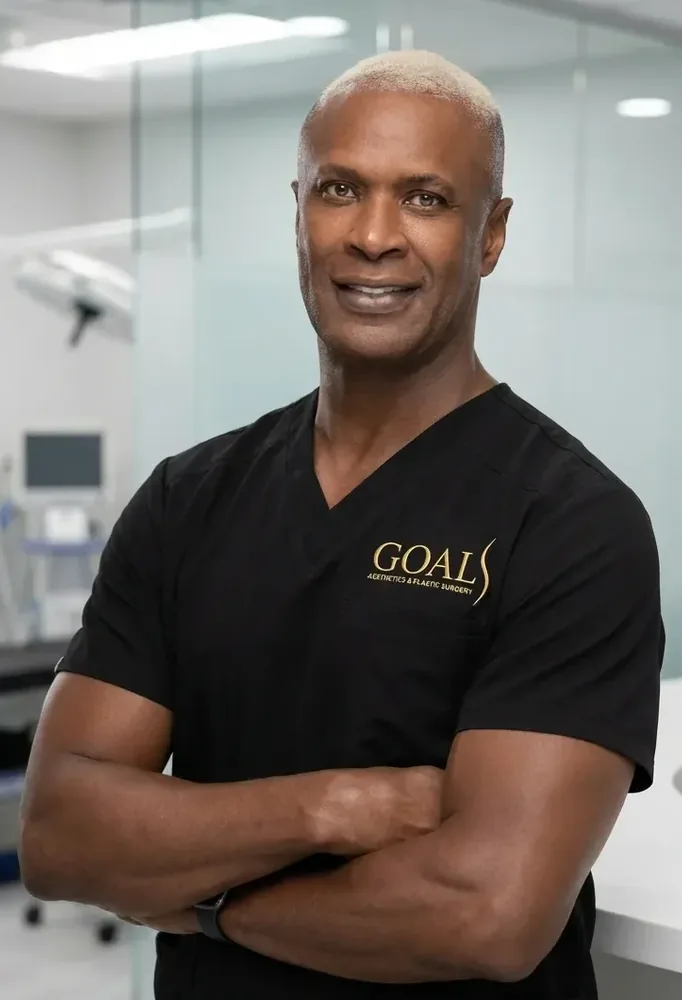
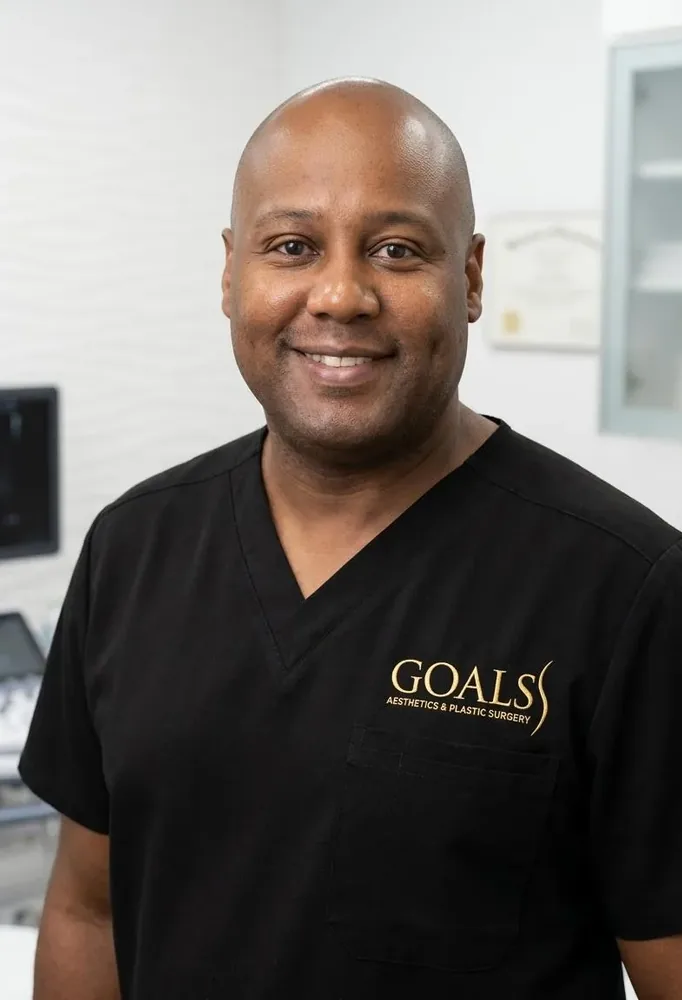
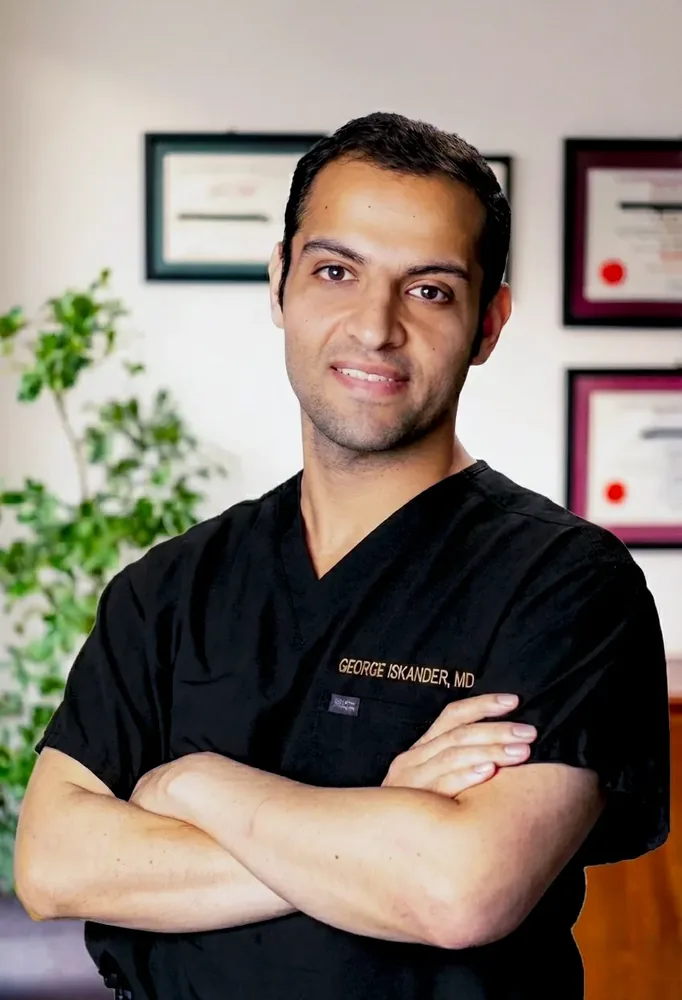
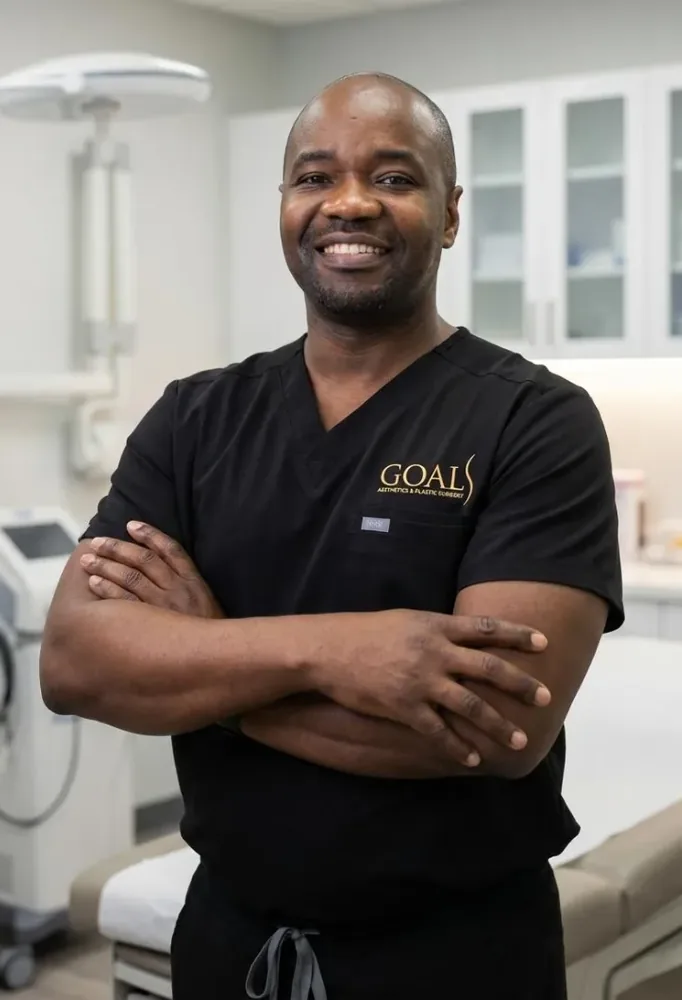
Experienced surgeons at home with male hair loss.
Each surgeon’s training and licenses are listed on their own page.
Pricing
Men's hair transplant cost tracks how many grafts the plan needs, and a good plan uses fewer than you hoped to buy. The full hair implants for men cost is quoted ahead of surgery.
You see the full cost before the day, never after.
We are not paid to talk you into hair you do not want.
Monthly plans that spread the cost over time.
Consultation, surgery, and aftercare all sit in the quote.
Prices shown are starting prices and depend on the number of areas treated. Final pricing is confirmed at your consultation. Cosmetic procedures are not covered by insurance.
Try it
Pick a procedure to see an estimate. Your numbers stay on your device. We do not see or save them.
This is an estimate, not a quote. It splits the starting price over the months you pick, with no interest. Lenders set your real rate and terms. Your price is confirmed at your consultation.
FAQ
With the Norwood scale, the map surgeons use to grade male loss from mild temple recession to a bald top with only a horseshoe left. Your stage tells us two things: how much has gone, and how much donor hair is left to work with. The exam starts there.
There is a window. The sweet spot is once the pattern shows itself but before loss runs too far, while the strip across your mid-scalp holds. Operate inside it and a surgeon designs around what is coming, not just what is here.
It depends on your stage and goal, so beware anyone quoting a number before seeing your head. Early recession might take under a thousand a side; an advanced top runs to several thousand. Donor supply caps it, not your wish.
Usually the front. The frontal third frames your face and changes your look more than anywhere else, graft for graft. The crown is a big, curved, thirsty area that gives back less. With limited donor, the front wins.
Because that hair is genetically deaf to DHT, the hormone that shrinks follicles up top. Surgeons call it donor dominance: move a resistant follicle to a balding zone and it keeps resisting and grows. That principle makes it permanent.
It's worth it. Surgery relocates hair; it does nothing to slow loss of the native hair beside your grafts. Medical and non-surgical options can help hold that hair so the transplant is not left marooned, and your surgeon will talk through what suits you. Leaving the surrounding hair unprotected is why some results age badly.
Often, yes. Old work, wide plugs, a scar, or a hairline drawn too low can usually be softened or reworked, though it leans on donor hair you may have spent. We assess honestly what is fixable, not a clean slate.
Men's Hair Transplant near you
Learn more
A mens hair transplant rests on one biological fact, and everything else on this page hangs off it. The hair ringing the back and sides of your head is genetically deaf to the hormone thinning your crown. Move a follicle from there to the front and it stays deaf. It grows, it keeps growing, and in twenty years it is still there. Surgeons call this donor dominance, and it is settled science.
What is not automatic is the judgement around it: how much of that donor hair you actually have, what stage your loss has reached, how far it still intends to go, and where a line gets drawn across your forehead. Get those right and the result improves with age. Get them wrong and it worsens with age. The cutting is the simple bit. The thinking is what you pay for.
Here is why that works. The follicles low at the back carry little sensitivity to dihydrotestosterone, or DHT, the hormone that miniaturises hair on top. That resistance is written into the follicle itself, not the patch of scalp it sits in, so it packs up and moves with the graft. This is the entire foundation of male hair restoration, and it is why a transplant is bought once instead of rented monthly like every pill and foam.
The hair comes out one of two ways. Follicular Unit Extraction lifts individual follicular units with a small punch, leaving scattered dots rather than a line, which suits men who crop it short. Follicular Unit Transplantation takes a thin strip from the back and slices it into grafts, banking a high count in one session at the cost of a single line. Goals does both, under local anesthetic, and which one fits comes down to your donor area and how you wear your hair.
Two words send men to a search bar, one out of fear and one out of confusion, and both deserve a straight answer.
Men look up hair plugs for men because the 1980s left a scar: rows of round tufts dotted across a scalp like a doll's head. Plugs were real. They were fat punch grafts, and they looked every bit as bad as you remember. No competent surgeon has touched them in decades. What took over is the follicular unit, the natural cluster of one to four hairs your scalp already grows in, set one at a time at the angle and packing of the hair beside it. The dread is earned. The thing it describes is dead.
Men also type in hair implants for men. Nothing gets implanted. There is no synthetic fibre and no foreign material. Your own living follicles are relocated. Any clinic offering to implant artificial hair is a clinic to walk out of, because the infection and rejection rates are exactly as ugly as they sound.
Before a single graft is planned, a surgeon grades where you sit, and that grade drives everything after.
The tool is the Norwood scale, a seven-stage map of male loss that runs from a little temple recession at the low end to a bald top with only a horseshoe left at the high end. Your stage does two jobs at once: it says how much hair has already gone, and it hints at how much further the pattern intends to travel. A man at an early stage and a man near the top of the scale are not the same project, even if both want the same hairline back.
Staging also sets a hard ceiling, because a transplant does not grow new hair, it moves the finite supply you already own. That is why graft counts climb with stage: an early hairline might want under a thousand grafts a side, while an advanced top swallows several thousand and still cannot promise teenage density. A clinic paid by the graft has every reason to sell you a big number. A surgeon reading your Norwood stage honestly is often the one talking you down to a smaller one, and that conversation is the clearest signal you will get about where you are standing.
There is a right moment to operate, and both sides of it are traps. Move too early and you plant into ground still collapsing; wait too long and the best options are already gone.
This is also why a good hairline is drawn higher than you want. It has to sit where a man of your age, whose hair is still receding, will plausibly have a line in a decade, not where a twenty-year-old wishes it were. A low, straight, aggressive line looks stranger every year as the hair behind it thins, until it reads as surgery from across a room. A surgeon willing to say no to your request is worth more than any machine in the building. Our gallery rewards study with this in mind: look hard at the hairlines, and notice that the ones that age well sit higher than you would have guessed.
Not every zone repays a graft equally, and a good plan spends the finite supply where it shows most.
The frontal third frames your face and rewrites how you look more than any other zone, graft for graft, which is why it almost always gets first claim. The crown is a different animal: large, curved, and hungry, it drinks grafts and hands back less visible change per one spent. When donor supply is tight and a choice has to be made, front beats crown nearly every time.
For a young man whose loss is still galloping, the honest move is often to stabilise on medication first, watch where the pattern settles, and operate once it is readable. A clinic that will put any man on the table the day he walks in, whatever his age, is telling you how it makes its money. Goals runs a full hair transplant programme precisely so a surgeon can read your whole head and, when that is the honest answer, send you away to come back in a few years.
Most men follow one script. The temples pull back and take the corners with them; the crown thins on its own, opening as a circle at the back that a man usually meets first in a bad photograph. The two zones creep toward each other until only the horseshoe at the back and sides survives, which is exactly the donor hair a transplant leans on. But roughly one man in five follows the 4A variant instead: the whole front edge marches straight back with no island left in the middle. It needs a different design from the outset, and a surgeon who has not spotted it will plan the wrong operation.
The crown deserves its own word of caution, because it is where donor supply goes to disappear. Its swirl of hair points in every direction at once, it sits on a curved surface, and it can keep expanding for years after the front has settled. Chasing full crown density young can burn through a reserve you will want for the hairline later. A dedicated Crown Hair Transplant is a real and worthwhile operation, but one to plan with a cool head rather than back into.
Tightly coiled hair is no harder to transplant in theory, but it is markedly harder in practice, and a clinic that rarely handles it will be practising on your head.
A tightly curled follicle bends under the skin as much as it does above it. Lifting it cleanly means a surgeon who can read that hidden curve and steer the punch around it, a feel earned through hundreds of cases, not skimmed from a manual. Done well, the payoff is real: the thicker shaft of coily hair covers more scalp per graft than fine straight hair ever will. Done badly, follicles get sliced on the way out, the waste rate climbs, and those grafts are gone for good.
So ask the plain question, and you are entitled to: how often do you work with hair like mine? A surgeon worth trusting answers it straight, with a number.
Your new grafts are permanent. The hair standing next to them is not, and that gap is where results quietly fail.
A transplant drops resistant hair into a thinning zone. It does nothing whatever to the native hair already there, which is under the same DHT attack it faced before you booked. Leave that hair unprotected and it keeps miniaturising, so within a few years your grafts are standing alone in a field that shrank back around them.
Here men have a genuine edge over women: the options for holding male pattern loss are well established, and most men who go under the punch benefit from an ongoing plan to protect what they keep. Low-Level Laser Therapy does that work with clinical-strength light and no needles. It doesn't regrow a bald scalp. What it does is defend the ground around your grafts, and that defence is what decides whether the result still holds up a decade on.
Cost follows graft count, which is exactly why a clinic loves quoting a big one, and exactly why a big one should worry you rather than flatter you. A well-drawn plan tends to use fewer grafts than a man expects, because it concentrates them where they change his face instead of dusting them thinly over his whole scalp.
What Goals puts in writing is the whole quote before surgery, consultation and aftercare folded in, so nothing surfaces later. Financing is available and spreads it across months. And because the moved follicles ignore the hormone that caused the loss, you pay for it once. That sets it apart from every pill and foam, which bill you every month until the day you stop.
A men's hair transplant moves DHT-resistant hair from the back of your head to the front, for good. The technique is settled and the plugs of your nightmares are decades dead. What still wrecks results is judgement: a line drawn too low, a donor area stripped too hard, a man operated on before his pattern settled, and native hair left undefended so the loss rolls on around the grafts. All four are avoidable, none is reversible, and every one belongs to the surgeon, not the machine. Book a consultation. If he tells you to wait, or draws the line higher than you hoped, you have probably found the right one.
Surgeons talk about a golden window: the stretch where your pattern has shown its hand but the strip of hair bridging your mid-scalp is still holding. Operate inside it and the design can be built around where the loss is heading, using donor hair efficiently. Miss it on the early side and you strand grafts in front of a line that keeps marching back. Miss it on the late side, once the bridge is gone and the bald zone has spread, and there is simply less to work with and less room to be clever.
Get started
Watching the temples go? We will read your donor area and tell you straight whether now is the moment, or whether waiting serves you better.
Prefer to talk now? (833) 462-5769
Free · No obligation
Tell us how to reach you. A patient coordinator calls you back — usually the same day.
Free · No obligation
Ask me anything. I usually reply straight away.
If you share your number, a Goals coordinator may call or text you about your consultation. Message and data rates may apply.
Nora is an automated chat. She cannot give medical advice or say whether a procedure suits you.