Breast Procedures
Augmentation, lift, reduction.
Goals Aesthetics
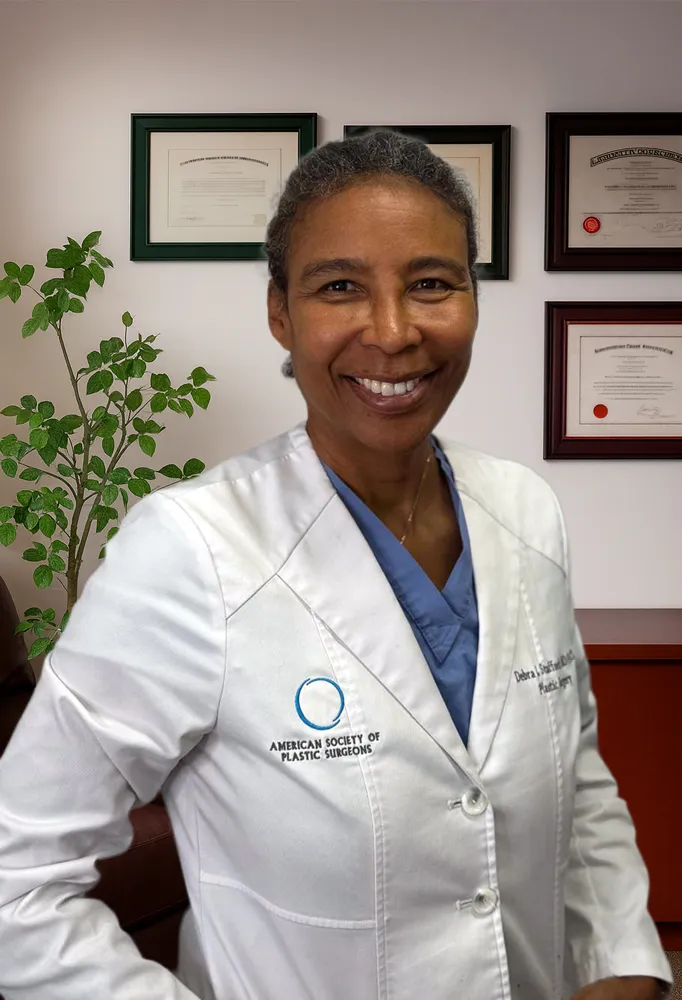
Brown, King/Drew and the Mayo Clinic. Dr. Debra L. Stafford came back to the city she trained in and now operates at Goals in Los Angeles. Natural-looking results, and unhurried consultations.
35+
Years in practice
2
Surgical specialties
Los Angeles
Goals location
Dr. Debra L. Stafford graduated from Brown University's medical school with honours in 1990, then spent six years in general surgery at King/Drew Medical Center in Los Angeles, finishing as Chief Resident. Her plastic surgery training was at the Mayo Clinic. She returned to Los Angeles and went on to head the plastic surgery department at King/Drew. Her aesthetic work covers the face, breast and body.
Prices shown are starting prices and depend on the number of areas treated. Final pricing is confirmed at your consultation. Cosmetic procedures are not covered by insurance.
Work it out
Runs in your browser. Nothing is sent to us and nothing is saved.
An estimate, not a quote. It divides the starting price over the months you choose and assumes no interest. Goals works with several lenders and your rate, term and approval are settled with them — the financing page has the detail, and your price is confirmed at consultation.
Augmentation, lift, reduction.
FlexSculpt, Lipo 360 and the Brazilian Butt Lift, treating the torso as one shape.
Facial aesthetic surgery, chin and neck contouring.
Tummy Tuck, FlexTuck.
Mommy Makeover.
J-Plasma, injectables, skin tightening.
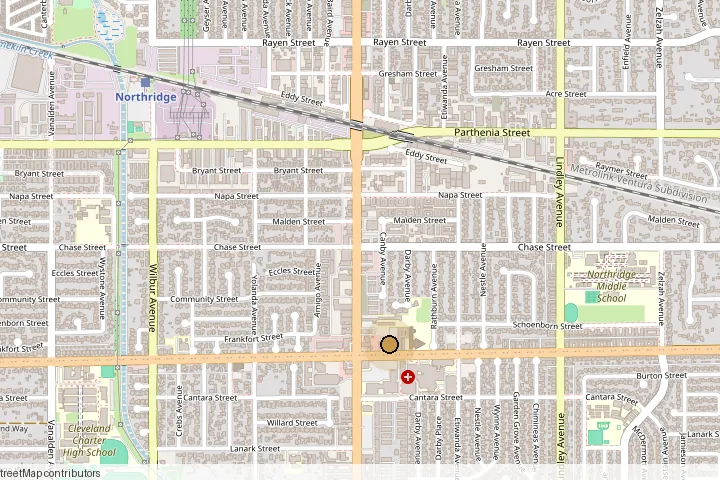
Dr. Debra L. Stafford consults and operates at the Goals Aesthetics clinic in Los Angeles.
18433 Roscoe Blvd, Northridge, CA 91325
Prices shown are starting prices and depend on the number of areas treated. Final pricing is confirmed at your consultation. Cosmetic procedures are not covered by insurance.
Dr. Debra L. Stafford is certified in two surgical specialties, holds a California license, and trained in plastic surgery at the Mayo Clinic.
Licensed in California, where she trained and has practised her whole career. Checkable on the state board register.
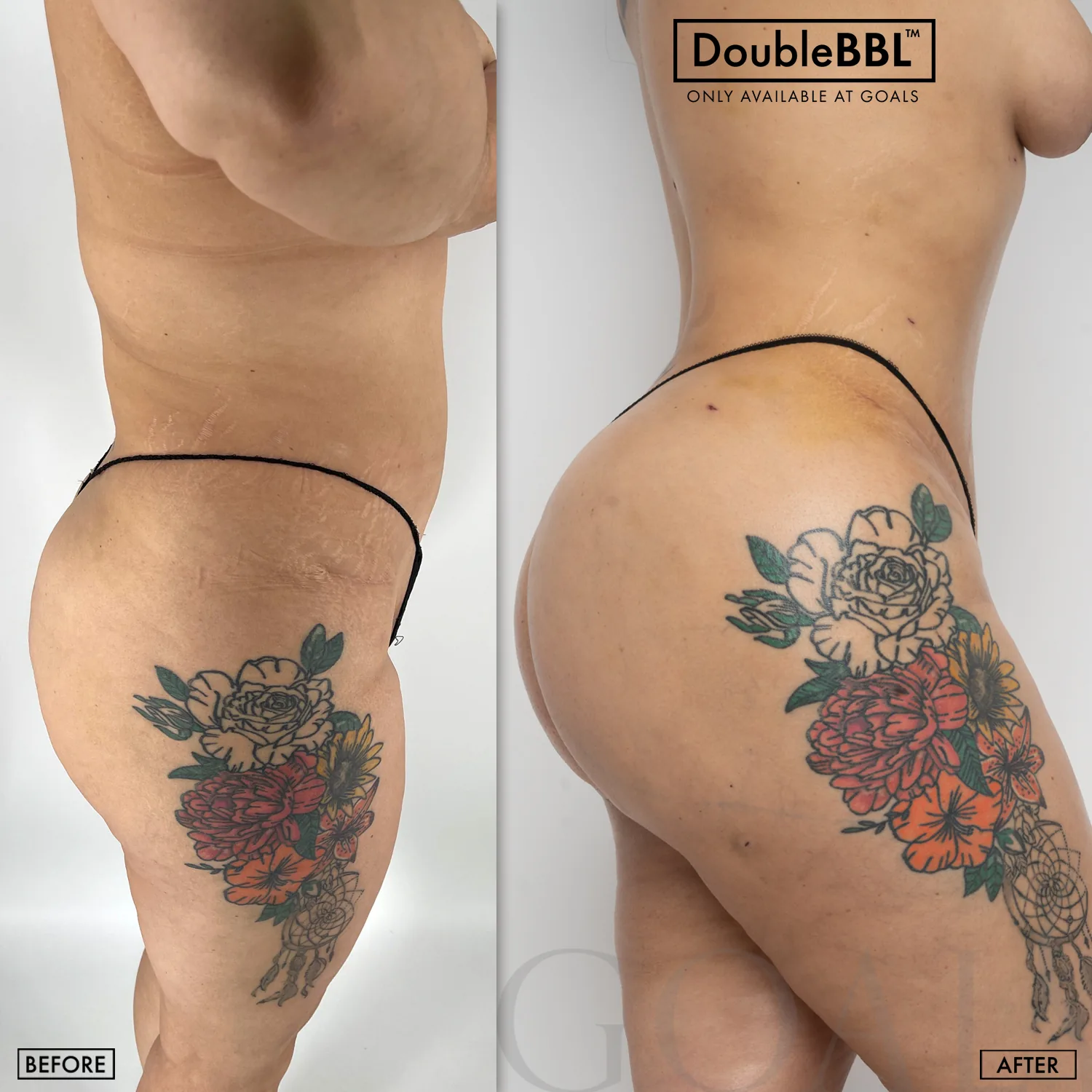
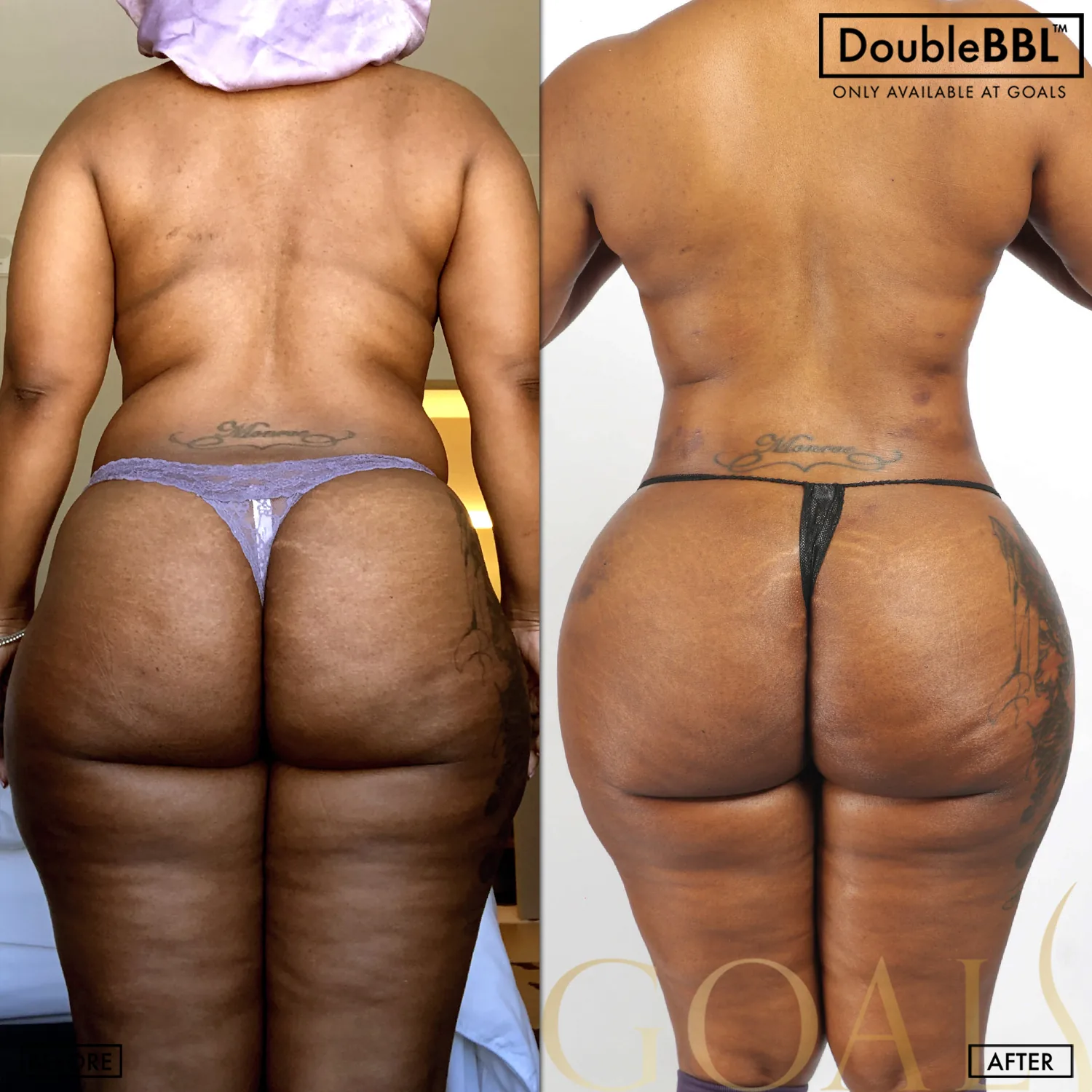
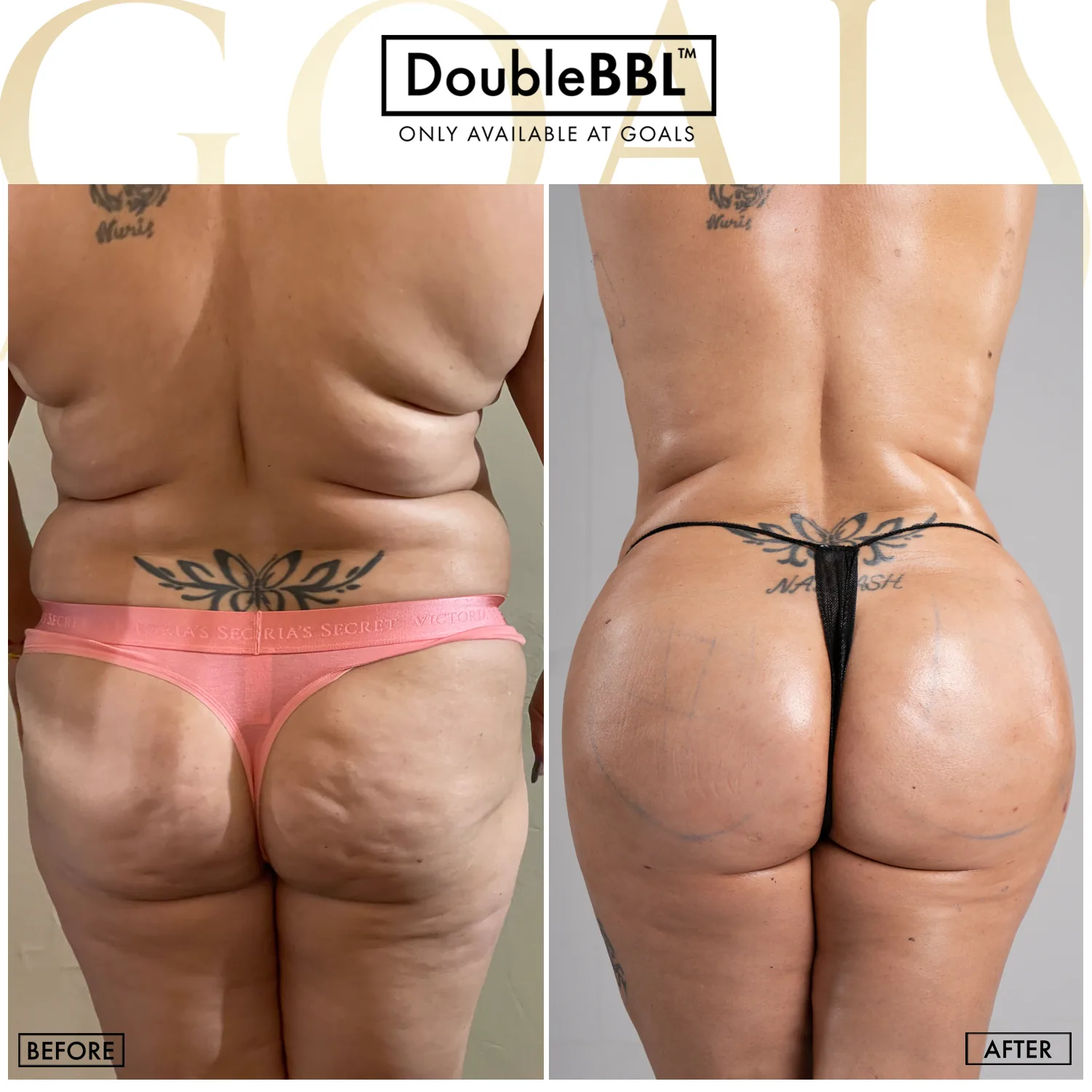
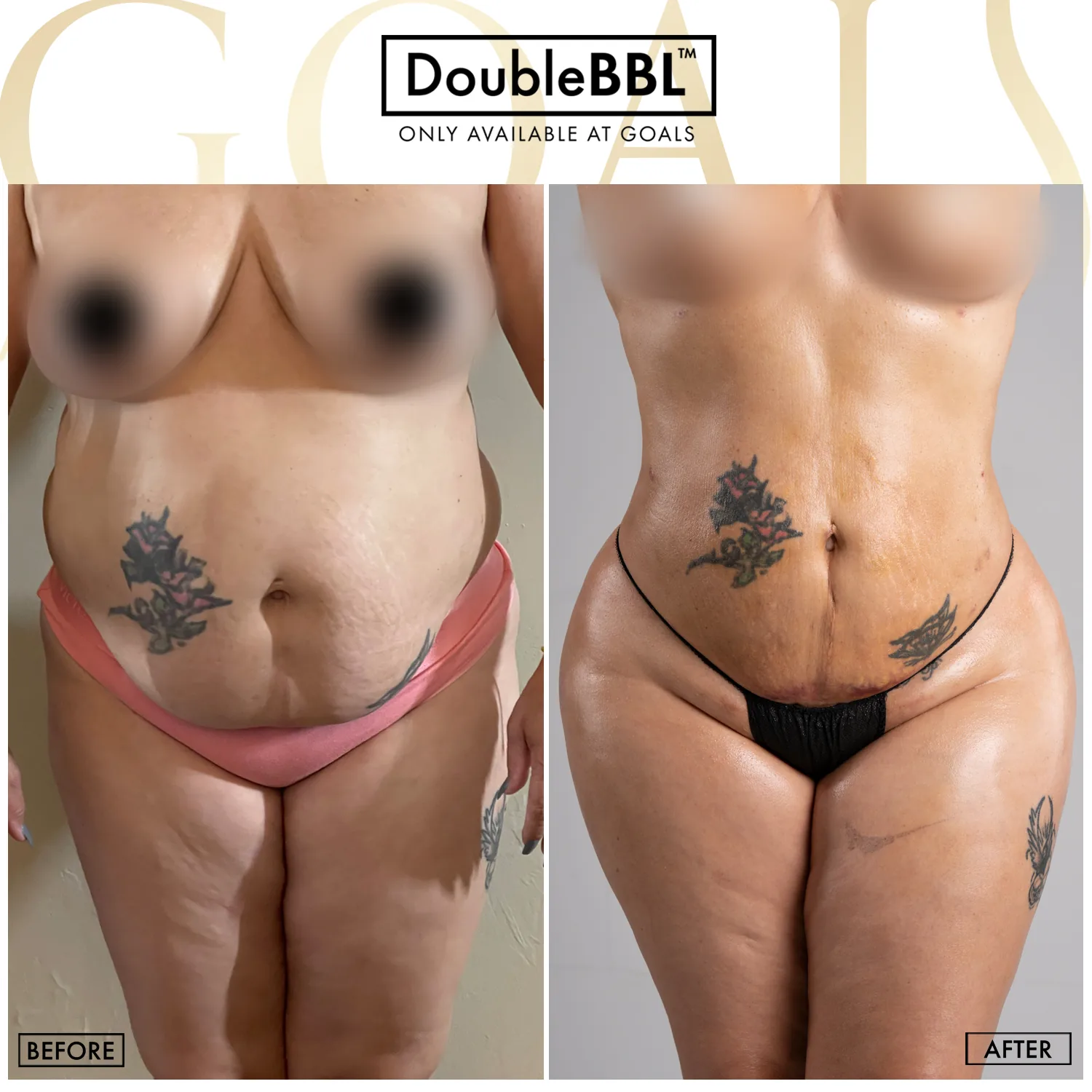
Real Goals patients treated by Dr. Stafford.


Real patients of Goals, published with written consent. Photographs are not retouched or AI-generated. Individual results vary — these images show outcomes for these patients and are not a guarantee of your own.
Work it out
Runs in your browser. Nothing is sent to us and nothing is saved — a height and a weight are your business.
BMI is one measure among several and it says nothing about how you are built. Surgeons weigh it alongside your health and your goals; it does not decide anything on its own.
“She did not rush me once. I had a list of questions I was embarrassed about and she went through every one of them properly. I have never had a consultation like it, medical or otherwise.”
“I came in about back pain, not about how I looked. She treated it as a medical problem to solve, not a cosmetic one, and the difference in how that conversation felt was enormous.”
“Lipo 360 and a fat transfer. Six months on, my sister still cannot work out what changed. That was exactly the brief I gave her at the consultation.”
“I asked her for something she thought would look wrong on me and she said so, then explained why. I booked with her that day because of it, not in spite of it.”
Testimonials reflect individual experiences. Results vary by patient.
Her aesthetic work covers face, breast and body. Breast surgery, contouring, facial procedures. Reconstructive training sits underneath all of it rather than beside it.
She completed the full certification process in general surgery and again in plastic surgery. Most cosmetic surgeons hold one. That is two multi-year programmes and two sets of exams.
Brown University for medicine, graduating with honours. Six years of general surgery at King/Drew in Los Angeles, finishing as Chief Resident. Plastic surgery at the Mayo Clinic in Rochester.
Often yes. Contouring with a breast procedure, or a mommy makeover combining both. She confirms it only after reviewing your anatomy, health history and safe total operating time.
That the appointment ends when your questions do. It is how her patients describe her and how her hospital profile puts it, and it is worth knowing to arrive with a written list.
Yes, and patients say she explains why rather than simply declining. Her aim is a result that looks like you rather than like surgery, and some requests do not survive that test.
Dr. Debra L. Stafford trained in general surgery through the early 1990s at King/Drew Medical Center in South Los Angeles, then completed her plastic surgery training at the Mayo Clinic and came back to run the department she had trained in. Her aesthetic practice now covers the face, breast and body, and she operates at Goals in Los Angeles. Below is what patients want settled before they book, and what a history like that changes about the answers.
Dr. Debra L. Stafford graduated from Brown University's Warren Alpert Medical School in 1990, with honours, as a Faculty Scholar and an elected member of the Sigma Xi scientific society. She is one of four siblings who all became physicians.
Her general surgery training was six years at King/Drew Medical Center in South Los Angeles, through the early 1990s. That meant trauma. The hospital was treating the victims of gang violence at the height of it, and the Los Angeles Times interviewed her about that training in an article called "Trained by Fire". She finished as Chief Resident.
From there she went to the Mayo Clinic in Rochester for a plastic surgery residency, completing her training in 1998. Then she came home, and later became head of the plastic surgery department at King/Drew, the same hospital where she had been a resident. While there she performed complex reconstructive work including cleft lip and palate repair in infants.
What that history produces is a surgeon whose aesthetic judgment was formed by reconstruction rather than by fashion, and her stated approach reflects it: natural-looking results and unhurried, personalised care. She sees Goals patients at the Los Angeles clinic.
She is a Los Angeles surgeon in a way few are. Trained here, tested here, came back here. Patients who grew up in the city tend to recognise the hospitals in her history without needing them explained.
Two boards have examined her, years apart, in two different specialties. General surgery first, plastic surgery after the Mayo residency. Each meant a full training programme, a written paper and an oral examination in front of people whose job was to find the gaps.
Most cosmetic surgeons hold one. Holding both is not a decoration on a profile; it is the reason a patient with a complicated abdomen, or scarring from an old operation, or a body altered by illness, gets a different conversation here than they would elsewhere.
She is also a Fellow of the American College of Surgeons and belongs to the American Society of Plastic Surgeons. The society matters mainly because it will not admit anybody without the certification behind it, so the membership is a second organisation vouching for the first.
Her licence is Californian. State boards publish these, the search is free, and it will show you the status, the issuing state and any public action on record. Certification can be confirmed with the certifying body separately. Three organisations, three checks, none of them the practice that wants your booking. Her entry sits with the rest of the surgical team.
One question deserves asking while it is still hypothetical: if something needed revising, when could it happen, what would it involve, and who pays for which part. Ask it in the room. A surgeon who has thought about it answers in two sentences.
Breast augmentation, lift and reduction are all part of her practice, along with fat transfer augmentation for patients who want a modest increase without an implant.
Reduction is worth singling out. Satisfaction rates for it sit near the top of the specialty, largely because what drives it is physical rather than aesthetic. Back pain, shoulder grooving, activity you have given up. A surgeon with a reconstructive background tends to treat it as a problem to solve rather than a cosmetic upgrade, and patients notice the difference in that conversation.
For the torso, FlexSculpt and Lipo 360 read abdomen, flanks and back as a single continuous surface, and the Brazilian Butt Lift puts the fat that contouring removes toward projection elsewhere. A single anesthetic and a single recovery covering two areas.
Expect to lose a share of any graft. Some is reabsorbed over the opening months and what lives through that is where the result settles, so ask for the proportion as a range beforehand. Liposuction alters shape and leaves weight alone; it will not do the work of losing any.
Skin, not fat, is what most contouring cases hinge on. Removing fat is the predictable part. Retraction is the open question, and it answers to age, to inherited elasticity, and to how far that skin has been stretched already. Reading it right at the first appointment decides whether the outcome is good or merely acceptable.
Facial aesthetic surgery is the third strand of her practice, alongside chin and neck contouring and skin tightening with J-Plasma where the concern is skin quality rather than structure.
The consistent brief from facial patients is not wanting to look operated on. A surgeon whose formative years were spent rebuilding faces after trauma has a particular sense of what a face is supposed to do, and is usually comfortable saying which requests would produce exactly the result the patient is trying to avoid.
Two abdominal routes exist. The tummy tuck answers pronounced laxity or a separated muscle wall, and FlexTuck where a shorter incision will do. A mommy makeover brings the abdomen and the breast into one sitting whenever the operating clock allows, and arm contouring addresses the arms specifically.
Ask about the scar early. You should see the incision map and hear what it typically looks like twelve months on. Siting and closure set the ceiling; your own healing and a year of care decide where inside it you land. Someone who spent years closing wounds nobody chose has strong opinions about closure.
There is a category of patient who should specifically seek her out, and it is not the one you would guess from a cosmetic surgery page.
If your situation involves an old scar, an asymmetry you were born with, a previous operation that did not go the way it should have, or a body reshaped by illness or by significant weight loss, then reconstructive training is not a nice extra. It is the thing that determines whether the plan is any good. She spent six years on general surgery and a Mayo residency on plastic surgery before she ever did an elective case, and she ran a reconstructive department afterwards.
For straightforward cosmetic goals she is equally capable, and her range across face, breast and body is wider than most. But the reconstructive foundation is the part that is genuinely hard to find, and it is worth knowing you have access to it.
Bring your history to the consultation, including the parts you assume are irrelevant. Operations from twenty years ago, complications nobody explained properly, a scar that healed badly. Those change the plan more often than your goals do.
And if you are weighing her against another surgeon, weigh the specific problem rather than the procedure name. Two people asking for a tummy tuck can need entirely different operations, and which surgeon suits you follows from that rather than from the label.
She spent six years at King/Drew in the early 1990s, when the hospital was absorbing the worst of the city's gang violence. The Los Angeles Times wrote about that training and called the piece Trained by Fire.
What a young surgeon learns in that environment is not technique. It is triage: which patients can tolerate an operation now, which need stabilising first, and which should not be on a table at all today. That instinct is the whole of surgical safety, and it does not fade when the operating becomes elective and the patient is paying privately.
So expect the screening to be thorough and expect a date to move if something comes back wrong. Bloods, cardiac risk, your medication list, how you actually live. A result outside safe limits stops the booking rather than getting worked around.
Every procedure happens inside an accredited U.S. facility, which means an inspector has verified the sterilisation, the emergency equipment, the staffing levels and the anesthesia monitoring rather than the clinic asserting any of it. Where fat transfer is involved, grafts stay above the muscle with ultrasound tracking the cannula throughout, without exception.
If you carry extra weight, that is arithmetic rather than opinion. The workup settles whether it is safe as things stand, or whether two smaller operations serve you better than one long one.
Her hospital profile describes her care as unhurried. That word is doing real work, and it has a practical consequence: you can bring a written list of questions and get through all of them.
Write the list beforehand. People forget roughly half of what they meant to ask once they are sitting on the table paper, and the questions that get forgotten are usually the awkward ones about risk and cost. She examines the area, reads the skin, says what your anatomy permits, and shows you the before & after gallery on a frame comparable to yours. Nothing gets booked that day.
Then the year. The opening fortnight decides more than the rest of it combined: garments, how you hold yourself, drainage work, each with a physiological reason attached. After that, patience. Breast tissue settles as swelling drops away unevenly, contouring keeps adjusting for months, and a shape that looks wrong at week six is frequently level by month six. She waits for tissue to stop moving before she does anything about it.
Further out, the outcome follows your body rather than staying where the surgery left it. A graft goes on acting like the tissue it was lifted from, so a serious change in weight moves the result with it.
Take somebody with you if you can. Two people remember more of an hour than one does, and the plan is easier to think through at home when you can argue about what was actually said.
Before you agree to anything you should see all of it: the surgeon's charge, the facility's, the anesthesia, the garments, and every follow-up visit. If it was not on that list, it should not turn up on an invoice later. Length and difficulty differ from one operation to the next, which is why the number is worked out for you specifically.
Get the revision line in writing too, along with who absorbs it. Quotes omit that more reliably than anything else on them, and it is the only figure that matters on the rare occasion it applies.
Financing partners will spread the payment monthly across several term options, and an application is usually answered before the day ends. Read the agreement itself, not the summary of it. What is currently offered sits on the financing page.
Then price the months, not the morning. Working days lost, the garments, every appointment afterwards, and frequently another adult at home through the first week. Patients who account for all of it find the recovery period far less fraught than those who budget for the operation alone.
Whether it is a breast procedure, contouring or facial work, Dr. Stafford will take the time to work out what suits you, and tell you plainly what will not.
Prefer to talk now? (833) 462-5769
Free · No obligation
Tell us how to reach you. A patient coordinator calls you back — usually the same day.