Hairline & Crown Loss
Visible hair loss patterns in photos or mirrors.
Promise natural, permanent hair growth and a more youthful hairline with a one-day, in-office transplant under local anesthesia.
Overview
A hair transplant relocates your own follicles from the back and sides of your scalp to thinning or bald areas. Current methods follow your natural growth direction for undetectable results, without the old "pluggy" look.
How it works
Healthy follicles are harvested one by one from the donor area at the back and sides of the scalp.
The extracted grafts are sorted and prepared for placement.
The surgeon places each graft along a natural hairline, done under local anesthesia for faster recovery.
Candidacy
Most men dealing with a receding hairline, a thinning crown, or a visible scalp make strong candidates. The procedure has helped thousands of men get their confidence and a younger look back.
Visible hair loss patterns in photos or mirrors.
Hair loss has been stable or slowing for at least 1-2 years.
Looking for lasting results rather than temporary concealers or daily treatments.
Enough healthy hair on the back and sides of your scalp.
Willing to follow pre- and post-procedure instructions.
Conditions we treat
We work with every type of male pattern baldness and hair loss condition.
"M-shaped" hairline pattern, temple recession, and frontal baldness (Norwood Type II-IV).
Thinning at the crown or vertex that widens over time (Norwood Type III-V).
Diffuse loss of density across the entire top of the scalp rather than one spot.
Hair loss from scarring, old procedures, or injury where healthy grafts can restore coverage.
Patchy or thin beard areas filled in for even, natural-looking facial hair.
Thin or sparse eyebrows rebuilt with natural-looking, permanent results.
Results
See the kind of results our patients have walked away with.
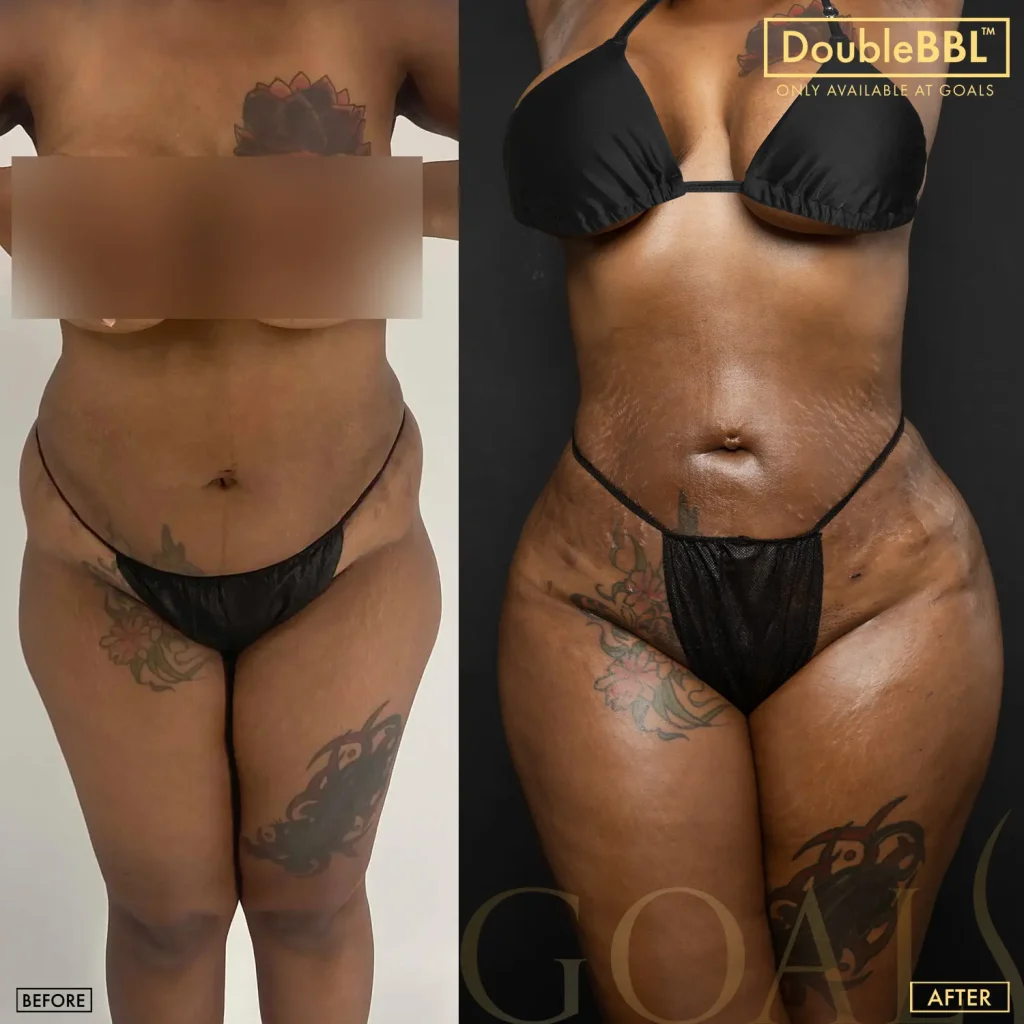
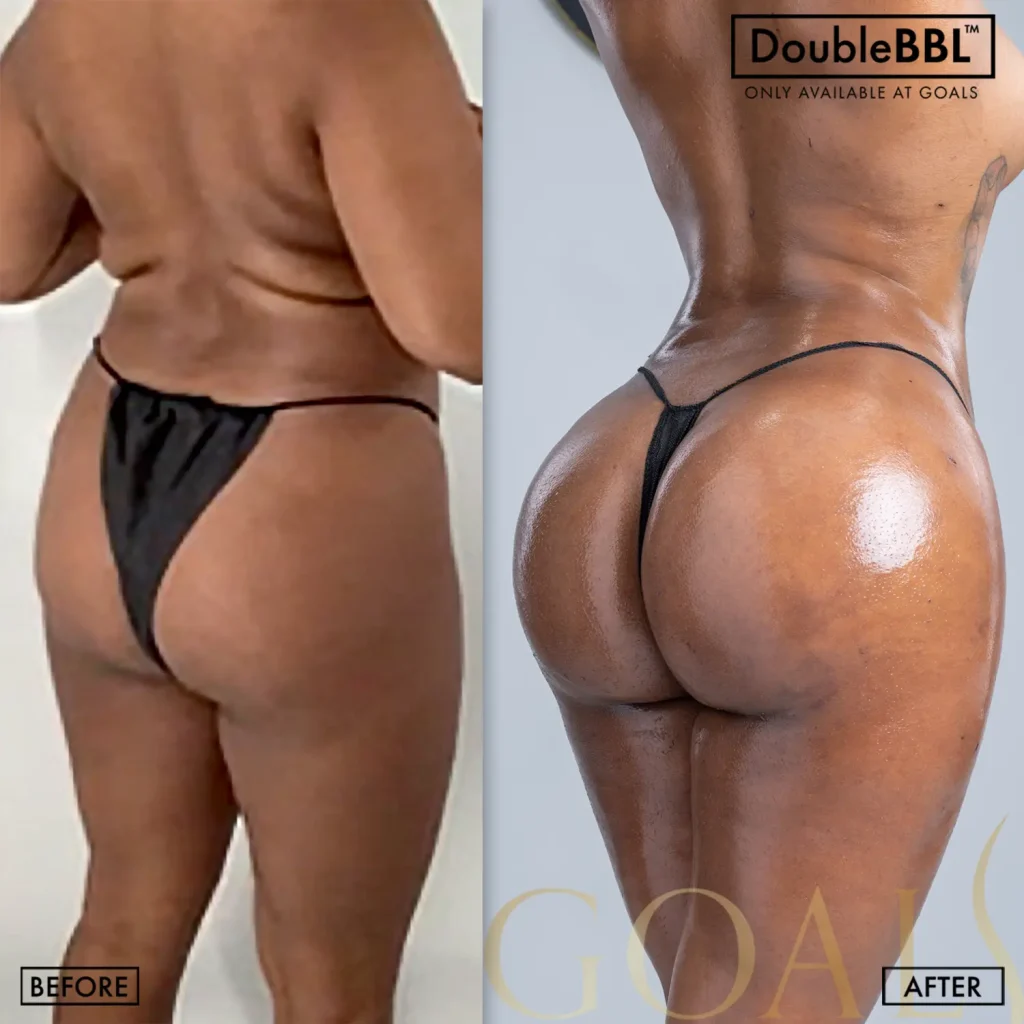
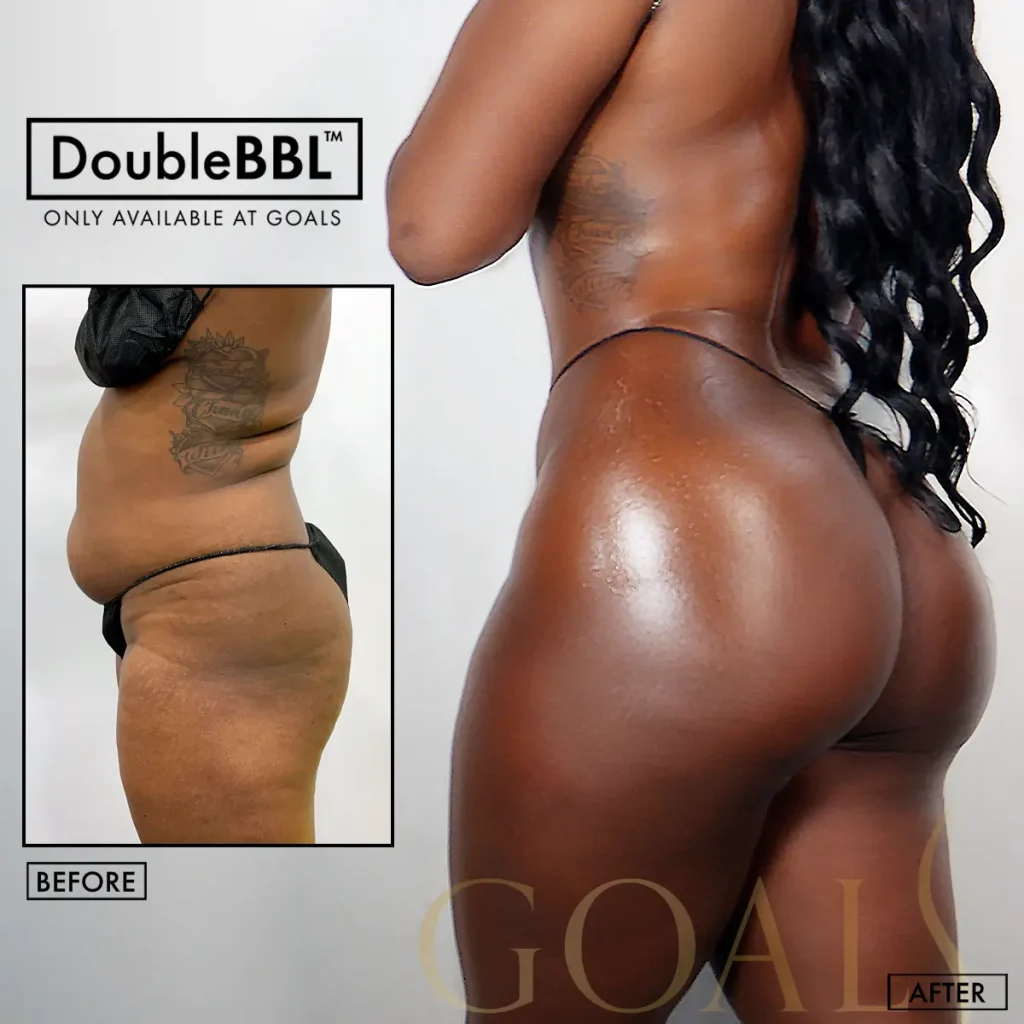
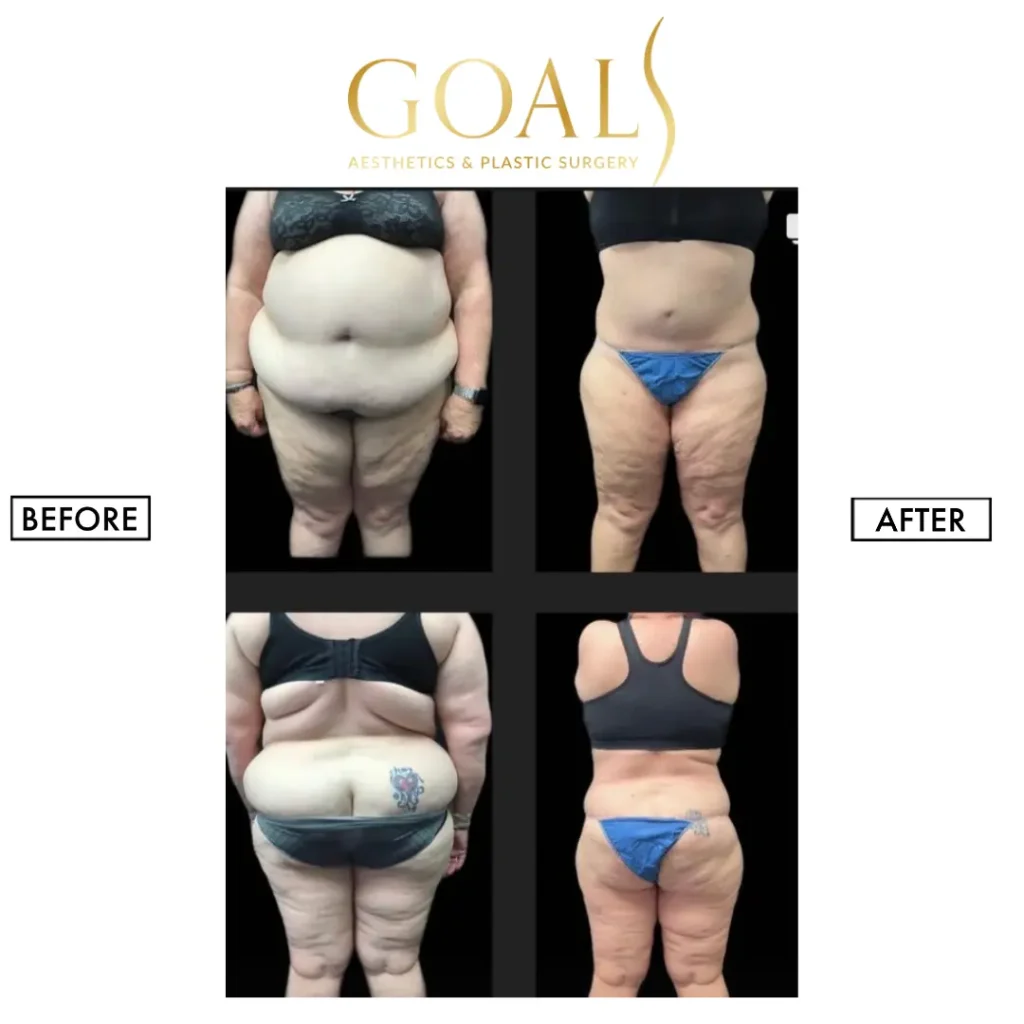

Real patients, published with written consent. Photographs are not retouched or AI-generated. Individual results vary — these images show outcomes for these patients and are not a guarantee of your own.
Try it
Type your height and weight. Your numbers stay on your device. We do not see or save them.
BMI is just one number. Your surgeon also looks at your health and your goals. BMI alone does not decide if you can have surgery.
Clinics
We have a few clinics in these cities.
New York
Want to complement your transplant or weigh other options? We cover a full range of hair restoration treatments.
Non-surgical options
Not ready for surgery, or want to push your results further? These treatments work alongside a transplant or on their own.
Clinical-strength laser light gently energizes follicles to encourage thicker, healthier hair.
Vitamins, minerals and amino acids are delivered into the scalp to nourish roots and promote growth.
High-frequency currents stimulate scalp circulation and nutrient uptake for stronger hair.
We get why overseas "cheap hair transplant packages" look tempting. But hidden risks like rushed surgeries, language barriers, no local follow-up, and complications back home can turn a bargain into a nightmare.
| Flying Abroad for a Hair Transplant | Getting Your Hair Transplant in the U.S. With Goals Clinic |
|---|---|
| Flying Abroad for a Hair TransplantYou spend weeks comparing clinics online, wiring money overseas, and booking flights and hotels. | Getting Your Hair Transplant in the U.S. With Goals ClinicYou come in (or connect online) for a full consultation with a U.S.-licensed hair restoration surgeon who examines your scalp and medical history. |
| Flying Abroad for a Hair TransplantYou land in a country where you don't fully speak the language; your consultation is rushed and done day-of surgery. | Getting Your Hair Transplant in the U.S. With Goals ClinicAll pre-op testing, consent forms, and planning are done in advance - in your language, under U.S. medical standards. |
| Flying Abroad for a Hair TransplantThe procedure is performed in a facility you've never seen before, often with high daily volume and limited post-op monitoring time. | Getting Your Hair Transplant in the U.S. With Goals ClinicOn procedure day, you arrive at an accredited clinic where everything is performed in a sterile operating room under local anesthesia. |
| Flying Abroad for a Hair TransplantYou fly home tired and swollen. A week later, your scalp becomes red, swollen, and starts to ooze - you're not sure if it's normal. | Getting Your Hair Transplant in the U.S. With Goals ClinicThe transplant itself takes most of the day, but you rest comfortably, can take breaks, and go home the same evening. |
| Flying Abroad for a Hair TransplantYour only option is the local ER or urgent care, where doctors did not perform your surgery and may have no details on what was done. | Getting Your Hair Transplant in the U.S. With Goals ClinicIf anything feels off during recovery, you contact the same local team that treated you - we see you in person, adjust medications, and manage any issues. |
| Flying Abroad for a Hair TransplantYou lose more time and money on emergency visits and prescriptions, and the overseas clinic can only "support" you over WhatsApp. | Getting Your Hair Transplant in the U.S. With Goals ClinicFollow-up visits and progress checks happen in the same clinic, with the same medical team, until your final results grow in. |
| Overseas | Goals | |
|---|---|---|
| Total cost (real) | OverseasBase price + flights, hotels, extra days off, possible ER bills back home. | GoalsSimilar once you include all care; transparent pricing, no surprise bills. |
| Travel & time off work | OverseasLong flights, jet lag, multiple days away from work and family. | GoalsSame-day local procedure, minimal travel, faster return to normal life. |
| Safety & sterility | OverseasVariable; you rely on foreign regulations and limited on-site time. | GoalsAccredited U.S. clinic, strict infection control, known standards. |
| Surgeon & team | OverseasHarder to verify credentials; may not see surgeon again after you leave. | GoalsU.S.-licensed hair restoration surgeons you can meet before and after. |
| Emergency backup | OverseasNo local clinic; ER doctors must guess what was done overseas. | GoalsIn-person follow-up and local urgent support if any complication appears. |
| Follow-up care | OverseasRemote messages only; difficult to get hands-on help. | GoalsScheduled in-person checkups, progress photos, medication adjustments. |
| Communication | OverseasLanguage barriers, time zones, inconsistent responses. | GoalsNative-language team, clear written instructions, 24/7 phone line. |
| Legal protections | OverseasLimited recourse if something goes wrong after you return. | GoalsCovered by U.S. patient safety laws and standards. |
How it works
6 steps to your new hairline.
Meet with a hair transplant specialist to discuss your goals, examine your scalp, and determine candidacy.
Personalized hairline design and graft count plan built around your goals and donor area.
Complete medical testing, photos, and preparation to ensure optimal results and safety.
Grafts are placed over a single day under local anesthesia, with breaks and comfort throughout.
Minor redness and scabbing fade over the first days as the grafts settle securely in place.
New hair grows in gradually, reaching full, natural density over the following year.
Safety
Your safety comes first. We stick to careful safety protocols and current technology to give you the best outcome possible with minimal risk.
Fully equipped, sterile procedure rooms in U.S. accredited facilities.
Standardized graft handling protocols for strong survival and natural growth.
Local anesthesia when possible, which can help lower some risks of general anesthesia.
Easy access to your surgeon and medical team if you have questions.
Clear instructions, medications, and follow-up schedule to prevent infection.
Modern tools and imaging support precise planning and consistent results.
Our surgeons
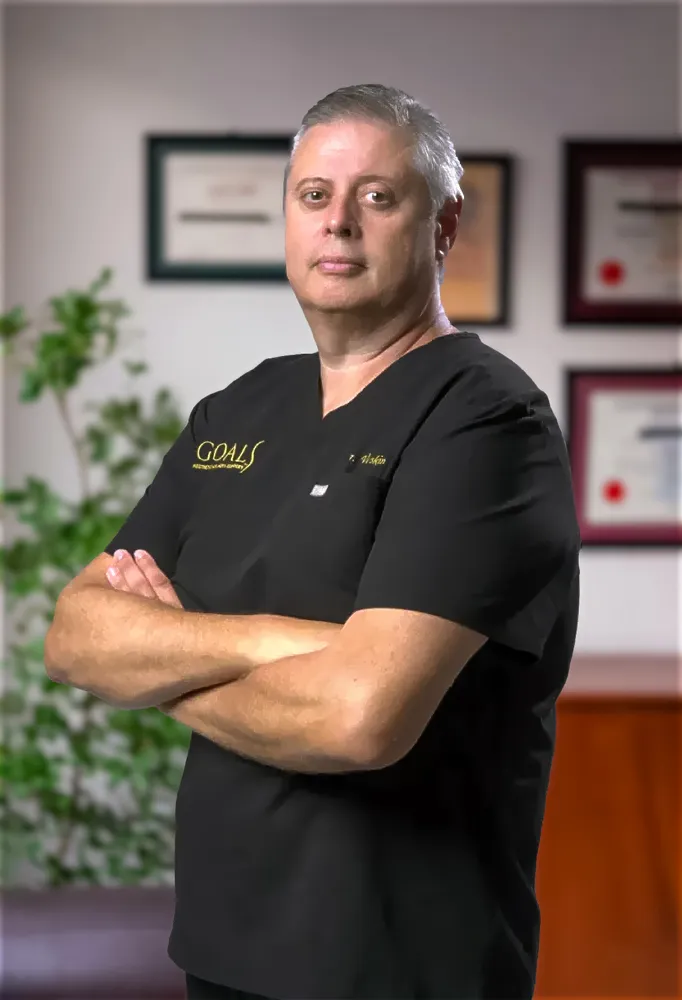
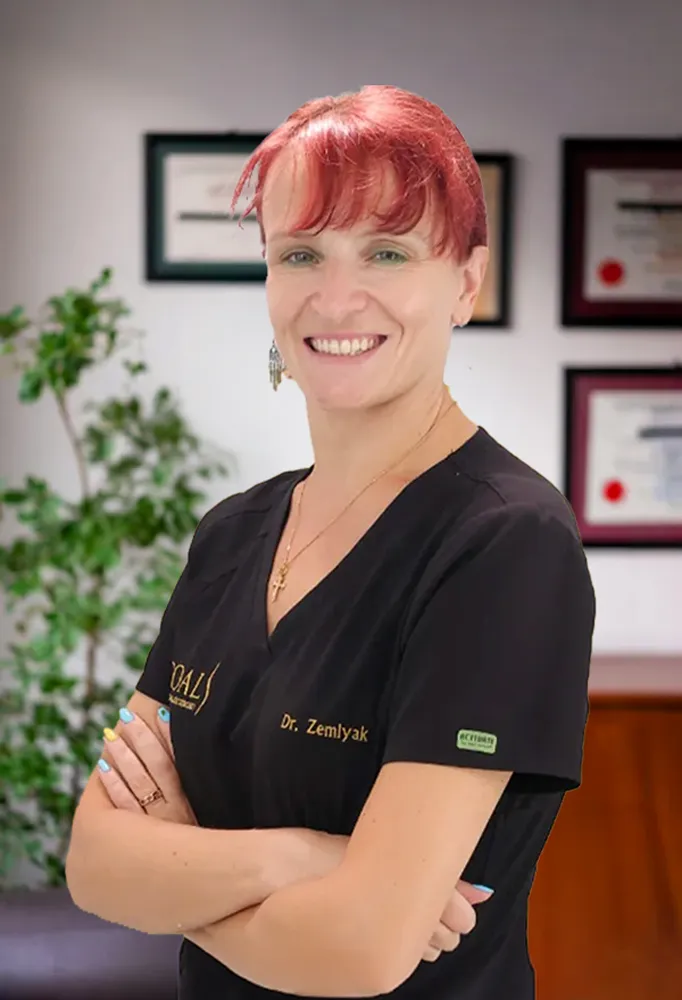
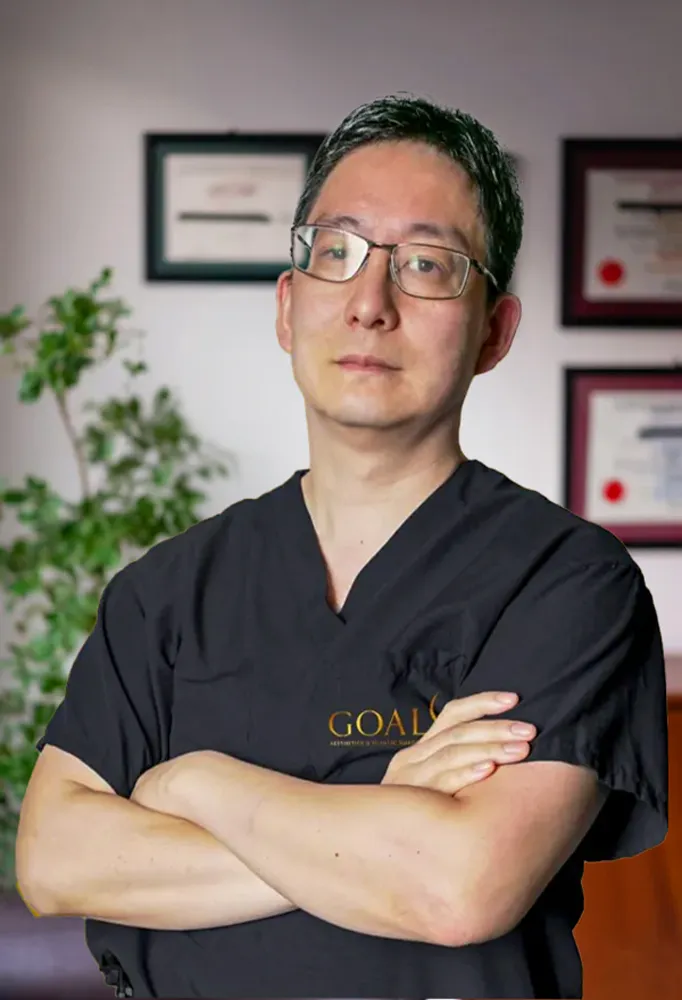
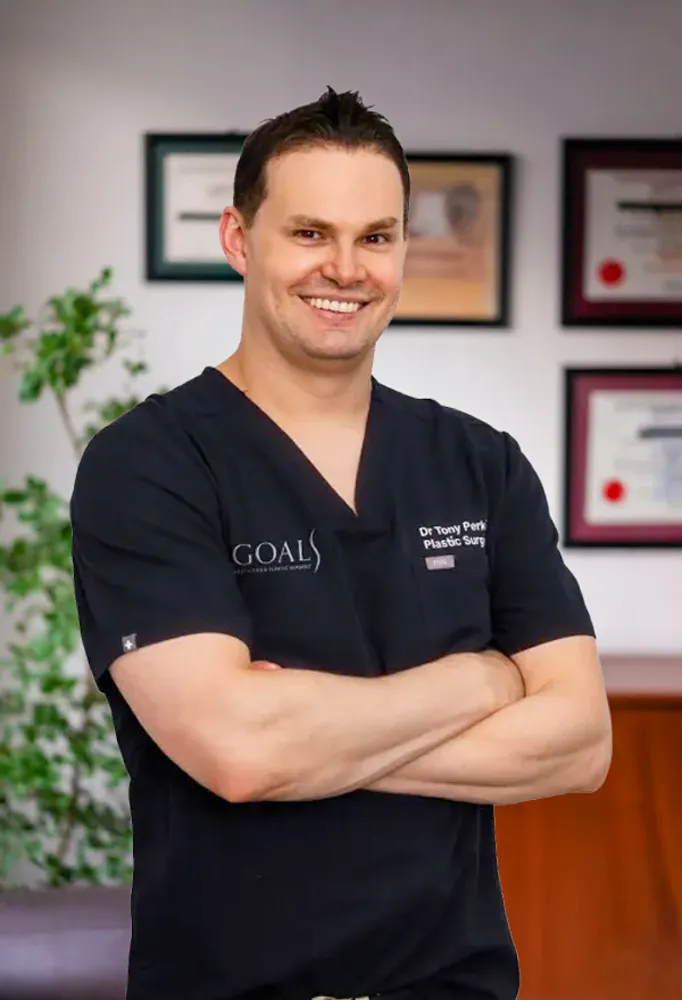
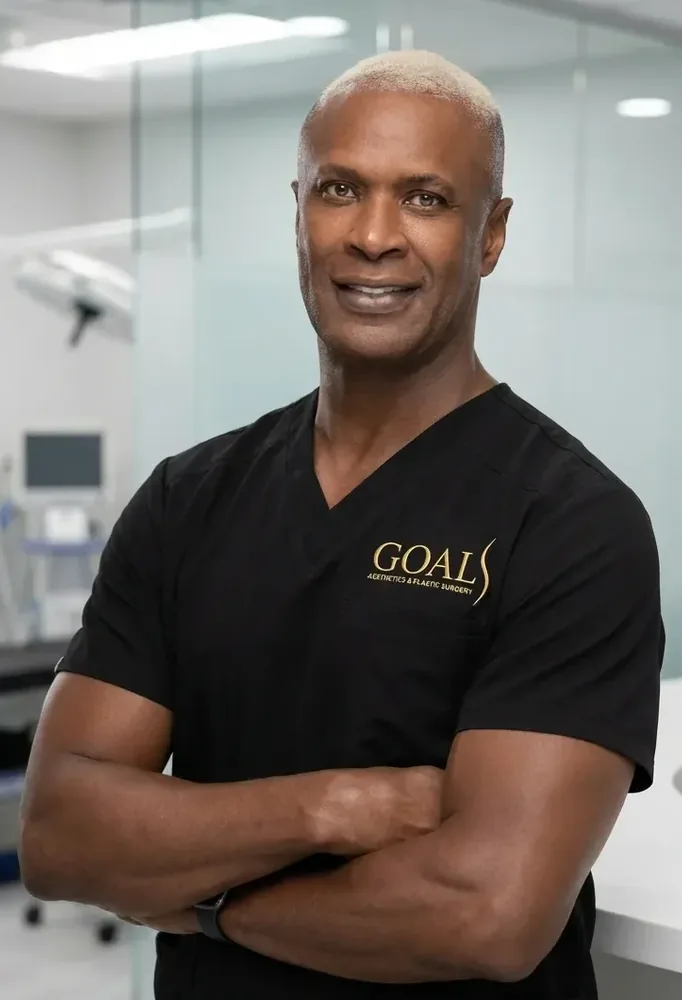
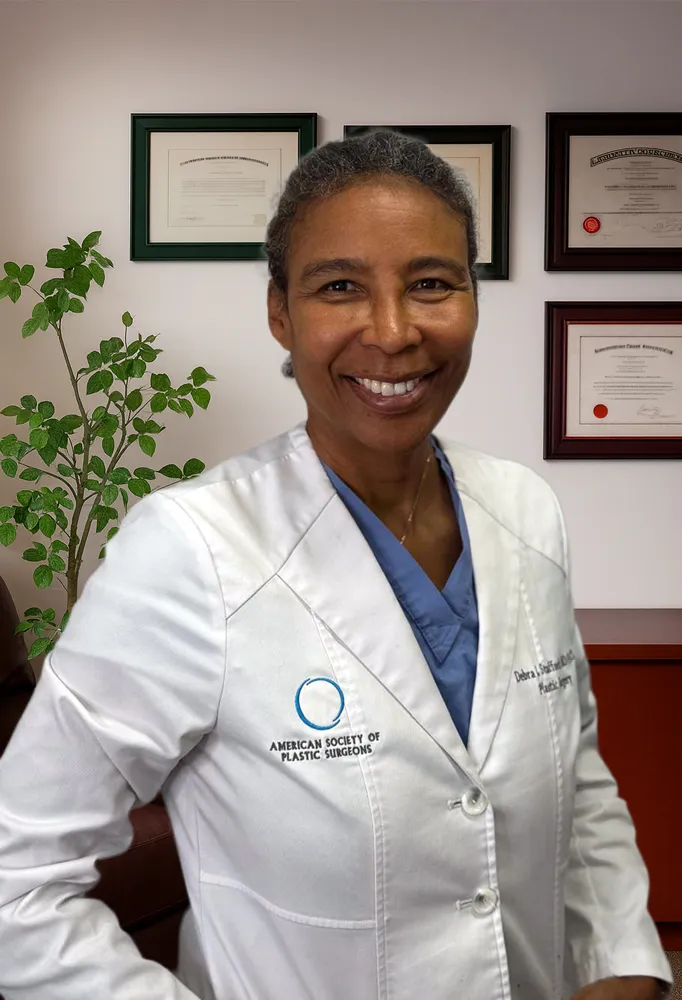
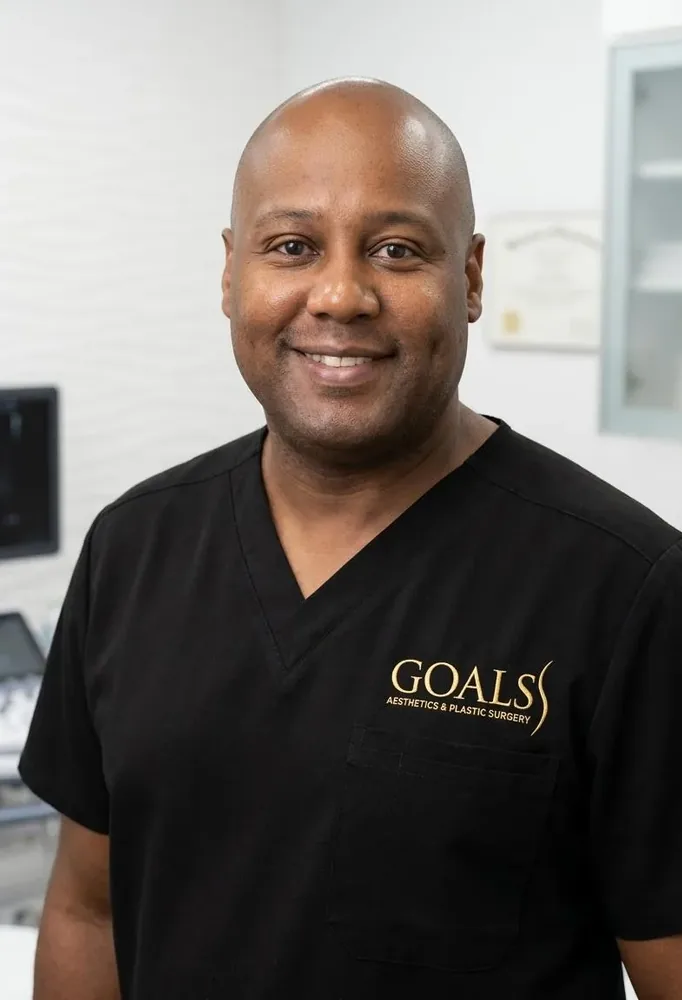
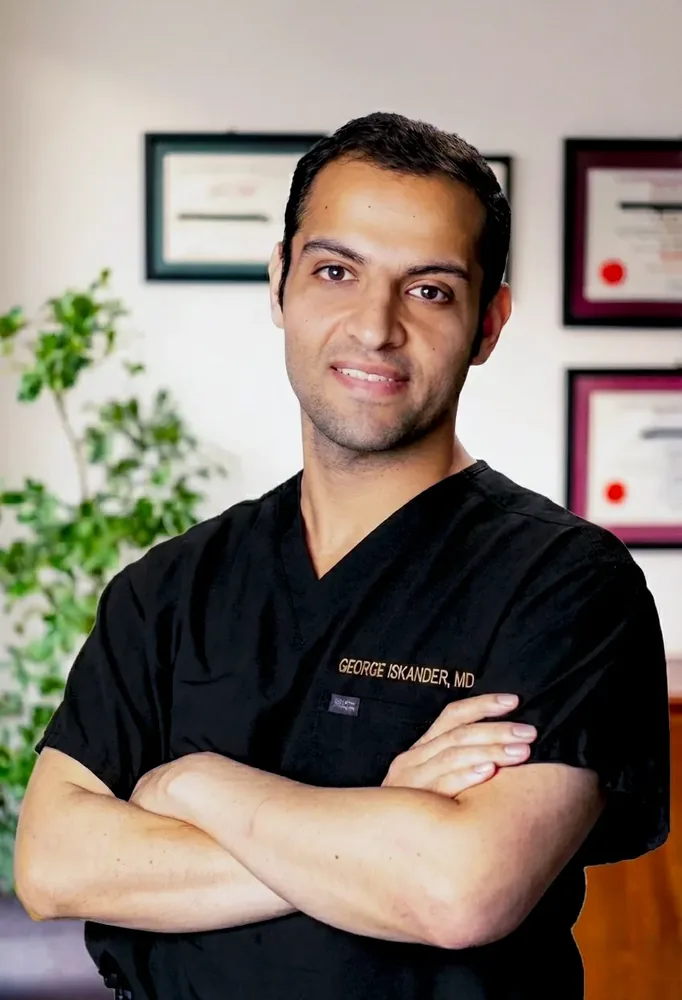
Your safety comes first. Meet the licensed team behind your care on our surgeons page.
Each surgeon’s training and licenses are listed on their own page.
Pricing
Pricing comes down to graft count, your pattern of loss, and complexity. Once you add travel, time off, and possible complications, overseas deals often land at a similar cost - minus the peace of mind of local U.S. care.
Know exactly what you'll pay before you book - no hidden fees or surprises.
Option to stage treatment or combine with non-surgical therapies for optimal results.
Affordable payment plans to fit your budget and put your results within reach.
Everything is included in your quote - no unexpected costs after your procedure.
Prices shown are starting prices and depend on the number of areas treated. Final pricing is confirmed at your consultation. Cosmetic procedures are not covered by insurance.
Try it
Pick a procedure to see an estimate. Your numbers stay on your device. We do not see or save them.
This is an estimate, not a quote. It splits the starting price over the months you pick, with no interest. Lenders set your real rate and terms. Your price is confirmed at your consultation.
FAQ
There's no single number, and any clinic that quotes one off a photo is guessing. Your surgeon settles it during the exam by reading two things: how much area needs coverage and how dense your donor zone is at the back and sides. A hairline touch-up might run a couple thousand grafts; rebuilding a front and crown together runs higher. You leave with a real figure, not a range pulled off a price list.
Not all of it. For most FUE cases the donor area at the back and sides gets trimmed short so the surgeon can extract cleanly, and the recipient area is worked around your existing hair. The longer hair on top can usually stay. If a fully unshaven approach matters to you, raise it at the consultation, since it hinges on your graft count and how you wear your hair.
Most men take two or three days and are back at a desk job by midweek. The donor and recipient areas stay a little pink and may scab lightly, so if your work is public-facing you might want a couple extra days or a hat. Heavy lifting, sweating, and workouts wait longer, and your aftercare sheet spells out exactly when each one is cleared.
It depends on how much you're restoring and how much donor hair you have to spend. Plenty of men finish in a single day. Others with more extensive loss do better splitting it up, so the donor area isn't overdrawn and the result stays natural over the long haul. The surgeon's job is to protect your donor supply, not to sell you the biggest possible session.
Real complications are uncommon, but here's the honest part: if something does go sideways, being treated locally is the whole point. Spreading redness, growing pain, or anything trending worse instead of better is a phone call to the same team that did your procedure. They have your chart, they placed every graft, and they can see you in person, which is a very different situation from troubleshooting your scalp over text with a clinic in another time zone.
No, and it's worth being clear about that. The transplanted follicles come from areas that resist balding, so they keep growing. But the native hair around them can still thin on its own schedule. A good surgeon designs the hairline with that in mind and may suggest supportive treatments to hold onto what you've got, so you're not left with a restored front and a receding everything-else a few years later.
Learn more
Hair loss has a way of turning up everywhere except where you want it. In old photos. In the front camera, right before you fix your part. In the second you spend under bright lights deciding whether the hat stays on. A hair transplant at Goals is the permanent way to tip that back in your favor, using follicles you already own and awake-anesthesia techniques that send you home the same evening. Nobody's chasing a head of hair that announces itself. The point is a hairline that reads as yours, rebuilt in a day, with a recovery most men say was easier than the version they'd built up in their head.
The mechanics are plainer than the marketing lets on. A transplant relocates follicles from the back and sides of your scalp, where hair is genetically built to resist balding, up into the thinning zones. Those follicles bring their programming with them, so once they settle they grow, gray, and act like the hair around them. You can cut it and style it and grow it out. That permanence is the whole line between a transplant and every spray, fiber, and topical that quits the moment you do.
Most of it comes down to how the grafts get harvested. FUE (Follicular Unit Extraction) lifts them a follicle at a time and leaves scattered dot-sized marks that vanish under short hair. FUT (Follicular Unit Transplantation) takes a narrow strip from the donor zone and can free up more grafts in one sitting, which suits bigger areas of loss. There's no default winner. Your donor density, the coverage you want, and how short you like to wear it decide which one fits.
Worth stating flat out, since the ads tend to skip it: a transplant redistributes the hair you have. It doesn't conjure new follicles. So the design carries everything. A surgeon worth the fee builds a hairline you'll still like in your fifties, not just the lowest one you'd grab in your thirties, and plans around how your remaining hair is likely to shift over the next ten years.
Cost is usually the next thing on your mind, and it should be. The straight answer: your FUE hair transplant cost follows your graft count and technique, not a fixed menu number. A modest hairline refresh sits at one end of the range, a full front-and-crown rebuild at the other. What you should insist on from any serious clinic is a single all-inclusive figure before you book, with facility and anesthesia already folded in, so nothing gets bolted on afterward.
Most men with a receding front, a thinning crown, or general loss up top are candidates. But candidacy isn't about how badly you want it. It rests on two things: a healthy donor area to draw from, and loss that's settled into a predictable pattern. If your hairline is still moving fast, especially in your early twenties, the smarter move is often to steady it first so the work you pay for actually holds.
Expectations handle the rest. A transplant can frame your face again, thicken a sparse crown, or close in a widow's peak, but it always spends from a fixed donor budget. A man with a small donor zone and heavy balding gets a very different plan than one with a deep donor bank and early loss. Same procedure, entirely different arithmetic.
This is the conversation Goals would rather have straight than paper over. A thorough consultation swaps guesswork for a real read on what surgery can and can't do for your specific pattern, so you decide on facts instead of a brochure line.
The scalp is only part of what these tools reach. A beard and facial hair transplant fills patchy corners and thin spots so the whole beard reads even against your face, and the same fine work rebuilds eyelash density for a fuller line. Eyebrows get reconstructed the same way, one follicle at a time, laid down to follow the direction each hair is meant to grow.
Coiled and curly hair plays by its own rules. An Afro hair transplant runs on protocols built for follicles that curve beneath the skin, where the wrong angle wrecks the graft before it ever takes. Reading that curl right under the surface is the entire difference between a result that disappears into your hair and one that sits on top looking placed.
What ties all of these together is restraint. Facial and delicate-area work leans on artistry as much as surgery. Miss the angle, direction, or density even slightly and it reads fake on sight. Anyone weighing one of these does well to study prior results closely and talk through exactly what they're picturing before a date lands on the calendar.
It also pays to know the clock on the smaller procedures. Beard, brow, and lash grafts run the same growth curve as the scalp: the new hairs usually shed first, then come back over several months. A beard that looks thin the week after isn't the verdict. It's the awkward middle, and the fuller version arrives once the follicles wake up and settle.
Goals runs a protocol it calls HARRT, short for Hair Advanced Rejuvenation and Restoration Technology, and it's built around one unglamorous aim: keeping more of your grafts alive. Follicles turn fragile the second they leave the scalp, and survival drops the longer they sit out. By tightening how grafts are harvested, held, and placed, the approach shrinks that vulnerable window so more of what's transplanted actually takes.
It runs alongside awake-anesthesia protocols, which keep you comfortable without the added risk of going fully under and back the quicker recovery patients across the network report. More surviving grafts isn't an abstract stat. It's density you can see, outcomes that behave more predictably, and often fewer sessions to reach them.
None of it replaces the surgeon, and Goals won't pretend it does. Equipment backs up skill and planning; it doesn't stand in for either. That pairing of solid technique and sound judgment is what yields natural, lasting density instead of a fast, high-volume result that looks like a quota got filled.
For anyone comparing clinics, the takeaway is simple. The technology exists to serve the outcome, not to headline the ad. What you're paying for is graft survival and a hairline that still looks natural years down the line. The protocols are just how you get there.
Recovery tends to run gentler than the dread suggests. Expect some redness, mild swelling, and scabbing across the treated and donor areas for the first week to ten days. Most men are back to ordinary routines within a few days, following plain guidance on washing, how to sleep, and which activities to sit out while the grafts lock in.
Patience is the genuinely hard part. Because the payoff unfolds over most of a year, grading yourself at month three does nothing but wind you up. Steady aftercare, decent habits, and actually showing up for follow-ups move the result more than anything you could rush.
It helps to know normal from not. Light itching as things heal, pink skin, small scabs flaking off, all expected. Spreading redness, climbing pain, or anything sliding the wrong way is worth flagging early. And because you're being treated locally, that's a quick call or visit, not a scramble to find a doctor with zero record of what was done to your scalp.
Restoring your hair shouldn't mean gutting your savings, which is why Goals pairs competitive pricing with flexible financing. Spreading it across monthly payments lets you treat the transplant as the one-time, permanent fix it is, instead of bleeding money on temporary products that never quite deliver and never stop asking for more.
Choosing a clinic at home also protects the money itself. Overseas bargain packages tend to hide their real cost in thin results, spotty follow-up, and no recourse when something goes wrong. An accredited U.S. clinic buys you sterile facilities, experienced surgeons, and aftercare that actually picks up the phone, the kind of value that keeps mattering long after the discount clinic has gone quiet.
At the consultation you get a clear breakdown built on your graft estimate and chosen technique, with nothing hidden. Line that up with monthly payment options and the transparency lets you plan on a timeline your budget can carry, rather than pushing it off another year while the loss keeps advancing.
Overseas packages lead with a low headline number, but the comparison is rarely fair. A U.S. procedure at an accredited clinic already includes licensed surgeons, sterile facilities, and in-person follow-up. The bargain abroad quietly stacks on flights, hotels, days off work, and a real chance of expensive complications once you're home and nowhere near the people who operated on you.
Staying local mostly buys back your recovery. If something feels off in the weeks after surgery, you walk into the same clinic and see the same team, instead of trading messages across time zones with someone who can only help by chat. For plenty of men, that access, plus the ability to hold a provider accountable under U.S. patient-safety law, beats any discounted quote.
The peace-of-mind angle isn't a slogan either. Complications after a transplant are rare, but when one shows up, being close to your surgical team is what turns a frightening night into a manageable errand. That's the quiet edge of staying in the U.S.: the people who planned and performed your procedure are the ones who see you through healing.
At your consultation the team walks you through a transparent, all-inclusive estimate so you can weigh the real trade-offs with your eyes open. You can look through the full gallery of patient results or contact the team to start shaping a plan that fits your goals and your budget.
Where you have the procedure matters as much as which technique ends up on the plan. Look for licensed, experienced surgeons, before-and-after results you can actually verify, and a consultation that sets honest expectations instead of hype. A provider worth trusting won't funnel you toward one procedure; they'll read your hair type, donor supply, and goals, then tell you what genuinely fits, even when the answer is wait.
Goals runs a growing U.S. network, with hair procedures performed at its Central Park, New York and Downtown Atlanta locations, so consultations, pre-op clearances, and follow-ups stay close to home. You can meet the surgeons behind your care and see the locations where the work happens before you commit to anything.
When you're ready, the next move is simple: book a consultation, lay out your goals, and let an experienced specialist map a realistic plan. That conversation is where a vague worry about thinning turns into a clear path forward, and starting it costs you nothing.
A quick gut check before you sign anywhere: did the clinic show you real results, give you a straight price, and answer your questions without leaning on you? If yes, you're likely in good hands. If the whole pitch is a rock-bottom number and a hard close, take that as your cue to keep looking, wherever the clinic happens to sit on a map.
One more thing people underrate: age isn't the gate, timing is. A man in his forties with a stable pattern is usually a cleaner plan than a twenty-three-year-old whose hairline is still on the move. If that's you, it isn't a no. It often means the surgeon guards what you have first and transplants once things hold, so you're not paying to chase loss you could have headed off.
Here's the part that blindsides people: the transplanted hair usually falls out within the first few weeks. That's the process working, not failing. Real growth starts around the three-to-four-month mark, and full density fills in across ten to twelve months as the follicles mature. Check-ins along the way confirm you're tracking where you should be.
Get started
Whether you are considering a hair transplant, a beard restoration, or a non-surgical treatment, our team is ready to build a safe, realistic plan around you.
Prefer to talk now? (833) 462-5769
Free · No obligation
Tell us how to reach you. A patient coordinator calls you back — usually the same day.
Free · No obligation
Ask me anything. I usually reply straight away.
If you share your number, a Goals coordinator may call or text you about your consultation. Message and data rates may apply.
Nora is an automated chat. She cannot give medical advice or say whether a procedure suits you.