Loose or Sagging Skin
Crepey, lax skin on the arms, belly, or thighs that won't firm.
Tighten loose, sagging skin without a major surgical lift.
Firmer skin without a full surgical lift. J plasma sends helium plasma energy under the skin to contract loose tissue. Done under local anesthesia, so recovery is shorter and results look natural.
From $7,250
Overview
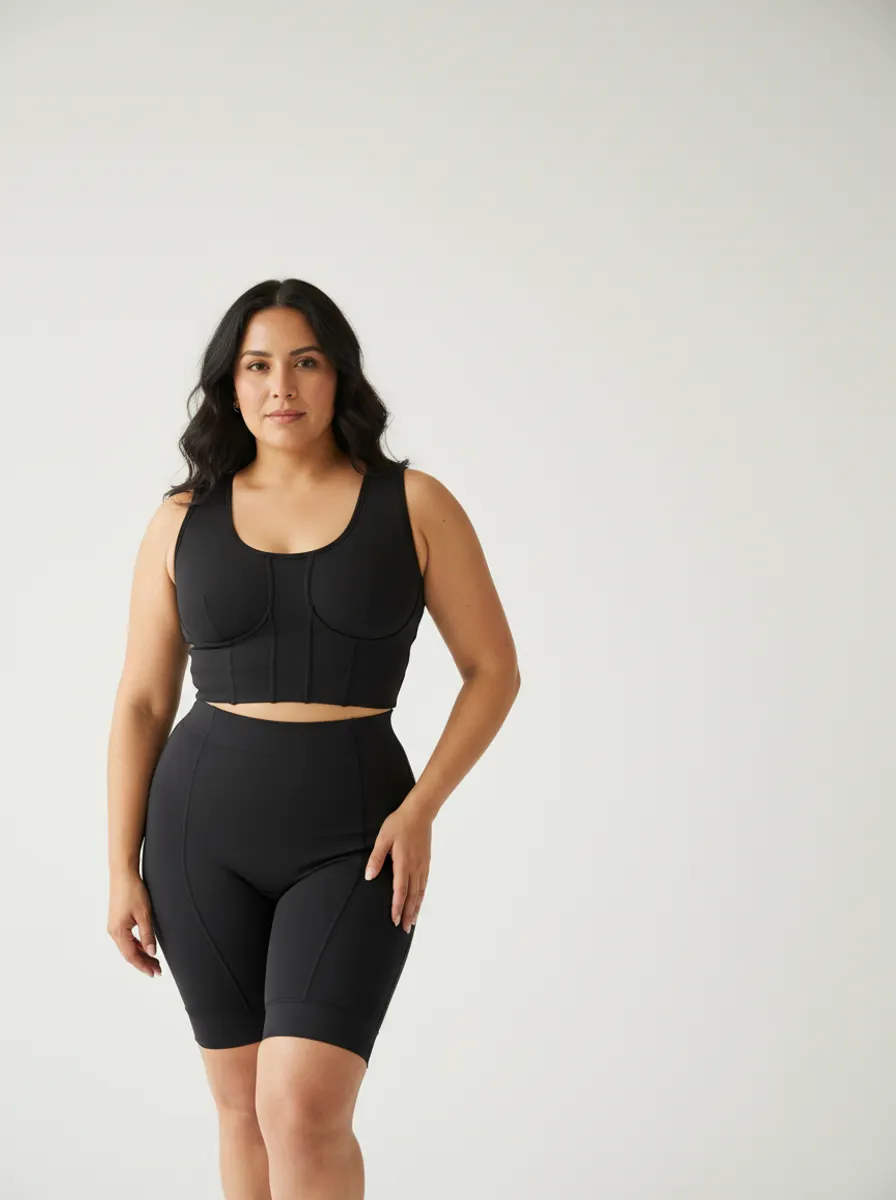
J plasma skin tightening pairs cold helium plasma with radiofrequency energy, delivered under the skin. On contact, that energy contracts loose tissue and firms sagging areas in a single session. It scars less than an open lift.
How it works
Tiny entry points are made. The area is numbed with local anesthesia.
A thin handpiece passes helium plasma below the skin.
Heat makes the deeper layer contract on contact and tightens loose skin. Done under local anesthesia, so recovery is faster.
Results
See the change on real J-Plasma patients.
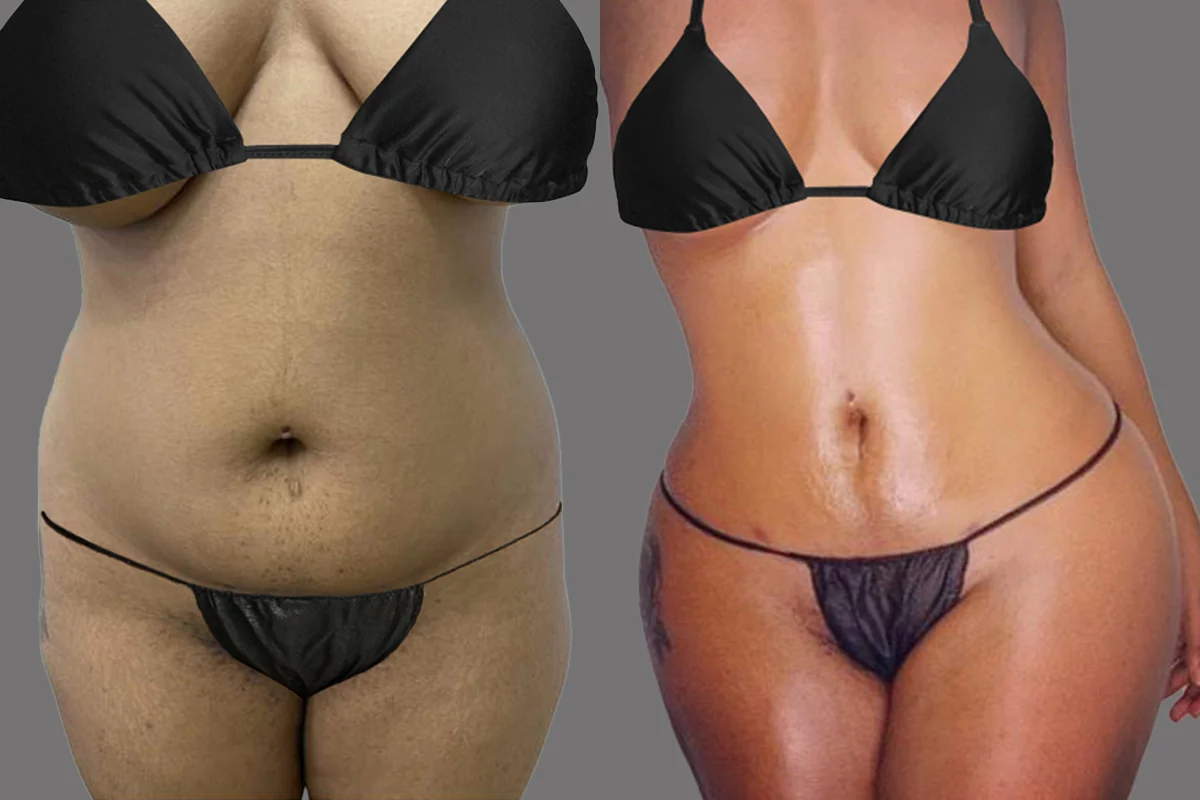
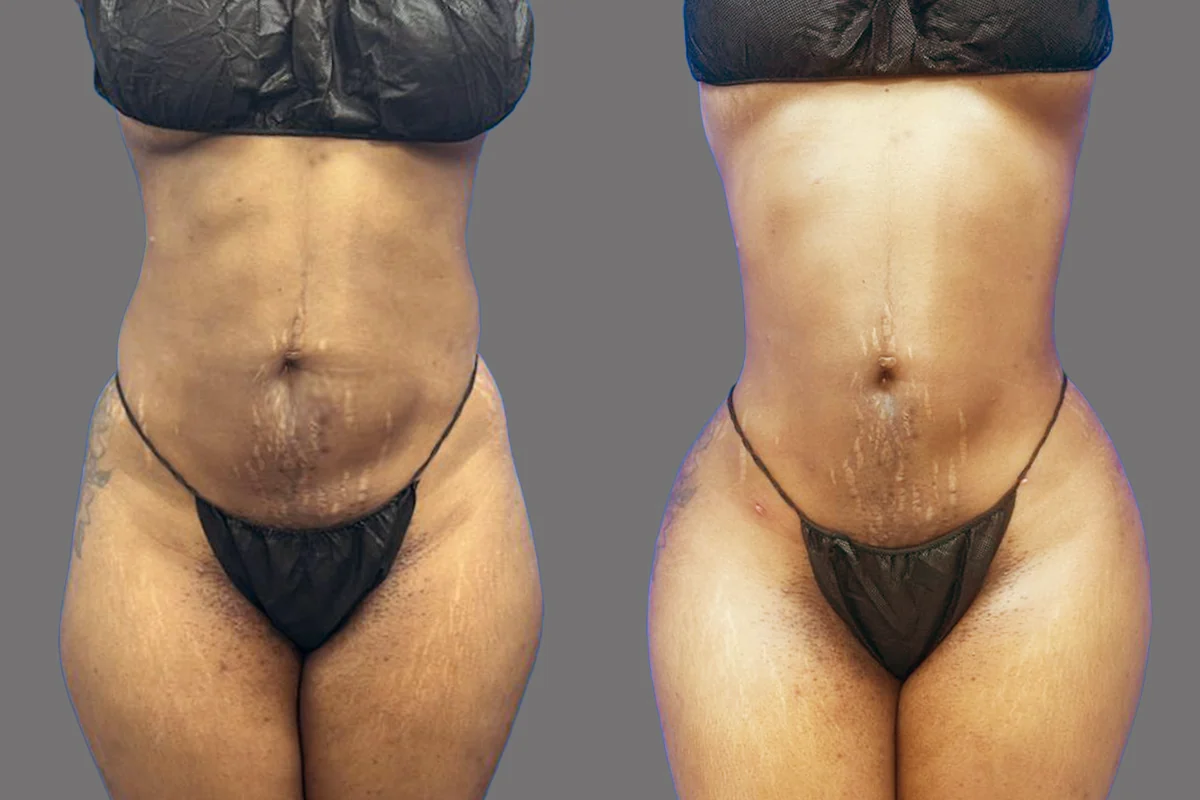
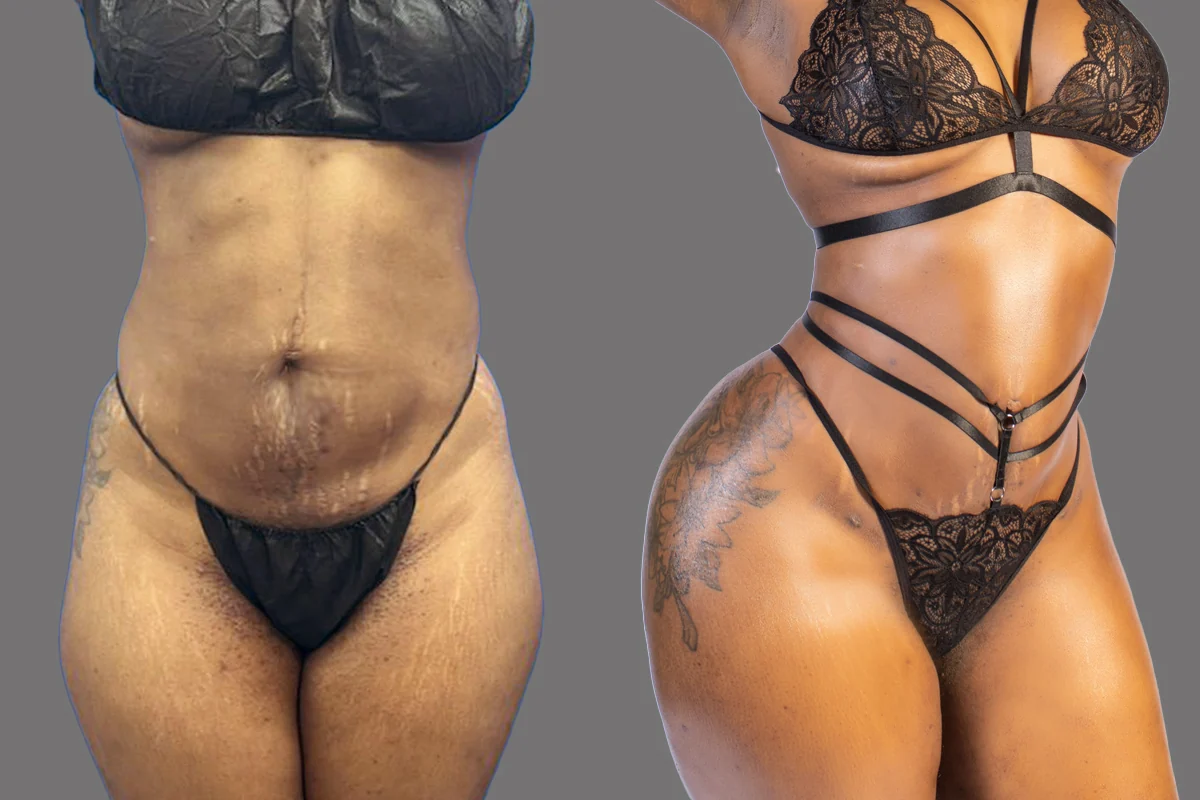
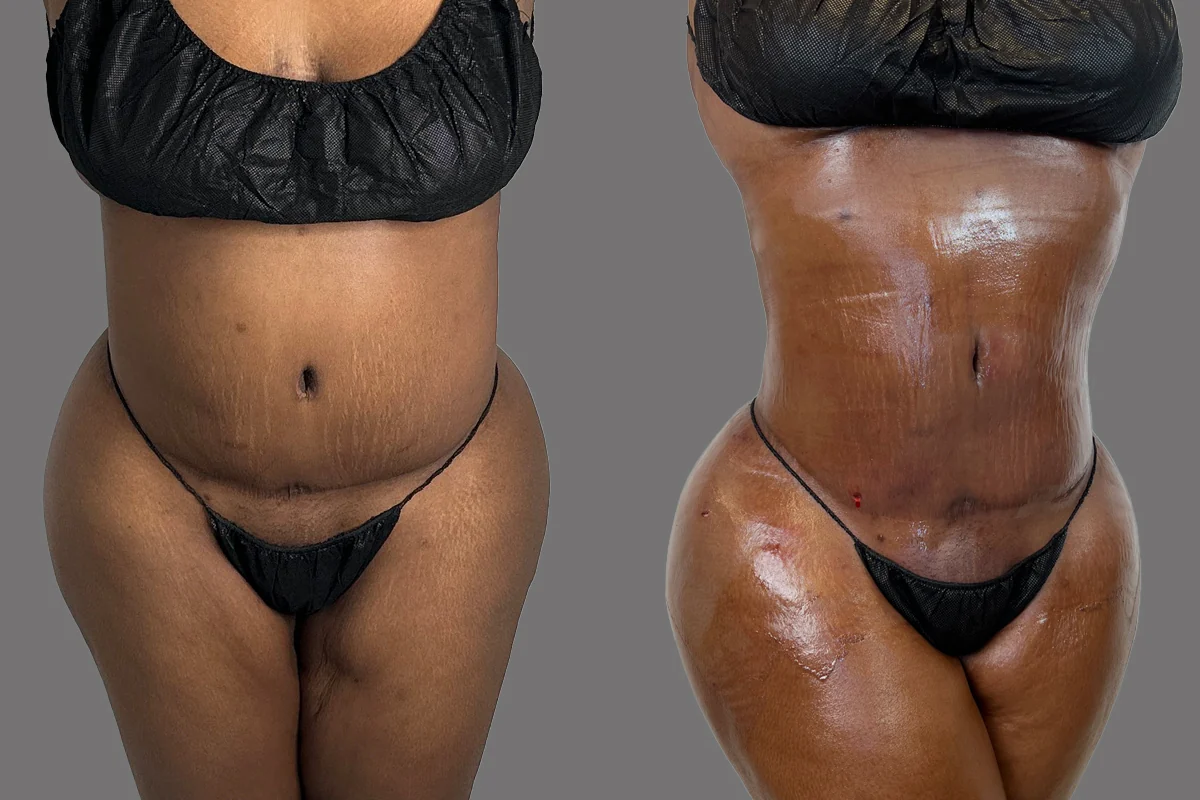
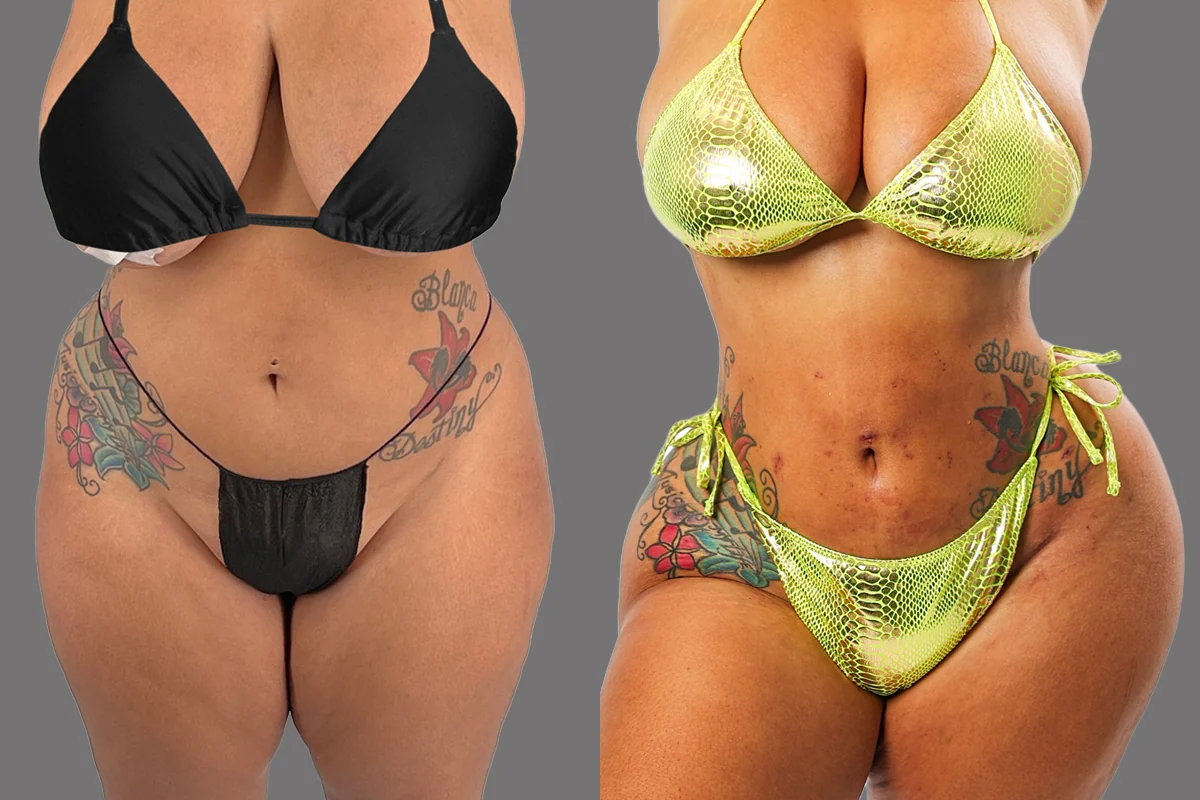
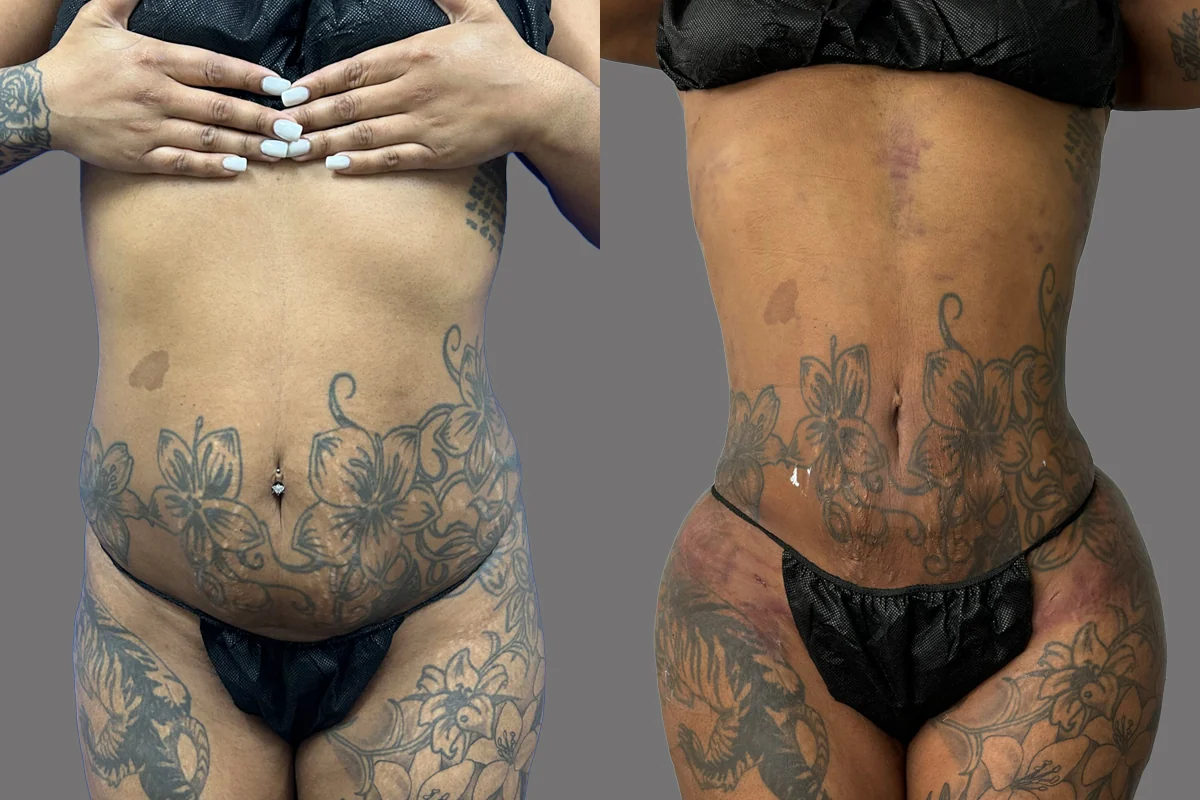
Real patients, published with written consent. Photographs are not retouched or AI-generated. Individual results vary — these images show outcomes for these patients and are not a guarantee of your own.
Try it
Type your height and weight. Your numbers stay on your device. We do not see or save them.
BMI is just one number. Your surgeon also looks at your health and your goals. BMI alone does not decide if you can have surgery.
Candidacy
J plasma skin tightening fits people with mild to moderate skin laxity who want firmer skin but not the scars and long recovery of a full surgical lift.
Crepey, lax skin on the arms, belly, or thighs that won't firm.
Skin that lost firmness after weight loss or pregnancy and no longer fits the body's new shape.
You'd rather tighten through tiny entry points than long surgical incisions.
You'll follow post-operative instructions and show up for every follow-up visit.
The two differ in technique, anesthesia, scarring, and recovery. Knowing how helps you pick the approach that fits the laxity you actually have.
| Technique | Plasma energy tightens skin via small openings. | Excess skin cut out via long incisions. |
|---|---|---|
| Anesthesia | Local anesthesia, patient is awake. | Most often general anesthesia. |
| Scarring | Minimal marks from small entry points. | Visible scars. |
| Recovery | Can help lower some risks of general anesthesia. | Higher risk, longer recovery. |
| Best For | Mild to moderate laxity, faster return. | Severe excess skin only. |
Your journey
6 Steps to Firmer Skin.
Meet our team to review your skin laxity, talk through your goals, and confirm if J-Plasma fits.
Reserve your procedure date. You'll get clear pre-operative instructions so you know exactly how to prepare.
Complete the medical evaluations and screenings we require for safety. Our team walks you through each one.
Under local anesthesia, helium plasma energy is passed beneath the skin through tiny entry points to contract loose tissue.
Wear compression garments as directed while swelling settles and the treated skin begins to firm and retract.
Our aftercare program has scheduled follow-ups to track your healing and your result.
J plasma firms loose, crepey skin on the body and face. It smooths areas that lost tone with age or weight change, without the scars of open surgery.
Noticeably tighter skin in the treated area.
Crepey, loose-looking skin appears smoother and more even.
Sharper definition along the arms, neck, jawline, and midsection.
Tiny entry points instead of long surgical scars.
Safety
We pair careful patient screening with strict energy and temperature limits and thorough pre-operative prep. That's how we keep every J-Plasma result safe.
Local anesthesia can help lower some of the risks tied to general anesthesia.
Set energy and temperature limits keep plasma delivery predictable.
Pre- and post-operative support: clear instructions, follow-up visits, easy access to the team.
Our surgeons
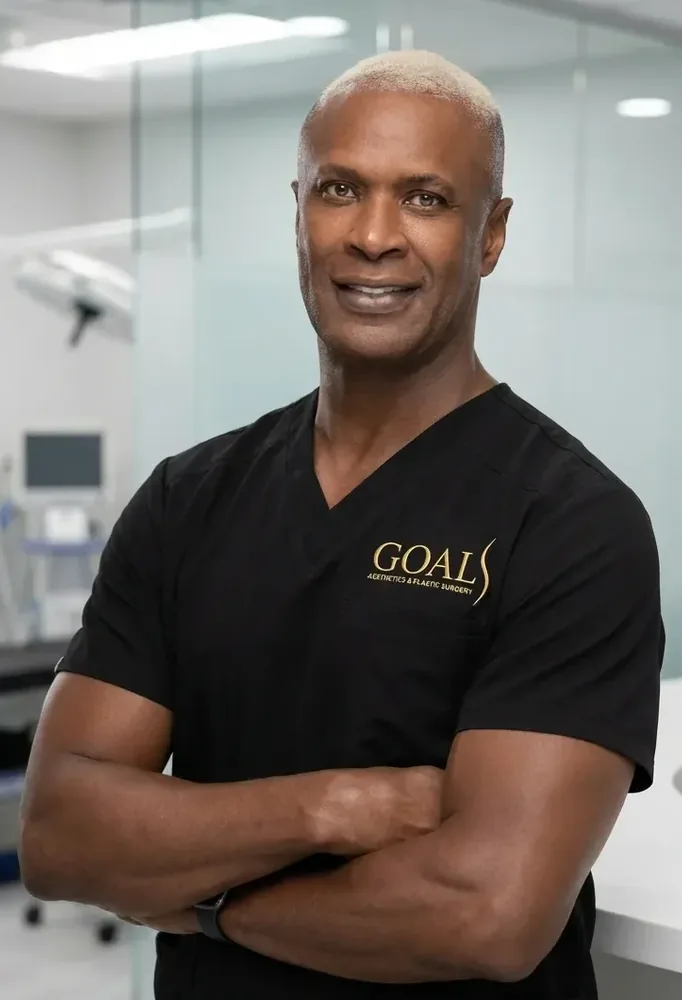
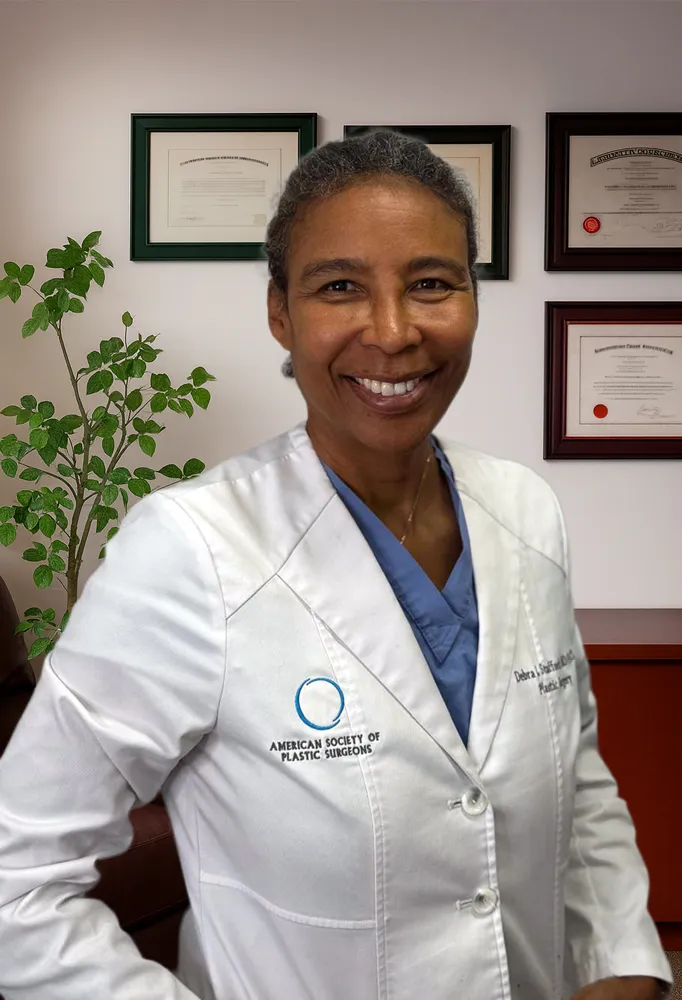
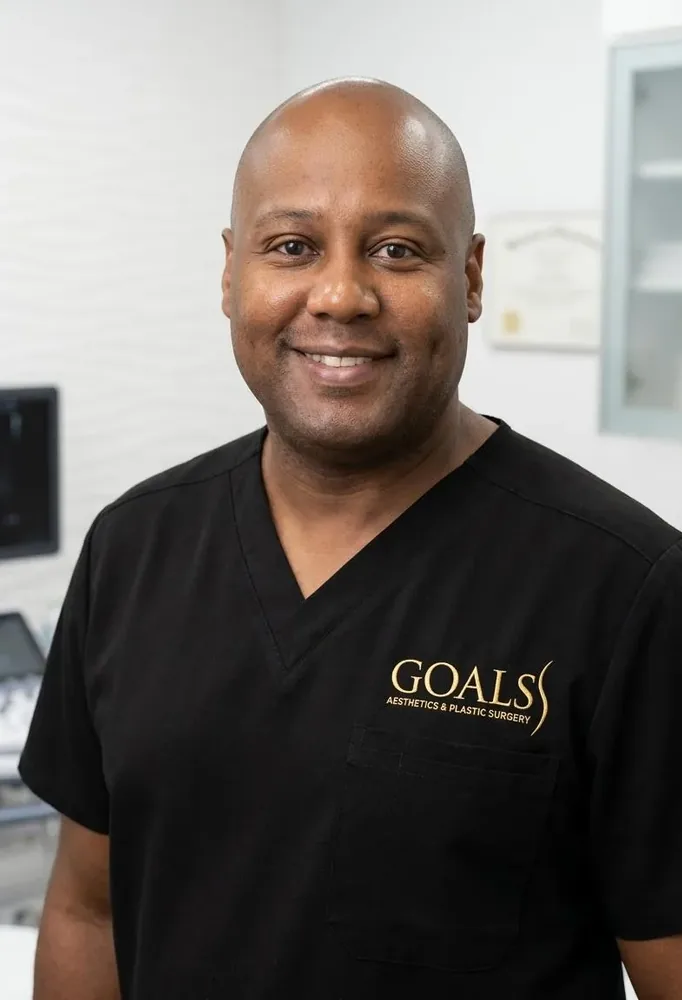
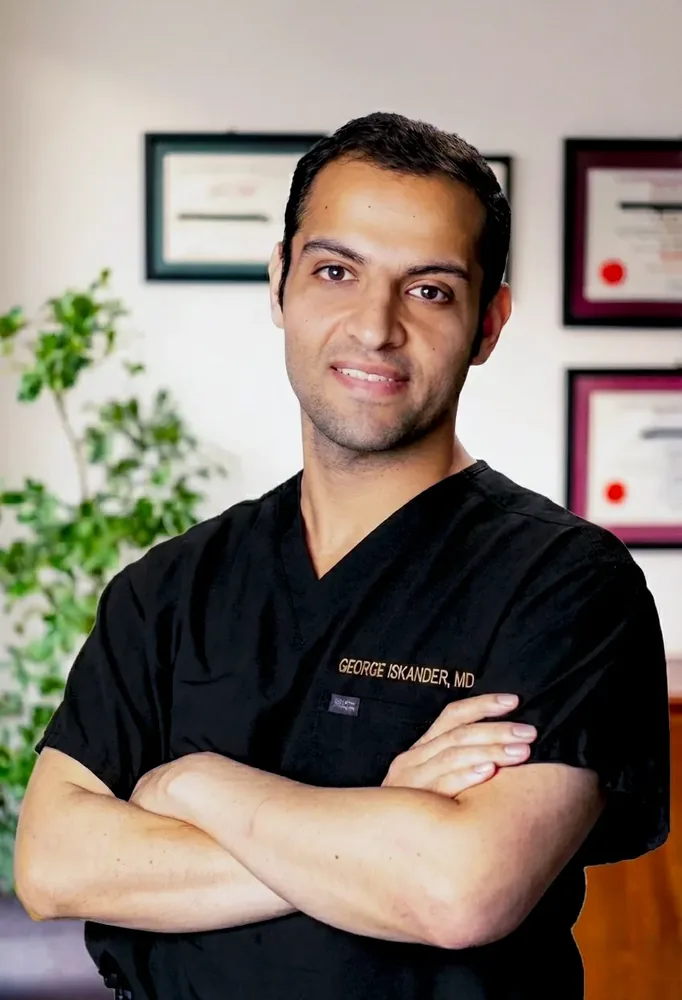
Each surgeon’s training and licenses are listed on their own page.
Pricing
J plasma cost starts at $7,250. The final price depends on the areas treated and the complexity. It's confirmed at consultation and locked in at booking.
Flexible financing / payment plans
Price locked in at the booking stage after consultation.
Transparent pricing: no hidden fees, everything clearly detailed in the contract.
Prices shown are starting prices and depend on the number of areas treated. Final pricing is confirmed at your consultation. Cosmetic procedures are not covered by insurance.
Try it
Pick a procedure to see an estimate. Your numbers stay on your device. We do not see or save them.
This is an estimate, not a quote. It splits the starting price over the months you pick, with no interest. Lenders set your real rate and terms. Your price is confirmed at your consultation.
J-Plasma Skin Tightening near you
Clinics
FAQ
They're the same technology. J-Plasma was the original brand name; Renuvion is what the same helium plasma device is called now. Some clinics and patients still use the older term. Either way, the procedure works the same: plasma energy contracts loose skin from below the surface.
Most people are back to light daily activity within a few days. Swelling, bruising, and tightness are normal for the first week or two and settle on their own. You'll wear compression garments as directed and skip strenuous exercise for a few weeks. Your surgeon sets a specific timeline based on the area treated.
Like any procedure, J-Plasma has risks: swelling, bruising, numbness, and, rarely, burns or uneven results. We bring those down with careful screening, controlled energy and temperature limits, local anesthesia instead of general, and trained surgeons. Sticking close to your aftercare instructions lowers risk too.
Yes. J-Plasma can be done on its own to tighten loose skin when fat isn't the main issue. It's also often paired with liposuction, since removing fat can leave skin lax. At your consultation, the surgeon will say whether skin tightening alone or a combined approach fits your goals better.
Results last a long time because the tightening comes from your own contracted tissue, not a filler or an implant. Most patients keep the improvement for years. Aging doesn't stop, though, so skin can slowly loosen again. Holding a steady weight and caring for your skin help it last.
J-Plasma Skin Tightening near you
Learn more
J plasma is a skin-tightening procedure. It firms loose, sagging skin with helium plasma energy applied just beneath the surface. People usually look into it when their skin has lost tone but a full surgical lift, with its long incisions and recovery, feels like too much. Searches for J-Plasma go up every year, and most of them come down to one question: can this really tighten loose skin without major surgery? For the right candidate, yes. The longer answer is what this guide is for. Skin laxity tends to creep up on you. You notice it after weight loss, after a pregnancy, or after a birthday that ends in a zero, and creams rarely do much about it. Open surgery, meanwhile, feels like a big step. J-Plasma sits in the gap between those two, and knowing where it fits is most of the decision. Below we go through how the technology works, who it helps, what recovery is like, what it costs, and how it stacks up against the alternatives, so you can decide whether it belongs on your list.
If you have been reading up on this treatment, you have probably seen two names used for the same thing. J plasma was the original brand name for the device. Renuvion is what the same technology is called now, after the manufacturer rebranded it. They are not rival procedures. They are one helium plasma platform, which is why clinics and patients still use both terms. When someone searches for renuvion skin tightening, they are usually after exactly what a J-Plasma page describes. The technology combines cold helium gas with radiofrequency energy. At the tip of a thin handpiece, the two form a controlled plasma that delivers heat right to the tissue layer under your skin. The heat makes that tissue contract almost at once, and the skin above it tightens with it. The energy is targeted enough that nearby tissue stays relatively cool, and that is part of why the procedure is safer than older heat-based tightening methods.
A j plasma procedure is done under local anesthesia. You stay awake, and the treatment area is numbed rather than being put fully under. The surgeon makes a few tiny entry points, usually small enough to need little or no stitching. A slim handpiece passes beneath the skin, and the plasma energy goes on in smooth, even passes. As the energy reaches deeper tissue you may feel warmth and some pressure, but the numbing keeps the area comfortable the whole time. The contraction happens during the treatment, so the surgeon watches the skin tighten in real time. Most sessions run one to two hours, depending on how many areas are treated. With no general anesthesia, there is no slow wake-up and no grogginess afterward. Many patients walk out and head home the same day, with a friend or family member driving.
J-Plasma works best for mild to moderate skin laxity. If your skin has lost some firmness but is not hanging in large folds, you are in the range it was built for. People come in for crepey skin on the upper arms, a softening jawline and neck, loose skin on the abdomen, and laxity on the inner thighs. It is also popular after major weight loss, when the body has changed shape but the skin has not caught up. Good candidates are in generally good health, have realistic expectations, and understand that this tightens skin, it does not remove fat. If a stubborn fat pocket is your main concern, something like FlexSculpt may be the better place to start, sometimes with skin tightening added afterward. Very severe excess skin is usually better treated with a surgical lift, and an honest consultation will tell you which group you are in.
A common question is whether J-Plasma is done on its own or alongside other procedures. The answer is both. J-Plasma lipo is a frequent pairing, because liposuction takes out fat and removing fat can leave the skin over it looser than before. Plasma skin tightening in the same session helps that skin retract over the new, slimmer shape. It is why J-Plasma comes up so often for areas like the abdomen, flanks, and arms. Even so, plenty of patients have J-Plasma with no liposuction at all, just to firm skin that has lost tone. Whether you need one or both comes down to your anatomy. At your consultation the surgeon looks at how much laxity you have and how much fat is involved, then recommends the approach that fits your goals instead of pushing a set package.
Recovery after J-Plasma is usually easier than recovery from open surgery, but it is not nothing. Expect some swelling, bruising, and a tight feeling in the treated area for the first week or two. That is normal, and it means the tissue is responding. Most people are back to light daily activity within a few days, and many return to a desk job inside a week. Compression garments are usually worn for several weeks to support healing and help the skin settle evenly. Hold off on strenuous exercise and heavy lifting for a few weeks; your surgeon gives you a specific timeline based on the area treated. Numbness or tingling can linger for a while and usually clears up on its own. The skin keeps tightening as collagen remodels, so what you see at two weeks is not the final result. A lot of patients notice it still improving over the next few months. A few simple habits make the early weeks smoother. Sleep in a position that keeps pressure off the treated area. Stay hydrated, skip smoking, and keep your follow-up appointments so your surgeon can confirm healing is on track. If anything feels off, call the clinic early instead of waiting it out.
Because the tightening comes from your own contracted tissue, not a filler or an implant, J-Plasma results last a long time. Most patients keep the improvement for years. A lot of people search for renuvion before and after images because they want to see realistic outcomes before they commit, and studying real patient photos is one of the smartest things you can do. Our before and after gallery shows the kind of change J-Plasma produces on different body areas. Set your expectations honestly, though. This is a refinement, not a swap for a different body. The change is real and you will see it, but it looks natural rather than dramatic. Keep in mind that aging does not stop after any procedure. Skin can loosen again over time, and sun exposure, big weight swings, and how you care for your skin all affect how long the result holds.
For most people the comparison that matters is J-Plasma against a traditional surgical lift, since they solve overlapping problems in very different ways. A surgical lift physically cuts away excess skin through long incisions, and it is the right call when there is a lot of loose skin to remove. The result is powerful, but it comes with visible scars, general anesthesia, and a longer, harder recovery. J-Plasma takes a lighter route. It tightens skin through tiny entry points with plasma energy, runs under local anesthesia, and leaves minimal marks. The trade-off: it handles mild to moderate laxity, not severe excess skin. Neither one is simply better. The right choice depends on how much loose skin you actually have. A good surgeon will not steer you toward J-Plasma if your anatomy really calls for a lift, and the comparison section higher up on this page lays the differences out side by side.
Like any procedure, J-Plasma carries some risk, and being informed is part of choosing well. Side effects can include swelling, bruising, temporary numbness, and, less often, burns or uneven results. The good news: a few things bring those risks down, some in your hands and some in the clinic's. Experienced, licensed U.S. surgeons matter. So does a clinic that holds energy and temperature to controlled settings, screens patients carefully, and uses local rather than general anesthesia when it can. Sticking to your aftercare, wearing your compression garments, and making every follow-up visit lower your risk and improve your result too. At Goals, J-Plasma is done by our licensed U.S. surgeons who work within a safety-first framework, and the consultation is where any personal risk factors get identified and talked through openly before you decide.
Cost is one of the first things people ask about, and it is a fair question. J plasma cost is not one fixed number. It depends on how many areas you treat, how large they are, how complex your case is, and whether the procedure is combined with liposuction or something else. A small area like the neck costs less than treating the whole abdomen and flanks. At Goals, J-Plasma starts from $7,250, and the exact price for your plan is set during your consultation and locked in at booking, so nothing changes on you later. We also offer financing and flexible payment options, which you can look into on our financing page. Be wary of pricing that sits far below everyone else. Skin tightening is a medical procedure, and the surgeon's experience and the safety of the facility are not the places to cut corners.
The single biggest factor in a good J-Plasma outcome is who performs it. This is a technique-dependent procedure, and the same device in different hands gives different results. When you weigh a provider, look for licensed U.S. surgeons with real experience in skin tightening and body contouring, a clear and honest consultation, actual patient before-and-after photos, and a facility with proper safety protocols. A provider worth trusting will tell you if J-Plasma is not right for you instead of selling it anyway. They will also be straight about the limits of the procedure and answer your questions on recovery and risk without rushing you. Goals has more than ten years of experience in body contouring and aesthetics across locations nationwide, and our specialists focus on matching each patient to the procedure that actually fits their anatomy and goals.
If loose or crepey skin bothers you, but a full surgical lift with its scars and downtime feels like more than you want, J-Plasma is worth a serious look. It sits in a genuinely useful middle ground: more effective than creams and most non-invasive devices for real laxity, yet far gentler than open surgery. It will not replace a lift for severe excess skin, and it will not remove fat on its own. But for the right person it gives firmer, smoother, natural-looking skin with a recovery you can manage. The best way to know where you stand is a consultation, where a surgeon can look at your skin in person and tell you honestly what J-Plasma can and cannot do. You can also look into related options like arm contouring or a tummy tuck if your needs turn out to be different, and read more on our blog. When you are ready, book a free consultation and get a clear, personalized answer.
Get started
Book your free consultation today and find out how J-Plasma can tighten loose skin and restore firmer, smoother contours.
Prefer to talk now? (833) 462-5769
Free · No obligation
Tell us how to reach you. A patient coordinator calls you back — usually the same day.
Free · No obligation
Ask me anything. I usually reply straight away.
If you share your number, a Goals coordinator may call or text you about your consultation. Message and data rates may apply.
Nora is an automated chat. She cannot give medical advice or say whether a procedure suits you.