Mild to Moderate Laxity
Loose or crepey skin not severe enough to need a full lift.
J-plasma skin tightening Los Angeles with Renuvion. Cold plasma energy under the skin firms loose areas and refines the contour, often with lipo, at our LA clinic.
Call for availability This clinic is not booking appointments right now. Call us and we will help you book at a nearby Goals clinic.
From $7,250
Free Consultation
Your consultation is free and carries no obligation.
Goals Aesthetics & Plastic Surgery – LA
18433 Roscoe BlvdMon–Sat, 10:00–19:00 local time
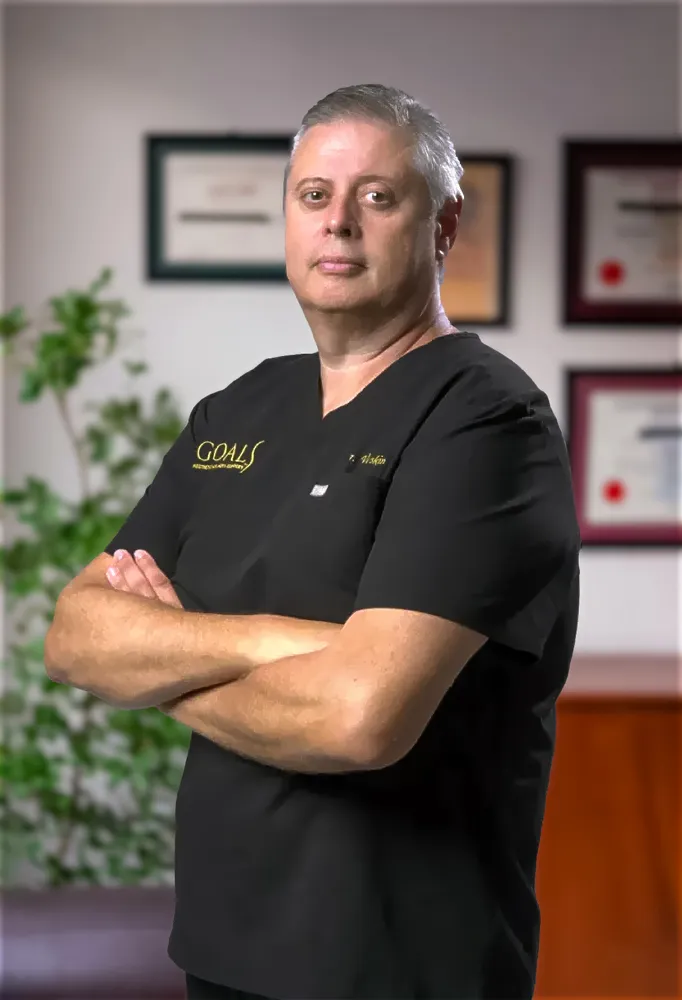
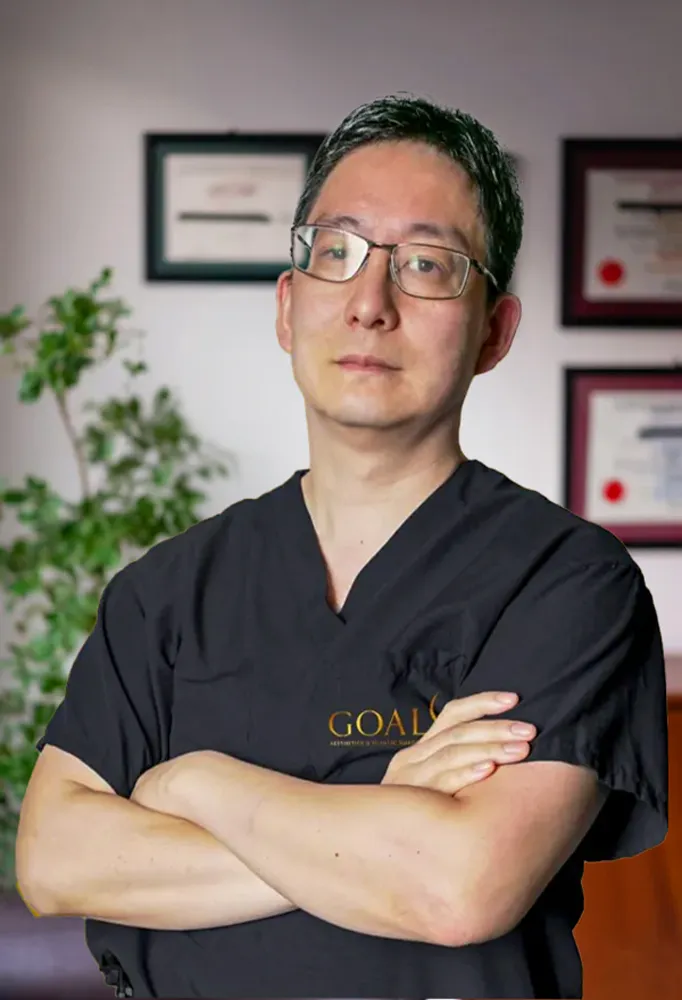
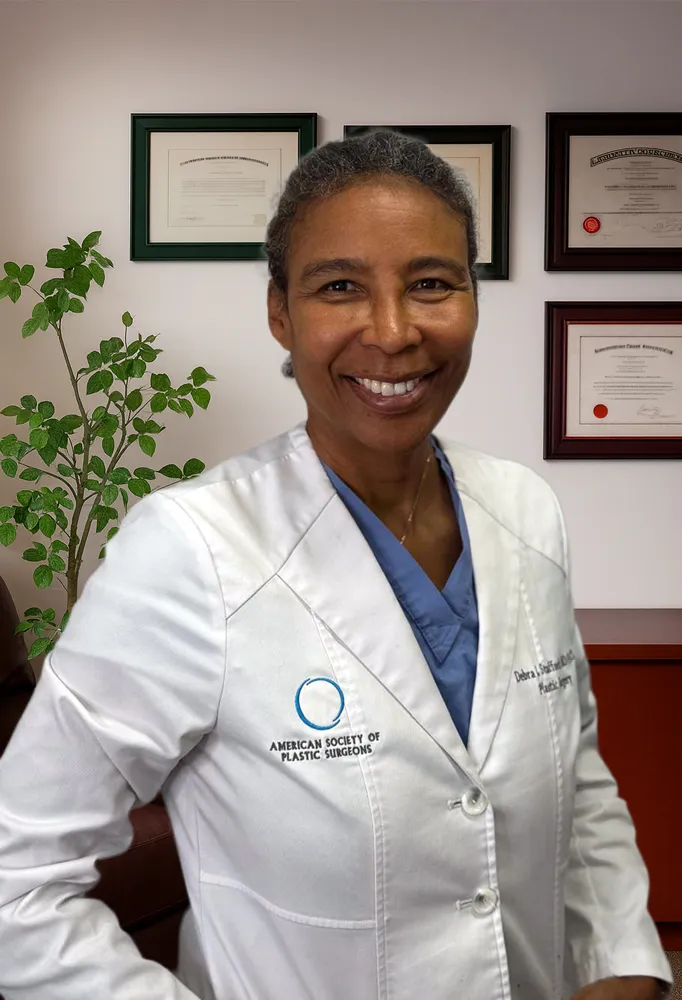
Surgeons: Dr. Sergey Voskin, Dr. Andrew Hsu, Dr. Debra L. Stafford
Body Contouring Done Safely, With Real Attention to Detail
J-Plasma, also known as Renuvion, tightens loose skin using cold helium plasma plus radiofrequency energy. Through tiny entry points, the surgeon passes the energy just under the skin, which contracts the tissue and builds collagen for a firmer result. It is often paired with liposuction to firm an area in Los Angeles.
Your surgeon reviews your skin laxity and the area you want firmer, then plans whether J-Plasma alone or with liposuction fits your goal best.
Through small entry points, cold plasma energy is passed under the skin to contract the tissue and kick-start collagen with control.
If fat is also a factor, liposuction is added first, then the skin is tightened. You wear compression while the area firms over the weeks, with collagen continuing to build in Los Angeles.
Candidacy
J-Plasma is for people bothered by mild to moderate loose skin who want a firmer contour without a large scar, and who prefer a minimally invasive approach.
Loose or crepey skin not severe enough to need a full lift.
Some loose skin after weight loss that you would like firmer and smoother without long incisions.
You are having liposuction and want the skin to tighten to the new contour too.
You prefer small entry points over the longer scar of skin-removal surgery.
Not sure what your skin needs?
Our surgeons
Experienced surgeons
Each surgeon’s training and licenses are listed on their own page.
Results
See real before and after shots from patients.
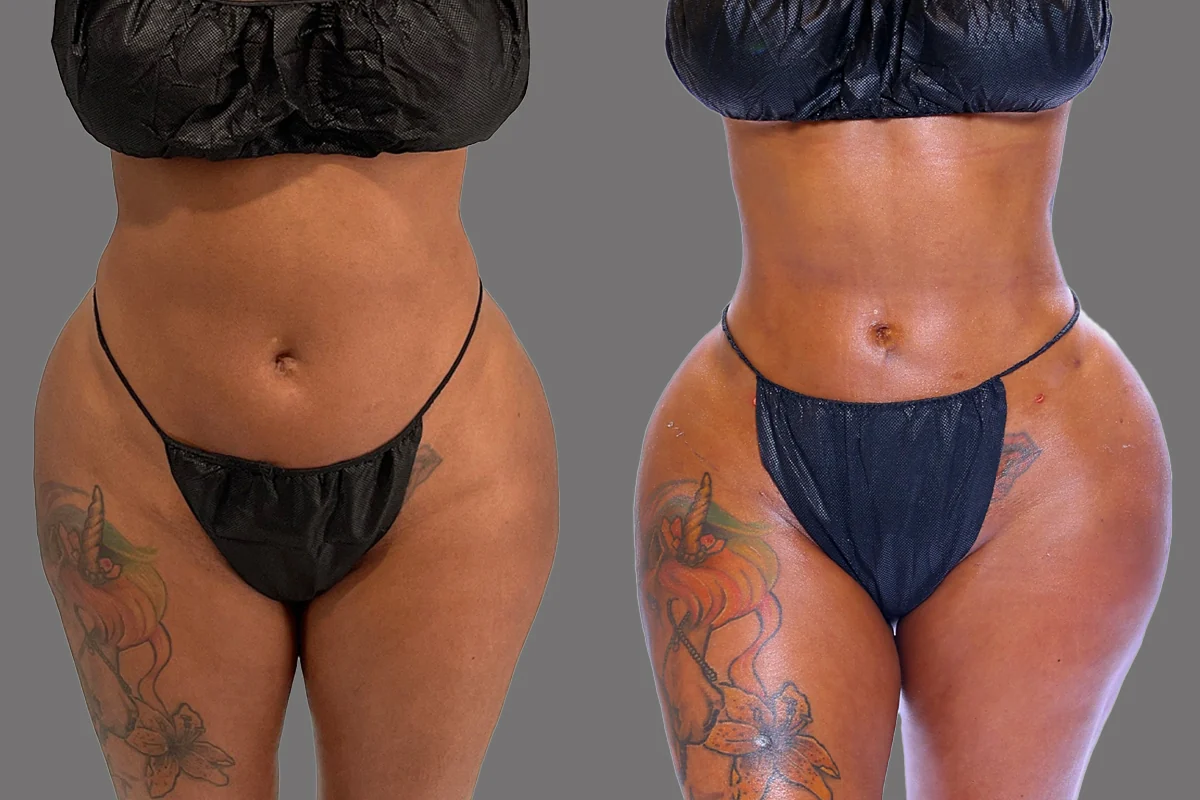
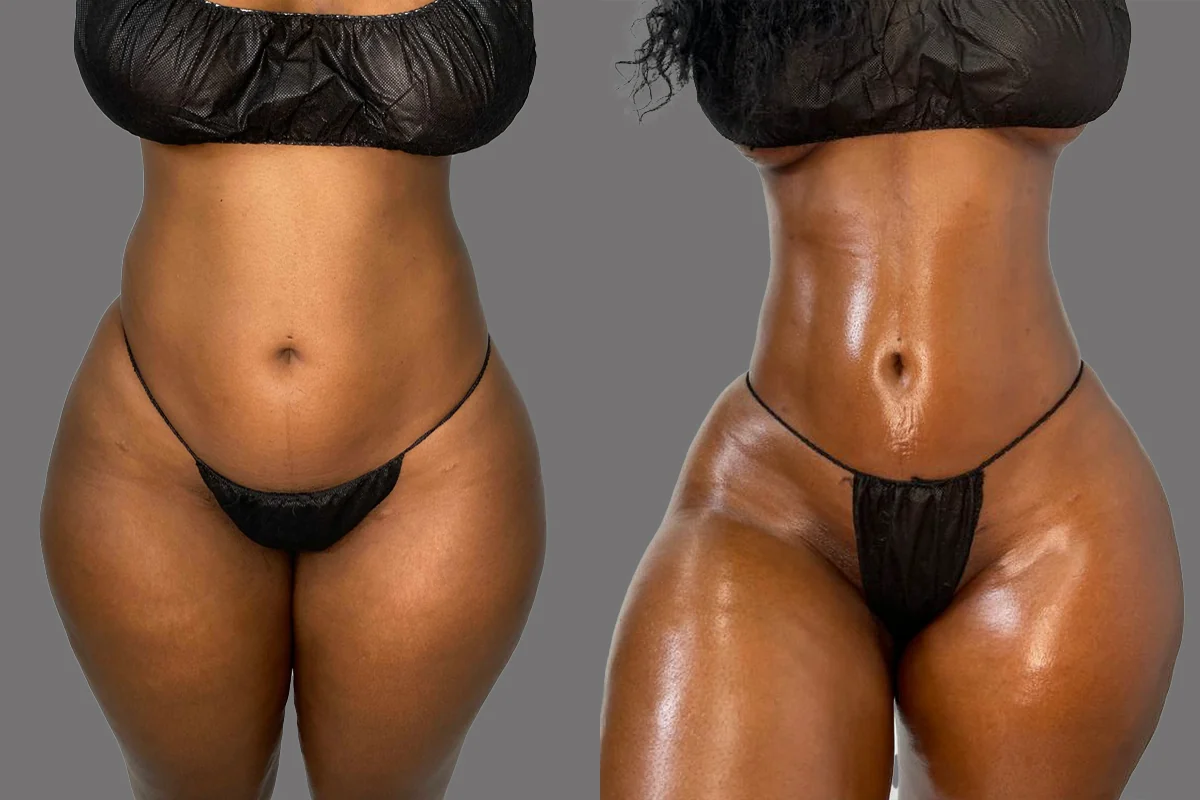
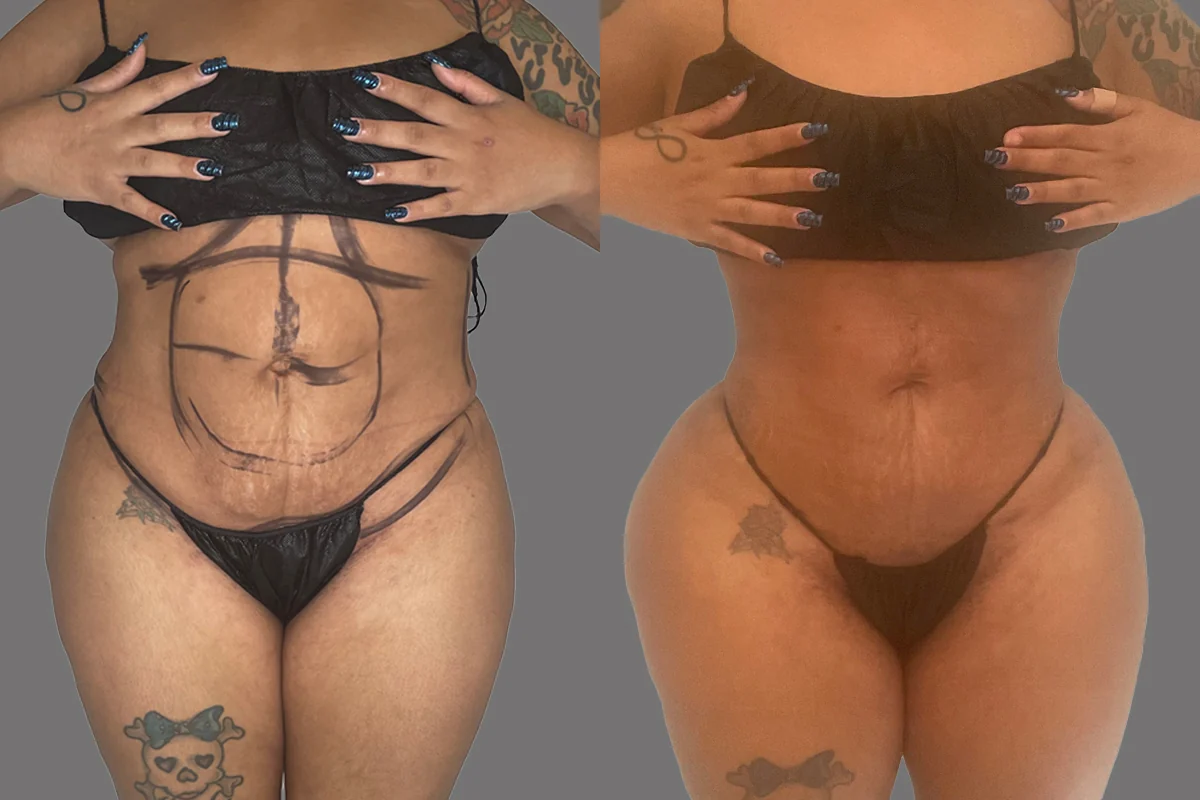
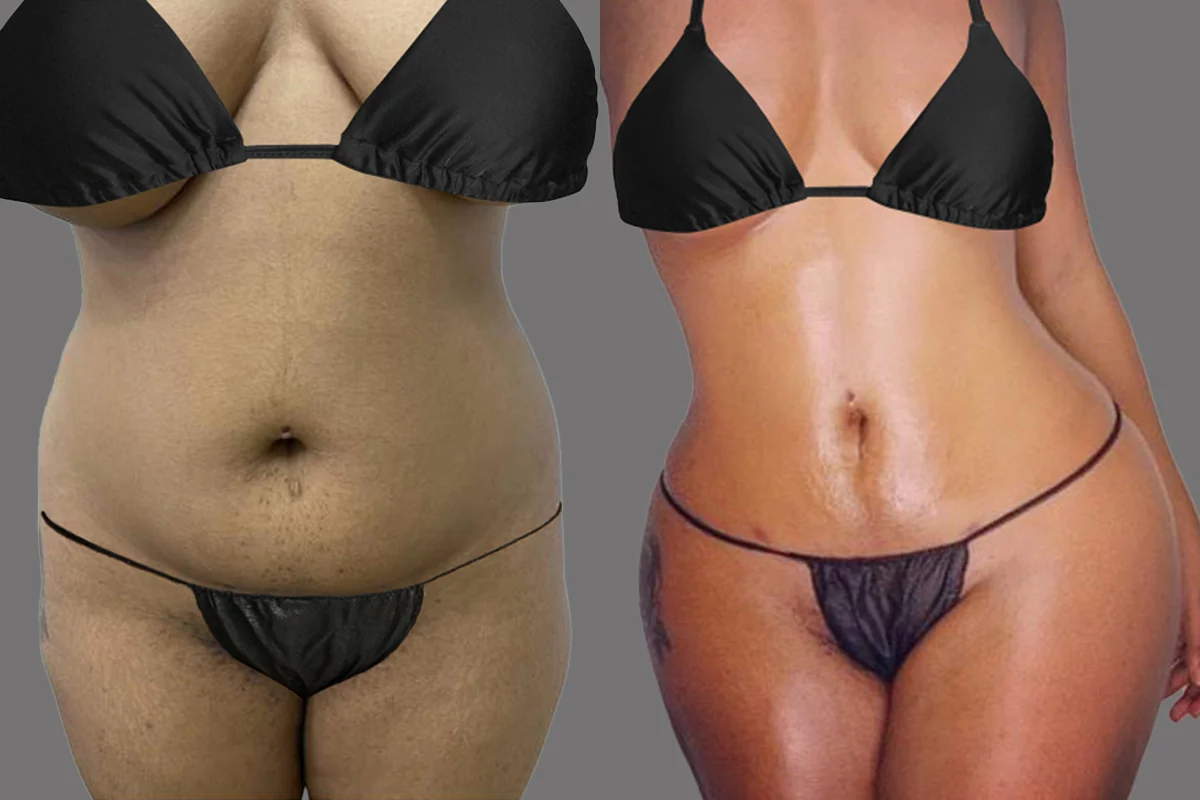
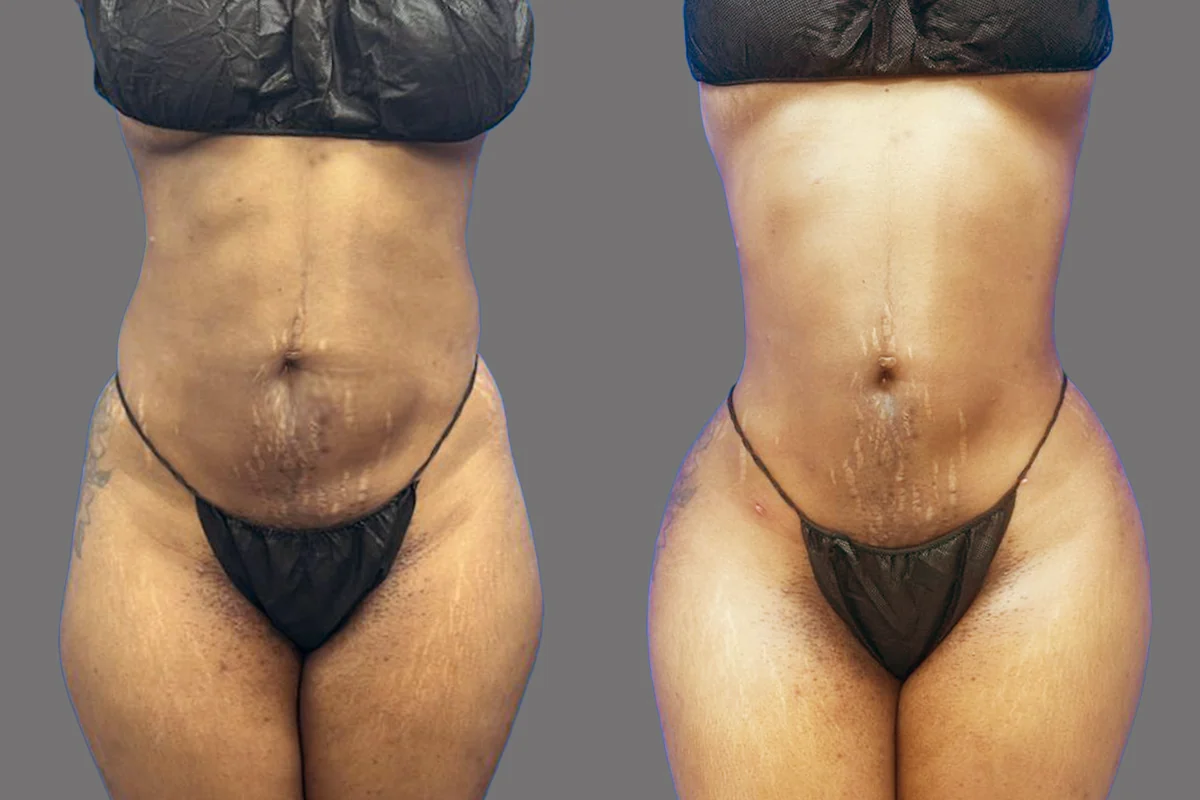
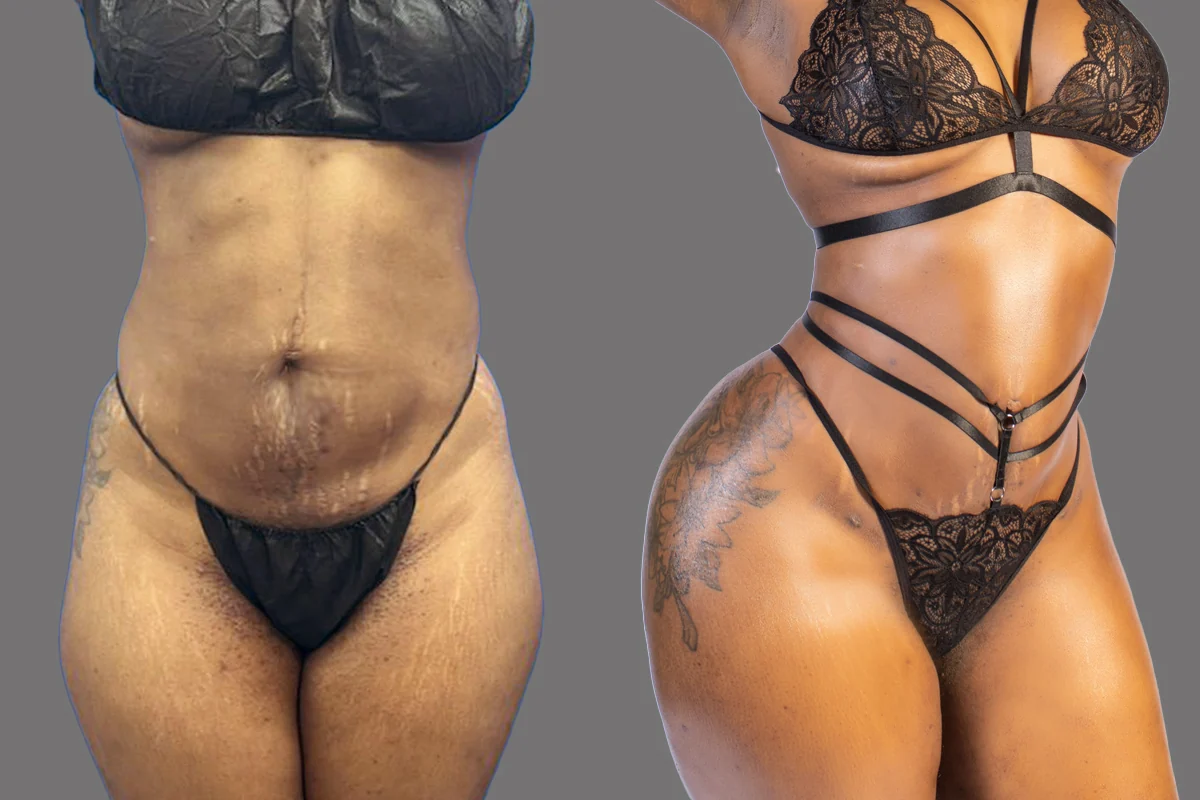
Real patients, published with written consent. Photographs are not retouched or AI-generated. Individual results vary — these images show outcomes for these patients and are not a guarantee of your own.
Try it
Type your height and weight. Your numbers stay on your device. We do not see or save them.
BMI is just one number. Your surgeon also looks at your health and your goals. BMI alone does not decide if you can have surgery.
See how each handles loose skin, scarring, recovery, and how much it can tighten, and the choice between J-Plasma and a skin-removal surgery gets clearer.
| Criterion | J-Plasma at Goals | Skin-Removal Surgery |
|---|---|---|
| Best For | Mild to moderate skin laxity. | Significant loose, hanging skin. |
| Incisions | Tiny entry points only. | Longer scars to remove skin. |
| Tightening | Firms skin, stimulates collagen. | Removes skin. |
| Scar | Minimal, easy to hide once it has healed. | Longer, more visible scar. |
| Recovery | Usually shorter, back to routine sooner. | Longer healing period. |
Your journey
6 Steps to Firmer Skin
Meet the team to talk through your goals, look at your skin laxity, and see if J-Plasma is right for you.
Schedule your procedure and get clear pre-operative instructions so you arrive fully prepared for the day of treatment.
Finish the medical checks so the team can confirm you are ready, then they walk you through every step of prep.
If fat is a factor, the surgeon removes it with liposuction first, smoothing the area before the skin is tightened.
Cold plasma energy is passed under the skin through small entry points to contract the tissue and firm it.
Work through our aftercare plan with scheduled check-ins, so we track healing and protect your result.
Benefits
J-Plasma firms loose skin and refines the contour through small entry points, with collagen building over the months. Adding liposuction smooths and tightens at once.
Loose skin firmed for a smoother, tighter contour.
Collagen keeps forming for months, so the result keeps improving gradually.
From a pool day to a night out, firmer skin and a smoother contour can help you feel at ease in fitted clothing and everyday LA life.
Small entry points instead of the long scar of skin removal.
A natural, smoother contour, not an overdone result.
Safety
We screen each patient first, use controlled Renuvion energy through small entry points, and give clear pre- and post-op support, so it stays safe and skin firms evenly.
We review your skin and goals before treatment, so the plan fits you and you are cleared to proceed.
Renuvion energy delivered with control through small entry points.
Clear pre- and post-op support with easy access to the LA team.
Pricing
Final cost comes down to the area, whether liposuction is added, and complexity, confirmed at consultation and fixed at booking.
Financing / payment plans
Your price is locked in at booking, after consultation.
Clear pricing: no hidden fees, everything spelled out in the contract up front.
Prices shown are starting prices and depend on the number of areas treated. Final pricing is confirmed at your consultation. Cosmetic procedures are not covered by insurance.
Try it
Pick a procedure to see an estimate. Your numbers stay on your device. We do not see or save them.
This is an estimate, not a quote. It splits the starting price over the months you pick, with no interest. Lenders set your real rate and terms. Your price is confirmed at your consultation.
Why Goals
A Roscoe Blvd location in LA with easy parking and access by car.
Comprehensive aftercare and easy in-person follow-ups in LA.
Surgeons who use Renuvion energy often.
A minimally invasive approach with small, discreet entry points.
Thousands of successful body-contouring procedures across the network.
FAQ
Comfort is well managed, so most people find it very tolerable. J-Plasma is usually done under local anesthesia with sedation, or sometimes general anesthesia when combined with more extensive liposuction. Because the energy is delivered through tiny entry points rather than long incisions, there is no large surgical wound to recover from. Afterward you can expect some soreness, swelling, and tightness for a few days, which is normal and settles steadily. Your surgeon gives clear pain-management guidance so you stay comfortable through early healing.
J-Plasma is versatile and can firm loose or crepey skin in many areas. Common zones include the abdomen, flanks, arms, thighs, and the neck and jawline, along with other spots where mild to moderate laxity shows up after weight loss or with age. It is frequently used to tighten skin over an area just treated with liposuction, so the skin shrinks to the slimmer contour rather than hanging loose. At your consultation, your surgeon assesses the areas that concern you and recommends whether J-Plasma alone or with liposuction fits best.
For most people, J-Plasma is a one-time procedure rather than a series of sessions. Because it works beneath the skin to contract the tissue and trigger ongoing collagen, a single treatment delivers tightening that keeps improving over the following months. This sets it apart from surface-level devices that need several visits. Whether one session fully meets your goals depends on your starting laxity and the area treated. A touch-up may be considered later, but one treatment is typically enough.
J-Plasma works best for mild to moderate skin laxity, so it is not right for everyone. People with a large amount of loose, hanging skin, for example after major weight loss, usually do better with a skin-removal surgery such as a tummy tuck, since energy-based tightening cannot remove significant excess skin. It is also not suitable during pregnancy or breastfeeding, or with certain skin infections in the area. An honest consultation in Los Angeles is the best way to find out, and your surgeon tells you plainly if another option fits better.
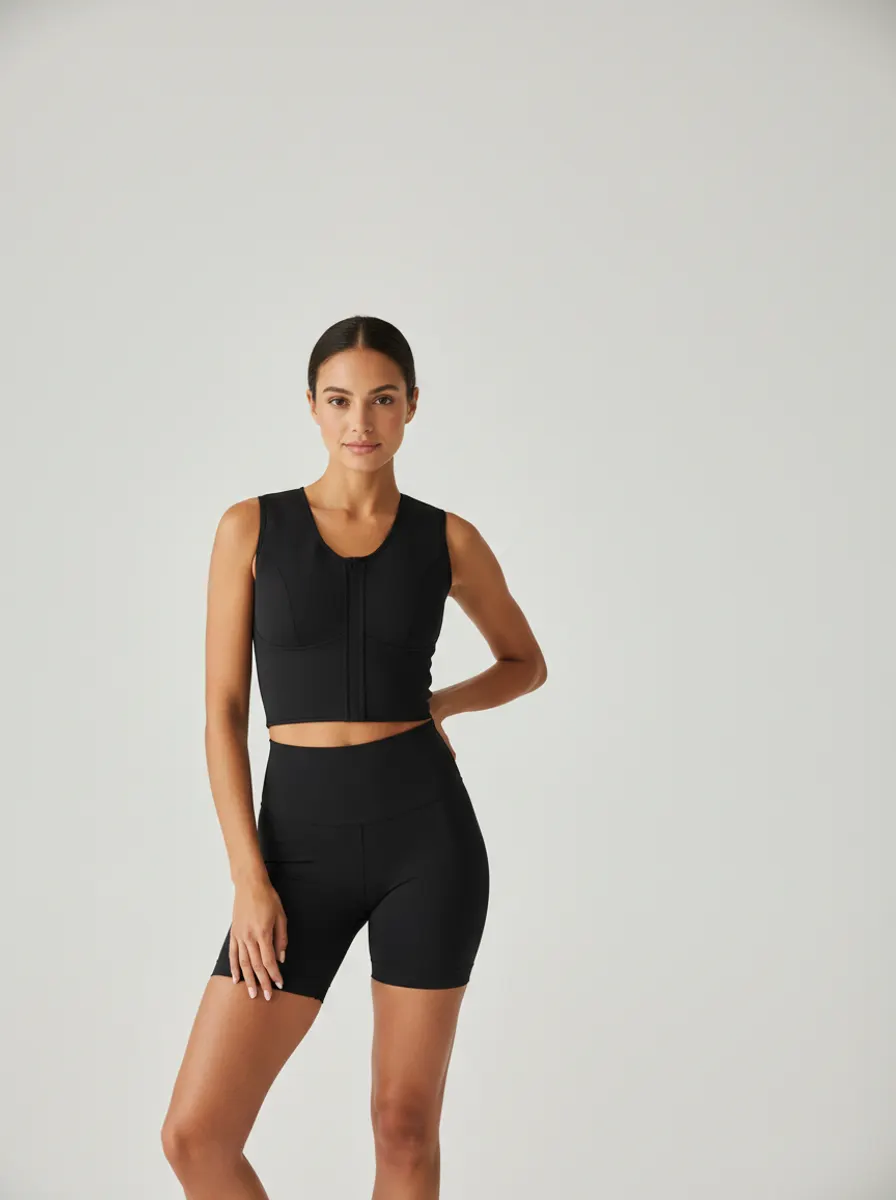
Aftercare is straightforward, and yes, compression is usually part of it. After J-Plasma, especially when combined with liposuction, you typically wear a compression garment for a few weeks to support the area, control swelling, and help the skin settle to the new contour. Some swelling, bruising, redness, or tightness early on is normal and eases over the following weeks. Most people return to light activity quickly. Your surgeon gives a clear aftercare plan with check-ins so healing is tracked and your result protected.
Learn more
The most common misunderstanding about J-Plasma is expecting to see the finished result the day you walk out. It doesn't work that way, and knowing the real timeline ahead of time changes how you experience it. J-Plasma, carried out with the Renuvion device, firms loose skin in two stages: an immediate tightening you see right away, followed by a slower firming that builds for months as your body lays down new collagen. It's a minimally invasive treatment performed by a surgeon, and the result is a process rather than a single moment.
This page walks that process through, week by week, so you know what's normal at each point, when to judge what you're seeing, and how to time the treatment around your life. For a lot of people in Los Angeles, where a date on the calendar often drives the decision, understanding the timeline is the most useful thing to get straight first. Going in with the right mental model, that this is a slow reveal rather than an instant one, is the difference between a reassuring few months and an anxious one.
The first stage happens on the table. As the energy warms the tissue under the skin, it contracts on contact, which produces a real, visible tightening you can see before you even leave. That immediate draw-in is genuine and it's the foundation of the result. What it isn't, yet, is the finished look.
The same area has just been treated, so alongside that initial tightening you'll have some early swelling, which means the skin you see at the end of the appointment is the contraction plus the swelling rather than the settled outcome. It's encouraging to see firming straight away, but the day of treatment is the start of the timeline, not the end of it.
The first several days are the most active part of recovery, and they're also where people most often misread their result. It's entirely normal to have swelling, redness, soreness, some bruising, and a feeling of tightness across the treated area. Because of the swelling in particular, the area can look fuller or puffier than the true result will be, which catches people off guard if they weren't expecting it. None of this means anything has gone wrong; it's simply how the tissue responds in the early days, and it settles steadily over the first week or two.
For body areas you'll usually wear a compression garment to support the skin while this calms down. The key thing to hold onto is that this phase is temporary and isn't the result. A useful habit is to take a photo at the start and avoid comparing yourself day to day, since the change from week to week tells the real story far better than the change from morning to evening.
Once the early swelling settles, the second and slower stage takes over, and it's the one that does much of the work. Over roughly the next three to six months, your body builds fresh collagen in the treated area, and the skin keeps tightening and refining the entire time. That means the firmness you have at one month is less than what you'll have at three or four, because the collagen is still developing in the background.
This gradual build is exactly why the change looks natural rather than abrupt, since it arrives slowly enough to read as your own skin firming rather than something done to it overnight. It also means the most rewarding part of the result is the part you have to wait for. There's nothing you have to do to drive it beyond caring for your skin and holding a steady weight, since the collagen builds on its own schedule.
Putting those stages together gives a simple rule for judging your result: don't do it too early. At one week, swelling is still distorting what you see. At one month, the collagen has only partly built. The fair point to assess how the treatment has worked is a few months in, once the swelling is long gone and the collagen response has substantially developed.
People who judge at a week sometimes worry over swelling that was always going to settle, and people who judge at a month can undersell a result that's still improving. Giving it the full timeline is what lets you see what the treatment actually did, and in almost every case the skin at a few months is firmer than it looked along the way. It helps to think of the early weeks as the skin getting out of its own way, and the months after as the actual result arriving.
This timeline has a very practical consequence if you're treating an area ahead of a specific date, a wedding, a shoot, a role, a holiday, anything you want to look your best for. You plan backward from the date, and you give yourself room. Because the result builds over months rather than days, booking the week before is the one thing not to do.
A sensible approach is to allow several months between the treatment and the event, so the early swelling is well behind you and the collagen has had time to do its work, leaving you at or near the settled result when it counts. Your surgeon can map the timing to your specific date at the consultation, which is worth doing early rather than leaving it tight. If the date is genuinely close, an honest surgeon will say so and may suggest waiting for the next occasion rather than rushing a result that won't be ready in time.
Once the result has fully developed, it tends to last. With a stable weight and good skincare, the firmer, smoother skin is generally long-lasting, in part because the collagen behind it is your own rather than anything placed that will dissolve. It isn't strictly permanent, since natural aging carries on and gradually does its thing over the years, but it's a durable result rather than a fleeting one.
Many people enjoy it for a long stretch before considering anything further. Holding the weight you were at when it settled is the single biggest thing within your control for keeping the result looking its best. Your surgeon will set realistic expectations for your skin and the area treated, so you have a clear sense of both how the result develops and how long to expect it to hold.
For all the focus on the timeline, the procedure itself is quick. The Renuvion device energizes helium gas with radiofrequency to create a controlled stream of cold plasma, which the surgeon delivers just beneath the skin through tiny entry points. The energy warms the tissue so it contracts straight away, and that same warming triggers the collagen response that keeps firming the skin over the following months, while the cooling action of the helium helps protect the surrounding tissue.
Because there are no long incisions, there's no large wound to close, and most treatments are done in a single visit. If liposuction is part of the plan, the fat is removed first and the skin tightened over the slimmer contour in the same session.
You don't feel the treatment itself, because comfort is managed with anesthesia matched to the area and the extent of the work. That ranges from local anesthesia with light sedation for a smaller treatment up to general anesthesia for larger or combined ones, and your surgeon settles which is right with you in advance. Whichever applies, the procedure is comfortable while it's happening, and the sensations people describe, the soreness and tightness, belong to the early recovery days rather than the treatment itself. Knowing that going in tends to take the anxiety out of the experience.
There's no single flat figure, since the cost of J-Plasma depends mainly on the size and number of areas treated, whether liposuction is included, and the overall complexity of the plan. We keep pricing transparent: your number is settled at the consultation and held before booking, with no surprise charges and the whole breakdown written into the contract. If paying over time would be easier, financing and payment plans are available. Because the result builds on your own collagen and tends to last, many people in Los Angeles see it as solid long-term value next to surface treatments that need repeating again and again.
Our Los Angeles clinic is at 18433 Roscoe Boulevard in Northridge, in the San Fernando Valley, an easy drive with parking that makes a minimally invasive treatment simple to fit into a busy week. The team performs Renuvion regularly and takes a careful, conservative approach focused on natural-looking firmness that develops cleanly over the months that follow.
When fat is part of the picture, it pairs well with FlexSculpt liposuction in the same session, and where there's significant excess skin a surgeon may discuss a tummy tuck instead. You can get to know the team, browse results in the before and after gallery, and find more detail on the blog. When you're ready, book a consultation and a surgeon will map the treatment and its timeline around your skin, your goals, and any date you're working toward.
About J-Plasma Skin Tightening
J-Plasma Skin Tightening at other Goals clinics
Get started
Whether it is J-Plasma skin tightening, liposuction, or another body contouring procedure, our Los Angeles team is ready to build a safe, realistic plan that fits your goals.
Prefer to talk now? (833) 462-5769
Free · No obligation
Tell us how to reach you. A patient coordinator calls you back — usually the same day.
Free · No obligation
Ask me anything. I usually reply straight away.
If you share your number, a Goals coordinator may call or text you about your consultation. Message and data rates may apply.
Nora is an automated chat. She cannot give medical advice or say whether a procedure suits you.