Strip Removed
A thin strip comes off the back of the head, where hair resists thinning.
A FUT Hair Transplant lifts a strip from the back and turns it into the most grafts any method gives in one sitting.
From $5,000

Overview
One strip of scalp comes off the back of the head, then split under a microscope into hundreds of grafts. That is follicular unit transplantation. It gives more hair per session than any other method.
How it works
A thin strip comes off the back of the head, where hair resists thinning.
The strip gets split into grafts under magnification.
Each graft goes in at the angle your hair grows, while the donor area is closed into a single fine line.
Candidacy
FUT gives the most hair in one sitting, which is why it fits large areas and advanced loss. The trade is a thin line across the back of the head. Wear your hair longer and nobody spots it.
Advanced loss that needs broad coverage.
The most grafts one session can give.
You keep the back long enough to hide the line.
A hidden line in trade for more hair.
A dense, stretchy scalp at the back.
Conditions we treat
FUT hair surgery fits broad loss, where graft numbers matter most.
A large area up top that needs a high graft count to fill.
Rebuilding the front where the forehead has crept back.
The swirl at the back opening into a bare patch.
Density leaking off the whole top of the scalp.
The strip can gather grafts a thin donor cannot spare one by one.
Revising a wide scar or a bad result from elsewhere.
Every case in the Gallery is a real person.
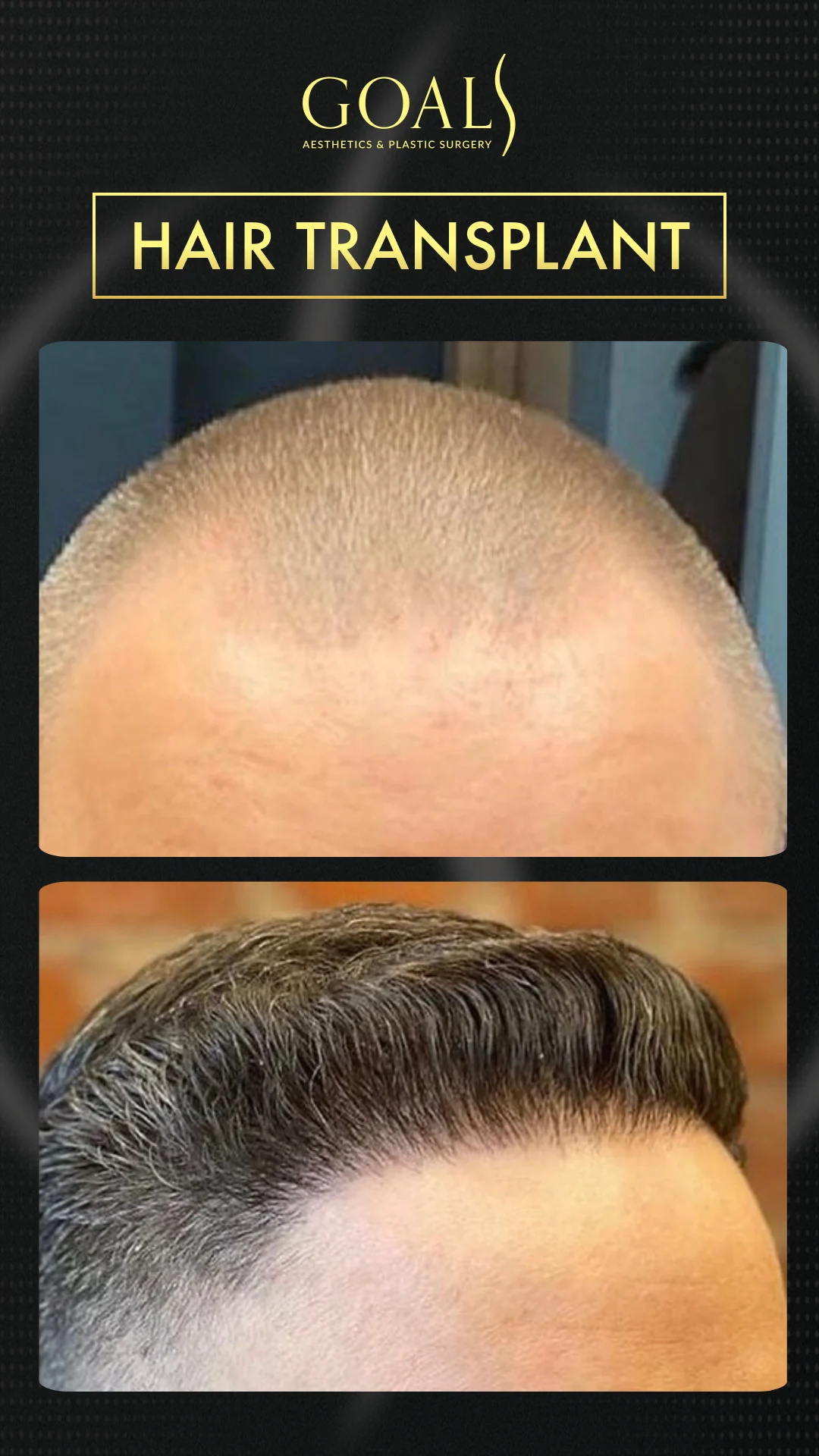
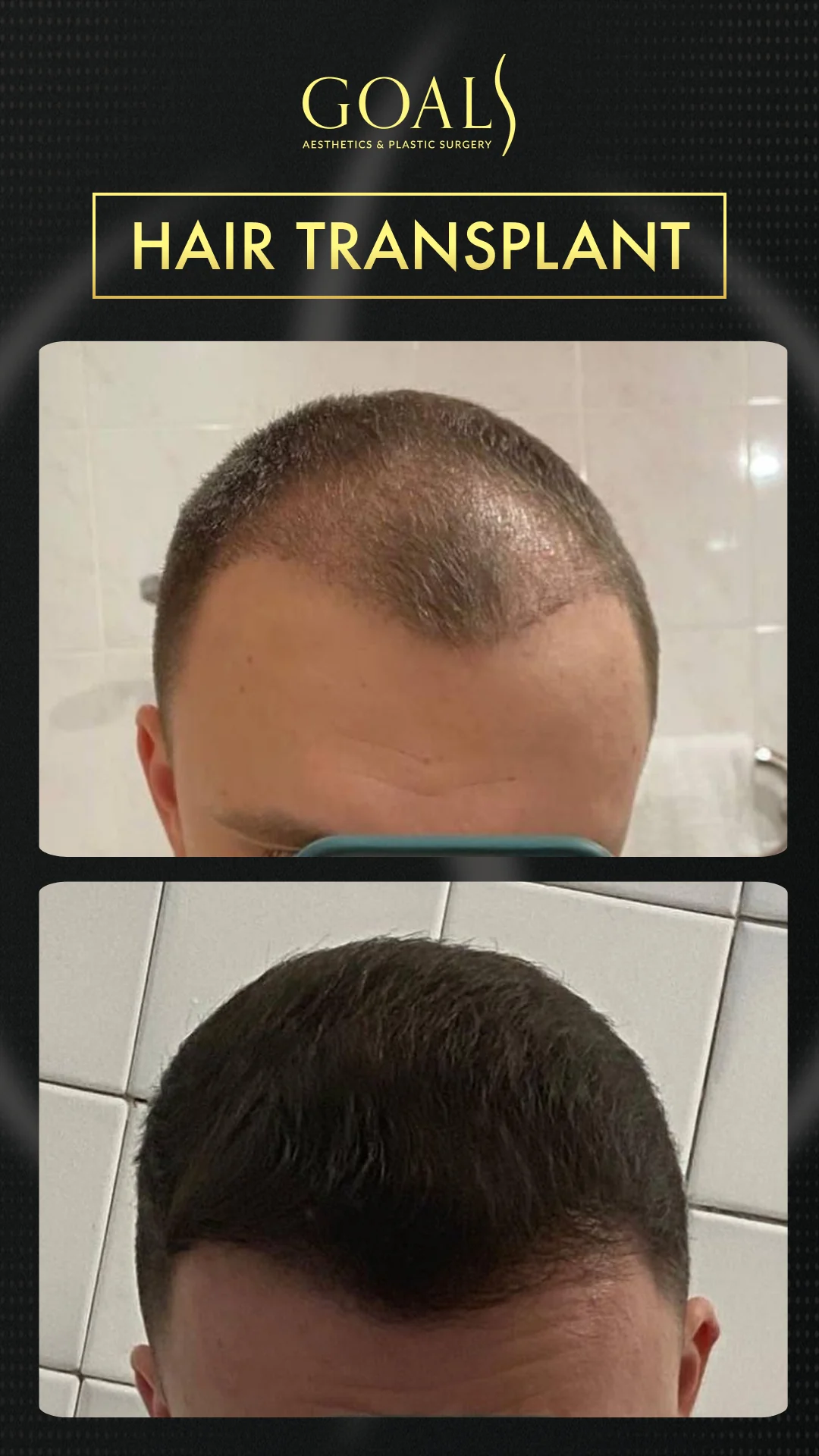
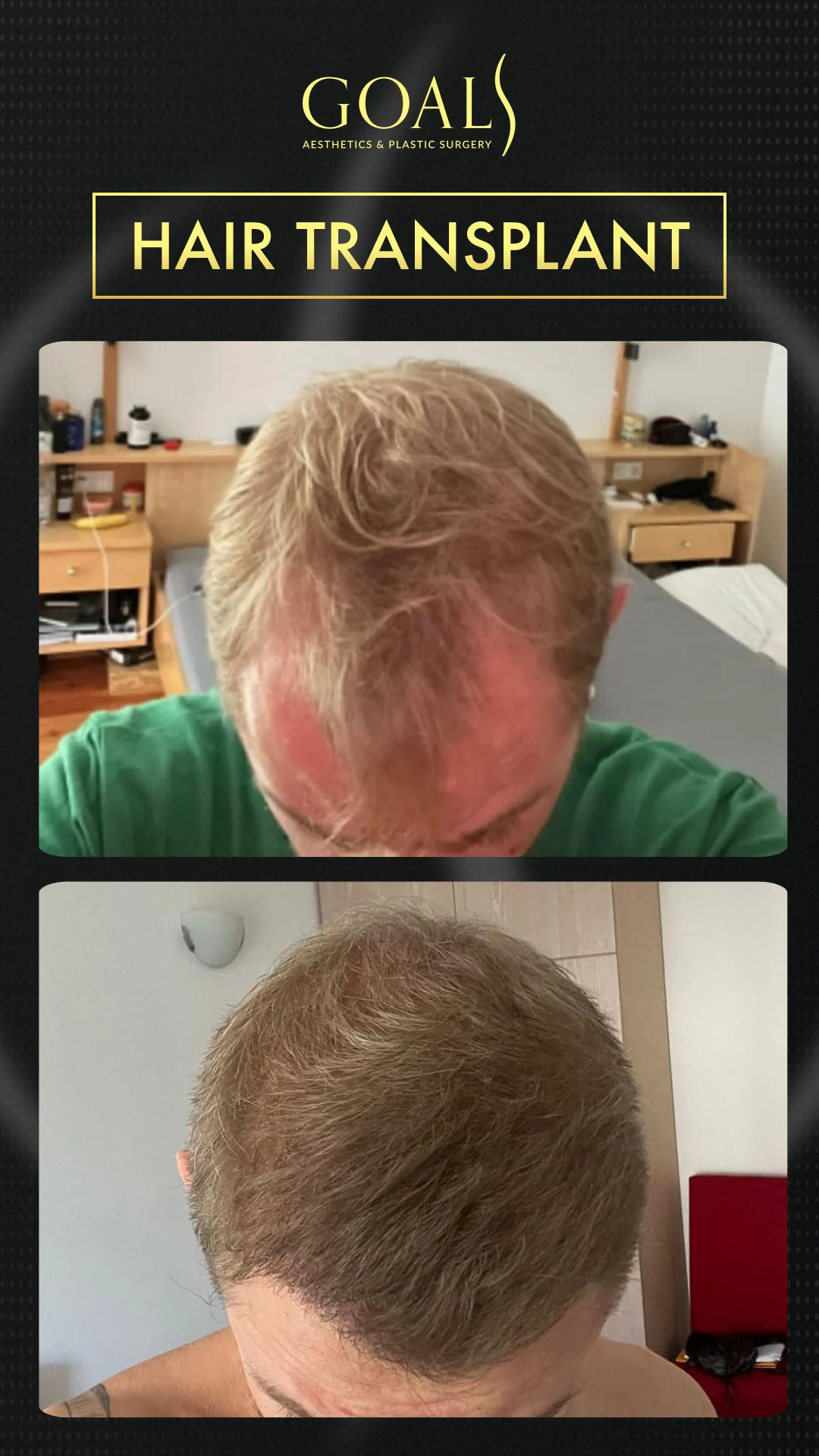
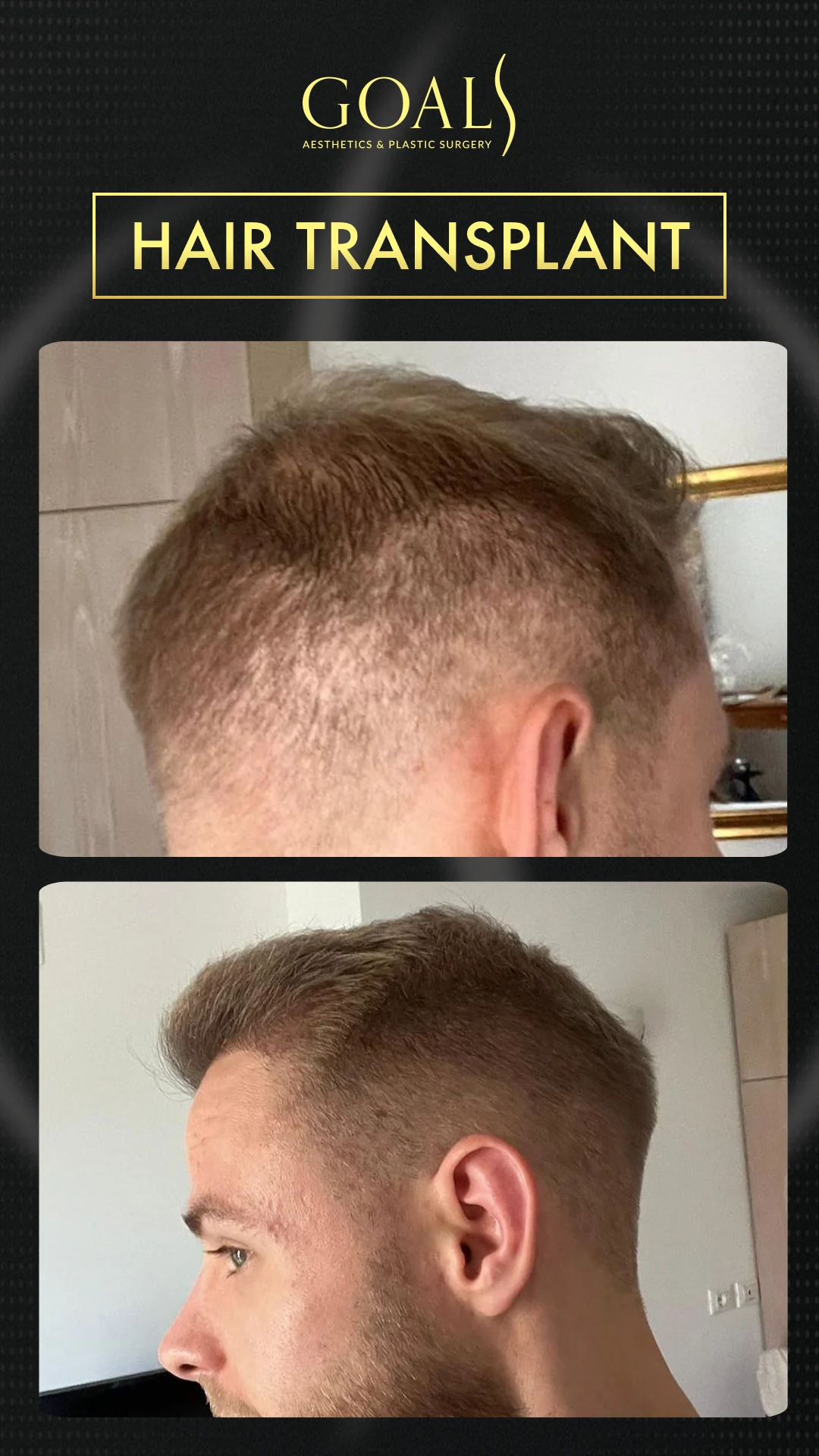
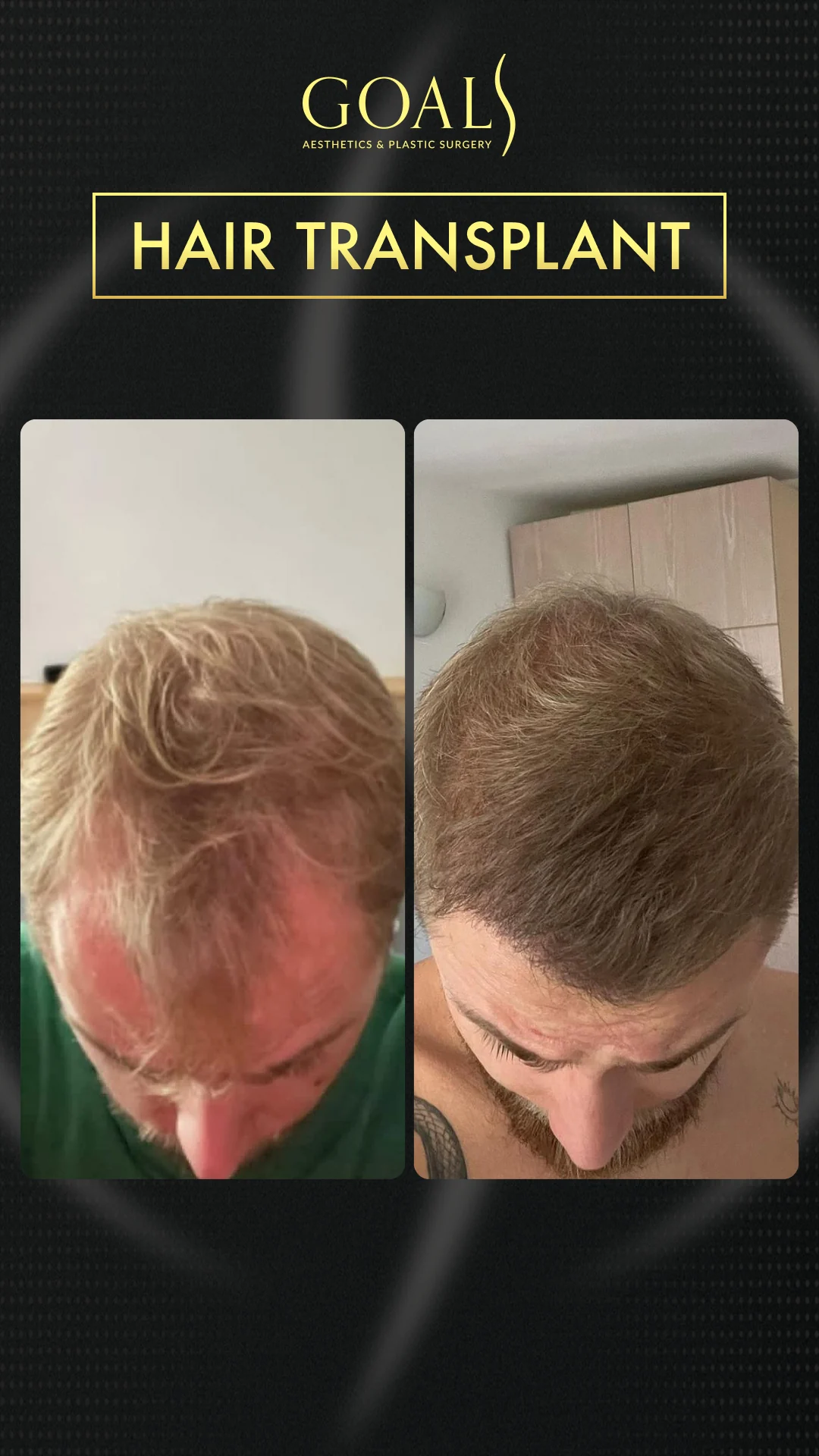
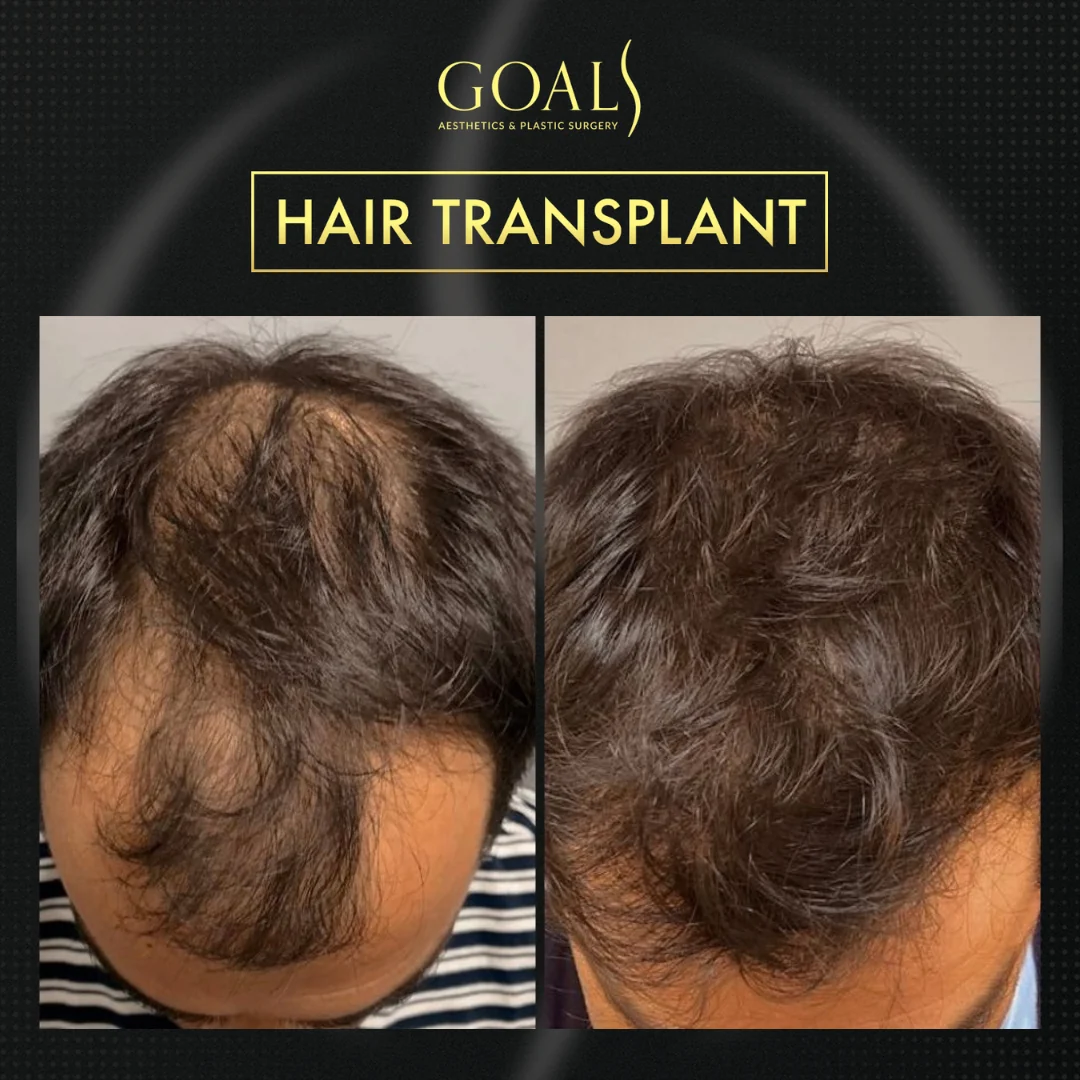
Real patients, published with written consent. Photographs are not retouched or AI-generated. Individual results vary — these images show outcomes for these patients and are not a guarantee of your own.
Try it
Type your height and weight. Your numbers stay on your device. We do not see or save them.
BMI is just one number. Your surgeon also looks at your health and your goals. BMI alone does not decide if you can have surgery.
Clinics
We have a few clinics in these cities.
FUT is one method among several. The right one comes down to your head and your hair length.
FUT Hair Transplant near you
Non-surgical options
The strip moves hair. It will not stop you losing more. These hold the ground around your grafts.
Clinical-strength laser light that wakes up follicles and firms the hair you still have.
Micro-injections of vitamins, minerals, and amino acids sent straight into the scalp.
High-frequency current that lifts scalp circulation and nutrient uptake.
FUT lives or dies on the closure. A strip cut too wide, or shut under tension by someone rushing, leaves a thick scar across the back of your head that you cannot undo and cannot always cover.
| Booking FUT Abroad | FUT in the United States |
|---|---|
| Booking FUT AbroadYou choose a clinic on price, send a deposit, then book flights around the surgery date. | FUT in the United StatesA licensed surgeon reads your scalp elasticity before deciding how wide the strip can safely be. |
| Booking FUT AbroadThe strip is cut too wide to hit a graft count, then closed in a hurry. | FUT in the United StatesThe strip is sized to your scalp, not to a graft count someone sold you. |
| Booking FUT AbroadA rushed closure under tension is exactly what turns a fine line into a wide scar. | FUT in the United StatesThe closure is done carefully, without tension, which is what keeps the line fine. |
| Booking FUT AbroadYou cannot watch the closure technique. You learn how good it was months later. | FUT in the United StatesYou are seen locally while the donor area heals, so any issue gets caught early. |
| Booking FUT AbroadYou fly home. The scar heals wide with nobody nearby to check or treat it. | FUT in the United StatesThe line is placed and closed to stay tucked under the hair you already have. |
| Booking FUT AbroadA bad strip scar is permanent, and revising it is harder than getting it right once. | FUT in the United StatesIf the scar ever needs attention, the surgeon who made it is the one you go back to. |
| Factor | Overseas Package | Goals U.S. Clinic |
|---|---|---|
| Total cost (real) | Cheap sticker price, then flights, hotels, and scar revision. | Whole procedure quoted up front, no surprises later. |
| Strip width | Cut wide to hit a count they sold you. | Sized to your scalp, so the line stays fine. |
| The closure | Rushed and under tension, which widens the scar. | Closed with care, which keeps the line fine. |
| Who operates | Often a technician you meet the day of. | A licensed surgeon plans and does it. |
| Scalp check | Elasticity never checked before cutting. | Elasticity checked before the strip is sized. |
| The scar later | Heals wide, with nobody watching it. | Followed locally as the line heals and pales. |
| Revisions | A wide scar is yours to keep. | Seen in person if it ever needs fixing. |
| Legal protections | Little recourse once you have flown home. | Backed by United States patient safety laws. |
How it works
Six steps, then a long year.
A surgeon reads your scalp elasticity and whether the strip is the right call.
A thin strip comes off the back under local anesthetic.
The strip gets split into grafts under a microscope.
Each graft set to match your growth. Home the same day.
The grafts shed within weeks. That is normal. The follicles stay.
It comes in slowly, and keeps thickening for a year.
Safety
How your scar heals is settled at the closure: how wide the strip was, how much tension it sits under. That is surgeon skill, not luck.
Scalp checked before the strip width is set.
The closure that keeps the line fine, done with care.
Accredited clinic, local anesthetic, tight infection control.
A licensed surgeon cuts and closes it, not a technician.
The donor line watched in person as it heals.
Our surgeons
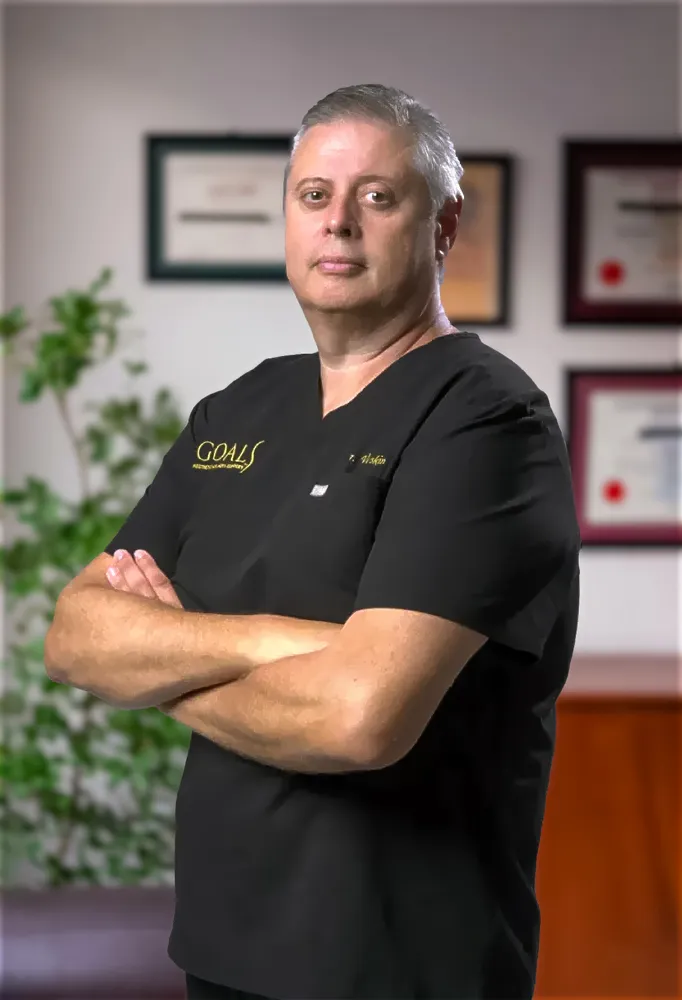
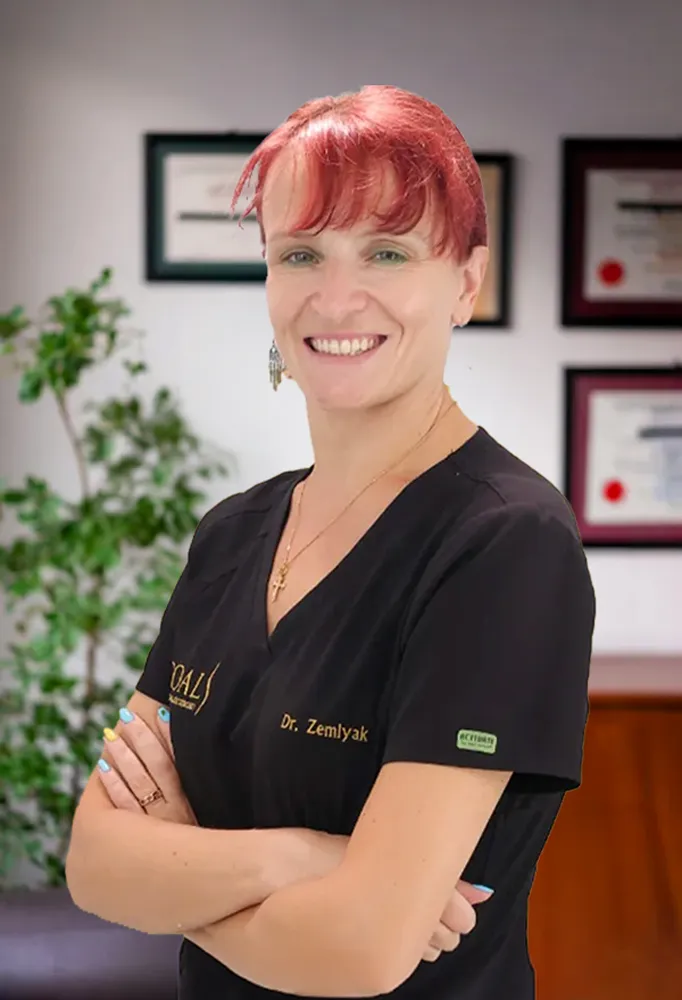
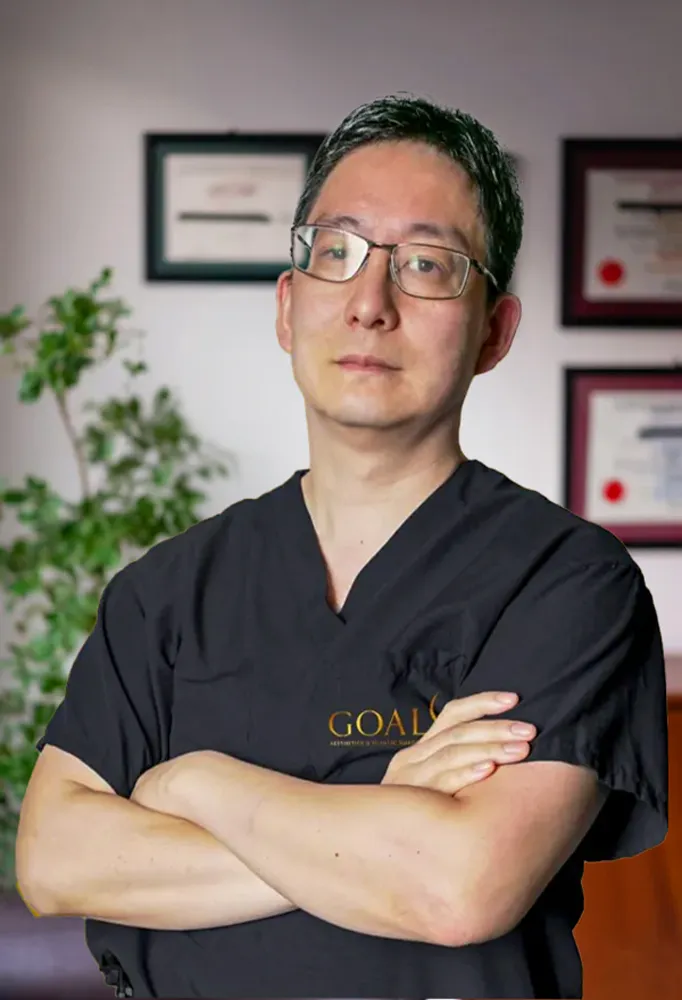
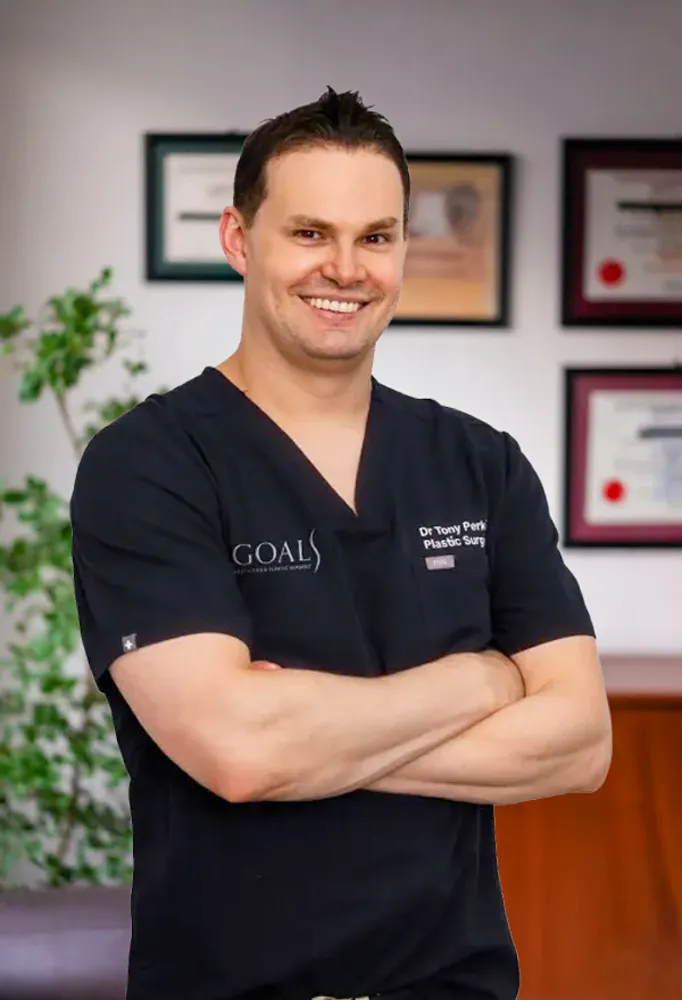
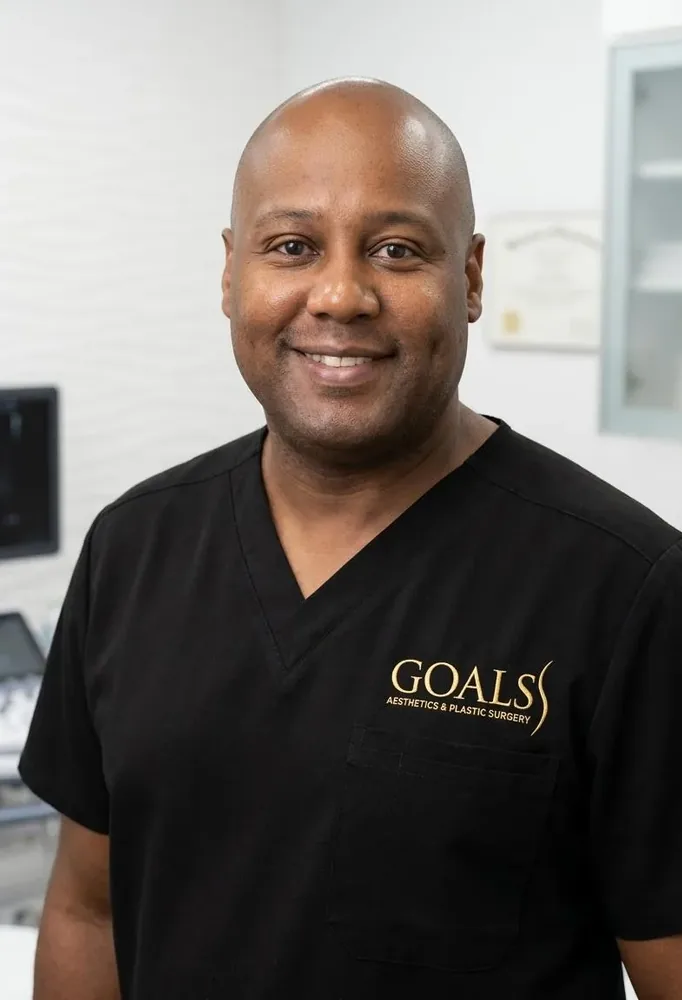
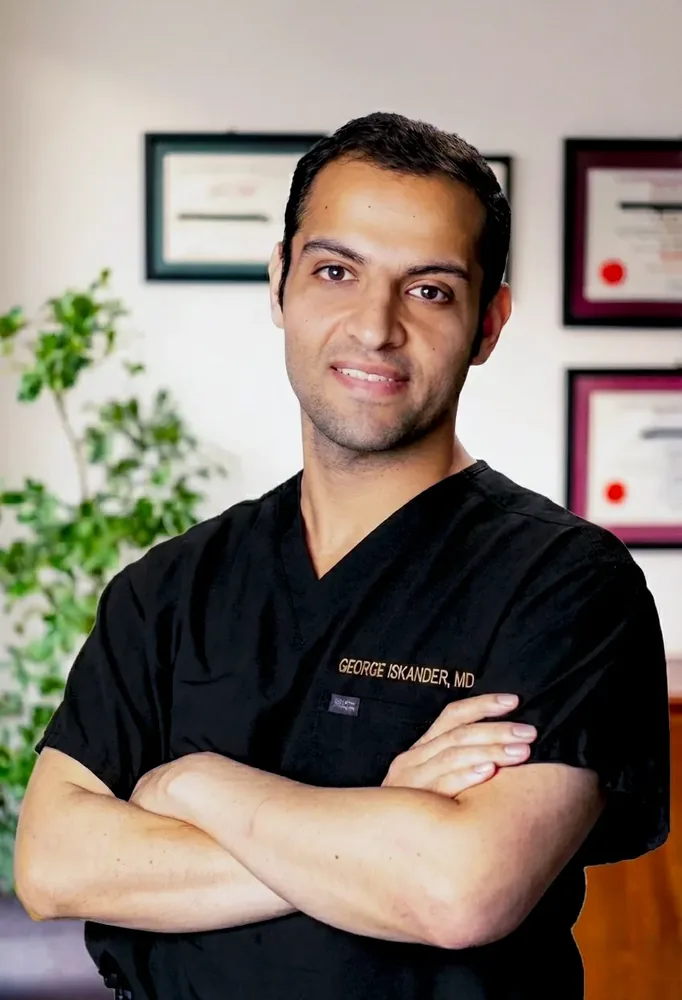
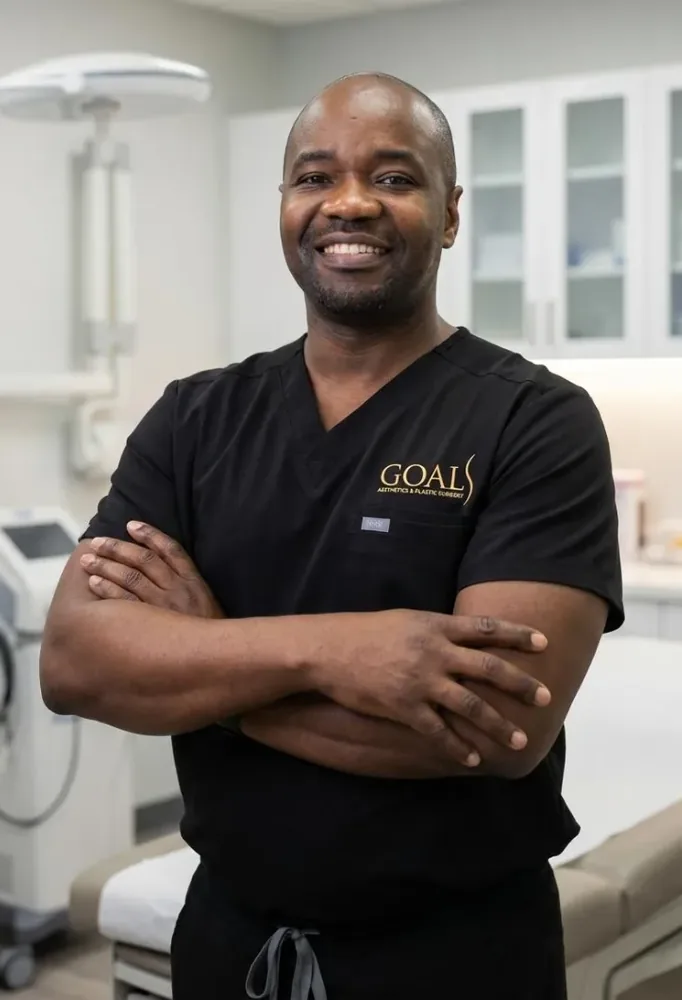
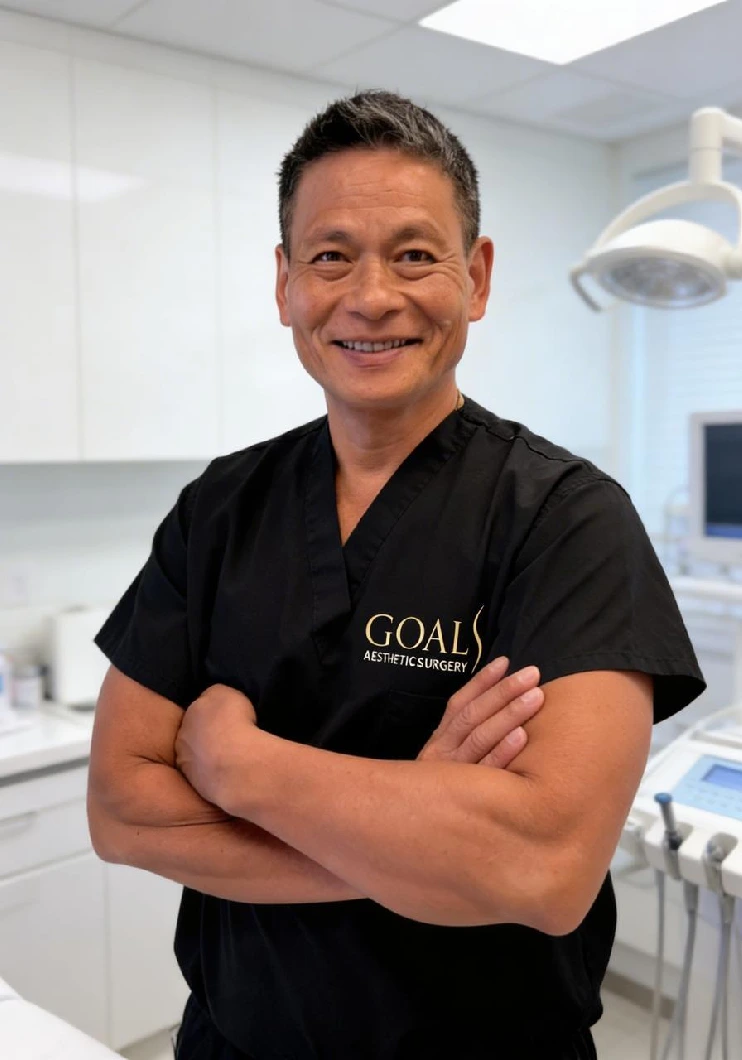
Experienced surgeons at home with strip work.
Each surgeon’s training and licenses are listed on their own page.
Pricing
Because one strip gathers so many grafts at once, FUT is often the most cost-effective route for a large area. What it comes to depends on how much needs covering, and you learn what you need before anything is booked.
You see the full quote before the day, never after.
The most grafts per session often means real value.
Monthly plans that spread the cost out.
Consultation, surgery, and aftercare all sit in the quote.
Prices shown are starting prices and depend on the number of areas treated. Final pricing is confirmed at your consultation. Cosmetic procedures are not covered by insurance.
Try it
Pick a procedure to see an estimate. Your numbers stay on your device. We do not see or save them.
This is an estimate, not a quote. It splits the starting price over the months you pick, with no interest. Lenders set your real rate and terms. Your price is confirmed at your consultation.
FAQ
More than any other method in one sitting. A strip of scalp holds a huge number of follicular units at natural density, and dissecting it under a microscope yields far more usable grafts than punching them out one by one. That is why the strip still exists.
Only as wide as your scalp can spare without tension. The surgeon judges your elasticity first, since a strip cut too wide to hit a target heals into a broad mark. Sized to the scalp, not a sales number, the line stays thin.
Mostly, yes. At normal length the line sits buried under your own hair and nobody finds it. The one hard limit is a very short back and sides, where it can show. If you like a shaved look, the dot-scar method suits you better.
The donor line feels tight and tender for several days, a bit more than the extraction method, as the closure heals. Most people manage easily and are back at work within the week. The line settles in two weeks, fades over months.
No, it just does a different job. FUE leaves dot scars and suits shaved heads; FUT yields more per session and suits large areas with some length kept. Neither grows more natural hair. Anyone calling one outright better sells that one.
More than anything here. A strip closed without tension by a careful hand heals into a thin flat line. The same strip sewn shut in a hurry heals wide and obvious. How the scar looks a year on is the closure, not luck.
Yes, and for some cases it is the smart route. A strip gives bulk coverage in one session while extraction fills detail or spots you keep shaved. A clinic that does both will plan a combination when it fits.
FUT Hair Transplant near you
Learn more
There are two ways to take hair from the back of your head, and a fut hair transplant is the older, blunter, and in some cases plainly better of the two. Rather than lifting follicles one at a time, the surgeon takes a single thin strip of hair-bearing scalp and dissects it, under a microscope, into hundreds or thousands of grafts.
That sounds rougher than the alternative, and in one narrow way it is: it leaves a scar. But it also produces more hair in a single session than any other method, which is precisely what some people need. The honest version of this page is not that FUT beats or trails the newer method. It is that FUT is the right tool for a particular job, it carries one specific trade-off, and the surgeon decides whether that trade-off is barely visible or a lasting regret.
FUT is short for follicular unit transplantation, and most people just call it the strip method, which says it more plainly. A narrow strip of scalp comes from the permanent zone at the back of the head, where the follicles resist the hormone behind pattern loss. That strip goes to a team who dissect it under magnification into its natural clusters of one to four hairs, the follicular units, keeping each one whole so it survives the move.
Those grafts go into the thinning area at the angle and density of the hair around them, exactly as in any modern transplant. The donor area, where the strip came from, is stitched into a single line. That line is the whole difference between this method and the other one, and everything worth grasping about fut hair surgery traces back to it.
The reason FUT is still around, decades after a less scarring rival showed up, is simple: it produces more grafts in one sitting than anything else. A strip of scalp carries an enormous number of follicular units at natural density, and dissecting it gives far more usable grafts than pulling them out one by one over the same stretch of time.
That counts most for people with advanced loss over a large area, who need serious coverage and would otherwise sit through several sessions of the slower method. It can also, oddly enough, be kinder to a limited donor supply: one well-placed strip from the densest part of the safe zone can spare more of the surrounding donor area for later work than scattering extraction across the whole back of the head. For maximum density in a single day, nothing beats the strip.
Now the honest part, the bit people actually search for. FUT leaves a scar. It is a single thin line running across the back of the head where the strip came out, and it is permanent.
That sentence sounds worse than the reality usually is. A well-done fut scar is a fine pale line that vanishes under hair of normal length, and most patients truly cannot find it without parting the hair and hunting. But it is real, and it has one hard limit: shave the back of your head very short and it shows. That is the whole fue vs fut scar question in a sentence. If you like a very short back and sides, the other method and its scattered dot scars is probably for you. Keep some length and the strip line is a non-issue.
What the line looks like a year on is not luck. It is the closure. A strip cut sensibly and closed without tension heals into a thin, flat mark. A strip cut too wide to hit a promised graft count, then sewn shut under tension by someone rushing, heals wide and obvious. When people ask what a fut scar after 1 year looks like, the real answer is: it depends almost entirely on the surgeon, which is why where you have this done matters more than for nearly any other procedure.
People burn enormous effort trying to crown a winner between the two, so here is the plain version. Both take permanent, resistant hair from the back of the head. Both place it the same way. The one real difference is how the hair comes out: a single strip that gets dissected, versus individual units punched out one at a time.
That one difference drives the trade-offs you already know. The strip yields more per session and leaves one line. The extraction method yields less per session and leaves many tiny dots, but lets you shave the head. Neither looks more natural in the end, because what grows afterward is identical. A good clinic offers both, helps you choose, and will happily talk through a fut and fue hair transplant combination for people whose case truly calls for it. Anyone insisting one method wins across the board is selling the one they happen to do.
The best candidates for the strip method have a fair amount of ground to cover, a healthy and elastic donor area, and a hairstyle that keeps some length at the back. If you want the most hair in the fewest sessions and you are not planning to shave your head, FUT is often the sensible, efficient pick.
It also suits many women especially well. Because the strip comes from beneath the surrounding hair, a woman can have the procedure without shaving the donor area at all, and the line disappears under her own length. As with any transplant, the loss should have settled first, and Goals runs a full hair transplant programme so a surgeon can confirm the strip is really the right method for your case rather than defaulting to it.
It opens with a consultation, where the surgeon checks not just your hair loss but your scalp elasticity, because how much the scalp gives without tension decides how wide the strip can safely be. On the day, the donor area is numbed with local anesthetic and the strip comes out. The donor site is closed straight away, and this closure is the single most important technical moment of the whole procedure.
While the closure heals, the team dissects the strip under magnification into grafts. Then the recipient area is prepped and each graft set at the right angle and density. You head home the same day. The donor area feels tight for several days, more than with the other method, and the line takes a couple of weeks to heal fully. New growth follows the usual arc: shedding first, then gradual regrowth over the following months, thickening across most of a year. The Gallery shows the finished result rather than the early stages.
Because one strip gathers so many grafts in a single session, fut hair transplant price often works out lower, for a given amount of coverage, than reaching the same result through the slower extraction method over several sittings. For a large area, the strip is often the most economical route to real density, worth knowing if broad coverage is your goal.
What it comes to depends on how much needs covering, and Goals quotes the whole thing before surgery, consultation and aftercare included, so nothing shows up afterward. Financing can spread it out. And whatever you spend, guard it: the strip moves resistant hair, but the native hair around it keeps thinning under the same pressure, so treatments to help hold the surrounding hair are worth talking through.
If there is one procedure in hair restoration where the surgeon outweighs the technique, it is this one, because the strip closure is a real surgical skill and its result is written permanently on the back of your head.
At Goals the strip is sized to your scalp rather than a sales target, the closure is done carefully and without tension, and the surgeons doing the work are licensed and reachable after. You are seen in person across our locations while the donor line heals, so anything unexpected gets caught early. That surgical judgement, on how wide to cut and how to close, is exactly what you are paying for and exactly what a cheap package abroad cannot promise.
A FUT hair transplant takes a strip of scalp and turns it into more grafts than any other method gives in one session, which makes it the efficient choice for large areas and maximum density. Its one real cost is a thin line that hides under hair of normal length and only shows on a shaved head. How that scar heals is down to the surgeon, not luck, which is why this is the procedure where picking the right clinic matters most. Book a consultation, ask straight whether the strip suits your hair length and your goal, and look hard at the surgeon's own closure work before you decide.
Get started
Weighing the strip against the other methods? We will read your scalp and your hair length and tell you straight whether FUT is the efficient choice for you.
Prefer to talk now? (833) 462-5769
Free · No obligation
Tell us how to reach you. A patient coordinator calls you back — usually the same day.
Free · No obligation
Ask me anything. I usually reply straight away.
If you share your number, a Goals coordinator may call or text you about your consultation. Message and data rates may apply.
Nora is an automated chat. She cannot give medical advice or say whether a procedure suits you.