Advanced Loss
Large bare areas where a high count in one sitting changes things.
The most grafts we can move in one sitting, taken as a strip with no head shave. In-office under local anesthesia by credentialed surgeons in Atlanta.
From $5,000

Full coverage from a single session, grown in and settled.
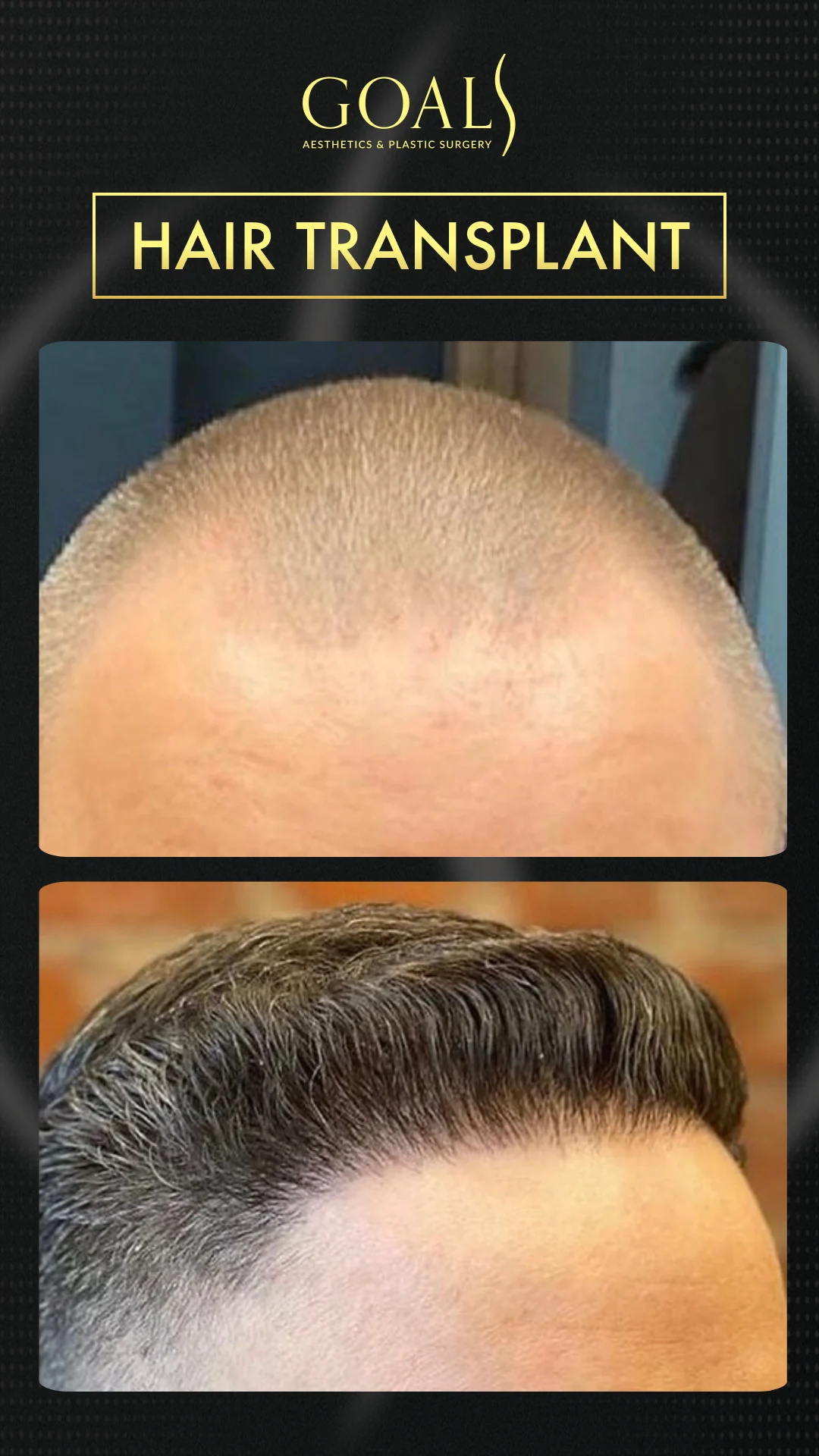
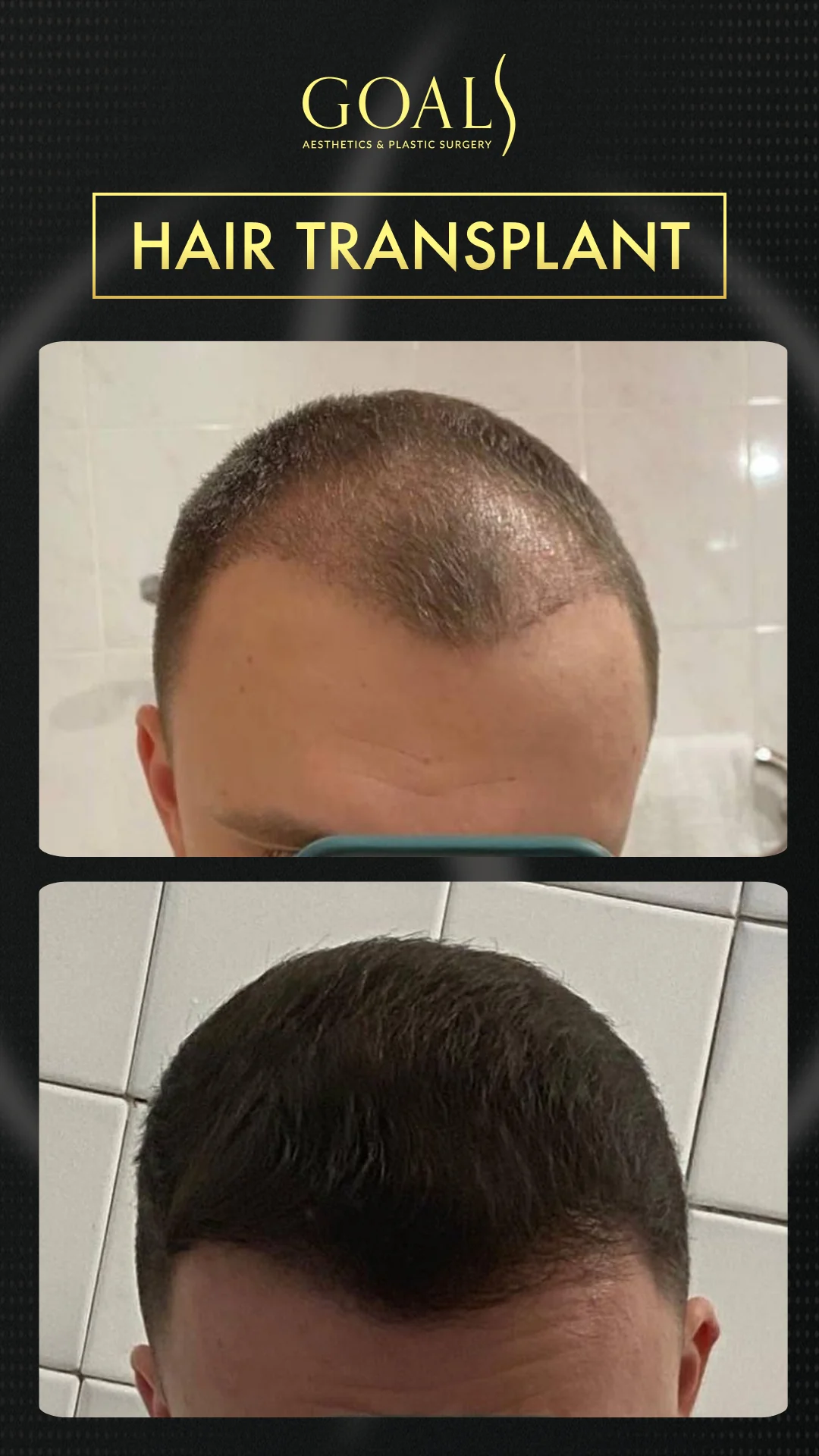
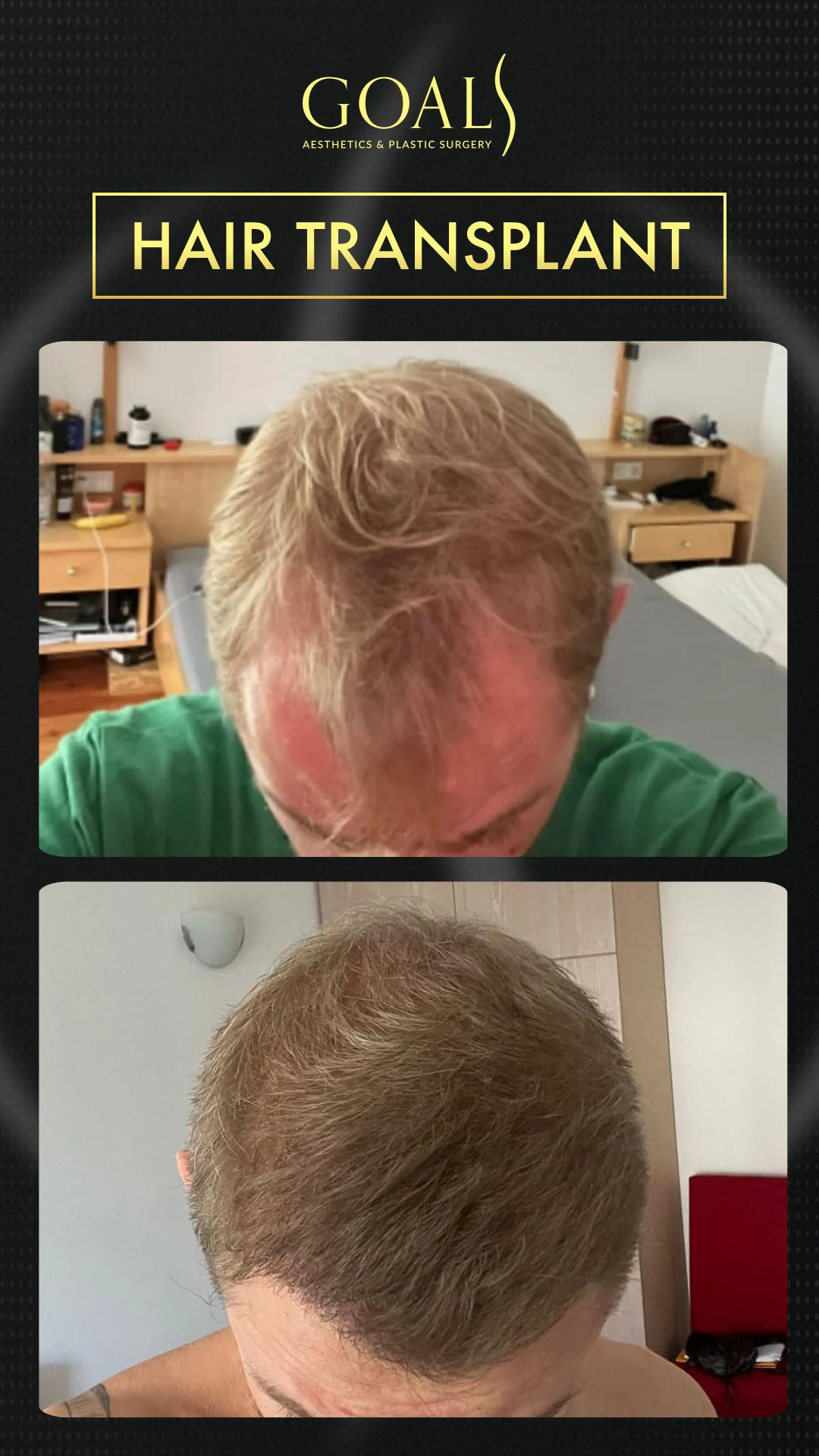
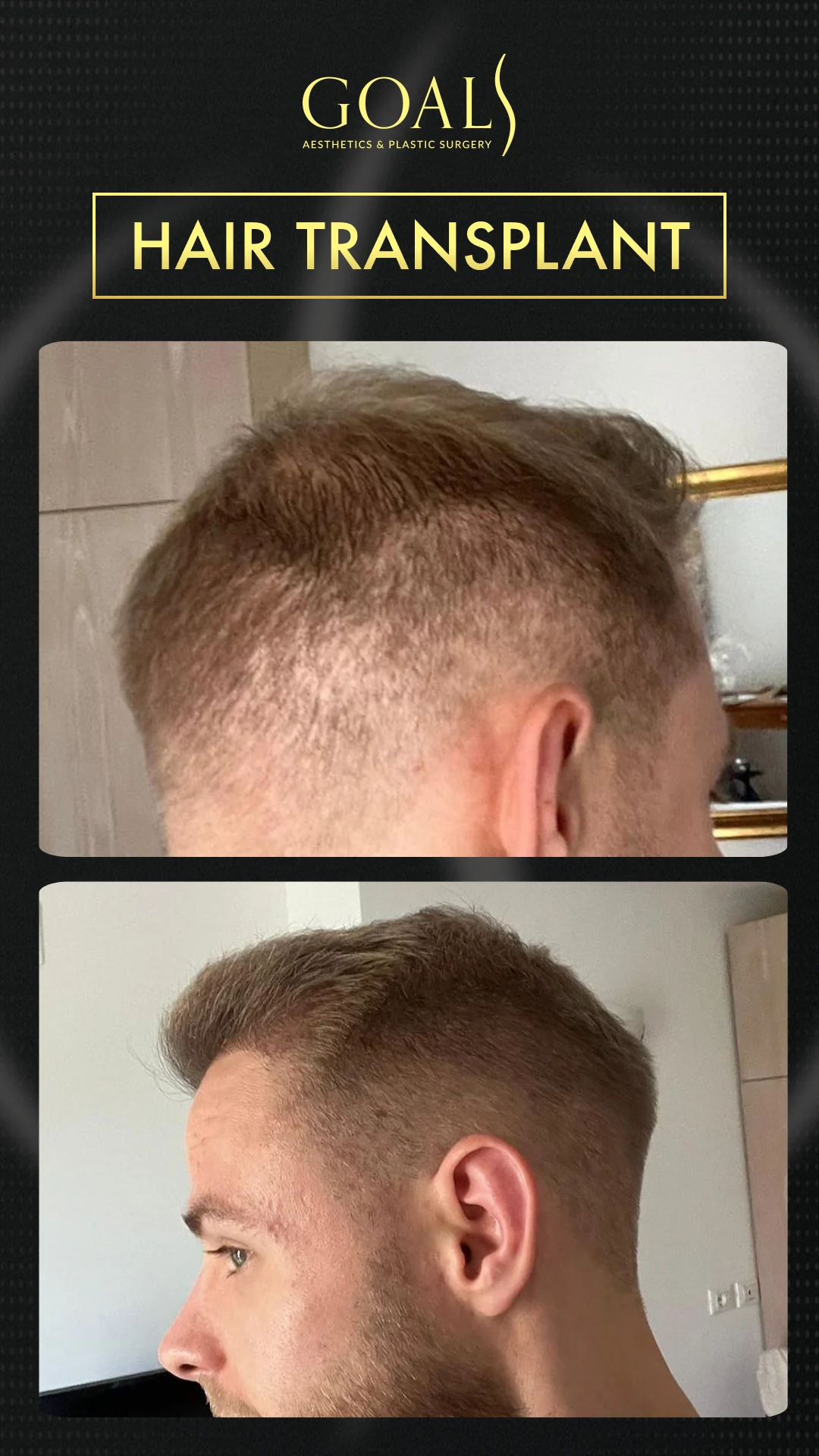
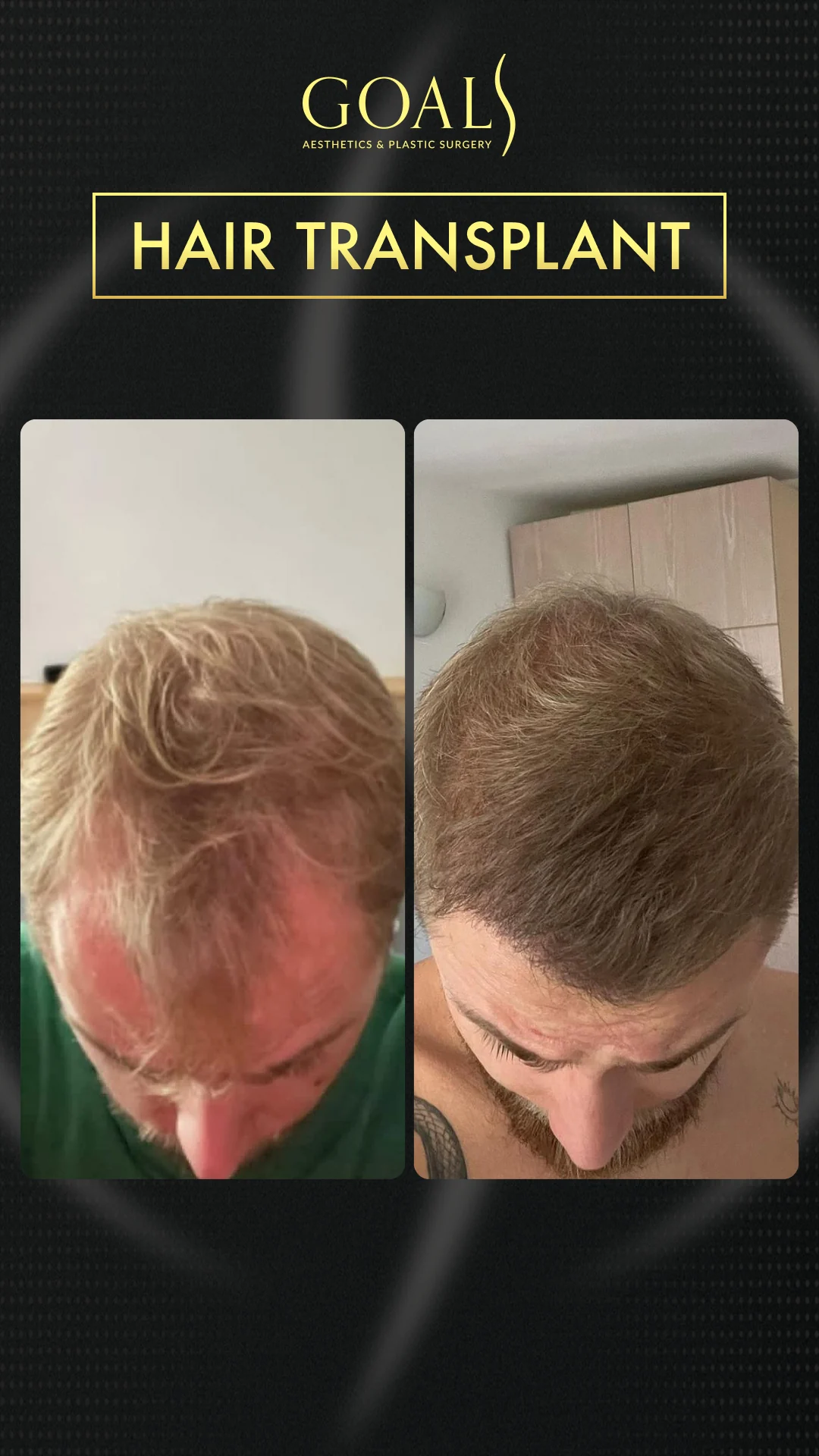
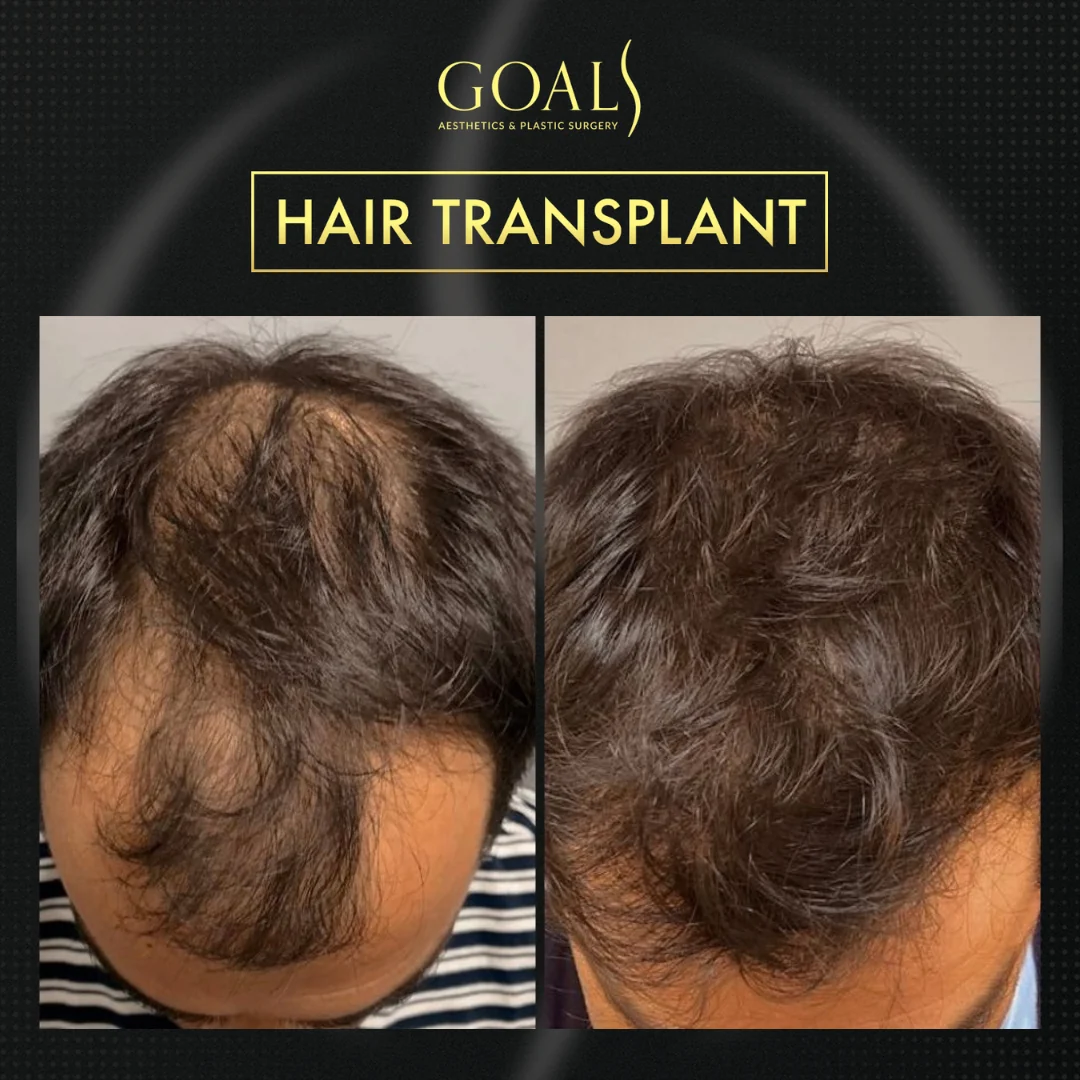
Real patients, published with written consent. Photographs are not retouched or AI-generated. Individual results vary — these images show outcomes for these patients and are not a guarantee of your own.
Hair transplants are done at our Atlanta clinic at 3576 Chamblee Tucker Rd. Call us and we will help you find the nearest Goals clinic that offers them.
Conditions we treat
FUT earns its place on big areas needing many grafts at once.
Large bare areas where a high count in one sitting changes things.
A hairline that has crept back at the temples, rebuilt to frame you.
Both zones together when the top has thinned front to back.
A sparse vertex needing volume, where strip yield pays off.
A strip can pull more grafts from a modest band than punches can.
Real density added over an old, under-filled transplant.
Candidacy
FUT suits people who need a lot of grafts, wear their hair long enough to cover the donor line, and want maximum coverage per session. If you buzz down to the skin, FUE is the better fit.
A larger area to cover in one go.
Hair long enough at the back to hide a fine line.
You'd rather not shave. FUT takes the strip without one.
Your pattern has held steady for a year or two.
Ready to follow the pre- and post-op rules.
Low-cost transplant packages abroad sound tempting. But with a strip procedure the closure decides the scar you keep for life, and a wide donor line is difficult and expensive to improve later.
| Left Step | Right Step |
|---|---|
| Left StepWeeks comparing clinics online, money wired overseas, then flights and a hotel booked. | Right StepYou come in, or connect online, for a full consult where a credentialed surgeon checks donor laxity and plans the count with you. |
| Left StepYou land where you don't speak the language, and the consult happens the same day as surgery. | Right StepPre-op testing, consent, and the graft plan are sorted beforehand, in your language, under U.S. standards. |
| Left StepThe strip is taken and closed in a building you've never seen, at speed, and that closure is permanent. | Right StepOn the day a credentialed surgeon takes and closes the strip in a sterile accredited room under local anesthesia. |
| Left StepYou fly home sore with sutures in. A week on the line feels tight and nobody can say if that's normal. | Right StepIt takes most of the day, but you rest, take breaks, and go home the same evening. |
| Left StepYour only option is a clinic nearby, where nobody treated you and no notes exist on how it was closed. | Right StepSutures come out here, with the same team. We watch the donor line heal in person and handle whatever comes up. |
| Left StepSuture removal and any problem fall to a stranger, while the clinic abroad replies by message. | Right StepFollow-ups and progress checks happen at the same clinic, with the same team, as it grows in. |
A general comparison. Which approach suits you is decided at a consultation with a licensed surgeon.
Compare
| Overseas Package | Goals U.S. Clinic | |
|---|---|---|
| Total cost (real) | The base price, plus flights, a hotel, days off, maybe scar repair later. | No surprises. All care in one place, spelled out before you book. |
| Closure technique | Rushed closure that leaves a wide, visible line. | A careful closure by a credentialed surgeon to keep it fine. |
| Safety & sterility | Variable. You're trusting foreign rules and a short stay. | Accredited U.S. clinic, strict infection control you know. |
| Suture removal | Left to a stranger who never performed your surgery. | Done here by the team that closed you, at the right time. |
| Emergency backup | No local clinic. Staff here are left guessing what was done. | In-person follow-up and local help if a problem shows up. |
| Follow-up care | Messages only. Nobody can look at your scalp. | Booked in-person checkups, progress photos, medication tweaks. |
| Communication | Language gaps, time zones, slow replies. | A local team, written aftercare, and a number to call. |
| Legal protections | Little recourse once something goes wrong back home. | U.S. patient-safety law and standards apply. |
A general comparison. Which approach suits you is decided at a consultation with a licensed surgeon.
Our surgeons
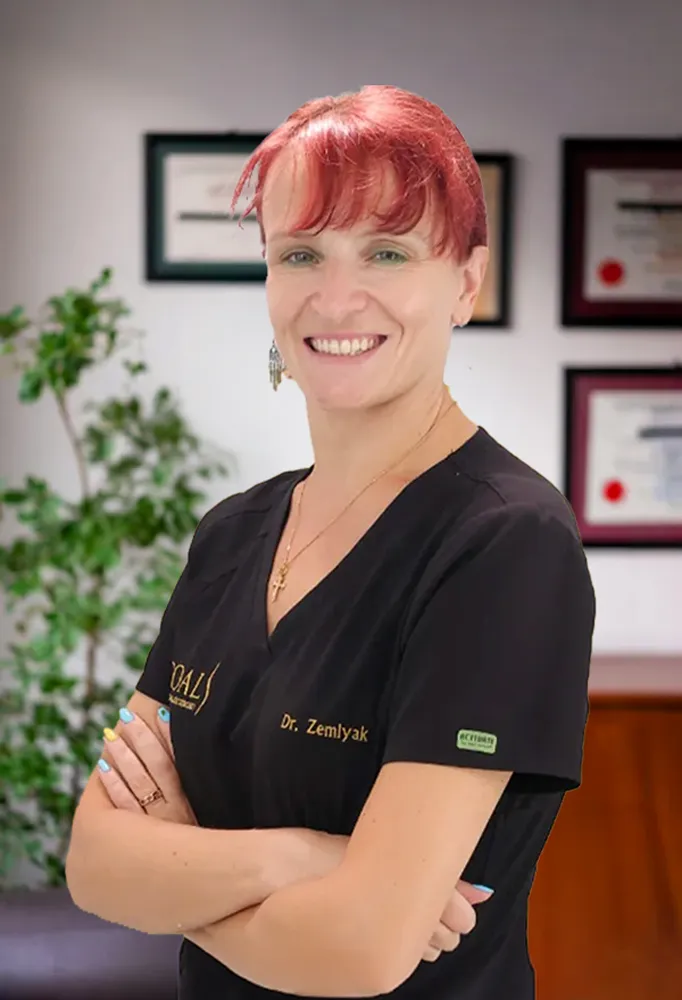
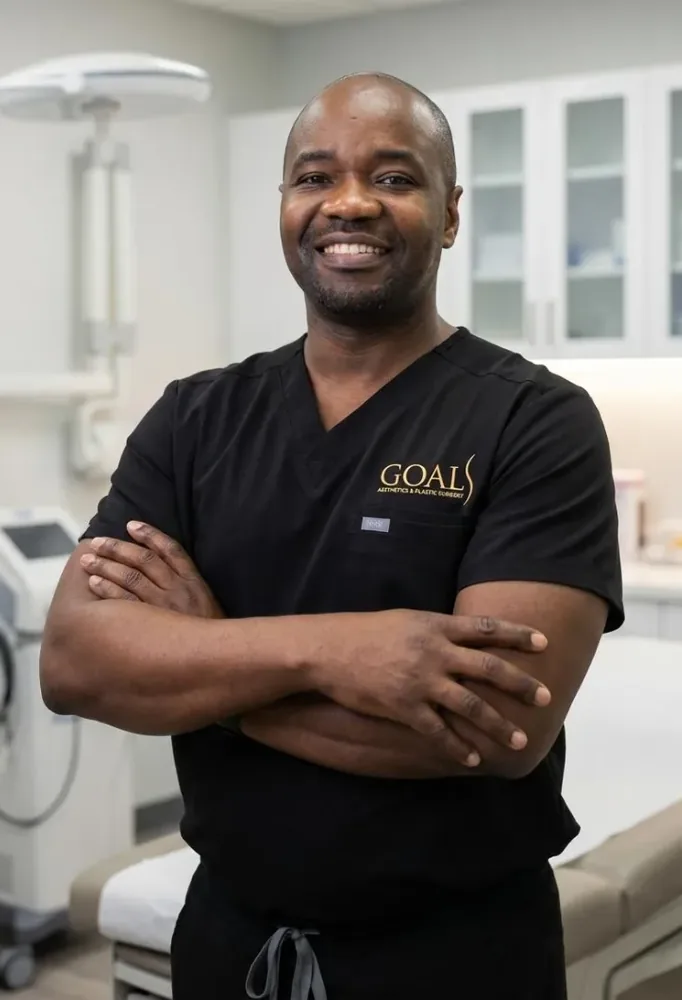
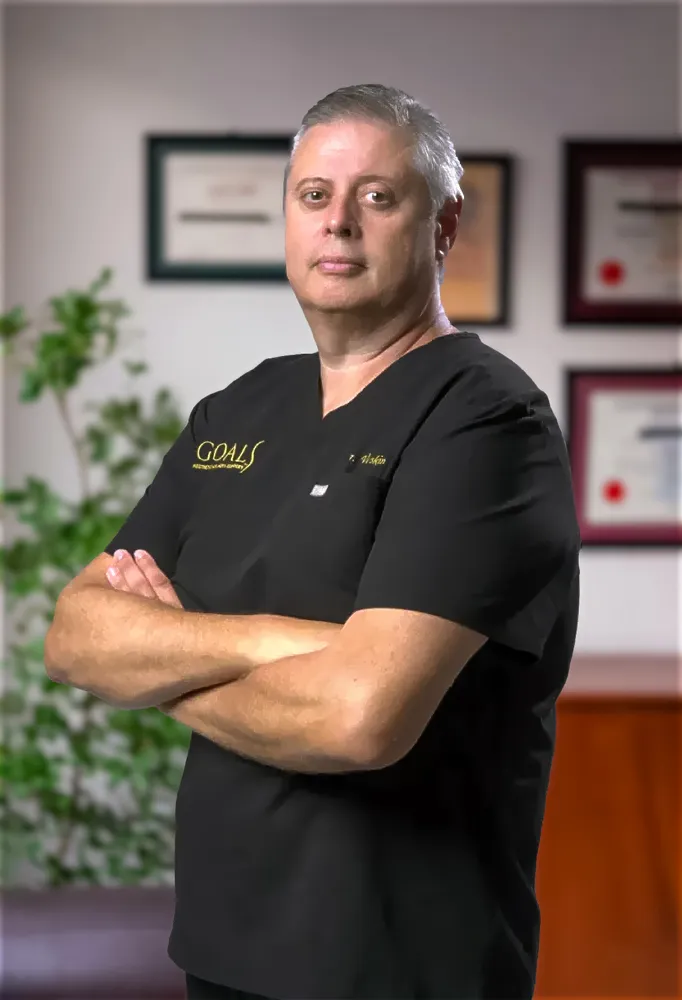
Every FUT is performed by a credentialed hair restoration surgeon, and the closure is what keeps the donor line fine. Meet the team before you book.
Licensed in NY · TX · CA
Safety
With a strip, technique decides both your yield and your scar. We dissect under magnification and close carefully, under strict clinical protocol.
Sterile, fully equipped rooms in a U.S. accredited clinic.
Local anesthesia keeps you awake and comfortable, no general.
The strip is divided into grafts under magnification, intact.
A careful closure keeps the line thin and easy to cover with your hair.
Each graft set to your own growth direction for a clean blend.
Why Goals
One local team covers consult, surgery, and every follow-up.
The strip moves more grafts at once than anything else we offer.
Your sutures come out at the same clinic, with the team that closed it.
Only the strip band is trimmed, so you keep your length.
U.S. patient-safety law behind you, with real recourse.
One all-in quote from your assessment. No facility or anesthesia extras.
FAQ
How loosely the skin at the back moves. A looser scalp closes without tension, which is what keeps the line fine. It's measured at your consult.
No. It's still the highest-yield option in one sitting, and dissecting a strip under a microscope keeps grafts more intact than blind punching.
Yes, and that order is deliberate. Strip first, then punches from the untouched area around the line, gives more grafts across a lifetime.
A trichophytic closure lets hair grow up through the line rather than beside it, so the scar blurs instead of staying a bare stripe.
Around ten days to two weeks. You come back here to have them out, rather than sorting it yourself.
Generally yes. A strip is cut under magnification with everything visible, while punching estimates the angle under the skin.
FUT is one of several ways we restore hair. Here's what else the Atlanta surgeons offer.
About FUT Hair Transplant
FUT Hair Transplant near you
Non-surgical options
A transplant isn't the only route, and it isn't always the first step. These in-office treatments look after the scalp and the hair you still have. Useful alone, and useful for protecting a graft.
Patient Guides
Written by the team that performs the procedure, to read before your consultation.
 How to Verify a Plastic SurgeonFour free checks that take ten minutes: the NPI registry, the state medical board, ABMS board certification and the facility’s accreditation. Step by step, with every link.Read the guide
 Questions to Ask Before Any SurgeryTen questions to ask any plastic surgeon before you book, what a good answer sounds like, the warning signs, and a version you can print and bring to your consultation.Read the guide
General information, not medical advice. What applies to you is decided at a consultation with a licensed surgeon.
Get started
Set on FUT or still weighing it against FUE, the Atlanta surgeons will give you an honest read and a plan that fits you.
Prefer to talk now? (833) 462-5769
Learn more
FUT is the strip method, and it has a reputation problem that does not match the clinical picture. Because it leaves a linear scar and because FUE markets better, plenty of patients assume it is the older, cruder option. It is not. It remains the technique that moves the most hair in a single sitting, and it produces grafts in better condition than a punch does, for a reason that is easy to follow: a strip is dissected under a microscope with the follicles fully visible, while a punch has to estimate where the root is heading beneath the skin. The trade you are making is a fine line at the back in exchange for yield and graft quality. Whether that trade makes sense comes down almost entirely to how short you wear your hair, which is a simpler question than most people expect.
At Goals it runs as a one-day, in-office procedure under local anesthesia with credentialed surgeons in an accredited Atlanta clinic. You stay awake, take breaks, and go home the same evening. What follows covers how the strip is taken and prepared, why the yield is higher, the honest position on the scar, laxity, the closure that determines how the line heals, suture removal, and how FUT and FUE fit together across a lifetime, so you know what to expect before you walk into our Atlanta hair transplant clinic.
Hair grows in natural bundles of one to four called follicular units, and every modern transplant moves those units. FUT differs only in how they are obtained. Rather than removing units one at a time, the surgeon takes a single narrow strip of skin from the permanent zone at the back of the head and closes the site immediately, so there is no open wound while the work continues. That strip then goes to a team who divide it into individual grafts. Everything after that point, the recipient sites, the angles, the placement, is identical to any other transplant. The technique is named for the follicular unit rather than the strip, because the unit is what actually gets moved.
This is the argument for FUT that rarely makes it into marketing. A strip is dissected under high-powered stereo microscopes, so the technician can see exactly where each follicle runs and cut around it, preserving the unit whole along with the protective tissue, the sebaceous gland, and the small muscle attached to it. A punch, by contrast, works from the surface and has to infer the angle underneath, which is why transection rates are inherently higher. Grafts that arrive intact and cushioned handle the wait outside the body better and tend to take more reliably. This is also why we dissect under magnification regardless of harvesting method; any clinic that skips that step is cutting a corner that shows up in your yield.
The other argument is volume. FUE typically harvests somewhere in the range of fifteen hundred to twenty-five hundred grafts in a session, since each follicle is removed individually and that takes time. A strip commonly yields two and a half to three and a half thousand, sometimes more, because bulk harvesting and microscope dissection are simply faster per graft. For advanced loss where a large area needs covering, that difference decides whether you finish in one day or return for a second procedure. It also tends to bring the cost per graft down, since the harvesting is more efficient per hour of theatre time.
It is the thing that puts people off, so it deserves a plain answer. FUT leaves a single narrow line running across the back of the scalp. It is not a patch and it is not raised, but it is permanent and it is linear. At any length above a very short buzz, surrounding hair covers it completely, and most patients say they forget it exists within a year. If you clipper down to the skin regularly, that line will show and FUE is the honest recommendation instead. This is not a close call; it is a straightforward question about how you wear your hair. We would rather have that conversation at the consult than have you discover it with clippers a year later.
Two surgeons can take an identical strip and leave very different scars, and the difference is closure. Tension is the enemy: a wound pulled tight while healing spreads into a wider line. That is why strip dimensions are planned against your scalp rather than your graft target, and why a long narrow strip is preferable to a short wide one. A trichophytic closure goes a step further, trimming the wound edge so hair grows up through the line rather than stopping either side of it, which breaks up the scar visually as it matures. Scars also improve for a good eighteen months after surgery, so what you see at three months is not the final result.
Before anything else, we measure how loosely the skin at the back of your head moves. A scalp with reasonable give allows a strip to be removed and closed without tension. A tight scalp does not, and forcing it produces exactly the wide scar people fear. Laxity is not something you can assess from a photograph, which is one reason we will not quote a strip case sight unseen. It takes about a minute to assess and it changes the entire plan for a men's hair transplant. This is also why some patients arrive wanting FUT and leave with a plan for FUE instead, and that conversation is better had at the consult than discovered afterwards.
The strongest candidates need a substantial graft count, keep enough length at the back to cover a line, and have the scalp laxity to close comfortably. Advanced pattern loss is the classic case. Coarse or straight hair often does particularly well, since strip dissection protects the grafts and coarse hair covers ground efficiently. It is also worth knowing that FUT does not require shaving your head, which matters to a lot of people and is one of the more common reasons patients choose it over the alternative.
The quality of a FUT case is largely decided in the room next door. Once the strip is out, it passes to technicians working under stereo microscopes who slice it into individual follicular units, keeping each one whole and surrounded by its protective tissue. Grafts are sorted by hair count, since single hairs go at the hairline and larger units build density behind it, then held in chilled solution until placement. A follicle out of the body is on a clock, so handling, hydration, and temperature through this stage matter as much as anything the surgeon does. A well-run dissection room is quietly the difference between a good result and an excellent one.
One visit, most of a day. It opens with the hairline design and marking out the strip. The donor area is numbed with local anesthesia, the strip is removed, and the site is closed straight away. While dissection happens, the recipient area is numbed and the surgeon creates each site, setting the angle and direction. Grafts go in as they are prepared. You are awake and comfortable throughout, there are breaks and food, and you go home the same evening.
FUT recovery has one thing a punch case does not: the closure needs time and the sutures or staples come out at roughly ten days to two weeks. Expect the donor line to feel tight for the first few days, which eases as swelling settles. You come back to us for removal rather than arranging it yourself, which is a small thing until you consider that patients who had surgery abroad usually have to find someone locally willing to take out another surgeon's stitches.
Growth follows the same arc as any transplant after that. The placed hairs shed within the first weeks, which is expected rather than a failure, then the follicles rest before producing again. New growth appears around three to four months and the result reads finished at roughly a year. Judging anything before month six is a reliable way to worry yourself unnecessarily, and photographs beat the mirror. Real timelines sit in our before & after gallery.
The transplanted follicles are permanent. They come from the band at the back that is genetically indifferent to the hormone driving pattern loss, and they keep that indifference wherever they are placed. Your untransplanted hair is a separate matter and can carry on thinning around them, which is why the hair bordering a grafted area needs its own plan if the result is going to look right in a decade.
Which brings up a point worth knowing before your first procedure. If loss centres on the vertex, crown work can be planned into the same strategy. On technique order specifically: taking the strip first and using punches later, harvesting around the untouched area beside the line, tends to give a larger combined lifetime yield than doing it the other way round. Starting with FUE and coming to FUT afterwards is harder.
The figure follows your graft count and how complex the case is, so it is confirmed at consultation after your scalp, donor density, and laxity have been examined rather than quoted blind. Cost per graft often works out lower than a punch case of the same size, since bulk harvesting is more efficient. Compared with other **fut hair transplant atlanta** options, local matters more with a strip than with anything else we do, because your sutures come out here with the team that closed you instead of falling to somebody who has never seen the wound. Financing options through outside partners are there, and you can read about the surgeons who will handle your case on our surgeon profiles page.
Whether FUT is right for you comes down to things that have to be assessed in person: donor density, how loose the scalp is, how you actually wear your hair, and how many grafts the plan realistically needs. Laxity in particular cannot be judged any other way, and it is the measurement that decides whether a strip is sensible at all. Come prepared to talk honestly about your haircut, because that single detail settles the FUT-versus-FUE question more often than anything clinical does. You will get a straight answer either way, including if the answer is that a punch-based approach suits you better.
Free · No obligation
Tell us how to reach you. A patient coordinator calls you back — usually the same day.
Free · No obligation
Ask me anything. I usually reply straight away.
If you share your number, a Goals coordinator may call or text you about your consultation. Message and data rates may apply.
Nora is an automated chat. She cannot give medical advice or say whether a procedure suits you.