Early-Stage Thinning
Noticing less density or more shedding than before.
Bring thinning hair back to life and spark natural regrowth with gentle, non-surgical therapies. No surgery, no downtime, fuller hair over time.

Overview
Hair restoration revives thinning hair without surgery. Platelet-Rich Plasma (PRP) and laser therapy wake up your own follicles, strengthen the hair you still have, and encourage natural regrowth. No incisions, no downtime, just a healthier scalp over time.
How it works
A specialist checks your scalp, hair type, and stage of thinning to plan therapy.
Your chosen therapy is applied to stimulate the scalp.
Follicles strengthen over a series of sessions. No surgery, no downtime, healthier hair.
Candidacy
Most men and women catching early thinning, shedding, or lost density are strong candidates. Our non-surgical therapies have helped thousands feel like themselves again.
Noticing less density or more shedding than before.
Prefer a gentle, non-surgical option with no downtime.
Want to support or extend the results of a transplant.
A scalp that can respond well to stimulation and care.
Willing to follow a short series of treatment sessions.
Conditions we treat
We help with a wide range of thinning and hair loss conditions in men and women.
Gradual loss of density across the top of the scalp, often the first visible sign of hair loss.
A part line that grows wider over time, common in female-pattern thinning.
Softening or recession at the hairline that responds well to early treatment.
Therapies that protect grafts and boost density after a hair transplant.
Increased shedding or fragile hair that benefits from scalp stimulation.
Temporary thinning from stress or hormonal changes where regrowth can be encouraged.
Results
See the kind of results our patients have walked away with.

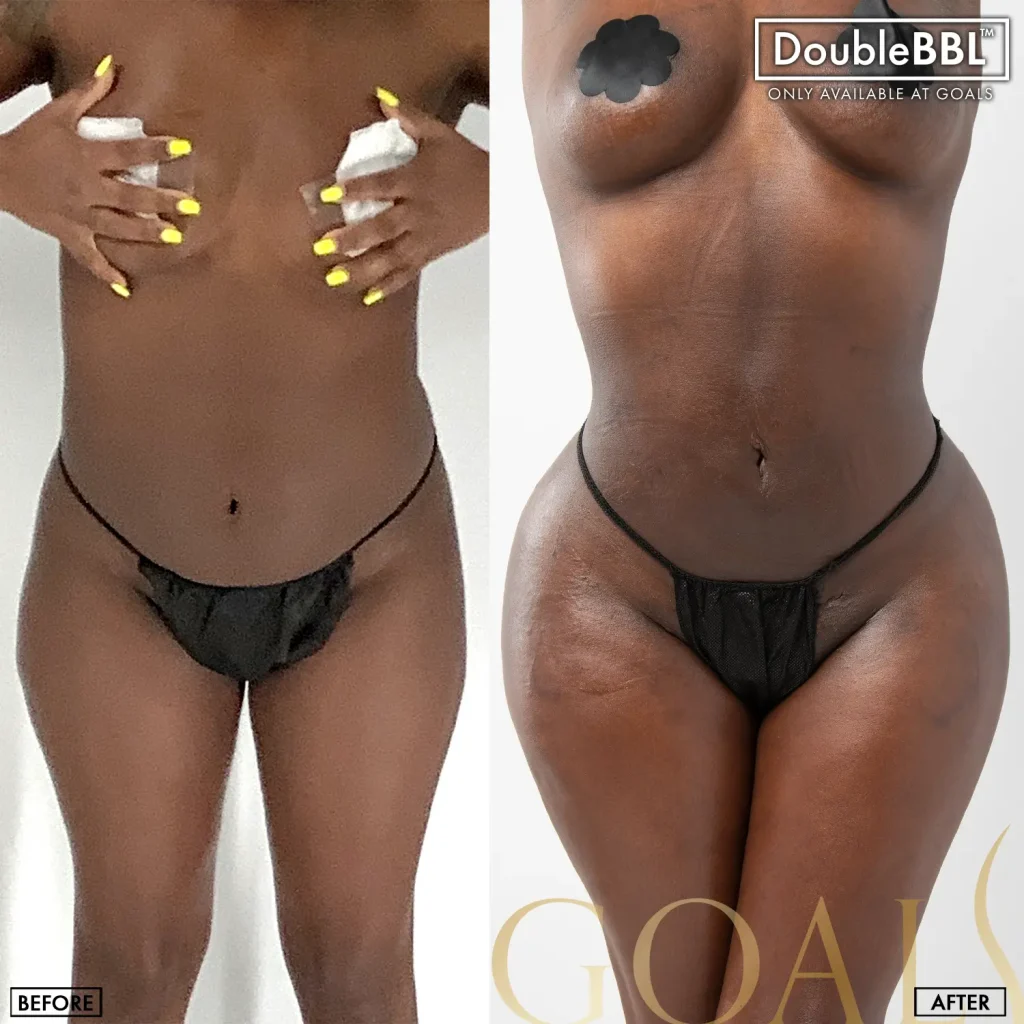


Real patients, published with written consent. Photographs are not retouched or AI-generated. Individual results vary — these images show outcomes for these patients and are not a guarantee of your own.
Try it
Type your height and weight. Your numbers stay on your device. We do not see or save them.
BMI is just one number. Your surgeon also looks at your health and your goals. BMI alone does not decide if you can have surgery.
Clinics
We have a few clinics in these cities.
New York
Non-surgical options
Gentle, non-surgical therapies that revive thinning hair and spark natural regrowth. Alone or with a transplant.
PRP therapy from your own blood to stimulate natural regrowth.
Painless clinical-strength laser therapy that energizes follicles.
High-frequency scalp therapy that boosts circulation and strength.
Targeted nutrient delivery that nourishes the scalp for growth.
Surgical options
For advanced loss or a permanent, one-time result, a hair transplant may be the better route. These options move your own follicles for lasting density.
Minimally invasive technique with individual follicle extraction for natural results.
Strip harvesting method ideal for patients needing maximum graft counts.
Permanent facial hair restoration for patchy or thin beard areas.
Specialized techniques for curly and textured hair restoration.
We get why overseas "cheap hair packages" look tempting. But hidden risks like rushed treatment, language barriers, no local follow-up, and complications back home can turn a bargain into a nightmare.
| Flying Abroad for Hair Treatment | Getting Your Hair Treatment in the U.S. With Goals Clinic |
|---|---|
| Flying Abroad for Hair TreatmentYou spend weeks comparing clinics online, wiring money overseas, and booking flights and hotels. | Getting Your Hair Treatment in the U.S. With Goals ClinicYou come in (or connect online) for a full consultation with a U.S.-licensed hair restoration specialist who examines your scalp and history. |
| Flying Abroad for Hair TreatmentYou land in a country where you don't fully speak the language; your consultation is rushed and done day-of treatment. | Getting Your Hair Treatment in the U.S. With Goals ClinicAll assessments, consent forms, and planning are done in advance. In your language, under U.S. medical standards. |
| Flying Abroad for Hair TreatmentThe treatment is performed in a facility you've never seen before, often with high daily volume and limited monitoring time. | Getting Your Hair Treatment in the U.S. With Goals ClinicOn treatment day, you arrive at an accredited clinic where everything is performed in a clean, controlled setting. |
| Flying Abroad for Hair TreatmentYou fly home tired. A week later, your scalp becomes red, irritated, or sore. You're not sure if it's normal. | Getting Your Hair Treatment in the U.S. With Goals ClinicEach session is quick and comfortable, and you go home the same day with no meaningful downtime. |
| Flying Abroad for Hair TreatmentYour only option is the local ER or urgent care, where doctors did not perform your treatment and may have no details on what was done. | Getting Your Hair Treatment in the U.S. With Goals ClinicIf anything feels off afterward, you contact the same local team that treated you. We see you in person and adjust your plan. |
| Flying Abroad for Hair TreatmentYou lose more time and money on emergency visits and prescriptions, and the overseas clinic can only "support" you over WhatsApp. | Getting Your Hair Treatment in the U.S. With Goals ClinicFollow-up visits and progress checks happen in the same clinic, with the same team, as your results build in. |
| Overseas | Goals | |
|---|---|---|
| Total cost (real) | OverseasBase price + flights, hotels, extra days off, possible ER bills back home. | GoalsSimilar once you include all care; transparent pricing, no surprise bills. |
| Travel & time off work | OverseasLong flights, jet lag, multiple days away from work and family. | GoalsSame-day local treatment, minimal travel, faster return to normal life. |
| Safety & sterility | OverseasVariable; you rely on foreign regulations and limited on-site time. | GoalsAccredited U.S. clinic, strict hygiene control, known standards. |
| Specialist & team | OverseasHarder to verify credentials; may not see your provider again after you leave. | GoalsU.S.-licensed hair restoration specialists you can meet before and after. |
| Emergency backup | OverseasNo local clinic; ER doctors must guess what was done overseas. | GoalsIn-person follow-up and local urgent support if any issue appears. |
| Follow-up care | OverseasRemote messages only; difficult to get hands-on help. | GoalsScheduled in-person checkups, progress photos, plan adjustments. |
| Communication | OverseasLanguage barriers, time zones, inconsistent responses. | GoalsNative-language team, clear written instructions, 24/7 phone line. |
| Legal protections | OverseasLimited recourse if something goes wrong after you return. | GoalsCovered by U.S. patient safety laws and standards. |
How it works
A few simple steps to healthier hair.
Meet with a specialist to discuss your goals, examine your scalp, and choose the right therapy.
A treatment schedule built around your scalp health, hair type, and goals.
Quick, comfortable in-office sessions with no meaningful downtime between visits.
Over the following months your scalp strengthens and hair density steadily improves.
Safety
Your safety comes first. We follow strict clinical protocols and current technology to give you a strong outcome with the least risk.
Fully equipped treatment rooms in U.S. accredited facilities.
Careful sterilization and hygiene protocols for every session.
Gentle, non-surgical treatments with little to no downtime.
Easy access to your specialist and medical team if you have questions.
Progress photos and check-ins to track how your scalp responds.
Modern tools and imaging support precise planning and consistent results.
Our surgeons
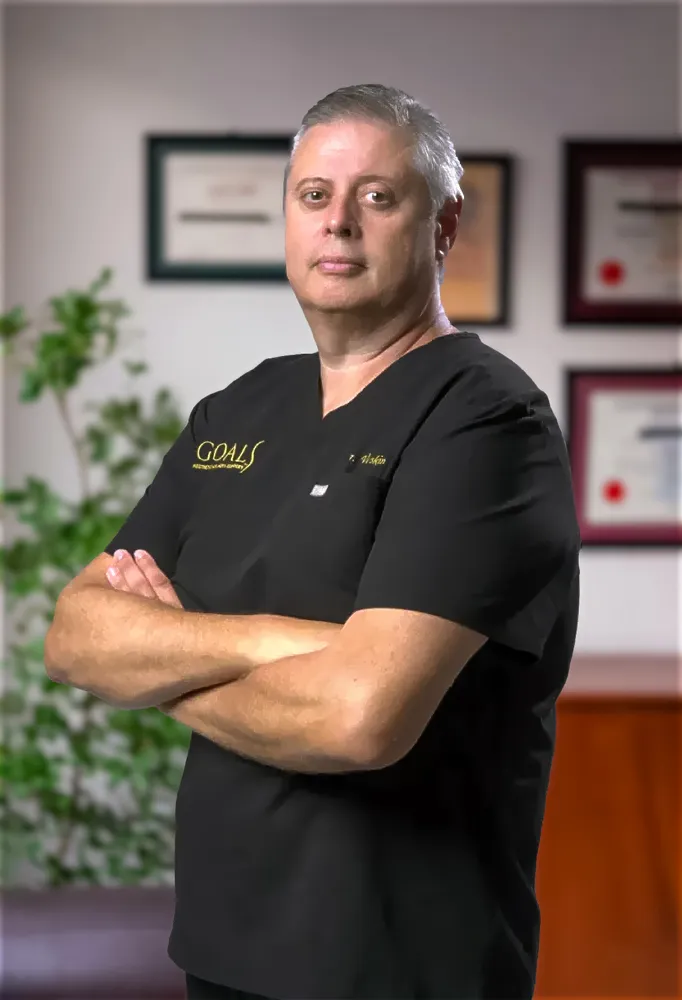
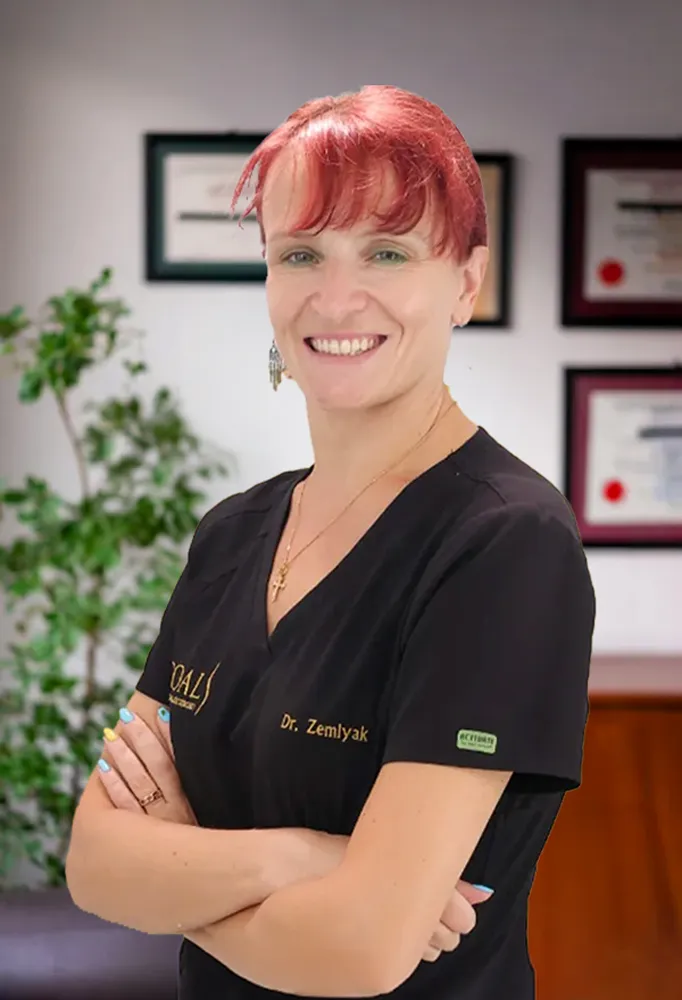
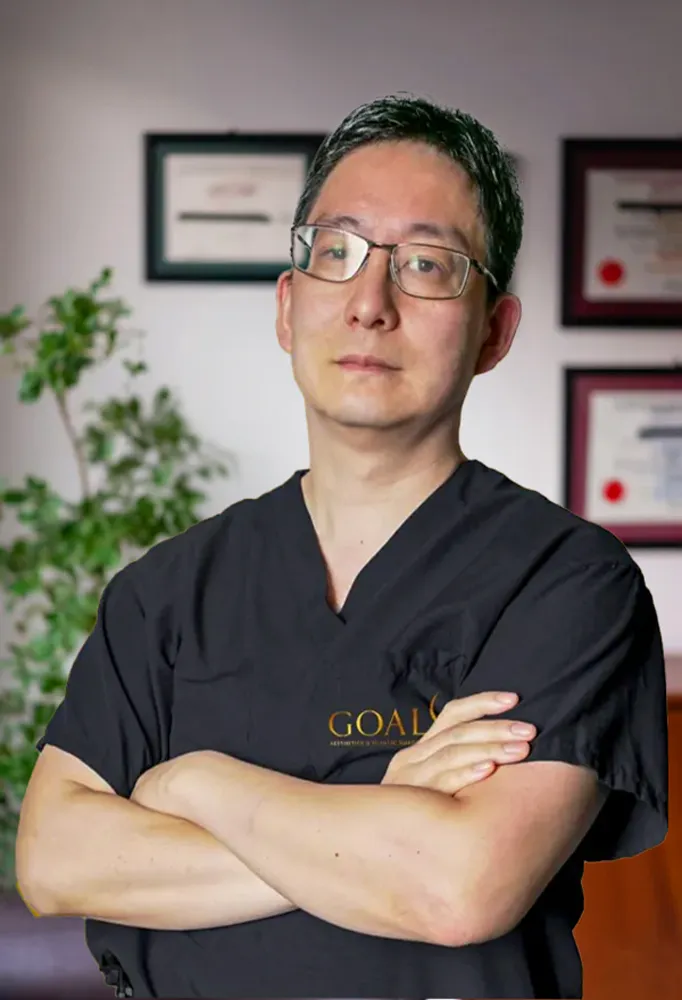
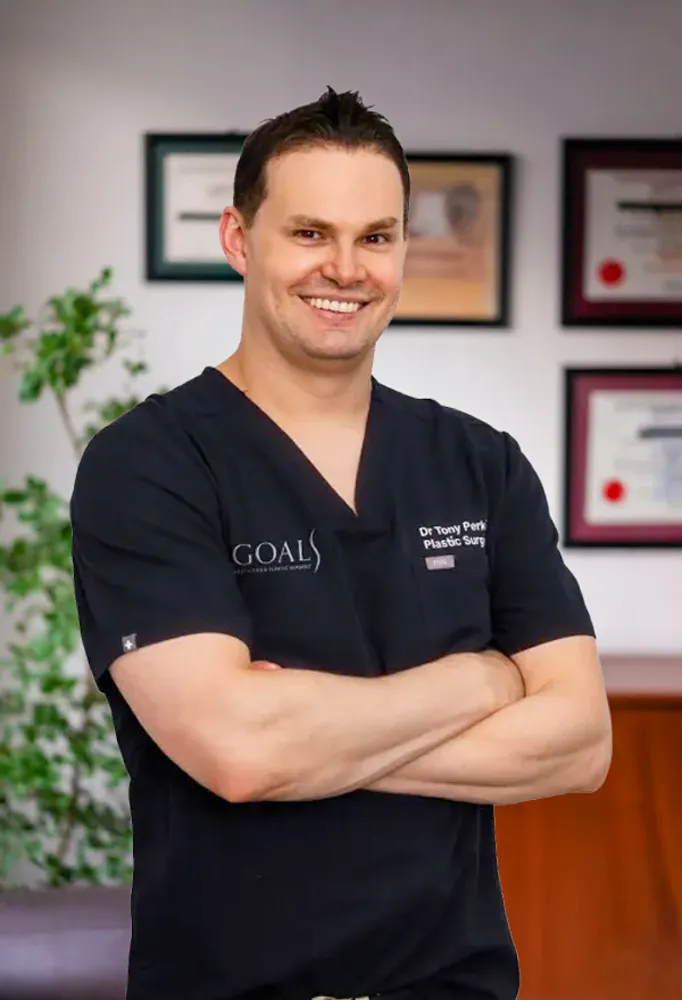
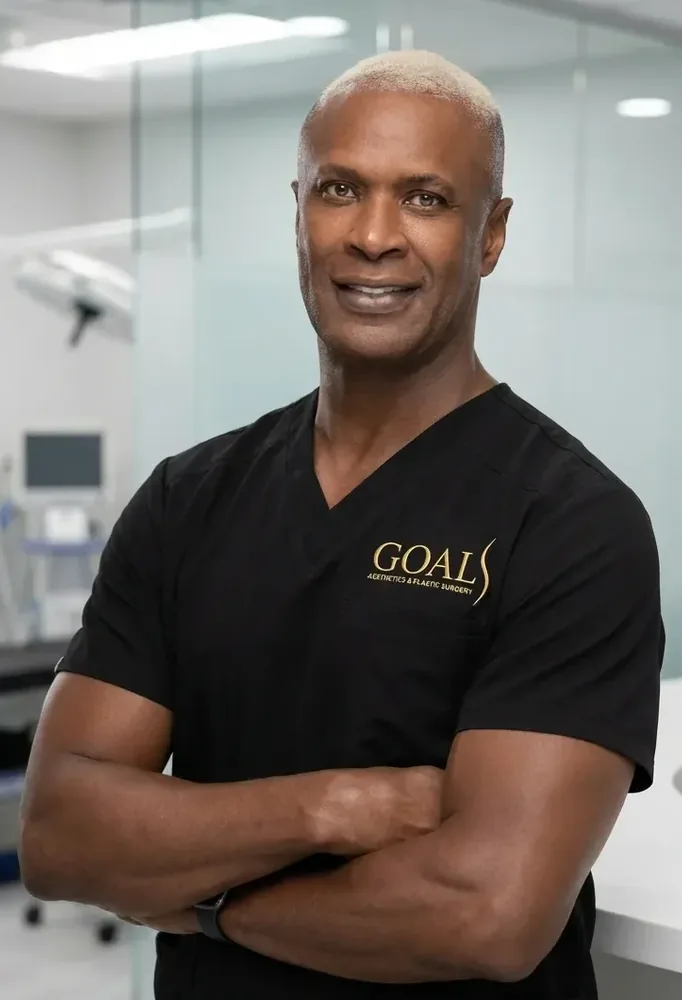
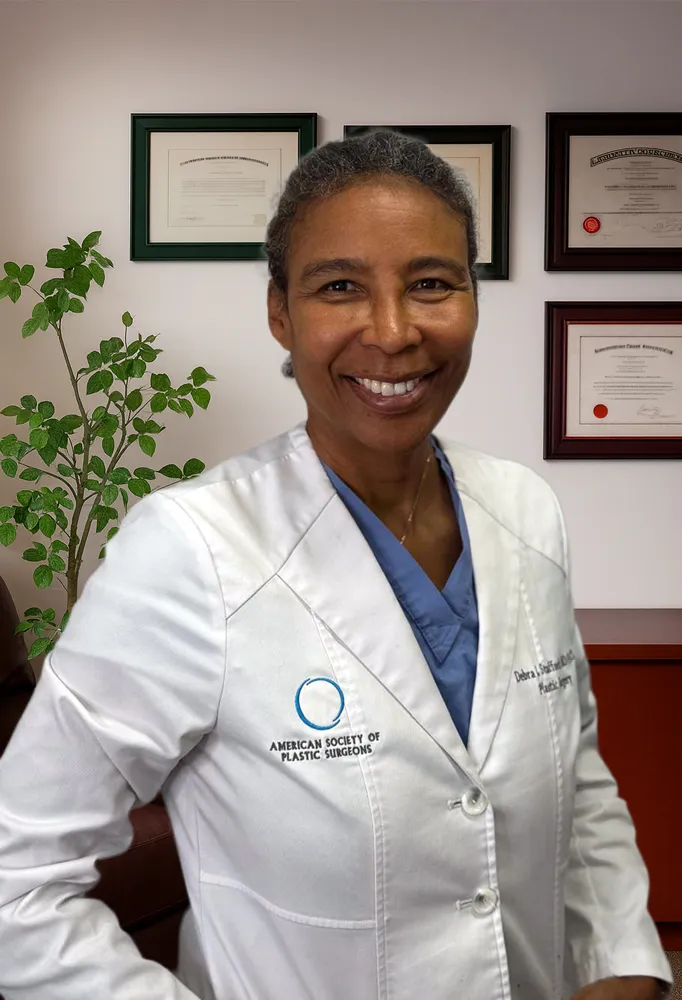
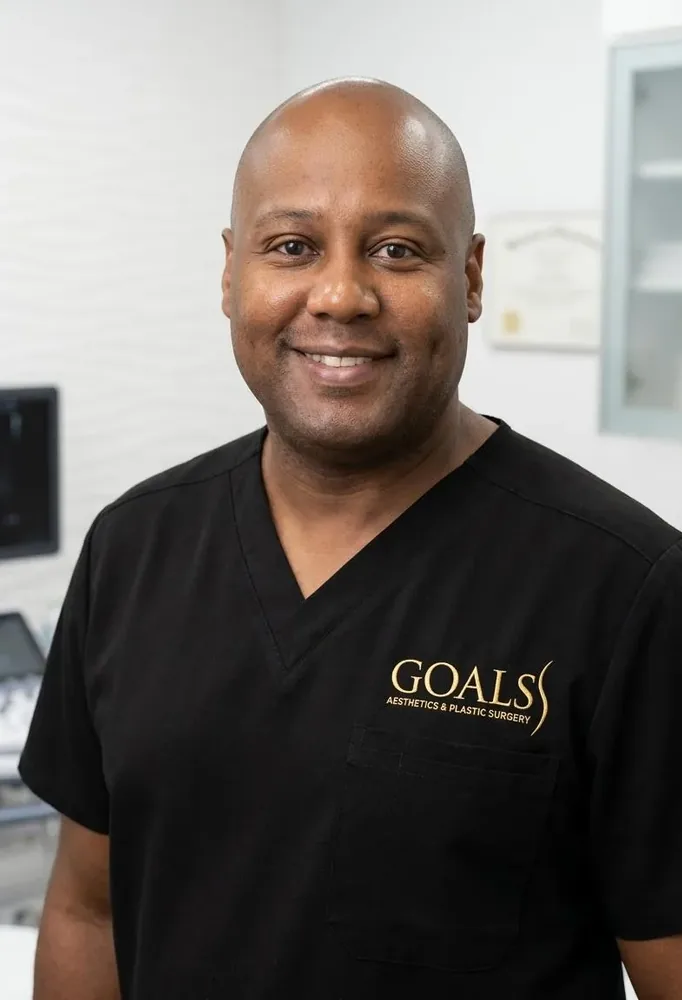
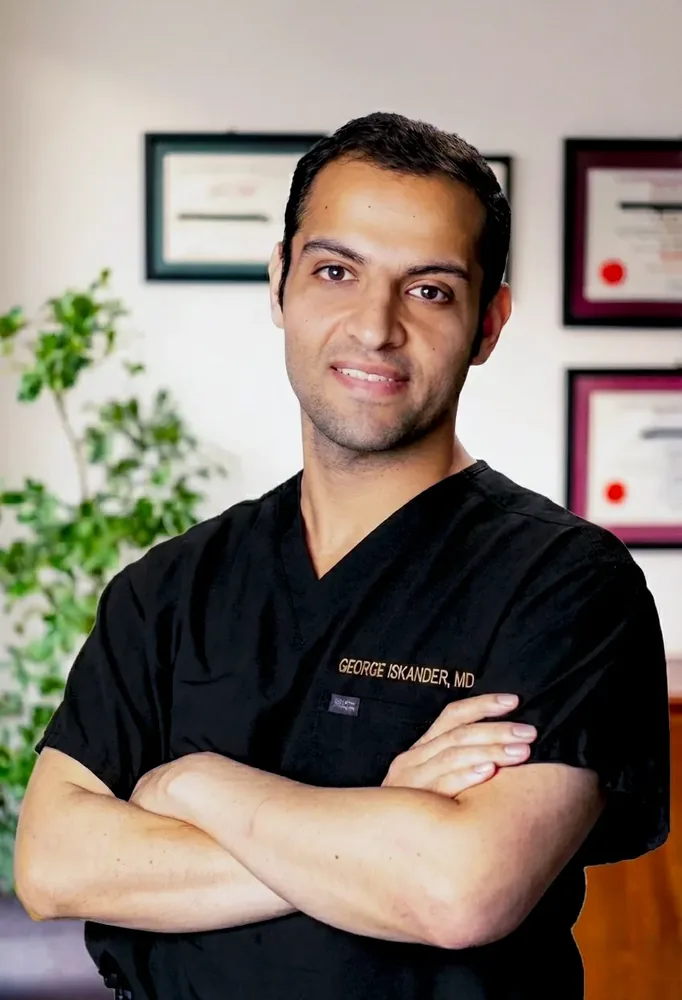
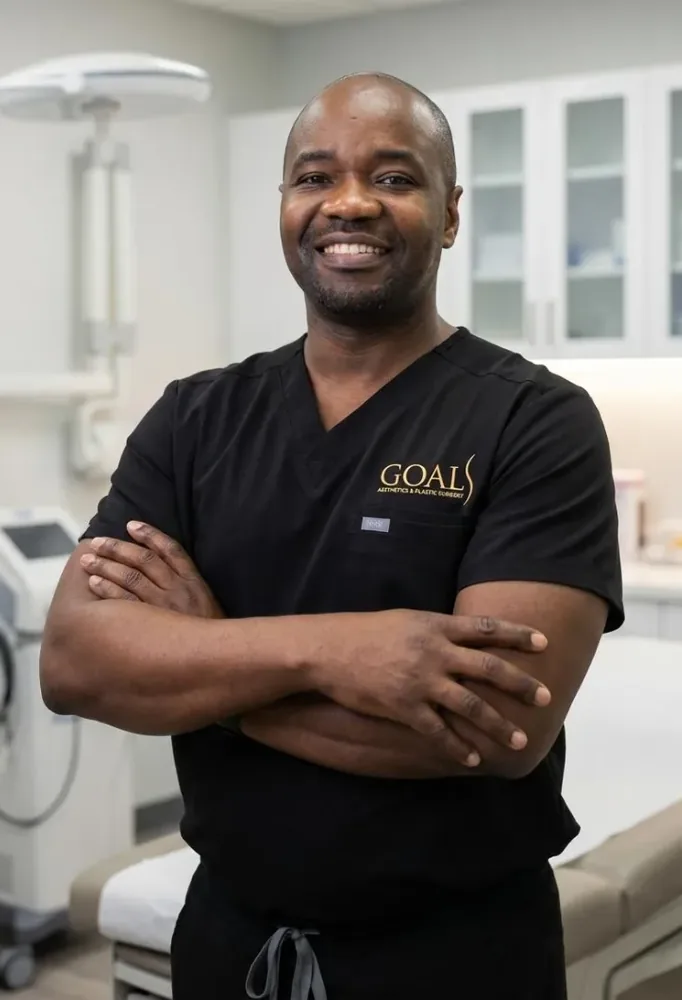
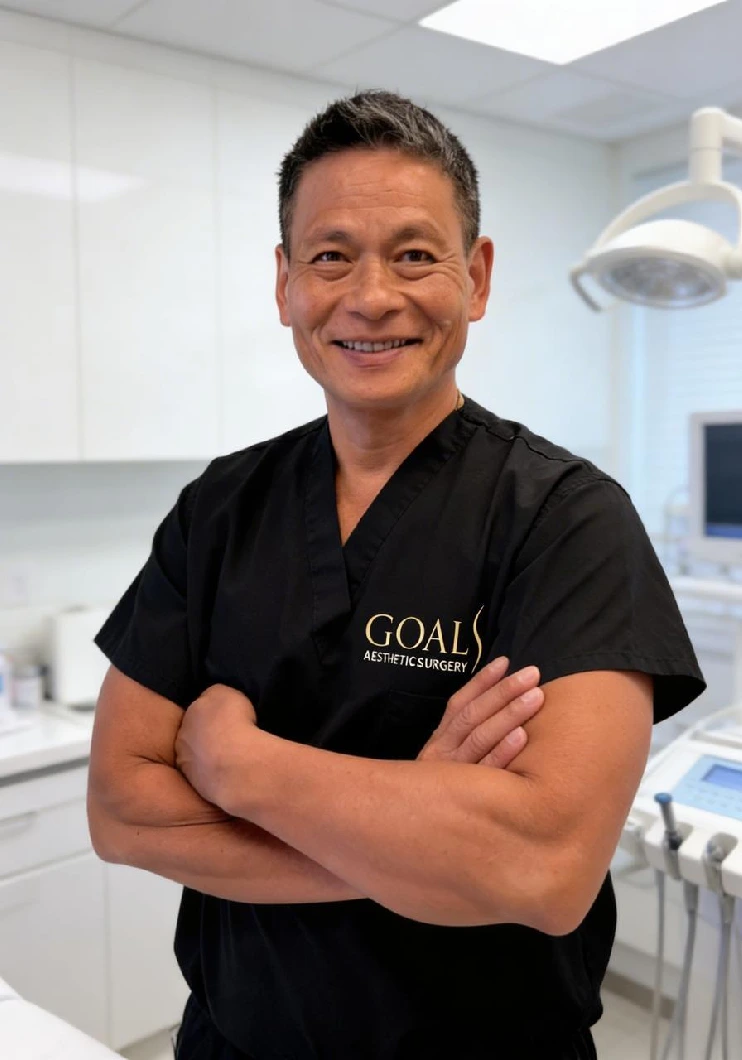
Your safety is our top priority. Meet the licensed team behind your care on our specialists page.
Each surgeon’s training and licenses are listed on their own page.
Pricing
Pricing depends on the therapy, the number of sessions, and how much thinning there is. Once you add travel and follow-up, overseas deals often cost about the same, minus the peace of mind of local U.S. care.
Know exactly what you'll pay before you book. No hidden fees or surprises.
Option to combine therapies or add them to a transplant for optimal results.
Affordable payment plans to fit your budget and make your care accessible.
Everything is included in your quote. No unexpected costs after your session.
Prices shown are starting prices and depend on the number of areas treated. Final pricing is confirmed at your consultation. Cosmetic procedures are not covered by insurance.
Try it
Pick a procedure to see an estimate. Your numbers stay on your device. We do not see or save them.
This is an estimate, not a quote. It splits the starting price over the months you pick, with no interest. Lenders set your real rate and terms. Your price is confirmed at your consultation.
FAQ
Not much. Most treatments feel like light pressure, small pinpricks, or a warm tingle on the scalp, and it's over quickly. Laser sessions you barely feel at all. If a therapy involves tiny injections, the team can numb the area first. Any tenderness afterward is mild and usually gone by the evening.
No, and that's a big part of the appeal. There's no shaved patch, no bandage, no visible sign that anything was done. You walk out looking exactly like you walked in, just with a plan underway. The regrowth comes in slowly over months, so what people notice later is fuller hair, not a procedure.
It's a fair worry, and an honest clinic will tell you upfront who responds well and who doesn't. Early and moderate thinning tends to react best. If your scalp isn't responding the way we'd hoped after a fair trial, the specialist reassesses rather than selling you more of the same, and may point you toward a transplant if that's the better fit.
Yes. PRP uses a small draw of your own blood, spun down to concentrate the platelets, then placed back into your scalp. Because it is your own material, there is nothing foreign for the body to react to, though as with any injection there is still a risk of bruising, swelling, tenderness or infection. The draw is quick, and the whole thing happens in one visit.
After the initial series, most people come in for occasional maintenance rather than constant appointments. How often depends on the therapy and how your scalp holds its gains. Some do a touch-up every few months, others stretch it longer. The specialist sets a realistic rhythm at your consultation so it fits your schedule and budget.
Usually, yes, and in many cases they work well together. Tell the specialist everything you're using, from minoxidil to supplements to prescription treatments, so the plan accounts for it. They'll flag anything worth pausing around a session and otherwise fold your existing routine into the overall approach.
Learn more
Goals Plastic Surgery treats hair loss with a lighter touch. Rather than one blanket procedure, the network favors precise therapies that work with the hair you already have. The care is non-surgical and low-impact, so most sessions mean little discomfort and no downtime worth mentioning. What you get is regrowth that blends in, a healthier scalp, and a plan built around your goals and your calendar.
Non-surgical restoration fights thinning by reviving the follicles you still have instead of relocating any. For plenty of men and women, it's the first practical move toward a stronger front, more fullness at the crown, or simply slowing loss before it spreads. Options like Platelet-Rich Plasma (PRP) and Low-Level Laser Therapy (LLLT) nudge healthy regrowth that matches the hair around it.
This route fits people with early thinning, active shedding, or a general drop in density. Sessions run inside an accredited U.S. clinic and usually wrap in under an hour, with next to no recovery. Compared with drugstore gadgets or overseas "miracle" packages, a real clinic here gives you licensed specialists, clinical-grade equipment, follow-up that shows up, and cover under U.S. patient-safety law. Price alone rarely tells that story.
Whether you're a candidate comes down to how far the thinning has gone, the shape your scalp is in, and what you honestly want from regrowth. Early to moderate loss tends to respond best; heavier loss may need non-surgical care paired with other options. A proper consultation clears away the guesswork and shows you plainly what these treatments can and can't deliver.
Keep in mind that these therapies strengthen and wake up existing follicles rather than growing new ones, so an early start usually pays off. Many patients stack treatments to guard the hair they have and keep their density steady for years. The care team is glad to walk through all of it in plain terms at your visit, no pressure attached.
People often ask whether non-surgical hair restoration genuinely works, and the fair answer is that it works well inside its limits. It won't refill a bare crown, but it can thicken sparse spots, calm shedding, and improve scalp health so the hair you keep reads fuller. Naming that boundary up front is part of a good consultation, since a plan grounded in real goals is the one that still feels worth it a year on.
Thinning reads differently on women, usually as diffuse loss across the crown instead of a retreating front. Non-surgical care answers that pattern with density-first therapies that spare existing hair and coax healthier regrowth. Good specialists weigh hormones, styling history, and scalp condition before settling on a plan, so the outcome looks like your own hair, not a patch job.
Since many women would rather avoid an operation, treatments that stimulate the scalp without cutting hold real appeal. PRP and Mesotherapy come up a lot here, giving steady gains with zero downtime. At the consultation the team reads the area and lays out a session rhythm, so you know what to expect from that first visit through months of gradual regrowth.
Strong candidates include women dealing with diffuse thinning, postpartum shedding, or loss after a hormonal shift, provided the scalp is healthy. Because no two cases match, the team rules out treatable medical causes first and confirms the therapy is truly the right call. Recovery afterward is easy, growth arrives over several months, and with no scarring to manage, your usual styling can pick back up almost immediately.
For a lot of women the real draw is discretion. No shaved donor strip, no visible tell that anything was done, no drawn-out recovery to explain at the office. That quiet quality makes non-surgical care an easy fit around a full life, and it's a big reason so many patients feel like themselves again by the end of a plan, with hair that just looks and moves the way it should.
Past the core treatments, Goals runs targeted therapies aimed at scalp health and follicle strength. Darsonval therapy uses high-frequency currents to lift circulation and nutrient uptake, building a better home for hair to grow. Mesotherapy sends vitamins, minerals, and amino acids straight into the scalp to feed the roots and back steady growth.
Because scalps don't all respond the same way, these therapies often run together in a layered plan that tackles both the symptoms and what's underneath. That flexibility is the point: patients across hair types and stages of thinning get a plan that looks balanced and holds up, not a stock routine that ignores what their scalp actually needs.
The specialized options call for clinical precision and a genuine read on scalp biology, since timing, depth, and how often you treat all steer the result. Looking over prior outcomes and talking goals through in detail helps the plan match your scalp and hair type. Whether you're after better circulation, targeted nutrients, or a wake-up call for tired follicles, the aim holds steady: healthier, fuller hair that still looks like yours.
Goals runs its own protocol, Hair Advanced Rejuvenation & Restoration Technology, or HARRT, built to revive follicles and back natural growth. By sharpening how the scalp gets stimulated and fed, HARRT raises the odds that weakened follicles bounce back and hold, which turns into fuller density and steadier results across a plan.
It runs alongside comfort-first, non-surgical protocols that keep you relaxed while skipping the risks and recovery of surgery. That gives the clinical team room to work with real precision and supports the minimal downtime patients across the network count on. The practical upshot is plain: weakened follicles get a better shot at recovering and growing, which means steadier progress and a result you can more or less predict.
Tools don't guarantee a good outcome on their own, which is why HARRT leans on skilled specialists and careful planning. The technology backs the team's judgment instead of standing in for it, and that pairing of new methods with real expertise is what keeps turning out natural, lasting density.
Non-surgical restoration is a good deal easier than most people brace for. Sessions are quick and gentle, downtime is minimal, and any scalp sensitivity is mild and gone within hours. Most patients step right back into their day, and the team hands over simple aftercare on washing, products, and small habits that help the scalp respond between visits.
Results come in gradually as the scalp strengthens and follicles revive, with early signs often showing inside a few months. Fuller, natural-looking density usually fills in over several months of steady care. Along the way, follow-up visits let the team watch your progress, tweak the plan, and confirm your scalp is taking to the treatment.
Patience is the real ask here. Because visible change plays out over months, the team leans on you to trust the process and stay steady. Regular sessions, decent habits, and keeping your follow-ups add up to the best long-term result. And if something comes up between visits, a quick phone call sorts it, which keeps people on track and calm.
It helps to picture a single visit too. After a quick scalp check, the treatment goes on while you sit in a comfortable chair, and most people are back to their day inside the hour. Nothing to sleep off, no bandages to babysit. That low-friction feel is exactly why so many patients fit a full course around work, travel, and family without upending their week.
Solid hair restoration shouldn't squeeze your finances, which is why Goals sets competitive rates next to flexible financing. You can spread a plan across manageable monthly payments, which makes committing to a full course easier than settling for stopgaps. Pricing is laid out at the consultation, so nothing sneaks up on you, and the team helps you land on a plan your budget can carry.
Picking a reputable clinic at home also guards what you spend. Cut-rate treatments tend to let you down through thin results, no follow-up, and nobody accountable when things slip. An accredited U.S. clinic brings clinical-grade equipment, seasoned specialists, and real aftercare, so you get dependable, natural-looking results that earn their cost and support your hair over the long run.
At the consultation you get a clear cost breakdown tied to your plan and session count, with no fees hiding in the margins. That openness, plus monthly payment options, lets you plan with confidence. Treating affordability as part of the care rather than a footnote is what helps more people take the step toward getting their confidence back.
Where you get treated is one of the bigger decisions in the whole thing. The clinic you pick should have licensed specialists with real hair-restoration experience, a portfolio of patient results you can review yourself, and a consultation that talks candidly about what your scalp can and can't do. A trustworthy provider won't steer you toward a set therapy; they read your scalp, hair type, and goals first, then suggest what genuinely fits.
Goals runs a growing U.S. network, so consultations, assessments, and follow-up sessions stay close to home. That reach, plus virtual consultation options, keeps expert care within range wherever you are. Curious what regrowth can realistically look like? Browse the gallery of patient results or contact the team to get a plan going. Prefer to start in person? You can also browse all clinic locations to find the nearest one.
In the end, the right clinic folds proven skill, straight talk, and attentive aftercare into one experience you can trust. Spending a little time to vet providers, read reviews, and ask real questions pays back in results that look natural and hold your scalp's health. When you're set, getting started is straightforward: schedule a consultation, tell the specialist what you're hoping to change, and let them map out a realistic plan for your scalp.
Non-surgical restoration and a hair transplant solve different problems. Therapies like PRP and laser shine for early thinning and for protecting the hair you've still got. A transplant is the permanent answer for advanced loss or a hairline that needs fresh coverage. A lot of patients open with restoration and add surgery later, or run both for the fullest result.
Which path fits depends on your stage of loss, your goals, and how much density you're rebuilding. At the consultation the team is straight about what each option can and can't do, so you're never nudged toward a procedure you don't need. If surgery turns out to be the better fit, you can look through the full range of hair transplant options and decide with clear expectations.
There's also a natural order many people follow. Someone catching early thinning or a receding hairline might start with PRP or laser to hold the line and buy some time, then take stock in a year. If the loss has clearly moved on by then, a transplant can rebuild the spots that need real coverage while ongoing non-surgical care shields the hair around them. Treating the two as teammates rather than rivals tends to give the most durable, natural-looking outcome.
Whichever way you go, staying with an accredited U.S. clinic means licensed specialists, in-person follow-up, and accountability under U.S. patient-safety law. Want a sense of what's achievable for your stage of loss? Take a look at our gallery of patient results or contact the team and we'll help you map out where to begin.
Get started
Whether you are considering our signature Brazilian Butt Lift, a full mommy makeover, or hair restoration, our team is ready to build a safe, realistic plan around you.
Prefer to talk now? (833) 462-5769
Free · No obligation
Tell us how to reach you. A patient coordinator calls you back — usually the same day.
Free · No obligation
Ask me anything. I usually reply straight away.
If you share your number, a Goals coordinator may call or text you about your consultation. Message and data rates may apply.
Nora is an automated chat. She cannot give medical advice or say whether a procedure suits you.