Visible Skin Tags
Skin tags on the neck, underarms, chest, back, or eyelids.
Skin tag removal at our Maryland clinic clears benign skin tags in minutes, quick, minimally invasive, with clearer skin the same day and little to no downtime.

Start with Savings
Book a consultation and get a discount on your treatment.
Thousands
Of Skin Treatments Performed
100,000+
Procedures Nationwide
10+
Years in Aesthetics & Skincare
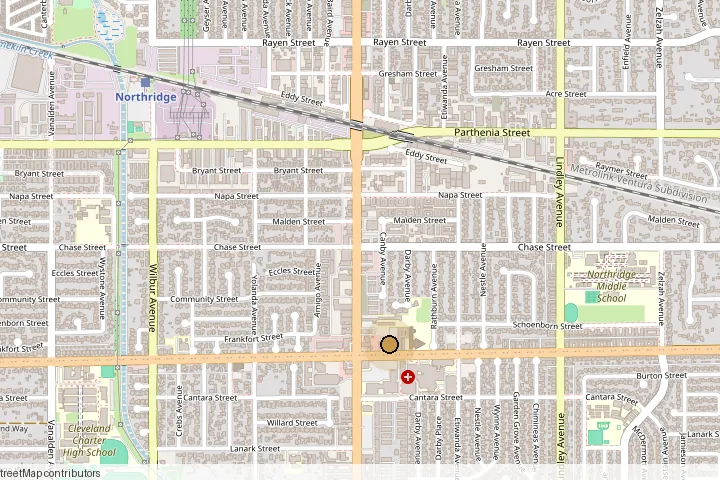
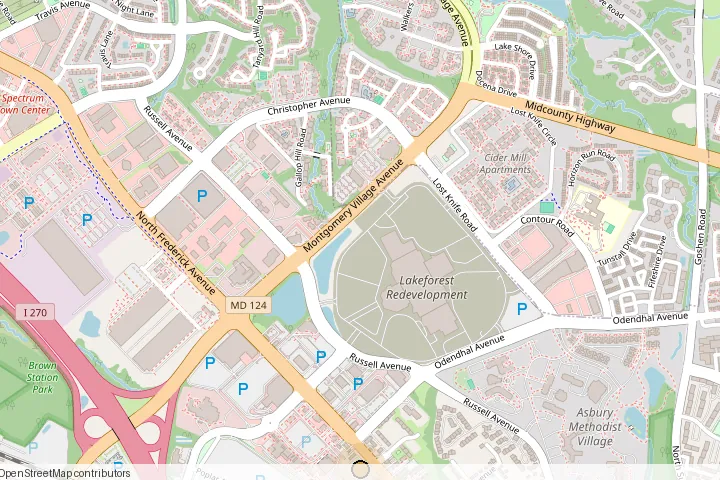
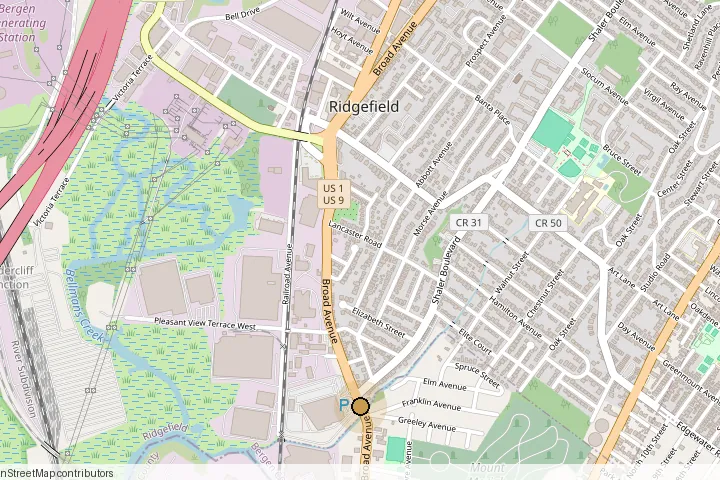
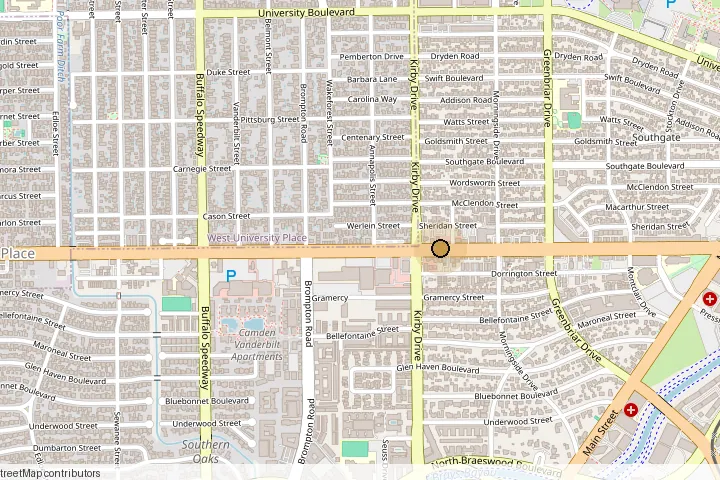
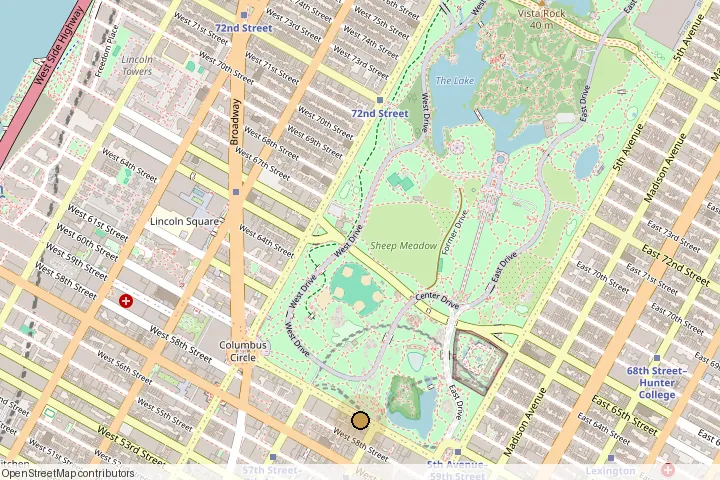
Visit our Maryland clinic for your consultation and treatment. Our patients enjoy scheduling their visits at the Gaithersburg facility, with convenient parking and easy access for their daily commute.
Skin tag removal is a quick, minimally invasive treatment that clears benign growths called skin tags. These soft bumps show up where skin rubs. A provider removes them by precise excision or electrocautery in minutes, for clearer skin the same day.
We look at your skin tags, confirm they are benign, and pick the best removal method for each one at our Maryland clinic.
The area is numbed for comfort, then each skin tag is removed by precise excision or electrocautery in just a few minutes.
You leave with clearer skin the same day. There are no stitches to fuss over, little to no downtime, and you return to your routine right away.
Skin tag removal suits anyone bothered by benign skin tags that catch, rub, or simply annoy, who wants them gone quickly in everyday Maryland life.
Skin tags on the neck, underarms, chest, back, or eyelids.
Tags that catch on clothing or jewelry, or rub and get irritated through the day.
Simply wanting clearer, smoother skin in visible areas.
Wanting a fast fix with little to no downtime.

Results vary with your skin, your starting point and how many sessions you have. Your consultation covers what is realistic for you, before you commit to anything.
Prefer to talk now?(833) 462-5769
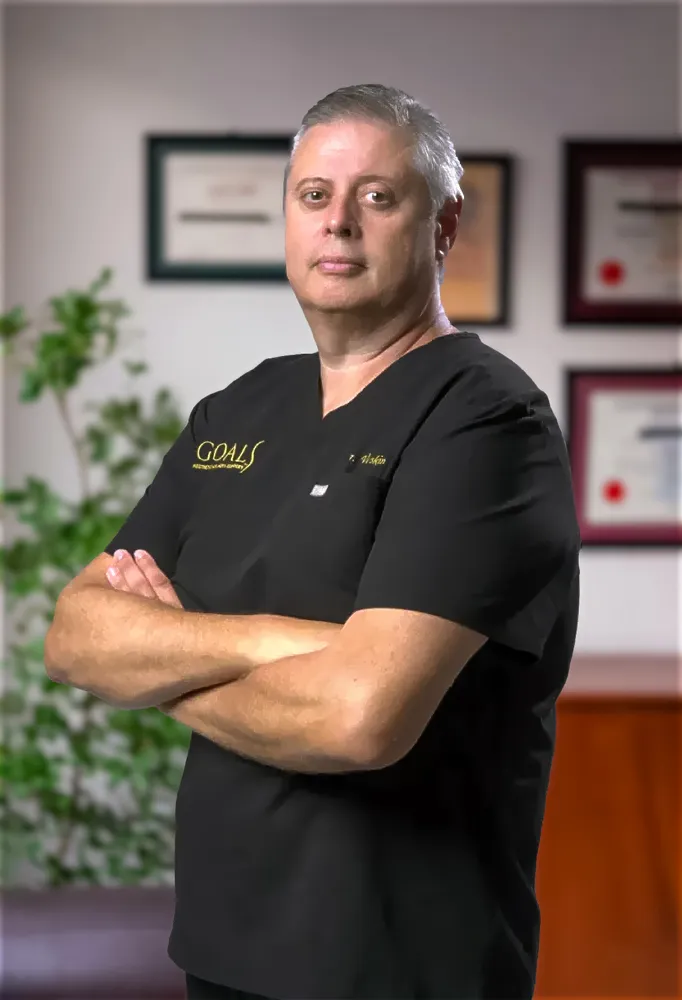
Skilled providers experienced in skin tag removal.
Credentials differ by surgeon and are listed in full on each surgeon's page.
Understanding the two main removal methods, how each works and what to expect, helps you feel informed about your skin tag treatment in Maryland.
| Excision | Electrocautery: The Difference | |
|---|---|---|
| How | ExcisionSnipped off at the base. | Electrocautery: The DifferenceRemoved with heat energy. |
| Best For | ExcisionLarger or hanging tags. | Electrocautery: The DifferenceSmall to medium tags. |
| Bleeding | ExcisionSealed and dressed after. | Electrocautery: The DifferenceSealed. |
| Time | ExcisionA few minutes per tag. | Electrocautery: The DifferenceVery quick per tag. |
| Downtime | ExcisionLittle to none. | Electrocautery: The DifferenceLittle to none. |
Steps to Clearer Skin.
Meet our team to look at your skin tags, confirm they are benign, and plan the best removal method for each.
Schedule your visit and get simple guidance so you know exactly what to expect on the day at our MD clinic.
On the day, the area is cleaned and numbed for your comfort.
Each skin tag is removed by precise excision or electrocautery in just a few minutes, no stitches to fuss over.
You leave with clearer skin and simple aftercare tips. There is little to no downtime.
The small spots heal over the following days, and we are here if you have any questions.
Skin tag removal suits anyone bothered by benign skin tags that catch, rub, or simply annoy, who wants them gone quickly in everyday Maryland life.
Clearer, smoother skin where tags used to be.
No more tags catching on clothing or jewelry.
A visible difference the same day as your visit.
Renewed confidence in your skin in everyday Maryland life.
Small spots that heal over the following days.
Our Maryland clinic takes a safety-first approach, confirming your skin tags are benign before any removal and using clean, precise technique. Our providers follow standardized protocols across the network, so your treatment is consistent and careful at every step.
We confirm each growth is a harmless skin tag before removing it.
Consistent, clean technique and planning for safe, predictable results.
Clear aftercare and easy access to the Maryland team.
Final cost depends on how many skin tags you have and the method used, and is confirmed during consultation and fixed at booking.
Price locked in at the booking stage after consultation.
Transparent pricing: no hidden fees, everything clearly detailed in the contract.
Prices shown are starting prices and depend on the number of areas treated. Final pricing is confirmed at your consultation. Cosmetic procedures are not covered by insurance.
Work it out
Runs in your browser. Nothing is sent to us and nothing is saved.
An estimate, not a quote. It divides the starting price over the months you choose and assumes no interest. Goals works with several lenders and your rate, term and approval are settled with them — the financing page has the detail, and your price is confirmed at consultation.
A convenient Gaithersburg clinic with easy parking and simple access for your Maryland commute.
A fast, minimally invasive treatment with clearer skin the same day and little to no downtime.
We confirm your skin tags are harmless before removal, so you can relax knowing it is done safely.
A skilled team experienced in skin tag and minor skin treatments.
Flexible scheduling, including possible weekend or evening availability at select clinics.
Thousands of successful treatments across the network.
Had a few tags on my neck that kept catching on necklaces. Gone in one quick visit, barely felt a thing. Wish I'd done it years ago instead of putting up with them.
Fast and painless. Numbed the spots, snipped them, done. Left with clear skin the same afternoon and no fuss at all.
Was self-conscious about tags under my arms. The team was kind and quick, no judgment. Skin looks clear now and it healed up in a few days.
Testimonials reflect individual experiences. Results vary by patient.
Almost always, yes. Skin tags are quick to treat, so it is common to clear a whole cluster, or tags in several spots, in one appointment. The provider works through them one by one after the areas are numbed, and even a handful rarely takes long. If you have a large number, they map out a plan, but most people leave clear in one visit.
Home kits and string tricks are risky. Without sterile tools you invite infection, and cutting or tying blindly can cause bleeding or a mark. More importantly, an untrained eye can mistake something that is not a skin tag for one, missing a growth that should be checked. In-office removal is fast, clean, and confirms the tag is harmless first.
Often you can't be fully sure on your own, which is the best reason to have it looked at. A true skin tag is soft, skin-colored, and usually hangs from a thin stalk you can move, but warts, moles, and other growths can look similar at a glance and need different handling. A quick check by a provider confirms what it is before anything is removed, and if a growth looks unusual, changing in size or color, bleeding on its own, or shaped irregularly, that's exactly when you want a trained eye rather than a drugstore kit. That benign check is a small step that keeps a cosmetic treatment genuinely safe.
It shouldn't, when it's done by someone who understands the risk. Skin rich in melanin can respond to heat or trauma with a darkened spot, so the method, the depth or energy used, and the aftercare all matter more on deeper skin. An experienced provider treats all skin tones routinely and chooses the technique with pigment protection in mind, sometimes favoring a gentler method or precise excision over heat where that protects the skin best. On deeper skin tones, who does the removal matters even more than the removal itself, which is the clearest case against an at-home kit.
Not on their own. Skin tags are harmless, and most people simply get them from friction, genetics, hormones, or age. That said, having a lot of them is sometimes linked to weight or how the body handles insulin, so it is worth a mention to your doctor if they appear in numbers. Removing them is about comfort and appearance, not illness.
Aftercare is refreshingly simple. You keep the small spots clean and dry, dab on any ointment we suggest, and avoid picking as they heal over the next several days. Most people go straight back to work the same day, since there is little to no downtime. You can usually shower normally too; we flag anything specific to your spots first.
If you have a skin tag, you are in ordinary company. These small, soft flaps of skin are among the most common growths people develop, and by middle age a large share of adults have at least one. They show up quietly, a tiny bump on the neck that catches a necklace, a tag in the underarm that rubs a seam, a cluster on the eyelid you only notice in a certain light.
None of it is dangerous, which is exactly why so many people put it off for years. But a skin tag that snags, gets irritated, or simply bothers you every time you see it in the mirror is worth the few minutes it takes to remove. If you have been searching skin tag removal in Maryland and wondering whether it is really as quick as it sounds, this guide covers what skin tags are, the ways to take them off, what the visit and healing look like, and how to think about it, grounded in how Goals handles it at our Maryland clinic.
Skin tags are not random, and understanding what drives them takes the mystery out of your own. At their core they are little loops of loose collagen and small blood vessels wrapped in skin, and they form where skin spends its days rubbing against skin or clothing. That is why the usual addresses are predictable: the neck, underarms, eyelids, under the breasts, and the groin, the warm creases where friction is a fact of life. Beyond rubbing, a few things make a person more prone.
Genetics play a real role, so if your parents had them, you likely will. Weight matters, since more skin folds mean more friction. Hormonal shifts bring them on too, which is why they often multiply during pregnancy. And they become more common with age. None of these causes is anything to worry about; they just explain why tags appear where and when they do.
People are often surprised that there is more than one way to remove a skin tag, and that the best method depends on the tag itself. The most direct is excision, where the tag is simply snipped off cleanly at its base with sterile scissors, ideal for larger or hanging tags and giving an immediate result. Electrocautery uses a fine heated tip to remove the tag and seal the spot at the same time, which controls bleeding beautifully and works well on small to medium tags.
Cryotherapy takes a different route, freezing the tag with a touch of liquid nitrogen so that it dies and drops off on its own over the following one to two weeks. And ligation, tying off the tag's base to cut off its blood supply, is a gentler option in some cases. The provider chooses based on each tag's size, location, and number, sometimes using more than one method in a single visit. That flexibility is what lets the treatment stay quick and precise no matter what your skin presents.
Not all locations are equal, and the delicate spots deserve a word of their own. Eyelids are a classic site for skin tags, and they are also one of the most sensitive places on the body, sitting millimetres from the eye itself. This is precisely where technique and experience matter, and where electrocautery often becomes the method of choice, because sealing as it works keeps the area controlled and clean right next to somewhere you cannot afford imprecision.
The neck and underarms, while less delicate, come with their own considerations, since they move and fold constantly, so the aftercare is geared toward keeping a mobile area calm while it settles. The reassuring part is that these common, tricky locations are exactly the ones an experienced provider handles all the time. Bringing tags in these areas to someone who treats them routinely, rather than attempting anything yourself, is the single best decision you can make for a clean result.
What surprises first-timers is how little there is to the appointment. Removing a skin tag is measured in minutes, not hours, and most of the visit is the conversation around it rather than the removal. After a quick look to confirm the growth is a harmless tag, the area is cleaned and numbed, and each tag is removed with whichever method suits it.
A single tag is done almost before you have settled into the chair; even several are cleared within one short visit. There is no operating room, no lengthy preparation, and nothing to recover from in the way people brace for. Many patients book a lunchtime slot and are back at their desk the same afternoon with clearer skin. That speed is not a shortcut; it is simply the nature of a small, superficial treatment done well by someone who does it often.
A fair question people ask is whether numbing is even worth it for something so quick, and the answer is a firm yes. A skin tag removal is not especially painful to begin with, often described as a brief pinch or sting, but a small amount of local anesthetic, or a numbing cream on more sensitive spots, turns even that into nothing.
There is no medal for gritting your teeth through it, and being comfortable means you stay relaxed and still, which helps the provider work precisely. For tags in tender areas like the eyelids or underarms, that comfort matters even more. The numbing itself takes only a moment, and it is a small step that changes the whole experience from something you tolerate into something genuinely easy. If you have avoided removal because you imagined it would hurt, this is the part that tends to dissolve the worry.
It is natural to wonder what the skin looks like right after a tag is gone, and the honest answer is reassuring. Because skin tags sit on the surface and are small, what remains is a tiny spot, often no bigger than the tag itself, that begins healing immediately. In the first days it may look like a small scab or a faint pink mark, which is simply the skin closing over.
Over the following week or two that spot fades steadily, and in most cases it settles to something barely noticeable, blending back into the surrounding skin. Larger tags that were snipped may leave a slightly more visible mark at first, but these too soften with time and good aftercare. Keeping the area clean, protecting it from the sun, and resisting the urge to pick all help it fade cleanly. For the vast majority of people, the trade of a fleeting small spot for a tag that is gone for good is an easy one.
It's worth being direct about the do-it-yourself route, because the internet is full of it and some of it is genuinely a bad idea. The pharmacy kits, freezing pens, and the old trick of tying a tag off with thread all promise a cheap fix, but they carry real downsides: without sterile instruments you risk infection in a small open wound, and cutting or tying blindly can cause more bleeding or leave a more noticeable mark than a clean removal would. The most important risk, though, is the one people never consider.
Not every small growth is a skin tag. The overwhelming majority are exactly what they appear to be, harmless and cosmetic, but warts, moles, and other look-alikes can resemble a tag at a glance and need different handling, and a growth that changes size or color, bleeds without being caught on anything, or simply looks different from your other tags deserves a closer eye rather than an assumption. Removing something at home means no one looked at it properly.
A professional removal sidesteps all of it in the same few minutes a home attempt would take: the growth is confirmed benign first, everything stays sterile, and anything that warrants a different path gets flagged rather than guessed at. That quick benign check is what turns a cosmetic treatment into a genuinely safe one.
The good news is that new tags are removed exactly as easily as the first, so keeping on top of them is never a big project, just the occasional quick visit. Thinking of it as ongoing light maintenance, rather than a one-time cure that failed, sets the right expectation.
Cost is a natural early question, and the honest answer is that it depends mainly on how many tags you want removed and the method used, since a single small tag and a large cluster are different jobs. That is why a firm number really comes at consultation, once someone has seen what you are dealing with. What stays consistent at Goals is the clarity around the figure: your cost is confirmed at consultation and locked at the booking stage, with transparent pricing and no fees appearing afterward.
It is worth knowing that skin tag removal is generally considered cosmetic, so it is usually a self-funded treatment rather than something insurance covers, which keeps the process simple and predictable. For those who would like to spread the cost, flexible payment plans and financing are available to those who qualify. Your team walks you through the whole picture at the visit, so you know exactly what your removal involves before anything happens.
Getting started is refreshingly straightforward, which suits a treatment this quick. Many people begin with an online consultation or simply book a visit to the Gaithersburg clinic, just off Interstate 270 in Montgomery County and an easy drive from Rockville, Silver Spring, and Bethesda, describe the tags that bother them, and get a clear sense of the plan. Because the treatment is so fast, plenty of patients have their tags looked at and removed in the same visit, walking out with clearer skin the same day. If your interest in smoother skin goes beyond tags.
It's worth exploring related options like microdermabrasion in Maryland for overall skin texture or PRP facial rejuvenation in Maryland for a fuller refresh, and the full local menu lives on our Gaithersburg location page. To see the kind of clean, natural results our patients get, the Before & After gallery shows real skin rather than stock images. From there it couldn't be simpler: book the visit, have your tags confirmed as benign, and have them removed, often all in one short, easy appointment.
One point that saves needless worry: a skin tag that is properly removed does not grow back in that same spot. Once it is gone, it is gone. What can happen is that new tags form elsewhere over the following months or years, and it helps to know this is not the treatment failing. The tendency to develop skin tags is part of your skin and biology, driven by the same friction, genetics, and hormones as before, so the skin keeps doing what it does in new spots. This is completely normal.
About Skin Tags Removal
First Name: First Name *
Whether you want skin tags removed, a facial treatment, or another skin service, our Maryland team is ready to help you get clearer, smoother skin.
Prefer to talk now? (833) 462-5769
Free · No obligation
Tell us how to reach you. A patient coordinator calls you back — usually the same day.