Widening Part
A part that keeps widening, the most common first sign in women.
A wider part or a thinning temple, restored with a targeted, often no-shave transplant. In-office under local anesthesia by credentialed surgeons at our accredited Atlanta clinic.
From $5,000

Fuller parts and softer hairlines, grown in and settled.
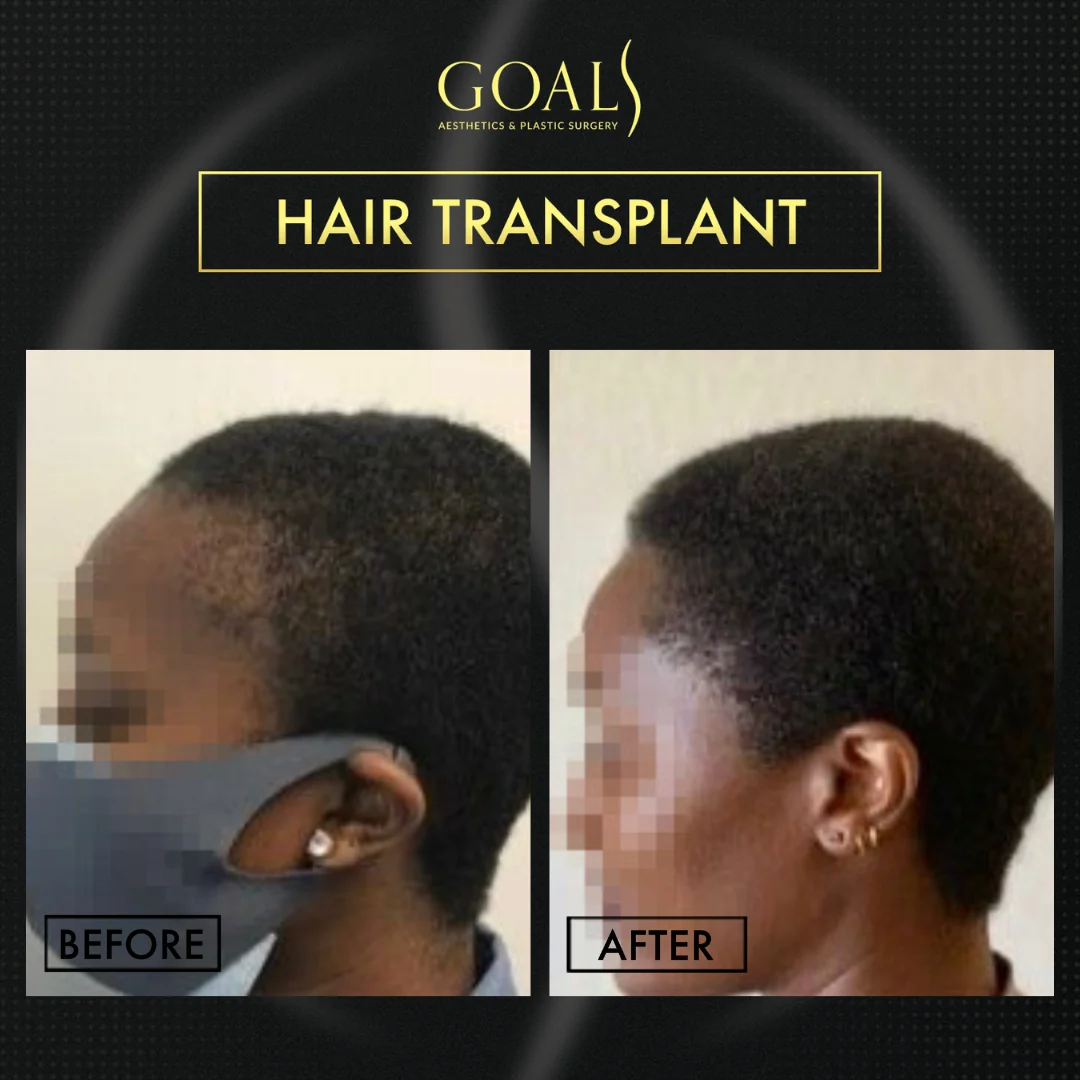
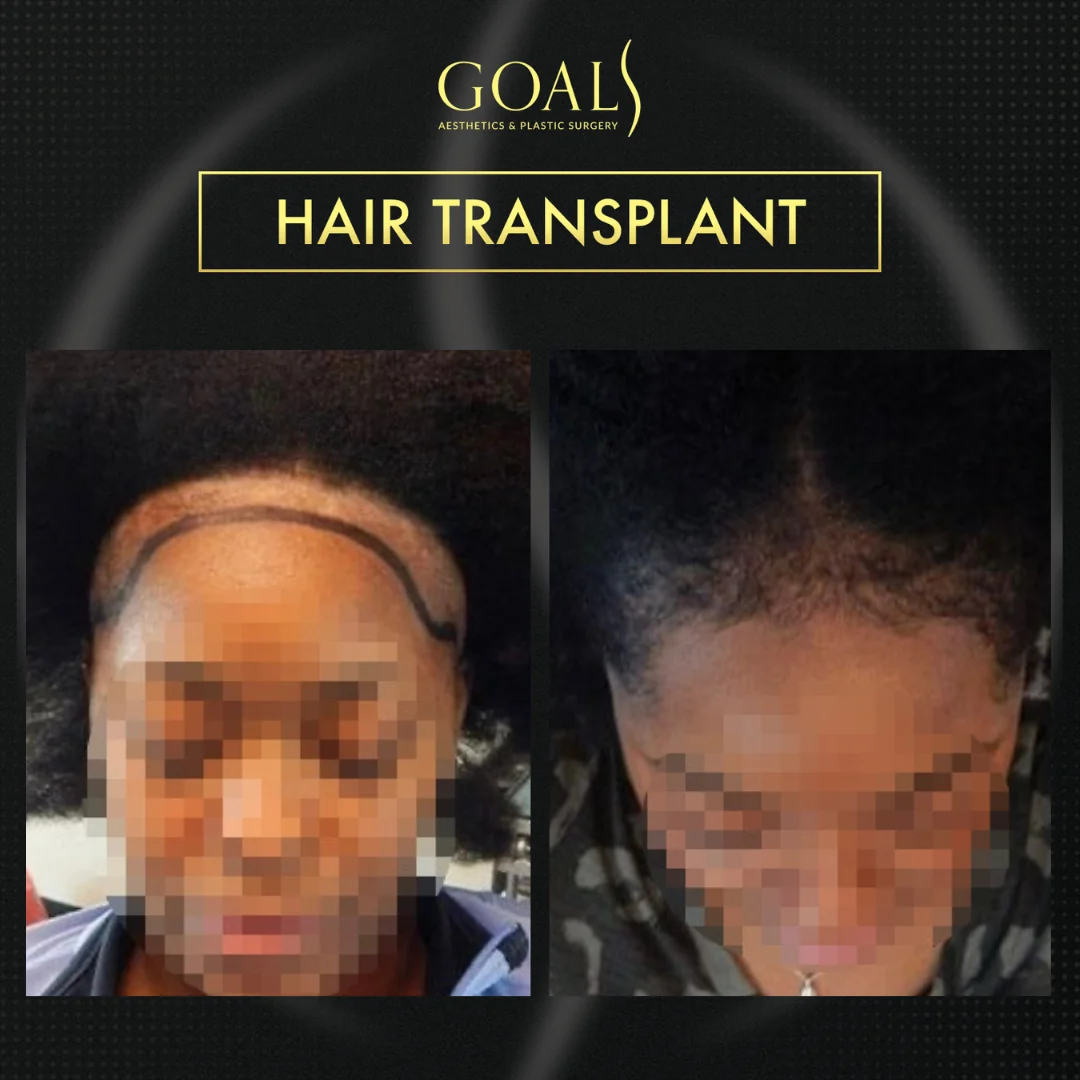
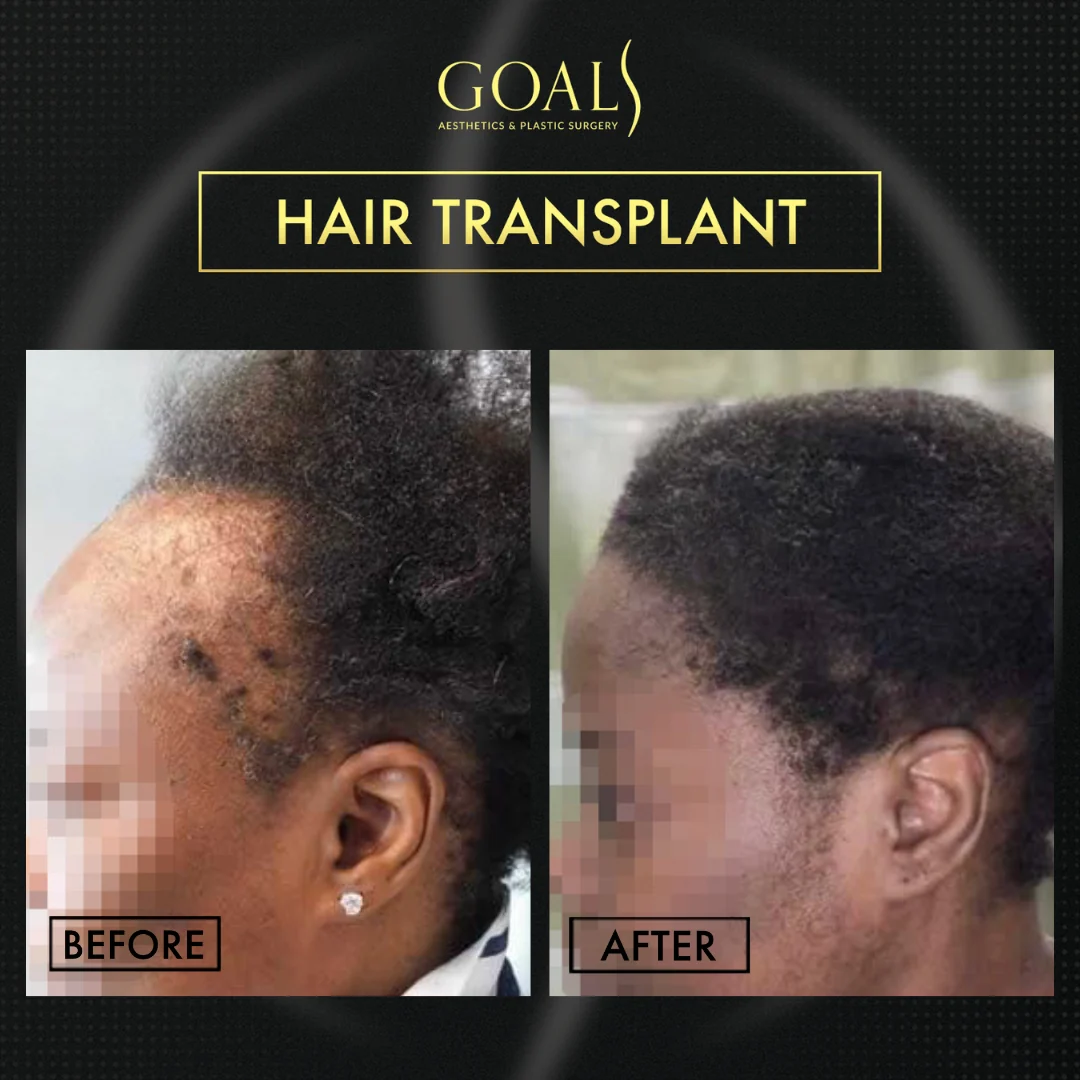
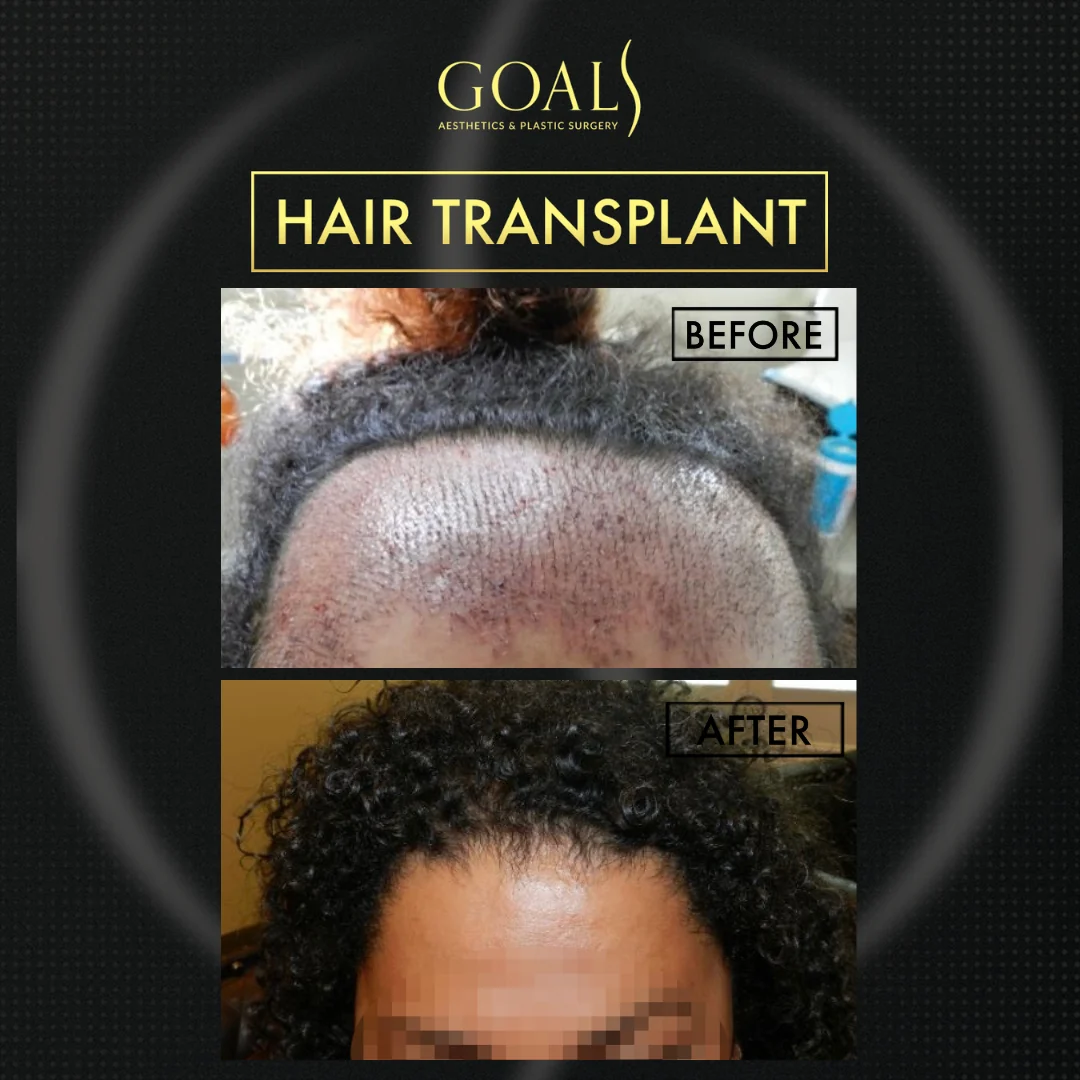
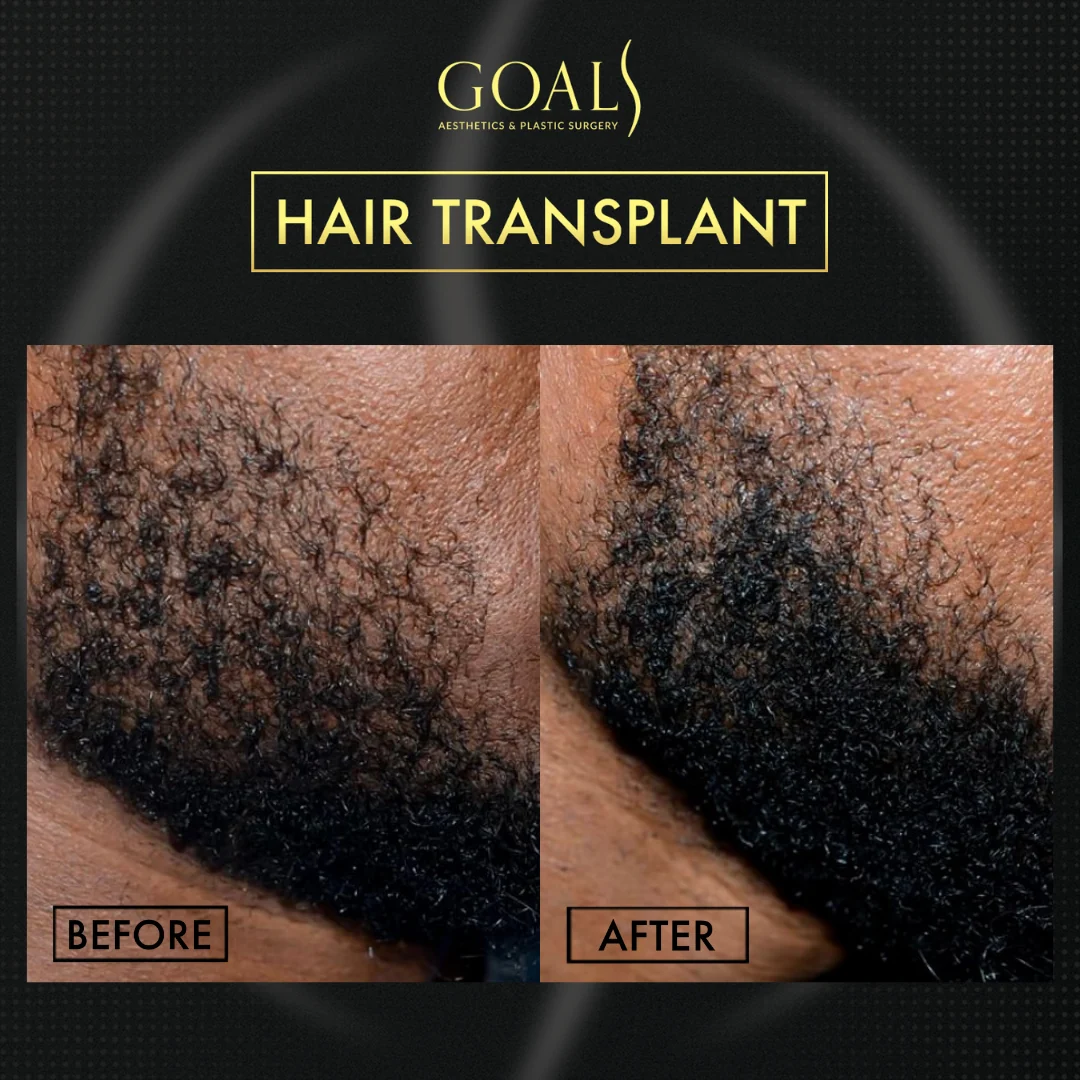
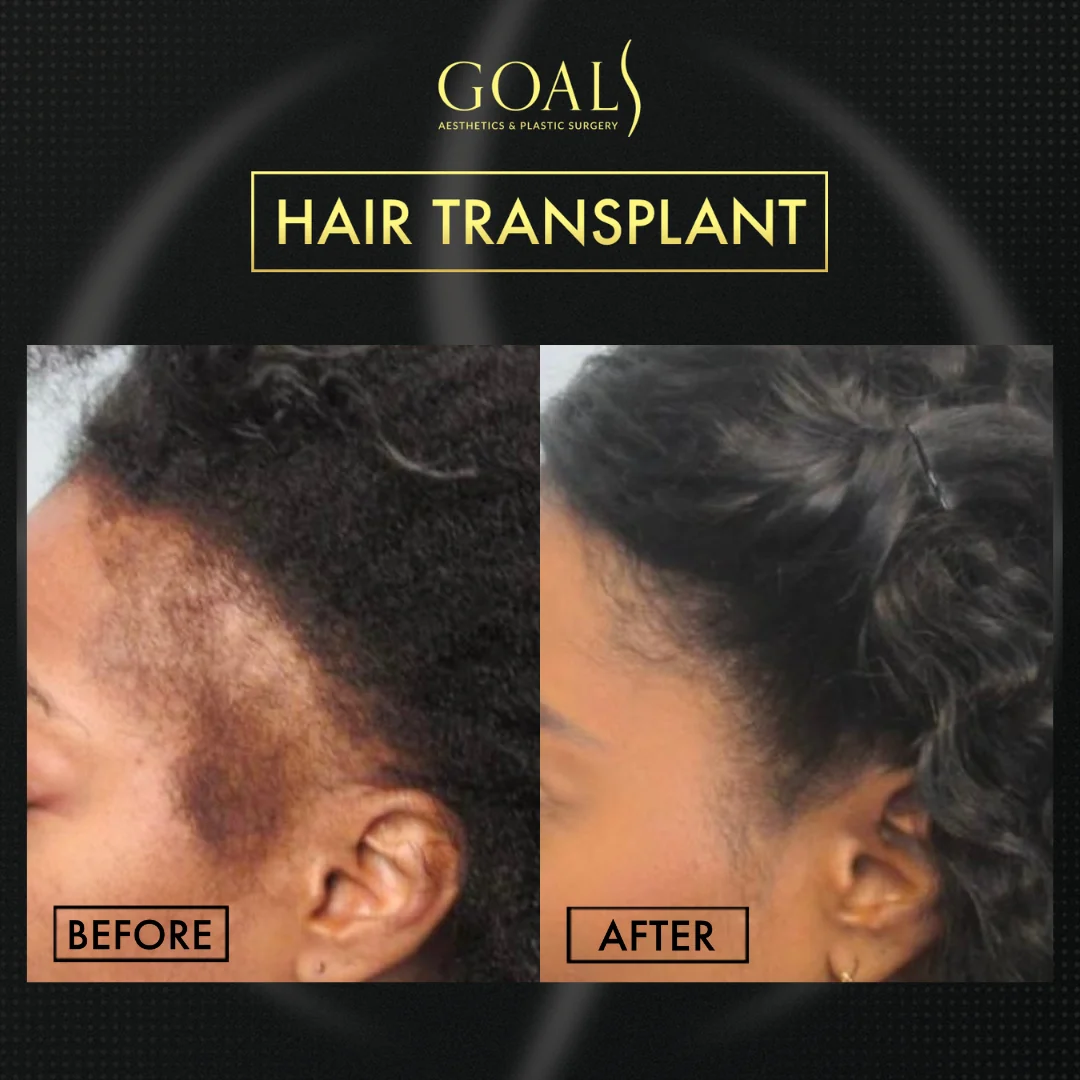
Real patients, published with written consent. Photographs are not retouched or AI-generated. Individual results vary — these images show outcomes for these patients and are not a guarantee of your own.
Hair transplants are done at our Atlanta clinic at 3576 Chamblee Tucker Rd. Call us and we will help you find the nearest Goals clinic that offers them.
Procedures
Women's loss is usually diffuse. We restore across these patterns.
A part that keeps widening, the most common first sign in women.
Diffuse thinning over the top from female pattern loss.
Thinning from years of tight braids, ponytails, or extensions.
Thinning at the temples and front corners, softened and filled in.
Heavy shedding after pregnancy that never fully recovered.
A high or uneven hairline brought down and rounded to suit you.
Candidacy
It comes down to your donor area. If the loss follows a pattern and the back and sides stay dense, you may be a strong candidate. Only a proper assessment tells you which.
Loss in a pattern, not everywhere.
The back and sides are dense and holding.
You'd rather not shave. We have no-shave and minimal-trim options.
Any hormonal or medical cause is identified.
A defined zone: part, temple, hairline.
Low-cost transplant packages abroad sound tempting. But female loss needs an honest donor assessment before anyone picks up an instrument, and a clinic paid to operate rarely gives you one.
| Left Step | Right Step |
|---|---|
| Left StepWeeks comparing clinics online, money wired overseas, then flights and a hotel booked. | Right StepYou come in, or connect online, for a full consult where a credentialed surgeon checks donor stability and whether surgery suits you at all. |
| Left StepYou land where you don't speak the language, and the consult happens the same day as surgery. | Right StepPre-op testing, consent, and the graft plan are sorted beforehand, in your language, under U.S. standards. |
| Left StepA clinic keen to operate may skip the donor check that decides if you qualify at all. | Right StepOn the day a credentialed surgeon does the work, often with no shaving, in a sterile accredited room under local anesthesia. |
| Left StepYou fly home sore. Months on, the transplanted hair thins too, because the donor was never stable. | Right StepIt takes most of the day, but you rest, take breaks, and go home the same evening. |
| Left StepYour only option is a clinic nearby, where nobody treated you and no notes exist on graft placement. | Right StepIf something feels wrong in recovery, you reach the same local team. We see you in person, adjust medication, and sort it. |
| Left StepYou lose donor hair you can never get back, while the clinic abroad replies on WhatsApp. | Right StepFollow-ups and progress checks happen at the same clinic, with the same team, until it grows in. |
A general comparison. Which approach suits you is decided at a consultation with a licensed surgeon.
Compare
| Overseas Package | Goals U.S. Clinic | |
|---|---|---|
| Total cost (real) | The base price, plus flights, a hotel, days off, maybe a redo later. | No surprises. All care in one place, spelled out before you book. |
| Candidacy check | May operate even when your donor isn't stable. | An honest donor assessment before anyone suggests surgery. |
| Safety & sterility | Variable. You're trusting foreign rules and a short stay. | Accredited U.S. clinic, strict infection control you know. |
| No-shave | Often shaves the whole donor, hard to hide for months. | No-shave and minimal-trim options built for women. |
| Emergency backup | No local clinic. Staff here are left guessing what was done. | In-person follow-up and local help if a problem shows up. |
| Follow-up care | Messages only. Nobody can look at your scalp. | Booked in-person checkups, progress photos, medication tweaks. |
| Communication | Language gaps, time zones, slow replies. | A local team, written aftercare, and a number to call. |
| Legal protections | Little recourse once something goes wrong back home. | U.S. patient-safety law and standards apply. |
A general comparison. Which approach suits you is decided at a consultation with a licensed surgeon.
Our surgeons
Your transplant is performed by a credentialed hair restoration surgeon who assesses female loss properly, not by a technician. Meet the team first.
Licensed in NY · TX · CA
Safety
For women the assessment carries as much weight as the operation. We examine the donor, plan a soft hairline, and hold to strict clinical protocol.
Sterile, fully equipped rooms in a U.S. accredited clinic.
The donor is checked for miniaturization before we advise surgery.
A rounded, feminine hairline planned for you, not a male one.
No-shave and minimal-trim options, so life doesn't pause to heal.
Each graft set to your own growth direction for a clean blend.
Why Goals
One local team covers consult, surgery, and every follow-up.
We say plainly if surgery won't work for you, and what will instead.
No-shave and minimal-trim options, so your week isn't put on hold.
Soft, rounded hairlines and part-line work planned to read feminine.
U.S. patient-safety law behind you, with real recourse.
One all-in quote from your assessment. No facility or anesthesia extras.
FAQ
Because most female thinning reaches the back and sides too. If the donor is thinning, moved hair thins with it. Roughly one in twenty qualifies.
Patterned loss spares the donor and can be operated on. Unpatterned loss reaches the donor too, and surgery there makes things worse.
Normal hormone levels don't rule out pattern loss. Sensitivity sits at the follicle, so the scalp needs examining, not just a lab report.
Usually yes. Surgery restores one area and does nothing for the hair around it. Medication protects the rest.
Often the earliest sign. Volume drops well before a scalp looks see-through, so women notice long before others do.
Yes, once the tension stops and things settle. Grafts placed under continuing pull will fail the same way the originals did.
A women's transplant is one of several ways we restore hair. Here's what else the Atlanta surgeons offer.
About Women's Hair Transplant
Women's Hair Transplant near you
Non-surgical options
Not every woman is a surgical candidate. Diffuse thinning without a stable donor usually does better with non-surgical care. These in-office treatments back the scalp and the hair you still have, without a scalpel.
Patient Guides
Written by the team that performs the procedure, to read before your consultation.
 How to Verify a Plastic SurgeonFour free checks that take ten minutes: the NPI registry, the state medical board, ABMS board certification and the facility’s accreditation. Step by step, with every link.Read the guide
 Questions to Ask Before Any SurgeryTen questions to ask any plastic surgeon before you book, what a good answer sounds like, the warning signs, and a version you can print and bring to your consultation.Read the guide
General information, not medical advice. What applies to you is decided at a consultation with a licensed surgeon.
Get started
Set on a transplant or still weighing it up, the Atlanta surgeons will give you an honest read and a realistic plan for your hair.
Prefer to talk now? (833) 462-5769
Learn more
Most pages about female hair transplants skip the part that matters most, so we will start there. Somewhere between two and five percent of women with hair loss are genuinely suitable for surgery. For balding men the figure is closer to ninety. That gap is not about skill or technology, and it is not a marketing position: it is biology. A transplant only relocates hair. It cannot create follicles, and it cannot make a moved follicle behave better than it did where it came from. So everything depends on whether the hair at the back and sides of your head is healthy and staying that way, and in most women with thinning, it is not. Anyone offering you surgery before establishing that has not answered the only question that counts. This page is longer on that subject than most clinics would like, and shorter on reassurance, which we think is the right way round.
At Goals it runs as a one-day, in-office procedure under local anesthesia with credentialed surgeons in an accredited Atlanta clinic, frequently without shaving anything. What follows explains how female loss differs from male, the distinction that decides candidacy, what causes it, who benefits, what to do if surgery is not right for you, the no-shave question, hairline design, recovery, and cost, so you know what to expect before you walk into our Atlanta hair transplant clinic. The aim here is a straight answer rather than a sales pitch, because for women candidacy is the entire conversation.
Men lose hair to a script. The hairline recedes, the crown opens up, and the band around the back and sides is genetically protected and stays put, which is why it makes such a reliable donor. Women rarely follow that script. Thinning spreads across the top while the hairline usually holds its position, so the first thing most women notice is a part that reads wider in photographs, or a ponytail that has lost its thickness. That second one tends to come first. Volume drops noticeably long before a scalp looks see-through to anyone else, which is why women so often arrive already certain something is wrong while friends insist they cannot see it. Complete baldness is rare in women even at advanced stages; what happens instead is a steady loss of density across the whole top.
Clinicians separate female thinning into two categories, and which one you have determines whether surgery is possible. In diffuse patterned loss, the thinning follows a recognisable shape across the top of the scalp while the back and sides stay dense and stable. Those women can be operated on. In diffuse unpatterned loss, the thinning runs everywhere, including through the donor zone itself. Those women cannot, because follicles taken from a miniaturising area carry that same fate with them: they are transplanted, they grow briefly, and then they thin exactly as they would have done. More than half of women with hair loss fall into the second group. That single fact explains the two to five percent figure better than anything else. Establishing which group you are in takes a proper look at the donor hair under magnification, not a glance across a consulting room.
Female hair loss has more possible causes than male, and they matter because several are treatable without surgery. Female pattern loss, driven by genetics and hormone sensitivity, is the most common. Thyroid disorders, iron deficiency, PCOS, insulin resistance, and the hormonal drop after childbirth all cause or worsen shedding. Traction from years of tight braids, ponytails, weaves, or extensions damages follicles at the hairline and temples through sustained tension. Scarring conditions destroy follicles outright. Sorting out which applies to you comes before any decision about grafts, since correcting a thyroid problem or an iron level sometimes recovers substantial hair on its own. It also means a consultation that does not ask about your medical history is not a consultation worth having.
The women who do best have loss confined to a defined area, a donor zone that examination confirms is dense and not miniaturising, any medical or hormonal cause identified and managed, and expectations set to what grafts can realistically deliver. Traction loss along the temples and edges is often an excellent case, provided the tension has stopped and the loss has settled, because the surrounding hair is usually healthy. A high or uneven hairline that has always been that way is another good one, since there is no progressive process working against the result. Women whose loss stems from a treated and now settled medical cause also tend to do well, since the follicles were interrupted rather than destroyed.
Being told you are not a candidate is disappointing, and it is also the most useful thing a surgeon can tell you. Women with unpatterned thinning, an unstable donor, active shedding, or an untreated underlying condition are better served elsewhere, at least for now. Laser and other in-office treatments support the scalp, slow shedding, and can improve density without spending a donor supply that would not survive the move. Medical therapy often does real work here. Surgery can be revisited later if the picture stabilises and the donor holds. Being turned down today is not the same as being turned down permanently.
There are two routes. FUE removes follicles individually with a small punch and leaves pinpoint marks rather than a line, though the traditional version usually needs the donor area shaved, which many women will not accept. FUT, the strip method, takes a narrow strip from the back of the scalp and leaves a fine line hidden under the surrounding hair with nothing shaved at all, which is why some women prefer it despite the linear scar. Neither is automatically better; the choice follows your hair and your priorities, and it gets decided with you rather than announced to you.
For a lot of women this is the deciding factor, and it is worth taking seriously rather than treating as vanity. A shaved donor area on a woman is difficult to conceal and takes months to grow back, which turns a private decision into a public one for half a year. No-shave and minimal-trim approaches harvest from within existing hair without clearing it, so you leave looking much as you arrived and nobody needs to know unless you tell them. It asks more of the surgical team and takes longer, and for most of our female patients it is the difference between having the procedure and not. It is the question we get asked before any other, usually before cost.
Hairline design differs meaningfully between men and women, and a surgeon who defaults to male proportions produces a result that reads wrong even when the grafts themselves are perfect. A female hairline sits rounder and lower, without the sharp corners at the temples that suit a male frame. The edge should be irregular rather than ruled, built from single hairs so it looks soft where it meets the forehead. Most female cases are also about density behind the hairline rather than the hairline itself, since in women the front usually holds while the area behind it thins. Lowering a naturally high hairline is its own separate job and gets planned differently again.
Because female cases usually treat a defined zone rather than rebuilding a whole scalp, graft counts tend to be more moderate than a large male case. A traction case along the temples commonly falls somewhere in the range of fifteen hundred to twenty-five hundred grafts. Part-line and density work varies with the area involved. Your number comes from measuring your scalp, not from a table, and the goal is coverage that reads natural rather than the highest count the donor can survive. Restraint protects a supply you may want again in ten years, and female loss tends to keep moving, so that reserve is not hypothetical.
Everything happens in one visit. The plan is confirmed and, for no-shave cases, donor hair is selected carefully from within your existing hair. The donor area is numbed with local anesthesia and follicles are harvested individually, then sorted and held in solution while the recipient area is numbed in turn. The surgeon creates each site and places each graft to match your own growth direction and angle. You are awake and comfortable throughout, there are breaks, and you go home the same evening.
Recovery is manageable, and easier still with no-shave work. The treated and donor areas feel tender and look faintly pink for the first days, with tiny scabs forming around each graft that flake off over roughly a week. Sleep with your head raised at first. Leave off tight styles entirely, which matters more here than for a male case because tension is what damaged the hair for many of our patients in the first place. Hold off colouring and heat styling until your surgeon clears it, and expect the transplanted hair to shed within the first weeks before it starts again.
Density builds gradually. Most women see a clear improvement across roughly eight to twelve months, with the full result readable by around a year and sometimes a little beyond. Hair taken from a genuinely stable donor is permanent and keeps that stability after the move. The hair around it is a different matter. A transplant restores one zone and does nothing for the thinning continuing elsewhere, which is why the surrounding hair needs its own plan if the result is going to age well.
Even for good surgical candidates, a transplant is usually paired with ongoing treatment for exactly that reason. Laser is commonly used before or after surgery to support the hair bordering the transplanted zone, and mesotherapy is another option. Your surgeon builds a combined plan so the result holds and the rest of your hair is looked after rather than left to carry on quietly thinning.
The figure follows the graft count your case needs and its complexity, so it is confirmed at consultation after your scalp and donor area have been examined rather than quoted blind. Working with a **female hair loss specialist atlanta** locally is worth something concrete: no airfare, no hotel, follow-up with the surgeon who operated, and above all the honest candidacy assessment that female cases depend on. Financing options through outside partners are there so the procedure can be spread over time, and the team will go through what you need. You can read about the surgeons who will treat you on our surgeon profiles page.
The consultation matters more in female cases than almost anywhere in hair restoration, because it decides whether surgery should happen at all. A surgeon examines the donor zone properly rather than glancing at it, looks at the pattern of your loss, and asks about the medical history that so often turns out to be relevant. Bring anything you have: recent bloodwork, a list of medications, photographs of your part taken over the past few years. You will get a straight answer, and if that answer is that you should treat something else first or that surgery is not right for you, you will get that too.
Free · No obligation
Tell us how to reach you. A patient coordinator calls you back — usually the same day.
Free · No obligation
Ask me anything. I usually reply straight away.
If you share your number, a Goals coordinator may call or text you about your consultation. Message and data rates may apply.
Nora is an automated chat. She cannot give medical advice or say whether a procedure suits you.