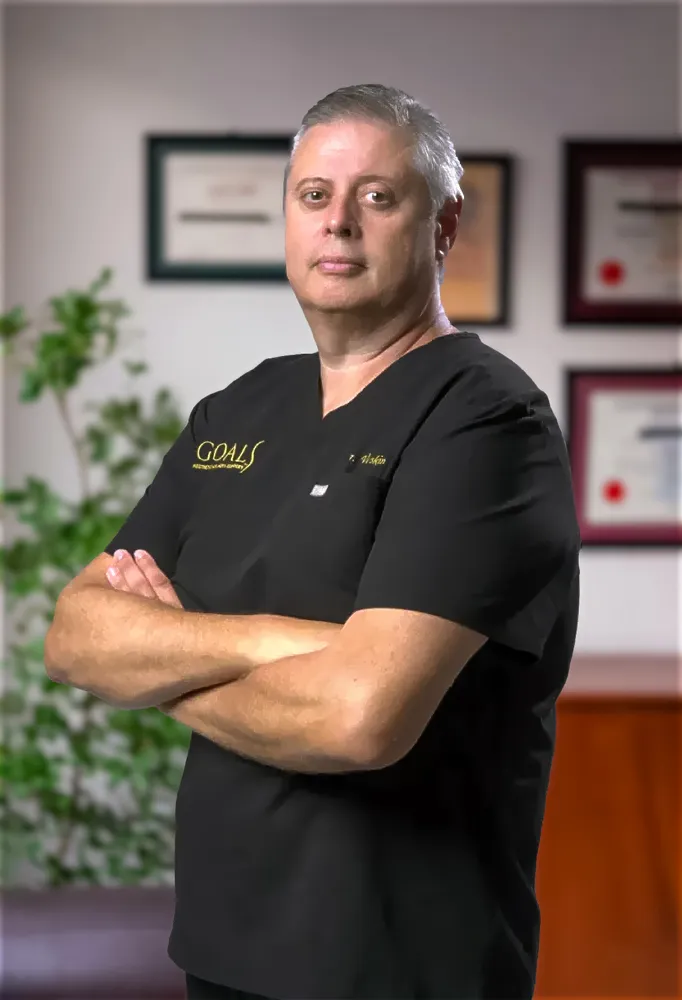
Dull or Tired Skin
Skin looks dull or tired and you want a natural, fresh glow.
Prp facial philadelphia for natural glow. A regenerative facial using your own blood to build collagen and refresh tone, texture, and fine lines, in PA.
From $1,200
Free Consultation
Your consultation is free and carries no obligation.
Goals Aesthetics & Plastic Surgery – Philadelphia
1420 Locust St #421Mon–Sat, 10:00–19:00 local time
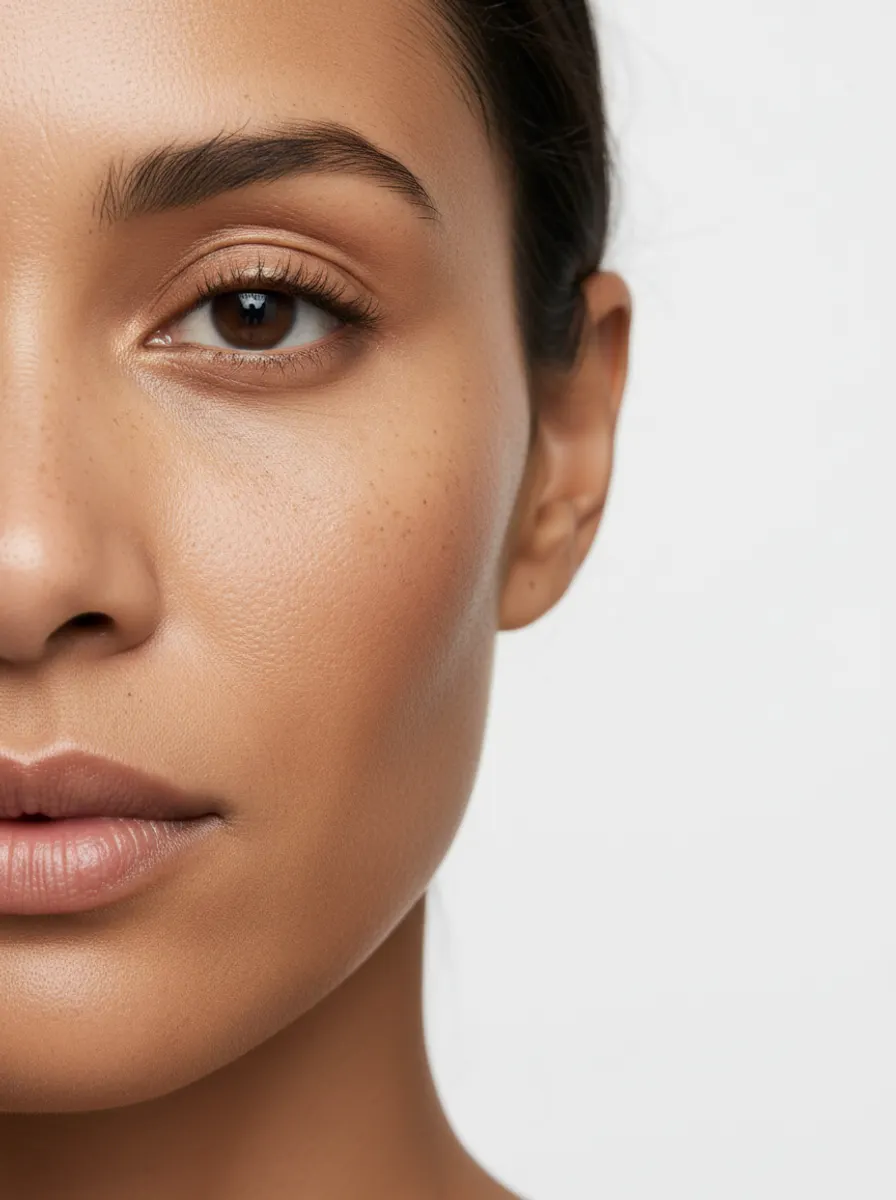
Surgeon: Dr. Sergey Voskin
Redefining Skin & Aesthetics with Safety, Science, and Care
PRP facial rejuvenation uses your own blood to refresh your skin. A provider draws a small sample, spins it to concentrate the platelets and growth factors, then applies the plasma with microneedling or fine injections. This builds collagen, improving tone, texture, and fine lines. A natural treatment with little downtime.
A provider draws a small sample of your blood, much like a routine blood test, to prepare the platelet-rich plasma your treatment uses.
The sample is spun in a centrifuge to separate and concentrate the platelets and growth factors that renew your skin.
The plasma is applied with microneedling or fine injections. Over the weeks your skin builds collagen, so tone and texture refresh. A short series gives the best result in Philadelphia.
Candidacy
PRP facial rejuvenation suits people who want a natural refresh for dull skin, uneven texture, or early fine lines, and who prefer their own blood to synthetic products.
Skin looks dull or tired and you want a natural, fresh glow.
Uneven texture, early fine lines, or enlarged-looking pores you would like softened.
You like that PRP uses your own blood rather than synthetic fillers or products.
You want a refresh you can fit around your life with only minor, short-lived redness.
Not sure if it suits your skin?
Our surgeons
Experienced providers
Each surgeon’s training and licenses are listed on their own page.
Results vary with your skin, your starting point and how many sessions you have. Your consultation covers what is realistic for you, before you commit to anything.
Prefer to talk now?(833) 462-5769
Weighing what each uses, how it works, when you see results, and what it suits helps you and your provider choose between a PRP facial and dermal fillers.
| Criterion | PRP Facial at Goals | Dermal Fillers |
|---|---|---|
| Uses | Your own blood plasma. | A gel product, often hyaluronic acid. |
| How | Stimulates your own collagen. | Adds volume right away. |
| Results | Build gradually over weeks. | Seen at once. |
| Goal | Refresh tone, texture, and overall skin quality. | Add volume or shape. |
| Approach | Natural, regenerative, your own blood. | A product added to the skin. |
Your journey
6 Steps to Natural Glow
Meet our team to talk through your skin goals, review your skin, and plan the right number of sessions.
Your provider confirms a PRP facial suits your skin and maps out a simple plan, with clear guidance to prep for the day.
On the day, a small blood sample is drawn and spun to concentrate the plasma, while the area is cleansed and prepped.
The plasma is applied with microneedling or fine injections across the area, delivering it where it can renew the skin best.
Skin may look a little pink at first, which settles fast, then refreshes over the following weeks.
Return for a short series spaced a few weeks apart, then occasional sessions to keep the glow.
Benefits
A PRP facial refreshes your skin gradually as it builds collagen, improving tone, texture, and fine lines over a series. Using your own blood, it looks natural.
Fresher, brighter, more radiant-looking skin.
Softer, smoother texture as collagen builds over the weeks after treatment.
On a work day or a night out, fresher, smoother skin can help you feel more confident going makeup-free in everyday Philadelphia life.
The look of fine lines is softened as the skin renews.
Your own blood, no synthetic fillers or products.
Safety
Because PRP uses your own blood, the reaction risk is low. We review your skin first, use sterile technique, and give clear aftercare, so it stays safe and comfortable.
PRP uses plasma from your own blood, so the risk of an allergic reaction to it is very low.
Trained providers following careful, sterile preparation and technique.
Simple aftercare, like sunscreen, with easy access to the Philadelphia team.
Pricing
Cost depends on the number of sessions in your plan. We confirm it at consult and explain it up front, with packages often available.
Financing / payment plans
Series packages often cost less than single sessions.
Transparent pricing: no hidden fees, everything explained up front for you.
Prices shown are starting prices and depend on the number of areas treated. Final pricing is confirmed at your consultation. Cosmetic procedures are not covered by insurance.
Try it
Pick a procedure to see an estimate. Your numbers stay on your device. We do not see or save them.
This is an estimate, not a quote. It splits the starting price over the months you pick, with no interest. Lenders set your real rate and terms. Your price is confirmed at your consultation.
Why Goals
A Locust St location in Center City Philadelphia, by transit or car.
A plan matched to your skin and goals, not a single set routine.
Providers who do skin treatments daily.
A regenerative refresh using your own blood, little downtime.
Thousands of skin and aesthetic treatments done well network-wide.
FAQ
A PRP facial, sometimes called a vampire facial, is a regenerative treatment that puts your own blood to work refreshing your skin. A provider takes a small sample, spins it in a centrifuge to concentrate the platelets and growth factors into platelet-rich plasma, then works that plasma into the face, usually with microneedling or fine injections. The growth factors cue your skin to produce fresh collagen, improving tone, texture, and the look of fine lines across the following weeks. Since it relies on your own blood instead of a synthetic product, it is a natural, regenerative approach, and it works best as a short series.
Most people find it quite manageable. A numbing cream usually goes on first, so the microneedling or injections feel like mild pricking or pressure rather than real pain, and the blood draw is just like a routine test. Downtime is minimal: your skin can look pink or flushed, a little like a mild sunburn, for the rest of the day and sometimes into the next, with the chance of slight swelling or tiny pinpoint marks that settle fast. Most people get back to their normal routine right away, and your provider gives simple aftercare, including sunscreen, to support healing.
PRP works step by step, since it stimulates your own collagen instead of adding instant volume like a filler. A fresh glow may show within a week or two, but the more meaningful gains in texture, tone, and fine lines build over the following weeks and months as new collagen forms. Most people get the best result from a short series spaced a few weeks apart, with the benefit building across the course. Your provider sets realistic expectations for your skin, since results depend on your starting point and how your skin responds.
They do different jobs. Dermal fillers add volume or shape immediately with a gel product, while a PRP facial improves overall skin quality, tone, texture, and fine lines, gradually, using your own plasma, so they answer different goals and are sometimes used together. Microneedling on its own makes tiny channels that spur collagen; a PRP facial often combines microneedling with your plasma, so the growth factors reach into those channels to enhance the renewal. Your provider will explain which approach, or combination, best suits what you want to achieve.
Because PRP uses plasma from your own blood, the risk of an allergic reaction to it is very low, which is a real part of its appeal, and the treatment is carried out with careful, sterile technique. Even so, it is not right for everyone: certain blood conditions, some medications, active skin infections, or pregnancy can make it unsuitable, which is precisely why it starts with a health and skin review. Your provider confirms a PRP facial fits you and is candid if another treatment would serve you better. The aim is always a safe, suitable plan for your skin.
Learn more
When people look into a PRP facial, they tend to arrive with the same practical questions, and the clearest way to explain the treatment is simply to answer them directly. PRP facial rejuvenation uses a small amount of your own blood, concentrated into platelet-rich plasma and returned to the skin, to stimulate your own collagen and renewal. Rather than a general overview, this page is built around the questions people genuinely ask, with honest, straightforward answers to each.
If you're considering it in Philadelphia, you'll probably recognize most of these, and the answers should give you a clear, realistic picture before you ever book a consultation. None of them have hidden catches; the honest version of each is genuinely reassuring once it's laid out.
Yes, it uses your own blood, though far less dramatically than the "vampire facial" nickname suggests. A small sample is drawn, much like routine bloodwork, and spun in a centrifuge to separate out the platelet-rich plasma, the part rich in the growth factors your body uses to heal. That concentrate is then returned to your skin, where it signals collagen production and renewal.
Nothing synthetic or foreign is involved; it's simply a concentrated version of something already in your blood, redirected toward refreshing your skin. The science behind it is well established and has been used in medicine for years, so despite the theatrical name, it's a calm, clinical treatment. Because the material is your own, there's also essentially no risk of an allergic reaction to the plasma itself.
Discomfort is minimal. Numbing cream is applied before the plasma is delivered, so the microneedling or injections feel like mild pricking rather than real pain, and the session is short. Afterward, the most you should expect is for the skin to look pink or flushed, like light sun exposure, and to feel slightly tight for a day or two as it settles.
Downtime is minimal, so most people return to their normal routine quickly, keeping to gentle skincare and daily sunscreen for a few days. There's no peeling or significant recovery, which is why it fits so easily into a busy schedule. If you have an event coming up, booking it a week or two ahead lets any initial pinkness settle and the early glow begin to show.
PRP is a gradual treatment, not an instant one, and that's worth knowing going in. You may notice a subtle glow within the first week or two, but the fuller improvement in tone and texture develops over about four to eight weeks as your skin produces new collagen in response.
Because the result is built from your own collagen rather than deposited as a product, it arrives by degrees and looks natural. The people happiest with PRP are those who understand this timescale and treat it as a gradual investment in their skin rather than a same-day fix. It's the kind of result that has people asking whether you've changed your skincare, rather than whether you've had something done.
For the best result, PRP is usually done as a short series of about three sessions, spaced four to six weeks apart. That spacing gives the collagen prompted by each session time to develop before the next, so the improvements build on each other. After the initial course, occasional maintenance, often every six to twelve months, helps keep the result looking its best, since skin keeps aging naturally.
Your provider tailors the exact plan to your skin and goals, but a short, well-spaced series followed by periodic upkeep is the typical approach. It's also worth noting this facial treatment is distinct from PRP for hair restoration, which uses the same plasma principle on the scalp as a separate treatment.
This is a common and useful question, because they're often confused. A dermal filler adds volume by depositing a gel that physically plumps an area, with results you see immediately; PRP doesn't add volume at all, it improves the quality and texture of the skin by stimulating your own collagen, gradually. They solve different problems, and some people use both.
As for microneedling alone, it creates the channels and triggers a renewal response, but adding PRP supplies concentrated growth factors into those channels, amplifying the effect. In short, filler fills, microneedling stimulates, and PRP boosts that stimulation with your own healing signals. Knowing which problem you're actually trying to solve is the key to choosing among them, and a good provider helps you sort that out.
PRP can genuinely help with the milder versions of these. It softens the look of faint or shallow acne scarring, refines the appearance of enlarged pores, and can improve the texture and tone around the eyes, all by building collagen. What it won't do is erase deep, pitted scarring or correct significant under-eye hollowing, which need other treatments.
So for mild, surface-level concerns, PRP often makes a real, natural-looking difference, while a deeper concern is better matched to a different tool, something an honest provider will tell you plainly at the consultation. Setting that expectation upfront is exactly what keeps people satisfied with the result.
Most healthy adults who want a gradual, natural refresh are suitable. That said, certain blood or platelet disorders, some medications, an active skin infection in the area, certain autoimmune conditions, and pregnancy can all be reasons to wait or choose another option, which is why a brief health review always comes first.
It's not about the treatment being unsafe in general, but about making sure it's right for you specifically. A responsible provider reviews your history honestly and will recommend an alternative rather than proceeding if PRP isn't the best fit. That brief review at the start is part of doing the treatment responsibly, not a hurdle.
Yes. This is one of PRP's real advantages: because it uses your own plasma rather than light or heat, it doesn't carry the pigment-related risks that some laser and energy treatments can pose for deeper skin tones. That makes it comfortable across the full range of complexions.
The one consideration is the microneedling that often delivers it, which an experienced provider performs thoughtfully on darker skin and on anyone with a history of keloid scarring, adjusting the approach accordingly. For the large majority of people, across the full range of skin tones, it's a comfortable, low-risk option. For anyone who's been cautious about treatments because of their complexion, that broad suitability is worth knowing about.
There's no single flat price, since cost depends mainly on whether you book a single session or a package. Because PRP works best as a short series, packages usually offer better value than booking sessions individually, so it's worth asking about them if you're planning the initial course. Everything is explained at the consultation with clear pricing and no hidden fees, and financing and payment plans are available if you'd like to spread the cost. You're always free to start with one session, see how your skin responds, and decide from there.
If your questions aren't all answered here, the next step is simply a consultation where you can ask the rest. Our Philadelphia clinic is at 1420 Locust Street, Suite 420, in Center City, easy to reach by transit or car from across the city and the suburbs. Sessions are performed by trained skin specialists who review your skin and history and tailor each plan to you.
For an instant surface refresh alongside PRP, microdermabrasion in Philadelphia is a gentle, no-downtime option, and the practice-wide PRP facial rejuvenation page covers the broader approach. You can browse the full services in Philadelphia, meet the team, see results in the before and after gallery, read more on the blog, or book a consultation.
About PRP Facial Rejuvenation
PRP Facial Rejuvenation at other Goals clinics
More at the Philadelphia clinic
Explore Goals
Get started
Whether you want a single PRP facial or a full skincare plan, our Philadelphia team can look at your skin and build a simple plan to get you glowing naturally.
Prefer to talk now? (833) 462-5769
Free · No obligation
Tell us how to reach you. A patient coordinator calls you back — usually the same day.
Free · No obligation
Ask me anything. I usually reply straight away.
If you share your number, a Goals coordinator may call or text you about your consultation. Message and data rates may apply.
Nora is an automated chat. She cannot give medical advice or say whether a procedure suits you.