Firmer, Smoother Skin
More collagen for firmer, smoother skin.
A non-surgical facial that uses your own plasma to build collagen, smooth fine lines, and refresh skin tone and texture, with little downtime, at our New York clinics.
From $1,200

Free Consultation
Your consultation is free and carries no obligation.
Clinics
Choose the clinic closest to you. Our patients enjoy the flexibility of scheduling consultations, treatment sessions, and follow-up visits at the New York facility most convenient for their daily commute or parking needs.
Overview
PRP facial therapy uses your own platelet-rich plasma, drawn from a small blood sample, to renew the skin. Packed with growth factors, it is microneedled or injected into the face to rebuild collagen, improve texture, and restore a natural glow.
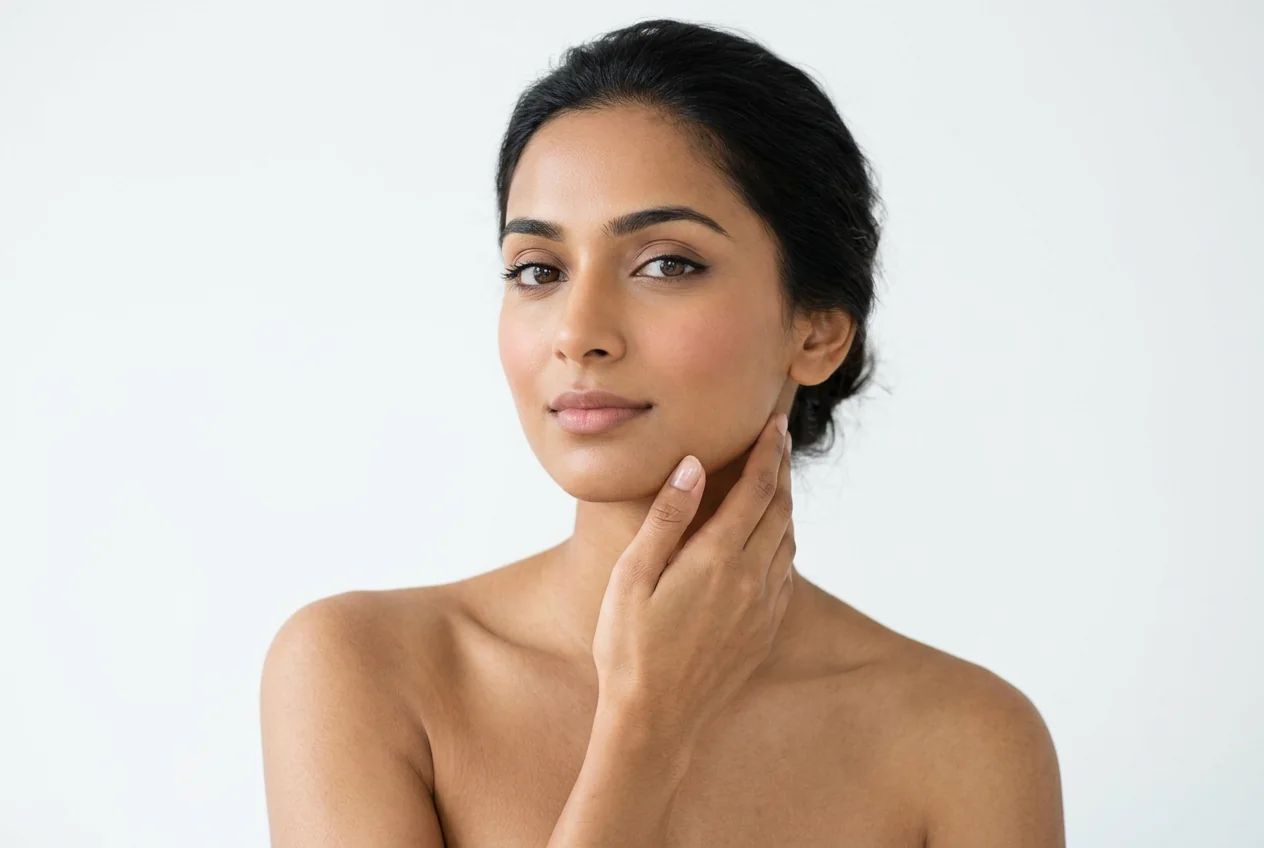
Results vary with your skin, your starting point and how many sessions you have. Your consultation covers what is realistic for you, before you commit to anything.
Prefer to talk now?(833) 462-5769
Benefits
PRP facials can firm and smooth the skin's texture, soften fine lines, reduce the look of scars and enlarged pores, brighten the under-eye area, and leave skin with a healthier, more natural glow.
More collagen for firmer, smoother skin.
Softer fine lines, wrinkles, and crow's feet.
Fewer acne scars and smaller-looking pores.
Less puffiness and fewer dark circles under the eyes.
A healthy, natural glow that builds over time.
Candidacy
A PRP facial suits anyone wanting a natural, non-surgical way to refresh tired skin, soften fine lines, fade acne scars, or restore a glow.
Dull, tired skin, uneven tone, or large pores you want refreshed.
Smile lines, crow's feet, forehead lines, or under-eye creases.
Acne scars, old marks, or uneven pigment you want softened.
A natural option using your own plasma, no surgery or chemicals.
How it works
A small blood sample is taken from your arm, just like a routine blood test, quickly and comfortably.
The sample is spun in a centrifuge to isolate the platelet-rich plasma full of growth factors.
The plasma is microneedled or injected into the face to spark collagen, at our New York clinics.
Seeing how a non-surgical PRP facial differs from a surgical face lift helps you pick the option that fits your skin, your goals, and your schedule.
| PRP Facial | Surgical Face Lift | |
|---|---|---|
| Method | PRP FacialYour own plasma. | Surgical Face LiftIncisions and lifting. |
| Anesthesia | PRP FacialTopical numbing. | Surgical Face LiftUsually general. |
| Uses | PRP FacialBoosts your collagen. | Surgical Face LiftTightens skin. |
| Result | PRP FacialGradual, natural glow. | Surgical Face LiftBigger, longer-lasting. |
| Downtime | PRP FacialA day or so. | Surgical Face LiftWeeks of recovery. |
A general comparison. Which approach suits you is decided at a consultation with a licensed surgeon.
Our surgeons
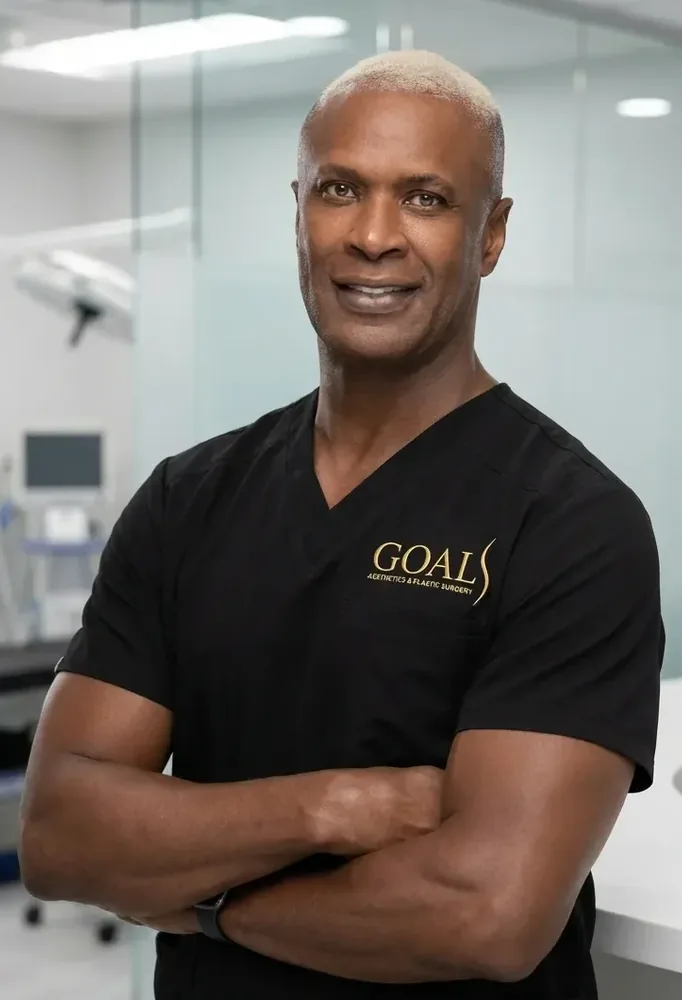
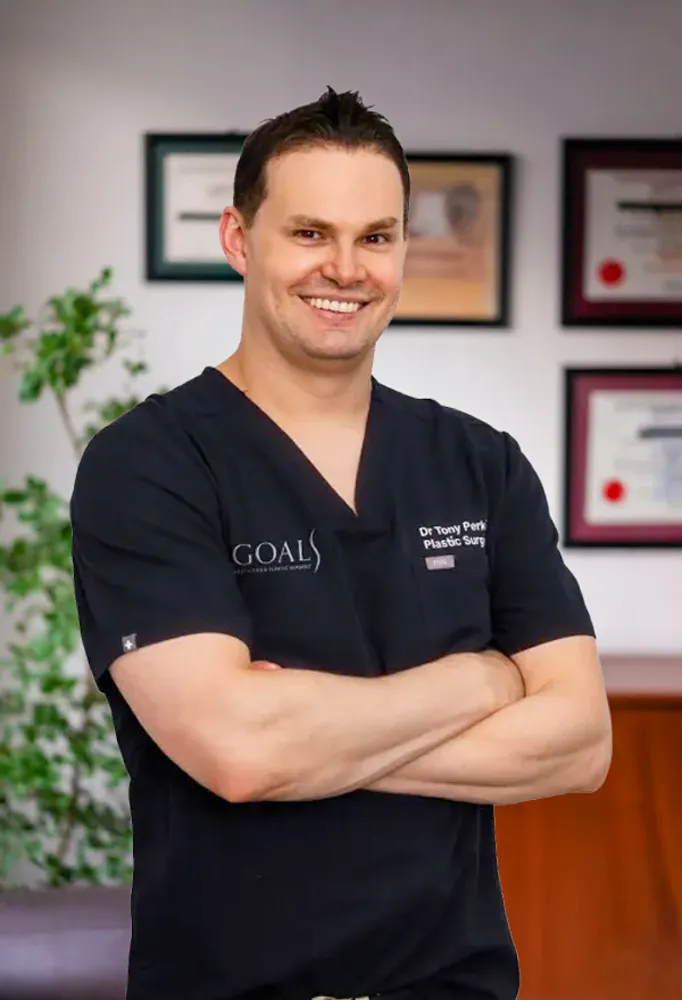
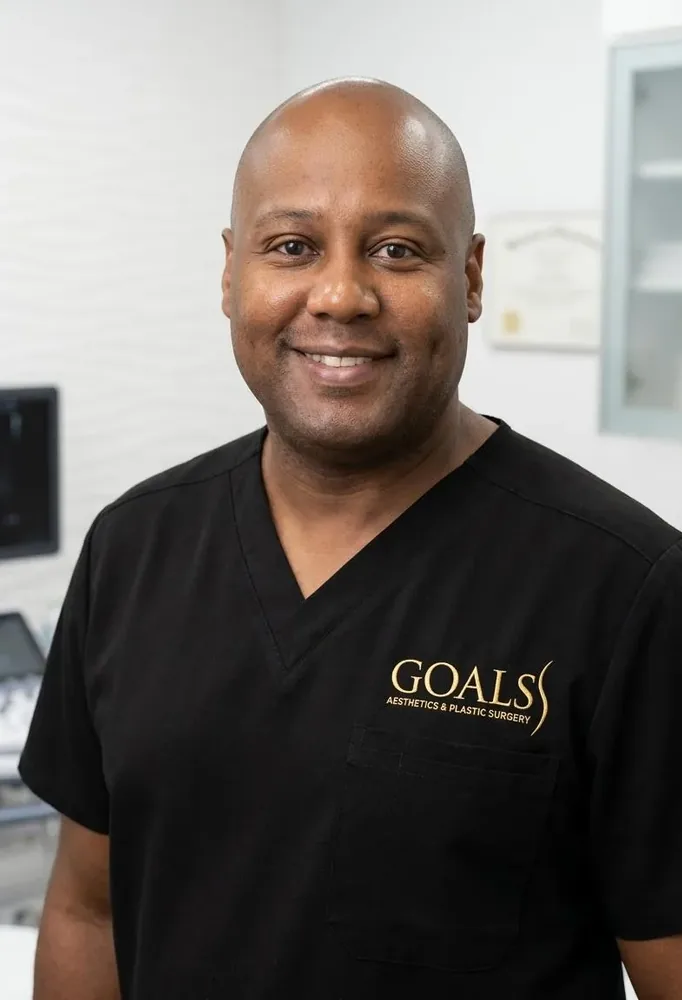
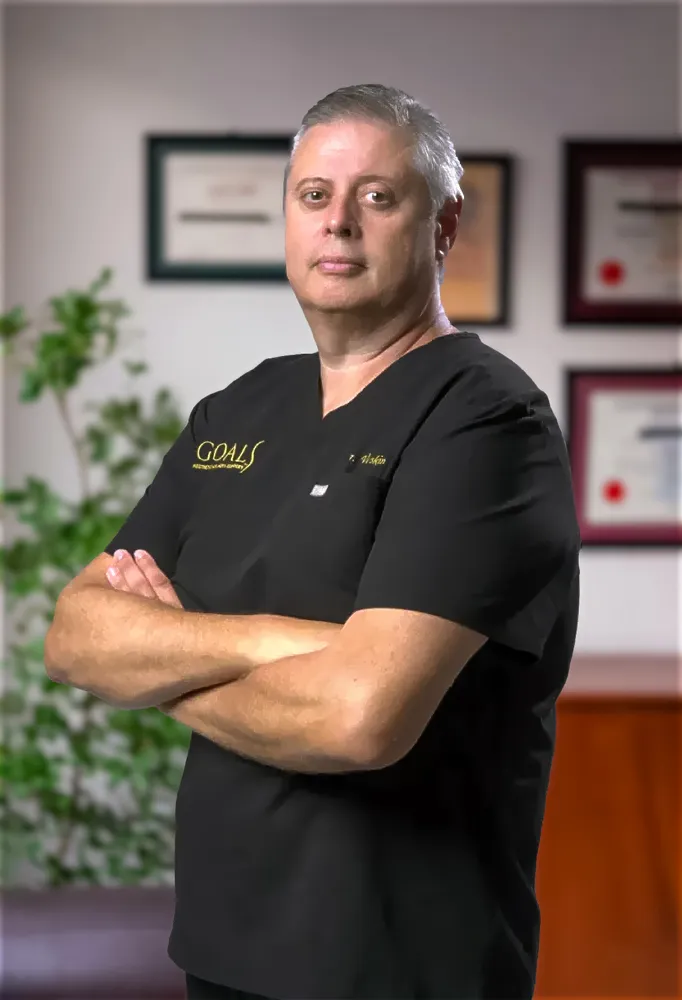
New York skin providers who perform PRP treatments regularly.
Licensed in NY · NJ
Licensed in NY · TX · CA
Safety
Our New York clinics put safety first, with careful skin assessment before every treatment. Because PRP uses your own plasma, it is gentle, and the same protocols keep care consistent and predictable across every location.
PRP uses your own plasma, which greatly lowers the risk of allergic reaction.
Standardized skin-care protocols and checks for consistent results.
Clear aftercare guidance with easy access to the NY team.
Pricing
Your plan depends on how many sessions you need and any add-on treatments, confirmed and fixed at booking.
Flexible financing plans
Confirmed at consultation and locked in at booking.
No hidden fees, and everything is clearly detailed in your contract.
Prices shown are starting prices and depend on the number of areas treated. Final pricing is confirmed at your consultation. Cosmetic procedures are not covered by insurance.
Try it
Pick a procedure to see an estimate. Your numbers stay on your device. We do not see or save them.
This is an estimate, not a quote. It splits the starting price over the months you pick, with no interest. Lenders set your real rate and terms. Your price is confirmed at your consultation.
Why Goals
Several clinics across the New York area, with easy parking and good public transport nearby.
A non-surgical facial, so most patients get back to daily life fast.
Uses your own plasma, so nothing synthetic is introduced and reaction risk is very low.
Every treatment is done by trained, licensed professionals.
Flexible scheduling, with possible weekend or evening slots at select hub clinics.
A gradual, natural glow that looks like you, only fresher.
Your journey
Steps to Fresher Skin.
Meet our team to talk through your skin goals and get a clear plan and treatment schedule built for you.
Your provider suggests how many sessions, usually a short series a few weeks apart, so you know what to expect.
A small blood sample is taken in-office in the U.S.
Your plasma is separated and microneedled or injected into the face, comfortably with topical numbing.
With little downtime, most patients get back to daily life within a day, maybe some redness.
Your glow builds over the weeks as collagen grows, with follow-ups to track and maintain results.
Timelines are typical. Your surgeon sets yours at your consultation, and recovery differs from person to person.
FAQ
Essentially yes. Vampire facial is the nickname for a PRP facial, so called because it uses your own blood. The name sounds dramatic, but it is gentle: a small draw, the plasma spun out, then microneedled or injected into the skin. Most people find the session calm and comfortable.
Not much. Your skin is numbed with a topical cream first, so the microneedling feels like a light prickling or vibration rather than pain, and any injections are quick. The blood draw is the same small pinch as a routine test. Most people find the whole thing tolerable and are surprised how mild it is.
The collagen your skin builds is long-lasting, but skin keeps aging, so results are not permanent. After your initial series, most people keep the glow up with a maintenance session every six to twelve months. How long yours hold depends on your skin, age, and habits like sun and smoking. Your provider suggests a rhythm that suits you.
Not right away. It is best to leave the skin bare for the rest of the day, especially with microneedling, since the channels are still open and you want to avoid clogging them. Most people return to makeup the next day once redness has settled. Your provider gives you simple aftercare so the skin gets the most from it.
For skin quality, texture, and glow, many people see a real difference, though it is gradual rather than dramatic. It works by prompting your own collagen, so it improves the skin you have rather than lifting sagging. It suits realistic expectations. For a big, instant change, other options are worth discussing.
A few people. Because PRP relies on your own platelets, certain blood conditions or clotting medications can make it unsuitable, and it is generally set aside during pregnancy. Active skin infections nearby are another reason to wait. The consultation checks this, where a provider reviews your health and tells you honestly if it is right for you.
About PRP Facial Rejuvenation
PRP Facial Rejuvenation near you
Explore Goals
Patient Guides
Written by the team that performs the procedure, to read before your consultation.
 How to Verify a Plastic SurgeonFour free checks that take ten minutes: the NPI registry, the state medical board, ABMS board certification and the facility’s accreditation. Step by step, with every link.Read the guide
General information, not medical advice. What applies to you is decided at a consultation with a licensed surgeon.
Get started
Whether you are weighing a PRP facial, microdermabrasion, or another skin treatment, our team will build a safe, realistic plan for you.
Prefer to talk now? (833) 462-5769
Learn more
The thing that makes a PRP facial different from almost every other skin treatment is that nothing foreign goes into your face. PRP stands for platelet-rich plasma, and it comes from a small sample of your own blood, spun down to concentrate the platelets and the growth factors they carry.
Those growth factors are the same signals your body uses to heal itself, and when they are delivered back into the skin, they nudge it to rebuild collagen and repair on its own. So this is not a filler that adds volume or a chemical that resurfaces the surface; it is your own biology, concentrated and redirected. That is why people who are wary of synthetic products are often drawn to it, and it is the right place to start understanding what the treatment does.
The process is simpler than the science sounds. It starts with a small blood draw from your arm, no different from a routine blood test, which takes a minute or two. That sample goes into a centrifuge that spins it fast enough to separate the platelet-rich plasma from the rest of the blood, leaving a small amount of golden concentrate.
Then that plasma is delivered into the skin, either through microneedling, where fine channels let it sink in across the whole face, or through targeted injection into specific areas. The whole visit is short, done in-office with topical numbing for comfort, and you walk out the same day. There is nothing exotic about the appointment itself; the work happens afterward, quietly, as your skin responds.
PRP is versatile, which is a large part of why it has caught on. It is used to freshen dull, tired skin and even out tone, to soften fine lines around the eyes and mouth, to improve the look of acne scars and old marks, and to shrink the appearance of large pores. Around the under-eye area it can brighten and reduce a tired, hollow look.
What ties all of that together is that it works by improving the quality and texture of your skin from within rather than freezing muscles or filling lines, so the change reads as skin that simply looks healthier. It is not a tool for lifting sagging skin or erasing deep folds, and being clear about that from the start is what keeps expectations honest.
Here is the honest catch with PRP, and it is worth understanding before you book: it does not work overnight. Because it stimulates your own collagen rather than adding something ready-made, the results build gradually as new collagen forms over the following weeks. You may notice a fresh glow within a few days, but the real change develops over roughly four to eight weeks and keeps improving after that.
For someone expecting an instant, dramatic difference, that can feel slow. But it is exactly that gradual, self-generated quality that makes the result look natural rather than done, which is the whole appeal. You are trading immediacy for a change that looks like your skin on a good day, not like something applied to it.
A single PRP session gives your skin a real boost, but the fuller results come from a short series. Most people do best with around three sessions spaced roughly four to six weeks apart, which gives the collagen time to build in layers, each session reinforcing the last. Think of it less as a one-off event and more as a short course, after which many people come back for occasional maintenance every six to twelve months to keep the results topped up.
This is not a treatment that fixes everything in one visit and is done forever; it is an ongoing, gentle investment in your skin's quality. Knowing that going in helps you plan both the schedule and the cost realistically rather than expecting a single appointment to carry the whole result.
This is one of the treatment's real strengths, especially for anyone who cannot disappear for a recovery. Downtime is minimal: you may notice some redness or mild swelling for about twenty-four to forty-eight hours, a little like a light sunburn, and then it settles. If microneedling is used, the skin can feel slightly rough or pink for a day.
Most people head back to normal life the same day or the next, which is a big part of why PRP fits busy schedules so well. That said, minimal is not the same as none, so it is sensible to book a session when you have a low-key day or two afterward rather than right before a big event, and to follow the simple aftercare your provider gives you.
People are often surprised by how ordinary the appointment is. After the blood draw, your skin is cleansed and a topical numbing cream goes on and sits for a while, so by the time the plasma is applied, the area is comfortable. Microneedling feels like a light vibration or prickling across the skin rather than anything sharp, and injections, where used, are quick.
The whole thing is more relaxed than most people picture from the name, and there is no anesthesia to recover from and no operating room involved. Many patients describe it as closer to a slightly intense facial than to a medical procedure, which is a fair way to think about it, and it is why the appointment slots easily into an ordinary day.
It helps to see the two side by side honestly, because they are not really competitors. A surgical face lift physically lifts and tightens sagging skin through incisions, under anesthesia, with weeks of recovery and a bigger, longer-lasting result; it is the answer when gravity and significant laxity are the problem.
A PRP facial does not lift anything. It improves the quality, texture, and tone of the skin you have, with almost no downtime and a gradual, natural result, and it is the answer when your skin looks tired, dull, or textured rather than fallen. Many people who are not ready for surgery, or do not need it, use PRP to keep their skin looking its best for years. Choosing between them is really about matching the tool to whether your issue is skin quality or skin position.
For many people, a PRP facial is one part of a broader skin routine rather than the only thing they do. It pairs naturally with Microdermabrasion in New York to exfoliate and prime the surface so the plasma works on fresh skin, and it can complement J-Plasma Skin Tightening in New York when some firming is wanted alongside the glow, since the two address different things.
PRP also works well with microneedling, which is often how it is delivered in the first place, and alongside fillers when volume is part of the goal. Thinking of your skin as something maintained with a few complementary treatments, rather than fixed by a single one, is usually what gives the most complete result, and a good consultation maps out which combination actually suits your skin.
Few treatments reward the right provider as clearly as this one, even though it is non-surgical. Drawing and preparing the plasma correctly, judging how much to use and where, choosing between microneedling and injection for your concerns, and delivering it at the right depth all shape how well it works, and doing it cleanly and safely matters as much as doing it skilfully.
A rushed or poorly prepared treatment simply will not give the same result, and skin is not somewhere to cut corners. Our providers do this regularly rather than occasionally, which is what keeps the results consistent and the experience comfortable. Our providers do this regularly rather than occasionally, which is what keeps the results consistent and the experience comfortable, and it is worth choosing carefully for any treatment involving your skin.
City life is not always kind to skin. Stress, short nights, pollution, and long hours all show up on your face over time as dullness, uneven tone, and tired-looking skin, and those are exactly the things PRP is good at refreshing. The minimal downtime is a genuine fit for a busy New York schedule, since you can have a session and be back at work or out the same day rather than needing to hide away.
With clinics in Brooklyn, the Bronx,, you can fit the appointments and the short follow-up series into your week at whichever clinic is closest. That matters for a treatment done as a series instead of one visit. For people who want to care for their skin without pausing their lives to do it, that mix is a big part of the draw.
Every face is different, so the plan is built around yours. What you are trying to improve, whether it is texture, tone, fine lines, scars, or under-eye tiredness, guides how the plasma is delivered and where. Your skin's current condition sets how many sessions are likely to give the result you want, and how often you will want maintenance afterward.
Your schedule and how quickly you want to see change factor in too, since PRP rewards patience rather than delivering overnight. The point of planning around your specifics rather than a fixed package is that your skin gets what it actually needs, and the consultation is where a provider looks closely, sets honest expectations, and lays out a schedule that fits both your skin and your life.
PRP is gentle and safe for most people, since it uses your own blood, but it is not right for everyone at every moment. The people who benefit most have skin that looks tired, dull, or textured and want a natural refresh rather than a dramatic change, and who are comfortable with results that build over weeks. Because the treatment relies on the quality of your own platelets, certain blood conditions or medications that affect clotting can make it less suitable, which is exactly the kind of thing the consultation checks. It is also generally set aside during pregnancy as a precaution.
Being a non-smoker helps, since smoking works against the collagen-building the treatment is trying to encourage. None of this is decided from a form; a provider reviews your health and your skin in person and tells you honestly whether now is the right time or whether something should be addressed first.
If you have read this far, you are seriously considering it, which is the right moment for a consultation, because a close look at your skin tells a provider far more than any amount of reading, especially about how many sessions you are likely to need and what PRP can realistically do for your particular concerns.
Come with your honest questions about results, timing, how many sessions, cost, and what it feels like, and expect straight answers rather than a hard sell, since PRP is a gradual, natural treatment that suits people with realistic expectations rather than those chasing an overnight transformation. When you are ready, the New York team will look at your skin honestly and help you build a simple plan for the fresher, healthier-looking skin you have been after.
Free · No obligation
Tell us how to reach you. A patient coordinator calls you back — usually the same day.
Free · No obligation
Ask me anything. I usually reply straight away.
If you share your number, a Goals coordinator may call or text you about your consultation. Message and data rates may apply.
Nora is an automated chat. She cannot give medical advice or say whether a procedure suits you.