Less Discomfort
Relief from pulling and chafing.
Labiaplasty at our New Jersey clinic reshapes the labia for comfort and confidence. A refined surgical procedure with careful technique and a clear recovery plan.
From $4,000

Free Consultation
Your consultation is free and carries no obligation.
Clinics
Visit our New Jersey clinic in Ridgefield. Patients like having their consultations and follow-up visits in one place.
Overview
Labiaplasty is a surgical procedure that reshapes the labia minora, the inner folds around the vaginal opening. Using a trim or wedge technique, the surgeon reduces excess tissue and improves symmetry, easing discomfort and restoring a natural look.

We do not publish patient photographs for this procedure. Your consultation is private, your records are yours, and nothing is shared without your written consent.
Prefer to talk now?(833) 462-5769
Benefits
Many patients notice reduced irritation and a more balanced, symmetrical appearance, which can make exercise and everyday clothing more comfortable. Beyond the physical change, patients often describe feeling more at ease in daily life in New Jersey, with results meant to hold up over time.
Relief from pulling and chafing.
A more symmetric, natural-looking result that feels like you.
Easier wear in leggings, swimwear, and tight clothing without rubbing.
Renewed comfort and self-assurance in everyday New Jersey life.
Permanent, structural change once healed.
Candidacy
Labiaplasty fits women bothered by enlarged or uneven labia, whether the concern is discomfort during activity or the way it looks and feels in everyday New Jersey life.
Pulling, chafing, or pain during exercise, cycling, or intimacy.
Rubbing or a visible bulge in tight clothing, leggings, or swimwear that hurts comfort and confidence.
Enlarged or uneven labia you'd like reshaped for a more balanced look.
Changes after childbirth or with age that you want surgically refined.
How it works
We review your concerns and anatomy, talk through the trim or wedge technique, and plan your labiaplasty around your goals at our NJ clinic.
Under local or general anesthesia, the surgeon reshapes the labia, removing excess tissue and refining symmetry with fine sutures.
You rest with cold packs and prescribed care. Swelling eases within a week, most people are back at work in days, and full healing takes a few weeks.
Knowing how technique, results, downtime, and what each option changes differ helps you make an informed choice about which is right for you in NJ.
| Labiaplasty | Non-Surgical: The Difference | |
|---|---|---|
| Technique | LabiaplastySurgical reshaping of tissue. | Non-Surgical: The DifferenceEnergy-based tightening. |
| Change | LabiaplastyRemoves and reshapes tissue. | Non-Surgical: The DifferenceTone only, no removal. |
| Best For | LabiaplastySize, shape, and asymmetry. | Non-Surgical: The DifferenceMild laxity. |
| Result | LabiaplastyPermanent, structural change. | Non-Surgical: The DifferenceGradual, temporary. |
| Recovery | LabiaplastyA few weeks of healing. | Non-Surgical: The DifferenceLittle to none. |
A general comparison. Which approach suits you is decided at a consultation with a licensed surgeon.
Our surgeons
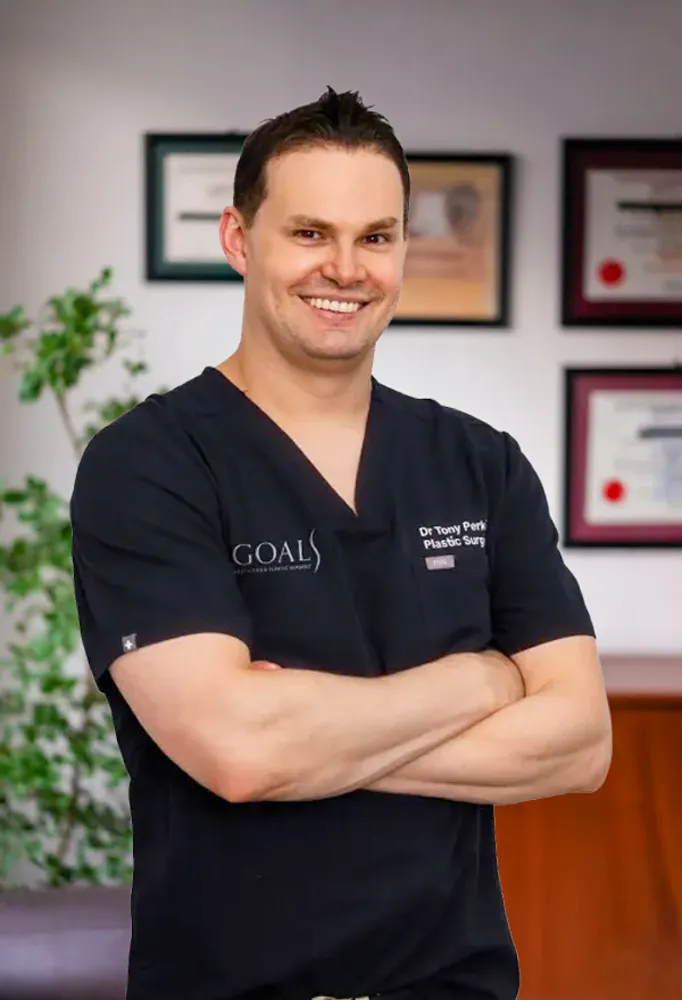
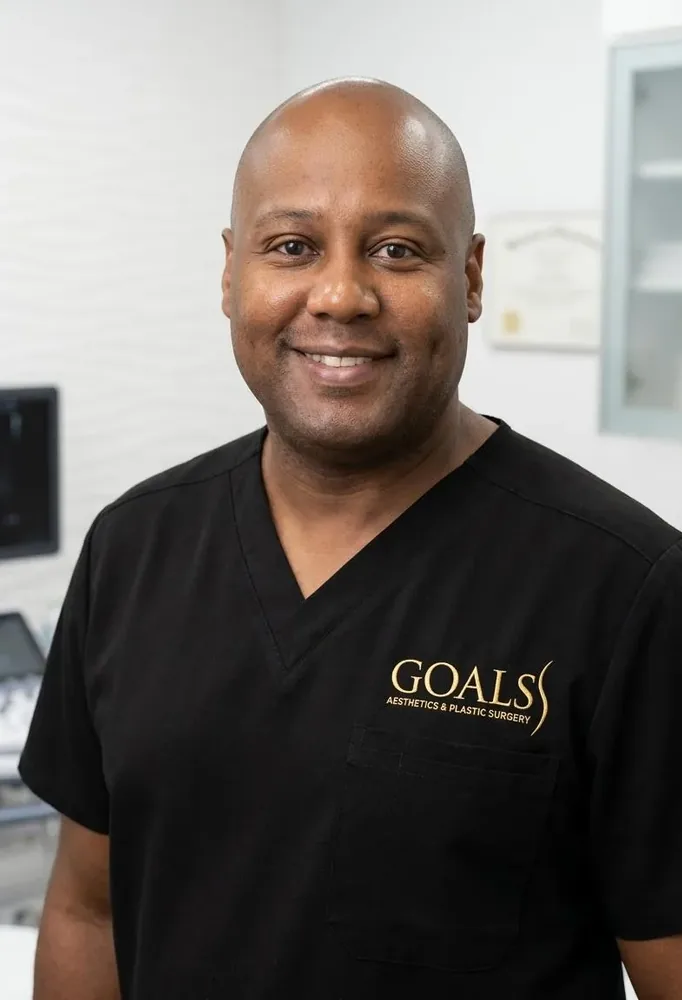
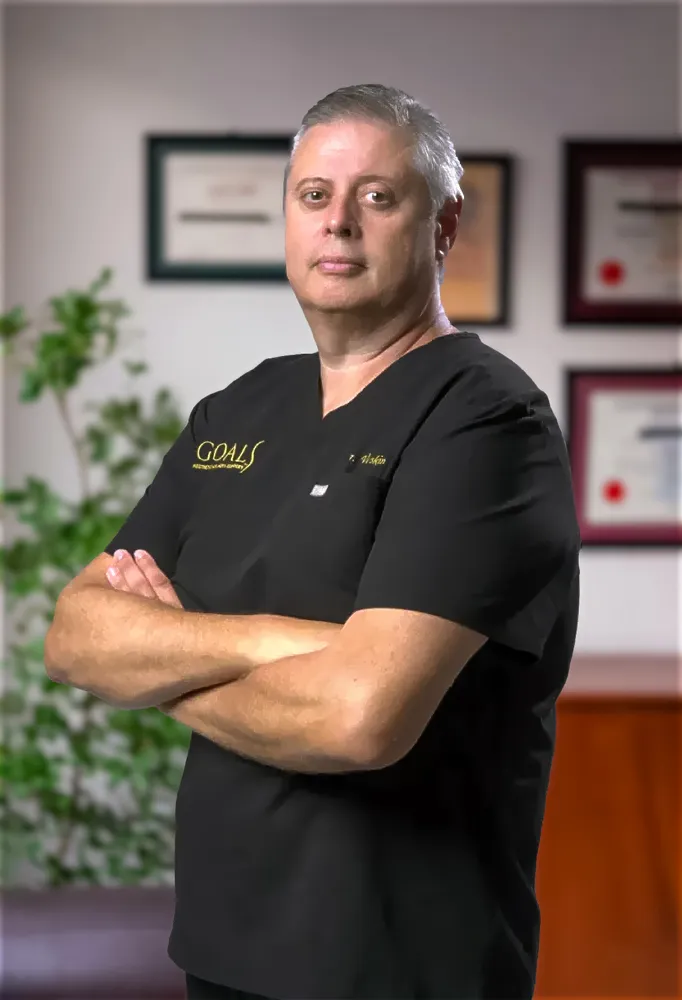
Experienced surgeons with deep feminine-surgery skill.
Licensed in NY · NJ
Licensed in NY · TX · CA
Safety
Our New Jersey clinic takes a safety-first approach, pairing careful screening and anesthesia planning with clear pre- and post-op guidance. Standardized surgical protocols across the network keep every labiaplasty consistent and predictable at each stage.
Thorough health screening and anesthesia planning before every procedure.
Consistent surgical methods and planning for safe, predictable results.
Clear pre- and post-op support with easy access to the NJ team.
Pricing
Final cost depends on your technique and any combined procedures. It's confirmed at consultation and fixed at booking.
Flexible financing / payment plans
Your quote is locked in at the booking stage, unchanged.
Fully clear: no hidden fees, everything spelled out in the contract.
Prices shown are starting prices and depend on the number of areas treated. Final pricing is confirmed at your consultation. Cosmetic procedures are not covered by insurance.
Try it
Pick a procedure to see an estimate. Your numbers stay on your device. We do not see or save them.
This is an estimate, not a quote. It splits the starting price over the months you pick, with no interest. Lenders set your real rate and terms. Your price is confirmed at your consultation.
Why Goals
A convenient clinic location in New Jersey, in Ridgefield, near Route 46.
A discreet, respectful team that makes a private procedure feel comfortable start to finish.
Post-op checks and aftercare, with easy in-person follow-up at our Ridgefield clinic.
A skilled team with deep experience in feminine and intimate surgery.
Flexible scheduling, including possible weekend or evening slots at select clinics.
Thousands of successful procedures across the network.
Your journey
Steps to Feeling Better.
Meet our team to talk over your concerns, review your anatomy, and get a clear surgical plan for your goals.
Schedule your procedure and get clear pre-op guidance, so you know exactly how to prepare before your day at our NJ clinic.
A short pre-op check confirms you're ready and answers questions.
Under local or general anesthesia, the surgeon reshapes the labia using the trim or wedge technique with fine sutures.
Rest with cold packs and prescribed care. Swelling and soreness ease over the first week as you heal.
We check your healing at follow-up visits, and the full result settles over the next several weeks.
Timelines are typical. Your surgeon sets yours at your consultation, and recovery differs from person to person.
FAQ
There's a wide, completely normal range, and no single "correct" size or shape, which is worth hearing plainly. Surgeons who do this every week see the full spectrum of anatomy and treat all of it as ordinary. The question isn't whether you fall outside some standard; it's whether the tissue bothers you, by chafing, catching in clothing, or simply weighing on how you feel. If it does, that's reason enough, and no one needs to measure anything to validate it.
This is the right question, and a careful surgeon welcomes it. Removing too much is the one complication worth taking seriously, because it can cause dryness, tightness, or discomfort later. That's why good practice is conservative: reduce enough to solve the pulling and chafing, keep a natural border, and leave healthy tissue alone.
Not necessarily, and this surprises people. Unlike procedures that tighten the abdomen or the vaginal canal, labiaplasty results tend to hold up through a later pregnancy, since childbirth affects the labia minora far less than the surrounding structures. So it isn't a reason to spend years uncomfortable. Not while pregnant or nursing, though.
Rarely a noticeable one, because of where the incisions sit. With the trim technique the line follows the natural edge of the labia, so it blends into the border that's already there; with the wedge technique the closure hides within the folds, where it's genuinely hard to find. Both use fine dissolvable sutures that don't need removing, and healed scars are usually thin, pale, and difficult to spot even up close. Good aftercare and giving the tissue the months it needs to settle both help them fade.
Both can be addressed, and it's worth being precise about which bothers you. Labiaplasty usually refers to the labia minora, the inner lips, which is what most women want reduced. The labia majora, the outer lips, can also be treated, whether they feel too full or have lost volume. The consultation pins down which tissue is the problem.
Gently, and in that order. Walking is encouraged from the start; it helps healing. Desk work usually resumes within about a week. Light exercise comes back around two to three weeks, but anything with friction or pressure, cycling, spin, horse riding, waits longer, often the full six weeks. Intimacy waits until your surgeon clears you.
Patient Guides
Written by the team that performs the procedure, to read before your consultation.
 How to Verify a Plastic SurgeonFour free checks that take ten minutes: the NPI registry, the state medical board, ABMS board certification and the facility’s accreditation. Step by step, with every link.Read the guide
 Questions to Ask Before Any SurgeryTen questions to ask any plastic surgeon before you book, what a good answer sounds like, the warning signs, and a version you can print and bring to your consultation.Read the guide
General information, not medical advice. What applies to you is decided at a consultation with a licensed surgeon.
Get started
Whether you are considering labiaplasty, vaginal rejuvenation, or another feminine wellness treatment, our New Jersey team is ready to build a safe, realistic plan for you.
Prefer to talk now? (833) 462-5769
Learn more
Most guides to labiaplasty spend their length reassuring you that the procedure is common and your reasons are valid, both true, and both worth saying. But once you've decided the discomfort or self-consciousness is worth addressing, the actual decision in front of you is narrower and more technical than the internet suggests: which of two techniques matches your anatomy, and how conservatively it's done. Get that right and the result looks natural and feels better for good; get it wrong and it's hard to revise.
This guide is built around that choice, because it's the part that actually determines your outcome. Along the way it covers who the surgery suits, what recovery genuinely asks, and how to weigh it at our New Jersey clinic. If you've been quietly researching labiaplasty in New Jersey, you're in ordinary, well-trodden company, and the useful thing now is understanding what you're actually choosing between.
Labiaplasty reduces and reshapes the labia minora, the inner lips of the vulva. When those are enlarged or uneven, they can pull, chafe, or get irritated during exercise, cycling, intimacy, or just wearing fitted clothing, and for many women it's also about appearance and feeling at home in their own body. The procedure handles both. It's genuinely surgery, not an energy treatment or a filler, which is worth saying plainly, so it means anesthesia, precise technique, sutures, and a real if manageable recovery.
In exchange, the change is structural and lasting rather than gradual and temporary. One point of confusion worth clearing up: labiaplasty most often means the labia minora, but the labia majora, the outer lips, can also be addressed in a separate or combined procedure, so part of the consultation is pinning down exactly which tissue bothers you and matching the plan to it.
There are two established ways to do labiaplasty, and the trim technique is the more direct of them. It removes tissue along the outer edge of the labia minora, which is straightforward and reliable, and it also takes away darker or uneven edges, something a number of women specifically want handled.
The result is a clean, refined border. It tends to suit longer or uneven labia, and anyone whose concern includes the color or irregularity of the edge itself, since trimming addresses the rim directly. The trade is that the incision runs along that border, though placed along the natural line it typically heals thin and pale. It's the technique many women picture when they imagine the procedure, and for the right anatomy it's an excellent, predictable choice.
The wedge technique takes a V-shaped section from the fullest part of the labia and rejoins the remaining tissue, which keeps the natural edge and its original color and texture intact. It tends to need fewer sutures along the border, and the closure tucks within the folds where it's genuinely hard to find afterward.
It suits women who want to reduce size while preserving the original edge exactly as it was, rather than creating a new one. Neither technique is universally better, and this is the crux of the whole decision: they suit different anatomies and different priorities about what the edge should look like. At your consultation your surgeon explains which approach fits you and why, so you go in understanding the plan rather than just trusting it.
Whichever technique fits, the single most important principle is restraint, and it's worth understanding before you book. The one complication genuinely worth taking seriously in labiaplasty is removing too much tissue, because over-resection can cause dryness, tightness, or discomfort later, and it's difficult to revise. Good practice is therefore deliberately conservative: reduce enough to solve the pulling and chafing, keep a natural border, and leave healthy tissue alone.
This is why the choice of surgeon matters more here than almost anywhere in aesthetic surgery, since the skill isn't in taking a lot, it's in taking exactly the right amount and no more. A careful surgeon welcomes the question "could it be taken too far," and if you ask it and get a thoughtful, conservative answer, that tells you a great deal about who's operating.
The women happiest with labiaplasty usually arrive with a clear, specific concern. For some it's discomfort, a constant awareness during workouts, cycling, or intimacy, or irritation from leggings and swimwear. For others it's appearance, whether enlarged, asymmetric, or changed after childbirth or with age. Many have both, and what they share is a personal, considered decision rather than a whim, with realistic expectations about what surgery can and can't change.
Age is rarely a barrier on its own; there are women in their twenties who've been uncomfortable since adolescence, women after childbirth, and women dealing with later-life changes, all with valid reasons. What matters more than age is good general health, realistic expectations, and being clear the decision is genuinely yours. If your concern is mild internal laxity rather than the labia themselves, a non-surgical vaginal rejuvenation option may fit better, and an honest consultation will say so plainly rather than steering you toward surgery.
This is usually the single biggest worry, and it deserves a direct answer. Done well, labiaplasty is performed specifically to preserve the nerve endings that matter for sensation. The reshaping targets the excess tissue while protecting the areas responsible for feeling, which is why the standard, honest answer is that sensation is preserved, and many women actually report things feel better afterward simply because the discomfort they lived with is gone.
The important caveat is that this outcome depends heavily on technique, which loops back to the same theme running through this whole page: on a procedure this precise, the experience of the surgeon is not the place to economize, because it's their hand that protects what matters while refining the shape.
Labiaplasty is a fairly short procedure, often around an hour, though it varies with technique and whether it's combined with anything else. It runs under local anesthesia, sometimes with sedation, or under general anesthesia, depending on your case and comfort, and you won't feel the procedure itself.
The surgeon reshapes the tissue precisely, checks symmetry deliberately as they go, and closes with fine, dissolvable sutures placed along natural lines so scarring stays discreet. Because it's day surgery, you go home the same day with a clear aftercare plan. The delicacy of the area means care and precision matter more than speed, which is exactly the point of choosing an experienced surgical team, and you leave knowing what to expect over the coming days and how to reach us as you heal.
Recovery is very manageable once you know what's coming. The first few days bring swelling, tenderness, and soreness rather than sharp pain, controlled well with prescribed medication and cold packs, and rest, loose clothing, and keeping the area clean are the priorities. Many women take a few days off and are back at desk work within about a week. Over the next few weeks you ease back into normal life, still skipping strenuous exercise, intimacy, and tampons until your surgeon clears you, usually around the four-to-six-week mark, since anything with friction or pressure, cycling, spin, horse riding, waits longer.
A few practical tips make the early days easier: loose cotton underwear and soft clothing cut down friction, a soft cushion helps with tender sitting in the first week, staying ahead of discomfort with your prescribed medication beats waiting for it to build, and gentle short walks support healing better than days flat in bed. Complete healing takes roughly six weeks, though many feel comfortable in daily life well before that.
One thing many New Jersey patients ask about is combining labiaplasty with other surgery, which is common and can make good sense. Because you go through one anesthesia and one recovery, pairing it with something like a mommy makeover in New Jersey saves time and downtime overall rather than recovering twice, and after childbirth especially, women often tackle several concerns together.
Where internal laxity is also a concern, a non-surgical vaginal rejuvenation step can address that alongside the external reshaping labiaplasty handles, so the whole area is treated in balance. Whether combining is right for you depends on your goals, your anatomy, and your anesthesia plan, all of which your surgeon reviews carefully before anything gets booked, never assumed or rushed. If a single, focused labiaplasty is the better call, that's what we recommend.
Cost is one of the first questions people ask, and the honest answer is that the labiaplasty cost in New Jersey depends on your technique, whether the clitoral hood is addressed, and whether it's combined with anything else. Rather than quote a figure that might not fit you, we confirm your cost at your consultation and fix it at booking, so there are no surprises later, with everything laid out clearly and no hidden fees. For women who'd rather spread the cost, flexible payment plans and financing are available to those who qualify.
Because labiaplasty is usually elective, sorting the money side ahead makes the decision feel calmer and more in your control, and your team walks you through the whole picture, including how combining procedures affects the total. On work this dependent on the surgeon's hands, treat an unusually low headline number with some caution, since skill is not the place to economize.
Labiaplasty results are lasting, because the change is structural. Once you're fully healed, the comfort during exercise and daily activity is usually what women mention first, followed by how much easier and more confident fitted clothing feels, and the reshaped, more symmetric look settles into something that simply feels like you rather than obviously operated on, when the technique is done well.
Scars fade over the months that follow and sit where they stay discreet. Barring major future changes like childbirth, results hold up over the long term, which is exactly why so many women describe wishing they'd done it years earlier rather than living with the discomfort for so long. To see the kind of outcomes our patients get, the Before & After gallery shows real results.
The hardest part, for almost everyone, is booking that first consultation, because the subject feels private and easy to keep putting off another year, and it helps that the whole thing is close to home and handled discreetly. Our New Jersey clinic sits in Ridgefield, in Bergen County, so if you've been searching for labiaplasty near me, the Ridgefield clinic on Broad Avenue keeps the consultation, procedure, and follow-ups a short, low-key trip for many Bergen County patients rather than a cross-state haul.
You can consult in Ridgefield and coordinate care across the network, with your notes and plan following you, and the same standardized protocols and discreet, matter-of-fact team apply there, which patients tell us is what finally put them at ease. The consultation itself is simple and pressure-free: you explain what's bothering you, the surgeon examines respectfully and lays out whether trim or wedge suits you, and together you decide. The full local menu lives on our Ridgefield page, and a private conversation answers far more than another round of late-night reading ever could.
Free · No obligation
Tell us how to reach you. A patient coordinator calls you back — usually the same day.
Free · No obligation
Ask me anything. I usually reply straight away.
If you share your number, a Goals coordinator may call or text you about your consultation. Message and data rates may apply.
Nora is an automated chat. She cannot give medical advice or say whether a procedure suits you.