Natural Over Implants
You want fullness that looks and feels like you, because it is.
Fat Transfer Breast Augmentation uses your own fat, taken from where you have extra, to add natural fullness. One awake procedure at our Maryland clinic, no implants.
From $8,500
Start with Savings
Book a consultation and get a discount on your first visit.
Thousands
Breast and body procedures
100,000+
Procedures Nationwide
10+
Years in body contouring
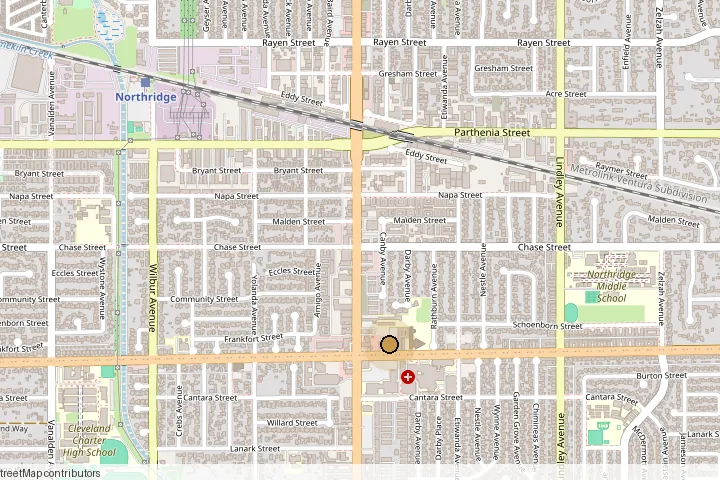
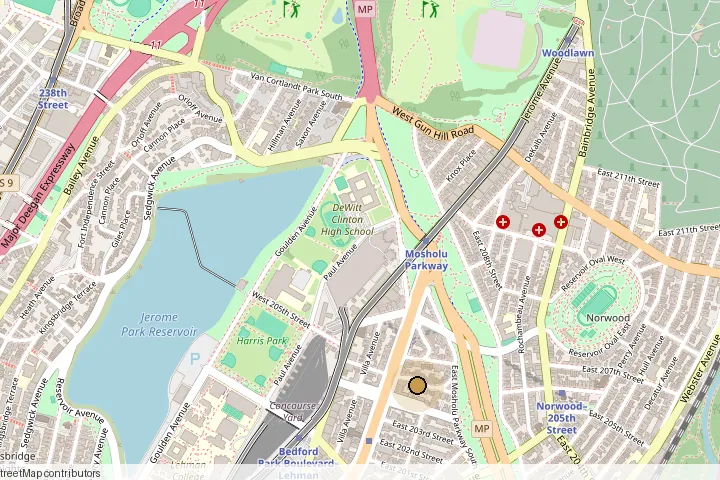
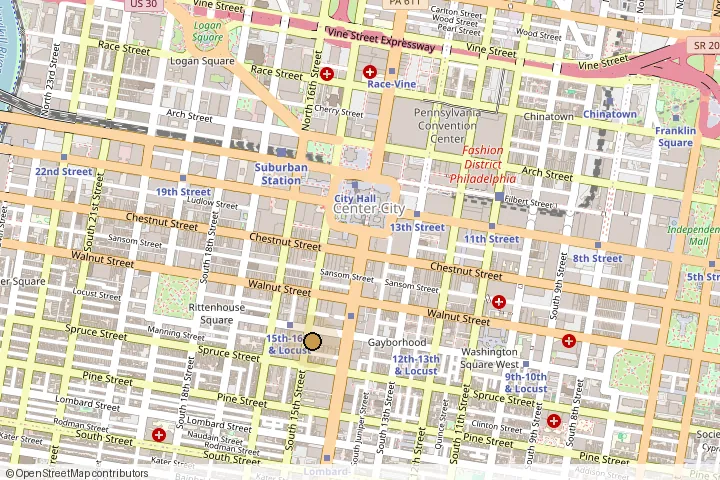
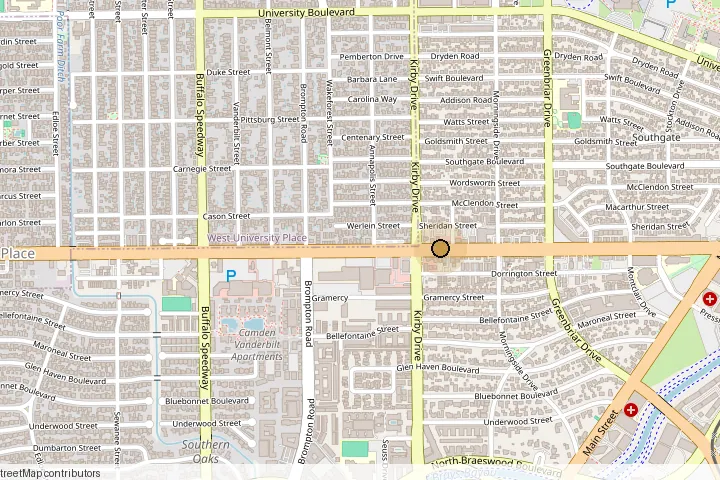
Our Gaithersburg clinic sees women from all over Maryland. Consultation, surgery day, and every follow-up happen in one place, with parking on site and a team that already knows your plan each time you come in.
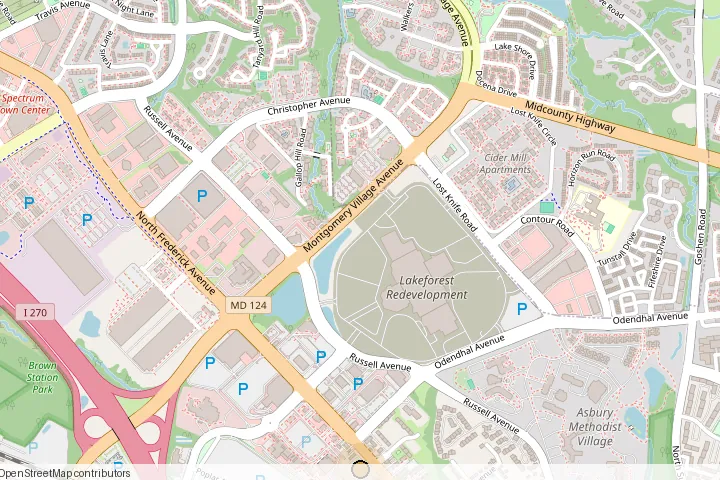 Get directionsGaithersburg438 N Frederick Ave
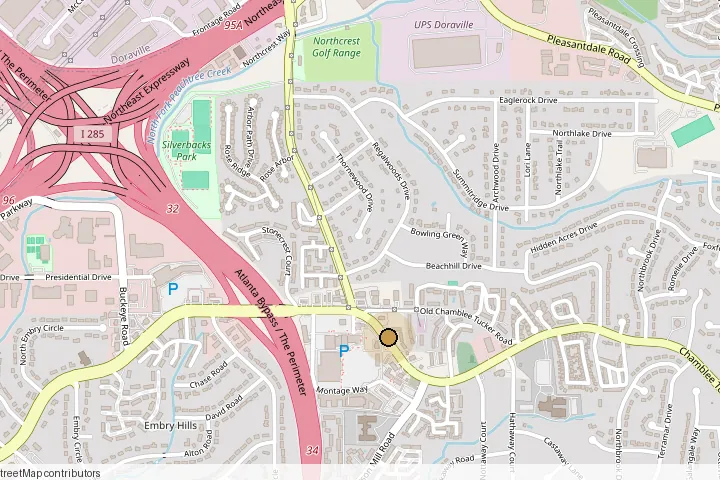 Get directionsAtlanta Tucker Rd.3576 Chamblee Tucker Rd
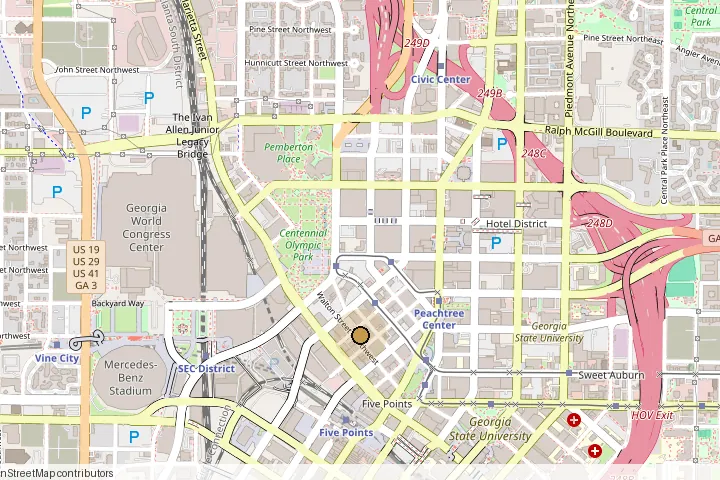 Get directionsAtlanta Walton St.83 Walton St NW
Fat Transfer Breast Augmentation is two procedures in one. Liposuction takes fat from areas that have extra, the fat is purified, then layered into the breasts for a modest, natural increase. No implants, nothing synthetic, and slimmer donor zones.
Liposuction gently collects fat from the belly, flanks, or thighs under local numbing, the same awake method Goals uses. You stay comfortable.
The harvested fat is processed so only clean, healthy cells move forward. Quality here decides how much of the graft survives.
The purified fat goes into the breasts in thin layers at our Maryland clinic, built up gradually so each pass finds blood supply. You see the new shape before you leave.
Fat Transfer Breast Augmentation fits women who want a modest, natural-feeling increase using their own tissue, without implants or the upkeep that comes with them.
You want fullness that looks and feels like you, because it is.
Volume that deflated with pregnancy and nursing, where a subtle restore beats a big change.
You'd happily slim the belly or flanks anyway. Here that fat gets a new job.
Your target is about one size up. Bigger jumps are implant territory, and we say so.
Real Maryland changes from real patients.
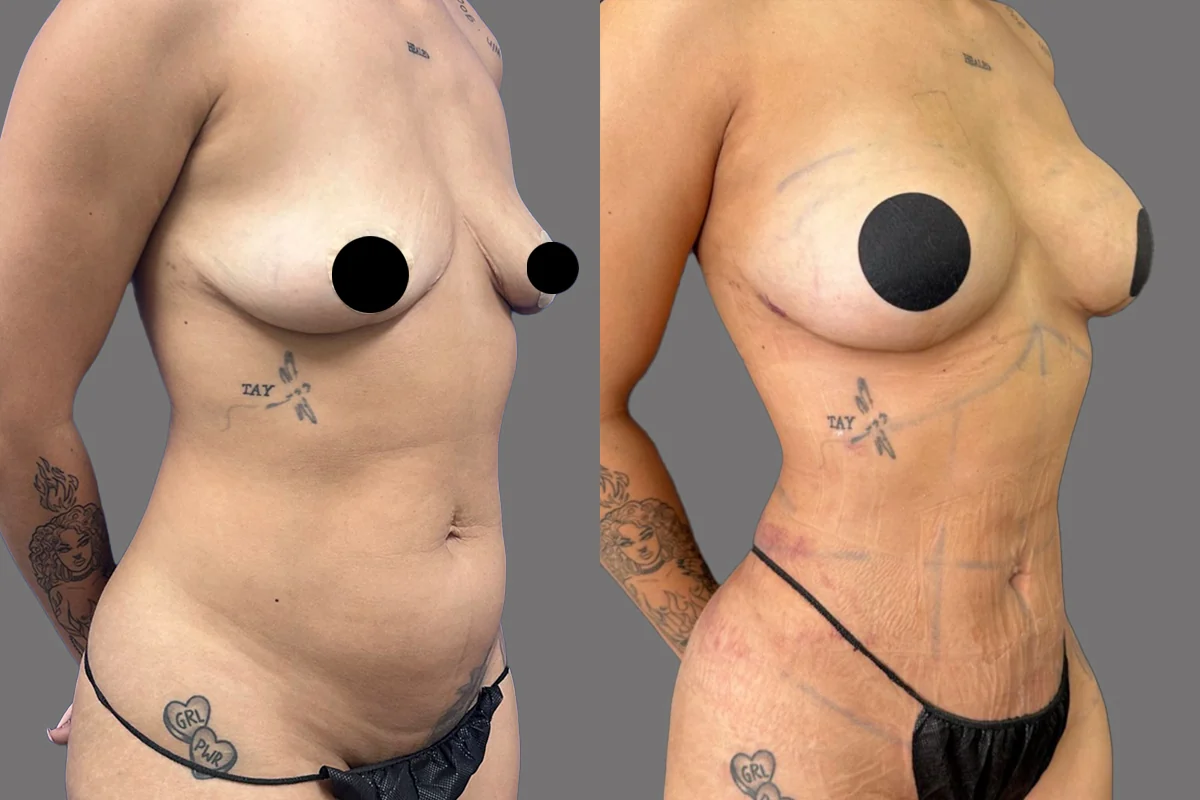
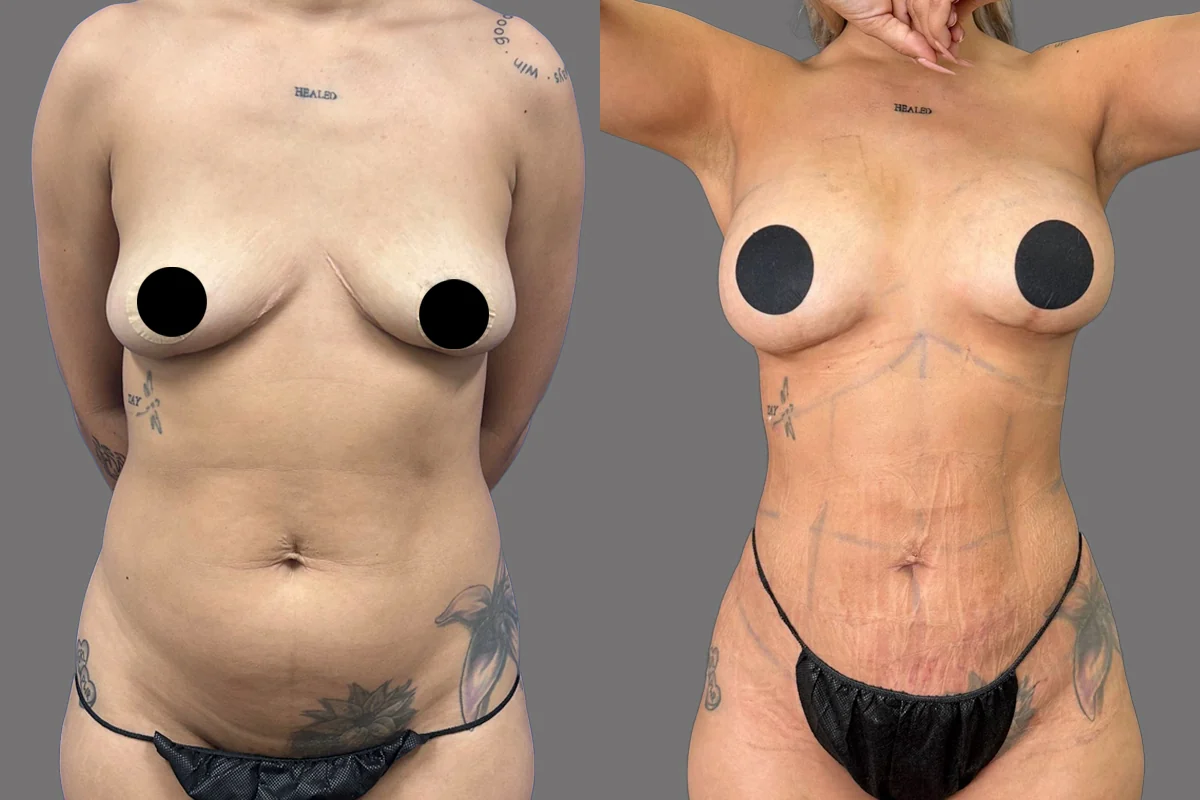
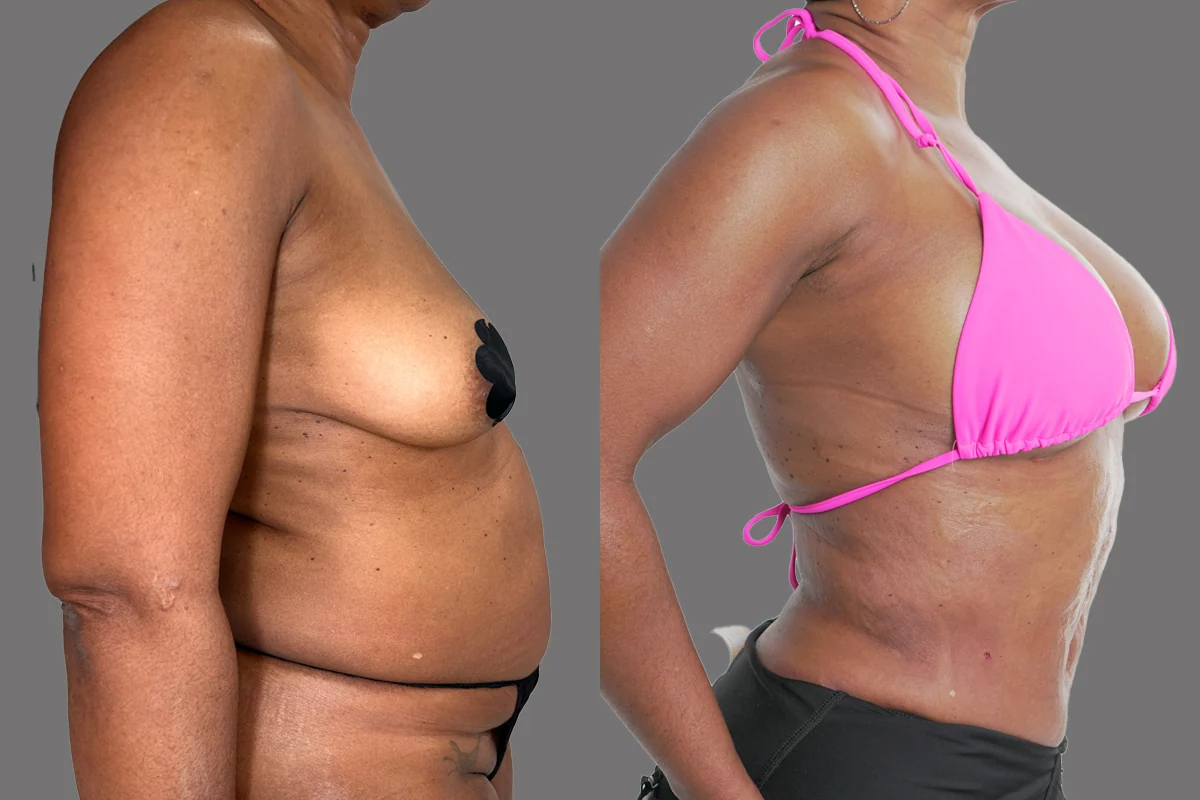
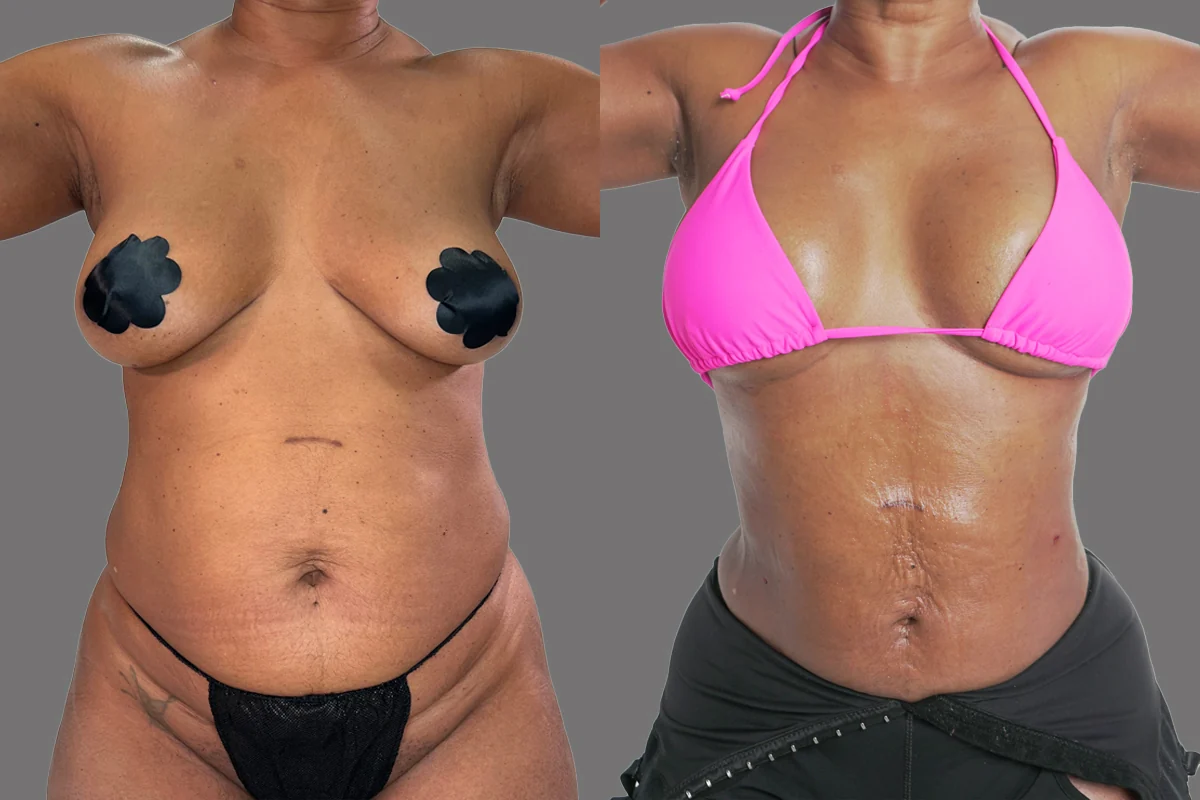
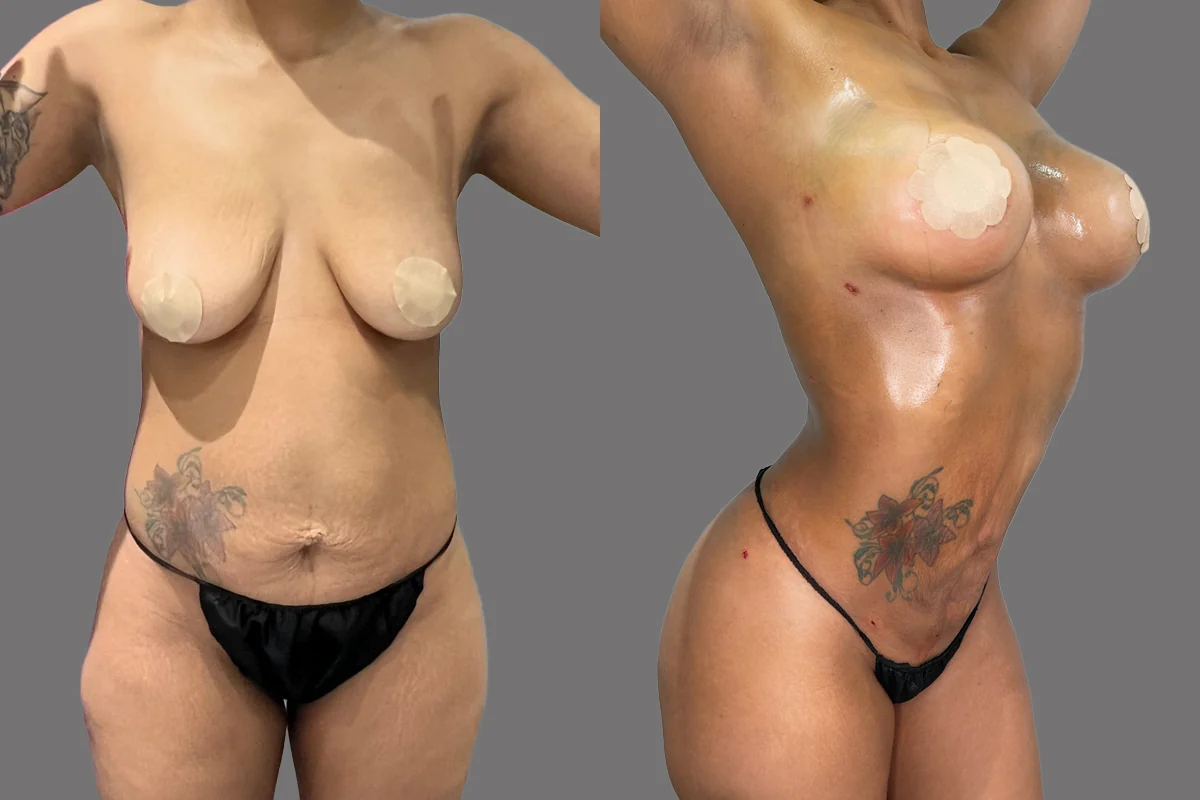
Real patients of Goals, published with written consent. Photographs are not retouched or AI-generated. Individual results vary — these images show outcomes for these patients and are not a guarantee of your own.
Work it out
Runs in your browser. Nothing is sent to us and nothing is saved — a height and a weight are your business.
BMI is one measure among several and it says nothing about how you are built. Surgeons weigh it alongside your health and your goals; it does not decide anything on its own.
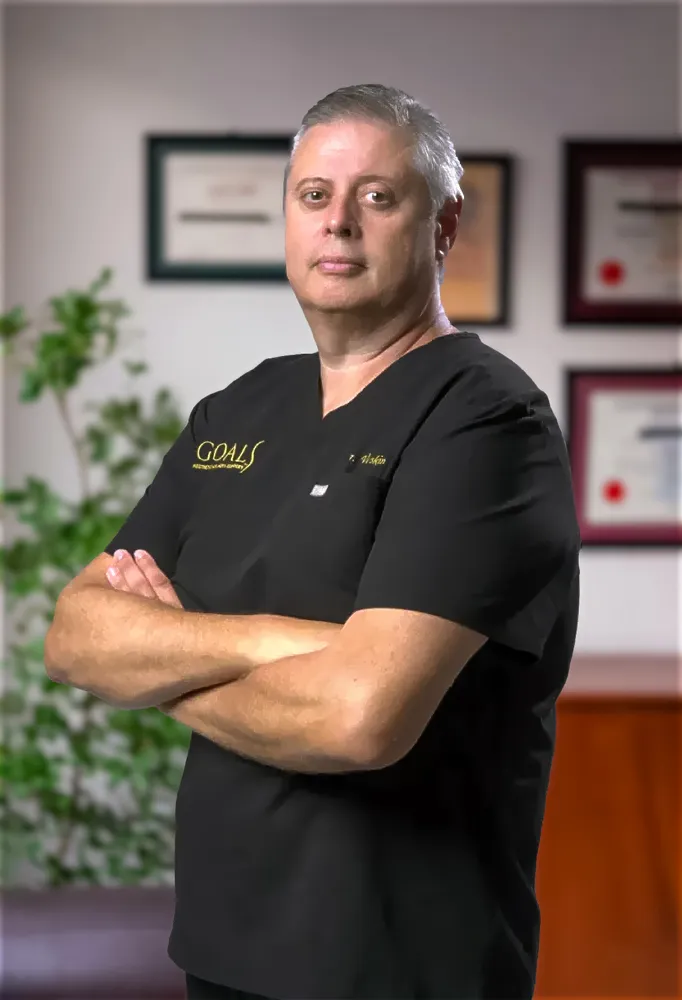
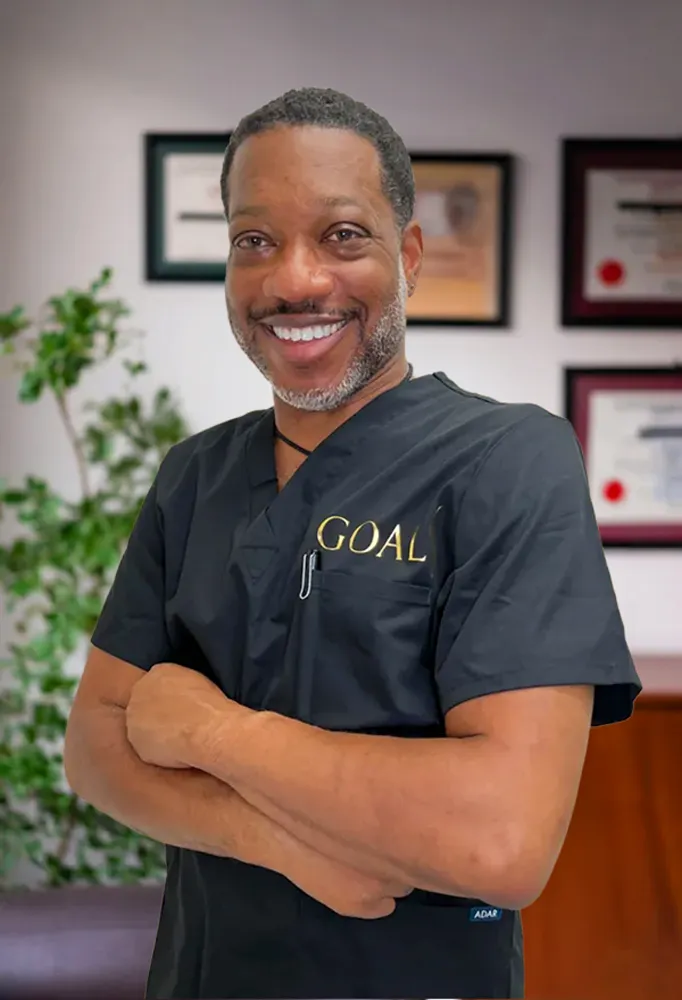
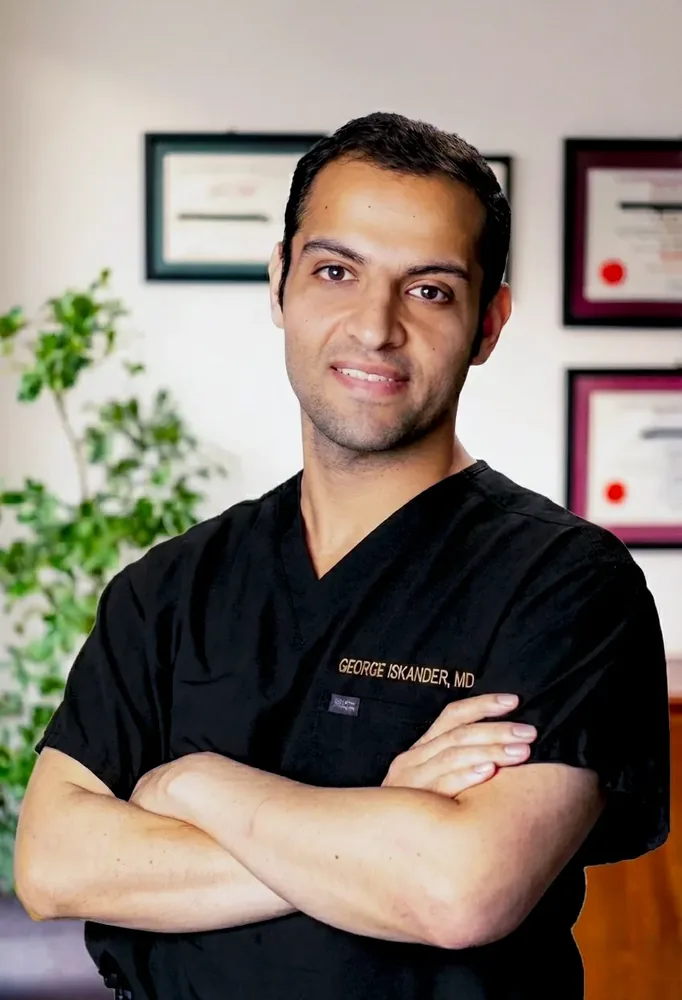
Licensed surgeons in natural breast augmentation.
Credentials differ by surgeon and are listed in full on each surgeon's page.
Both add volume. One borrows it from your own body; the other places a silicone or saline device. Here's how the two honestly compare.
| Fat Transfer Breast Augmentation | Implants | |
|---|---|---|
| Technique | Fat Transfer Breast AugmentationYour own fat moved from where you have extra. | ImplantsSilicone or saline implant inserted. |
| Anesthesia | Fat Transfer Breast AugmentationLocal numbing, you're awake. | Implants |
| Enhancement | Fat Transfer Breast AugmentationAbout a cup size, natural feel. | Implants |
| Safety | Fat Transfer Breast AugmentationNo implant, so no rupture or replacement cycle. | Implants |
| Recovery | Fat Transfer Breast AugmentationLight activity in a week; two zones heal. | Implants |
6 Steps to Natural Shape.
Talk through your goal size and donor areas, and get an honest read on whether fat or an implant fits.
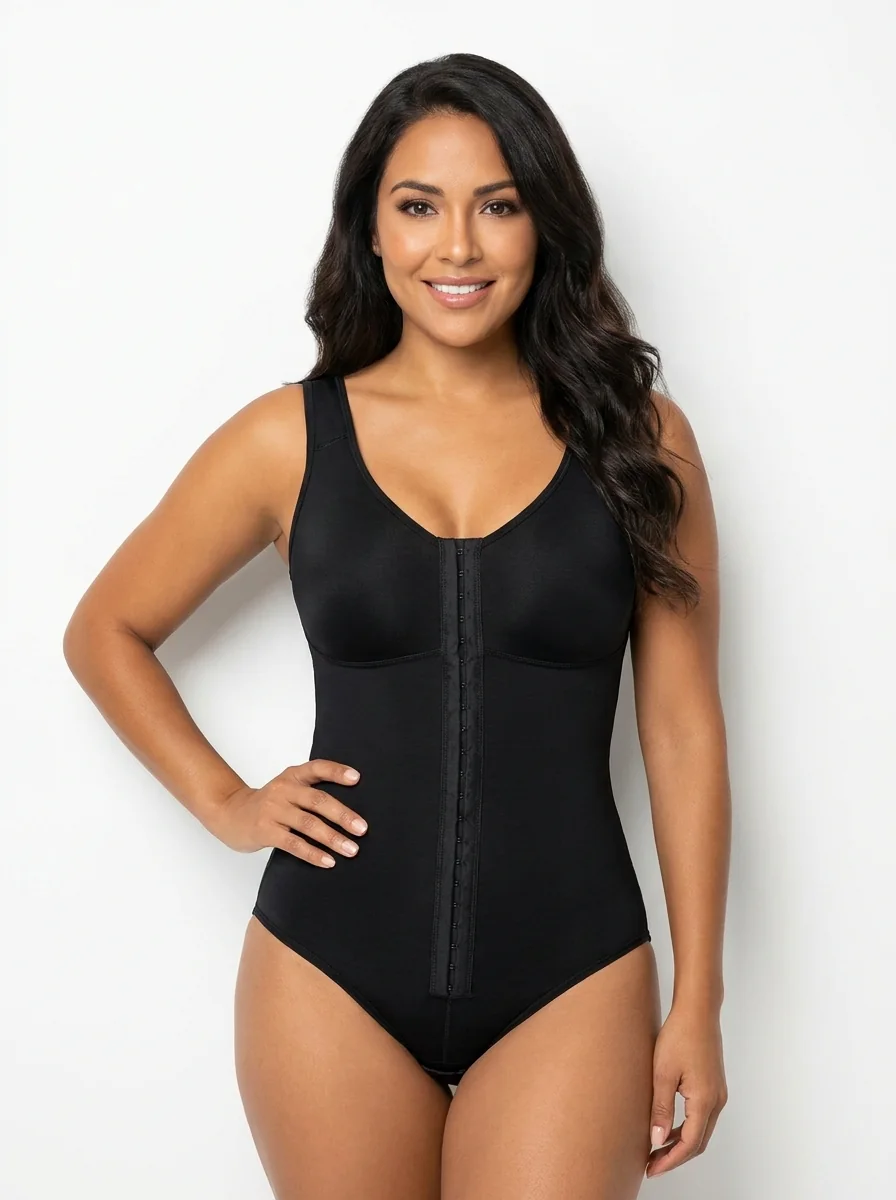
Pick your date and get prep notes: a medication review, a pause on smoking, and both garments sized ahead.
Donor zones and breasts get mapped on the day, standing, before work.
Local anesthetic sets in. You stay awake and comfortable, and there's no general anesthesia to sleep off after.
Fat comes out of the donor zones, gets purified, and layers into the breasts. Two areas, one appointment.
Garments on, aftercare in plain language, and check-ins while swelling settles and the graft takes hold.
Fat Transfer Breast Augmentation fits women who want a modest, natural-feeling increase using their own tissue, without implants or the upkeep that comes with them.
It's your own tissue, so it moves like you.
A modest, believable increase that fits your frame.
The belly, flanks, or thighs that gave the fat come out leaner for it.
From Bethesda offices to Ocean City weekends, necklines stop being a calculation.
Nothing to rupture, replace, or scan for later.
Every Fat Transfer plan at our Maryland clinic opens with a health review and an honest look at your donor fat, your goal size, and what a graft can realistically give. The same standard of care holds at every visit, from the first consult to the last check.
The same strict sterility standards apply at every step, from prep through closing.
Surgery in a licensed setting, awake and monitored throughout.
Clear aftercare guidance and easy access to the Maryland team.
Cost depends on the donor areas used and the volume your plan calls for. Confirmed at your Maryland consult, locked at booking.
Price is locked in at booking, after your consultation.
Clear pricing. No hidden fees, and it's all spelled out in the contract.
Prices shown are starting prices and depend on the number of areas treated. Final pricing is confirmed at your consultation. Cosmetic procedures are not covered by insurance.
Work it out
Runs in your browser. Nothing is sent to us and nothing is saved.
An estimate, not a quote. It divides the starting price over the months you choose and assumes no interest. Goals works with several lenders and your rate, term and approval are settled with them — the financing page has the detail, and your price is confirmed at consultation.
One clinic on N Frederick Avenue in Gaithersburg, parking on site, an easy drive from Rockville and Frederick.
Local numbing instead of general anesthesia, you drive home the same day.
Fuller breasts and slimmer donor zones come from one appointment, so you heal once instead of twice.
A team doing fat transfer and body contouring work every day, not as a sideline.
Evening and Saturday slots make it realistic to fit surgery around work, no vacation days needed.
Thousands of contouring procedures done across the network.
I never wanted implants, just to fill back what nursing two kids took. It looks so normal my sister didn't believe me until I showed her the photos.
Honestly came for the lipo and left with a bonus. My jeans fit better and my bras finally have something to do. Win win.
I was awake and chatting, which sounds scary but wasn't. Sore for a week, back at my desk within it. Very glad I did it.
Testimonials reflect individual experiences. Results vary by patient.
It should, because it is your own tissue rather than a device under the skin, just fullness built from your own fat in fine layers. Done well, it moves and feels like the rest of your breast, with none of the edge or firmness an implant can sometimes have, and most women say the result is impossible to tell apart by touch. Poor technique can occasionally leave a firm spot, which is exactly why the layering and the experience of the surgeon matter as much as they do here.
Often, yes, and it's a common next step. Many women who remove implants still want some natural fullness back and prefer to restore it without returning to a device, which is exactly what fat transfer offers. The timing matters, since the tissue usually needs to settle after an explant before grafting, and whether you have enough donor fat and healthy tissue to work with is checked at the exam. For a lot of women who are done with implants but not done with volume, it's the natural route.
It can, and it's nothing to fear as long as your radiologist knows. Transferred fat sometimes leaves tiny calcifications as it settles, with a distinct, benign look trained radiologists tell apart from anything worrying. What matters most: tell your imaging center you've had fat transfer, so they read your films with context.
Sometimes, and it's no failure if you do. Because only part of the graft survives, some women who want the fullest result choose a second session once the first settles, around six months out. Plenty are happy after one. Your surgeon reads it honestly at the exam: one round, or a touch-up to finish.
The transferred fat is real fat, so it lives by your body's rules. Gain weight and it can grow a little; lose a lot and it can shrink, like natural breast tissue would. At a steady weight it holds. Pregnancy and nursing can reshape things after, which is why many women time this for after kids. It's the trade for tissue that's yours.
Usually the belly, flanks, or thighs, wherever you carry a little extra, and yes, in a good way. The harvest is real liposuction, so those donor zones come out slimmer and smoother, which is why many women count it as a second result. Your surgeon picks areas with your shape in mind, taking fat where losing it flatters you.
Most guides to fat transfer breast augmentation spend their length selling you on it. This one is built to help you make a genuinely honest choice, because the most important decision here isn't how to do the procedure, it's whether fat or an implant is the right tool for what you actually want, and a clinic willing to send you to the other option is the one worth trusting. Fat transfer answers one specific wish: a size or so more, natural to the touch, with no silicone device involved, using fat taken from where you carry a little extra.
If your goal is bigger than that, an implant is the honest answer, and this page will say so rather than talk you into the wrong operation. It walks through how fat transfer works, who it fits and who it doesn't, what surgery day is like, how much of the graft survives, and the long-run cost math that changes the comparison more than the day-one price does, all grounded in how the Gaithersburg clinic works. What it can't replace is the exam, where a surgeon sizes up your donor fat and your goal and tells you which tool gets you there.
This is the fork in the road, and pretending one path just wins helps nobody. Implants win on size: if the goal is a two-or-three-cup jump or very precise projection, a device gives what fat physically can't, and our Breast Augmentation in Maryland page covers that route, along with the rounder upper-pole look some women specifically want. Fat transfer wins everywhere the word natural matters. The feel is your own tissue because it is your own tissue, with no rupture risk, no capsular contracture, no imaging schedule, and no replacement operation waiting a decade out, and it throws in the donor-area slimming as a real second result.
What it charges for all that is honest too: a modest size gain, some volume lost in the first weeks by design, and a need for fat you can actually spare. The decision usually makes itself once the goal size is honest, which is exactly what the consultation is for. The two paths aren't even mutually exclusive over a lifetime; some women graft now and look at implants years later, or the reverse, and nothing about today's choice locks that door.
Here's the comparison most clinics skip, because it doesn't fit on a price sheet. When you weigh fat transfer against an implant on day one, the numbers can look close. But an implant isn't a one-time cost: it carries an ongoing imaging schedule, and implants don't last forever, so a replacement operation is a matter of when, not if, usually somewhere around the ten-to-fifteen-year mark, with its own surgical and facility costs attached.
A settled fat graft asks for none of that. Once the surviving fat has established a blood supply, it's simply your own tissue, with nothing to scan for, nothing to replace, and no maintenance schedule. So the fair question isn't which costs less this year; it's which costs less over the decade you'll actually live with it. For the right candidate, someone after a modest, natural increase, that longer-run math is often the argument that settles it, and it's one worth having in hand before you compare quotes.
Cut through the marketing and it's two well-understood procedures run back to back. First is liposuction: fat is gently taken from areas that carry extra, usually the abdomen, flanks, or thighs, through the same awake method Goals uses for body contouring. Second is grafting: that fat gets purified, loaded into fine cannulas, and laid into the breasts in many thin passes instead of one big deposit.
The layering is where the craft lives, because fat is living tissue and each strand has to find a blood supply in its new spot to survive, so thin, spread-out layers give the most cells that chance, which is why placement takes patience and why the surgeon's technique moves the survival number directly. What takes hold becomes ordinary breast fat, warm and soft and yours, impossible to tell apart by touch because there's nothing to tell apart: no shell, no pocket, no device. Harvest quality counts just as much as placement, since fat collected gently at low pressure arrives alive, which is half the reason technique moves those numbers.
The typical patient isn't after a dramatic change: she wants roughly a cup size, wants it to feel like her own body, and has usually already decided against an implant, sometimes after years of circling the question. Moms restoring volume that pregnancy and nursing deflated are a big share, as are women in their thirties and forties who always wanted a little more but never wanted to sign up for a device with a maintenance schedule. Then there's the practical crowd: women who wanted liposuction on the belly or flanks anyway and like the idea of that fat doing something useful instead of leaving in a bag.
The honest exclusions matter just as much. Very lean women may not have enough donor fat to harvest, anyone after two or three sizes up belongs in an implant consultation, and real sagging needs a lift conversation first, because fat adds volume but doesn't lift anything. A good consult sorts all of that in about twenty minutes. Ages run from the late twenties into the fifties, and the one requirement for everyone is a stable weight, because the graft is real fat and follows your body wherever the scale goes.
Surgery day at the Gaithersburg clinic on N Frederick Avenue starts standing up: donor zones and breasts get photographed and marked while gravity is telling the truth. Then the awake method takes over, with local anesthetic going into the donor areas, liposuction collecting the fat, and, while it's being purified, you resting, comfortable and talking, with no general anesthesia in the picture. The transfer itself is slow on purpose: thin layers, many passes, both sides built up gradually and compared as the work goes, and most appointments run two to three hours depending on how many donor zones pitch in.
You see the new shape before you leave, wearing it under a surgical bra, with compression garments on the donor areas, and because the entry points are small for both the harvest and the injections, scarring stays minimal and fades with routine care. You head home the same day, so line up a ride and a quiet evening, and let the recovery corner at home, water, pillows, chargers, earn its keep the first night. If you consulted online, the in-person check on the morning of surgery doubles as the plan's last reality test, and it's completely normal to adjust donor zones on the spot once the surgeon sees you in person.
Both garments, the surgical bra and the donor-area compression, get sized ahead so they're waiting on the day. Morning notes: eat normally, skip lotion on all treatment areas, wear a zip-up or button top, and set up your ride home in advance, and any active infection or skin issue on a planned area pushes the date, no exceptions. The dull habits help too: good hydration and steady protein in the weeks around surgery give healing tissue, donor zones and graft alike, the raw material it runs on.
The distinctive part of this recovery is that two regions heal at once, and they want different things. The donor zones act like any liposuction: compression garments around the clock for the first weeks, soreness like a hard workout, and bruising that peaks early and fades over two to three weeks. The breasts mostly want protecting: a soft surgical bra, no underwire for several weeks, and no pressure on the graft while it establishes, which makes back-sleeping a real rule, not a suggestion.
For most women the calendar runs like this: light activity back within a week, gentle exercise after a week or two, and hard work and heavy lifting waiting four to six weeks, with chest training last of all and only on your surgeon's go-ahead. Numb patches in the donor zones are normal and temporary, and massage, saunas, and anything that heats or presses on the chest wait until you're cleared. Anything past ordinary swelling and soreness earns one call to the aftercare line rather than an evening of googling, and hold off buying new bras until month three, since sizes bought during the swollen weeks mostly end up in a drawer.
The harvest side of this procedure is real liposuction, which opens a practical door: if you're already treating the belly and flanks as donor zones, extending the contouring plan is often a small step, not a second project. At Goals that work is FlexSculpt in Maryland, the same awake method, and whether extra zones join that appointment or wait is a planning call based on volume and recovery.
The other frequent companion is a lift conversation, because fat restores volume but doesn't raise tissue that's dropped, so where sagging is part of the picture, a Breast Lift in Maryland may come first or alongside, and an honest exam says which. Some women also fold this into a wider post-pregnancy plan across a season. The sequencing rule never changes: each result should protect the next, the graft gets first claim on healing time, and the map gets drawn where it belongs, at the consultation, not the checkout page.
Pricing follows the plan, which is why the honest answer is a structure, not one number. The total moves with how many donor areas contribute, how much volume is transferred, and whether extra contouring joins the appointment, and because it's genuinely two procedures in one, harvest and graft, pricing it against implant surgery alone or liposuction alone misleads both ways; the fair comparison is against booking those two results separately. What stays fixed is the process around the number.
Your consultation, free, online or in person, gives you an itemized quote for your exact plan that locks at booking and doesn't grow on surgery day, and monthly financing can spread the cost into payments if that suits your budget better than one charge. Cosmetic breast surgery isn't covered by insurance, so plan with real numbers in hand, and when you compare quotes, check each covers the same scope: harvest, transfer, both garments, and the follow-up schedule. And keep the long-run math in view, since the day-one price is only part of the picture: an implant carries future imaging and eventual replacement, while a settled graft asks for nothing more, which shifts the ten-year comparison more than the sticker prices do.
The full local menu lives on the Gaithersburg location page, and the procedure itself is covered on our Fat Transfer Breast Augmentation overview. The path is short: book the free consultation, get the honest fat-versus-implant read, take the itemized quote, and pick your date, and because this is one operation and not a series, the decision usually fits inside a couple of weeks. From there it's one morning awake in Gaithersburg, a few weeks of garments and back-sleeping, and a result that finishes proving itself by month three, made entirely of you.
The number to walk in knowing: roughly sixty to eighty percent of well-grafted fat survives for good. The rest is absorbed over the first several weeks as the weakest cells fail to find a blood supply, which is expected and planned for, so your surgeon overfills a little on the day so the settled result lands on target. That's why the size right after surgery isn't the final size, and why judging the result before month three points you the wrong way.
The timeline runs in chapters: weeks one and two bring swelling on top of overfill, so everything looks bigger than it'll stay; weeks three to eight are absorption and settling, the patience stretch; and around month three the surviving fat is established, so what you see is what stays. One honest imaging note: transferred fat can leave small calcifications that show on future mammograms, and radiologists tell these apart from anything concerning as routine work, but tell your imaging center about the procedure so they read your films with full context. A monthly photo in the same mirror light makes the settling chapters easy to see, since day-to-day memory flattens changes that pictures catch plainly.
Prep starts with the scale oddly enough: don't diet before this one. The donor fat is your raw material, and showing up at a low, unsustainable weight both shrinks the harvest and guarantees the result shifts once you eat normally again, so come in at the weight you actually live at. Blood-thinning medications and supplements get reviewed at consultation, and you never stop a prescription without a green light from the doctor who prescribed it. Smoking is the specific enemy of grafted fat, because survival depends on new blood supply and nicotine clamps down on exactly those vessels, so surgeons want a real pause before and after surgery, not a polite cutback.
Most women start online: a short video consultation from home, a couple of photos in honest light, and a straight answer on donor fat, goal size, and whether this procedure or an implant actually serves the goal. Serving Rockville, Silver Spring, Frederick, and much of Montgomery County and the wider Washington area from one Gaithersburg clinic, the team keeps every visit in a single place, and your records follow you across the network, so a question you ask by phone gets answered by someone looking at your real plan.
About Fat Transfer Breast Augmentation
Fat Transfer Breast Augmentation near you
First Name: First Name *
Whether you are weighing Fat Transfer Breast Augmentation, comparing it with implants, or just have questions, our Maryland team will give you straight answers and a realistic plan.
Prefer to talk now? (833) 462-5769
Free · No obligation
Tell us how to reach you. A patient coordinator calls you back — usually the same day.