Firmer, Higher Breasts
Breasts that sit higher with a firmer shape.
A breast lift lifts and reshapes sagging breasts by taking out loose skin and raising the nipple, for a firmer, higher look at our New York clinics. No implants needed.
From $6,700

Free Consultation
Your consultation is free and carries no obligation.
Results
Real patients, before and after.
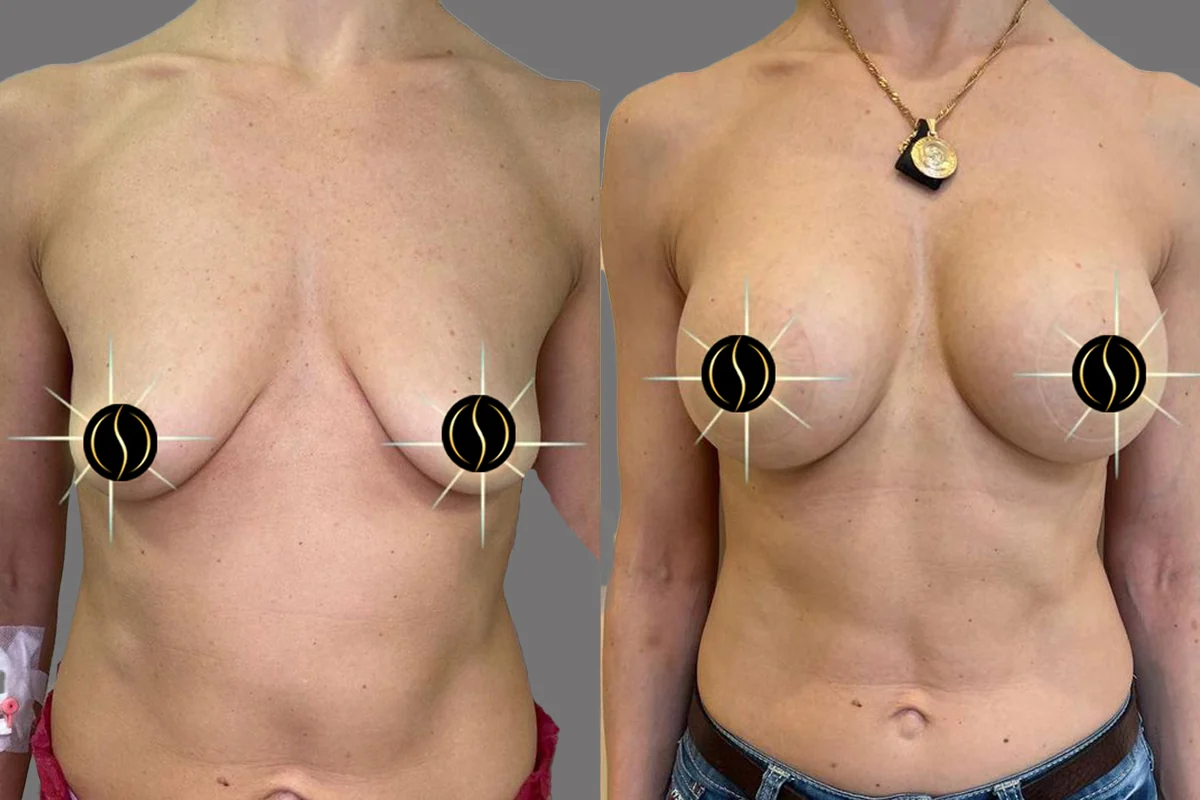
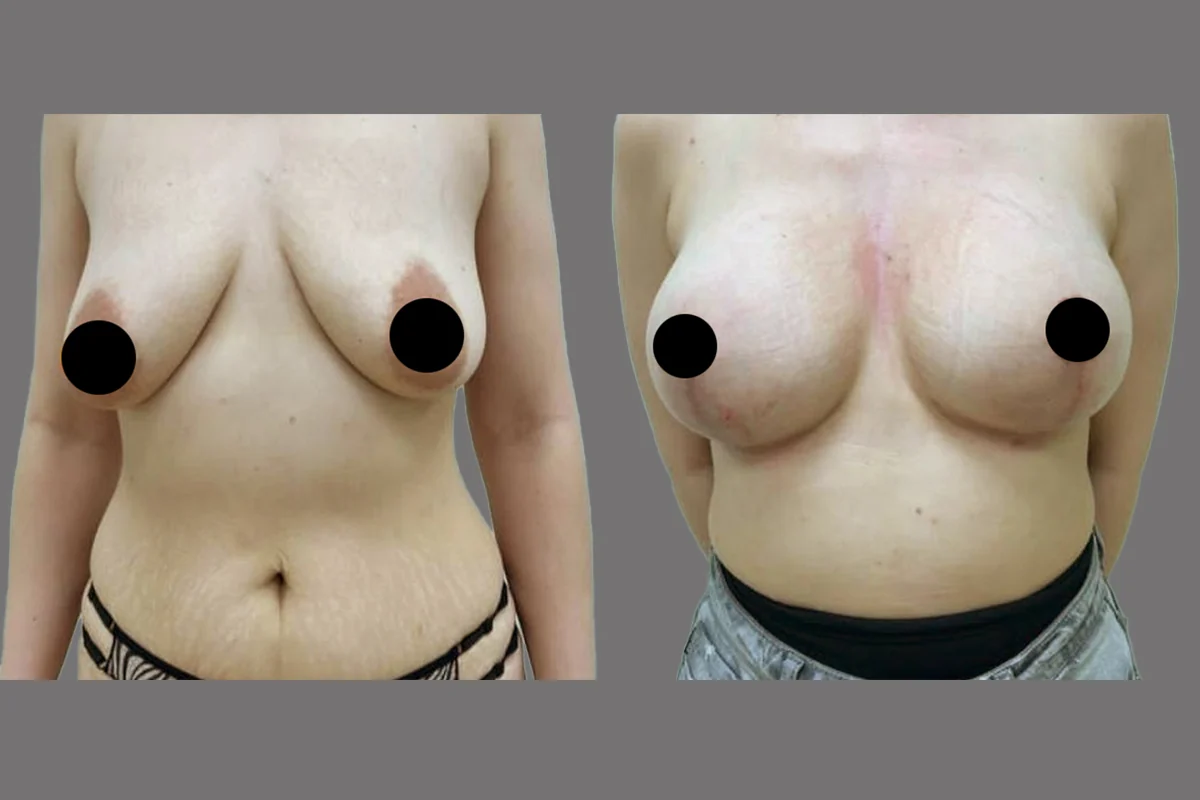
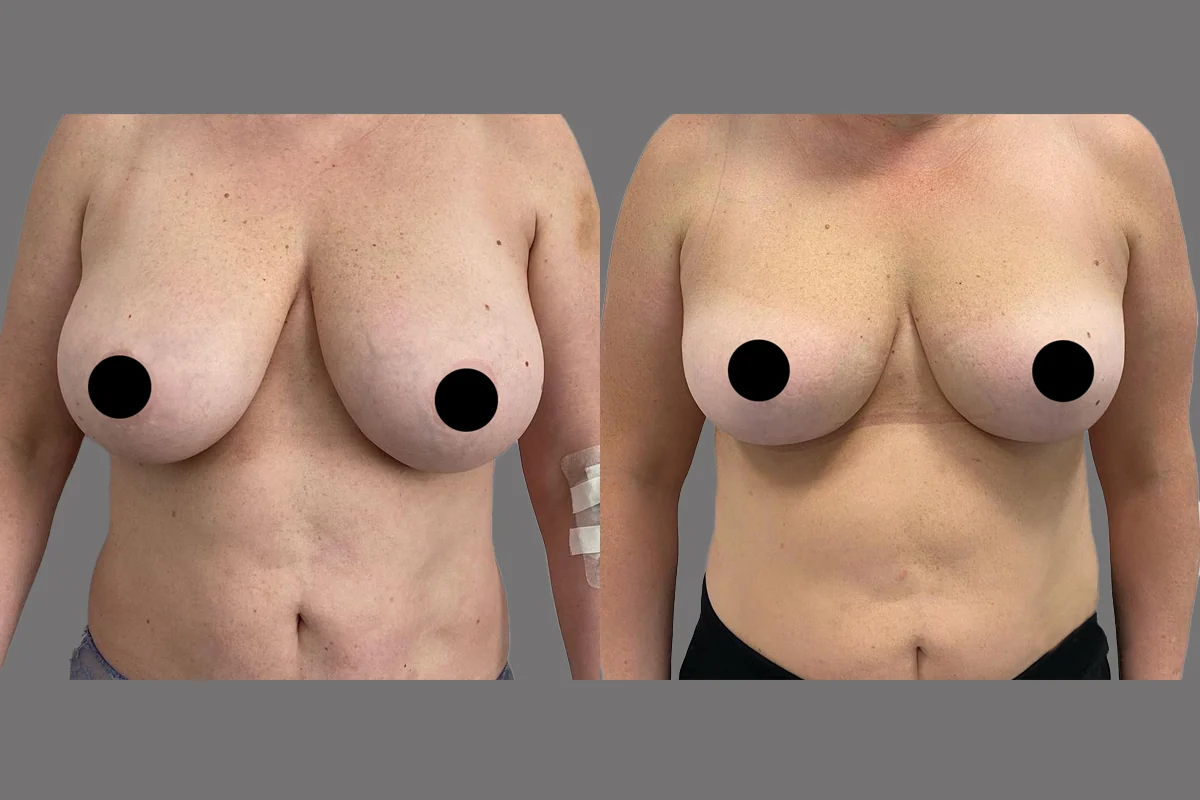
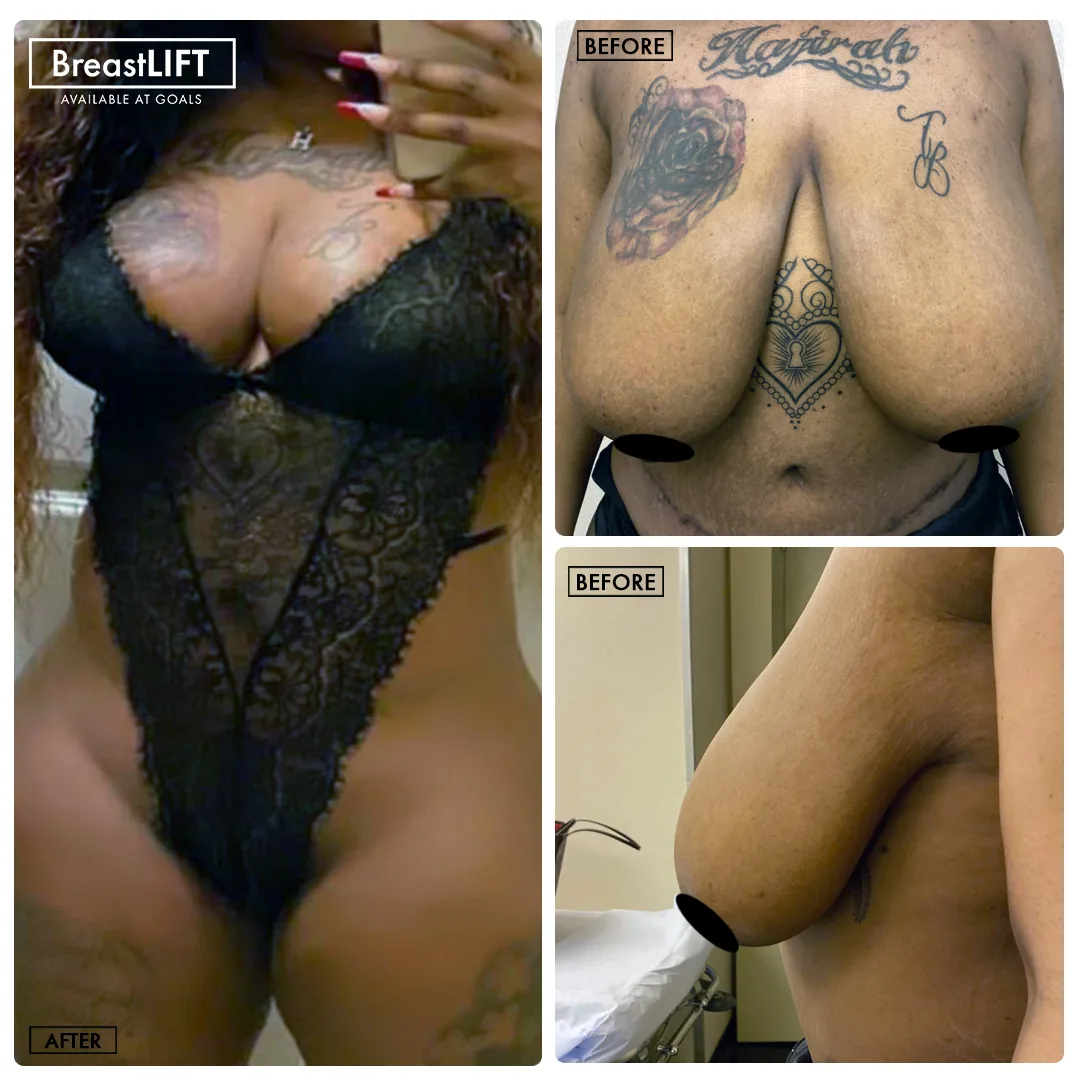
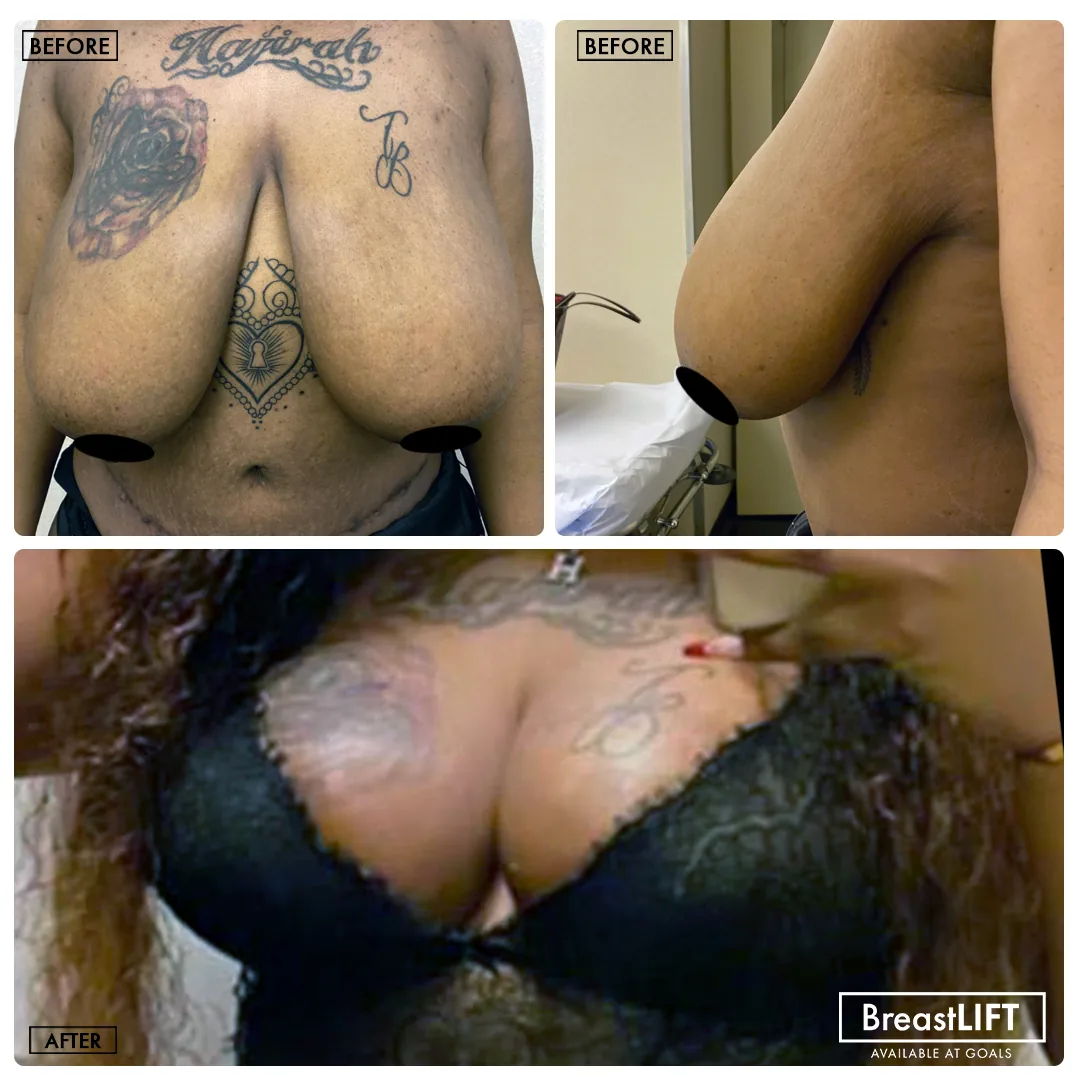
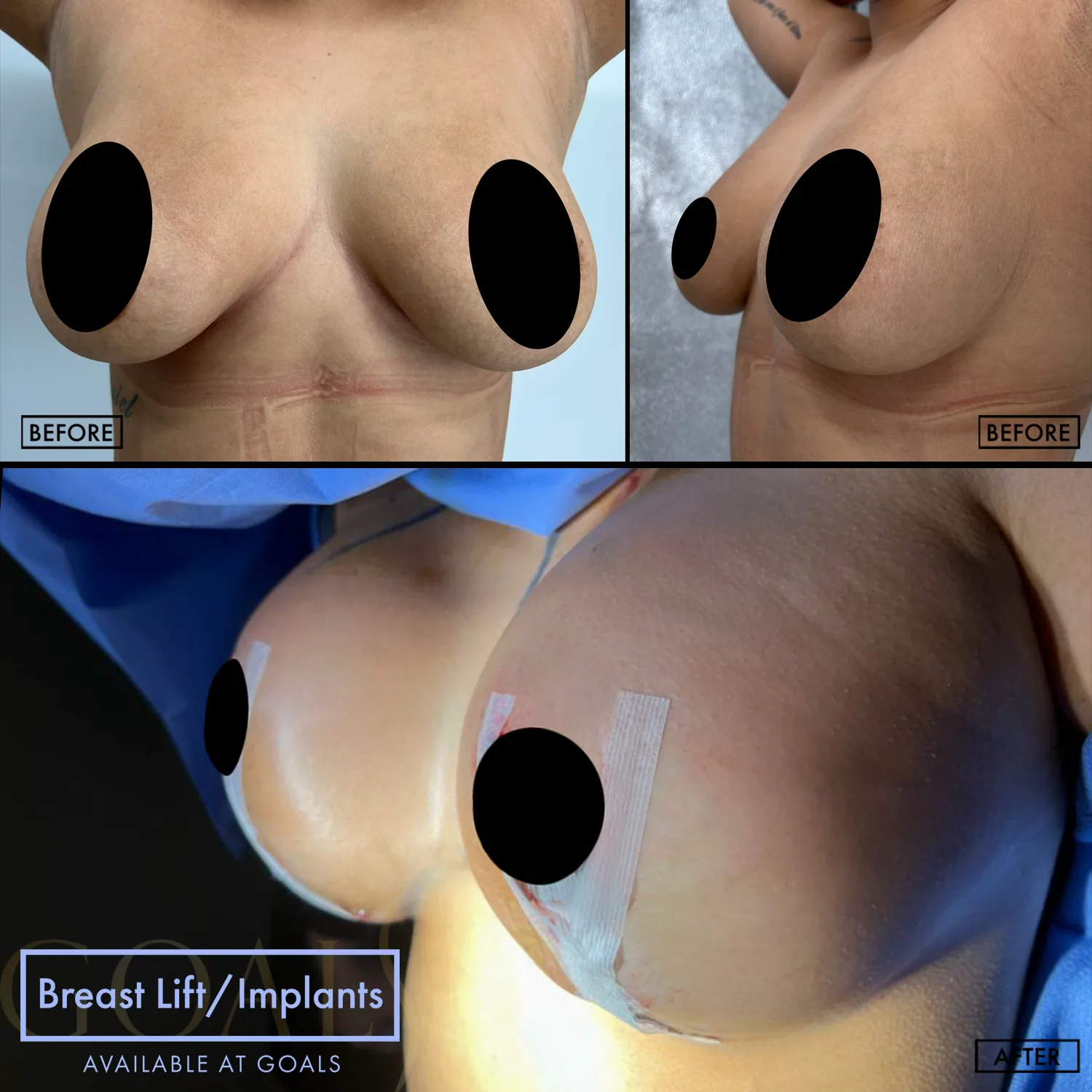
Real patients, published with written consent. Photographs are not retouched or AI-generated. Individual results vary — these images show outcomes for these patients and are not a guarantee of your own.
Clinics
Choose the clinic closest to you. Our patients enjoy the flexibility of scheduling consultations, pre-operative clearances, and post-operative follow-ups at the New York facility most convenient for their daily commute or parking needs.
Overview
A breast lift, or mastopexy, raises and firms breasts that have begun to sag. The surgeon takes out loose skin, tightens the tissue, and lifts the nipple higher. It resets shape and position, not size, so you lift without gaining or losing volume.
Benefits
A breast lift raises and reshapes the breasts, repositioning the nipples higher for a more youthful contour, with results that hold up well over time. Many patients also find the change gives them more ease in how they look and dress day to day.
Breasts that sit higher with a firmer shape.
A rounder, more youthful shape with better projection.
Nipples raised to a natural, forward-facing position.
Filling out a top the way it was cut to sit, without the underwire doing all the work.
Long-lasting, natural results from your own tissue.
Candidacy
A lift suits people bothered by breasts that sag or droop, or nipples that point down, often after pregnancy, nursing, or weight loss.
Breasts that lost firmness and now sit lower than they used to.
Nipples that point downward or sit below the breast crease.
Breasts that stretched and dropped after pregnancy or nursing.
You are ready to follow the aftercare steps and go through each prep stage.
Try it
Type your height and weight. Your numbers stay on your device. We do not see or save them.
BMI is just one number. Your surgeon also looks at your health and your goals. BMI alone does not decide if you can have surgery.
How it works
Stretched, excess skin comes out and what remains is tightened, so the breast holds a firmer, higher shape.
The tissue is lifted and reshaped on the chest, and the nipple moves up to a natural, higher spot.
The areola is resized if needed, then the incisions close carefully for a firm contour and a discreet scar at our New York facility.
Knowing how they differ in goal, what gets removed, the scar, and who each fits helps you decide which breast surgery is right for you.
| Breast Lift | Breast Reduction: The Difference | |
|---|---|---|
| Goal | Breast LiftRaise and firm sagging breasts. | Breast Reduction: The DifferenceReduce large, heavy breasts. |
| Removes | Breast LiftMainly excess skin. | Breast Reduction: The DifferenceSkin and breast tissue. |
| Size | Breast LiftKeeps about the same size. | Breast Reduction: The DifferenceSmaller size. |
| Suits | Breast LiftSagging but happy with size. | Breast Reduction: The DifferenceHeavy breasts with pain. |
| Scar | Breast LiftLift-pattern scar. | Breast Reduction: The DifferenceSimilar scar pattern. |
A general comparison. Which approach suits you is decided at a consultation with a licensed surgeon.
Our surgeons
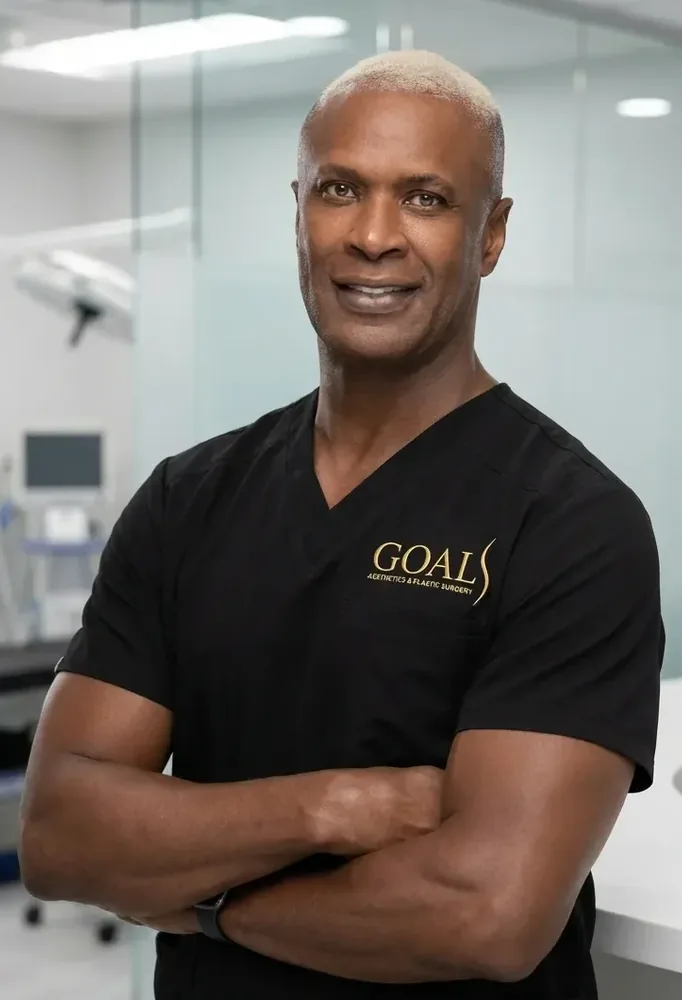
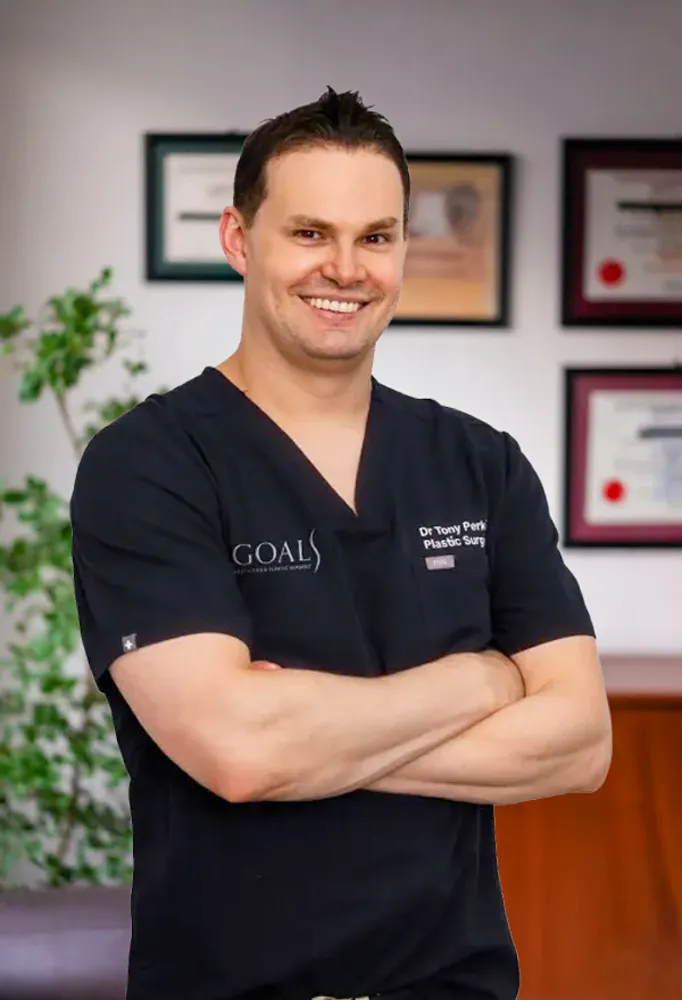
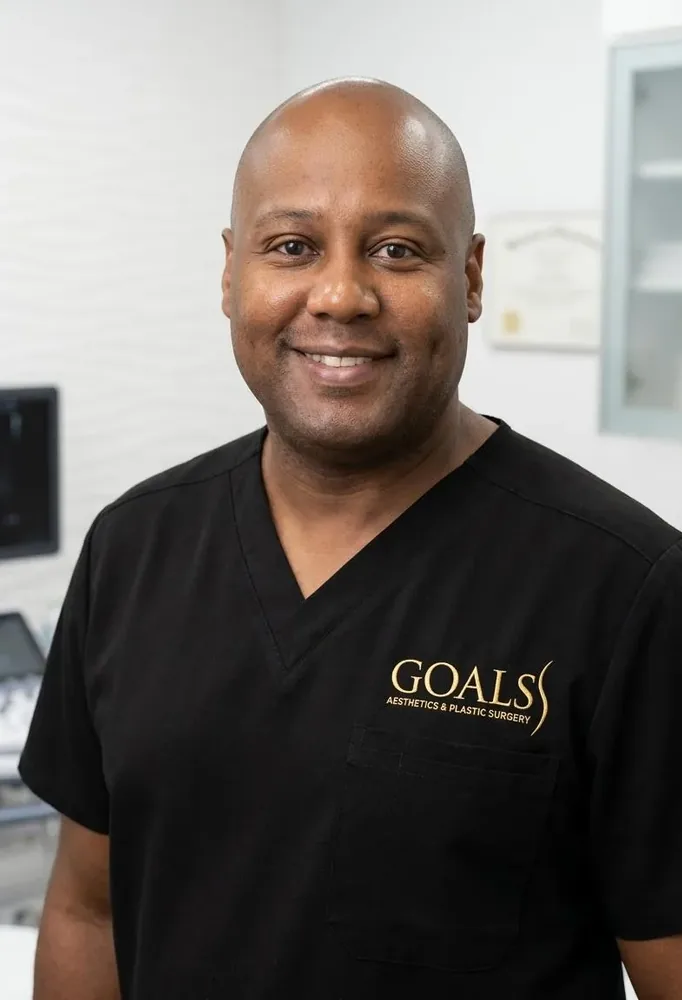
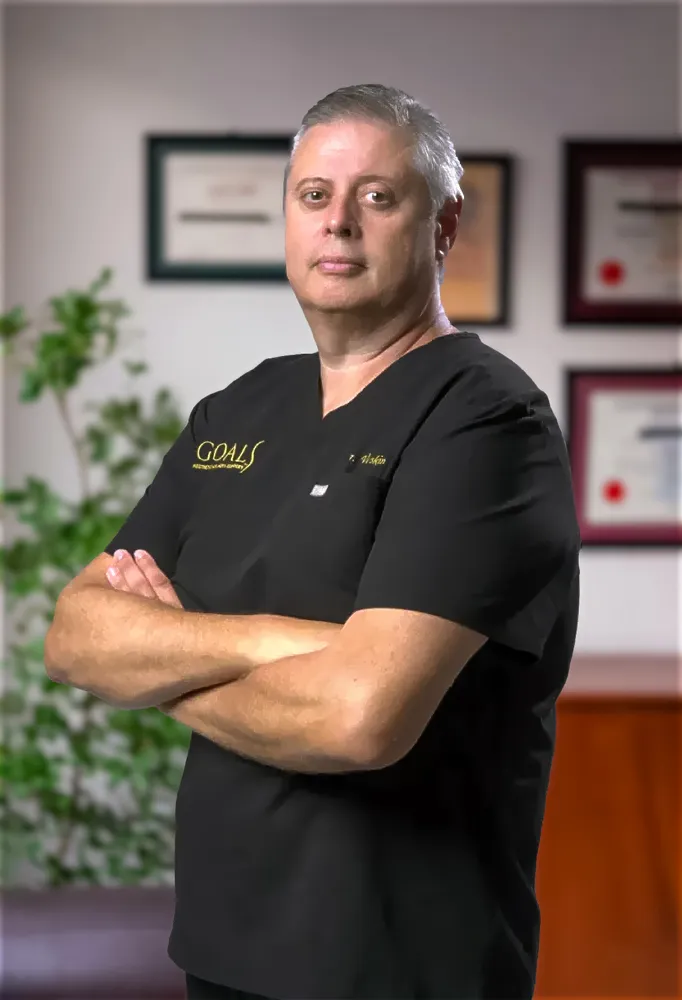
Breast lift surgeons who do lifts and reductions most weeks.
Licensed in NY · NJ
Licensed in NY · TX · CA
Safety
Our New York clinics put safety first, pairing careful patient screening with thorough pre-op prep. The same protocols run across every location, so care stays consistent and outcomes stay predictable.
Surgery happens in accredited facilities, with careful monitoring at every stage of your procedure.
Standardized surgical protocols and checks for consistent outcomes.
A direct line to the New York team before your date and all through healing.
Pricing
Final cost depends on the lift technique, whether an areola resize is included, and how complex your case is. Confirmed at consultation and locked at booking.
Flexible financing plans
Your quote is set at consultation and held from booking through surgery day.
Transparent pricing: no hidden fees, everything clearly detailed in the contract.
Prices shown are starting prices and depend on the number of areas treated. Final pricing is confirmed at your consultation. Cosmetic procedures are not covered by insurance.
Try it
Pick a procedure to see an estimate. Your numbers stay on your device. We do not see or save them.
This is an estimate, not a quote. It splits the starting price over the months you pick, with no interest. Lenders set your real rate and terms. Your price is confirmed at your consultation.
Why Goals
Several clinics across the New York area, with easy parking and good public transport nearby.
A firmer, higher shape from your own tissue, with no implants needed.
Full aftercare, with in-person follow-ups made easy at the clinic closest to your home.
A skilled team working in breast lift and body contouring surgery every day.
Flexible scheduling, with possible weekend or evening slots at select hub clinics.
A network-wide track record built on thousands of contouring cases.
Your journey
6 Steps to a Firmer Shape.
Talk through your goals with our team and leave with a clear, realistic plan built around your case.
Pick your date and get clear pre-op instructions, so you know exactly what to do before surgery day.
Thorough pre-operative health assessments and surgical prep in the U.S.
Loose skin comes out and the breast is reshaped and raised, with the nipple moved to a higher, natural spot.
The areola is resized if needed and the incisions close carefully for a firm contour and discreet scars.
Scheduled check-ins through the healing window, so the shape settles the way it should.
Timelines are typical. Your surgeon sets yours at your consultation, and recovery differs from person to person.
FAQ
It comes down to weight and position. If your breasts droop but the size feels right, a lift is enough. If they also feel heavy and pull on your back or shoulders, a reduction takes out tissue as well as skin, and it usually includes a lift built in. Your New York surgeon sorts out which one your case calls for.
Not really. A lift moves skin and tissue up so you sit higher and firmer, but you stay near your current cup size. Want fuller? That is an implant or fat added on top. Want lighter and smaller? That is a reduction. Most people who come in for a lift and feel heavy end up choosing a reduction once it is explained.
There is a scar around the areola, usually a line down to the crease, and on a bigger lift one along the crease too. It is the same family of scar a reduction leaves. They start pink and raised, then flatten and lighten over several months. Your surgeon draws the exact path on you before anything gets booked.
They feel similar, since a reduction is a lift plus tissue removal. Plan roughly a week off desk work, a support bra for a few weeks, and no chest-straining workouts for a while. A reduction can ache a bit more early on because more was removed, but the day-to-day routine and the follow-up schedule look about the same.
Yes. Consult at whichever Brooklyn or Bronx clinic is easiest to reach, then have surgery at the accredited facility that suits your case. Your notes, photos, and plan move with you across the network, so whoever operates already knows your history and what you and the surgeon agreed on.
A cosmetic lift is out of pocket. A reduction can be different: when heavy breasts cause documented back, neck, or shoulder pain, some plans treat it as medical rather than cosmetic. It varies by insurer and situation, so bring it up at your consultation and the team will tell you honestly where you likely stand.
Patient Guides
Written by the team that performs the procedure, to read before your consultation.
 Recovery Week by WeekWhat recovery looks like after awake liposuction, a Brazilian butt lift and a FlexTuck at Goals: the day of surgery, the first week, the first month and the final result, plus the signs that mean you call us.Read the guide
 Questions to Ask Before Any SurgeryTen questions to ask any plastic surgeon before you book, what a good answer sounds like, the warning signs, and a version you can print and bring to your consultation.Read the guide
General information, not medical advice. What applies to you is decided at a consultation with a licensed surgeon.
Get started
Whether you are weighing a breast lift, a lift with added volume, or a breast reduction, our team will build a safe, realistic plan for you.
Prefer to talk now? (833) 462-5769
Learn more
Most people who land here already know something is off, but not exactly what to ask for. The breasts have dropped. The nipple points down. A bra props everything up until it comes off. What trips people up is assuming there is one fix called a breast lift in New York when there are really three different roads, and the right one depends on how you feel about your size, not just the sag.
If the size is fine and only the position bothers you, a lift on its own is the answer. If the breasts feel heavy and pull at your shoulders and back, the honest answer is often a reduction, which lightens as well as lifts. And if you like your weight but feel empty up top, you are looking at a lift with a little added volume. Sorting out which of those three is yours is the whole point of a consultation, and it is where this guide starts.
A Breast Lift, or mastopexy, resets the breast on the chest wall. The surgeon takes out the loose, stretched skin, snugs up the tissue underneath, lifts the whole breast to a higher spot, and moves the nipple and areola up to face forward again. A wide, stretched areola can be trimmed back to suit the new shape. Here is the line that matters most and the one people forget: a lift moves things, it does not add or subtract volume.
You come out firmer, higher, and better shaped at roughly the cup size you walked in with. That single fact is what decides whether a lift alone works for you or whether it needs a partner procedure, so it is worth sitting with before you book anything. The lift is done under general anesthesia, so you are asleep through it, and most patients head home the same day with someone to drive them.
This is the part the glossy pages skip. A large share of the people who come in convinced they want a lift are actually carrying more breast weight than they are comfortable with, and once you explain that a reduction removes tissue and lifts at the same time, the decision often flips. Heavy breasts are not only a shape complaint. They drag on the neck and shoulders, carve grooves where the bra straps sit, trap heat and irritation underneath, and make running or even a long day on your feet a chore.
A pure lift leaves all that weight in place and just repositions it, so someone with genuine heaviness who gets a lift alone can feel firmer but still burdened. If that describes you, a Breast Reduction in New York is very likely the procedure you actually want, and it happens to include the lift as part of the operation. That is why we push the reduction conversation early rather than treating it as an afterthought.
On the other side of the same coin are the patients who like their size overall but have gone flat across the top, usually after breastfeeding or weight loss. A lift will firm them up and lift the nipple, but it will not refill that upper pole, so on its own it can leave them perky yet still deflated where they most want fullness. The fix there is a lift paired with added volume. Some choose an implant.
Others prefer to use their own tissue, in which case a Fat Transfer Breast Augmentation in New York can be combined with the lift, borrowing fat from somewhere you would rather not have it and putting it where you do. Done together, it is one operation and one recovery instead of two. The takeaway across all of this is simple: the lift handles droop, and you bolt on volume or subtract weight only if your goal calls for it.
Nobody researches this procedure for long before landing on scars, so here it is plainly. A lift needs incisions and incisions leave marks, full stop. The usual layout circles the areola, often runs straight down to the fold beneath the breast, and on larger lifts adds a line along that fold. It is the same scar family a reduction leaves, which is worth knowing if you are weighing the two.
Early on the lines look pink and raised, then they settle, flatten, and fade over the months that follow. The honest feedback we hear afterward is that the scars turned out easier to live with than the fear of them, and that sitting higher and firmer was worth the trade. How much scarring you end up with tracks how much lift you need: a light droop can sometimes be done with a shorter pattern, while a heavy drop needs the full one. Your surgeon marks the exact map on your skin before a date is ever set.
The people who do best have real sagging they want corrected, are either content with their size or handling it through a paired procedure, and go in clear-eyed about what a lift will and will not change. Sag shows up as breasts that hang lower than they once did, nipples that aim down or drop below the crease, or a general softening of shape after pregnancy, nursing, or losing weight.
A stable weight helps, because big swings afterward can stretch things out again, and non-smokers heal noticeably better since nicotine chokes the small vessels that skin healing leans on, which counts for a lot on incisions like these. Pregnancy timing is worth a thought too, and we will get to it. None of this gets decided from a web form. It comes from an in-person look at your skin quality, the degree of drop, and what you are actually after.
You can start with an online consult or walk into whichever clinic is easiest to get to. New York patients can pick from clinics in Brooklyn and the Bronx, and you do not have to have surgery where you first consulted. Your records and images follow you across the network, so nobody starts your history over on surgery day.
In the consult itself the surgeon gauges how far the breasts have dropped, checks skin quality and nipple position, and works through the central fork: lift alone, lift with volume, or a reduction if weight is the real issue. You walk out knowing which of those you need and why. If you go ahead, the price is confirmed and locked at the booking stage, and if paying over time suits you better, the Financing page spells out the options.
Pricing is one of the most searched things, so no dancing around it. The breast lift cost turns on how much lifting is needed, whether the areola is being resized, the specific technique, and how complex your case is. A light lift is a smaller operation than a full reshape, so a single flat rate would misprice half of patients. What we hold to is that the number is locked at booking with no fees sneaking in later, and the quote you sign is the quote you pay.
A lift is judged as much on taste as on technique. How much skin to remove, where to seat the nipple so it looks natural instead of merely tight, how to build a shape that reads as a real breast and not a surgical one, and how to keep the scars quiet, all of that is judgment, and judgment comes from doing the operation often.
Our surgeons work in breast surgery and body contouring routinely rather than now and then, and for a procedure this dependent on the eye, that repetition is the difference between a natural result and a stiff one. You can read the full team and their backgrounds on the All Surgeons page before you ever sit down for a consultation.
Recovery tends to be gentler than people brace for, though it is still surgery. Set aside about a week before you are back at a desk, longer if your work is physical. A surgical support bra holds everything in place for several weeks while it settles, and chest-straining activity, heavy lifting, and hard workouts are off the table for a stretch.
Swelling and bruising are normal and drain away over the following weeks, while the breasts keep settling into their final shape across the months after, so what you see at two weeks is not the ending. The scars run their pink-then-fade arc over that same window. If you went the reduction route, expect a touch more soreness early since more tissue came out, but the rhythm of the recovery is much the same. Follow-ups at your nearest clinic keep an eye on healing, and a location close to home stops being a slogan and becomes a genuine convenience when you would rather not travel far sore.
A lift lasts a long time, but it does not freeze the breasts in place, and two things in particular can move the result. Pregnancy is the first: nursing and the changes that come with carrying a child stretch the breasts, and a pregnancy after your lift can loosen some of what was tightened. That is why many surgeons suggest waiting if more children are on the horizon, though it is a preference, not a rule, and plenty of people lift, later have a child, and stay glad they did.
Every clinic in the New York network runs on the same screening and prep, so your experience does not ride on which door you use. Pre-operative clearance, standardized surgical protocols, and accredited facilities are standard here, not something billed as an upgrade.
Screening your health history and how you are likely to heal is part of keeping any breast operation safe, and because smoking and certain conditions change how these incisions close, they get reviewed before a date is booked.
If something in your history deserves a second look, far better to catch it during clearance than after. Running the same playbook at every site is how the network makes sure nothing slips between one location and the next.
The practical side shapes the experience as much as the surgery. With clinics in Brooklyn and the Bronx, most patients can reach a consult or a check-up without crossing the whole city. That counts for a lot when you are healing, moving carefully, and in no mood for a long ride in a surgical bra. Parking and transit were part of picking these spots.
For anyone living an ordinary busy New York life, being able to handle clearances and post-op visits near home rather than at one far-off office is a real reason people choose the network, and it becomes obvious in the weeks when you are recovering and glad the clinic is a short trip away.
If you have read this far, you are well past idle curiosity. The most useful next move is a consultation, because a hands-on look at how far the breasts have dropped, your skin, and your goals tells you far more than any amount of reading, especially on the three-way question at the heart of this: lift alone, lift with volume, or a reduction. Come with your blunt questions about scars, recovery, cost, and what a lift will not do, and expect straight answers instead of a pitch.
This is a real operation with a real recovery and a result that lasts, and the happiest patients a year out are the ones who were honest about the size question and clear-eyed about the scar trade. When you are ready, the New York team will look at your case plainly and tell you which of the three roads actually fits.
One thing to flag: if you combine the lift with added volume or move to a reduction, the plan and the price shift, which is another reason a real figure comes from a consult and not a landing page. And a note worth its own line: a purely cosmetic lift is yours to pay, but a reduction for documented neck, back, or shoulder pain sometimes reads as medical to an insurer, so ask. When you compare quotes around the city, weigh what is included, not just the headline.
Weight is the second: big gains or losses stretch or deflate the breasts, so holding steady helps the shape keep. Age and gravity keep nudging quietly over the years, but a well-built lift buys you a long run of sitting higher and firmer than you would have otherwise, and the same holds true for the lift built into a reduction.
Free · No obligation
Tell us how to reach you. A patient coordinator calls you back — usually the same day.
Free · No obligation
Ask me anything. I usually reply straight away.
If you share your number, a Goals coordinator may call or text you about your consultation. Message and data rates may apply.
Nora is an automated chat. She cannot give medical advice or say whether a procedure suits you.