
PRP Hair Restoration
Non-invasive platelet therapy that uses your own blood to stimulate natural regrowth.
at Goals® Hair Restoration

It is done at our Atlanta clinic on Chamblee Tucker Road.
Clinics
Hair restoration is done at our Atlanta clinic at 3576 Chamblee Tucker Rd. Call us and we will help you find the nearest Goals clinic that offers it.
Procedures
Non-invasive platelet therapy that uses your own blood to stimulate natural regrowth.
Comfortable clinical-strength laser therapy that energizes follicles for fuller hair.
High-frequency scalp therapy that boosts circulation for stronger, healthier hair.
Targeted nutrient delivery that feeds the scalp and supports stronger hair growth.
Procedures
Bring natural growth back with non-surgical therapies made for gradual, visible change. Good for early thinning, ongoing shedding, or anyone in Atlanta who wants more density without going under the knife.
Concentrated platelets from your own blood are injected to awaken dormant follicles and revive fuller growth.
Clinical-strength low-level laser light gently energizes follicles to encourage thicker, healthier hair.
High-frequency currents stimulate scalp circulation and nutrient uptake for stronger, more resilient hair.
Vitamins, minerals and amino acids are delivered into the scalp to nourish roots and promote steady growth.
Results
See results from real patients.
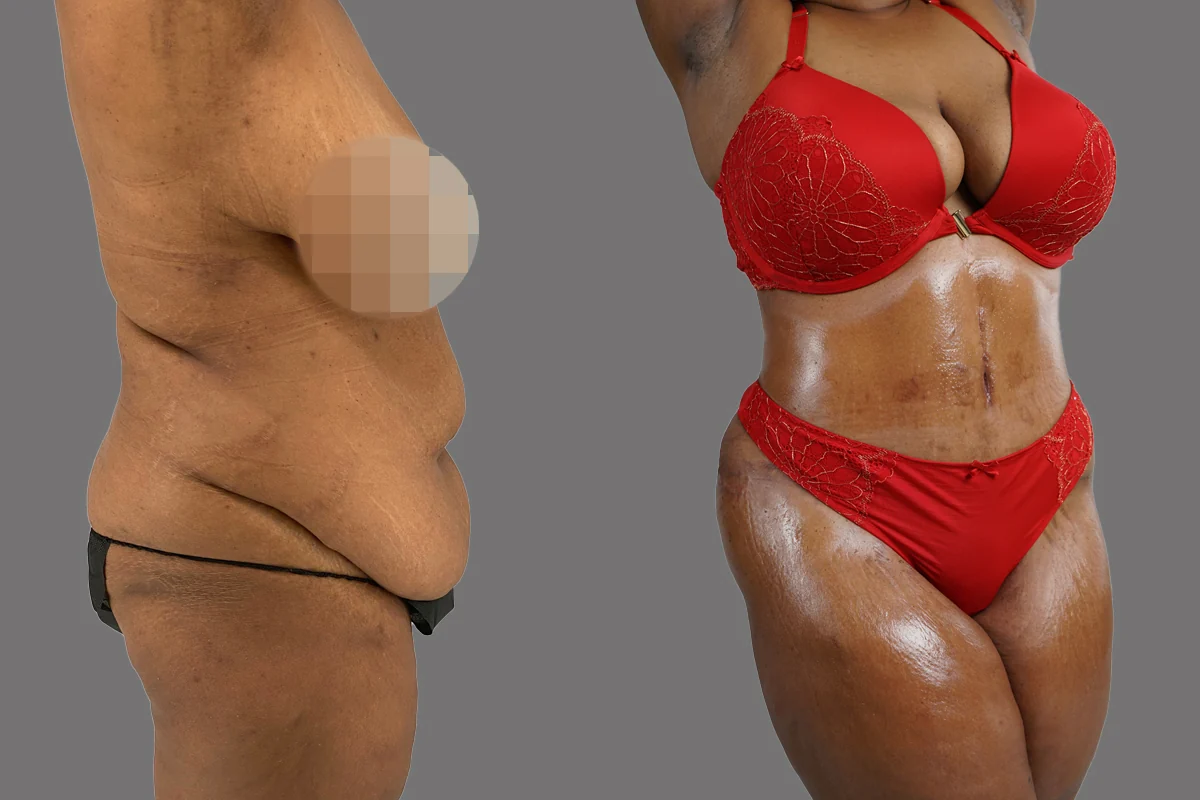
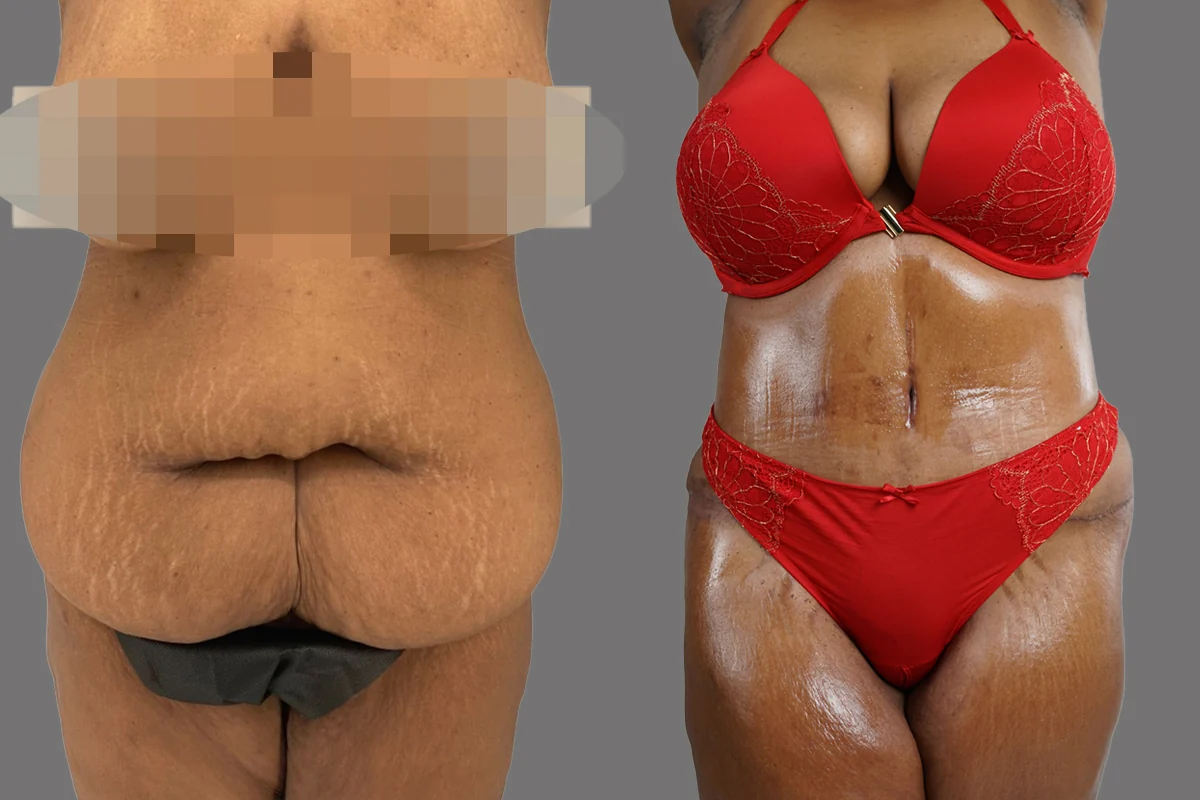
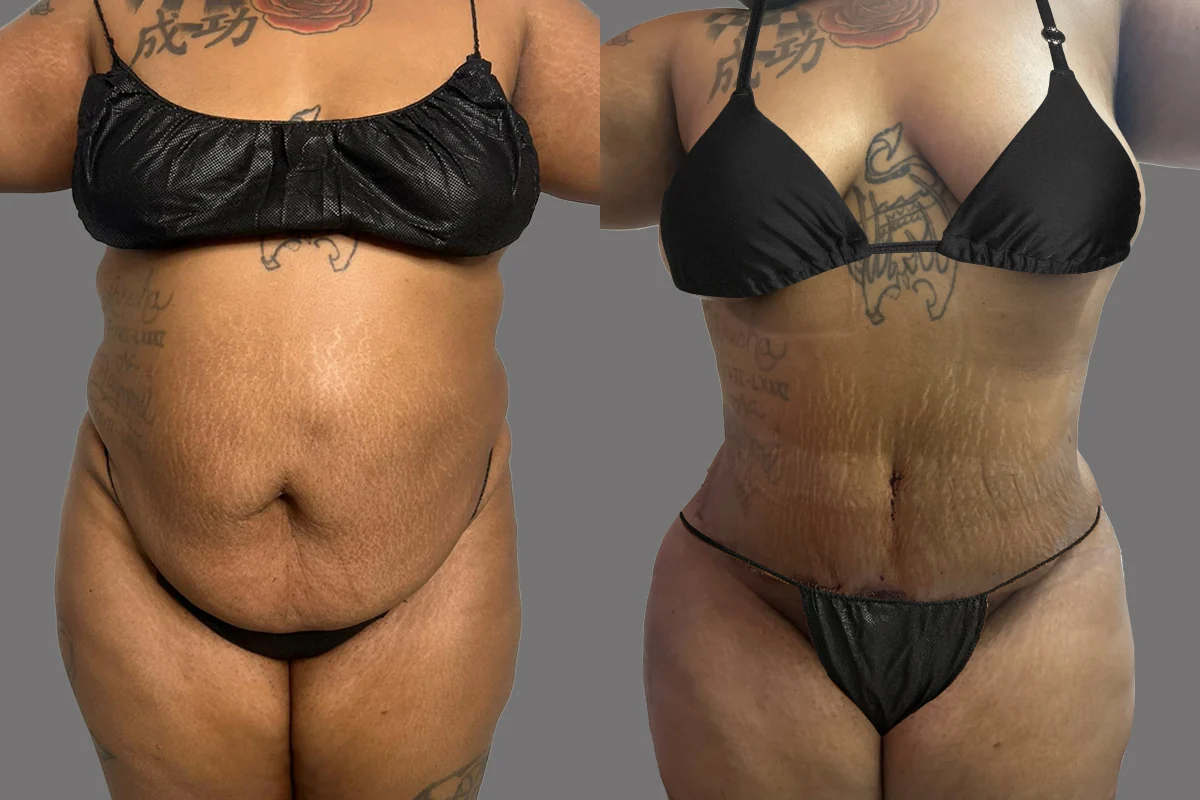

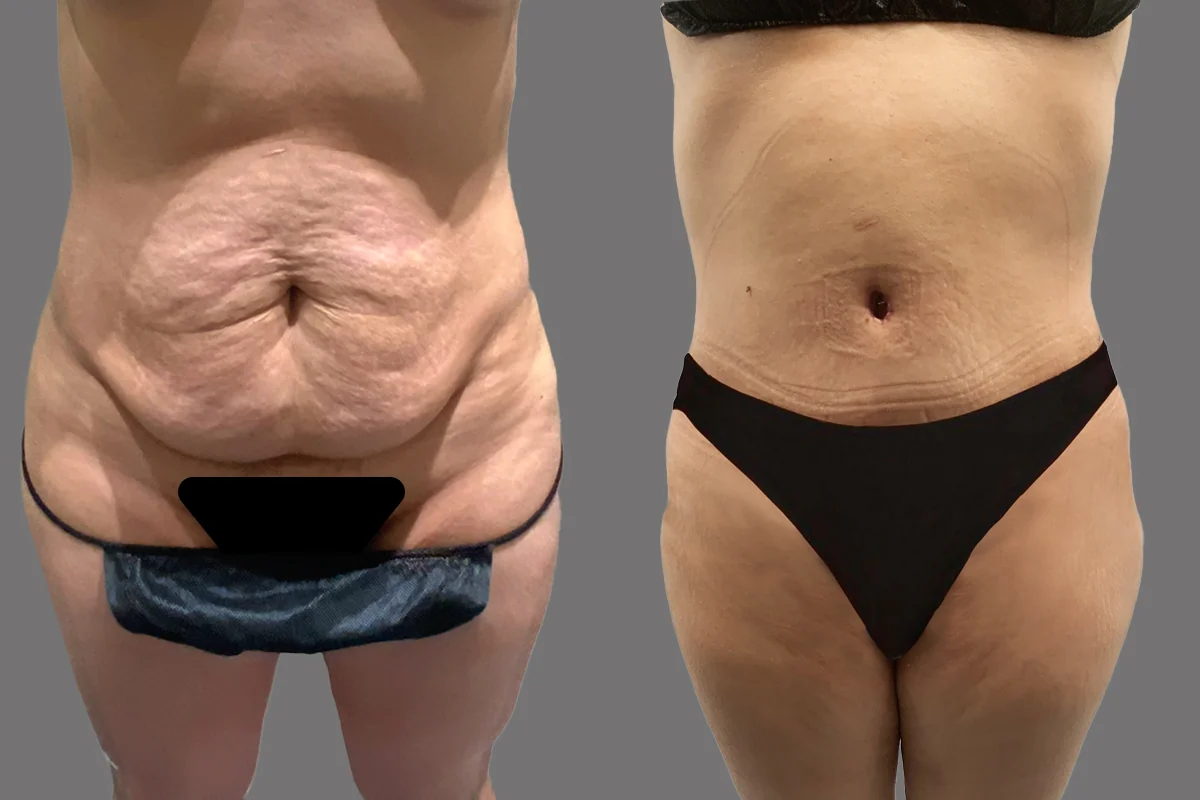
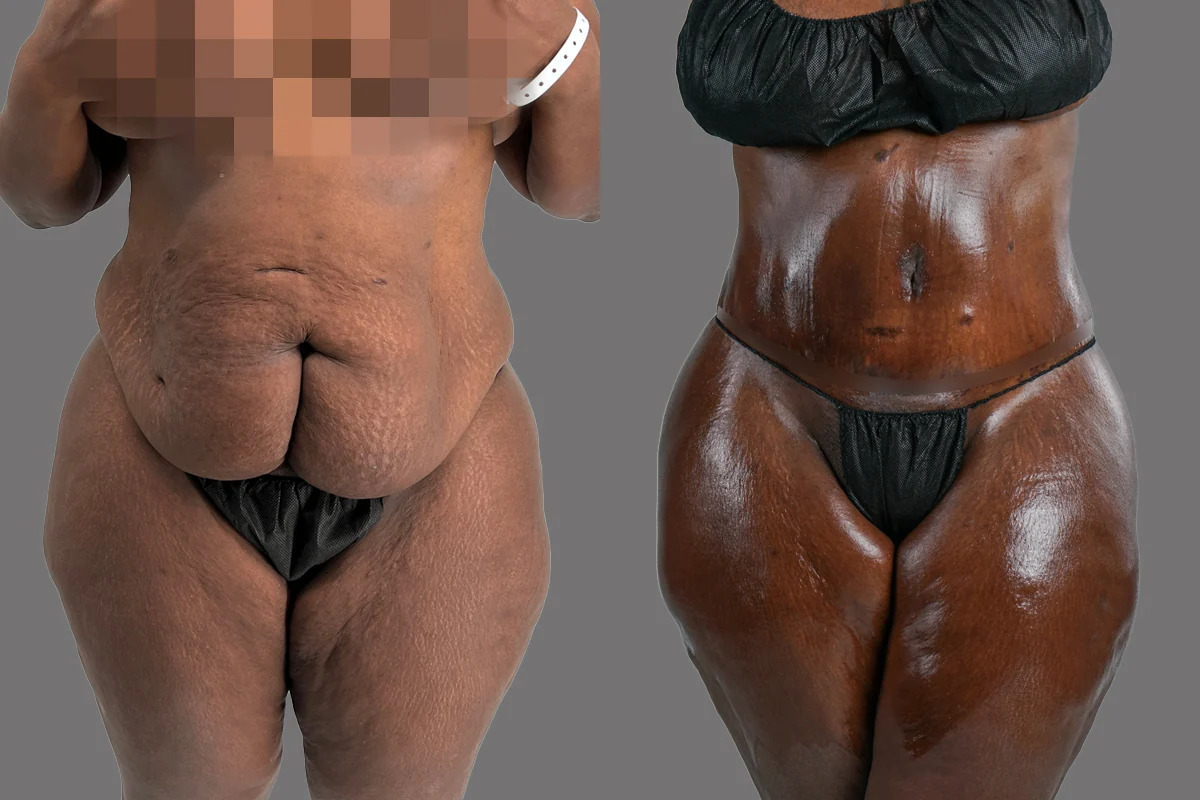
Real patients, published with written consent. Photographs are not retouched or AI-generated. Individual results vary — these images show outcomes for these patients and are not a guarantee of your own.
Try it
Type your height and weight. Your numbers stay on your device. We do not see or save them.
BMI is just one number. Your surgeon also looks at your health and your goals. BMI alone does not decide if you can have surgery.
Why Goals
Hair Advanced Rejuvenation & Restoration Technology that wakes up follicles and supports fuller, natural growth.
Experienced specialists who know hair restoration inside out and focus on results that look natural.
Every therapy is built around your diagnostics, scalp health, and what you actually want.
Virtual consultations from anywhere, plus hands-on care at our Atlanta clinic.
| Question | Answer |
|---|---|
| QuestionWhat actually causes the thinning these treatments target? | AnswerMost of it traces back to follicles that have weakened and started producing thinner, shorter hairs, often from genetics, hormones, stress, or age. PRP, laser, and mesotherapy work by feeding and stimulating those struggling follicles so they can bounce back. At your Atlanta consultation we pin down what is driving your loss before recommending anything. |
| QuestionAre these treatments safe, and are there side effects? | AnswerThey are minor, in-office treatments, which is a big part of the appeal. Since nothing is surgical, the most you usually feel is mild scalp tenderness or slight redness for a few hours. PRP uses your own blood, so there is nothing foreign to react to. Our team walks you through the aftercare so the scalp stays calm between sessions. |
| QuestionWill the results last, or do I have to keep coming back? | AnswerHair loss is ongoing, so think of this as maintenance rather than a one-time fix. The initial series does the heavy lifting, then most people come in for occasional touch-up sessions to hold their density. Skip maintenance entirely and thinning tends to creep back over time, which is why we map out a realistic long-term plan upfront. |
| QuestionIs this a good option for men with a receding hairline? | AnswerIt can be, especially if you catch it early. Non-surgical therapy is best at strengthening follicles that are still active, so a hairline that is thinning responds better than one that has gone fully bald. Hair restoration is done at our Atlanta clinic at 3576 Chamblee Tucker Rd. Call us and we will help you find the nearest Goals clinic that offers it. |
| QuestionHow soon before an event should I start treatment? | AnswerSooner than you might think, because this is not an overnight change. Early improvement usually shows in a couple of months, and fuller density builds over several more. If you have a wedding or big event in mind, start at least four to six months ahead so the growth has time to come in and settle naturally. |
| QuestionCan I keep coloring or styling my hair during treatment? | AnswerFor the most part, yes. There is no scarring and no real downtime, so your normal routine stays intact. We usually just ask you to hold off on washing or heavy product for a short window right after a session so the scalp can settle. Beyond that, color and style as usual while the regrowth builds underneath. |
A general comparison. Which approach suits you is decided at a consultation with a licensed surgeon.
Patient Guides
Written by the team that performs the procedure, to read before your consultation.
 How to Verify a Plastic SurgeonFour free checks that take ten minutes: the NPI registry, the state medical board, ABMS board certification and the facility’s accreditation. Step by step, with every link.Read the guide
 Questions to Ask Before Any SurgeryTen questions to ask any plastic surgeon before you book, what a good answer sounds like, the warning signs, and a version you can print and bring to your consultation.Read the guide
General information, not medical advice. What applies to you is decided at a consultation with a licensed surgeon.
Get started
Weighing PRP, laser therapy, or another non-surgical option for thinning hair? Our Atlanta team builds you a safe, realistic plan around your scalp and your goals.
Prefer to talk now? (833) 462-5769
Learn more
Anyone researching hair restoration atlanta options runs into the same problem quickly: the internet cannot tell you what is happening on your own scalp. It can explain what PRP is. It cannot say whether your follicles are still active, how far the thinning has actually gone, or whether four sessions will move anything. That is the gap this page tries to be honest about. Hair restoration is done at our Atlanta clinic on Chamblee Tucker Road. What follows covers these non-surgical treatments, who each one genuinely suits, and the part most pages skip: the specific things that only an examination can settle. If you have been running atlanta ga hair restoration searches and coming away with more questions than answers, start here.
At any serious hair restoration clinic the first appointment is diagnostic rather than a sales meeting. A specialist looks at the density across different zones of the scalp, checks whether the miniaturised hairs are still producing, and works out the pattern your loss is following.
None of that is visible to you. Standing in front of a mirror tells you a hairline has moved. It does not tell you whether the follicles behind it are dormant or gone, and those two situations have completely different answers. Dormant follicles respond to stimulation. Follicles that have closed do not, at which point stimulating them is money spent on nothing.
That single distinction decides whether these treatments are worth booking at all, and there is no substitute for having someone look. Patients who arrive already certain of what they need are sometimes right and sometimes spending on the wrong thing.
It is also where the timeline gets set realistically. A scalp with widespread miniaturisation needs a different session count from one showing early thinning in a single zone, and quoting either without looking is guesswork dressed up as a plan.
PRP Hair Restoration draws a small sample of your blood, concentrates the platelets, and returns them to the scalp to prompt weakened follicles back into a growth cycle. It is the most-requested option here, and along with mesotherapy it accounts for most of the non-surgical work done at this clinic.
LLLT Hair Restoration uses clinical-strength light rather than injections, which makes it the choice for people who want stimulation without needles. Darsonval Hair Restoration works on circulation at the scalp, and Mesotherapy Hair Restoration delivers nutrients directly where the follicles need them.
These non-surgical therapies are frequently layered rather than chosen singly. Which combination fits depends on what the examination finds, not on which sounded best in an article, and a plan built from four treatments is not automatically better than one built from two.
There is a practical dimension too. Injectable options and light-based ones sit differently in a schedule, and someone who dislikes needles or cannot commit to a run of weekly appointments is better served by a plan built around that rather than one they will abandon at session three.
Goals runs its own protocol under the name HARRT, short for Hair Advanced Rejuvenation & Restoration Technology. It is not a separate treatment so much as a framework for how the scalp gets stimulated and fed across a course, and how the individual therapies are sequenced against each other.
The practical difference HARRT makes is in ordering and spacing. Stimulation and nourishment delivered in the wrong sequence, or crowded too close together, ask more of the scalp than it can usefully absorb. Spacing them properly improves the odds that weakened follicles actually recover rather than simply being repeatedly provoked.
Whether a HARRT-structured course suits you comes out of the same examination as everything else. It is worth asking about at the consultation, if only because a clinic that can explain why its sequence looks the way it does is a clinic that has thought about it.
There is a hard limit worth stating plainly: non-surgical hair restoration revives follicles that still exist. It does not create new ones. Everything else about candidacy follows from that.
Which is why timing matters more than intensity. Someone who starts at the first noticeable thinning has considerably more to work with than someone who waits three years and then asks for the most aggressive protocol available. The second patient is not helped by more sessions; there is simply less left to stimulate.
The uncomfortable version of this conversation happens when someone arrives well past that point. The honest answer then is that non-surgical therapy will not deliver what they are hoping for, and that a hair transplant consultation is the more useful conversation. Being told that costs us a booking and saves the patient a course of treatment that was never going to work.
The reverse happens as well, and more often than people expect. Someone convinced they have left it too late turns out to have plenty of viable follicles and needs far less intervention than they had braced for. Neither answer is available without an examination.
Female pattern loss rarely announces itself with a receding hairline. It shows up as diffuse thinning across the crown, a part that widens gradually, or a ponytail that has quietly halved in thickness. Women make up a substantial share of hair restoration atlanta enquiries, and the thinning they describe behaves differently from the male version.
Because it is gradual and even, it often goes unaddressed far longer than male loss does. That matters, given that early intervention is where these treatments perform best. Plenty of women arrive having noticed the change eighteen months earlier and having assumed it was not yet worth mentioning.
The treatments themselves are the same, but the assessment differs. Hormonal factors, thyroid function and iron levels all belong in the conversation, and a clinic that examines a woman's scalp without asking about any of them is not looking properly.
Post-partum shedding deserves its own note, since it worries a great many patients unnecessarily. It is usually temporary and resolves without intervention, and starting a course of treatment during it can produce results that would have arrived anyway. Distinguishing that from genuine pattern loss is precisely what the first appointment is for.
No non-surgical treatment works quickly, and pretending otherwise sets up disappointment. The initial series does the heavy lifting over the opening months, with early improvement typically visible somewhere around the two-month mark and density continuing to build well beyond that.
Anyone timing this around an event should count backwards generously. Four to six months before a wedding is realistic. Six weeks before is not, and starting then produces a patient who concludes the treatment failed when what actually failed was the schedule.
Photographs help more than memory does. Taking a picture in consistent light at the start and monthly thereafter gives you something objective to compare against, because gradual change is genuinely hard to perceive in a mirror you look at daily. Patients who track it this way are far less likely to give up prematurely.
Hair loss is a continuing process, so the honest framing for any non-surgical course is maintenance rather than cure. The initial course establishes the result and periodic sessions hold it.
Stopping is entirely permissible and nothing dramatic happens. The gains gradually give ground and the scalp drifts back toward where it began. Nothing collapses, and there is no penalty for a gap. Plenty of patients complete a series, hold it for a year or two, and then let it lapse deliberately.
How often maintenance is needed varies by person and by how the initial course went, which is another figure nobody can quote in advance. It gets settled once there is a response to look at.
What matters is knowing that at the start rather than discovering it at month ten. A patient budgeting for one course and finding out afterwards that holding the result asks for more feels misled, even when nobody misled them, and it is straightforward to avoid by discussing the annual picture at the first appointment. Where paying across time helps, financing can spread it out.
Wherever you end up, a few questions separate a hair restoration clinic worth using from one worth avoiding. Ask what the examination actually involves. Ask what the treatment cannot do for you specifically. Ask how many sessions and over what period, and what happens if the response is poor.
Straight answers to all four, unflattering parts included, tell you plenty. Deflection into a package price tells you something else. It is equally fair to ask who performs the treatment and what their credentials are. You are entitled to know, and a reasonable clinic answers without being prickled by the question.
Hair restoration is done at our Atlanta clinic at 3576 Chamblee Tucker Rd. Call us and we will help you find the nearest Goals clinic that offers it. Results from previous patients sit in the before-and-after gallery. If it turns out that nothing suits your situation, expect to be told that at the consultation rather than after a course of treatment. That conversation costs an hour and commits you to nothing.
Sessions themselves are undemanding: under an hour, minimal discomfort, and back to your day afterwards. What people find harder is the waiting, particularly during the first eight weeks when nothing much appears to be happening while the scalp is actually responding underneath.
Free · No obligation
Tell us how to reach you. A patient coordinator calls you back — usually the same day.
Free · No obligation
Ask me anything. I usually reply straight away.
If you share your number, a Goals coordinator may call or text you about your consultation. Message and data rates may apply.
Nora is an automated chat. She cannot give medical advice or say whether a procedure suits you.