Early Thinning
Early thinning where you want to shore up the hair you have and slow the loss.
A non-invasive treatment that uses your own blood's platelets to spur hair growth. Built for thinning without surgery, at our accredited New York clinic.

12,000+
Hair Procedures Performed
150+
Years of Combined Surgical Experience
4.9
Based on 8,500 Patient Reviews
Come to our New York clinic for consults, pre-op clearances, and post-op follow-ups. Easy to reach whether you drive in or commute, with parking close by.
We use PRP to combat thinning and back stronger hair, no surgery.
Early thinning where you want to shore up the hair you have and slow the loss.
A part line getting wider as density thins out through the top of the scalp.
Density fading at the crown, where the scalp starts showing through the hair.
Hair shedding more than it should, needing stronger roots and a healthy scalp.
Fine, weak hair that could use more strength and body.
Backup for a hair transplant, used alongside it to push healthy growth.
If you've got early thinning, a widening part, or more shedding than usual, you're a good candidate. PRP is a non-surgical way to put your own platelets to work on fuller hair.
Hair loss you can spot in the mirror or photos.
Loss that's held steady or slowed over the past 1-2 years.
You want a non-surgical option using your own blood, no implants or cutting.
Enough healthy hair on the back and sides of your scalp.
Ready to follow the pre- and post-op instructions.
Want to pair your transplant with something else, or weigh other options? We cover the full hair restoration range.
About PRP Hair Restoration
PRP Hair Restoration near you
Look after your scalp and the hair you still have with our non-surgical treatments. Gentle, and they do the job. Ideal for men and women experiencing thinning, shedding, or a stressed scalp who want a drug-free approach.
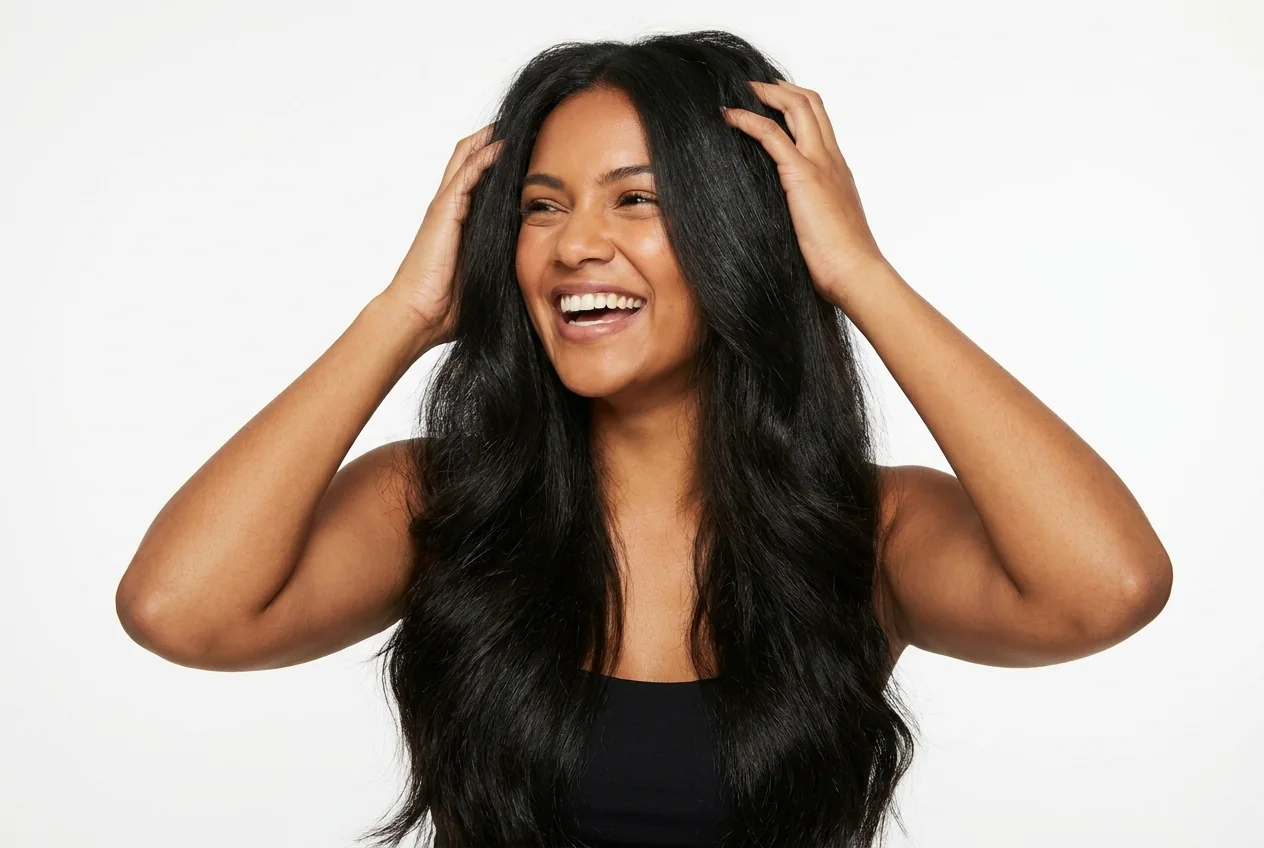
Results vary with your skin, your starting point and how many sessions you have. Your consultation covers what is realistic for you, before you commit to anything.
Prefer to talk now?(833) 462-5769
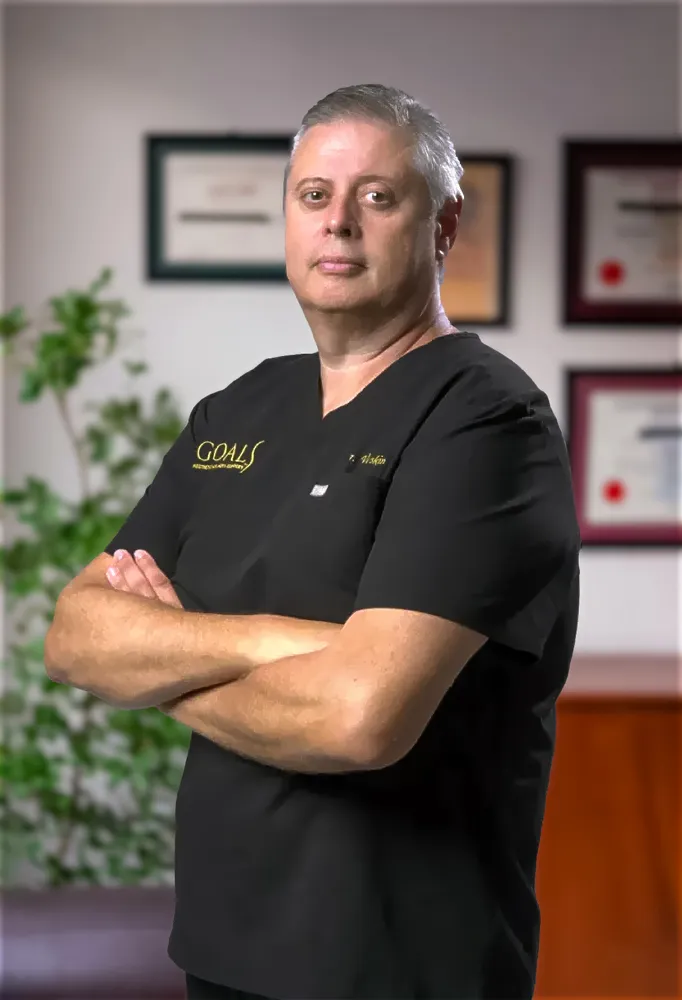
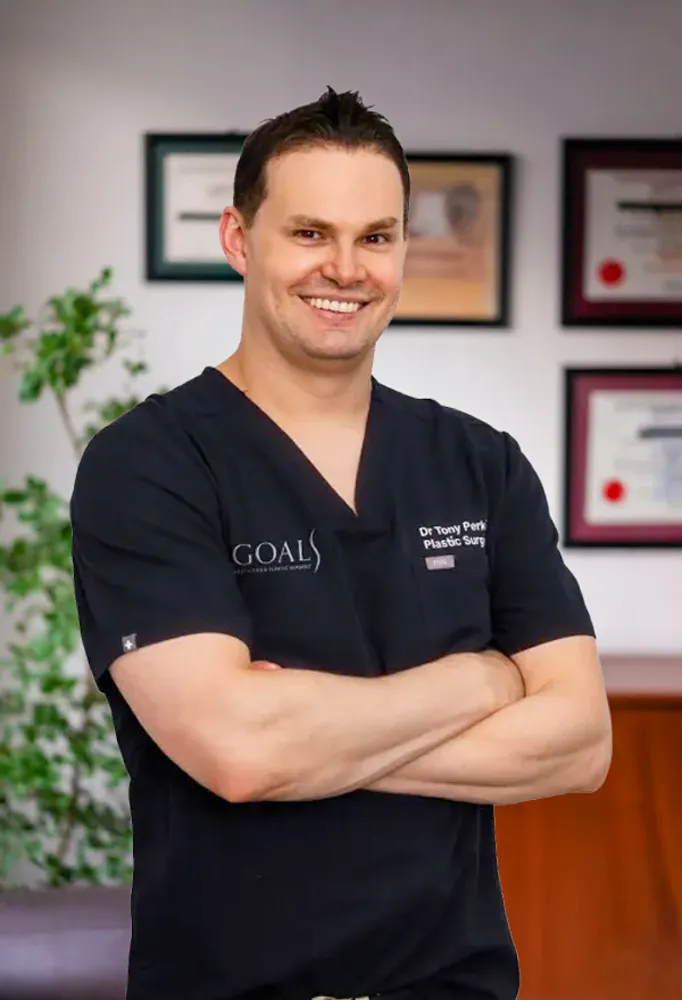
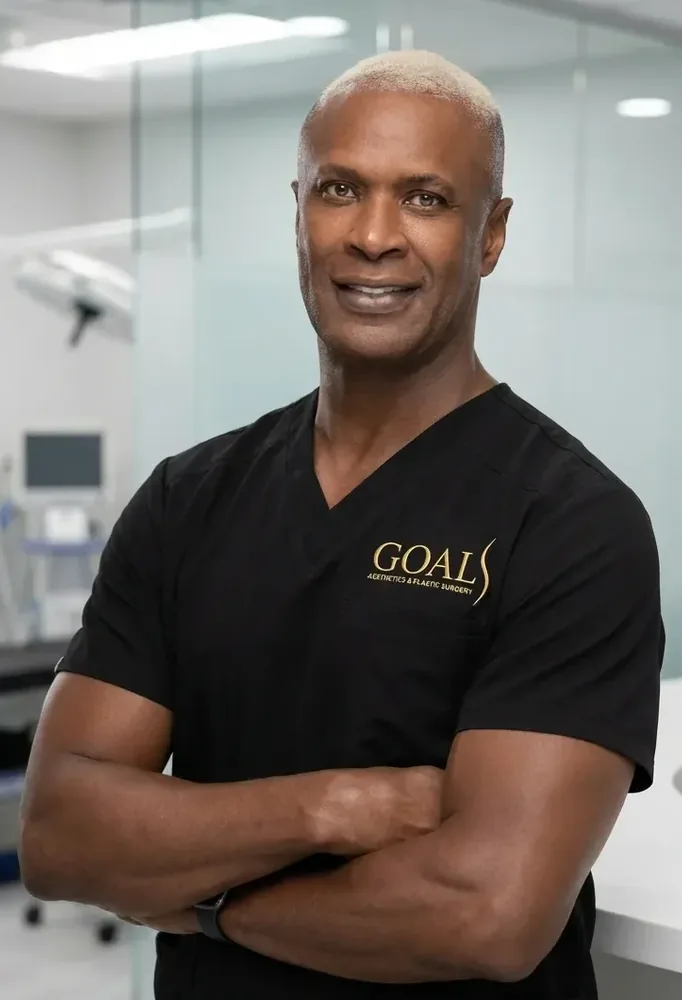
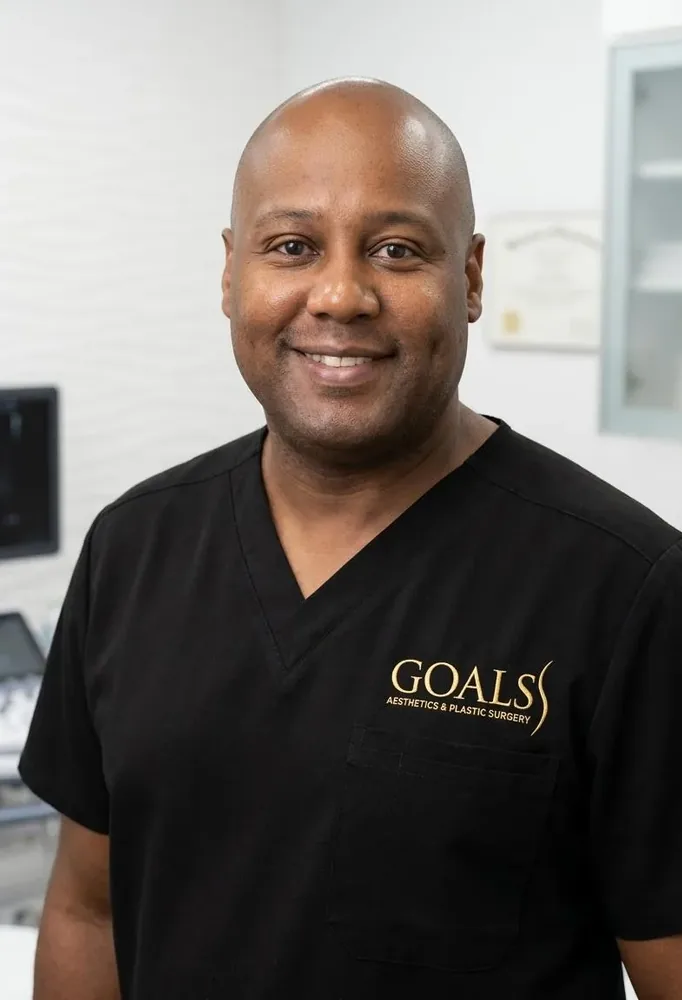
Every transplant is done by a U.S.-credentialed hair restoration surgeon, not a technician. Meet the team before you ever book your consultation.
Credentials differ by surgeon and are listed in full on each surgeon's page.
"A discount PRP deal is tempting. But PRP is only as good as the blood draw, the processing, and the hands doing it. Cut corners on any of those and you get a weak injection with little to show for it."
| Left Step | Right Step |
|---|---|
| Left StepYou book the cheapest PRP special going, with no idea who's actually doing it. | Right StepYou book a session and a qualified provider checks your scalp and hair before anything starts. |
| Left StepNo real assessment first, so nobody confirms PRP even suits your kind of hair loss. | Right StepYour plan is set upfront. How many sessions, how often, what to expect. No guesswork. |
| Left StepBlood gets drawn and spun on basic or rushed kit, so the plasma may come out weak and thin. | Right StepWe draw a small blood sample and process it under sterile protocols to concentrate the platelets. |
| Left StepInjections happen fast, done by whoever's free rather than an experienced provider who does this daily. | Right StepThe platelet-rich plasma goes into the thinning areas of your scalp to spur growth. |
| Left StepNobody tracks progress or adjusts anything, so months pass and you can't tell if it's working. | Right StepIf anything needs adjusting, the same local medical team is right there to guide you and answer questions. |
| Left StepIf something feels off after, support is a front desk, not the person who treated you. | Right StepFollow-ups track your hair across the whole plan, one clinic, one team. |
| Factor | Discount PRP | Goals Clinic |
|---|---|---|
| Assessment | Often skipped; nobody confirms PRP suits your loss. | A qualified provider checks your scalp before you start. |
| Blood Processing | Basic or rushed spin; plasma may come out weak. | Sterile protocols for properly concentrated platelets. |
| Who Injects | Whoever's free, not a dedicated medical provider. | A medical practitioner who does this often. |
| Guidance | Little follow-up; a front desk if something goes wrong. | In-person guidance from the same local team each visit. |
| Tracking | Nobody tracks whether it's working. | Follow-ups track your hair across the plan. |
| Your Blood | Handled with less care throughout. | Your own platelets, drawn and handled with care. |
| Consistency | One-off specials with no real plan behind them. | A set schedule keeps your treatment on track. |
| Setting | A pop-up or discount room with little oversight. | An accredited New York clinic with medical staff on site. |
Safety comes first here. We draw and process your blood under sterile, professional protocols, so what goes into your scalp is clean and well prepared.
Clean, professional treatment rooms at our accredited New York clinic.
A quick, minimally invasive session with just a small blood draw.
Reach your provider and care team easily when questions come up.
Clean protocols and clear aftercare guidance for a comfortable visit.
Your blood is spun and prepared on proper clinical equipment.
One local team handles your assessment, your sessions, and follow-up.
PRP uses your own platelets, so nothing foreign goes in and reaction risk is very low.
An accredited NY clinic. Professional equipment, trained staff, in-person care.
Experienced hair restoration surgeons you meet before and after the procedure.
You're covered by U.S. patient safety laws, with real recourse if needed.
A non-surgical option that suits both men and women with thinning hair.
"My part was getting wider every year. A few PRP sessions in, the shedding slowed and my hair feels thicker. All my own."
"I did PRP to support my hair transplant and it helped things fill in faster. Quick visits, just a small blood draw."
"Wanted something non-surgical for early thinning. They were upfront about what PRP can do, and my hair looks fuller."
Testimonials reflect individual experiences. Results vary by patient.
PRP is a non-invasive treatment that uses your own blood's platelets, drawn and concentrated, then injected into the scalp to spur hair growth.
We're open Monday through Saturday. Book online in a couple of minutes or just call us, and the team will lock in your consultation date and time.
No. PRP is non-surgical and minimally invasive. Just a small blood draw and scalp injections, with little downtime after each session.
Yes. PRP is a non-surgical option for both men and women who want to combat thinning and back stronger hair without surgery.
It depends on your hair and your goals, so we set a plan at your first visit and adjust as your hair responds.
It uses your own platelets to combat thinning and back stronger, fuller hair, and it can run alongside a hair transplant.
PRP hair restoration is a non-invasive treatment that puts your own blood to work on hair growth. Nothing gets moved from one part of your head to another, and nothing synthetic goes in. A small sample of your blood is drawn, spun down to concentrate the platelets it contains, and that concentrate is placed into the thinning areas of your scalp. Because the material is yours, reaction risk stays very low.
At Goals Plastic Surgery, PRP hair restoration is carried out at our accredited New York clinic by qualified medical providers. If you have been searching PRP for hair loss in New York, the sections below start with the part most guides skip: what is actually in the syringe, and why the way it is prepared decides whether any of the rest matters.
Platelet-rich plasma is a fraction of your own blood, not a drug and not a supplement. Your sample goes into a small tube, called a vial, and that vial is spun at speed in a centrifuge. Spinning separates blood into layers by weight, and the layer that matters here sits between the red cells at the bottom and the clear plasma above.
Platelets are best known for clotting, but that is only half their job. When tissue is damaged anywhere in your body, platelets arrive first and release growth factors, signalling proteins that tell surrounding cells to multiply, to build new blood vessels, and to start repair. This is ordinary biology happening constantly and invisibly. PRP takes that mechanism and concentrates it in one place on purpose.
Concentration is the whole point, and it is where preparation quality shows. Ordinary blood contains a certain baseline density of platelets. A properly processed sample delivers a multiple of that baseline into a small volume. A poorly processed one delivers something closer to plain blood with extra steps, which is why two clinics can offer the same named treatment and produce results that are not comparable.
The autologous part, meaning the material comes from you, is not a marketing detail. It changes the risk profile of the entire treatment. Anything introduced into the body carries some chance of an immune response. Your own platelets carry effectively none, because your immune system has no reason to object to material it produced itself. There is no allergy risk in the conventional sense, no rejection, and no question of compatibility. That is why PRP is used across medicine for tendon injuries, joints, and wound healing, not only for hair.
It also means the quality of what goes into your scalp reflects the quality of what is circulating in you on the day. Platelet counts vary with hydration, illness, certain medications, and how recently you have donated blood. Anti-inflammatory drugs interfere with platelet function specifically, which is why you will be asked about them before a session rather than as an afterthought. None of that usually rules anyone out. It does mean the assessment beforehand is doing real work, and that a version of this treatment sold without one is skipping the step that determines whether your sample will be worth concentrating.
Three stages, each with its own way of going wrong. Understanding them tells you more about what separates clinics than any description of comfort levels. The draw is routine and feels like a standard blood test. What matters is technique. A difficult or traumatic draw activates platelets prematurely, meaning they release their growth factors into the tube instead of into your scalp. The sample looks identical either way.
The spin is where the platelet-rich plasma is actually made. Speed and duration are set deliberately, because too little separation leaves platelets stranded in the discarded fraction and too much damages them. The correct layer then has to be drawn off without dragging red cells along, which requires a steady hand and enough experience to know what the boundary looks like. The injection places the concentrate at the depth where follicles sit, distributed evenly across the treatment area rather than pooled in a few spots. Even distribution is the part patients never think about and the part that most affects whether the whole area responds or only sections of it do. The visit itself is short and minimally invasive. Mild scalp tenderness afterward is normal and settles within a day. Most people go straight back to whatever they had planned.
A thinning follicle is rarely a dead one. More often it is a follicle that has shrunk, spends less time growing and more time resting, and produces a finer strand with each cycle. That process is gradual, and for a long stretch of it the follicle is still present and still capable. PRP is aimed at that window. The concentrated growth factors encourage better blood supply around the follicle, support the cells that drive the growth phase, and push the follicle toward staying active longer.
The result reads as density and strand quality rather than as new hairline, because that is literally what is changing. This is also the honest boundary of the treatment. Growth factors need something to act on. A follicle that closed years ago and left smooth scalp behind has nothing left to stimulate, and no number of sessions changes that. PRP is a way to combat thinning while there is still hair to work with, which is why starting earlier gives it more to do.
Hair grows on a cycle measured in months, and PRP works by influencing that cycle rather than overriding it. The consequence is a timeline that frustrates people who were not told about it in advance. The first change is usually not growth at all. It is a drop in how much hair comes away, on the pillow, in the shower, in your hands. Reduced shedding tends to arrive well before any visible thickening, and it is the earliest reliable sign that follicles are responding.
Texture comes next. Hair that felt fine and soft starts to feel like it has more substance to it, often noticeable before it is visible. Density is last, and it arrives gradually enough that the people who see you daily will not register a moment when it changed. Month four is where most people quit, and it is almost always too early. Nothing dramatic has happened by then, the sessions have started to feel like a chore, and the mirror offers no encouragement because daily observation cannot detect change at this pace.
This is the single most common reason a course underdelivers, and it has nothing to do with whether the treatment was working. Consistent photographs from the same spot in the same light are more reliable than memory, and your follow-up appointments exist partly so that someone other than you is tracking it. Our before & after gallery gives a sense of what the endpoint looks like across different starting points.
PRP suits men and women who want a non-surgical way to combat thinning and strengthen the hair they still have. The clearest candidates have early thinning, a part that keeps widening, a crown losing density, or shedding that has picked up beyond normal. What connects them is follicles that are present and underperforming rather than gone. It is also used alongside a hair transplant, both to support the scalp while grafts settle and to look after the native hair around them. That native hair is the part most patients forget about, and it remains subject to whatever thinned it in the first place. A transplant result that looked excellent at year one can look less so at year four for exactly that reason.
Combining PRP with other non-surgical treatments is common where the assessment supports it. Mesotherapy feeds the follicle, LLLT laser therapy stimulates it with light, and Darsonval works on general scalp condition. These are not competing approaches, and plenty of patients run two together. Two situations call for a different conversation. Advanced loss across areas where nothing grows needs surgery rather than injections, and if that is where you are, our New York hair restoration team can lay the routes side by side. Shedding that arrived suddenly or in distinct patches is worth a medical look before a cosmetic one, because that pattern often points at something other than ordinary thinning.
Pricing follows your plan, meaning how many sessions your hair needs and how they are spaced, so the figure is confirmed at your first visit once someone has assessed you rather than quoted over the phone. Pricing is clear before you agree to anything. Financing is available if spreading the cost suits you better, and someone will talk you through the terms properly. Every plan includes follow-up visits with the same medical team from the first session through to the end of the course. Those visits are not a formality. They are where response gets assessed and the schedule gets adjusted, and given how easy this treatment is to misjudge from the inside, having someone else tracking it is a substantial part of what you are paying for.
The variables are unglamorous: how the blood is drawn, how fast and how long it is spun, whether the correct layer is drawn off cleanly, and how quickly it goes into the scalp afterward. None of this is visible to you as a patient. You cannot look at a syringe and assess it. That is worth knowing precisely because it means the credential of the person preparing it carries more weight in this treatment than in most.
About PRP Hair Restoration
PRP Hair Restoration near you
Whether you want PRP on its own or paired with a hair transplant, our team will build you a safe, realistic plan.
Prefer to talk now? (833) 462-5769
Free · No obligation
Tell us how to reach you. A patient coordinator calls you back — usually the same day.