widening part
A part line that keeps getting wider as density drops through the top.
Bring density back to a widening part or a thinning hairline with FUE or FUT. In-office, local anesthesia. By U.S.-trained hair restoration surgeons in NY.
From $5,000

12,000+
Hair Procedures Performed
150+
Years of Combined Surgical Experience
4.9
Based on 8,500 Patient Reviews
Come to our New York office for your consult, your pre-op clearance, and every follow-up after. Easy to reach whether you drive or commute.
We treat female pattern thinning, plus loss that follows aging or hormones.
A part line that keeps getting wider as density drops through the top.
Density is fading at the crown and scalp is starting to show.
Thinning spread across the whole top rather than one defined spot.
A receding, thinning hairline and temples you want filled back in.
Grafts placed into scarred patches where nothing grows anymore.
Thinning that came with age or hormones and needs fuller coverage.
Got a widening part, a crown losing density, or thinning spread across the top? You are likely a candidate. A transplant uses your own permanent hair to rebuild what thinned.
You can see it in photos, or in the mirror.
Your loss has held steady, or slowed, for a year or two.
You want this handled for good. No more daily powders or sprays.
Enough healthy hair at the back and sides to work with.
You will follow the before and after instructions.
Pairing your transplant with something else, or still weighing options? We do the full range of hair restoration.
About Women's Hair Transplant
Women's Hair Transplant near you
Not everyone needs surgery. These treatments work on follicles that are still alive but weakening, and they sit well alongside a transplant. Good for early thinning, heavier shedding, or holding onto the density you have.
Same women, same lighting, months apart. Judge for yourself.
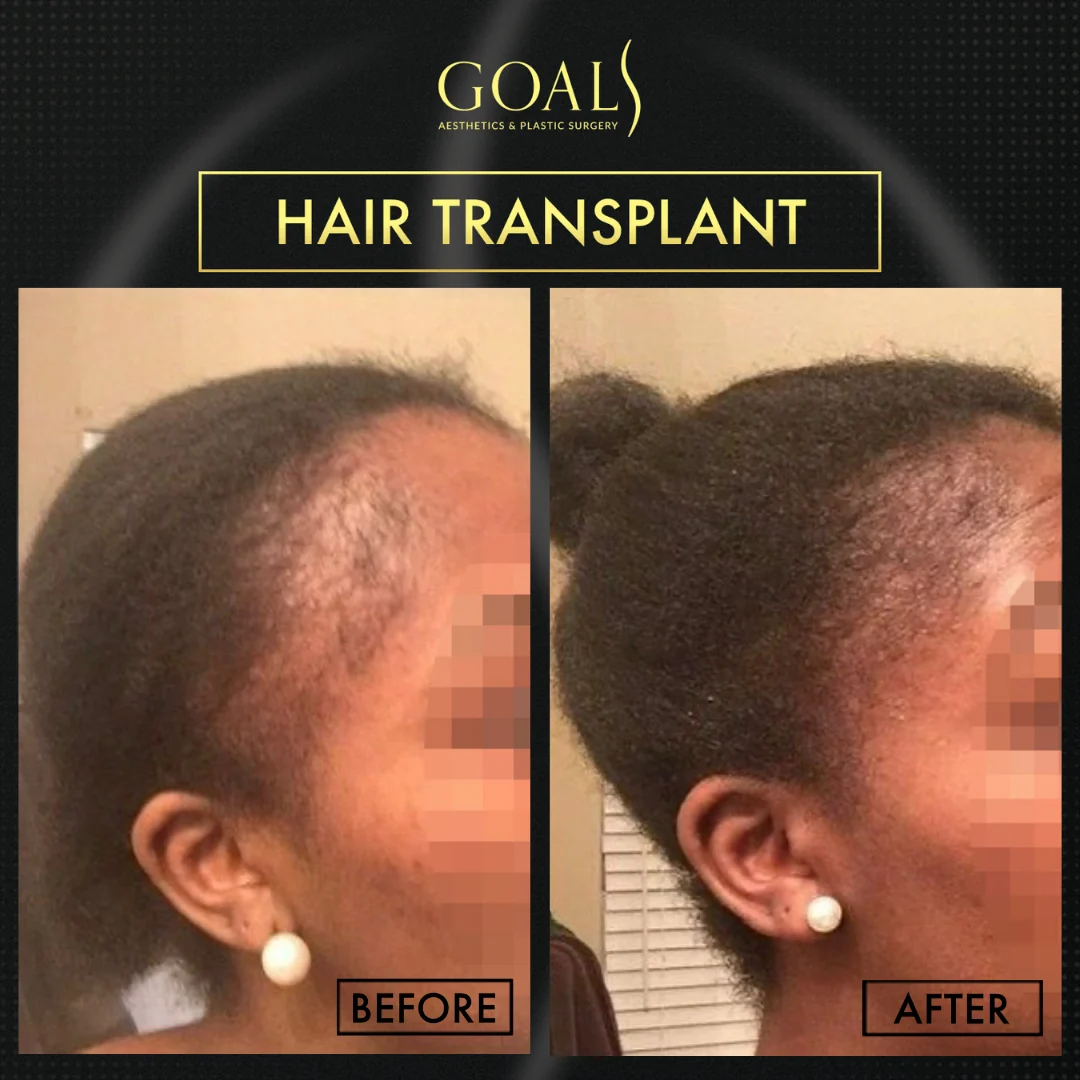
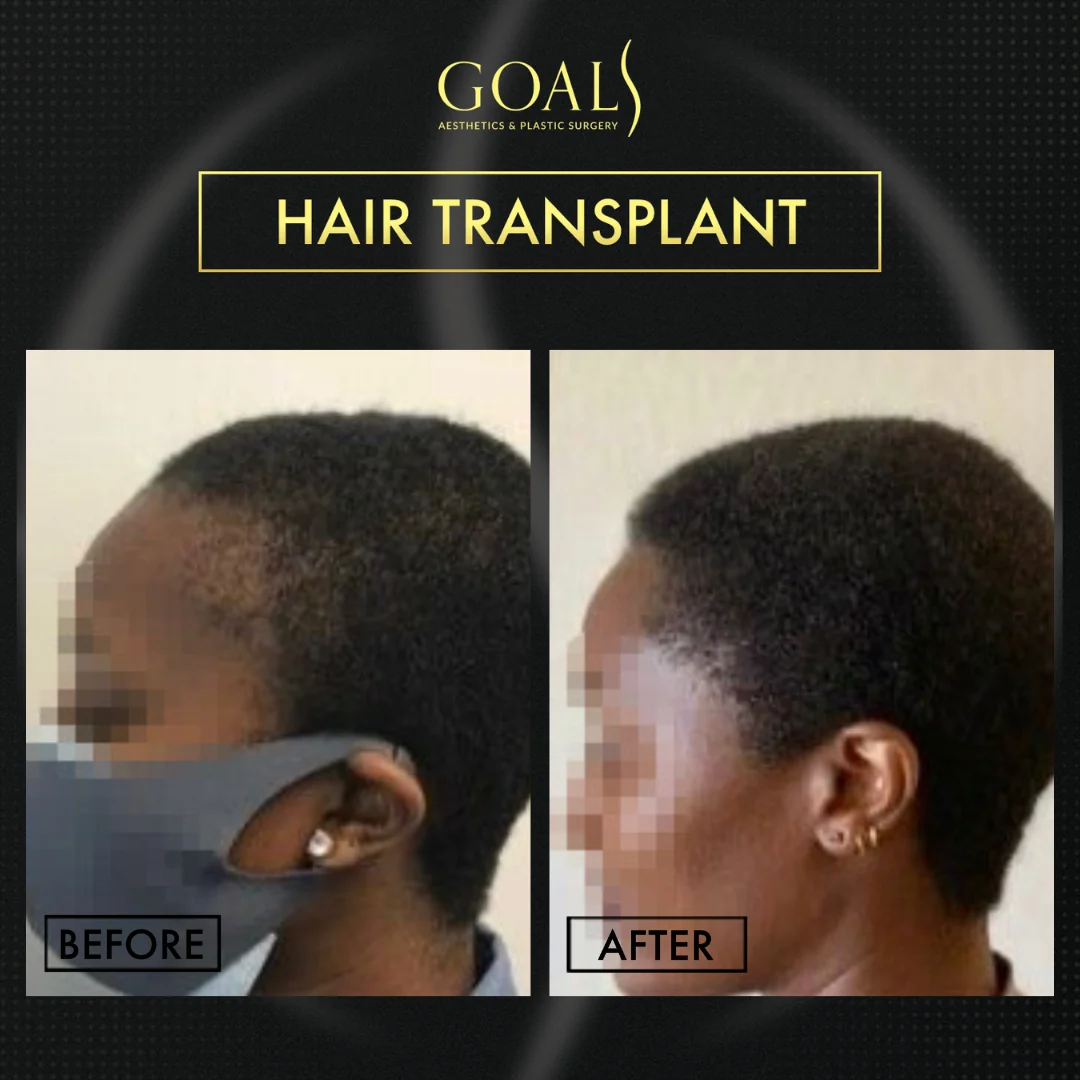
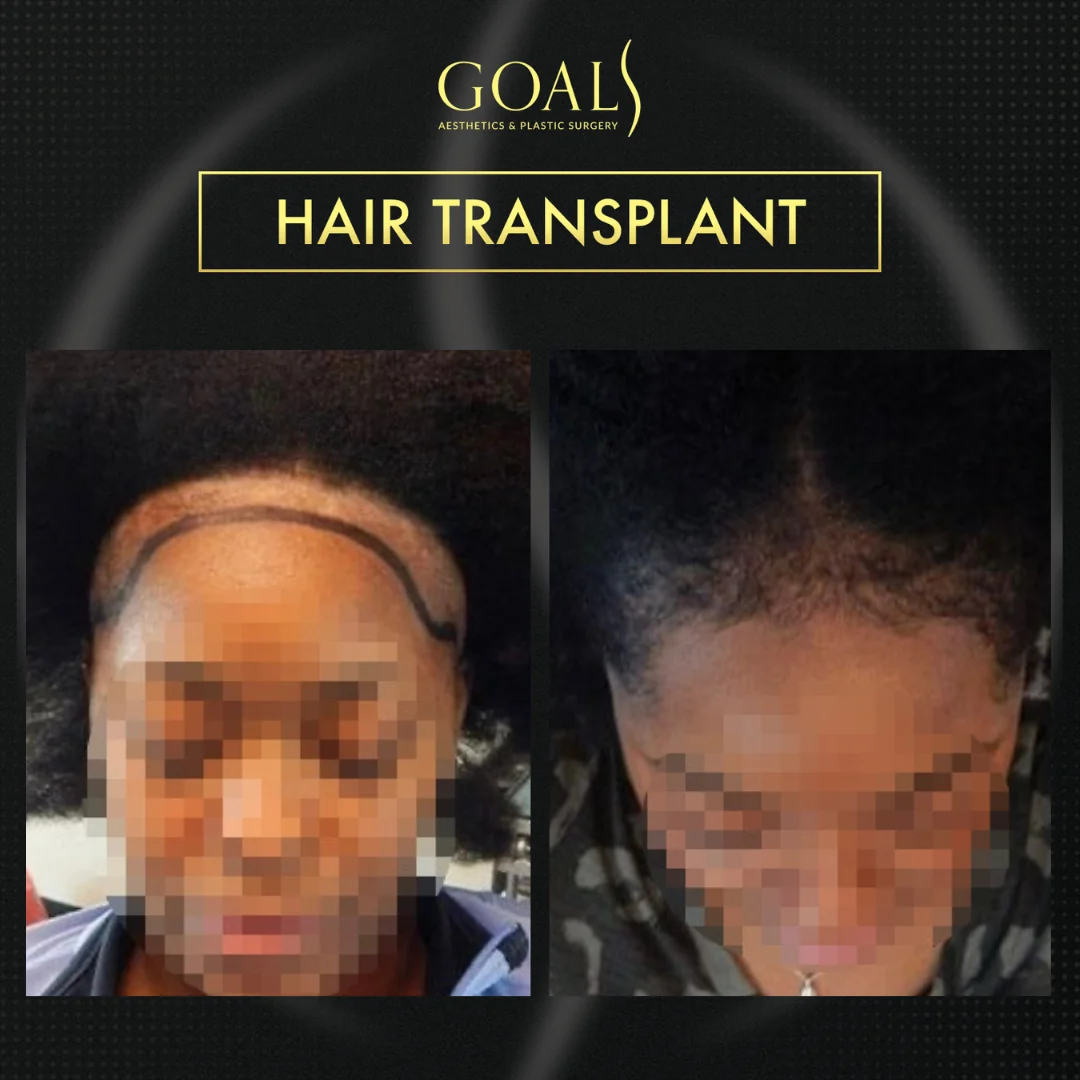
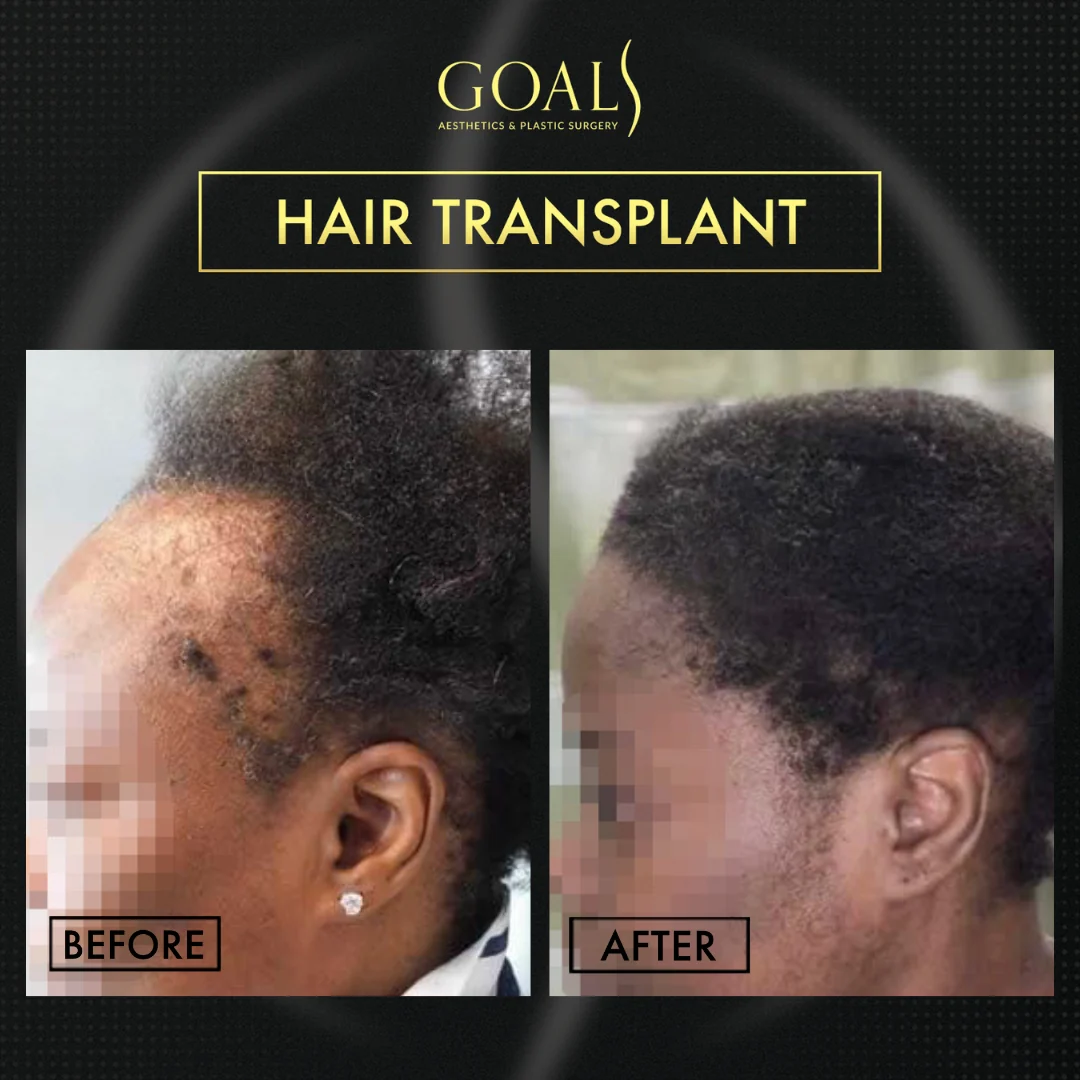
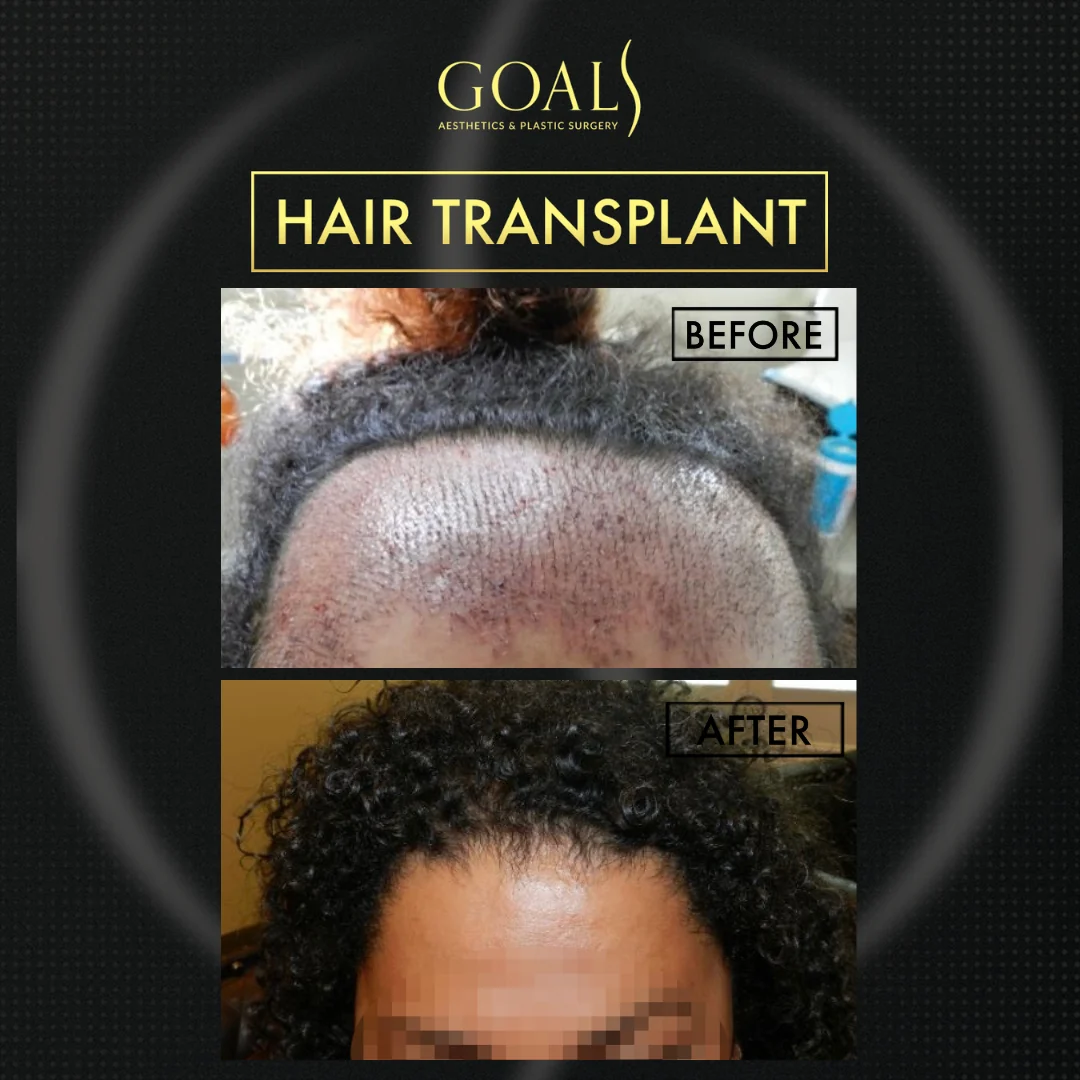
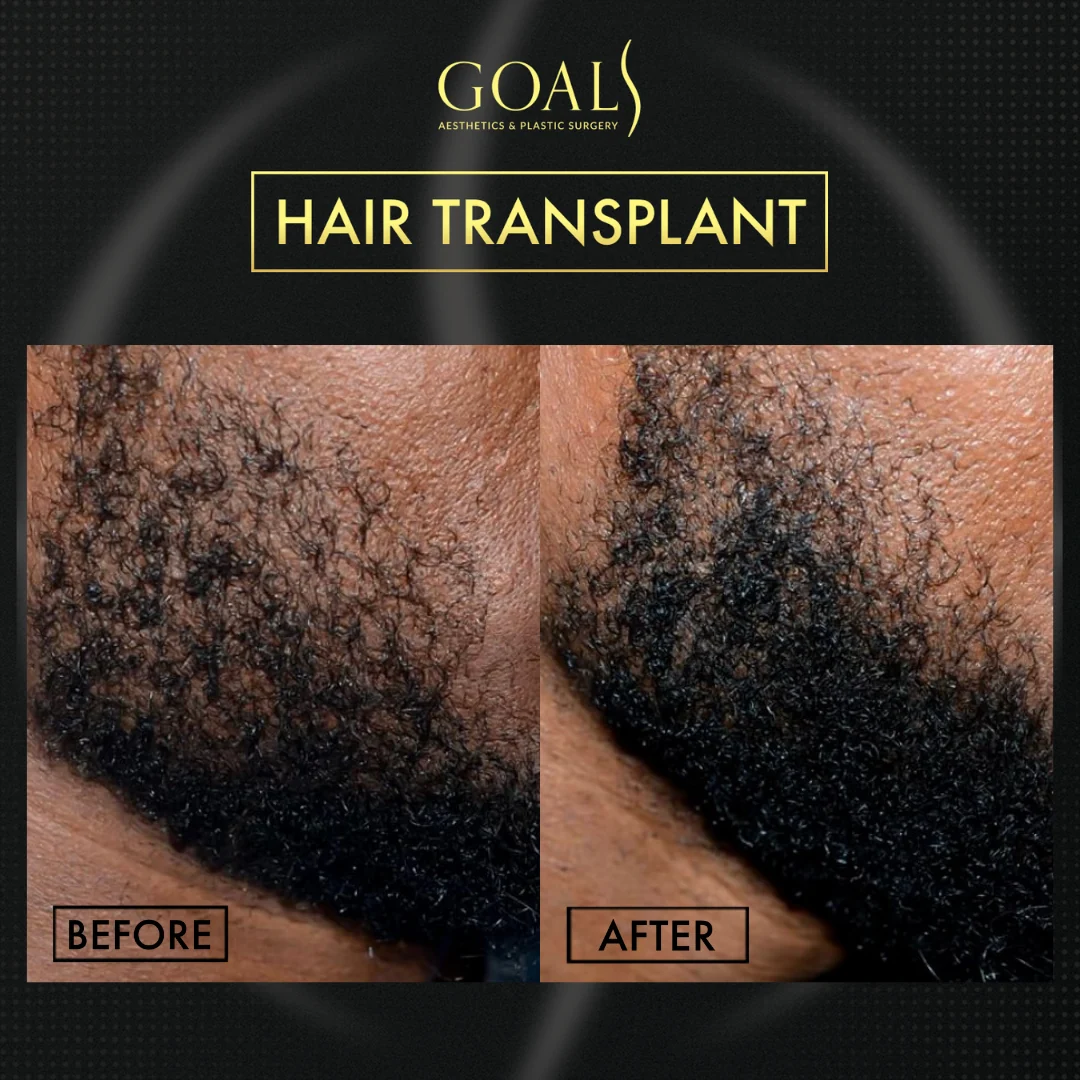
Real patients of Goals, published with written consent. Photographs are not retouched or AI-generated. Individual results vary — these images show outcomes for these patients and are not a guarantee of your own.
Work it out
Runs in your browser. Nothing is sent to us and nothing is saved — a height and a weight are your business.
BMI is one measure among several and it says nothing about how you are built. Surgeons weigh it alongside your health and your goals; it does not decide anything on its own.
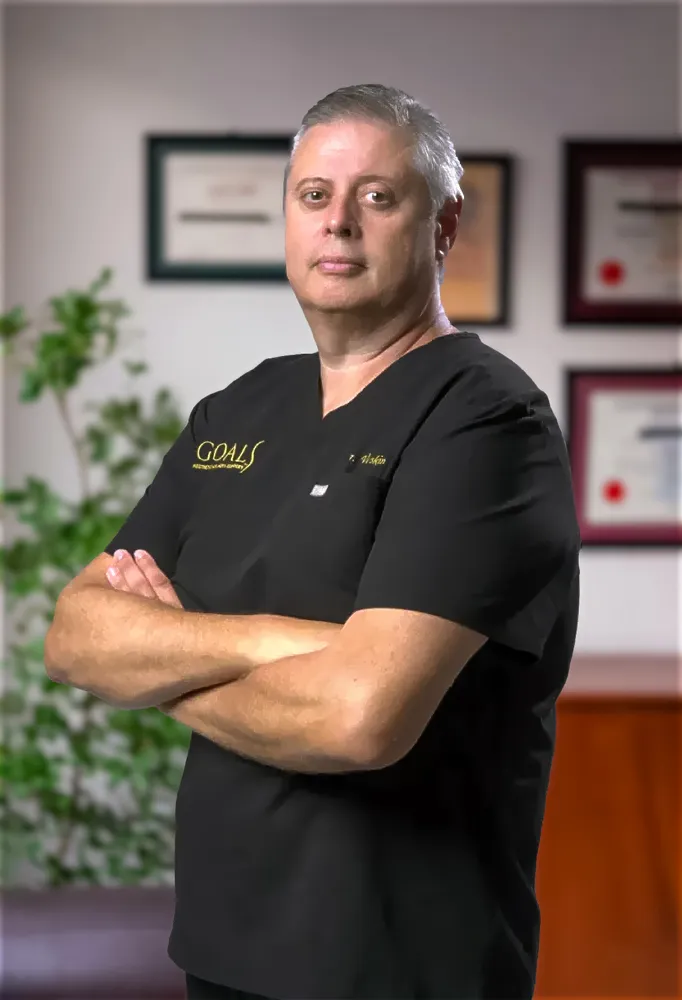
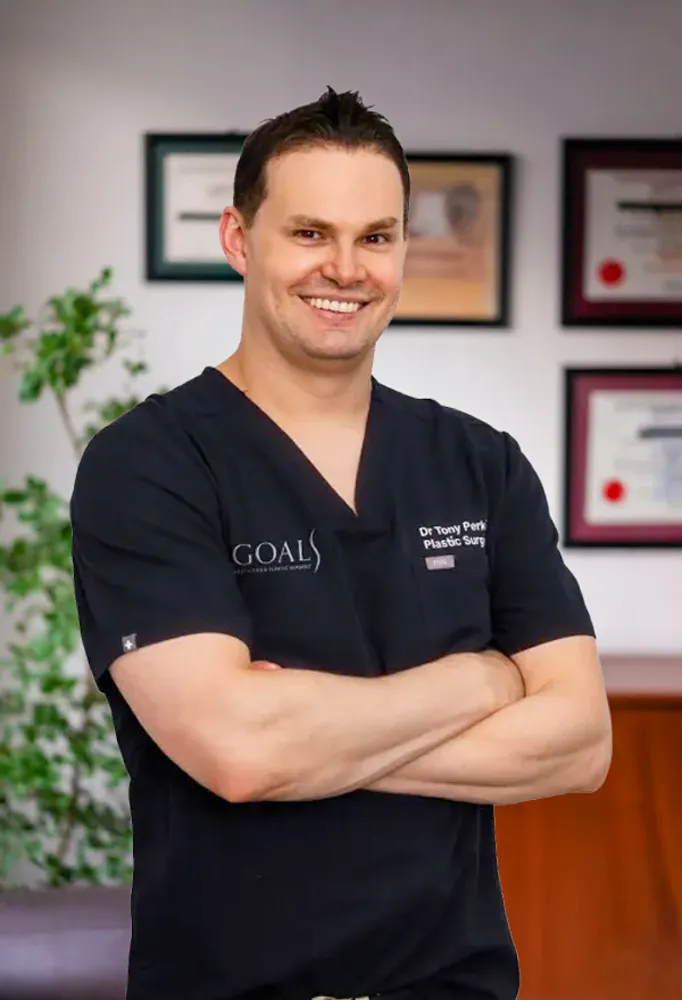
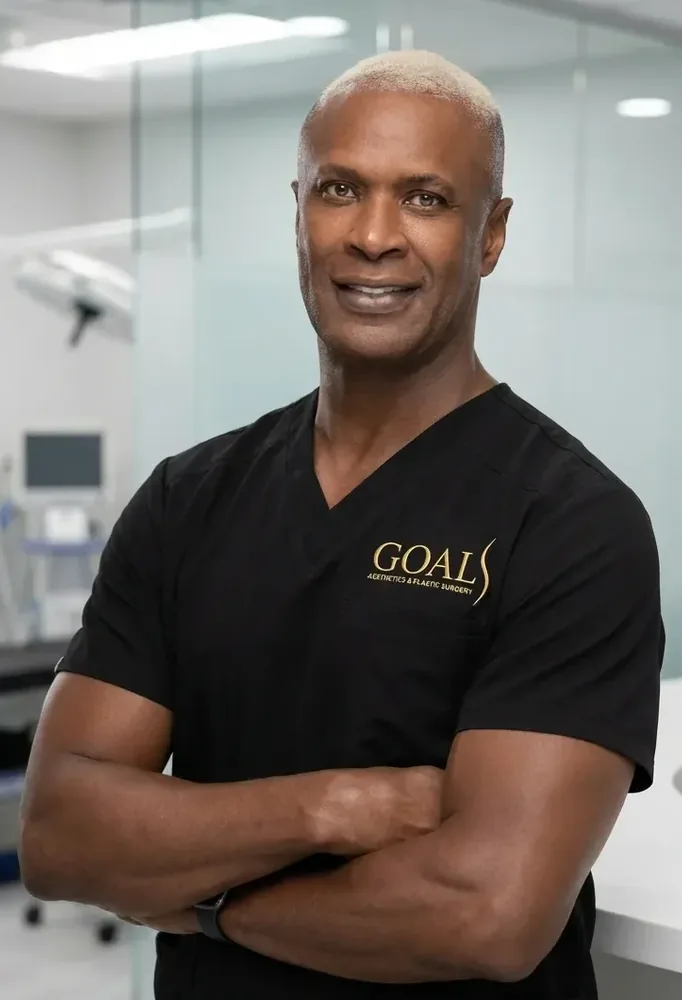
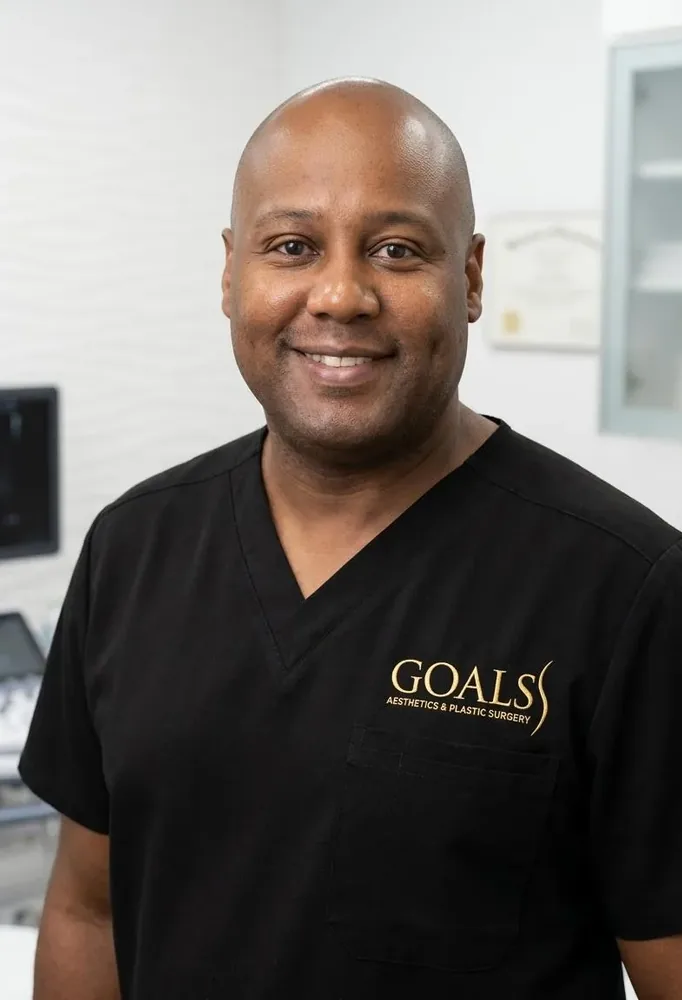
A U.S.-credentialed hair restoration surgeon does your procedure. Not a technician. Meet the team before you book anything.
Credentials differ by surgeon and are listed in full on each surgeon's page.
"Those cheap overseas hair transplant packages are tempting, we get it. But rushed surgery, a language barrier, and nobody to see you when something goes wrong at home can cost far more than you saved."
| Left Step | Right Step |
|---|---|
| Left StepWeeks of comparing clinics online, wiring money abroad, booking flights and a hotel. | Right StepYou sit down with a U.S.-trained surgeon, in person or online, who reads your thinning pattern and maps out a plan. |
| Left StepYou arrive somewhere you do not speak the language. The consult is rushed, and it happens the morning of surgery. | Right StepPre-op labs, consent forms, and the surgical plan are all handled beforehand, in your language, under U.S. standards. |
| Left StepSurgery happens in a building you have never set foot in, often on a high-volume schedule with little time for post-op monitoring. | Right StepOn the day, your donor area is numbed with local anesthesia. Light sedation is there if you want it, so extraction stays painless. |
| Left StepYou fly home tired and swollen. A week later the scalp turns red and starts to ooze, and you have no idea if that is normal. | Right StepOur surgeons lift DHT-resistant follicles and set each by direction, angle, and density. |
| Left StepThat leaves urgent care or the ER, staffed by doctors who did not operate on you and have no record of what was done. | Right StepSomething feels wrong at week two? You call the same team that operated. We see you in person, adjust your medication, and sort it out. |
| Left StepMore money on emergency visits and prescriptions. The overseas clinic answers on WhatsApp, when it answers. | Right StepNo stitches, so the donor area closes in days. Follow-ups track growth until the final result. |
| Factor | Overseas Package | Goals U.S. Clinic |
|---|---|---|
| Total cost (real) | Base price, plus flights, hotel, days off, and any ER bill back home. | Comparable once all care is counted. Priced up front, no surprise bills. |
| Travel & time off work | Long flights, jet lag, days away from work and family. | Local, same-day, barely any travel. You are back to normal life sooner. |
| Safety & sterility | Rests on foreign rules you cannot check, and little time on site. | Accredited U.S. clinic, strict infection control, known standards. |
| Surgeon & team | Credentials are hard to verify, and you may not see that surgeon again. | Credentialed hair restoration surgeons you meet before and after. |
| Emergency backup | No local clinic. ER doctors must guess what was done abroad. | In-person follow-up, plus local urgent support if a problem shows up. |
| Follow-up care | Messages only. Getting hands-on help is difficult. | Scheduled in-person checkups, progress photos, medication adjustments. |
| Communication | Language gaps, time zones, replies whenever. | Your language, written instructions, a 24/7 phone line. |
| Legal protections | Little recourse once you are back on U.S. soil. | Covered by U.S. patient safety law and standards. |
Safety drives every decision here. We run FUE and FUT under strict protocols so each graft is protected and lands at the right angle and density.
Sterile, fully equipped procedure rooms in accredited U.S. facilities.
Local anesthesia keeps you pain-free. Light sedation if you like.
Your surgeon and medical team stay reachable when questions hit.
Written instructions, the right medications, and a follow-up schedule.
Every graft set by growth direction, angle, and density so it blends.
The team that consults with you operates and runs every follow-up.
We do both methods, and we recommend the one your thinning and donor supply call for.
An accredited U.S. clinic. No flights, no language barrier, no gaps in care.
Credentialed hair restoration surgeons you meet before and after.
U.S. patient safety law covers you, with real recourse if you need it.
The moved hair is DHT-resistant, so it keeps growing for life.
"My part got so wide I stopped tying my hair up entirely. They filled it back in and it looks like mine."
"Hormones changed and my hair thinned all over. They were kind and honest about it, and density came back over the year."
"Rebuilt my hairline so softly you cannot tell. Nobody pushed me into it. All my own hair too."
Testimonials reflect individual experiences. Results vary by patient.
Every transplant we do happens on-site, in our own sterile operating room here in New York. Nothing gets farmed out to a partner facility.
Monday through Saturday. Book online in about two minutes, or call and talk to someone. Either way we confirm your date and time with you.
They do. It rebuilds density at a widening part, a thinning crown, or the hairline, using your own permanent DHT-resistant hair.
Both. We use FUE or FUT depending on your thinning pattern, donor supply, and how you wear your hair day to day.
Yes. There is a comfortable waiting area, so whoever comes with you can stay put until you are done.
Most sessions run 4-8 hours, depending on graft count. Growth shows around 3-4 months and finishes by 9-12.
A women's hair transplant is a permanent answer to thinning hair, and it works because the hair being moved was never going to fall out. Female loss rarely resembles the male version. Rather than a receding front, it usually shows up as a part line that keeps widening, density draining out of the top and crown, or a thinning hairline that no longer frames the face the way it used to. A transplant addresses it by relocating your own healthy DHT-resistant follicles into the areas that thinned, where they keep growing exactly as they did before.
At Goals Plastic Surgery, this happens in-office under local anesthesia, performed by U.S.-trained hair restoration surgeons. If you have been looking into a female hair transplant in New York, or searching for a female hair loss specialist, the sections below start with the part that matters most for women and gets covered least: everything that happens before anyone books an operating room.
Most women do not notice loss the way the diagrams suggest. There is no receding line creeping backward. What happens instead is that the widening part becomes impossible to ignore, usually in a photograph or under overhead light rather than in the bathroom mirror. The pattern is diffuse. Density thins across the top and crown at roughly the same rate, so no single area looks bare while the overall effect is of hair that has less body, less coverage, and less of whatever made it look thick before. Ponytails get thinner at the base. Partings show more scalp. Styles that used to work stop holding.
This diffuseness is exactly why female loss gets missed, dismissed, or misdiagnosed for years. There is no dramatic landmark to point at. A woman describing what she sees is often told her hair looks fine, which is both well-meant and useless, because the person saying it is looking at the front while the change is happening on top. It matters clinically too. Female pattern hair loss spreads across the scalp rather than retreating from a line, which changes the planning problem entirely and, as the next section covers, makes identifying the cause considerably harder than it is in men.
In men, thinning at the temples and crown is overwhelmingly genetic and the diagnosis is usually straightforward. In women it is not, and this single difference should shape how you approach the whole process. Thyroid dysfunction causes diffuse shedding, and both an overactive and underactive thyroid can do it. Iron deficiency does the same, and it is common enough in menstruating women that it is worth ruling out as a matter of routine rather than as an afterthought. Hormonal shifts around pregnancy, breastfeeding, stopping or starting oral contraception, and perimenopause all affect the hair cycle, sometimes months after the event that triggered them.
Then there is medication. A long list of ordinary prescriptions can cause shedding as a side effect, including some antidepressants, blood pressure drugs, anticoagulants, and acne treatments. Rapid weight loss and periods of significant physical or emotional stress push large numbers of follicles into their resting phase at once, producing shedding that arrives suddenly and looks alarming.
The reason this matters so much is that several of these causes reverse. Hair often recovers on its own once the thyroid is treated, the iron is replaced, the medication is changed, or the stressful period passes. Operating on hair that was going to come back anyway spends donor supply that cannot be replaced, for no benefit whatsoever. So a proper assessment, sometimes including bloodwork, is not clinic bureaucracy. It is the step that determines whether surgery is the right answer at all. Any clinic willing to quote you from a photograph has skipped it.
Women are routinely informed that hair transplants are a male procedure, or that female loss cannot be treated surgically. Neither is true, and the misconception costs women years. There is something real underneath it, though, and it is worth understanding rather than dismissing. A transplant relocates hair from a donor area at the back and sides of the scalp, and it works because that hair is resistant to the hormone driving the loss. In male pattern loss the donor region is reliably unaffected, which makes it a dependable supply.
In diffuse female thinning, that assumption cannot be taken for granted. If thinning extends into the donor region, moving hair from there produces less benefit and may not hold as well, because the relocated follicles carry the same vulnerability as the ones they replaced. This is a genuine clinical constraint, and it is why donor assessment carries more weight in women than in men. What it is not is a reason to rule yourself out. Plenty of women have a stable donor region and diffuse loss confined to the top, which is a straightforward case. Some have partial stability that supports a more conservative plan. Others are better served by non-surgical treatment, at least for now. The only way to know which applies is an examination by someone who assesses female scalps regularly, which is an argument for a consultation rather than against surgery.
The design problem in a male transplant is largely about drawing a hairline: where to place it, what shape suits the face, how it should age. For most women that is not the job. The goal is usually density, and the specific targets are familiar. Closing a widening part so it reads as a line rather than a gap. Restoring a thinning crown. Softening a thinning hairline so it frames the face again without changing its shape. These are refinements to something that already exists, not reconstructions of something gone.
That changes what success looks like. Added density has to disappear into the hair you still have rather than sit on top of it, which means matching the direction, angle, and calibre of what is already growing in each area. Done well, nobody can identify what changed. Done poorly, the transplanted hair reads as a separate layer, and no graft count fixes that.
Both harvesting methods are available. FUE takes follicles individually and leaves only pinprick marks with no linear scar. FUT removes a strip of donor scalp and can yield a large number of grafts in one sitting, with a fine linear scar that longer hair covers easily. Which suits you depends on your thinning pattern, your donor supply, and how you actually wear your hair. A method that fits your scalp but not your life is not the better method, which is why questions about wearing your hair up, what shows while healing, and whether shaving is required are entirely reasonable to raise at consultation, and get factored into the recommendation alongside the clinical picture.
This is the technical heart of a female transplant and the part that most separates a surgeon who does these regularly from one who does not. In a diffusely thinning area, the native hair is still present. Sparse, finer than it was, but growing. Every new graft has to be placed between and around those existing follicles without damaging them, at the depth and angle that matches its neighbours.
That is considerably slower than working on bare scalp, where there is nothing to avoid and placement is comparatively open. It requires magnification, sustained concentration across hours, and enough experience to judge angles from surrounding growth rather than from a plan drawn in advance.
It also explains something patients find counterintuitive: why a female case with a modest graft count can take as long as a larger male one, and why an unusually fast quote should prompt questions rather than relief. Damaging existing hair while placing new hair produces a net result close to zero, and it is not visible until months later. The range of what careful work produces is in our before & after gallery.
Everything happens in a single visit. The donor area is prepped, local anesthesia goes in, and the scalp numbs while you stay fully awake. Your surgeon harvests the grafts and places each one at the planned angle and density. Sessions typically run four to eight hours depending on graft numbers. Because nobody is putting you under, there is no fog afterward and no overnight stay, and you leave the same evening with written aftercare and a number to call.
Recovery is less dramatic than most women brace for. The treated area looks pink for the first few days with small scabs around each graft, and those clear on their own. Follow the gentle washing routine you are given rather than improvising, keep exertion light early on, and keep sun off the scalp until you are cleared.
Then the transplanted hair sheds. This alarms people who were not warned, and it is supposed to happen. The follicle stays exactly where it was placed and drops into a resting phase before restarting. Most women find this phase harder emotionally than physically, and knowing it is coming removes most of the sting.
Visible growth arrives around three to four months, with the final result somewhere between nine and twelve. Photographs from the same spot in the same light are worth taking monthly, because change at this pace is invisible to daily observation and month four is where people wrongly conclude nothing is happening. If you want to weigh non-surgical options alongside surgery, our New York hair restoration team can talk you through PRP, mesotherapy, and LLLT laser therapy, any of which can also support the native hair around your grafts afterward.
Pricing follows your graft count and the complexity of your case, so the figure is confirmed at consultation once someone has examined your scalp rather than a photograph of it. The price is fixed before you book, with no facility or anesthesia charge appearing afterward. Financing is available if spreading the cost suits you better, and someone will walk you through the terms properly. Every plan covers follow-up care with the same medical team from procedure day through to your final result.
One point on value rather than price. Donor supply is the only element of this process you cannot buy more of, and a revision spends it twice over. Getting the plan right the first time is the economical route even when the opening quote suggests otherwise, which is worth weighing against headline numbers from clinics that assessed you less carefully.
About Women's Hair Transplant
Women's Hair Transplant near you
FUE, FUT, or another hair restoration route entirely, our team will look at what you have and build a plan that works.
Prefer to talk now? (833) 462-5769
Free · No obligation
Tell us how to reach you. A patient coordinator calls you back — usually the same day.