Early Thinning
Hair is starting to thin and you want to hold onto what is there.
Laser light, no needles and nothing to recover from. It works on the follicles you still have to strengthen hair, here in New York.

12,000+
Hair Procedures Performed
150+
Years of Combined Surgical Experience
4.9
Based on 8,500 Patient Reviews
Come to our New York office for your consult and every follow-up after. Easy to reach whether you drive in or take the train.
We use clinical-strength laser light to strengthen hair and push new growth.
Hair is starting to thin and you want to hold onto what is there.
Your part keeps getting wider as density drops through the top.
Density is fading at the crown and scalp is starting to show.
Fine, weak hair that could use more body and strength.
You are shedding more than usual and the roots need help.
Used alongside a transplant to help the new growth come in well.
Early thinning, a part that keeps widening, or fine limp hair. Most men and women in that spot are candidates. No surgery, no pain, just laser light to strengthen hair.
You can see it in photos, or in the mirror.
Your loss has held steady, or slowed, for a year or two.
You want something painless. No needles, no incisions, no drugs to take daily.
Enough healthy hair at the back and sides to work with.
You will follow the before and after instructions.
Pairing laser therapy with something surgical, or still weighing options? We do the full range of hair restoration.
About LLLT Hair Restoration
LLLT Hair Restoration near you
Treatments that support your scalp and the hair on it, without surgery. Good for men and women dealing with thinning, shedding, or a scalp that has had enough, who would rather skip the drugs.

Results vary with your skin, your starting point and how many sessions you have. Your consultation covers what is realistic for you, before you commit to anything.
Prefer to talk now?(833) 462-5769
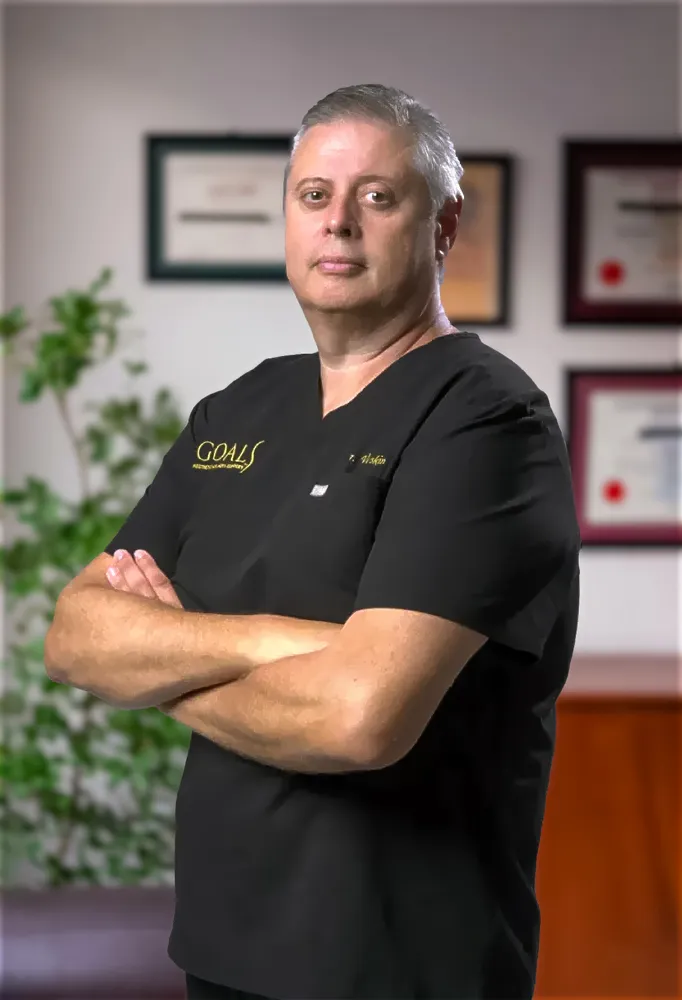
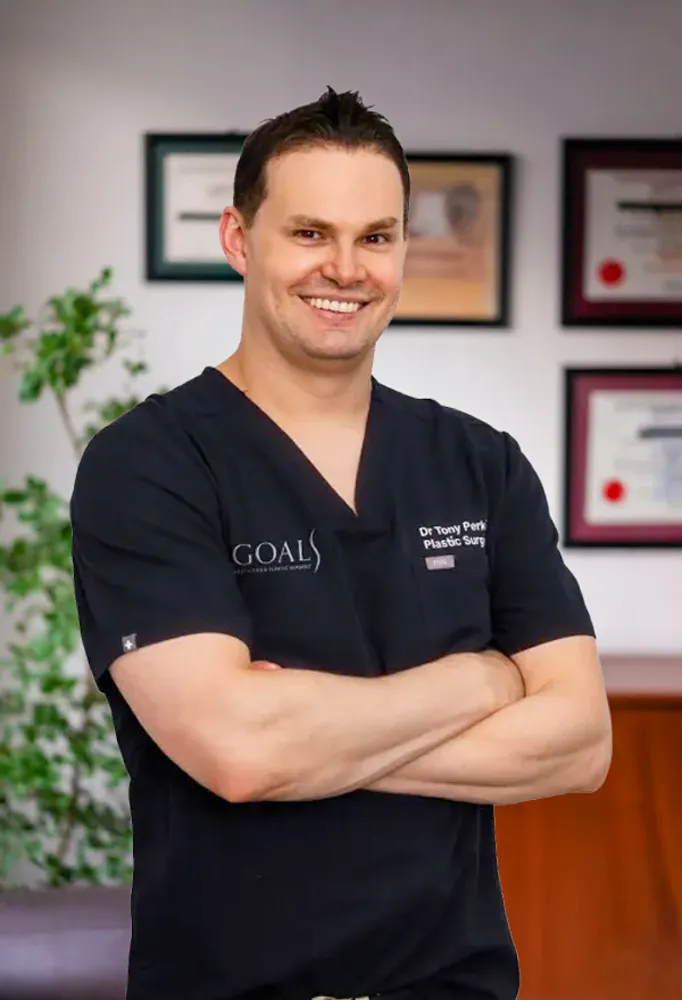
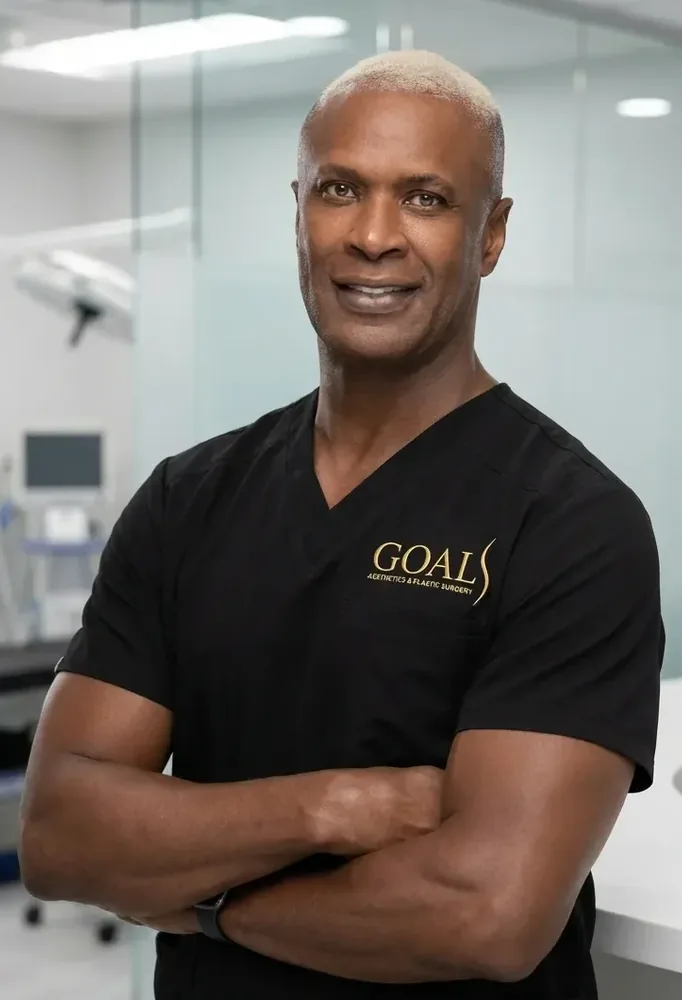
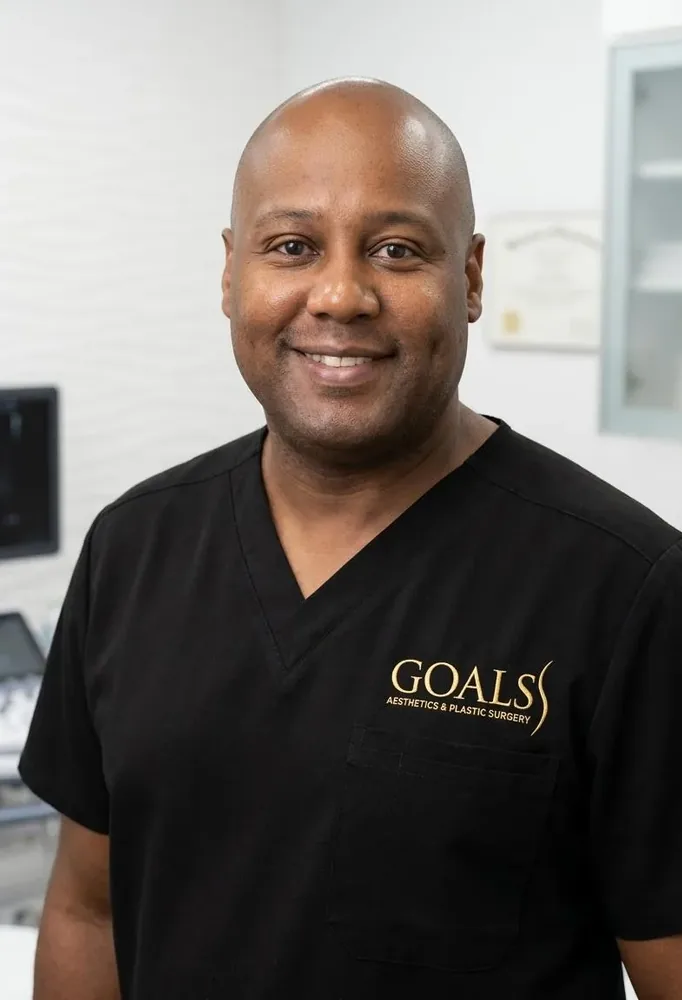
A U.S.-credentialed hair restoration surgeon runs your care. Not a technician. Meet the team before you book anything.
Credentials differ by surgeon and are listed in full on each surgeon's page.
"A laser cap off the internet looks like a bargain. But with no one assessing your scalp, weaker equipment, and nobody tracking whether it works, you are mostly guessing for six months."
| Left Step | Right Step |
|---|---|
| Left StepYou order a cap or comb online with no idea if it suits your kind of loss. | Right StepYou book, and a trained provider looks at your scalp and hair before the first laser session. |
| Left StepNobody assessed you first, so how long and how often is a guess. | Right StepThe plan is set upfront. How many sessions, how often, what to expect. No guessing. |
| Left StepHome caps run weaker and are easy to use wrong, so coverage goes patchy and you cannot tell what is working. | Right StepEvery visit uses clinical-strength laser equipment, spread evenly across your whole scalp. |
| Left StepNot sure it is doing anything? There is no one to look at your scalp or change the plan. | Right StepSessions are painless. You sit, the light does the work, and you leave. |
| Left StepNobody is tracking progress, so half a year goes by with nothing much to show. | Right StepSomething needs changing, the same local team is right there to adjust it. |
| Left StepYour support is a manual or a forum thread. Nobody who has seen your head. | Right StepFollow-ups track your hair across the whole plan, one clinic, one team. |
| Factor | At-Home Cap | Goals Clinic |
|---|---|---|
| Assessment | None. You guess whether it fits your loss. | A trained provider checks your scalp before you start. |
| Equipment | A weaker home cap or comb that covers only so much. | Professional laser equipment, clinical strength. |
| Coverage | Easy to misuse. Light lands unevenly. | Spread evenly over the scalp by someone trained. |
| Guidance | A manual, or a forum thread, if something is off. | The same local team, in person, at every visit. |
| Tracking | Nobody is checking whether it does anything. | Follow-ups track your hair across the plan. |
| Comfort | Only works if you use it right, and often. | Painless, relaxing sessions in a real clinic. |
| Consistency | Sessions get skipped or rushed. It happens. | A set schedule keeps you on track. |
| Setting | Your couch, with nobody watching. | An accredited New York clinic, trained staff. |
Safety drives every decision here. Clinical-strength laser equipment, trained providers, and a set plan, so each session covers your scalp evenly.
Clean, professional treatment rooms at our accredited New York clinic.
A relaxing session with no needles, no pain, and no downtime.
Your provider and care team stay reachable for questions.
Clean protocols and clear aftercare, so nothing is left vague.
Professional laser equipment, not a weaker cap off a website.
The team that assesses you runs your sessions and every follow-up.
Comfortable, relaxing laser sessions. No needles, no drugs, no downtime.
Accredited NY clinic. Professional equipment, trained staff, real care.
Credentialed hair restoration surgeons you meet before and after.
U.S. patient safety law covers you, with real recourse if you need it.
Works for men and women alike, and nothing about it is surgical.
"Crown was going. Did the full course, and it comes back thicker and sheds way less. Still all mine."
"Ran LLLT alongside my transplant. Filled in nicely. Sessions are quick and I felt nothing."
"Wanted something that was not surgery. They gave me a plan, and my hair looks fuller now."
Testimonials reflect individual experiences. Results vary by patient.
A painless, non-surgical treatment. Clinical-strength laser light wakes up the follicles and strengthens the hair there.
Monday through Saturday. Book online in about two minutes, or call and talk to someone. Either way we confirm your date and time with you.
No pain, and no downtime either. Nothing gets cut and no needles are involved, so most people walk out and carry on with their day.
It does. Clinical-strength laser light works the same on either, so men and women both use it to strengthen hair and push new growth.
Depends on your hair and your goals. We map out a plan at your first visit, then adjust as your hair responds.
Laser light wakes up the follicles and helps strengthen hair. It also works alongside a transplant to support the new growth.
LLLT hair restoration is laser light, applied to your scalp, with no surgery and no needles anywhere in the process. The full name is low-level laser therapy. It runs on clinical-strength laser technology that stimulates hair follicles, encourages growth, and strengthens the hair already on your head. That last part is the key to understanding it. LLLT does not add hair and it does not move hair from one place to another. It works on the follicles you still have, keeping them active and pushing them to produce thicker, healthier strands. The light is non-thermal, meaning it does not heat the scalp, which is why a session is comfortable and why you walk out with nothing to recover from.
At Goals Plastic Surgery, LLLT happens at our accredited New York clinic, delivered by trained providers running clinical-strength laser equipment rather than a weaker cap you would wear at home. Men and women both use it. If you have been searching laser hair therapy or LLLT in New York and trying to work out whether it is worth your time, this covers the mechanism, who it actually suits, what a course of treatment involves, and where it fits next to everything else we offer.
The question we hear most often at consultation is whether shining light on a head can really do anything. Fair question. Low-level laser therapy uses clinical-strength laser light aimed at the scalp to stimulate the follicles, encourage growth, and strengthen what is already growing. Nothing is cut. No needles go in. There is nothing to recover from afterward. Because the light is non-thermal it does not heat or damage the scalp, so the session itself is comfortable and you lose no time to downtime.
Each session at Goals runs on professional clinical-strength laser equipment, and a trained provider spreads that light evenly across your scalp. Even coverage sounds like a small thing. It is not. A lower-powered home device used without guidance is exactly where this falls apart, because the light either misses areas entirely or lands too briefly to matter. We assess your hair first, lay out a plan, then deliver the treatment in a calm session where all you do is sit there.
Since LLLT supports the follicles you still have rather than replacing what is gone, the honest way to describe it is as a way to strengthen existing hair and encourage growth. That framing matters, because it sets the right expectation from the start. It is gentle enough to repeat on a regular schedule and it suits men and women equally. What it will not do is grow hair out of scalp where the follicle is already dead, and any clinic telling you otherwise is selling something.
The other thing worth setting straight early is the timeline. This is not a treatment with a dramatic before-and-after moment. Hair grows on its own schedule regardless of what you do to it, and a follicle that gets stimulated this week does not produce a visibly thicker strand next week. Changes show up gradually across a course of sessions, usually as less hair in the shower drain first, then as hair that feels denser between your fingers, and eventually as something you can see in a photo. Patients who go in expecting week-three results tend to quit around week five. Patients who understand they are committing to a course tend to stick with it and end up happier.
What the light is actually doing at follicle level is worth a sentence, because it demystifies the whole thing. Hair grows in cycles, and each follicle spends time in an active growing phase before shifting into a resting one and eventually shedding. Thinning hair tends to spend less time growing and more time resting, and the strands it does produce come out finer each cycle. LLLT hair restoration works on that cycle rather than on the hair you can see, encouraging follicles to stay in the active phase longer and to put out a stronger strand while they are there. That is why the results read as density rather than as new hairline, and why the follicle has to still be alive for any of it to matter.
We offer several non-surgical treatments and they do genuinely different things, which is worth understanding before you pick one. LLLT uses clinical-strength laser light to stimulate follicles and strengthen hair. PRP takes your own blood, concentrates the platelets, and injects them into the scalp. Mesotherapy puts vitamins and nutrients directly into the scalp instead. Darsonval uses high-frequency stimulation to work on general scalp health. All four skip surgery entirely, and they suit different goals. Plenty of patients end up combining two of them. If needles are the sticking point for you, LLLT is the obvious starting place, since it involves none. At consultation we go through which option, or which mix, actually fits your hair and what you are trying to achieve.
LLLT suits men and women who want a painless, non-surgical way to strengthen hair and encourage new growth. The clearest candidates are people with early thinning, a part that keeps widening, a crown losing density, hair that has gone fine and weak, or shedding heavier than normal. What connects all of those is that there is still hair to work with. It also gets used alongside a hair transplant to help the new growth come in strong. Because the treatment supports existing follicles rather than creating hair where nothing remains, starting earlier gives you more to work with. Waiting until the scalp is bare means waiting too long. If you are weighing surgery too, our New York hair restoration team can lay the options side by side. At consultation we look at your hair and tell you honestly whether LLLT on its own fits what you want, or whether it works better paired with something else.
There are people it does not suit, and we would rather say so upfront than take your money. If your loss is advanced, with large areas where nothing grows at all, laser light has nothing left to stimulate in those zones and a transplant is the conversation to have instead. LLLT can still play a supporting role afterward, but on its own it will not rebuild a bare crown. Sudden or patchy loss that appeared quickly is also worth investigating medically before treating cosmetically, because it can point at something else going on. And if you cannot realistically commit to a schedule of sessions, the honest answer is that the treatment will underdeliver, not because it does not work but because consistency is most of what makes it work.
Showing up is the biggest part of it, but a few things around the sessions make a measurable difference to what you get out of a course. Turn up with a clean, dry scalp and no heavy product in your hair. Thick styling creams, oils, and dry shampoo build-up sit between the light and the skin, and there is no point paying for even coverage that a layer of pomade is blocking. Washing that morning or the night before is enough.
Be straight with your provider about medications and supplements. Some drugs increase light sensitivity, and a few conditions affect how the scalp responds. None of this necessarily rules you out, but it changes how your plan gets built, and your provider can only account for what they know about. Take the photographs. Everyone underestimates this and everyone regrets it around month four, when they cannot remember whether the part looked wider in March. Consistent lighting, same spot, same angle, once a month. Your own memory of your hair is not evidence, and the photos are the only thing that will settle the question honestly either way.
Do not stop the moment things improve. Laser hair therapy supports follicles for as long as it is being delivered, and the gains it produces are maintained rather than permanent. Most patients move to a lighter maintenance schedule once the initial course finishes, and that step-down gets planned with your provider rather than decided on a whim.
A session is short, comfortable, and completely painless. Someone takes a quick look at your scalp and hair, then the clinical-strength laser light is applied evenly across the treatment area. No heat. No needles. Nothing that stings or aches afterward. Most people describe it as relaxing, and a few nod off. Since there is no surgery and no downtime, you leave and get on with your day, whether that means going back to work or straight to the gym. How long each session runs and how often you come in are written into a plan at your first visit, and that plan gets adjusted over time depending on how your hair responds.
Consistency is what actually separates results from disappointment with a treatment like this. A set schedule, professional equipment, and even coverage every single time beats an occasional pass with a home cap by a wide margin. That is not a marketing line, it is just how the treatment works. The effect builds across sessions. Miss enough of them and you never reach the point where anything shows. Our team keeps your schedule on track and checks your hair at follow-ups, so somebody other than you is watching whether it is working. Progress is also slow enough to be invisible day to day, which is why photographs at each follow-up are more reliable than your own memory of what your hair looked like three months ago.
It also pairs easily with the rest of your life, which sounds trivial until you compare it to anything surgical. Nothing about a session stops you driving home, washing your hair that evening, or going to work straight afterward. There is no swelling to hide, no dressing to keep dry, and no period where you look like you had something done. For a lot of people that is the entire appeal. They want to address thinning without anybody in their life registering that they are addressing it, and a treatment with no visible aftermath fits that in a way surgery never will.
Nobody is pretending you cannot buy a laser cap online. You can, and the mechanism is not fake. The trade-offs are just real. A home cap runs at lower power, is easy to wear wrong, and arrives with no assessment attached, so you are guessing at duration, frequency, and whether your particular kind of loss responds to light at all. When you start doubting it after four months, there is nobody to ask. Support is a manual, or strangers on a forum with no idea what your scalp looks like. At Goals a trained provider assesses you before anything starts, runs clinical-strength laser equipment, spreads the light evenly, and tracks what changes in person over the course of your plan. The underlying idea is the same. The difference is doing it properly, on schedule, with someone qualified watching the result.
There is a cost argument people make for the home version, and it deserves an honest answer rather than a dismissal. A cap is a single purchase and a course of sessions is not. But the comparison only holds if the cap works, and the thing determining whether it works is the part you are cutting out: the assessment that tells you whether light therapy suits your loss in the first place, and the follow-up that catches it when it is not working. A cheap device used for eight months on a condition it was never going to help is not cheaper than doing it properly. It is just money spent more slowly.
LLLT pricing follows your plan, meaning how many sessions you need and how frequently you come in, so the numbers get confirmed at your first visit once someone has actually assessed your hair. Anyone quoting you a figure before looking at your scalp is guessing. What we commit to is a clear plan and clear pricing before you agree to anything, with no charges appearing later that nobody mentioned. Financing options are there if spreading the cost suits you better, and someone on the team will walk you through the terms rather than handing you a form and pointing at the small print. Every plan covers your follow-up visits with the same team, so your hair is tracked from the first session through the end of the course. If you want a sense of what results look like before committing, our before & after gallery is the place to start.
About LLLT Hair Restoration
LLLT Hair Restoration near you
LLLT on its own, or paired with a transplant. Our team looks at what you have and builds a plan that works.
Prefer to talk now? (833) 462-5769
Free · No obligation
Tell us how to reach you. A patient coordinator calls you back — usually the same day.