Receding Hairline
"M-shaped" recession at the temples and front, a strong fit for strip grafts.
The strip method for the most grafts in one session, in-office under local anesthesia. U.S.-trained hair restoration surgeons at an accredited New York clinic.
From $5,000
12,000+
Hair Procedures Performed
150+
Years of Combined Surgical Experience
4.9
Based on 8,500 Patient Reviews
Come to our New York clinic for consults, pre-op clearances, and post-op follow-ups. Easy to reach whether you drive in or commute, with parking close by.
We handle every kind of male pattern baldness and hair loss condition.
"M-shaped" recession at the temples and front, a strong fit for strip grafts.
A bald or thinning patch at the vertex, where hair grows in a spiral.
Diffuse loss across the whole top, where FUT gives the most density.
FUT grafts set into old scars or thin patches from surgery or injury.
Fuller, natural beard coverage for patchy, thin, or scarred facial hair.
Fill thin or over-plucked brows with permanent, natural-looking placement.
If your thinning is advanced or the area is large, you're a strong FUT candidate. The strip method yields the most grafts per session and has taken years off men's faces.
Hair loss you can spot in the mirror or photos.
Loss that's held steady or slowed over the past 1-2 years.
Happy wearing hair long enough to cover a fine linear scar at the donor site.
Enough healthy hair on the back and sides of your scalp.
Ready to follow the pre- and post-op instructions.
Want to pair your transplant with something else, or weigh other options? We cover the full hair restoration range.
About FUT Hair Transplant
FUT Hair Transplant near you
Bring back natural growth with transplant techniques built for lasting, believable results. A good fit if you're dealing with thinning or hair loss, or just want more density from a plan made around you.
See the real before-and-after changes our patients have had.
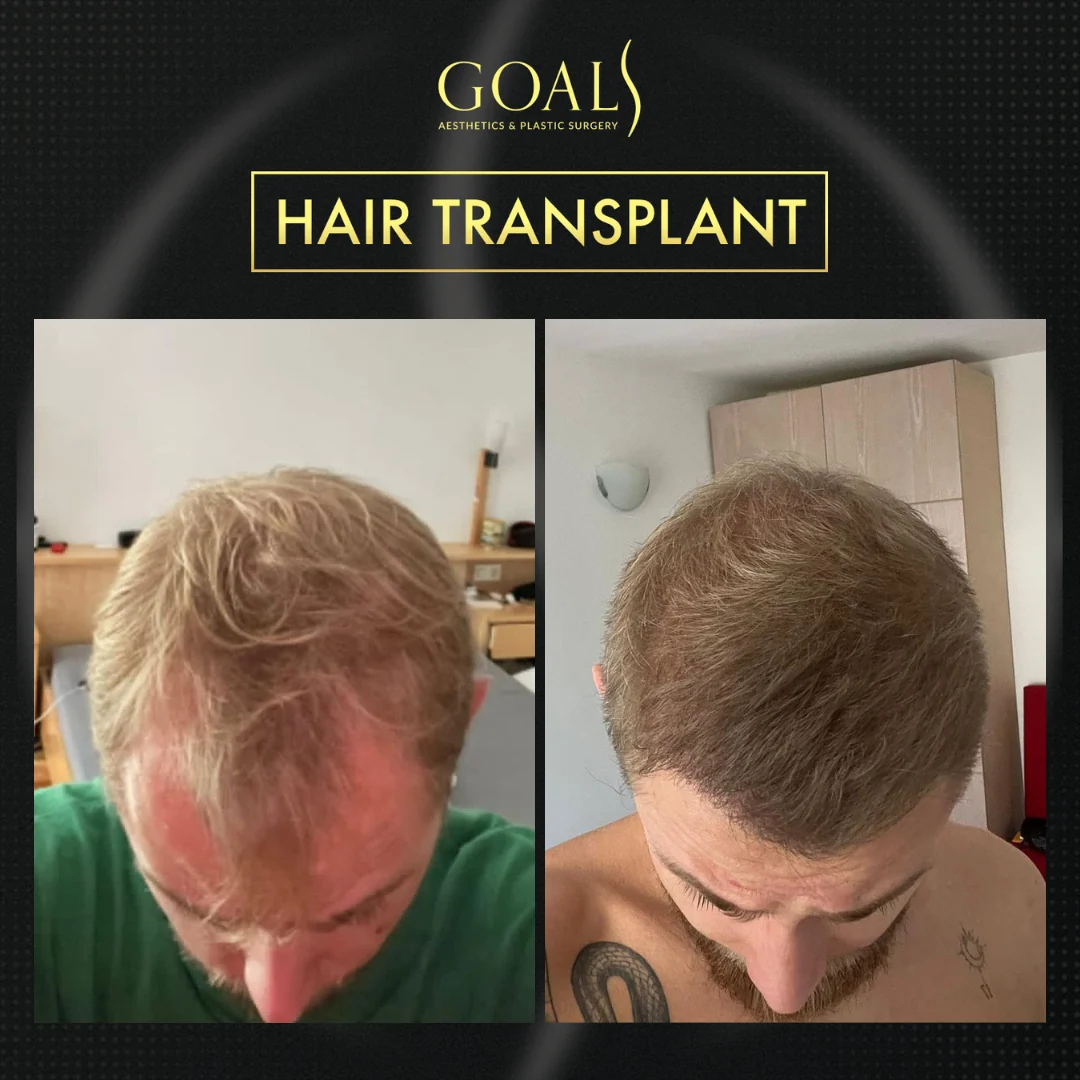
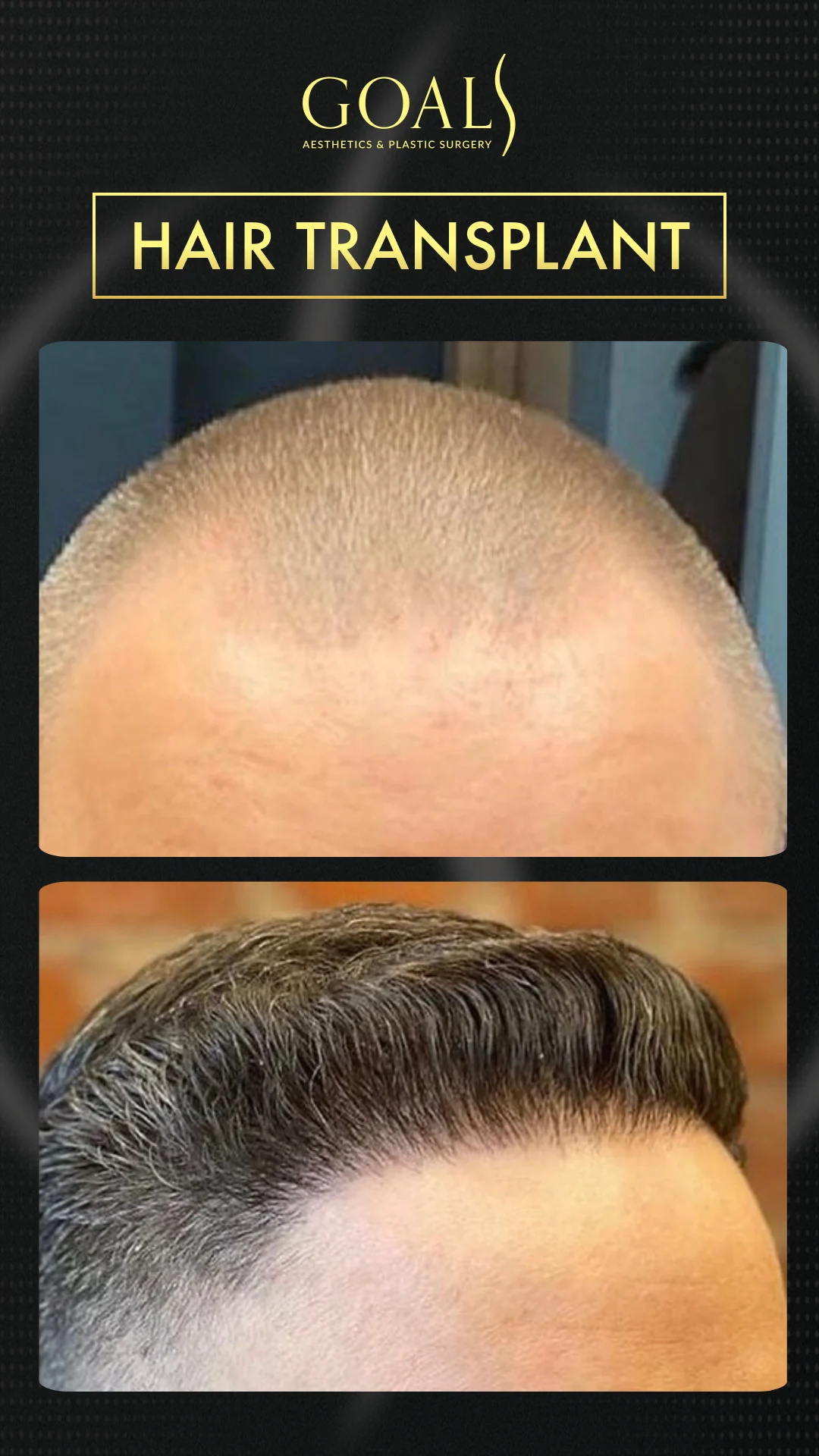
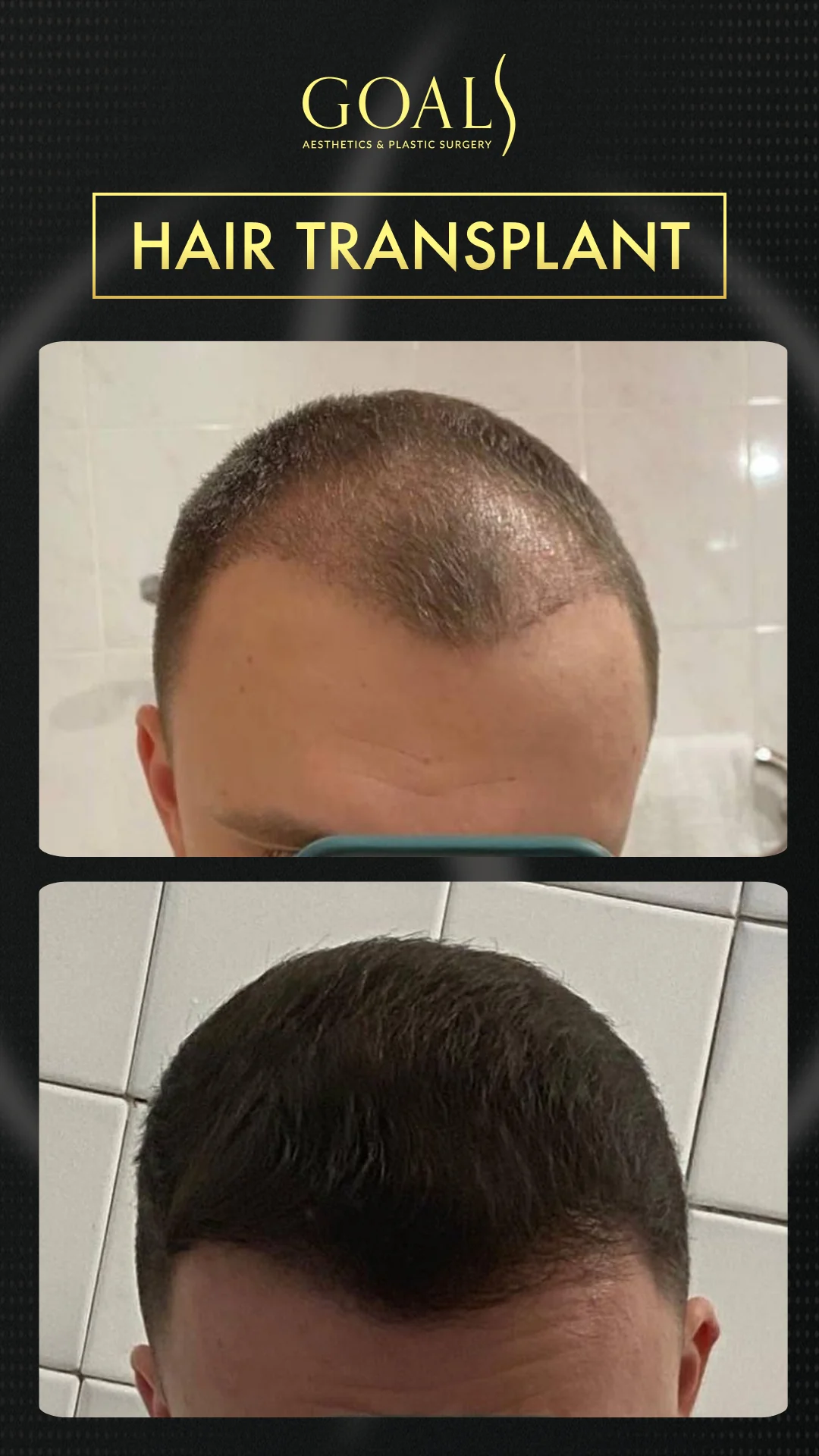
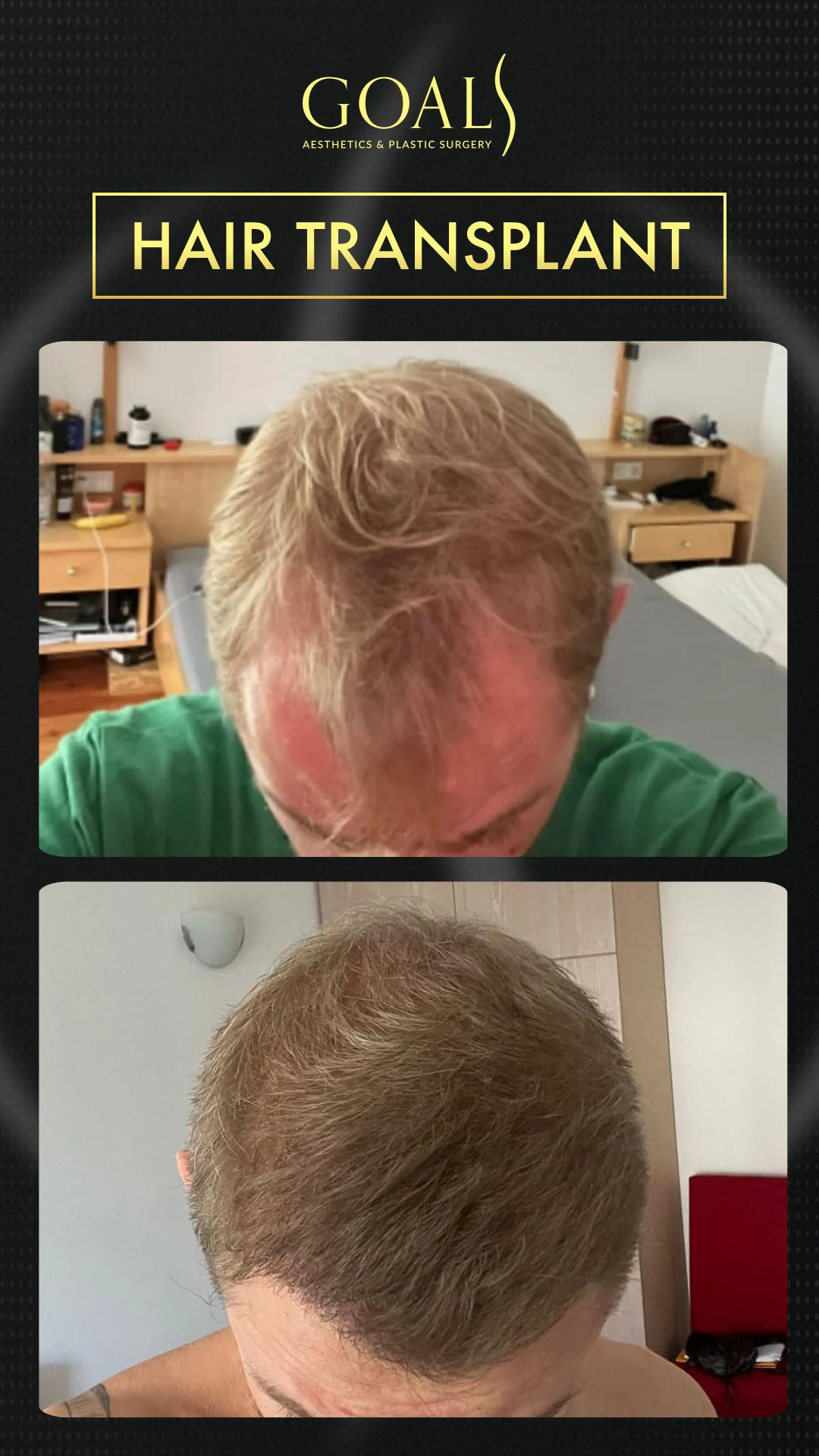
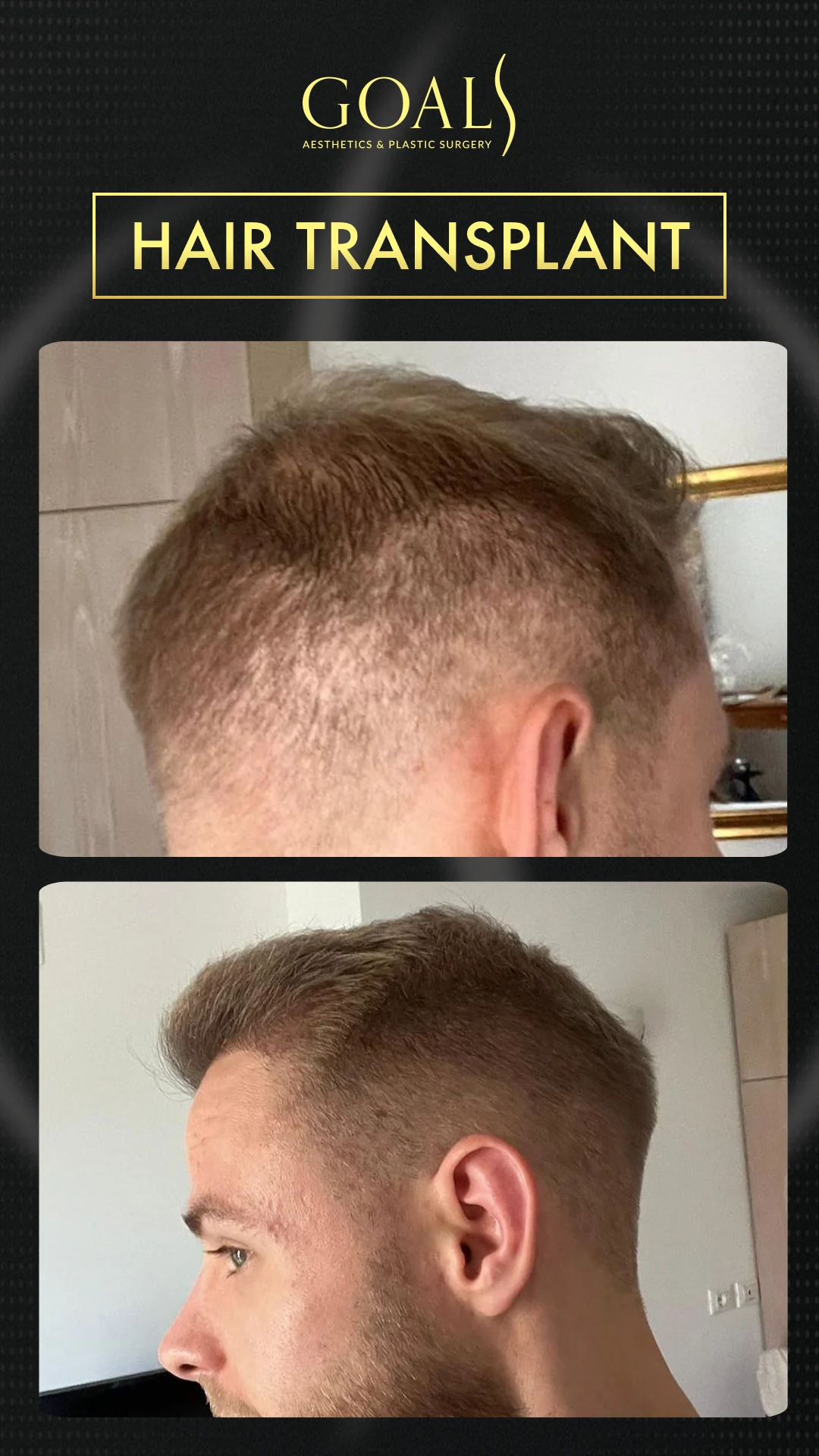
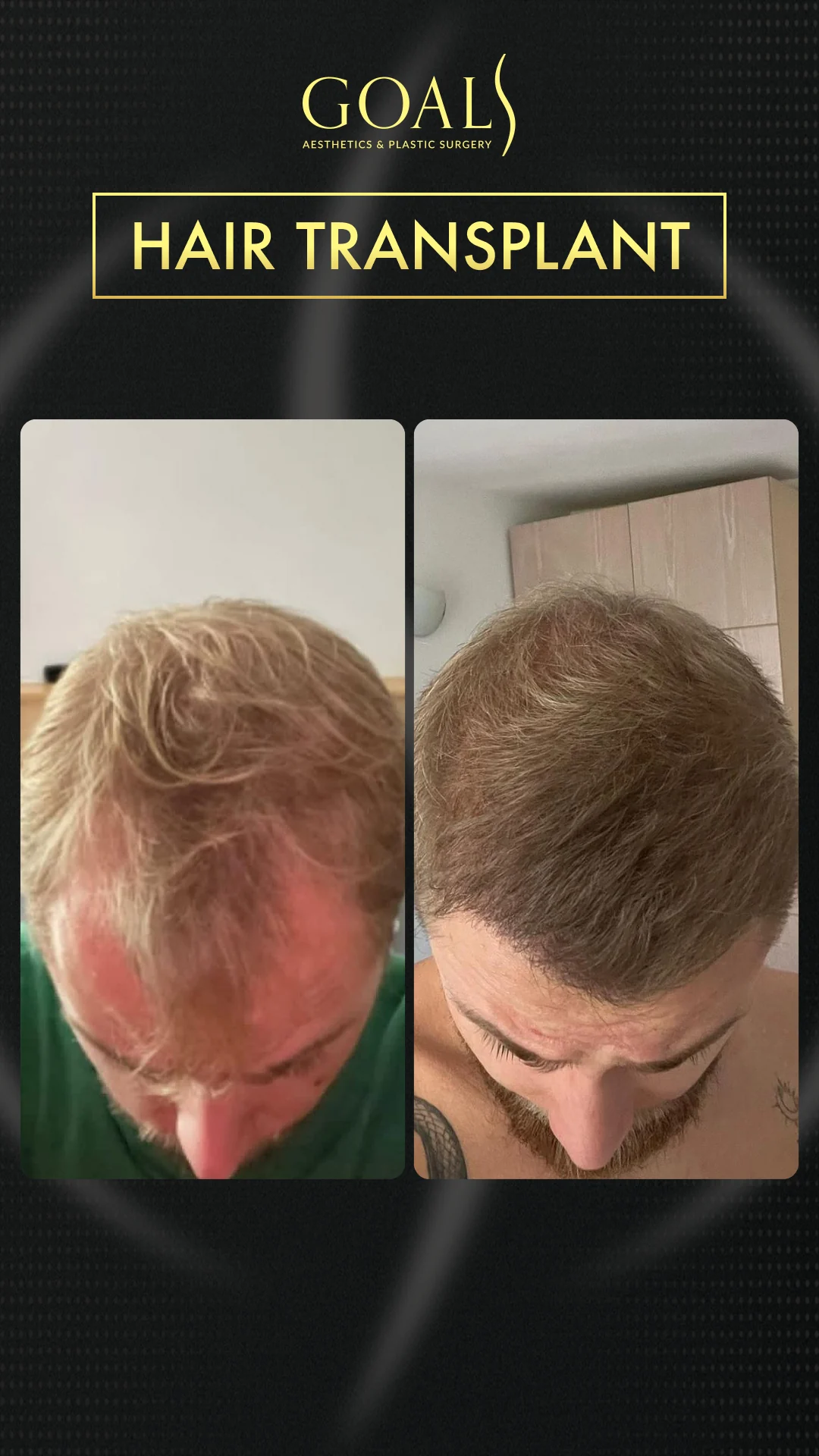
Real patients of Goals, published with written consent. Photographs are not retouched or AI-generated. Individual results vary — these images show outcomes for these patients and are not a guarantee of your own.
Work it out
Runs in your browser. Nothing is sent to us and nothing is saved — a height and a weight are your business.
BMI is one measure among several and it says nothing about how you are built. Surgeons weigh it alongside your health and your goals; it does not decide anything on its own.
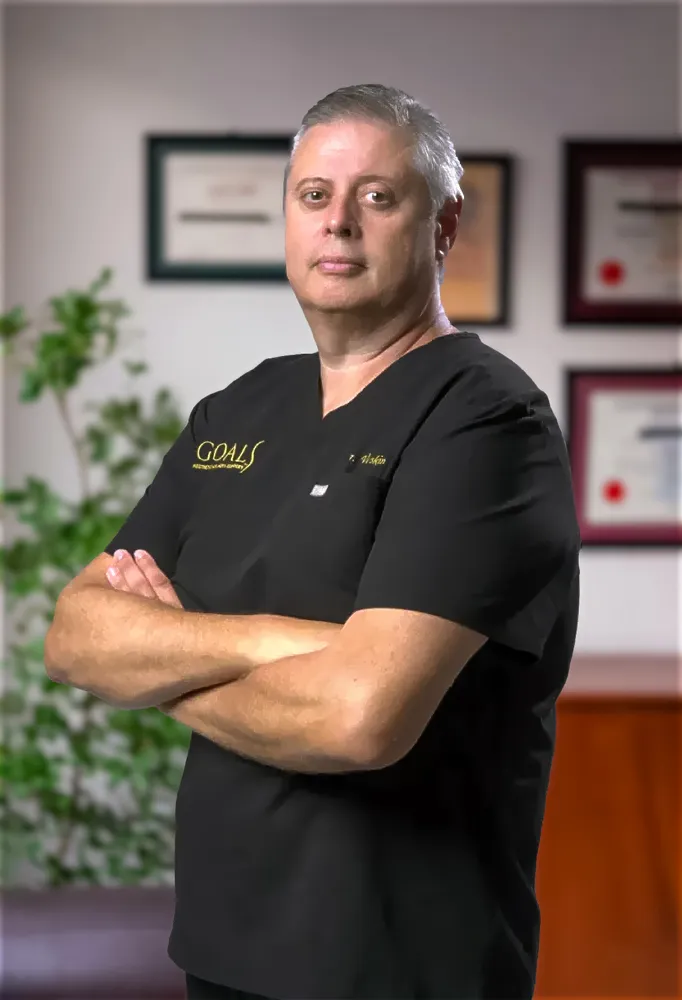
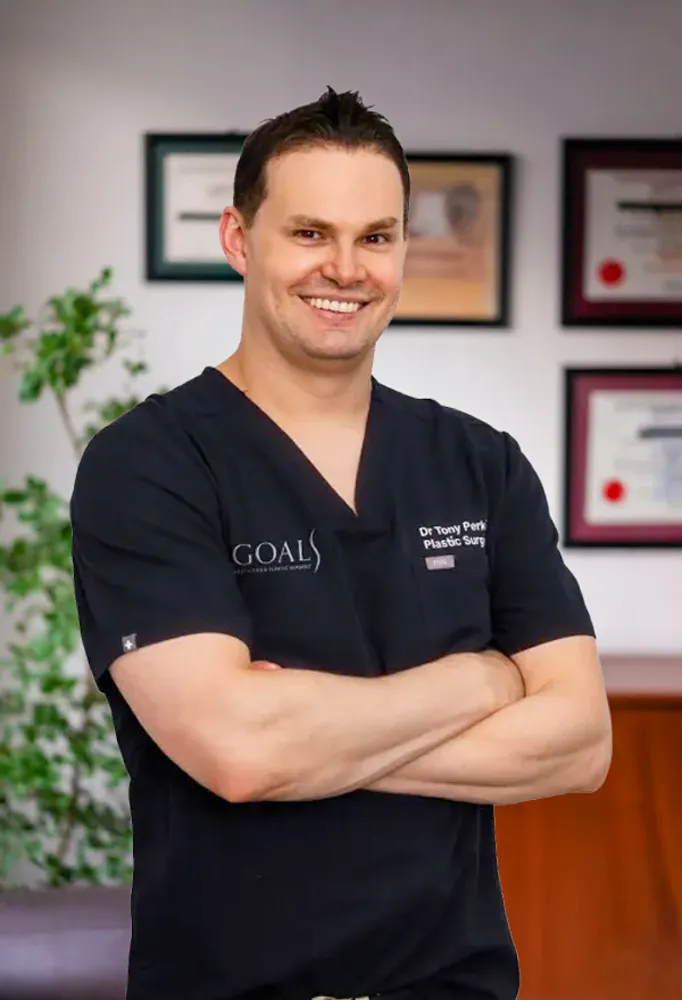
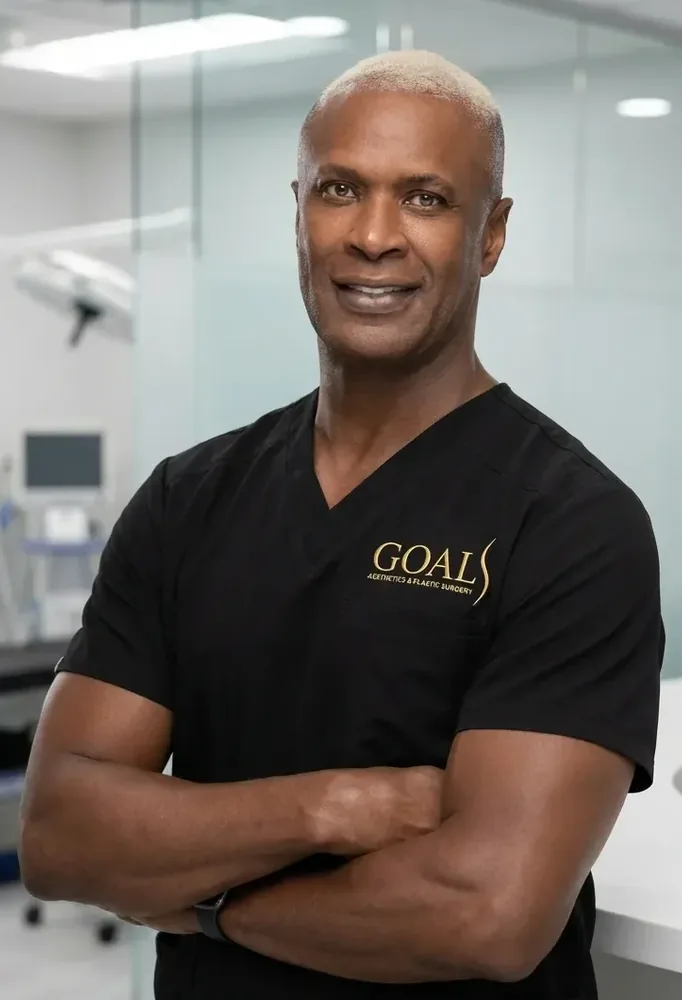
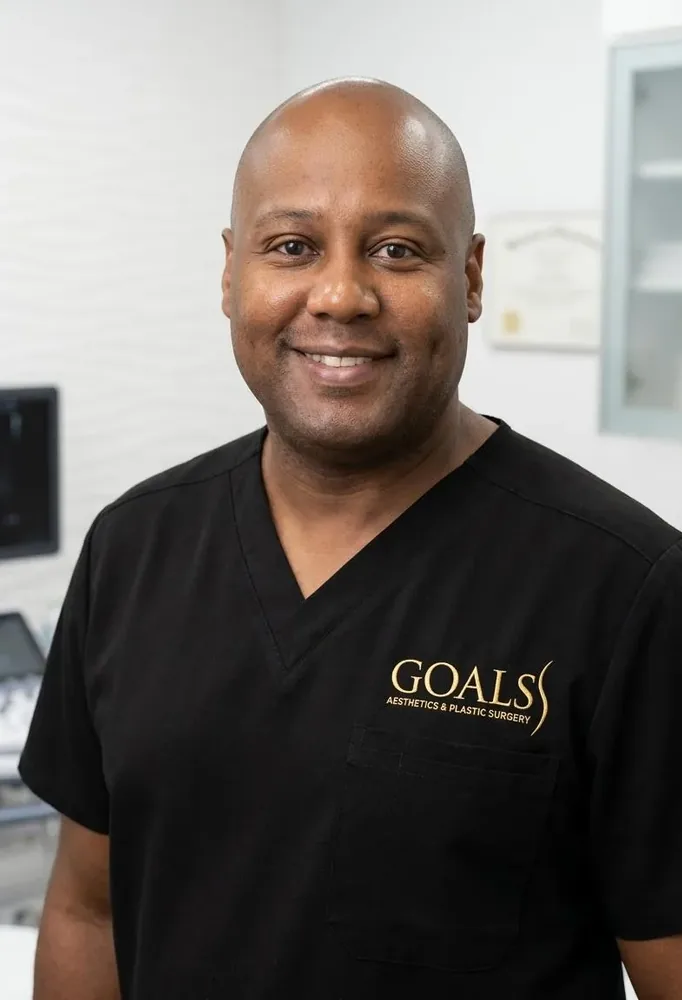
Every transplant is done by a U.S.-credentialed hair restoration surgeon, not a technician. Meet the team before you ever book your consultation.
Credentials differ by surgeon and are listed in full on each surgeon's page.
"We get why overseas "cheap hair transplant packages" look tempting. But the hidden risks (rushed surgery, language gaps, no local follow-up, complications once home) can turn a bargain into a real mess."
| Left Step | Right Step |
|---|---|
| Left StepYou spend weeks comparing clinics online, wiring money abroad, then booking flights and a hotel. | Right StepYou come in, or hop on a video call, for a consult with a U.S.-trained surgeon who weighs your goals and whether FUT actually suits you. |
| Left StepYou land somewhere you barely speak the language. The consult is rushed, squeezed into the same day as surgery. | Right StepTesting, consent forms, and planning all happen ahead of time, in your language, under U.S. medical standards. |
| Left StepThe surgery happens in a place you've never set foot in, often packed with patients and short on time to watch you afterward. | Right StepOn the day, the donor area is numbed with local anesthesia, and light sedation is there if you want it, so extraction is pain-free. |
| Left StepYou fly home tired and swollen. A week on, your scalp turns red and starts to ooze, and you've no idea if that's normal. | Right StepYour surgeon takes a thin donor strip, dissects it into grafts under a microscope, then places by angle and density. |
| Left StepYour only fallback is a local ER or urgent care, where nobody did your surgery and nobody has the details of what was done. | Right StepIf something feels off while you heal, you call the same local team that treated you. We see you in person, tweak your meds, and sort any problem fast. |
| Left StepMore time and money go to ER visits and prescriptions, while the overseas clinic "helps" you over WhatsApp and nothing more. | Right StepThe donor line closes with sutures and heals over a couple of weeks, with follow-ups tracking your new growth. |
| Factor | Overseas Package | Goals U.S. Clinic |
|---|---|---|
| Total cost (real) | Base price plus flights, hotels, more days off, maybe ER bills once home. | Similar once all care is counted, with clear pricing and no surprises. |
| Travel & time off work | Long flights, jet lag, several days away from work and family. | A same-day local procedure, barely any travel, quicker back to normal. |
| Safety & sterility | Hit or miss; you're trusting foreign rules and little time on site. | An accredited U.S. clinic with tight infection control you check. |
| Surgeon & team | Credentials are hard to check, and you may never see the surgeon again. | Credentialed hair restoration surgeons you meet before and after. |
| Emergency backup | No local clinic; ER doctors just guess what was done abroad. | In-person follow-up, plus local urgent help if a complication shows up. |
| Follow-up care | Messages only, and real hands-on help is hard to get. | Booked in-person checkups, progress photos, and medication tweaks. |
| Communication | Language gaps, odd time zones, patchy replies. | A team in your language, written instructions, a 24/7 phone line. |
| Legal protections | Little recourse if something goes wrong once you're back. | Backed by U.S. patient safety laws and standards. |
Safety comes first here. We pair precise strip-harvest and microscope graft dissection with tight protocols that protect every follicle we move.
Fully equipped, sterile procedure rooms inside U.S. accredited sites.
Local anesthesia keeps you pain-free, with light sedation on offer.
Reach your surgeon and medical team easily when questions come up.
Clear instructions, medications, and a follow-up plan to stop infection.
Grafts dissected under a microscope for quality, survival, growth.
One local team runs your consult, your surgery, and all the follow-up.
The strip method harvests the most grafts in one visit. Best for larger areas.
A U.S.-accredited clinic. No trip abroad, no language barrier, no follow-up gaps.
Experienced hair restoration surgeons you meet before and after surgery.
You're covered by U.S. patient safety laws, with real recourse if needed.
Microscope-dissected strip grafts come out strong and consistent.
"Wanted the most coverage in one go and FUT delivered. The scar is a thin line my hair covers. Dense by month nine."
"I keep my hair longer so the strip method made sense. No pressure, every step explained. Donor area healed clean, density is real."
"Big thinning area up top, one session, thousands of grafts. Recovery took about a week. Best money I've spent in years."
Testimonials reflect individual experiences. Results vary by patient.
Every FUT procedure happens on-site at our New York clinic, in a fully equipped, sterile operating room. We never send it to a partner facility.
We're open Monday through Saturday. Book online in a couple of minutes or just call us, and the team will lock in your consultation date and time.
Yes. A qualified medical team and trained nurses stay with you the whole way through, managing local anesthesia and keeping you comfortable.
Absolutely. Plenty of patients start with a virtual consult, then come in to our New York clinic on the day for the FUT itself.
Yes. Our New York clinic has a comfortable waiting area where a friend or family member can sit while your procedure is underway.
FUT hair transplant NYC pricing tracks graft count. A session often runs a full day. Growth starts at 3-4 months, full by 9-12.
An FUT hair transplant, short for follicular unit transplantation and better known as the strip method, is one of the longest established hair restoration procedures in the United States. It addresses permanent, pattern-based loss. As male pattern baldness progresses, follicles along the hairline and crown shrink until they stop producing visible hair, while the ones at the back and sides shrug off the DHT driving all of it. FUT harvests a donor strip of that resistant tissue, and the grafts dissected from it go into the thin areas as living hair that behaves exactly like the hair it came from.
At Goals Plastic Surgery, every FUT hair transplant happens in-office under local anesthesia rather than general, which avoids clot risk, breathing complications, and a longer recovery on the other side. Patients stay awake, stay comfortable, and go home the same evening. Our hair restoration surgeons handle the procedure in an accredited New York facility. If you have been comparing FUT hair transplant New York options, this page covers what the strip method does better than anything else, and what it asks of you in return.
The case for strip harvesting comes down to yield. A single strip of donor tissue can produce a very large number of grafts in one sitting, well into the thousands, which is more than an individual-extraction session comfortably delivers in the same day.
That matters when the area needing coverage is large. Advanced loss across the hairline, the top, and the crown simply requires more follicles than a moderate session provides, and covering it through repeated smaller procedures means repeated recoveries, repeated costs, and a longer road to the finished result.
There is a donor efficiency argument too. When follicles are removed individually, each extraction takes a small amount of surrounding tissue with it, and that adds up as a thinning of the whole donor region. Strip removal concentrates the loss into one narrow band that is then closed, leaving the density of the surrounding donor area largely intact. For patients likely to need a second procedure years later, that preserved density is worth having.
The trade is a fine line at the donor site and a longer recovery than the alternative. Whether that trade is right for you depends on how you wear your hair and on one anatomical factor most patients have never heard of.
Scalp laxity means how much your scalp moves and stretches, and it is the single most important thing your surgeon assesses when considering FUT for you.
The reason is mechanical. Removing a strip means the edges have to be brought back together and closed. A scalp with good laxity has enough give for that closure to sit without tension. A tight scalp does not, and closing a strip under tension produces a wider, more visible line as the healing tissue is pulled apart while it knits.
Laxity varies considerably between people and has nothing to do with fitness or age in any predictable way. It is assessed by hand at consultation, and it directly determines how wide a strip can safely be taken, which in turn sets the realistic graft ceiling for your case.
This is why an honest surgeon sometimes recommends against FUT for a patient who arrived asking for it. A tight scalp is a genuine contraindication rather than a preference, and proceeding anyway produces exactly the wide scar the method is criticised for. It also explains why donor density is examined under magnification alongside laxity: supply and closure capacity both have to support the plan.
FUT leaves a linear scar. Any page that suggests otherwise is not worth trusting, so it is worth explaining what that actually means in practice.
The linear scar runs horizontally across the back of the scalp, positioned where surrounding hair falls over it. Under hair of ordinary length it is not visible. Closure technique matters here: a trichophytic closure, where the wound edges are prepared so hair grows through the healed line rather than beside it, produces a considerably less noticeable result than a plain closure.
Width depends on laxity, closure tension, and how you heal, which is partly individual. A well-placed, well-closed line in a lax scalp typically settles to something fine enough that people looking directly at the back of your head will not find it.
Where it becomes a genuine consideration is hair length. If you wear a very short buzz cut, or expect to want that option in future, the line can become visible at the shortest settings. That is the honest limitation, and it is the main reason patients choose individual extraction instead.
So the question worth answering at consultation is not whether you mind a scar in the abstract, but how short you wear your hair now and how short you might want to wear it in a decade. If the answer is very short, FUE is likely the better fit. If you keep any real length, the line stays a private detail.
Once the strip is removed, it goes under magnification for microscopic dissection into individual follicular units, the natural clusters of one to four hairs your scalp already grows in.
This stage is a quiet advantage of the method. Working under a microscope on tissue held in the hand, technicians can see each follicle clearly and cut around it rather than through it. The surrounding tissue protects the follicle during separation, and the transection rate tends to be low as a result.
Dissection also allows precise sorting. Single-hair units are set aside for the front edge, since a hairline built from multi-hair grafts reads as abrupt, while denser units go behind them where bulk translates into coverage. That sorting is what makes a soft, natural front possible.
Grafts then sit in chilled preservation solution until placement. Angle, depth, and direction all have to match how your hair grew before you lost it, because hair does not leave the scalp straight up. It leans, and it leans differently at the temple than at the crown. Placing several thousand grafts properly is hours of sustained concentration, which is why an unusually fast quote should prompt questions rather than relief.
This is where FUT asks more of you than the alternative, and setting the expectation properly is more useful than minimising it.
Plan on taking at least a week off work. Individual-extraction patients are often back at a desk in two or three days, but the donor strip involves a sutured closure that needs time under less strain than normal activity puts on it.
For the first few days the donor line and the recipient area feel tight and can look slightly swollen, with tiny scabs forming around each graft. Those clear within a week to ten days. Sutures generally come out around ten days to two weeks, or dissolve on their own depending on the closure used. The donor site itself heals fully over roughly two to three weeks.
The transplanted hair then sheds in the first few weeks, which alarms anyone who was not warned. The follicle stays exactly where it was placed and enters a resting phase before restarting. New growth appears around three to four months, with the full result arriving between nine and twelve. Progress is checked in person at scheduled follow-ups throughout, and the range of outcomes is in our before & after gallery.
A receding hairline and a thinning crown are the two patterns treated most, and when the area is large, the strip method earns its place by covering both zones in a single session.
A hairline is as much design as surgery. The surgeon draws a shape suited to your face and your age rather than the hairline you had at nineteen, then angles every graft so the finished line feathers instead of sitting in a hard row. A crown is a different problem, since hair there radiates from a spiral that has to be rebuilt rather than filled, and it consumes more grafts than patients expect because scalp catches light at that angle.
Temples and temporal peaks are commonly restored alongside a receding front. In women, FUT is used along the parting line, at the temples, and across the crown, where female pattern thinning presents diffusely rather than as a receding edge, though laxity and donor stability need particularly careful assessment there. Facial work including beard and moustache density is generally better served by individual extraction, since the numbers involved rarely justify a strip.
Some patients reach their target density in one session and others choose a second to refine or extend the result. If you want to weigh surgical against non-surgical routes, our New York hair restoration team can lay them side by side.
Pricing depends on your graft count and the complexity of your case, so the figure is confirmed at consultation after your scalp has been examined rather than estimated from a photograph. The price is locked before you book, with no add-ons appearing after surgery and no facility or anesthesia fees buried in the contract. Financing options are available if spreading the cost suits you better, and someone will walk you through the terms properly. Every plan covers follow-up care with the same medical team from procedure day through to your final result.
One point specific to this method. Because a single session yields a high graft count, FUT is often the more economical route to extensive coverage, since the alternative may mean two procedures to reach the same place. That calculation only holds if the first one is planned correctly, and a revision spends donor tissue that cannot be replaced. Cheap overseas packages tend to economise on what you cannot inspect: sterile facilities, follow-up involving an actual appointment, and recourse under U.S. patient safety law.
Practical points that make a real difference: sleep with your head slightly raised for the first several nights to keep swelling down, and avoid the gym, heavy lifting, and anything that pulls on the back of your scalp for about two weeks. The closure needs that time to knit, and tension during healing is the main avoidable cause of a wider line. Keep sun off the grafts, leave tight hats alone until you are cleared, and follow the gentle washing routine you are given rather than improvising.
About FUT Hair Transplant
FUT Hair Transplant near you
Whether you're weighing FUE, FUT, or another hair restoration option, our team will build you a safe, realistic plan that fits.
Prefer to talk now? (833) 462-5769
Free · No obligation
Tell us how to reach you. A patient coordinator calls you back — usually the same day.