thinning hair
Early thinning, where the goal is holding onto what you have and building on it.
A painless, non-surgical high-frequency treatment that lifts scalp circulation and nutrient absorption for stronger, healthier hair. In New York.
12,000+
Hair Procedures Performed
150+
Years of Combined Surgical Experience
4.9
Based on 8,500 Patient Reviews
Come to our New York office for your consult and every follow-up after. Easy to reach whether you drive in or take the train.
We use Darsonval high-frequency therapy to look after your scalp and hair.
Early thinning, where the goal is holding onto what you have and building on it.
Hair that sheds easily and needs stronger roots and a healthier base.
A scalp that needs better blood flow to feed the follicles beneath it.
Dull, flat hair that would benefit from better nutrient absorption.
An unbalanced scalp, where high-frequency therapy builds a better base.
Maintenance for men and women who want to keep hair and scalp in shape.
Most men and women with thinning hair, a stressed scalp, or hair that sheds easily are candidates. Darsonval is a gentle, non-surgical way to look after scalp and hair.
You can see it in photos, or in the mirror.
Your loss has held steady, or slowed, for a year or two.
You want something painless. No needles, no surgery, no drugs.
Enough healthy hair at the back and sides to work with.
You will follow the before and after instructions.
Pairing Darsonval with something surgical, or still weighing options? We do the full range of hair restoration.
About Darsonval Hair Restoration
Darsonval Hair Restoration near you
Treatments that support your scalp and the hair on it, without surgery. Good for men and women dealing with thinning, shedding, or a scalp that has had enough, who would rather skip the drugs.
Results vary with your skin, your starting point and how many sessions you have. Your consultation covers what is realistic for you, before you commit to anything.
Prefer to talk now?(833) 462-5769
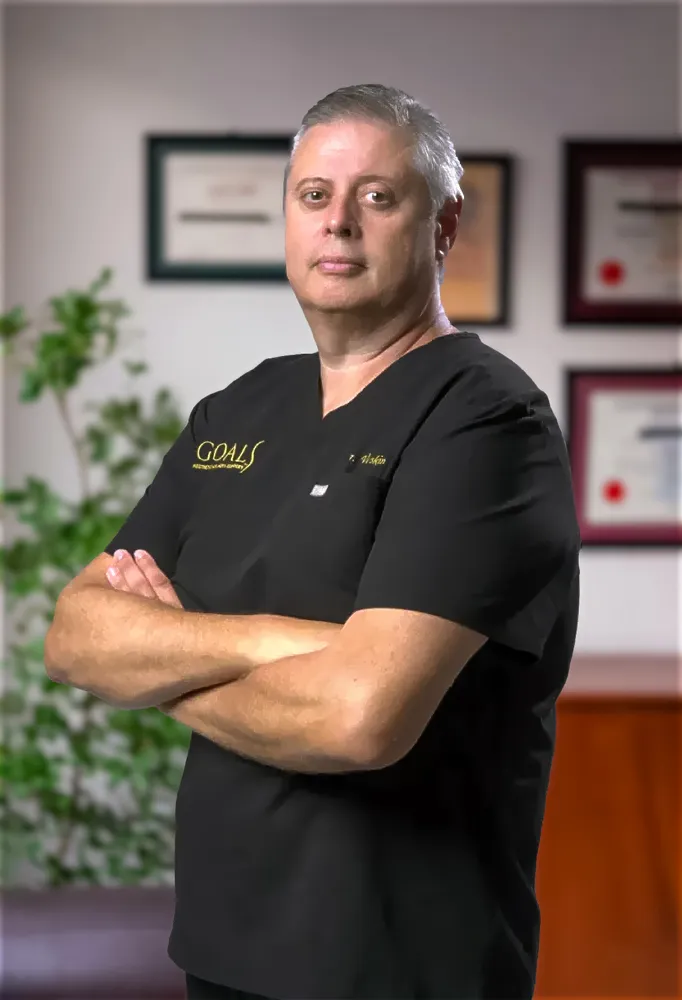
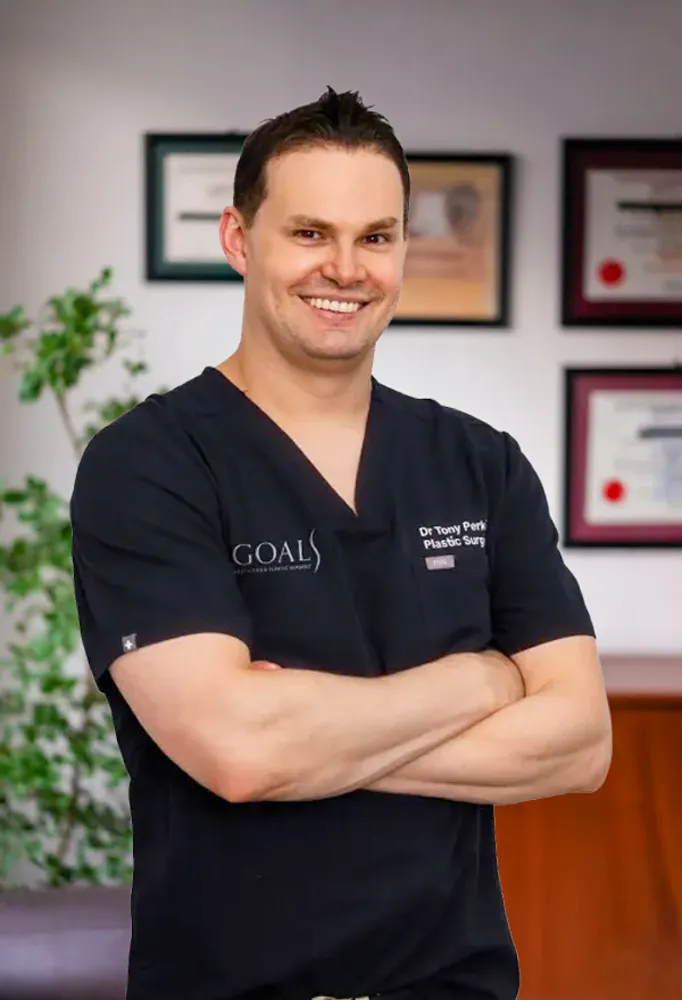
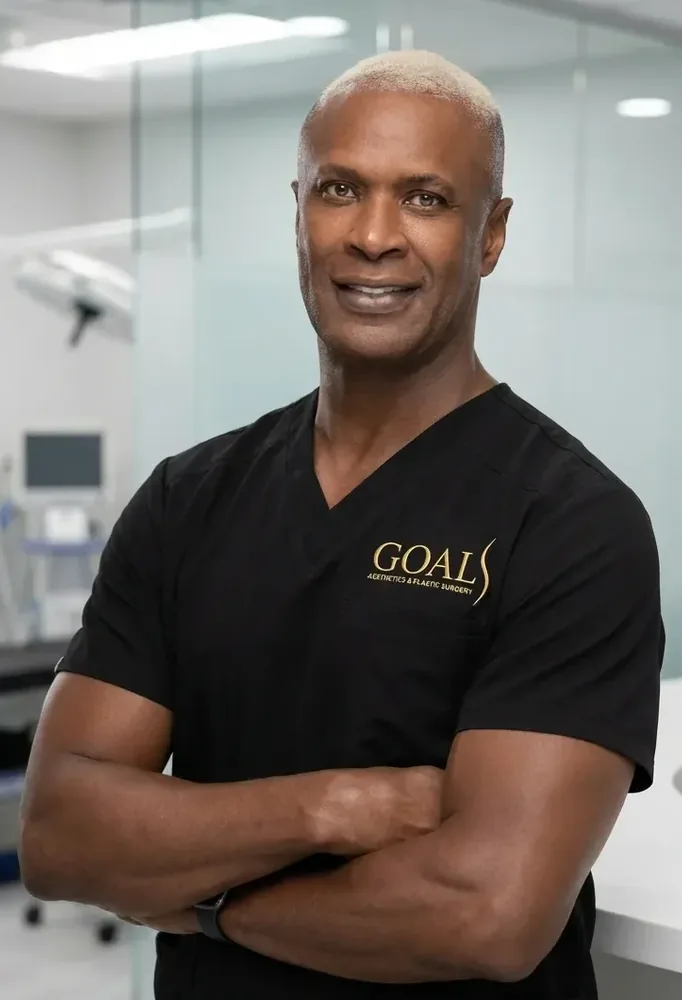
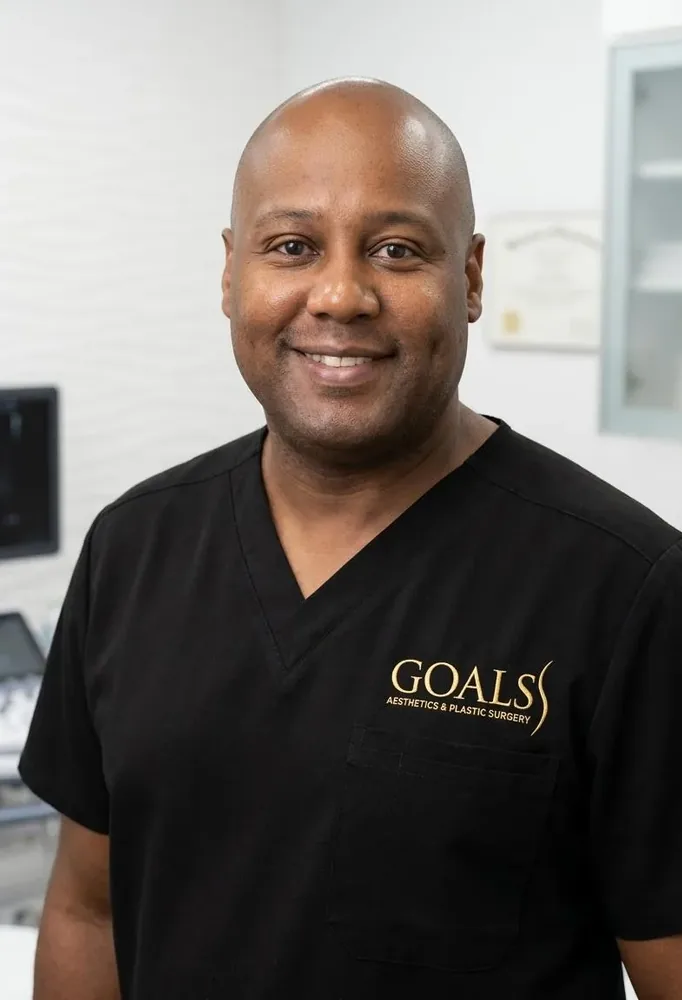
A U.S.-credentialed hair restoration surgeon runs your care. Not a technician. Meet the team before you book anything.
Credentials differ by surgeon and are listed in full on each surgeon's page.
"An at-home wand looks like a bargain. But with nobody assessing your scalp, weaker equipment, and no one tracking whether it helps, you are mostly guessing for months."
| Left Step | Right Step |
|---|---|
| Left StepYou buy a cheap wand online with no idea if it suits your scalp or hair. | Right StepYou book, and a trained technician assesses your scalp and hair before the first session. |
| Left StepNobody assesses you first, so settings, timing, and frequency are all a guess. | Right StepThe plan is set upfront. Session length, how often, what to expect. No guessing. |
| Left StepHome devices run weaker and are easy to misuse, so results go uneven and you cannot judge them alone. | Right StepEvery visit uses a professional high-frequency device, applied evenly across the scalp. |
| Left StepScalp turns irritated or flaky and there is no professional to look at it. | Right StepSessions are painless. The device moves evenly over your scalp and you just sit there. |
| Left StepNobody is tracking whether it helps, so weeks pass with little to show. | Right StepSomething needs adjusting, the same local team is right there to guide it. |
| Left StepYour support is a manual or a forum thread. Nobody who has seen your scalp. | Right StepFollow-ups track your scalp and hair across the whole plan, all in one clinic. |
| Factor | At-Home Device | Goals Clinic |
|---|---|---|
| Assessment | None. You guess whether it suits your scalp. | A trained technician checks your scalp before you start. |
| Equipment | A weaker home wand with limited settings. | A professional clinical-grade device. |
| Technique | Easy to misuse. Application goes uneven. | Applied gently and evenly by trained hands. |
| Guidance | A manual, or a forum thread, if it goes wrong. | The same local team, in person, at every visit. |
| Tracking | Nobody checks whether it is actually helping. | Follow-ups track your scalp and hair over the plan. |
| Comfort | Only works if you get the routine right. | Painless, relaxing sessions in a real clinic. |
| Consistency | Sessions get skipped or rushed at home. | A set schedule keeps you on track. |
| Setting | Your bathroom, with nobody watching. | An accredited New York clinic, trained staff. |
Safety drives every decision here. A professional high-frequency device, trained technicians, and set protocols make for a gentle, easy visit.
Clean, professional treatment rooms at our accredited New York clinic.
A relaxing, painless session. No needles, and no downtime.
Your technician and care team stay reachable for questions.
Clean protocols and clear aftercare, so nothing is left vague.
Clinical high-frequency kit, not a weaker home wand.
The team that assesses you runs your sessions and every follow-up.
High-frequency stimulation is comfortable and relaxing. No needles, no downtime.
Accredited NY clinic. Professional equipment, trained staff, real care.
Credentialed hair restoration surgeons you meet before and after.
U.S. patient safety law covers you, with real recourse if you need it.
Works for men and women alike, and nothing about it is surgical.
"Scalp feels healthier and I shed way less than I did. Sessions are relaxing, I look forward to them."
"Wanted something that was not surgery. No needles, nothing hurt, and my hair looks fuller and shinier."
"Few sessions in and my scalp is less oily and flaky. They explained it all and the visits are quick."
Testimonials reflect individual experiences. Results vary by patient.
A non-surgical, high-frequency treatment that gently stimulates the scalp to lift circulation and nutrient absorption.
Monday through Saturday. Book online in about two minutes, or call and talk to someone. Either way we confirm your date and time with you.
Neither. It is gentle and painless, no needles anywhere, and most people head straight back to whatever they were doing.
It does. Men and women both use it to look after the scalp and get stronger hair, and nothing about it is surgical.
Depends on your scalp and your goals. We map out a plan at your first visit, then adjust as things respond.
It supports scalp circulation and nutrient absorption for stronger, healthier hair. It helps thinning and shedding.
Darsonval therapy is a painless, non-invasive scalp treatment that runs a high-frequency current gently across the scalp. The aim is better scalp circulation and nutrient absorption, which together create a better environment for healthier hair to grow in. No surgery, no needles, no downtime, and it suits men and women equally.
At Goals Plastic Surgery, Darsonval therapy happens at our accredited New York clinic, delivered by trained professionals using a professional-grade device rather than the weaker wand sold for home use. If you have been searching Darsonval therapy in New York, this page starts with the part most descriptions skip: what the current is actually doing, and why this treatment is aimed at your scalp rather than at your follicles directly.
The technique takes its name from Jacques-Arsène d'Arsonval, the French physician who established in the late nineteenth century that alternating currents above a certain frequency pass through tissue without causing the muscle contraction or nerve stimulation that lower frequencies produce. That single property is what makes the treatment comfortable, and it is why the high-frequency current can be applied to a scalp at all.
In a clinic the current is delivered through a glass electrode moved slowly over the scalp. Three things happen as it passes. Small blood vessels near the surface dilate, which increases local blood flow. A very small amount of ozone forms at the surface of the electrode, which has a mild antibacterial effect on the skin. And the tissue receives gentle stimulation without heat and without penetration.
Improved scalp circulation matters because a follicle is fed entirely by the blood vessels surrounding it. Everything a follicle needs to build a strand arrives that way, and a scalp with sluggish surface circulation delivers less of it. Better flow does not create follicles or reverse genetics, but it does improve the conditions the existing ones are working in.
Patients sometimes expect something dramatic from that description and find the session quiet and uneventful. That is the point. Most people report a faint warmth or light tingle rather than anything they would call a sensation. A current strong enough to feel properly would be the wrong treatment.
Most hair treatments aim at the follicle. This one aims at the skin the follicle sits in, and that distinction is the whole reason it exists as a separate option.
A scalp is skin, and it has the same problems skin has. It can be oily or dry, irritated, flaking, congested around the follicular openings, or simply inflamed in a low-grade way that nobody has ever named. None of that causes pattern baldness, but all of it makes an already struggling follicle work harder than it needs to.
The mild antibacterial effect from the ozone, combined with improved surface circulation, tends to help with the oil balance and irritation side of that picture. It is the reason patients frequently report their scalp feeling calmer and less itchy well before anything visible changes about their hair, and why Darsonval therapy is often recommended for people whose scalp is uncomfortable rather than only for those whose hair is thinning.
Framed properly, this is scalp maintenance rather than hair restoration in the surgical sense. The hair benefits indirectly, through the environment it is growing in. That is a modest claim compared with what some clinics promise, and it is the accurate one.
Darsonval is rarely the whole plan, and the honest reason is worth explaining rather than obscuring.
Each non-surgical treatment does a different job. PRP concentrates your own platelets and their growth factors and places them at the follicle. Mesotherapy delivers vitamins, minerals, and amino acids into the scalp directly. LLLT laser therapy stimulates the follicle with clinical-strength light. Darsonval improves the circulation and condition of the tissue all three of those are working through.
That makes it a natural companion rather than a competitor. A treatment that delivers nutrients into the scalp works better in a scalp with good blood flow to distribute them. A follicle being stimulated to grow needs a supply line capable of feeding the growth. Improving the environment and acting on the follicle are complementary rather than duplicative, which is why patients frequently run two treatments together.
It also has a practical advantage that matters more than it sounds. Daily products fail most often not because they do nothing but because people stop applying them. A scheduled appointment that somebody else is tracking removes the part patients actually find difficult, which is why Darsonval tends to be the treatment people keep up with over years rather than abandoning by month three.
The clearest candidates have early thinning and want to protect what they have, hair that sheds easily and needs a healthier base beneath it, or a scalp that is oily, irritable, or generally uncomfortable. It also works as straightforward maintenance for people whose hair is currently fine and who would like it to stay that way, and as a hair thinning treatment for anyone who wants something drug-free and needle-free.
The ceiling is where this needs to be plain. Better circulation supports follicles that are still alive and producing, even weakly. It does nothing for scalp where the follicle has already closed, because improving blood supply to a site with nothing growing in it changes nothing you can see. Anyone selling Darsonval as an alternative to a transplant for a bare crown is overselling it.
Shedding that arrived suddenly or in distinct patches is worth a medical look before a cosmetic one, since that pattern often points at something other than ordinary thinning. And if your loss is advanced across areas where nothing has grown for years, the conversation to have is a different one. Our New York hair restoration team can compare surgical and non-surgical routes with you.
None of that rules Darsonval out. It changes what it is realistically doing for you, which is worth understanding before you book rather than discovering after four months.
Your scalp is assessed first, then a trained technician works the device evenly across the treatment area. There is no pain and nothing to recover from. Most people describe the experience as calming rather than clinical, and a fair number find it relaxing enough to lose track of.
How long each session runs and how often you come in are set out in a plan at your first visit, and courses typically run over several weeks with regular appointments. The plan is adjusted as your scalp and hair respond rather than fixed at the outset.
Even coverage is the part that separates a clinic session from a home device, and it sounds like a minor detail until you consider what happens without it. A wand used without guidance tends to linger in some places, skip others entirely, and deliver something quite different from what was intended. A technician moving a professional device methodically across the whole area is doing something a mirror and an unfamiliar tool cannot replicate.
It also asks almost nothing of your day. Nothing about a session stops you going back to work, washing your hair that evening, or seeing people afterward. There is no redness to explain and no period where you look like you have had something done.
Two different things change on two different schedules here, and conflating them is the most common source of disappointment.
Scalp changes come first. Reduced irritation, less itching, a scalp that feels calmer and less oily are often noticeable within a few weeks of consistent sessions. That is the tissue responding, and it arrives faster than anything to do with hair because skin turns over more quickly than a hair cycle runs. Improved scalp health is the earliest honest signal that the treatment is doing something.
Hair changes come much later and much more gradually. The first is usually a reduction in shedding rather than any increase in density, meaning less hair on the pillow and in the drain. Density and texture follow on the hair cycle’s own schedule, which is measured in months.
Change at that pace is invisible to daily observation, and people routinely conclude nothing is happening at roughly the point something starts. Photographs from the same spot in the same light, once a month, settle that argument better than memory does. Your follow-up appointments exist partly so that somebody other than you is tracking it.
The effect also accumulates rather than arriving after any single session, which is why consistency matters more here than intensity. A steady schedule beats occasional enthusiasm, and the results are maintained rather than permanent, so most patients move to a lighter ongoing schedule once the initial course finishes. Our before & after gallery gives a sense of what the endpoint looks like.
Darsonval has one of the better safety profiles in hair restoration, largely because nothing enters the body and nothing is cut. Side effects are minimal, and the most commonly reported is the slight tingling during the session itself. There is no recovery period and no aftercare beyond ordinary hair washing.
There are still a handful of situations where it is not appropriate, and they are worth raising at consultation rather than assuming they will be asked about. Anyone with an implanted electronic device, including a pacemaker or implanted defibrillator, should not have high-frequency treatment, since electrical devices can interfere with one another. The same caution applies to certain other implanted electrical stimulators.
Pregnancy is a standard exclusion, not because harm has been demonstrated but because elective electrical treatments are avoided as a matter of routine caution. Active infection, open wounds, or significant inflammation on the scalp mean waiting until the skin has settled, and a diagnosed seizure disorder is worth discussing with your own physician first.
None of these are common, and most patients have none of them. They are listed here because a treatment described as gentle and painless can give the impression there is nothing to disclose, and there is: your medical history shapes whether this is suitable, and the assessment is the point at which that gets established.
Pricing follows your plan, meaning how many sessions your scalp needs and how they are spaced, so the numbers are confirmed at your first visit once someone has examined you rather than quoted in advance. The plan and the pricing are both clear before you agree to anything, with nothing appearing on an invoice later that nobody mentioned. Financing options are available if spreading the cost suits you better, and someone will walk you through the terms rather than handing over a form.
Every plan covers follow-up visits with the same team, so your scalp and hair are tracked from the first session onward. Those visits are where the schedule gets adjusted, which matters for a treatment whose results build gradually and whose early signs show up on your scalp before they show up in your hair.
About Darsonval Hair Restoration
Darsonval Hair Restoration near you
Darsonval on its own, or paired with a transplant. Our team looks at what you have and builds a plan that works.
Prefer to talk now? (833) 462-5769
Free · No obligation
Tell us how to reach you. A patient coordinator calls you back — usually the same day.