







FUE Hair Restoration
Minimally invasive technique with individual follicle extraction for natural results.
at Goals® Hair Restoration
We perform hair transplants in New York at our Central Park South clinic in Manhattan. Consultations, pre-op clearances, and post-op follow-ups all happen here, steps from Midtown and easy to reach.
Minimally invasive technique with individual follicle extraction for natural results.
Strip harvesting method ideal for patients needing maximum graft counts.
Permanent facial hair restoration for patchy or thin beard areas.
Natural, permanent eyelash density for a fuller, youthful appearance.
Specialized techniques for curly and textured hair restoration
Rebuild natural hair growth with transplant techniques made for lasting, realistic results. A good fit for anyone in New York facing thinning or hair loss, or looking to rebuild density with a plan.
Hair transplants happen at two Goals clinics: Central Park in New York and downtown Atlanta. Pick whichever is easier to reach.
Hair Advanced Rejuvenation & Restoration Technology that boosts graft survival and supports fuller, natural growth.
Experienced surgeons who know hair restoration inside out and focus on results that look natural.
Every procedure is built around your diagnostics, hair type, and what you actually want.
Virtual consultations from anywhere, plus hands-on care at our New York and Atlanta clinics.
See dramatic transformations from real patients.
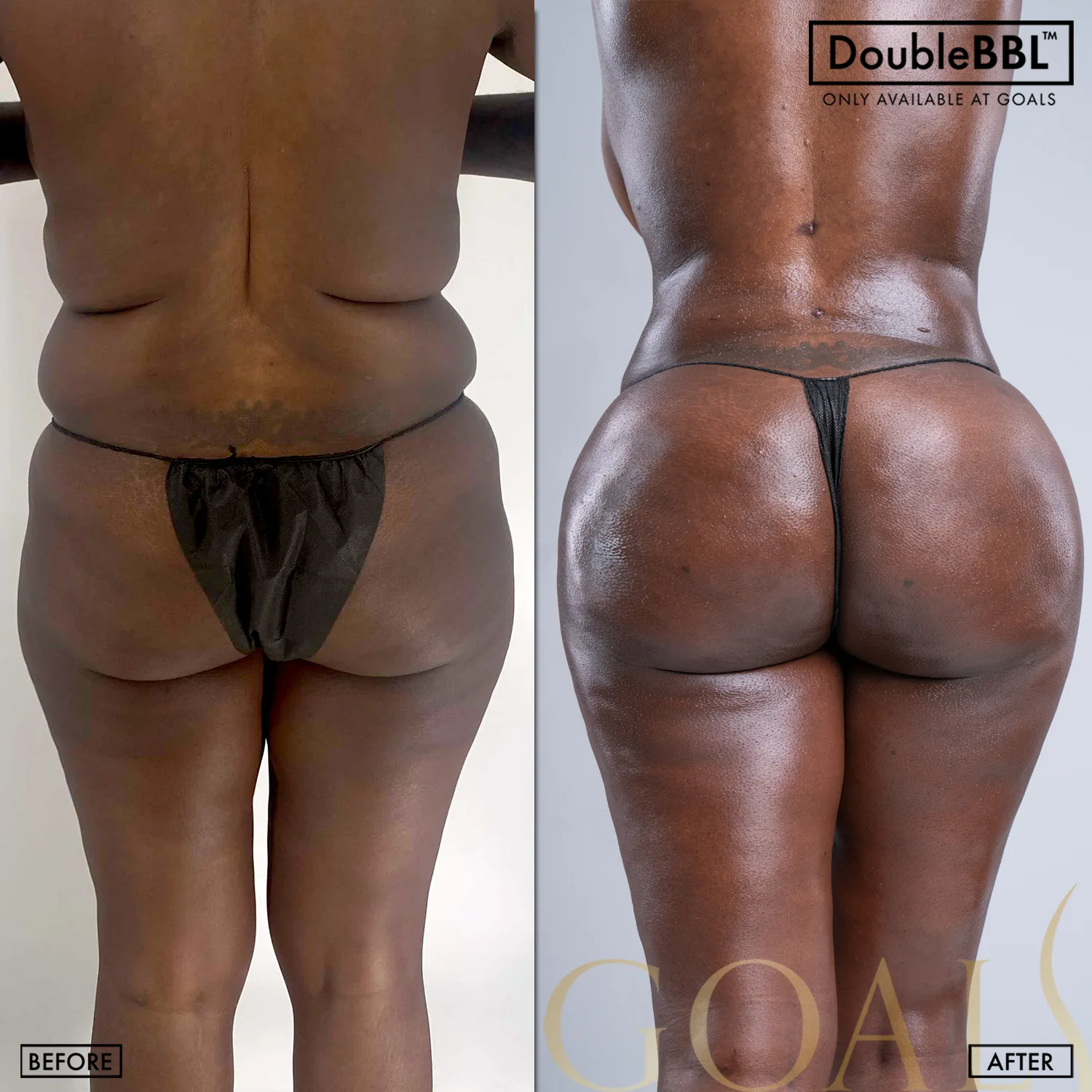
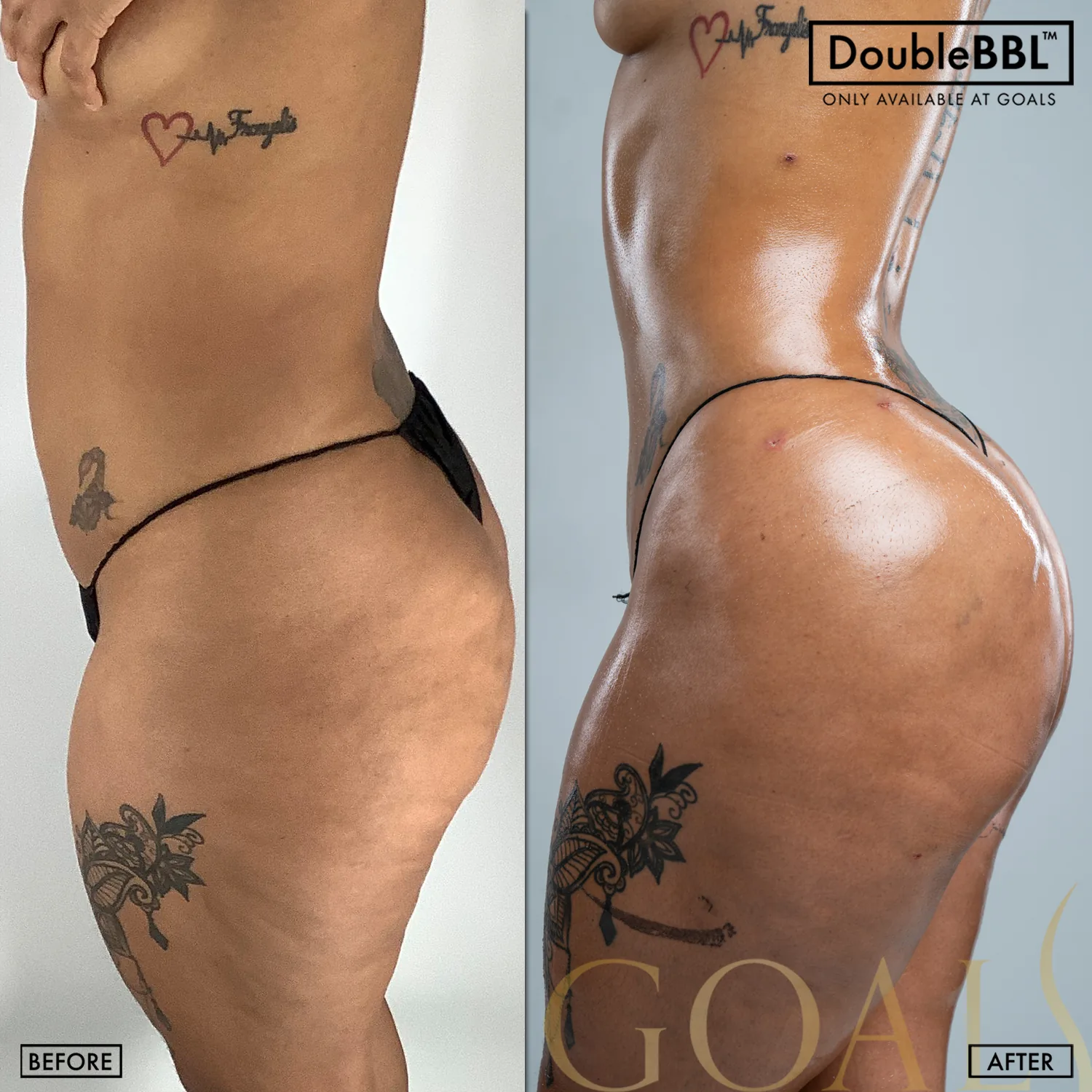


Real patients of Goals, published with written consent. Photographs are not retouched or AI-generated. Individual results vary — these images show outcomes for these patients and are not a guarantee of your own.
Work it out
Runs in your browser. Nothing is sent to us and nothing is saved — a height and a weight are your business.
BMI is one measure among several and it says nothing about how you are built. Surgeons weigh it alongside your health and your goals; it does not decide anything on its own.
| Question | Answer |
|---|---|
| QuestionDoes a hair transplant hurt, and will I be awake for it? | AnswerYou are awake the whole time, but comfortable. The scalp is numbed with local anesthesia, so most people feel a few pinches at the start and very little after that. Many patients read, nap, or watch something during the six to eight hours. At your New York consultation we walk through exactly what the day feels like start to finish. |
| QuestionWill anyone be able to tell I had work done? | AnswerThat is the whole goal, and with careful planning almost no one can. A good surgeon matches the angle, direction, and density of your new hairline to what grew there naturally. The grafts settle in over months rather than appearing overnight, so the change reads as gradual. Done right, people notice you look better without knowing why. |
| QuestionHow permanent are the results, and can I go bald again? | AnswerTransplanted follicles are taken from areas resistant to balding, so the moved hair tends to stay for good. The catch is your original hair around it can keep thinning with age. That is why we often pair surgery with treatments that protect your native hair, and why an honest plan looks at the long game, not just day one. |
| QuestionWill there be a visible scar afterward? | AnswerIt depends on the technique. FUE removes follicles individually and leaves tiny dot scars that are hard to see, even with short hair. FUT leaves a thin line at the back that longer hair covers easily. During your consultation we look at your donor area and how you like to wear your hair, then recommend the approach that hides best for you. |
| QuestionWhat happens if I only have a small area to fix? | AnswerSmaller cases are common and often simpler. A receding corner or a thin patch might need only a few hundred grafts and a shorter session. You still get the same planning and the same natural placement, just on a smaller scale. At the Central Park South clinic we size the plan to your actual loss rather than overselling a bigger procedure. |
| QuestionHow do I know if my hair loss is stable enough for surgery? | AnswerThis matters most for younger patients whose loss is still moving fast. Transplanting into an area that keeps thinning can leave odd gaps later. A specialist looks at your pattern, family history, and how quickly things have changed, and may suggest stabilizing first. Timing it right is part of getting a result that still looks good in ten years. |
A hair transplant is real surgery, and it deserves to be treated that way rather than sold like a spa package. Goals Plastic Surgery approaches hair transplant new york differently, leaving behind the old high-risk playbook for safer, more refined methods. The work happens at our Central Park South clinic in Manhattan, where procedures run under awake-anesthesia protocols. That means more precision, less risk than general anesthesia, and a noticeably quicker recovery, without ever putting comfort or safety second.
At its core, a transplant moves healthy follicles from donor areas, usually the back and sides of the scalp, into thinning or bald zones. For men, it has become the reliable way to rebuild a hairline, fill in a thinning crown, or push back against male pattern baldness. The two techniques that do most of the work are FUE (Follicular Unit Extraction) and FUT (Follicular Unit Transplantation). The fue hair transplant nyc approach in particular gives natural-looking, lasting results that grow and behave exactly like the hair you were born with.
These procedures fit men with receding hairlines, thinning crowns, or general scalp thinning. Surgery runs under local anesthesia in an accredited U.S. clinic and usually takes six to eight hours, depending on how many grafts you need. Compared with the cut-rate transplant packages sold overseas, choosing a real hair transplant clinic in the States means licensed surgeons, sterile facilities, follow-up care that genuinely happens, and the patient-safety protections U.S. law provides.
Beyond which technique you pick, candidacy comes down to donor density, whether your loss has stabilized, and what you realistically want from coverage. Younger men whose hair is still receding quickly may be told to hold off and stabilize first, while someone with a well-defined donor area often gets an excellent result. A thorough sit-down with an experienced hair transplant surgeon nyc takes the guesswork out and gives you a straight, honest read on what surgery can and cannot do for your specific pattern of loss.
It also helps to know what the planning stage looks like, because a good hairline is designed before a single graft is placed. The surgeon studies your face shape, how your hair grows, and where a mature hairline should realistically sit at your age. You will talk through graft counts and what your donor area can spare without looking thin. None of it is rushed, and nothing gets scheduled until you actually understand the trade-offs and feel settled about them.
Women lose hair differently than men, usually as diffuse thinning across the crown rather than a receding hairline. A women's transplant meets that pattern with a delicate, density-focused approach that protects the existing hair and blends new growth in cleanly. A female hair loss specialist nyc weighs hormonal factors, styling history, and donor supply before laying out a plan, so the result looks natural and holds up against your long-term goals.
Because women usually keep the surrounding hair long, techniques that keep scarring invisible matter most. Follicular unit extraction gets chosen often for exactly that reason, since it allows precise placement with no linear scar. At the consultation, the team maps the treatment zone and estimates graft counts, so you walk in knowing what to expect, from the procedure itself through months of gradual, healthy regrowth.
Strong female candidates include women with traction alopecia, thinning along the part line, or loss that followed a hormonal change, as long as the donor region stays healthy. Since every case differs, the team takes time to rule out treatable medical causes before recommending surgery, making sure a transplant is genuinely the right move rather than a jump ahead of one. Recovery follows the same gentle timeline as anyone else, and because the surrounding hair is often long, careful styling guidance helps hide the treated area while it heals, so you can get back to normal without feeling exposed.
Scalp work is only part of what Goals does. A beard and facial hair transplant fills patchy or thin spots with permanent, natural-looking growth shaped to your face. Textured and curly hair asks for its own skill set, which is why an Afro hair transplant relies on techniques that protect the natural curl pattern and keep the result balanced.
These procedures lean on an artistic eye as much as surgical skill, because the angle, direction, and density of facial and delicate-area hair have to match what nature intended. Get the angle slightly wrong and it reads as fake, so careful planning and placement are what separate a decent result from a great one. That is exactly where an experienced surgeon earns their reputation.
Whether the job is restoring a beard, refining an eyebrow line, or adding fullness to lashes, these treatments all chase the same thing: a result so natural nobody can tell work was done. That subtlety is what draws patients who want genuine enhancement rather than an obvious change. Every specialized case starts with a detailed consultation, because the right approach depends on donor supply, the area being treated, and the look the patient is actually after. Reviewing prior results and talking goals through in detail keeps expectations grounded and the outcome aligned with what the person wanted in the first place.
Goals uses its own protocol called HARRT, short for Hair Advanced Rejuvenation & Restoration Technology, built to improve graft survival and support natural growth. By refining how grafts are handled and placed, HARRT raises the odds that transplanted follicles take hold and thrive, which shows up as fuller density and more consistent results across a procedure.
It pairs with awake-anesthesia protocols that keep you comfortable while avoiding the risks tied to general anesthesia. That combination lets the surgical team work with real precision and supports the faster recovery patients have come to expect. Still, technology by itself never guarantees a great outcome. HARRT works alongside skilled surgeons and careful planning, backing up their judgment rather than replacing it. That mix of good tools and real experience is what keeps producing natural, lasting results, and it is a big reason patients refer their friends and family.
For you, the practical benefit is straightforward. More of the hair that gets transplanted actually survives and grows, which means fewer sessions and a result you can more or less count on. It is one of several ways the practice puts its energy into outcomes instead of shortcuts, favoring durable, natural density over quick surface fixes that fade. When the technology and the surgeon pull the same direction, the hair you gain tends to stay.
Recovery is more comfortable than most people brace for. Minor redness, swelling, or scabbing in the treated and donor areas usually clears over the first week or two, and most patients get back to everyday activities within a few days. The care team sends you off with detailed aftercare covering washing, sleeping position, and the habits that protect new grafts while they settle in.
Transplanted hair typically sheds within the first few weeks. That is normal and expected, not a setback, and new growth kicks in around three to four months. Fuller, natural-looking density generally develops over ten to twelve months as the follicles mature. Along the way, follow-up appointments let the team track your progress and confirm everything is healing the way it should.
Patience is honestly the hardest part. Because visible results unfold over the better part of a year, the team keeps reminding patients to trust the process and stick to their aftercare. Protecting the grafts early, easing off harsh sun and strenuous activity at first, and keeping every follow-up all feed the strongest long-term result. If a question or worry pops up mid-healing, the care team stays reachable, so nobody is left guessing. By the end, most people find the wait was well worth it for a result that looks and feels entirely their own.
It is worth setting expectations about the awkward middle stretch too. Somewhere around week two to month three, the transplanted hairs shed and the scalp can look much like it did before surgery. This throws people off if no one warned them, but it is the follicles resetting before they push out new growth. Knowing it is coming makes the wait far easier, and by month four the turnaround usually starts to show in the mirror.
Good hair restoration should be within reach without wrecking your finances, which is why Goals keeps rates competitive and offers flexible financing. You can spread the cost of a procedure across manageable monthly payments, which makes it easier to commit to the right plan instead of chasing a cheaper shortcut. Pricing is laid out clearly at the consultation, so nothing sneaks up on you, and the team helps you find an option that fits your budget.
Going with a clinic close to home protects that investment too. Those overseas bargain packages tend to bury the real cost in poor results, no follow-up, and nobody accountable when something goes wrong. An accredited U.S. clinic brings sterile facilities, licensed surgeons, and real aftercare, so you get dependable, natural-looking results that earn their price and hold up over time.
At the consultation you get a clear breakdown of costs tied to your recommended plan and graft count, with no hidden fees. That openness, plus monthly payment options, lets you plan with confidence and move on a timeline that suits your finances. When affordability is treated as part of the care rather than a footnote, a quality transplant lands within reach for a lot more people, and investing in yourself starts to feel doable instead of out of reach.
Where you have your transplant done is one of the biggest decisions in the whole process. Look for licensed, experienced surgeons, before-and-after results you can actually verify, and an honest consultation that sets realistic expectations. A good provider never pushes you toward one particular technique. They read your donor supply, hair type, and goals, then recommend what genuinely suits you. Comparing hair transplant clinic new york options carefully before you book is a smart way to sanity-check any provider.
Goals performs hair transplants at two clinics, Central Park in New York and downtown Atlanta, so consultations, pre-op clearances, and post-op follow-ups are easy to reach. Virtual consultations stretch that access further. To get a feel for the work, browse the full gallery of patient results or contact the team to start putting a plan together. If you are weighing hair transplant nyc options, an honest consultation is the best place to begin.
The right clinic pulls proven surgical skill, honest guidance, and attentive aftercare into one experience you can trust. Taking the time to research providers, read reviews, and ask real questions during a consultation pays off in results that look natural and hold up for the long term. When you are ready, the next step is simple: book a consultation, share your goals, and let an experienced surgeon map out a realistic plan. That first conversation is where every successful transplant begins, turning uncertainty about hair loss into a clear path forward, with a team as invested in the result as you are.
One thing worth understanding going in: a transplant redistributes the hair you already have, it does not manufacture new follicles. So looking after the native hair around the grafts matters if you want the result to hold. Plenty of patients pair surgery with supportive therapies to protect that hair and keep their fullness for years. For a lot of men, rebuilding a hairline lands harder emotionally than they expected, and the lift in confidence at work and out in the world is a big part of why they did it.
Weighing FUE, FUT, or another hair transplant option? Our New York surgical team maps out a safe, realistic plan around your hairline and your goals.
Prefer to talk now? (833) 462-5769
Free · No obligation
Tell us how to reach you. A patient coordinator calls you back — usually the same day.